Congested Skin and Blackheads: Is a Professional Facial Worth It?
Brenda Cammo Team
Visible blackheads, a rough-feeling T-zone and pores that seem to refill quickly can make skin feel persistently congested. It is tempting to scrub harder, add several new products or try to remove every blockage at home. Yet blackheads are not simply dirt on the skin, and an overly aggressive routine can leave the complexion feeling more irritated than clear.
A professional facial cleansing session may be worth considering when congestion is recurring, your usual gentle routine is not giving you the fresh, comfortable feel you want, or you would like a trained practitioner to look at your skin before changing everything at once. It is not a substitute for medical acne care, and it should not be presented as a quick fix for every breakout. Instead, it can be a considered part of a personalised skincare approach.
What does congested skin mean?
“Congested skin” is a common beauty term rather than a diagnosis. It usually describes skin with a build-up of visible blackheads, whiteheads, uneven texture or small bumps, often around the nose, chin, forehead and jawline. Some people notice it alongside oiliness; others experience it even when their skin feels dry or dehydrated.
Blackheads are also known as open comedones. They form when oil and dead skin cells collect in a pore that remains open. The dark appearance is not a sign that the pore contains dirt. It develops when the material in the pore is exposed to air and oxidises. This is one reason harsh scrubbing or repeatedly trying to “clean out” pores does not solve the underlying issue. The American Academy of Dermatology explains how blackheads form and advises against squeezing them because this can increase the risk of irritation, infection or scarring.
Congestion can fluctuate. Climate, sweat, make-up removal, rich hair products around the hairline, product layering, hormonal changes and individual skin behaviour can all be relevant. The goal is not to chase poreless skin. Pores are a normal part of skin. A more realistic goal is skin that feels comfortable, looks clearer and is supported by a routine you can maintain.
Signs a professional facial cleansing session may be worth considering
A facial is not necessary every time you notice a blackhead. However, booking a professional facial cleansing session can be a sensible option in a few everyday situations.
You have recurring blackheads despite a consistent gentle routine
If blackheads return in the same areas even though you cleanse gently, remove make-up carefully and avoid constantly changing products, it may help to have your current routine reviewed in the context of your skin’s condition. A session can create space to discuss what you are using, how your skin reacts after cleansing and whether it feels oily, tight, sensitive or uneven.
Your skin feels textured or dull rather than inflamed
Some clients are mainly concerned with a congested, bumpy feel and a lack of visible freshness, rather than sore, deep or widespread spots. In these circumstances, a professional deep-cleansing facial can be a practical self-care appointment, particularly if you would prefer not to pick at your skin at home.
You are preparing for a special occasion but want a realistic plan
Before a holiday, event or important photographs, many people want their complexion to feel more polished. The most helpful approach is to book early enough for your skin to settle and to avoid experimenting with multiple strong products immediately beforehand. A facial should be chosen for skin comfort and considered care, not as a promise that every pore will look invisible on a specific date.
You are unsure whether your products are contributing
Sometimes the question is not “Which product is best?” but “Am I using too much?” Heavy or oily hair products, for example, can contribute to small breakouts around the hairline in some people. The American Academy of Dermatology notes that hair products can play a part in this pattern. A conversation about where products are applied and how they are removed can be more useful than buying another cleanser on impulse.
What a professional cleansing facial can and cannot do
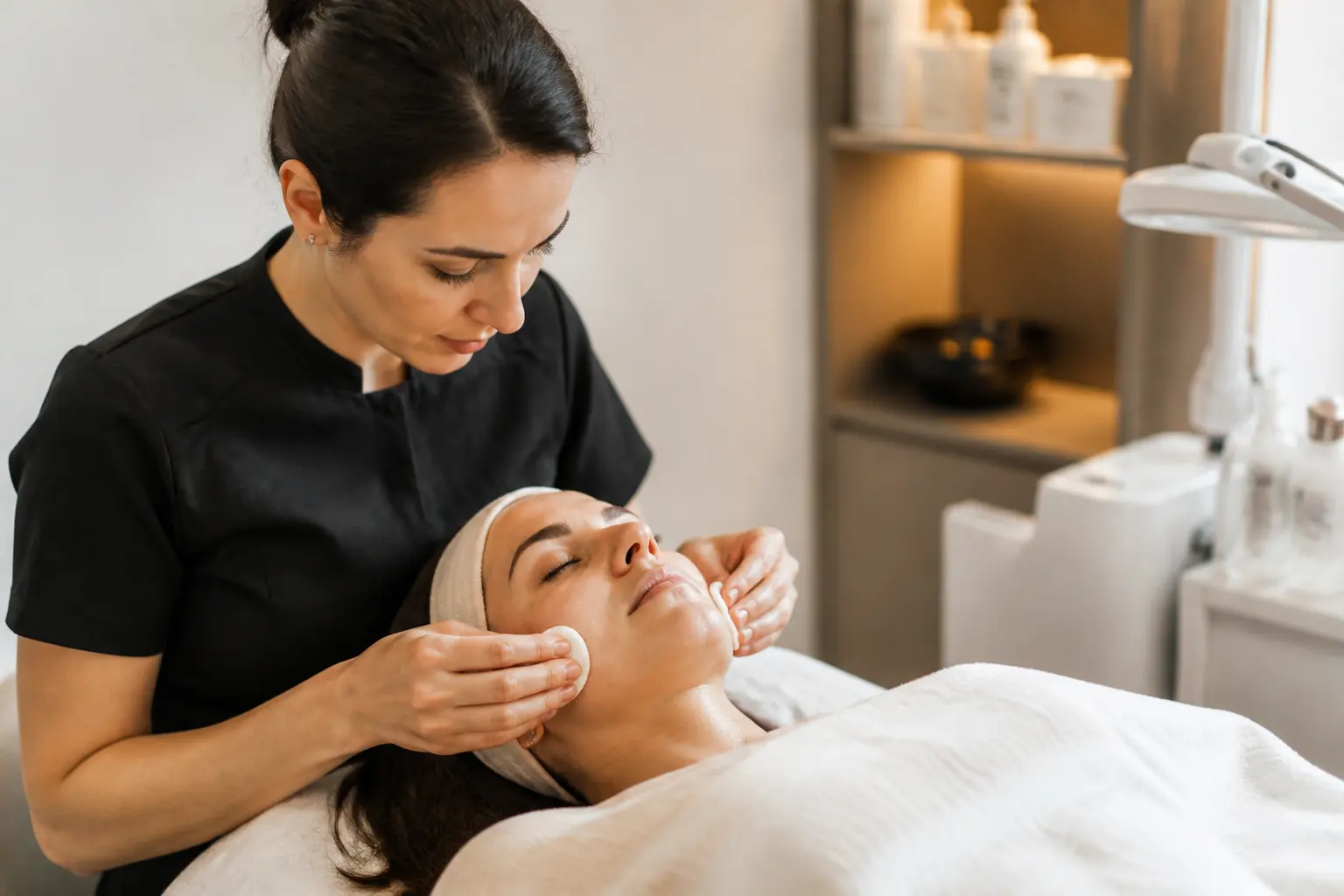
A professional facial cleansing session is designed to support a cleaner-feeling, more comfortable complexion through a tailored facial service. At Becammo, the Brazilian Deep Cleansing facial is a dedicated one-hour facial option. The appointment is an opportunity to discuss your skin concerns and choose care that is appropriate to the condition of your skin on the day.
Depending on individual assessment, professional facial care may focus on cleansing, gentle exfoliation, hydration and attention to visible congestion. If extractions are considered appropriate, they should be approached carefully and hygienically rather than treated as something to force. The skin should always guide the appointment: a sensitised, irritated or inflamed area may need a different approach from a few visible blackheads on an otherwise comfortable nose and chin.
It is equally important to understand the limits. A beauty facial does not diagnose acne, prescribe medication or replace care from a dermatologist. It cannot guarantee that blackheads will never return, because oil production, skin-cell turnover and daily life continue after the appointment. A facial can complement good home care, but it is not a reason to abandon a simple routine that is working for you.
For persistent blackheads and whiteheads, dermatologists may recommend ingredients such as retinoids or salicylic acid, depending on the person and their skin. These are not choices to make blindly, especially if your skin is reactive, you are pregnant or trying to conceive, or you already use active skincare. Guidance from the American Academy of Dermatology stresses that treatment should match the type of blemish and that results from an acne product often take several weeks rather than days.
When a facial cleansing session is not the first step
There are times when medical advice should come before, or alongside, a beauty appointment. Consider speaking with a GP or dermatologist if you have deep, painful spots; cyst-like lumps; widespread inflamed breakouts; sudden severe changes; visible scarring; or acne that is affecting your confidence and daily life. These concerns may need a clinical assessment and a treatment plan beyond professional skincare.
It is also wise to mention any prescribed topical products, oral medication, recent procedures, allergies, skin conditions or current irritation before booking. A personalised consultation is not an obstacle to the treatment; it is part of making a responsible choice. If your skin is actively sore, peeling, sunburnt or unusually reactive, postponing or adapting the service may be the more comfortable option.
Do not attempt aggressive DIY extraction with fingernails, needles or unsterile tools. Dermatology guidance consistently warns that squeezing can lead to irritation, infection and marks. The American Academy of Dermatology advises leaving extractions to trained medical professionals when medically indicated. For everyday beauty care, the safer principle is to avoid force and seek suitable professional guidance.
How to prepare for a facial when you have blackheads
Preparation does not need to be complicated. The point is to arrive with a clear picture of what your skin has been experiencing.
- Keep your routine calm in the days before the appointment rather than introducing several new acids, scrubs or masks.
- Make a note of any active skincare, prescribed products or supplements you use and mention them during your consultation.
- Tell the practitioner if your skin has felt stingy, flaky, itchy, sun-sensitive or unusually oily.
- Avoid picking or squeezing blackheads before your session, as this can leave skin irritated and more difficult to assess.
- If you have an event coming up, allow time for skin to settle rather than booking at the last possible moment.
If you have been using a product marketed for blackheads, consistency matters more than constantly swapping formulas. Over-cleansing can make skin feel stripped, while piling on actives can make it hard to identify what is causing sensitivity. A simple record of what you use morning and evening can make the consultation more useful.
Keeping the result comfortable after your appointment
After a cleansing facial, resist the urge to immediately test exfoliating pads, a strong mask or a new spot treatment. Keep the next steps straightforward and follow the aftercare advice given for your skin. In general, gentle cleansing, appropriate hydration and daily sun protection help support a balanced routine.
It can also help to notice patterns rather than judging your skin hour by hour. Do blackheads concentrate around the nose but not elsewhere? Do small bumps appear near the hairline after using a styling product? Does your skin become tight after a foaming cleanser? These observations can guide more personalised choices at future appointments.
For many people, maintenance is less about a perfect timetable and more about responding to genuine changes in texture, comfort and visible congestion. How often a facial may suit you depends on your skin, your home routine and the type of service selected. An in-person conversation is the appropriate place to discuss this rather than following a one-size-fits-all schedule.
Choosing professional care in Malta
If visible blackheads and congestion are making your skin feel less comfortable, start with a calm conversation rather than a harsh solution. Becammo offers facial services in Malta, including Brazilian Deep Cleansing, with appointments available through the online booking system for the Sliema and Swieqi locations.
Bring your questions, be open about your current skincare and describe what you would like to improve. A good facial plan respects the fact that every complexion has its own balance of oiliness, sensitivity, texture and daily demands. The aim is considered care and clearer guidance, not an unrealistic promise of flawless skin.
Frequently asked questions
Are blackheads caused by dirty skin?
No. Blackheads form when oil and dead skin cells collect in an open pore and the material oxidises on exposure to air. Cleansing is useful, but scrubbing hard will not simply wash blackheads away.
Can a professional facial remove every blackhead?
No responsible facial should promise this. What is appropriate depends on your skin’s condition, sensitivity and the areas affected. The appointment should prioritise careful, hygienic care over forcing extractions.
Should I squeeze blackheads before my facial?
No. Picking can irritate the skin and may increase the chance of marks or infection. Leave the skin as calm as possible and discuss the concern during your appointment.
How often should I book a deep-cleansing facial?
There is no universal answer. Frequency depends on your skin, visible congestion, your home routine and how your skin responds. Discuss a suitable approach during your facial consultation.
Can I have a facial if I have painful acne?
If you have deep, painful, widespread or scarring breakouts, seek advice from a GP or dermatologist. A facial is not a replacement for medical assessment of inflammatory acne.
What should I mention before booking?
Tell the practitioner about allergies, sensitivity, prescribed skincare or medication, recent procedures, active irritation and the products you use at home. This helps the appointment be tailored more responsibly.
When congestion and visible blackheads are persistent, a professional facial cleansing appointment can be a thoughtful next step for skin that needs practical care rather than aggressive DIY tactics. Use the final booking option to choose the most convenient Becammo location and discuss what your skin needs on the day.