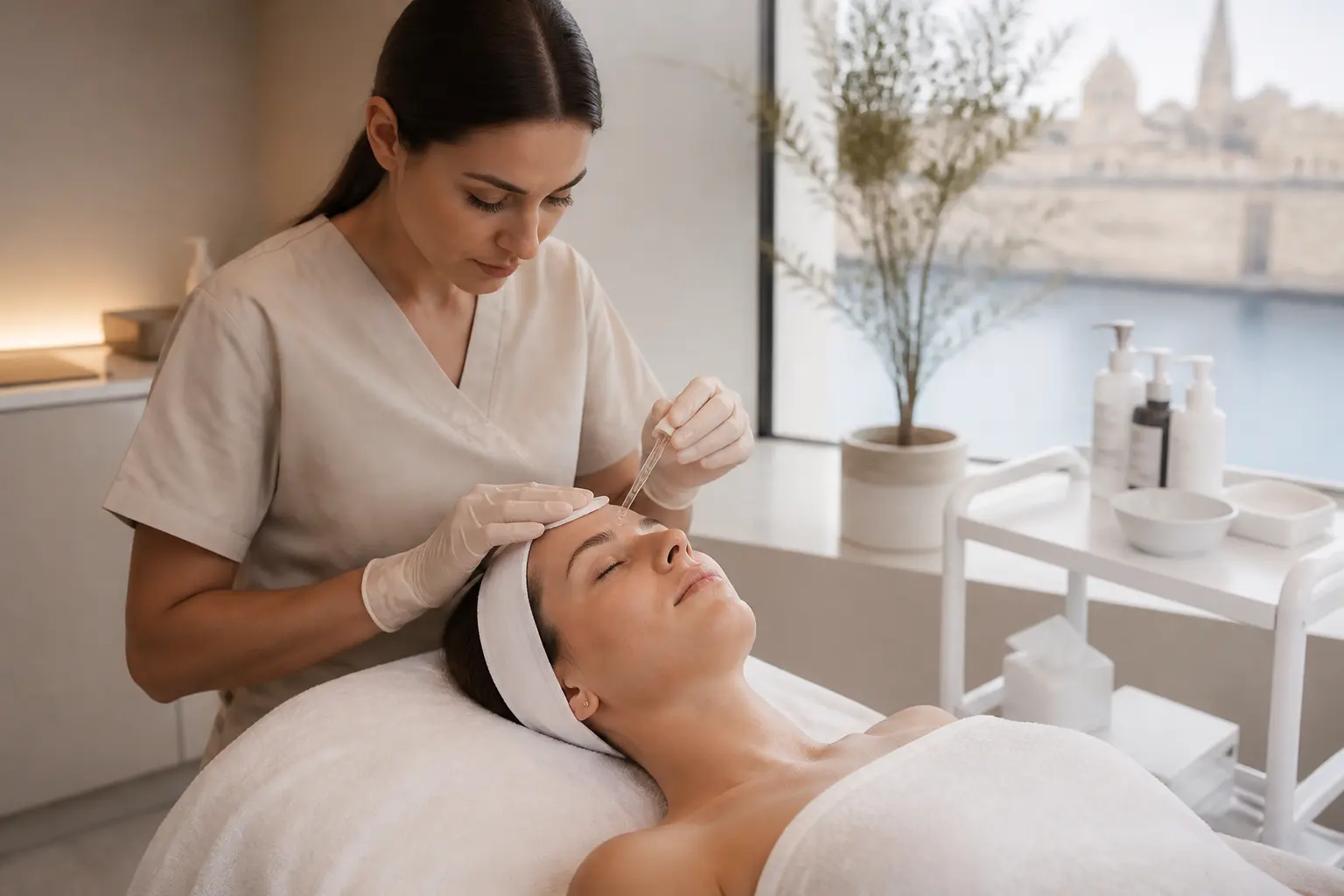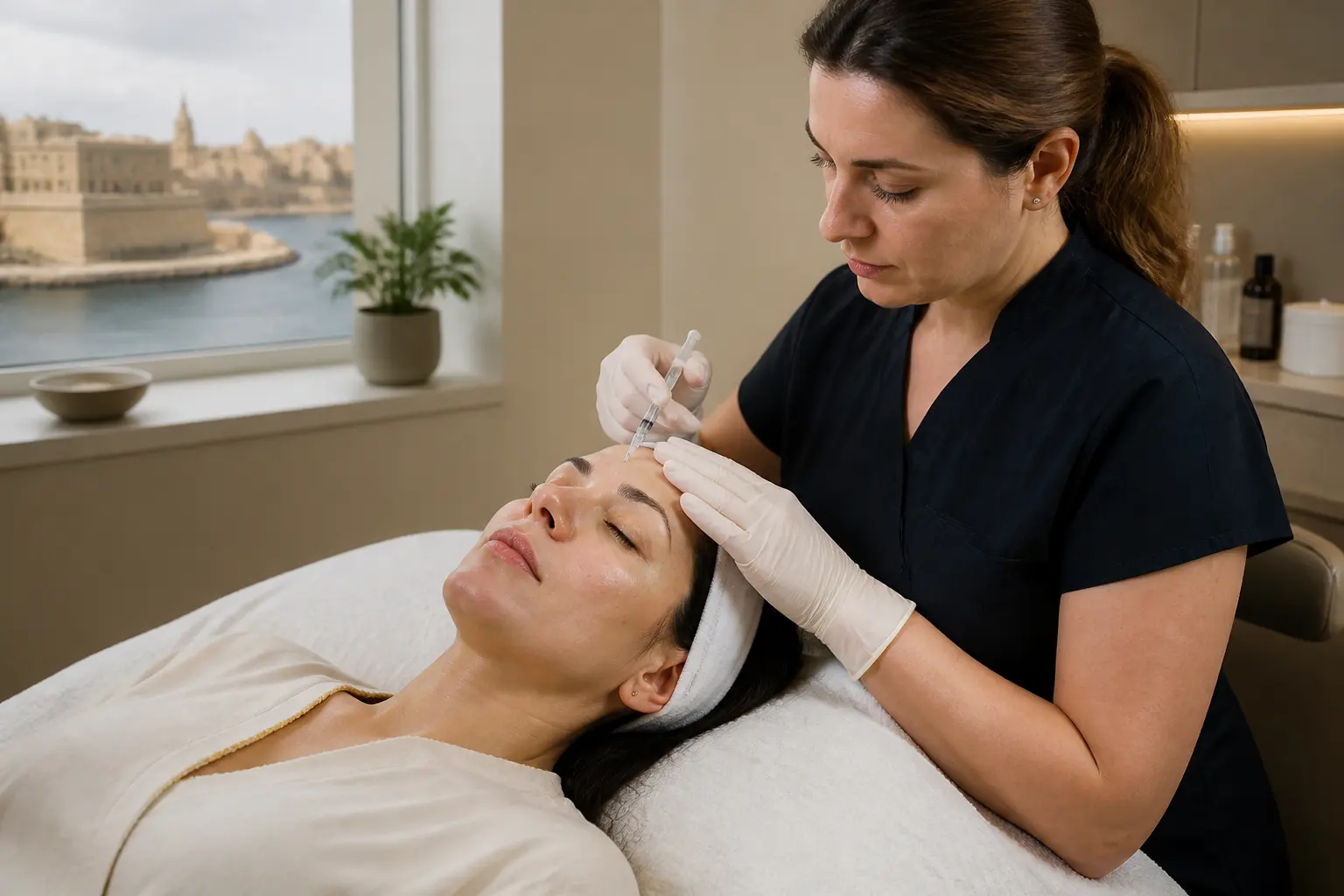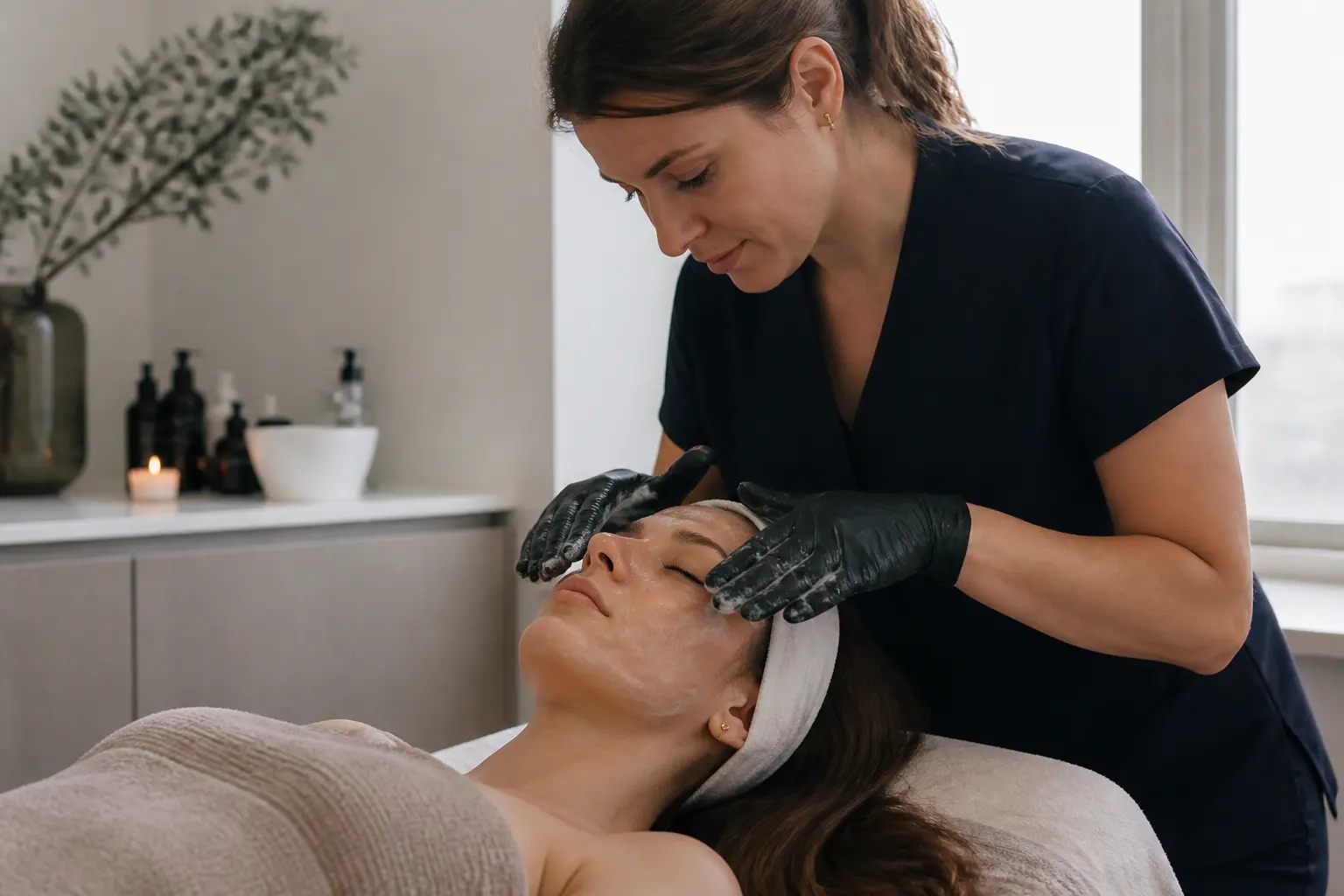
At-home exfoliation is a controlled maintenance step within your usual routine, while a deep cleansing facial is a dedicated professional appointment built around assessment and tailored care. Neither replaces the other: a facial can sit alongside a simple home routine of gentle cleansing, moisturiser and sun protection. Avoid exfoliating before a facial, and reduce exfoliation if you notice tightness, stinging, flaking or redness.
A deep cleansing facial and at-home exfoliation can both support a fresher-looking, smoother skincare routine, but they are not the same thing. One is a professional appointment built around assessment and tailored care; the other is a home step that needs to be chosen and used with restraint.
The most helpful way to compare them is not to ask which is “better”. Instead, ask what each one is designed to do, how your skin is behaving at the moment and whether your current routine already contains potentially active ingredients. Used thoughtfully, a professional facial can complement a simple home routine. Used too often or too aggressively, exfoliation can leave skin feeling uncomfortable, dry or reactive.
For anyone in Malta considering a Brazilian Deep Cleansing appointment, understanding this distinction can make the booking conversation more useful. Rather than arriving with a long list of products or a fixed idea of what your skin needs, you can discuss your routine, your skin goals and any sensitivity you have noticed.
What is the difference between a facial and at-home exfoliation?
At-home exfoliation is one part of a skincare routine. Its purpose is generally to help lift away surface dead skin cells through either a physical method, such as a gentle cloth or scrub, or a chemical method using exfoliating acids. It is something to approach carefully because the best method and frequency vary between skin types and products.
A deep cleansing facial is a professional skincare appointment. Although facials can differ considerably between studios and providers, they often bring together cleansing, exfoliation, hydration and care selected around the person’s skin concerns. Some facial appointments may also include an assessment and, where appropriate, professional extraction work. This is very different from trying to replicate every salon-style step at home.
Think of it this way:
- At-home exfoliation is a controlled maintenance step within your usual routine.
- A deep cleansing facial is a dedicated appointment that can help you review that routine and give your skin focused care.
Neither option needs to be extreme. A strong scrub every day is not a substitute for professional care, and booking a facial does not mean your daily routine can be ignored. Skin usually benefits most from consistency, gentleness and products that suit its current needs.
What can at-home exfoliation do?
Exfoliation means removing dead skin cells from the outer surface of the skin. It may help skin feel smoother and can improve how evenly some skincare products apply. However, it is not automatically necessary for every person or every day.
The American Academy of Dermatology distinguishes between two broad approaches:
- Mechanical exfoliation: using a tool or textured product, such as a soft cloth, pad, brush or scrub, to physically lift surface cells.
- Chemical exfoliation: using ingredients such as alpha hydroxy acids or beta hydroxy acids to loosen the bonds between surface dead skin cells.
Both approaches can be useful in the right circumstances, but neither is universally suitable. Skin that is dry, sensitive or acne-prone may find abrasive tools and rough scrubs irritating. Skin can also become more reactive when exfoliation is combined with other active products, including retinoids, retinol or benzoyl peroxide.
Signs your exfoliation step may be too much
It can be tempting to respond to texture, congestion or a dull appearance by exfoliating more often. Yet more is not always more helpful. Consider pausing and simplifying your routine if you notice:
- Persistent tightness after cleansing;
- Stinging when applying products that normally feel comfortable;
- Dry or flaky patches;
- New redness or irritation;
- Skin that feels rougher despite frequent scrubbing;
- Breakouts that appear after introducing or increasing an exfoliant.
These signs do not diagnose a skin condition, but they are a good reason to stop adding more exfoliating products. The American Academy of Dermatology advises being gentle, avoiding exfoliation over open cuts, sunburned skin or wounds, and following exfoliation with moisturiser. If your skin concerns are persistent, painful or difficult to manage, speak with a qualified healthcare professional or dermatologist.
At BeCammo · Sliema · Swieqi
Facials in Malta
Deep cleansing, PDRN and dermaplaning facials for clear, glowing skin.
- from €50price
- Sliema · Swieqiwhere
- ★ 5.0460+ Google reviews
What does a deep cleansing facial add?
A professional deep cleansing facial is not simply “a stronger exfoliation”. Its value is in the focused appointment and the opportunity to consider the skin as a whole. A trained practitioner can ask about your usual cleanser, moisturiser, SPF, makeup habits, sensitivity, recent sun exposure and use of active products before selecting suitable care.
That conversation matters. Two people may both describe their skin as congested, for example, while having very different needs. One may be using a heavy product that does not suit them; another may be over-cleansing and stripping their skin; a third may be experiencing sensitivity from using several active ingredients together. A professional appointment should not assume that every texture concern needs stronger exfoliation.
Facials commonly combine several elements, including cleansing, hydration and tailored topical care. As Cleveland Clinic notes in its overview of facials, the exact elements can be adapted to individual skin needs. This is why a deep cleansing facial should be viewed as a personalised service, rather than a single identical formula for every face.
At BeCammo, the Brazilian Deep Cleansing facial is listed as a one-hour facial service. Before booking, it is sensible to share relevant information, including sensitivity, current skincare products and any recent cosmetic procedures. This helps the appointment start with a clearer understanding of what your skin may tolerate comfortably.
Does deep cleansing mean harsh cleansing?
The word “deep” can suggest that skin needs to be scrubbed, stripped or made to feel squeaky clean. In reality, that feeling can be a warning that a cleanser or routine is too aggressive for you.
Skin has a protective barrier, and an overly intense routine can disrupt how comfortable it feels. This is particularly relevant for people who use multiple acids, retinol, acne-targeted products, cleansing brushes, peel-off masks or exfoliating toners. Layering several of these steps may sound thorough, but it can make it harder to identify what is causing irritation.
A balanced routine is usually more useful than a complicated one. For many people, that means a gentle cleanser, moisturiser and daily sun protection, with exfoliation introduced carefully only when it makes sense for their skin. A facial appointment can then sit alongside that routine rather than compete with it.
How do you decide what your skin needs right now?
Instead of choosing based only on a trend or a single product recommendation, use a practical checklist.
Choose a careful at-home approach when:
- Your skin is generally comfortable and you want a modest maintenance step;
- You understand whether your product is mechanical or chemical exfoliation;
- You are not already using several potentially irritating active products;
- You can introduce one change at a time and observe how your skin responds;
- You are prepared to reduce frequency if dryness, redness or stinging develops.
Consider a professional deep cleansing facial when:
- You feel unsure whether your skin is dry, dehydrated, oily, sensitive or a combination of these;
- Your routine feels cluttered and you want a more considered reset;
- You are noticing ongoing surface congestion and want to discuss suitable care;
- You would like guidance on maintaining a simpler home routine between appointments;
- You prefer professional support rather than attempting manual extraction or intensive treatments yourself.
There is also a middle ground: you may need neither a new exfoliant nor a facial immediately. If your skin feels irritated, reactive or sun-exposed, reducing unnecessary steps and focusing on gentle cleansing, moisturising and sun protection may be the more sensible first move.
Should you exfoliate before a deep cleansing facial?
Not automatically. If you have booked a facial because your skin feels congested or dull, it may seem logical to use a scrub or acid product beforehand. But doing so can make skin more sensitive before the appointment and makes it harder for the practitioner to understand your baseline skin condition.
A safer approach is to keep your routine uncomplicated in the days leading up to your facial unless you have been given individual instructions. Let the practitioner know exactly what you have used recently, especially retinoids, retinol, exfoliating acids, benzoyl peroxide, strong scrubs or home devices. Also mention recent sun exposure, waxing, shaving, facial hair removal or other treatments that may affect how your skin feels.
Do not try to squeeze blackheads or pick at blemishes before an appointment. Picking can irritate the area and may make it more difficult to provide comfortable care. Cleveland Clinic similarly advises against attempting your own extractions.
How do you build a routine around both options?
The aim is not to create a 12-step regimen. It is to give every step a clear role.
- Keep daily cleansing gentle. Cleanse away daily buildup without rubbing or over-washing.
- Use moisturiser consistently. Exfoliation can be drying, so moisturiser is not an optional afterthought.
- Wear sun protection during the day. This is particularly important when your routine includes exfoliating products, as skin may be more vulnerable to environmental stress.
- Limit exfoliation to a frequency your skin tolerates. The right schedule depends on both the product and your skin. Start conservatively rather than assuming daily use is required.
- Book professional care with a purpose. Use a deep cleansing facial as an opportunity to review your skin concerns and routine, not as permission to use harsher products at home.
If you have a special event, avoid making several new skincare changes at once. A brand-new acid, an intensive scrub and a facial in the same week can make it difficult to predict how your skin will react. Leave enough time for your skin to settle and choose familiar, gentle steps where possible.
What are common misconceptions about cleansing and exfoliation?
“If my pores look visible, I need to scrub harder.”
Scrubbing harder can irritate skin and may make its texture feel worse. Pores are a normal part of skin, and their appearance can vary with oil, hydration, lighting and skin texture. The American Academy of Dermatology advises against rubbing, picking or squeezing the face when trying to make pores less noticeable.
“A facial replaces my home routine.”
A facial can support a routine, but the products and habits you use between appointments still matter. Gentle, consistent care is what carries the routine from one appointment to the next.
“Exfoliation is essential for everyone.”
It is not. Some people find it useful, while others need to be especially cautious because of sensitivity, active skin concerns or the products they already use.
“More active ingredients mean better results.”
Using several acids, retinoids, masks and scrubs at once can increase the chance of irritation. A focused routine with fewer well-chosen steps is often easier to maintain and assess.
Frequently asked questions
Can I have a deep cleansing facial if I exfoliate at home?
Usually, these can be part of the same overall routine, but timing and product choice matter. Tell your practitioner about your exfoliating products before the appointment, especially if they contain acids, retinol or benzoyl peroxide.
How often should I exfoliate my face at home?
There is no one schedule for everyone. Frequency depends on your skin type, the strength and type of exfoliant, and the rest of your routine. Start gently and reduce use if your skin becomes dry, red or uncomfortable.
Can I use a face scrub every day?
Daily scrubbing can be too abrasive for many people. The American Academy of Dermatology recommends avoiding over-exfoliation because it can lead to irritation. A gentle, less frequent approach is generally easier to manage.
Should I stop using acids before a facial?
It is best to mention all active products when booking or at the start of your appointment. Your practitioner can advise whether your recent routine should be adjusted. Do not assume that adding more exfoliation beforehand will improve the facial.
Can a deep cleansing facial help with blackheads?
Professional facial care may include a discussion about congestion and, depending on the service and individual assessment, appropriate extraction work. Avoid attempting to squeeze or dig into blackheads at home, as this can irritate skin.
A deep cleansing facial and at-home exfoliation have different roles, but both should be guided by the same principle: respect what your skin is telling you. Keep your home routine simple, avoid chasing an aggressively scrubbed feeling and use a facial appointment as a chance to discuss personalised care. If you are ready to review your routine with professional support, the final booking option below can help you choose a facial appointment that fits your needs.
Leia também