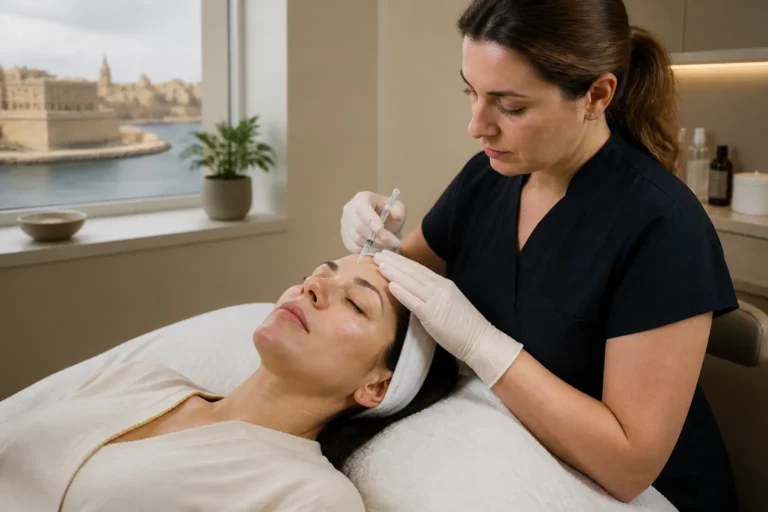
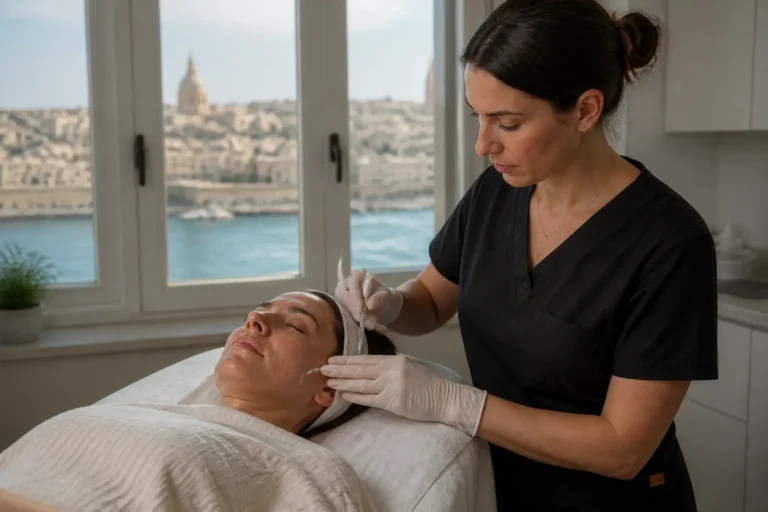
Salmon DNA Facials: Frequently Asked Questions Answered
Brenda Cammo Team

Salmon DNA facials are one of the most talked-about facial options right now, but the name can create as many questions as it answers. What does “salmon DNA” actually mean? Is it the same as a polynucleotide facial? Who should consider it, and what should you realistically expect from a professional appointment?
This guide answers the questions clients most often ask before booking a PDRN facial in Malta. The aim is simple: to help you understand the terminology, approach the appointment with sensible expectations and decide whether a personalised skin assessment is the right next step.
What is a salmon DNA facial?
A salmon DNA facial is a beauty treatment that uses a PDRN-based formula. PDRN stands for polydeoxyribonucleotide, a term used for purified DNA fragments. In aesthetic conversations, PDRN and polynucleotides are often discussed together, although product formulations, application methods and professional protocols can differ.
The phrase “salmon DNA” is a simplified consumer term. It refers to the origin commonly associated with some PDRN ingredients, not to a facial involving raw salmon material. A professional facial should use a prepared cosmetic or professional-use product, applied within a planned facial service.
Research into polynucleotides and PDRN in aesthetic settings is developing, but published studies use varied products, methods and outcome measures. That is why it is more responsible to view a PDRN facial as an individual skincare option rather than a universal answer for every concern. A systematic review of polynucleotides in aesthetic medicine notes both the interest in skin-quality applications and the need to interpret findings in light of differing study designs.
Is a salmon DNA facial the same as an injectable polynucleotide treatment?
No. These terms are frequently mixed together online, but they do not automatically describe the same service.

An injectable polynucleotide treatment is a medical or aesthetic procedure involving injections. A PDRN facial at Becammo is a non-injectable facial service. It is designed as part of a professional studio appointment and does not involve needles. This distinction matters because the consultation process, practitioner requirements, recovery considerations and expected experience are not interchangeable.
When researching any PDRN-related option, always ask what is actually being offered. Useful questions include whether the product is applied topically, whether the service includes any device-based step, what the appointment involves and what home care is appropriate afterwards. Clear answers are a sign of a professional, transparent service.
What concerns do clients usually book a PDRN facial for?
Many clients are interested in PDRN facials when their skin looks tired, feels less comfortable than usual or needs a more considered self-care appointment. Others simply want to explore a facial focused on supporting a fresher-looking, well-hydrated complexion.
It is important not to treat these as promises. Skin appearance can be influenced by sleep, sun exposure, climate, stress, daily products, hormones and many other factors. A facial is not a medical treatment, and it cannot replace medical advice for an ongoing skin condition.
A professional will look at your current skin priorities rather than assuming that one trend suits everyone. For example, a person whose main concern is temporary dryness may need a different approach from someone managing active irritation, frequent breakouts or a recently changed skincare routine.
What happens during a professional PDRN facial appointment?
Every studio may organise its service differently, so it is best to ask about the exact protocol when booking. At Becammo, the PDRN Facial, also known as Salmon DNA Therapy, is listed as a one-hour facial appointment. The session is approached as professional skincare, with attention to hygiene, your current skin condition and the suitability of the products used.
Before a facial begins, it is sensible to share information that could affect comfort or product choice. This includes recent procedures, known allergies, current sensitivity, prescription skincare, strong exfoliating products and any changes you have noticed in your skin.
A good appointment should not feel rushed. It should give you space to explain what you want from the visit, whether that is a calmer-looking complexion, a hydration-focused reset or help choosing an appropriate facial for your routine.
Will my skin look different immediately after the facial?
Some people notice that their skin appears more refreshed or hydrated soon after a facial. However, immediate appearance varies. Lighting, natural skin tone, baseline hydration and the condition of the skin on the day can all influence what you see in the mirror.
It is also wise to separate a healthy post-facial glow from a long-term promise. No responsible studio should guarantee a particular level of firmness, smoothness or line reduction. If you are booking because of an important occasion, allow enough time for your skin to settle and avoid making a first-time facial part of a last-minute experiment.
For a first appointment, the most useful goal is to see how your skin responds to a professional protocol and whether it fits comfortably into your routine.
How many salmon DNA facials will I need?
There is no single number that suits every client. Frequency should be based on your skin, your goals, your lifestyle and the professional recommendation after assessment. A person wanting occasional maintenance may make a different choice from someone building a more consistent facial routine.
It is also worth remembering that research findings from a particular PDRN formulation or clinical protocol cannot be copied directly into every salon facial. A recent systematic review of randomised clinical trials reflects growing research interest in polynucleotides and PDRN, while also underlining why the details of a product and protocol matter.
Instead of chasing a fixed schedule from social media, ask how your skin should be reviewed over time. That approach is more useful and more personal.
Is a salmon DNA facial suitable for sensitive skin?
Sensitivity does not always mean that a facial is unsuitable, but it does mean that individual assessment is especially important. Sensitive skin can react for many reasons, including a compromised barrier, recent over-exfoliation, environmental changes, allergies or an underlying condition.
Tell the studio if your skin is currently stinging, peeling, unusually reactive or recovering from another procedure. Mention any known ingredient allergies as well. A professional may adjust the plan, recommend waiting or suggest that a different appointment is more appropriate for the day.
If you have a diagnosed skin condition, severe reactions or concerns that need medical assessment, speak with an appropriately qualified healthcare professional before proceeding. A facial service should work alongside sensible skincare decisions, not override them.
Can I book if I use retinol, acids or other active skincare?
You should mention all active products before your appointment. Retinoids, exfoliating acids, scrubs, benzoyl peroxide and other potent products can affect how comfortable your skin feels during and after a facial. The right preparation depends on the product, how often you use it and how your skin is behaving at the time.
Do not stop prescribed skincare without advice from the clinician who prescribed it. Instead, tell the studio what you use so they can give practical guidance for your appointment. Bringing a photo of product labels can be helpful if you are unsure of the ingredients.
What should I do before a PDRN facial?
Preparation should be calm and uncomplicated. The main aim is to arrive with an honest picture of your current skin routine and avoid unnecessary irritation.
- Share allergies, skin sensitivities and recent cosmetic procedures when booking or at the start of the appointment.
- Tell the studio about retinoids, exfoliating acids, prescription products and any new skincare you have introduced.
- Avoid trying several new products in the days immediately before your facial.
- Come with realistic expectations and ask questions about the service before it starts.
- If you are unwell, have a skin flare-up or have concerns about a reaction, contact the studio before attending.
What aftercare should I follow?
Your aftercare should reflect the exact products and steps used in your appointment, so follow the guidance given by your therapist. In general, skincare is often easiest to manage when you keep it gentle, avoid introducing multiple new products at once and protect your skin from sun exposure.
High sun exposure is particularly relevant in Malta. Daily broad-spectrum sunscreen and sensible sun habits are valuable parts of a general skincare routine, whether or not you have had a facial. If your skin feels reactive after any cosmetic service, do not try to correct it with strong exfoliants or a long list of actives. Ask for professional guidance instead.
For a fuller discussion of post-appointment choices, including sun and active skincare, see our separate guide to PDRN facial aftercare.
Does the facial contain actual salmon?
The wording can sound surprising, but “salmon DNA” is a shorthand term used around certain PDRN-based products. The key practical point is not the nickname. It is the product information, the ingredients, your allergy history and whether the service is appropriate for you.
If you have a fish allergy, a history of allergic reactions or simply feel uncertain about the product, raise this before booking. Do not rely on a broad online description to judge suitability. A studio should be able to discuss the service clearly and advise whether further information or a different treatment choice is needed.
Is the evidence behind PDRN facials settled?
Not entirely. There is scientific and aesthetic interest in PDRN and polynucleotides, and reviews discuss their potential role in skin-quality and rejuvenation contexts. At the same time, the evidence base includes different delivery methods, products and study designs. This means broad claims online can easily overstate what one particular facial appointment can do.
A review of current polynucleotide practices describes the growing use of PDRN and related ingredients, but also points to variation across real-world applications. For clients, the sensible conclusion is straightforward: choose a professional service for informed guidance, and treat dramatic before-and-after claims with care.
How do I know whether a PDRN facial is right for me?
Start with your reason for booking. If you want a professional facial that feels considered, hydration-focused and tailored to your current skin priorities, a PDRN facial may be worth discussing. If you are looking for a medical diagnosis, a solution to a severe or persistent concern, or a guaranteed transformation, a beauty facial is not the right route.
At Becammo, you can book the PDRN Facial in Sliema or Swieqi and use the appointment to discuss your skin, routine and questions in a calm professional setting. Choosing a service with clear communication is the best way to make your first salmon DNA facial feel informed rather than trend-led.
Frequently asked questions
What does PDRN stand for?
PDRN stands for polydeoxyribonucleotide. It is a technical term for purified DNA fragments used in some aesthetic and skincare formulations.
Is a salmon DNA facial painful?
Comfort depends on the exact protocol and your skin’s sensitivity on the day. The Becammo PDRN facial is non-injectable, but you should still mention any sensitivity or discomfort during the appointment so the service can be approached appropriately.
Can I wear make-up after a PDRN facial?
Ask your therapist for guidance based on your appointment and how your skin looks afterwards. If possible, allowing your skin some time without make-up can be a simple way to keep your post-facial routine gentle.
Can I combine a PDRN facial with other beauty services?
Potential combinations depend on the services involved, your timing and your skin’s current condition. Ask before booking, particularly if you are considering exfoliating facial treatments or have an event coming up.
Should I choose PDRN or dermaplaning?
They are different facial approaches and should not be treated as interchangeable. The better option depends on your skin priorities, current sensitivity and desired appointment experience. A professional discussion can help you choose the right order and timing.
Where can I book a salmon DNA facial in Malta?
Becammo offers its PDRN Facial, Salmon DNA Therapy, at its Malta locations in Sliema and Swieqi. Choose the location that suits you and book through the online system, or ask questions before confirming your appointment.
Curious is a good place to start, but clear information is even better. If a PDRN facial sounds aligned with your current skincare goals, book a professional appointment and discuss your needs before the facial begins.