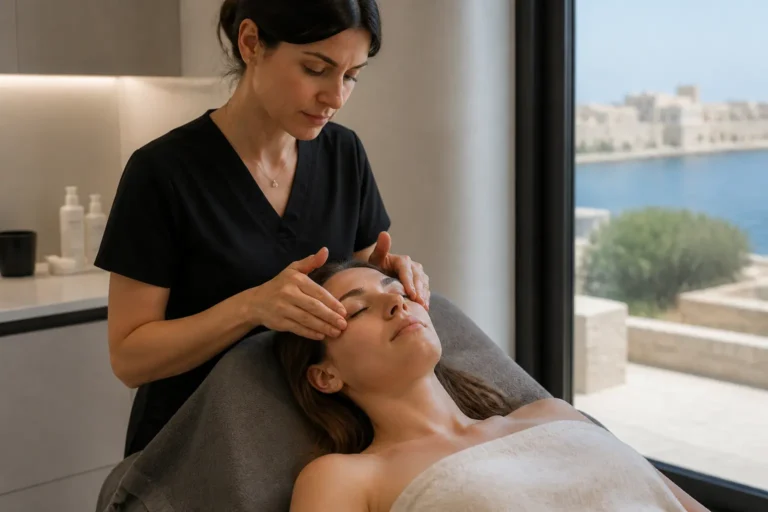
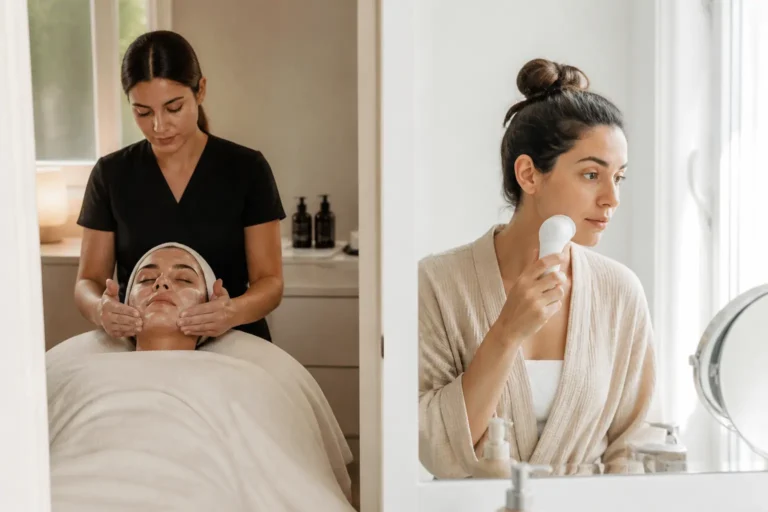
Deep Facial Cleansing: What Happens During an Appointment and Who May Benefit
Brenda Cammo Team
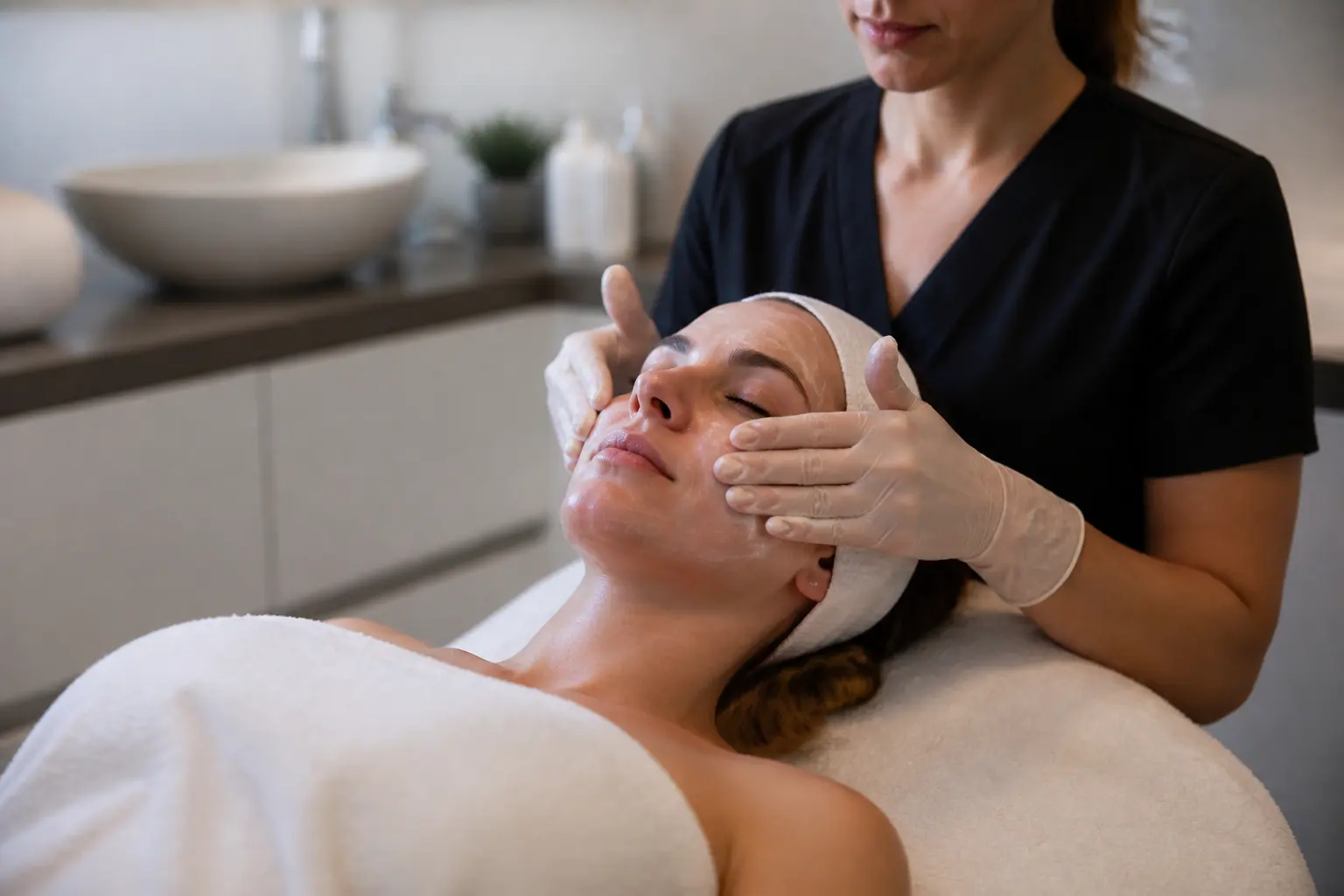
A deep facial cleansing appointment can be a useful reset when your skin feels congested, looks dull or needs more focused care than your everyday routine provides. But it is not about forcing every pore to look identical, nor is it a substitute for dermatological care when you have painful, persistent or severe breakouts.
At Becammo, the Brazilian Deep Cleansing facial is a one-hour service designed around professional facial care. Your experience should begin with a conversation about your skin, current routine and expectations, followed by a tailored approach that respects how your skin is presenting on the day.
This guide explains what may happen during a deep facial cleansing appointment, who may find it helpful, what to mention before booking and how to look after your skin afterwards.
What is deep facial cleansing?
Deep facial cleansing is a professional facial-care appointment focused on cleansing the skin thoroughly and addressing visible congestion where appropriate. People often look for it when they notice blackheads, whiteheads, excess surface oil, uneven-looking texture or a complexion that appears less fresh than usual.
It is important to keep expectations realistic. A facial can support a thoughtful skin-care routine, but it does not promise to solve every concern in one visit. Skin can be affected by many factors, including product use, climate, hormones, stress and individual sensitivity. A professional appointment gives you time to assess what is visible, choose a careful approach and avoid the temptation to pick at your skin at home.
Blackheads and whiteheads are forms of clogged pores. The American Academy of Dermatology explains that they can form when oil, dead skin cells and other material build up in pores; a blackhead is not simply dirt. (aad.org)
What happens during a deep facial cleansing appointment?
Every studio has its own protocol, and the exact steps should always be adapted to the service booked and to your skin’s condition. A good appointment is not a rushed, one-size-fits-all routine. It is a structured period of care in which comfort, hygiene and clear communication matter throughout.
1. A short skin and routine conversation
Before the facial begins, expect to discuss the reason for your visit. You may be asked whether your main concern is congestion, blackheads, visible oiliness, dryness, make-up build-up, rough texture or a general wish to refresh your routine.
This is also the time to mention anything that may affect how your skin responds. For example, share if you are using strong exfoliating products, retinoids, acne treatments, have recently had another facial procedure, have had a lot of sun exposure, or have noticed irritation. Being open helps the professional make sensible decisions rather than following a fixed sequence regardless of your skin.
2. Cleansing away daily build-up
The appointment commonly starts by removing surface make-up, sunscreen, oil and everyday residue. This first stage matters because it allows the rest of the facial to focus on the skin rather than what is sitting on top of it.
Clean skin does not have to mean skin that feels tight or stripped. If your face feels uncomfortable after cleansing at home, that is useful information to bring up during your appointment. Your routine may need to be simplified rather than made more intensive.
3. An assessment of visible congestion
Once the skin is clean, the professional can look more closely at areas that may need attention. Congestion often appears around the nose, chin, forehead and jawline, but it does not look the same on every person or every skin tone.
This stage is about observation, not judgement. Pores are a normal feature of skin, and a deep facial cleansing appointment should not make you feel that natural texture is a problem to be eliminated. Instead, the goal is to understand where there may be build-up and what level of care is appropriate that day.
4. Preparation and gentle exfoliation where suitable
A professional may prepare the skin before moving on to more focused cleansing. The appropriate method depends on sensitivity, current products and the condition of the skin. If you have recently used active skin-care products or your skin is already reactive, it may be better to take a gentler route.
Exfoliation is often misunderstood as the harder you scrub, the better the result. In reality, harsh scrubbing can irritate acne-prone skin and make it harder to maintain a calm routine. The American Academy of Dermatology advises against treating blackheads as dirt to scrub away. (aad.org)
5. Careful attention to blackheads and whiteheads
When suitable, a deep cleansing facial may include professional attention to visible blackheads and whiteheads. This is the part many people associate with “deep cleansing”, but it should never be approached as an aggressive attempt to extract everything.
Some congestion may be ready to address; other areas may be better left alone. The professional should work carefully, respond to your comfort and avoid making unrealistic promises about perfectly poreless skin. Do not try to recreate extraction techniques at home by squeezing or picking. The American Academy of Dermatology warns that squeezing blackheads or whiteheads can contribute to infection or scarring. (aad.org)
6. Soothing, hydration and finishing care
After focused cleansing, the skin should be given time and products chosen to support comfort. Depending on your appointment, this may involve calming and hydrating finishing steps. The exact products and methods should be selected according to how your skin looks and feels, rather than according to a generic label such as “dry”, “oily” or “sensitive”.
Your professional may also give practical aftercare guidance. This is an important part of the appointment because what you do later that day can influence how settled your skin feels.
Who may benefit from a deep facial cleansing appointment?
A deep facial cleansing appointment may suit people who want professional help with a cosmetic skin-care concern and who would benefit from a closer look at their routine. It can be particularly relevant if you recognise one or more of the following situations:
- You have visible blackheads or whiteheads and are tempted to pick at them.
- Your skin feels congested after regular use of make-up, sunscreen, commuting or travel.
- You notice surface oil and want to discuss a balanced routine rather than over-cleansing.
- Your complexion looks dull or your skin texture feels less smooth than usual.
- You are preparing for an occasion and want to plan facial care in advance, allowing time for your skin to settle.
- You would like personalised guidance on whether your home routine is too complicated, too harsh or simply not meeting your current needs.
It may also be a good choice when you want a professional facial that is focused on care and maintenance, not an exaggerated transformation. The most useful result is often a clearer understanding of your skin alongside a refreshed, more comfortable feeling.
When is a facial not the whole answer?
Deep facial cleansing is a beauty and skin-care service, not medical treatment. If you have deep, painful spots, cysts, nodules, widespread inflammation, unexplained irritation or breakouts that are leaving scars, a dermatologist is the right person to consult. The American Academy of Dermatology notes that large, painful blemishes deep in the skin and acne that scars may need dermatological treatment. (aad.org)
Likewise, speak up before booking if you have a diagnosed skin condition, a recent allergic reaction, broken skin, sunburn or are following a prescription skin-care plan. You do not need to decide alone whether a facial is appropriate. Sharing the information early makes it easier to plan responsibly.
A good facial appointment should leave room for professional judgement. Sometimes the best decision is to keep the session gentle, postpone a particular step or recommend that you seek medical advice first.
How to prepare before your appointment
You do not need an elaborate preparation routine. In fact, trying several new products immediately before a facial can make it harder to understand how your skin is reacting. Keep things simple and provide accurate information.
- Tell the studio about your routine. Bring up active ingredients, prescription products and anything that has recently caused stinging, peeling or redness.
- Avoid picking. It can leave the skin more irritated and may limit what can be comfortably addressed during the appointment.
- Plan around strong sun exposure. If your skin feels sun-sensitive or looks red after time outdoors, mention it before the facial.
- Book with some breathing room before a major event. Skin can look different after any hands-on facial care, so do not leave your first appointment until the final possible moment.
- Arrive ready to talk honestly. Your goals can be simple: you may want help with congestion, a more comfortable routine or a clearer sense of what your skin needs.
What to do after a deep facial cleansing facial
Aftercare should feel calm and practical. Your skin may be more aware of touch immediately afterwards, especially if congestion has been addressed. Follow the personalised guidance you receive, and avoid treating the rest of the day as an opportunity to test multiple new products.
A sensible approach is to keep cleansing gentle, use products that feel comfortable for your skin and avoid picking at any areas that still look imperfect. If you use products intended for acne, exfoliation or skin renewal, ask when to restart them rather than assuming your usual schedule is right after a facial.
It is also worth remembering that one appointment is only part of the picture. Blackheads and whiteheads can return, which is why the American Academy of Dermatology recommends an ongoing skin-care plan rather than relying on extraction alone. (aad.org)
How often should you book deep facial cleansing?
There is no universal timetable. The right interval depends on your skin, your routine, your level of congestion and how your skin responds after the service. Some people prefer occasional appointments when their complexion feels in need of a reset; others may build facial care into a regular self-care routine.
Rather than booking by habit alone, use the consultation to discuss what you are noticing between appointments. Are blackheads returning quickly? Is your skin becoming dry from over-cleansing? Have you changed products, travelled or spent more time in the sun? These details are more useful than chasing a fixed schedule.
Choosing a deep facial cleansing appointment in Malta
When choosing a facial in Malta, look for clear service information, a professional environment and space for individual questions. A worthwhile appointment should respect different skin needs and avoid making absolute claims about results.
Becammo offers Brazilian Deep Cleansing as a one-hour facial service. Before booking, choose the location that works best for you and use the online booking system to select the facial service. If you are unsure whether deep cleansing is the right fit, begin with the concerns you can see and feel, then ask for guidance based on your individual skin.
Conclusion
Deep facial cleansing is best understood as focused professional care for skin that feels congested, looks dull or needs a more considered reset. During the appointment, the emphasis should be on consultation, careful cleansing, appropriate attention to visible congestion and soothing aftercare — never on forcing a dramatic result.
If you would like to discuss a Brazilian Deep Cleansing facial, book a suitable appointment at Becammo and share your current routine and skin concerns at the start. That conversation is what helps make the experience genuinely personalised.
Frequently asked questions
Does deep facial cleansing remove every blackhead?
No. A responsible appointment does not aim to force every pore or blemish. What can be addressed depends on your skin, the type of congestion present and what is appropriate on the day.
Can I have a deep facial cleansing appointment if I have acne?
It depends on the type and severity of the breakouts. Mention acne when booking. Deep, painful or scarring breakouts should be assessed by a dermatologist rather than treated as a routine facial-care concern.
Will my skin look red after a deep cleansing facial?
Skin can look or feel more sensitive after hands-on facial care, particularly where congestion has been addressed. Your response is individual, so avoid booking your first appointment immediately before an important event.
Should I stop using my usual skin-care products before the facial?
Do not make major changes without guidance. Instead, tell the professional exactly what you use, especially exfoliating, retinoid or prescription products, so they can advise you appropriately.
Is deep facial cleansing only for oily skin?
No. Skin that feels dry can still have visible congestion, and oily skin can also become dehydrated or irritated. The most appropriate facial care is based on your individual skin condition, not a single label.