PDRN Facial vs Hydrating Facial: What Is the Difference?
Brenda Cammo Team
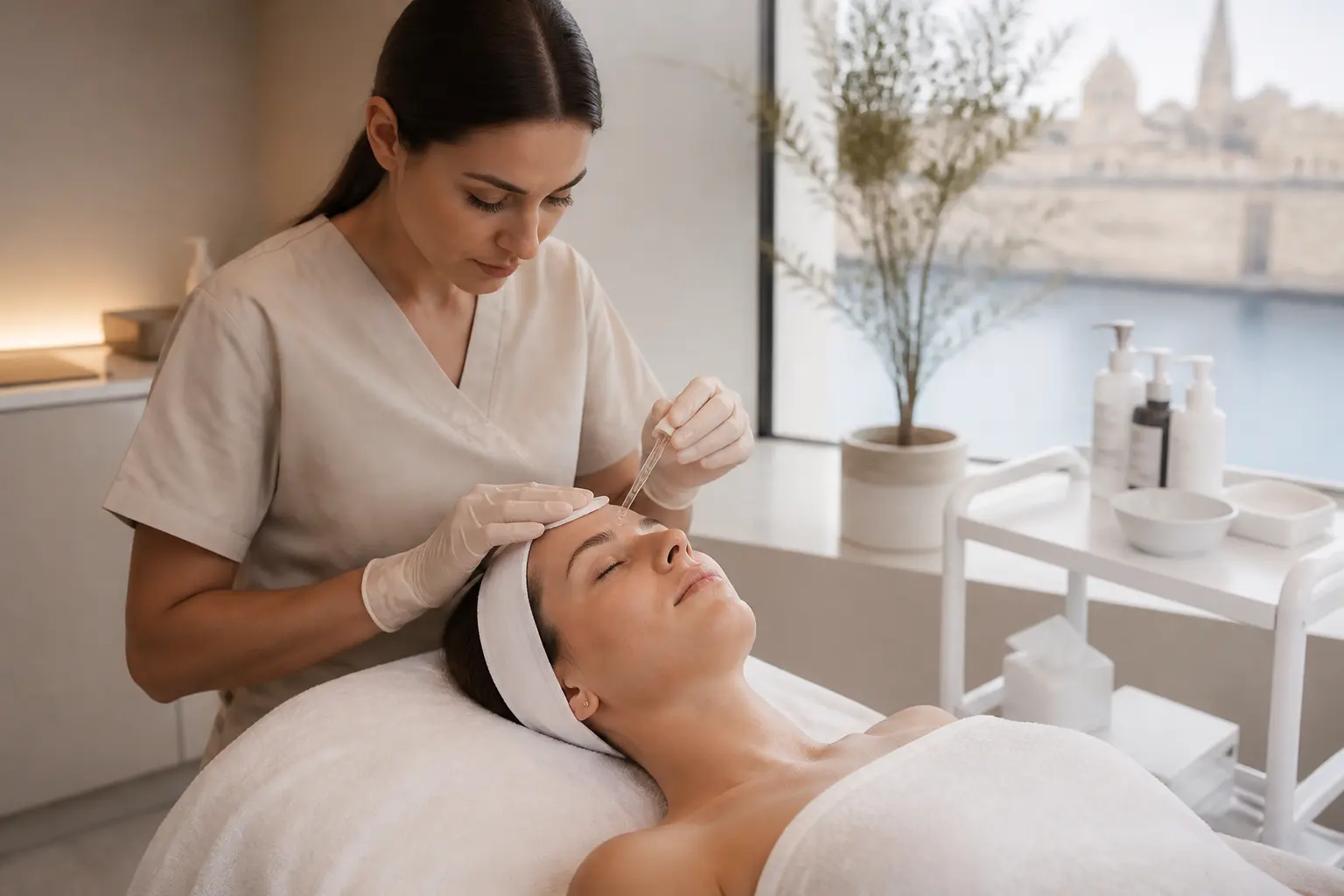
When your skin feels dry, dull or less comfortable than usual, a facial can be a welcome reset. Yet not every facial has the same purpose. A classic hydrating facial is generally chosen to support immediate comfort and moisture, while a PDRN facial is selected for a more targeted, skin-focused approach.
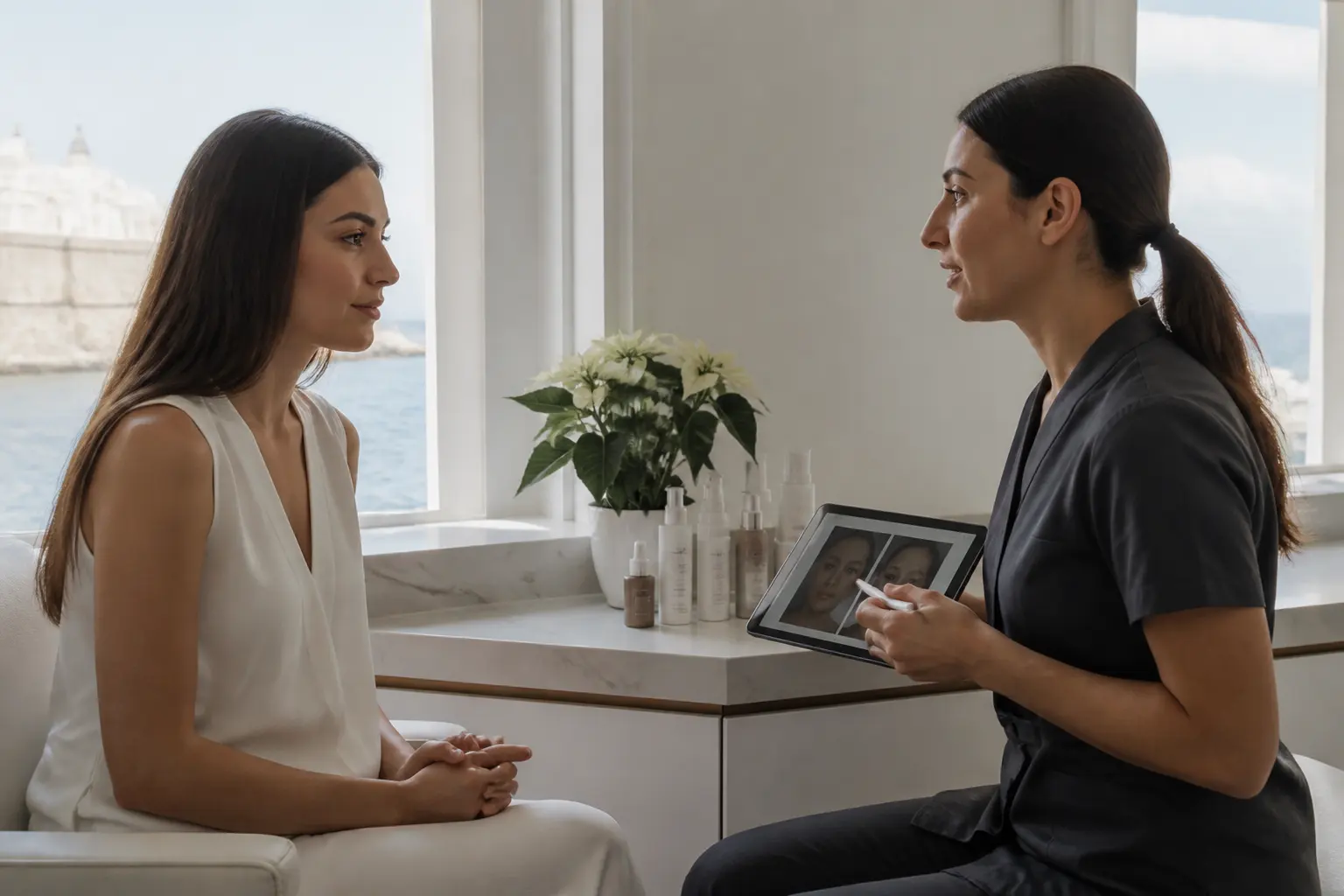
Understanding the difference matters before you book. The right choice is not about finding the most intensive option. It is about matching the appointment to what your skin is experiencing now, your routine, your sensitivity and the result you would like to prioritise. At a professional studio, that decision should begin with a conversation and an assessment, rather than a one-size-fits-all recommendation.
The short answer: PDRN facial vs hydrating facial
A classic hydrating facial centres on replenishing moisture, supporting a comfortable skin feel and helping a dehydrated-looking complexion appear fresher. It is often a practical choice when environmental factors, air conditioning, sun exposure, travel, cleansing habits or a busy routine have left the skin feeling tight or looking lacklustre.
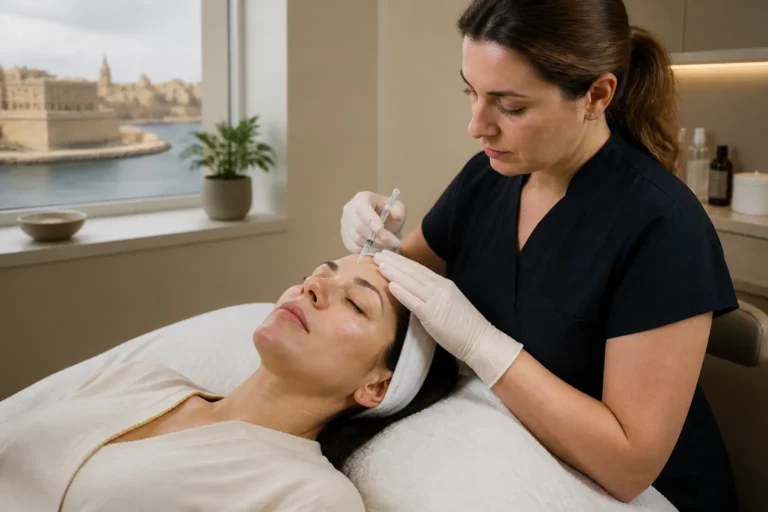
A PDRN facial includes PDRN, short for polydeoxyribonucleotide, within a professional facial protocol. PDRN is commonly discussed in aesthetic skincare in relation to skin renewal and appearance. However, it is important to keep expectations realistic. Research into PDRN and related polynucleotides is still varied, with different products, application methods and study settings. Findings from medical or injectable research cannot automatically be applied to every topical or non-invasive salon facial. A recent review also noted that the available clinical evidence is limited by small studies and differing protocols. PubMed: systematic review of polynucleotides and PDRN
In simple terms, hydration is usually the main goal of a classic hydrating facial. A PDRN facial may be considered when someone is looking beyond a temporary moisture boost and wants a professional facial that focuses on a refreshed, supported-looking complexion. The precise experience and expected outcome depend on the formula used, your skin condition and the studio protocol.
What a classic hydrating facial is designed to do
Hydration is about helping the skin retain water and feel more comfortable. A hydrating facial commonly combines gentle cleansing with products chosen to give the skin a softer, more supple-looking finish. It can be particularly appealing when the complexion looks tired, makeup sits unevenly or the skin feels dry after time outdoors.
That does not mean a hydrating facial is a lesser facial. It has a clear place in a good skincare plan. For many people, a moisture-focused session is exactly what their skin needs, especially if their main concern is short-term dehydration rather than texture, visible signs of fatigue or a more targeted facial goal.
Dermatology guidance also makes an important distinction: hydrating products and masks can support the skin barrier and boost moisture, but they are not a replacement for daily cleansing, moisturising and sun protection. Ingredients and frequency should be chosen carefully, particularly if the skin is sensitive or already using strong actives. American Academy of Dermatology guidance on hydrating masks and skincare
A classic hydrating facial may suit you when
- Your skin feels tight, dry or uncomfortable.
- Your complexion looks temporarily dull after travel, heat, wind or late nights.
- You would like a calming self-care appointment with moisture as the priority.
- You are building a simple facial routine and want to begin with a familiar, gentle focus.
- You have an upcoming occasion and want your skin to feel well prepared for makeup, subject to your individual skin response and booking timing.
What makes a PDRN facial different
The key difference is not that one facial hydrates and the other does not. Many professional facial protocols can include hydration. The difference is the focus of the formula and the consultation behind it.
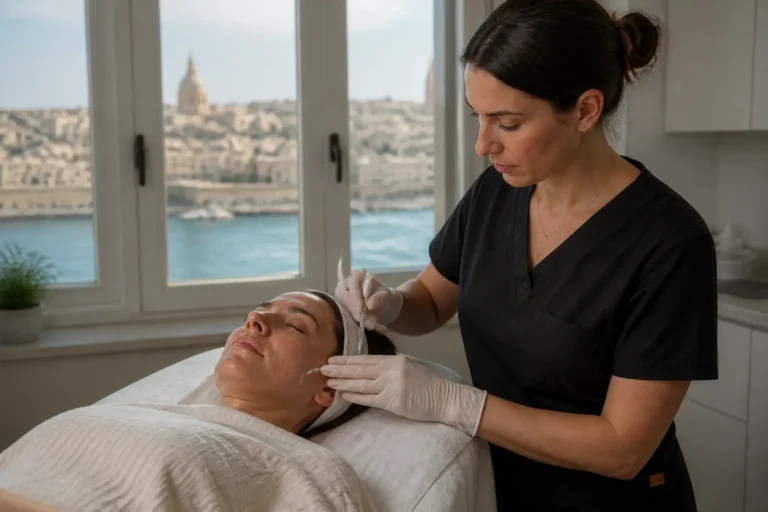
A PDRN facial is positioned as a more targeted facial option for clients who want to support the look of skin that feels depleted, lacks bounce or appears affected by everyday stressors. At Becammo, the service is a non-invasive facial appointment. It should not be confused with injectable procedures, and it should not be described as medical care.
PDRN is sometimes called salmon DNA in beauty conversations because it is often derived from salmonid DNA. That popular label can be confusing. What matters for a client is not a dramatic ingredient name, but whether the facial is appropriate for their skin, current routine and expectations. A responsible provider should explain the service in plain language, check for relevant sensitivities and avoid promising a specific outcome.
If you are deciding between the two, think of a PDRN facial as an option for a more considered facial plan, rather than a simple moisture top-up. Your practitioner can look at whether your current priority is dehydration alone, a tired-looking complexion, texture concerns, seasonal stress or a need for a carefully chosen professional facial before an event.
The real differences, side by side
| Question | Classic hydrating facial | PDRN facial |
|---|---|---|
| Primary focus | Comfort, moisture and a fresher-looking complexion. | A targeted facial approach that may include hydration alongside a PDRN-based formula. |
| Best starting point | Skin that feels temporarily dry, tight or dull. | Skin that feels depleted or needs a more tailored facial conversation. |
| What the appointment should include | Gentle professional care selected around your hydration needs. | Assessment, appropriate product selection and guidance on how the facial fits your routine. |
| Expected feel | Often comforting and moisture-focused. | Depends on the protocol and your individual skin condition. |
| How to choose | Choose it when hydration is clearly your main concern. | Choose it when you would like a targeted option and professional suitability check. |
Do you need PDRN if your skin is dehydrated?
Not necessarily. Dehydration alone does not automatically mean that a PDRN facial is the right next step. If your skin mainly feels dry and uncomfortable, a classic hydrating facial and consistent home care may be the more straightforward starting point.
On the other hand, dehydration can sit alongside other concerns. For example, your skin may feel dry but also look tired, uneven or less smooth than usual. In that situation, a professional assessment can help clarify whether a PDRN facial makes sense for your priorities, or whether a simpler hydration-focused session is the better match.
This is especially relevant in Malta. Sun exposure, sea air, indoor cooling and changes in routine can all influence how skin feels. Rather than treating every period of dryness in the same way, notice the pattern. Is it a short-term change after a weekend outdoors? Is it something that returns whenever you use exfoliating products? Does your skin react easily to new formulas? Those details help make an appointment more personalised.
Why the assessment matters more than the trend
It is easy to book a facial based on a trending ingredient or a striking before-and-after image. But skincare is more individual than that. Two people can both describe their skin as dry while needing very different approaches.
Before a PDRN facial, a professional discussion should cover your current skincare products, known allergies or sensitivities, recent facial treatments, current skin comfort and the result you would like to prioritise. If you use exfoliating acids, retinoids or other active products, mention them. Layering too many potentially irritating steps can leave skin feeling less comfortable, particularly when it is already reactive.
Be equally open before a classic hydrating facial. A gentle-sounding treatment is not automatically suitable for every moment. If you have active irritation, a rash, a flare-up of a skin condition or an unexplained reaction, it is sensible to pause and seek advice from an appropriate healthcare professional before booking a cosmetic facial.
Questions worth asking before you book
- What is my main concern today: dryness, dullness, texture, congestion or sensitivity?
- What products and active ingredients have I used recently?
- Have I had any reactions to skincare ingredients before?
- Do I need a simple hydration-focused session, or would I prefer a more targeted facial assessment?
- How should I adjust my home routine after the appointment?
What to expect from a professional facial appointment
Whether you choose a PDRN facial or a classic hydrating facial, a well-run studio appointment should feel clear and considered. You should know what is being used on your skin, have an opportunity to raise concerns and receive aftercare that is appropriate to the service.
The skin can look and feel different from one week to the next, so a consultation is not just a formality. It helps the practitioner avoid making assumptions based on your usual skin type alone. Someone with oily skin can still be dehydrated. Someone with dry skin can still be sensitive to a particular ingredient. A personalised approach is more useful than chasing a label.
After either facial, keep your routine uncomplicated unless you have been advised otherwise. Gentle cleansing, moisturising and daytime sun protection are sensible foundations. The American Academy of Dermatology notes that moisturising helps retain water in the skin, while harsh or unnecessarily overlapping products may contribute to dryness or irritation for some people. American Academy of Dermatology advice on caring for dry skin
Which facial should you choose?
Choose a classic hydrating facial if you want to prioritise moisture, comfort and a softer-looking finish. It can be an excellent option when your skin has simply lost its usual freshness and you want a focused, uncomplicated appointment.
Consider a PDRN facial if you are interested in a more targeted professional facial and would like a careful conversation about whether it suits your current skin needs. It may be a better fit when hydration is only one part of what you want to address.
Neither choice should be treated as a universal answer. Your skin, routine, sensitivities and goals all matter. The most useful facial is the one selected thoughtfully, with realistic expectations and room to adapt the plan if your skin needs something different on the day.
Conclusion
The real difference between a PDRN facial and a classic hydrating facial is the purpose behind the appointment. A hydrating facial focuses on restoring a comfortable, moisturised feel. A PDRN facial is a more targeted option that should begin with an individual assessment and a clear explanation of what the service can, and cannot, reasonably offer.
If you are in Malta and unsure which direction suits your skin, book a professional facial consultation at Becammo. The team can discuss your current routine, skin priorities and the most appropriate next step at the Sliema or Swieqi studio.
Frequently asked questions
Is a PDRN facial the same as a hydrating facial?
No. A PDRN facial may include hydration, but it is a more targeted facial category built around a PDRN-based formula and an individual skin assessment. A classic hydrating facial puts moisture and comfort at the centre of the session.
Can I have a PDRN facial if I have sensitive skin?
Sensitivity should always be discussed before booking. Suitability depends on your skin condition, known reactions, current products and the specific professional protocol. If your skin is actively irritated or you have an unexplained flare-up, seek appropriate healthcare advice first.
Will a hydrating facial make my skin look fresher straight away?
Many people choose hydration-focused facials because their skin feels more comfortable and looks refreshed afterwards. However, individual response varies with skin condition, products used and everyday factors such as sun exposure and home care.
Should I stop using active skincare before a facial?
Tell your practitioner about all active products you use, including exfoliating acids and retinoids. They can advise on suitable timing for your appointment and aftercare. Do not make major changes to prescribed skincare without guidance from the clinician who prescribed it.
How often should I book a PDRN or hydrating facial?
Frequency is individual. It depends on your skin priorities, how your skin responds and the professional plan recommended after assessment. A facial should complement, not replace, a consistent home routine.