Korean-Inspired Skin Treatments Explained: The Rise of PDRN
Brenda Cammo Team
Korean-inspired skin treatments have become a familiar part of modern beauty conversations, often linked with hydrated-looking skin, careful routines and a preference for supporting skin quality over chasing one dramatic change. One term that now appears frequently in these conversations is PDRN. If you are wondering what a PDRN facial is, why it is associated with Korean aesthetics and whether it could fit your own routine in Malta, it helps to look beyond the trend-led language.
PDRN is not a shortcut to perfect skin, and a professional facial should never be presented that way. It is a skin-focused option that may appeal to people who want their complexion to feel more comfortable, look fresher and receive considered care tailored to current concerns. The right choice depends on your skin, your routine, your sensitivities and a proper conversation with a trained professional.
Why is PDRN linked with Korean-inspired skin treatments?
The phrase “Korean-inspired skin care” is broad. It can describe an interest in consistent routines, hydration, gentle layering and skin that looks healthy rather than heavily covered. It should not imply that every Korean skin treatment is the same, or that a certain look is the goal for every person. Skin has different needs across climates, tones, textures and lifestyles, including Malta’s sunny and often humid conditions.
PDRN and polynucleotide-based products became especially visible in South Korean aesthetic practice before gaining wider international attention. A survey of Korean dermatologists found that injectable polynucleotides were widely used in their practices, particularly in conversations around overall skin quality and fine lines. That research concerns injectable clinical use, which is distinct from a studio facial, but it helps explain why the ingredient family is commonly connected with Korean aesthetic trends. Read the published survey of Korean dermatologists.
At the same time, the popularity of PDRN reflects a wider shift in beauty. Many clients are looking for appointments that complement a steady home routine instead of replacing it. They want a professional reset, thoughtful product selection and realistic guidance on what can be supported between visits. That approach fits well with a facial service, provided the conversation stays honest about limits and individual variation.
What is PDRN?
PDRN stands for polydeoxyribonucleotide. It is a DNA-derived ingredient family that is often discussed alongside polynucleotides, sometimes under the informal label “salmon DNA”. The wording can sound surprising at first, but it is important to separate a beauty-friendly nickname from the technical subject. Products differ in their formulation, molecular profile, intended use and method of application.
In published dermatology literature, PDRN and polynucleotides are related but not identical. Reviews describe PDRN as consisting of shorter DNA fragments than polynucleotides, while noting that research into their dermatological applications is still developing. See the review comparing PDRN and polynucleotides.
For clients, the most useful point is simple: the name of an ingredient does not tell you everything about a treatment. A facial is defined by the complete professional protocol, the skin assessment, the products selected and the aftercare advice, not by one fashionable term on its own.
PDRN facial versus injectable polynucleotides
Online searches can make PDRN confusing because the same umbrella terms are used for very different types of aesthetic care. Some published studies and professional discussions focus on injectables performed in medical settings. That is not the same as a non-invasive PDRN facial at a beauty studio.
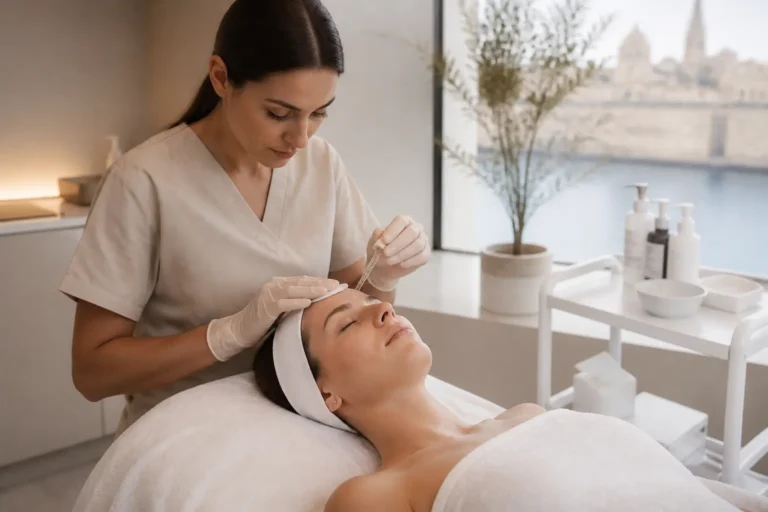
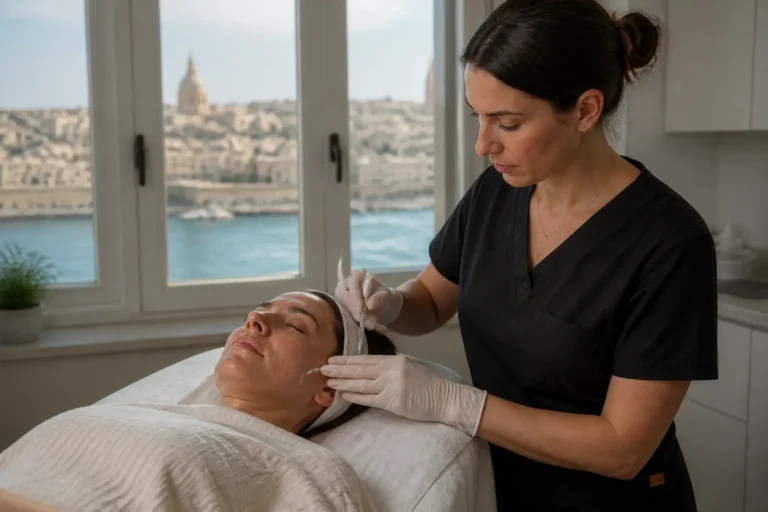
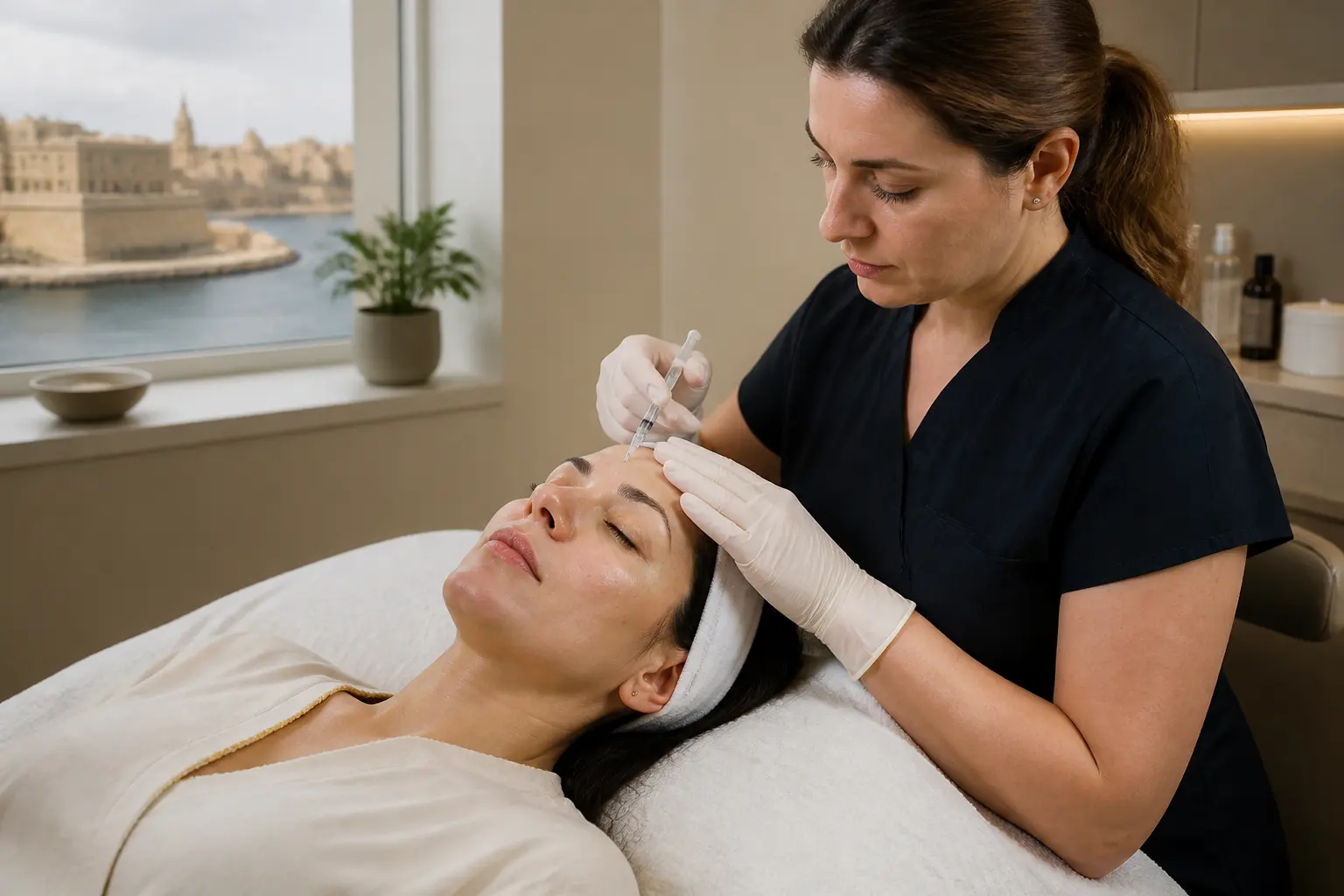
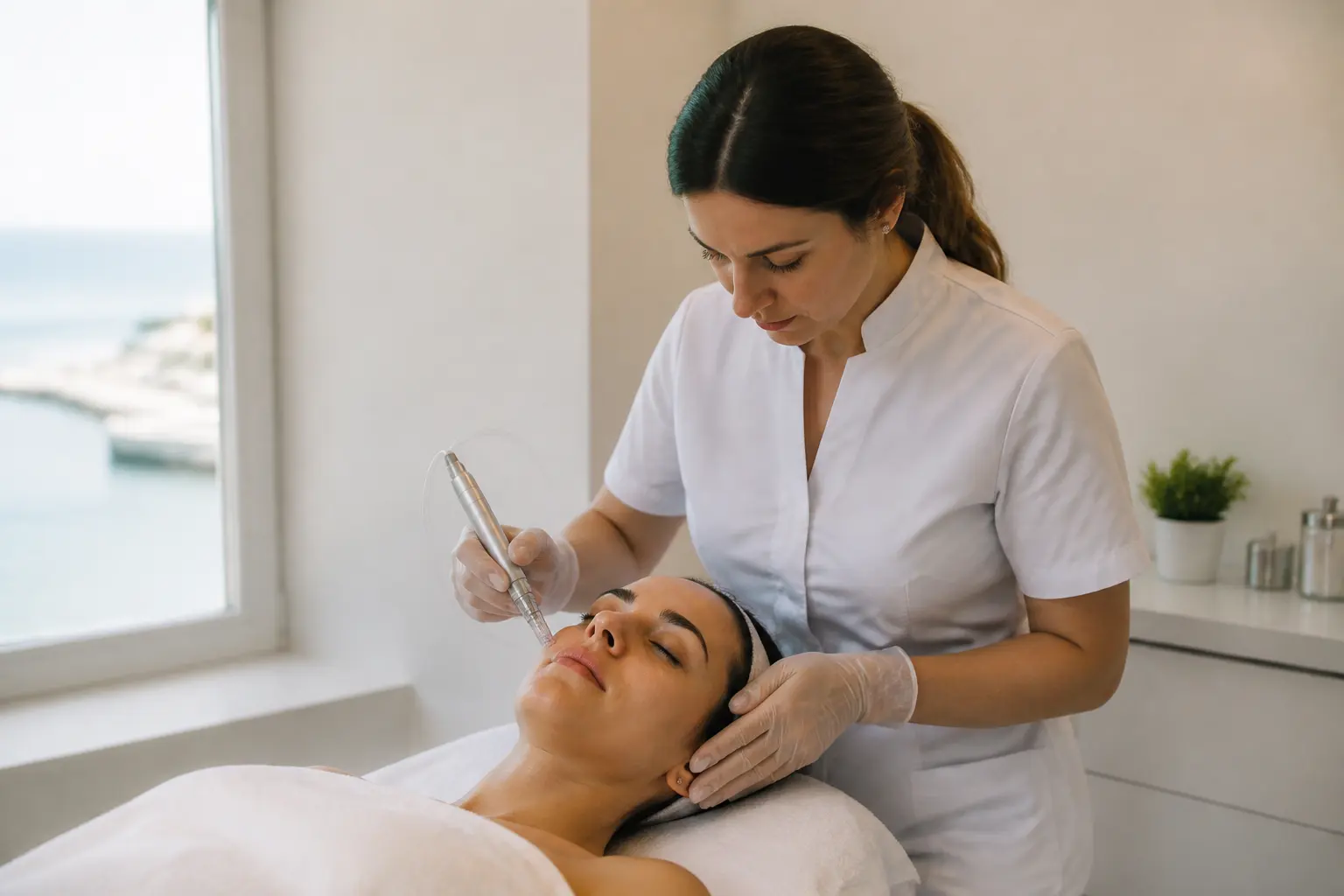
At Becammo, the PDRN Facial is a facial service. It is not presented as an injectable procedure, and it should not be confused with treatments involving needles, fillers or medical interventions. This distinction matters when comparing articles, videos or before-and-after images online. Always ask what type of procedure is being discussed, who performs it and what aftercare is appropriate.
A responsible appointment begins with the skin in front of the practitioner, not a trend. Your professional should consider factors such as current dryness, sensitivity, recent exfoliation, active ingredients in your routine, sun exposure and any relevant skin concerns before proceeding. If a service is not suitable on the day, adjusting the plan is a sign of care, not a disappointing result.
What people hope to get from a PDRN facial
People usually explore a PDRN facial because their skin feels dull, dehydrated, tired or less comfortable than usual. They may also be looking for a professional facial that supports a smoother-looking, more refreshed complexion as part of regular self-care.
Research reviews on polynucleotides report promising findings around hydration, elasticity, texture and the appearance of fine lines in some aesthetic settings. However, the evidence base is varied. Studies use different formulations, delivery methods and treatment plans, and higher-quality long-term research is still needed. A systematic review that assessed nine studies highlighted encouraging outcomes while also emphasising the need for more rigorous evidence and clearer agreement on optimal use. Read the systematic review of polynucleotides in aesthetic medicine.
That is why realistic expectations are essential. A facial can be a valuable moment of professional skin care, but it does not erase every concern, replace daily SPF or make results identical for every client. Your skin may respond differently depending on its condition, the season, your home routine and how consistently you protect it from UV exposure.
Who may consider a PDRN facial?
A PDRN facial may be worth discussing if you would like a more restorative-feeling facial experience and your priority is overall skin comfort and appearance rather than an aggressive approach. It can be particularly relevant when your complexion is feeling stressed by travel, weather changes, air conditioning, late nights or a routine that has become too active for your skin to tolerate comfortably.
It may also suit someone who wants to build a regular facial routine with professional guidance. In Malta, that often means thinking about everyday sun exposure. No facial can compensate for repeated unprotected sun exposure, so sunscreen, sensible shade habits and gentle skincare remain central to any long-term plan.
Suitability is always individual. Tell your practitioner about current irritation, allergies, prescription skincare, recent procedures and products you have recently introduced at home. If you are managing a medical skin condition, experiencing a significant flare-up or are uncertain about compatibility with prescribed treatment, seek advice from the appropriate healthcare professional before booking cosmetic care.
What happens at a professional studio appointment?
A good facial experience should feel clear from the beginning. Rather than assuming that every PDRN facial follows an identical sequence for every client, a professional studio should adapt care to the individual assessment and explain what is suitable for that appointment.
You can expect a conversation about what you would like to improve in the look and feel of your skin, as well as questions about your current routine. Be open about retinoids, acids, exfoliants, recent sun exposure and any sensitivity. These details help the practitioner make careful choices and give you more useful guidance for the days that follow.
During the session, the focus should be on comfort, hygiene and skin-appropriate product use. Afterwards, you should leave knowing how to keep your routine uncomplicated while your skin settles. In most cases, this means following the personalised aftercare given at the studio rather than copying a generic online routine.
How to approach Korean-inspired skin care without overcomplicating it
You do not need a ten-step routine or a shelf full of new products to take inspiration from Korean skin care philosophies. The useful principle is consistency. A straightforward routine that your skin tolerates well is often more valuable than changing products every week.
Keep the basics dependable
- Use a cleanser that feels appropriate for your skin rather than leaving it tight or uncomfortable.
- Choose moisturising products that support your preferred texture and routine.
- Wear broad-spectrum sunscreen consistently during the day, especially in Malta’s strong sunshine.
- Introduce active products gradually, not all at once.
- Pause and reassess if your skin becomes persistently uncomfortable or reactive.
Use professional facials as part of a plan
A PDRN facial works best when viewed as one part of broader skin care. Booking may make sense before a special occasion, after a period when your skin feels neglected, or as part of a consistent maintenance rhythm. The appropriate frequency is not universal. It should reflect your skin’s condition, your goals and the professional advice you receive at your appointment.
Avoid trend pressure
When an ingredient becomes popular, it is easy to feel that you need it immediately. Instead, ask practical questions: What is this service designed to support? What will the appointment involve? Which products should I pause or continue afterwards? What result is realistic for my skin right now? Clear answers are more valuable than viral claims.
Questions to ask before booking a PDRN facial
Whether you are new to facials or already have a regular routine, asking questions helps you make a confident decision. Consider the following before your appointment:
- Is this a non-invasive facial service, or is it a different type of treatment?
- How will my skin be assessed before the facial begins?
- Should I avoid any products or treatments before my visit?
- What should I do afterwards to keep my skin comfortable?
- What should I disclose about allergies, sensitivities and recent treatments?
- Is a PDRN facial the best fit for my current concern, or would another facial approach be more appropriate?
These questions also protect you from misleading comparisons. A facial should be chosen for its own purpose, not judged against invasive procedures that work in a completely different way.
Conclusion
The rise of PDRN reflects real interest in skin quality, hydration and more considered aesthetic care, alongside the global influence of Korean beauty culture. Still, the most useful way to approach it is calmly. Understand the difference between product types and procedures, choose a professional setting, and give your skin the personalised attention it deserves.
If you are considering a PDRN facial in Malta, book with the Becammo team in Sliema or Swieqi and share your current skin goals, routine and questions before your appointment. A thoughtful consultation is the right place to decide whether this facial fits your skin at this stage.
Frequently asked questions
Is a PDRN facial the same as a salmon DNA injection?
No. PDRN is often informally called “salmon DNA”, but the term can appear in discussions of different products and procedures. Becammo’s PDRN Facial is a facial service, not an injectable treatment. Always check exactly what a provider offers before booking.
Why is PDRN associated with Korean beauty?
Polynucleotide-based treatments became highly visible in South Korean aesthetic practice, contributing to the association. However, Korean-inspired skin care is broader than one ingredient or procedure, and it should not be reduced to a single trend.
Can a PDRN facial replace my daily skincare routine?
No. Professional facials complement, rather than replace, a consistent home routine. Gentle cleansing, moisturising as needed and regular daytime sun protection remain important.
How often should I book a PDRN facial?
The right frequency varies with your skin, your goals, seasonal changes and your broader routine. Ask for personalised guidance after your skin has been assessed at the studio.
What should I tell my practitioner before the appointment?
Share any allergies, sensitivity, prescription skincare, active products, recent sun exposure and recent aesthetic procedures. This helps the practitioner decide what is appropriate for your skin on the day.