When Your Therapist Says Wait: Dermaplaning Contraindications
Brenda Cammo Team
Hearing that your dermaplaning appointment should wait can feel disappointing, especially when you were looking forward to smoother-looking skin and easier make-up application. But a professional recommendation to postpone is not a rejection of the treatment. It is a sign that your skin is being assessed as it is today, rather than treated according to a one-size-fits-all timetable.
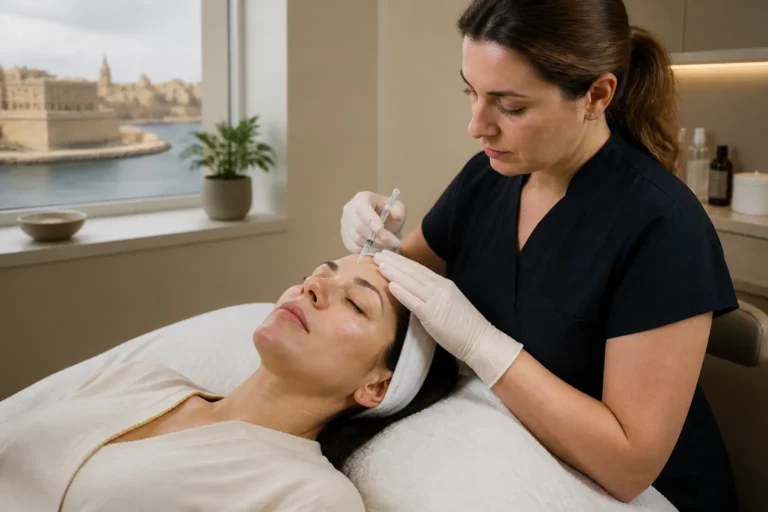
Dermaplaning uses a professional blade to remove surface build-up and fine vellus hair, often called peach fuzz. Because it is a form of manual exfoliation, it is best performed when the skin barrier is calm and intact. If your skin is inflamed, compromised or reacting to products, adding exfoliation may cause unnecessary discomfort or prolong visible irritation.
At a professional studio, the right question is not simply, “Can I have dermaplaning?” It is, “Is this the right day for my skin?” This guide explains the most common dermaplaning contraindications, when a short pause is sensible, and how to approach your next booking with confidence.
What does “contraindication” mean in dermaplaning?
A contraindication is a reason to avoid, delay or adapt a service because it may not be suitable at that moment. In beauty treatments, this does not always mean that you can never have the procedure. Often, it means waiting until an active concern has settled, a course of treatment is complete, or a clinician has confirmed that it is appropriate to go ahead.
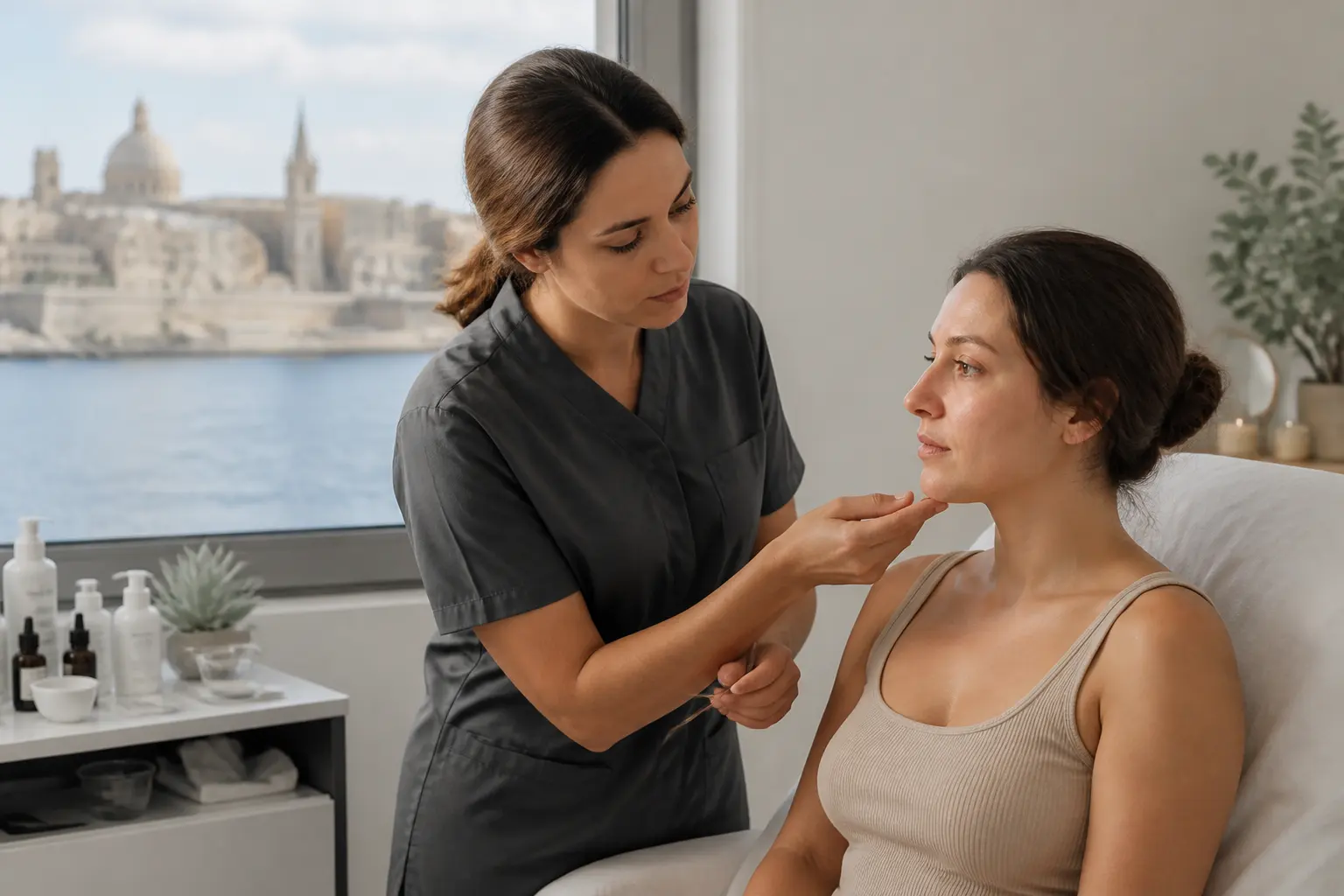
Dermaplaning works on the outer surface of the skin, but that surface still needs to be in good condition. A responsible consultation considers visible signs, recent skin changes, products in your routine and any relevant medical advice you have received. The purpose is to avoid working over skin that is already under stress.
Professional assessment matters because redness, spots and sensitivity can have different causes. What looks like a simple breakout may be irritation, an allergic reaction, eczema, rosacea or another concern that needs medical diagnosis. The American Academy of Dermatology notes that rosacea can resemble acne, sunburn or a skin reaction, which is one reason not to self-diagnose before an exfoliating facial service.
When dermaplaning should usually be postponed
Active acne, inflamed spots or broken skin
Dermaplaning is normally postponed when there are active, inflamed breakouts, open blemishes, picked areas, cuts or scabs in the treatment zone. Passing a blade over raised or broken skin can be uncomfortable and may aggravate an already vulnerable area.

This does not mean that everyone with occasional blemishes is automatically excluded forever. The decision depends on what is present on the day, where it is located and how reactive the skin appears. A therapist may be able to discuss an alternative facial approach, or simply recommend waiting until the breakout has calmed.
Cleveland Clinic specifically advises against dermaplaning during an acne breakout, as it can irritate existing acne and leave vulnerable skin more exposed. For persistent, painful or deep breakouts, it is sensible to speak with a dermatologist rather than trying to exfoliate through the problem.
An eczema flare-up, rash or unexplained irritation
Dryness is not the same as a flare-up. Skin can feel a little dry and still be manageable with a carefully selected routine. However, if you have patches that are itchy, cracked, sore, weeping, intensely flaky or visibly irritated, dermaplaning should wait.
The same applies to an unexplained rash, a reaction after introducing a new product, or skin that stings when you cleanse or moisturise. Mechanical exfoliation can be too much when the barrier is unsettled. The priority is to identify the trigger, support recovery and seek medical advice where appropriate.
If eczema is part of your skin history, tell your therapist during consultation, even if there is no active flare-up. The timing and choice of treatment should be individual rather than based on a generic facial schedule.
A rosacea flare or persistent facial sensitivity
Rosacea-prone skin can be especially reactive. Common signs include persistent facial colour, flushing, visible vessels, burning, stinging and acne-like bumps. These signs may appear differently across skin tones, so comfort, warmth and sensitivity are just as important as visible redness.
During a flare, it is wise to pause dermaplaning and focus on gentle, clinician-led or rosacea-friendly care. The American Academy of Dermatology explains that rosacea often makes skin sensitive and easily irritated, and advises avoiding ingredients that may trigger irritation for some people, including fragrance, alcohol and certain exfoliating acids. Read its rosacea skin-care guidance here.
A professional beauty appointment cannot diagnose rosacea. If you have ongoing flushing, stinging or recurring acne-like bumps, booking a dermatology consultation is the most useful next step. Once your skin is stable and you have appropriate advice, you can revisit whether dermaplaning suits your routine.
Sunburn, recent tanning or heat-stressed skin
Do not book dermaplaning over sunburned skin, peeling skin or skin that feels hot and tender after prolonged sun exposure. Malta’s bright climate makes this particularly relevant, whether you have spent the day at the beach, on a boat, walking through Valletta or sitting outdoors at lunch.
Fresh tanning is also a reason to check in before your appointment. Tanned skin may not be painful, but it can still be more reactive than usual. A therapist may advise you to wait until the skin feels fully settled and has returned to its normal condition.
Protecting your face from sun exposure remains important after any exfoliating service. If you are planning a holiday, outdoor event or beach weekend, mention it while choosing your appointment date so you can plan care realistically.
Recent waxing, threading or hair removal in the same area
Different hair-removal methods put different demands on the skin. If the same facial area has recently been waxed, threaded, shaved or treated with another exfoliating method, it may need time to settle before dermaplaning. This is particularly relevant around the upper lip, cheeks and sideburn area.
Tell your therapist exactly what has been done and when. Do not assume that a service is irrelevant because it was performed at home or at another salon. Clear information allows the professional to make a safer decision and prevent unnecessary over-exfoliation.
Recent professional peels, resurfacing or other intensive facial procedures
Dermaplaning should not be casually layered onto a routine that already includes intensive exfoliation or resurfacing. If you have recently had a chemical peel, laser procedure, microneedling, strong professional extraction session or another advanced skin service, ask the provider who performed it when manual exfoliation can be reintroduced.
The correct waiting period depends on the procedure, your recovery and the protocol you were given. There is no responsible universal number of days that suits every treatment and every skin type. Bring your aftercare guidance to your consultation if you are unsure.
Strong active skincare or prescription medication
Retinoids, exfoliating acids, acne treatments and other active products can affect how sensitive your skin feels. Some people use these products without difficulty, while others experience dryness, peeling, burning or irritation. Dermaplaning may need to be delayed or your routine may need temporary adjustment, but this should not be guessed.
Be open about what you use, including retinol products, prescription creams, acne medication, exfoliating toners, scrubs and at-home peels. Include the brand or active ingredient if possible, how often you use it and whether your skin is currently peeling or sore.
For prescribed medication, follow the instructions from your prescriber or dermatologist. Do not stop a prescribed product solely to fit in a beauty appointment. Instead, ask whether dermaplaning is compatible with your care plan and share that advice with your therapist.
When “wait” is different from “never”
Most dermaplaning contraindications are temporary. A short delay may be recommended because your skin is recovering from sun exposure, a breakout, a reaction or another procedure. Once the issue has resolved and the skin is comfortable again, an assessment can determine whether you are ready to book.
| What is happening? | What to do now | What may happen next? |
|---|---|---|
| Active inflamed spots, cuts or scabs | Wait until the area has healed and settled. | Reassess before booking. |
| Burning, itching, peeling or a new rash | Pause exfoliating services and seek advice if symptoms continue. | Book only when the skin is calm. |
| Recent peel, laser or resurfacing service | Follow the original provider’s aftercare instructions. | Confirm suitable spacing before dermaplaning. |
| Prescription or strong active skincare | Ask your prescriber or dermatologist for guidance. | Share the advice during consultation. |
| Stable skin with no current irritation | Discuss your goals and routine with a therapist. | Dermaplaning may be considered after assessment. |
There are also situations where a therapist may decide that dermaplaning is not the best choice for you at all, or that another facial option is more appropriate. That is useful information, not a failed appointment. Good skin care is about choosing the right approach for your current needs rather than forcing every trend into your routine.
How to prepare honestly for your consultation
Dermaplaning consultation is easier when you arrive with a clear picture of what your skin has experienced recently. You do not need technical language. Simple, accurate details are enough.
- Say if you have had a recent breakout, rash, sunburn or reaction.
- List skincare products you use regularly, especially retinoids, acids, scrubs and acne products.
- Mention recent waxing, threading, shaving, peels, laser or other facial treatments.
- Explain if your skin has been stinging, burning, itching or peeling.
- Share relevant advice from a dermatologist or prescribing clinician.
- Let the therapist know if you are preparing for a holiday, wedding, photoshoot or other event.
It is also helpful to arrive without trying to “fix” the problem at home immediately beforehand. Avoid adding a new active serum, aggressively scrubbing dry skin or picking at a spot in the hope that it will be less noticeable. These steps can make the skin harder to assess and more likely to react.
Why professional judgement matters
Dermaplaning may look straightforward, but a professional appointment includes more than the blade itself. It involves hygiene, observation, product awareness and appropriate aftercare. At Becammo, the service is approached as a personalised facial treatment, not a quick shortcut to a smoother-looking complexion.
This matters for every skin tone and skin type. There is no single version of healthy-looking skin, and there is no benefit in pushing through discomfort to follow a fixed beauty timetable. The aim is to work with your skin, taking account of its condition on the day.
If a therapist asks you to wait, use that time to simplify your routine, protect your skin from the sun and follow any medical advice you have received. When your skin has settled, you can return for a fresh assessment and discuss whether Dermaplaning Pro or Dermaplaning SPA is the better fit for your goals.
Conclusion
The most important dermaplaning contraindication is skin that is not ready for exfoliation. Active acne, an eczema or rosacea flare, broken skin, sunburn, recent intensive procedures and product-related irritation are all valid reasons to pause. Waiting can be the more thoughtful choice, helping you avoid turning a short-term issue into a longer period of sensitivity.
If you are unsure whether your skin is ready, ask before you book. A professional assessment can help you choose the right timing and the most suitable facial service for your current skin condition. When you are ready, use the booking options for Becammo in Sliema or Swieqi to arrange your dermaplaning appointment.
Frequently asked questions
Can I have dermaplaning if I have one small spot?
It depends on the type, location and level of inflammation. Do not pick at it or try to conceal it before your appointment. Tell your therapist, who can assess whether the area should be avoided or whether it is better to postpone.
Should I stop using retinol before dermaplaning?
Do not stop prescribed skincare without advice from your prescriber. Let your therapist know about all active products in your routine. If your skin is peeling, sore or irritated, dermaplaning should generally wait until it has settled and you have received appropriate guidance.
Can dermaplaning be done during a rosacea flare?
It is usually better to postpone during a flare, particularly if the skin feels hot, stings, burns or has active bumps. Rosacea can be confused with other conditions, so seek advice from a dermatologist if symptoms are new, persistent or worsening.
How long should I wait after a chemical peel before dermaplaning?
The answer depends on the peel used, your skin response and the aftercare protocol from the provider who performed it. Ask that provider for specific guidance rather than relying on a standard timeframe.
Can I dermaplane after sun exposure in Malta?
Not if your skin is sunburned, tender, peeling or unusually warm. Wait until it is fully comfortable and settled. If you have a beach day or holiday planned, mention it when arranging your facial appointment.
What should I do if I am not sure whether my skin concern is a contraindication?
Contact the studio with a clear description of your concern and your recent skincare or treatment history. If there is any possibility of a medical skin condition, a dermatologist is the right person to diagnose it. A beauty therapist can then work within that guidance.