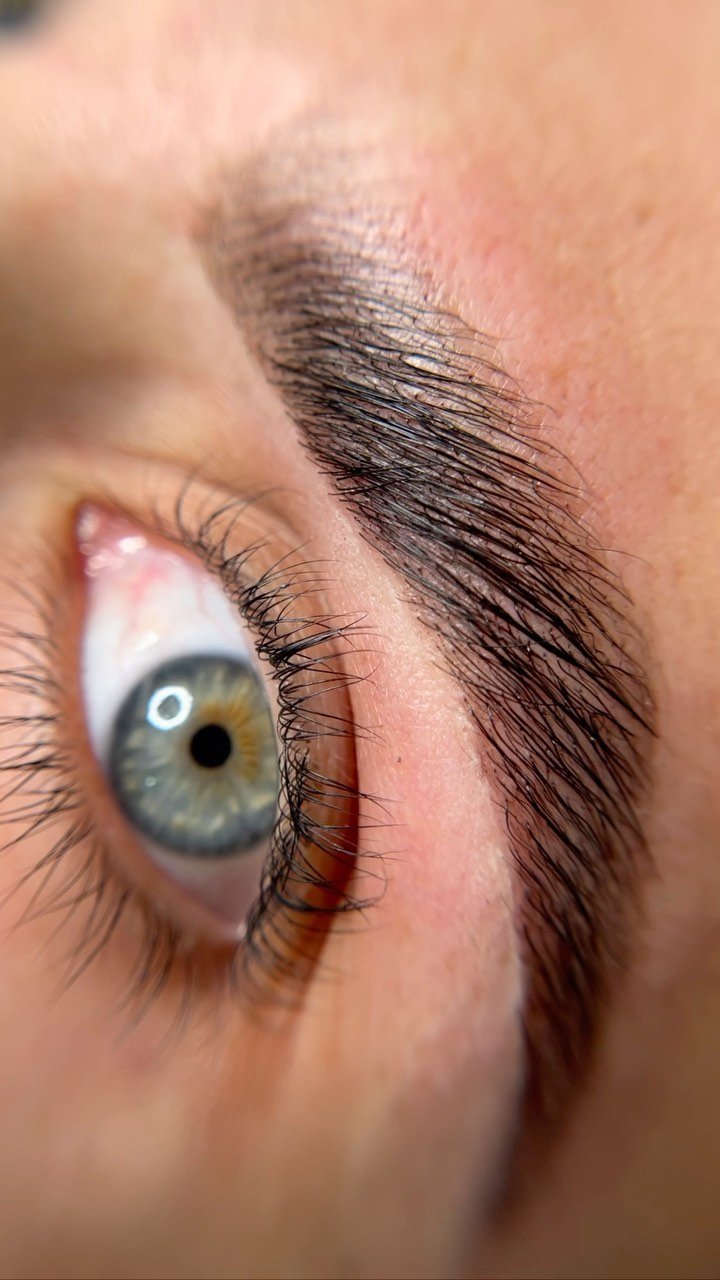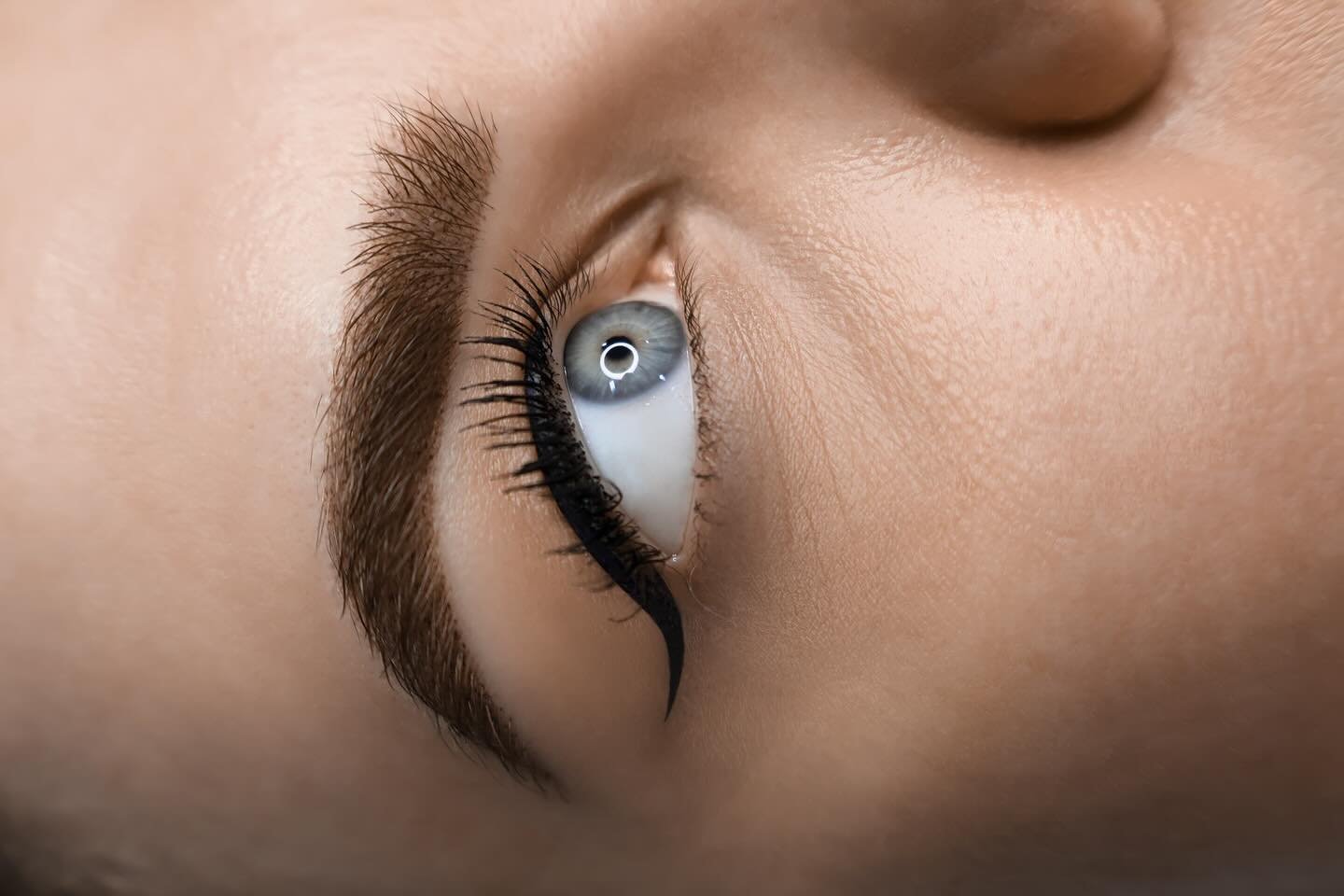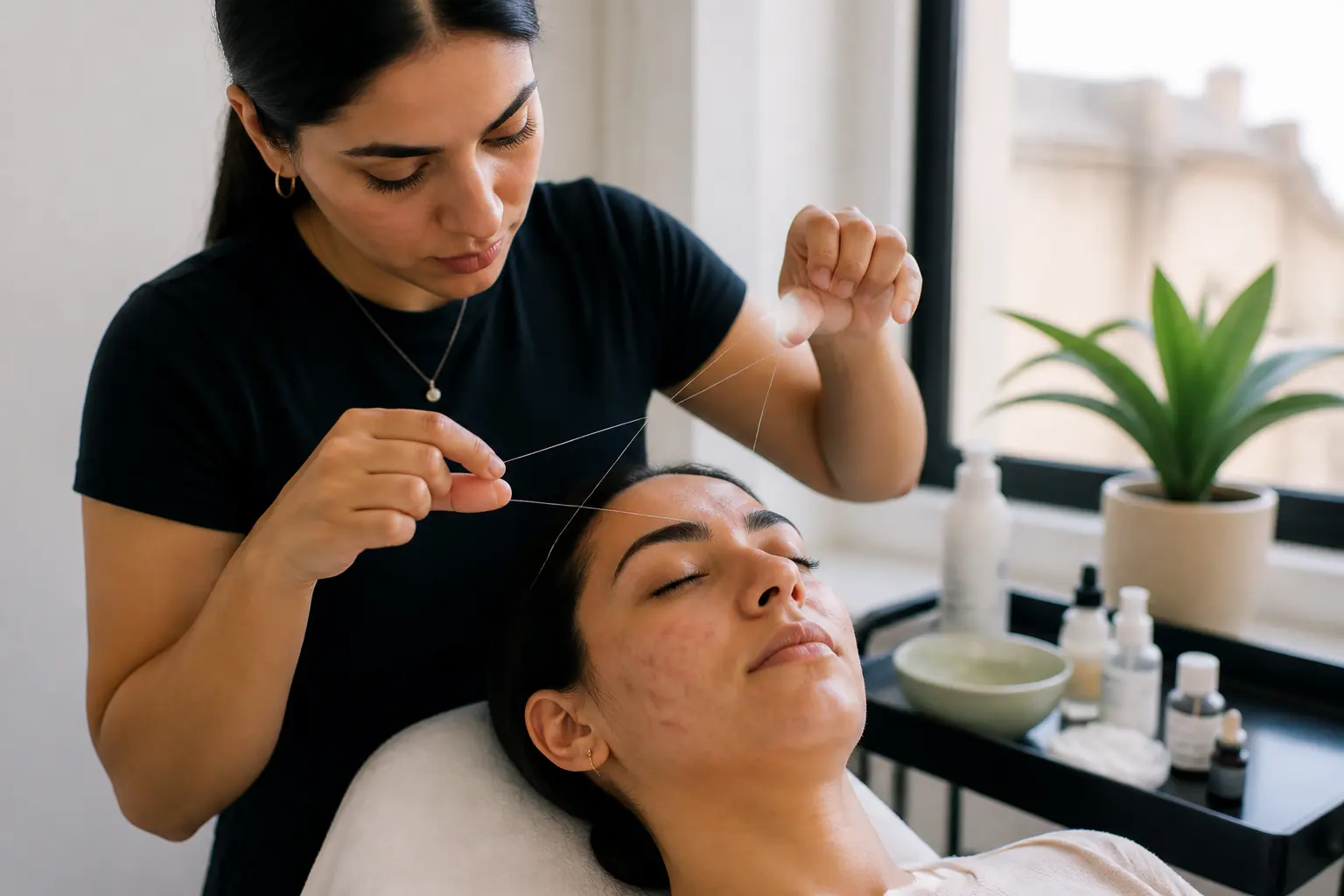
Acne-prone skin does not rule out eyebrow threading, but the skin in the exact area to be threaded needs to be calm enough for hair removal. Tell your practitioner about active spots and acne products such as retinoids, benzoyl peroxide or salicylic acid, keep your routine gentle beforehand, do not pick at blemishes, and expect the practitioner to work around inflamed areas or suggest postponing.
Acne-prone skin does not automatically rule out eyebrow threading. It does, however, make preparation, communication and aftercare especially important. If you regularly get spots along the brow line, between the brows or on the upper forehead, a professional appointment should be planned around how your skin looks and feels on that day, not just around your usual maintenance schedule.
Threading removes unwanted brow hairs with a fine thread, allowing the practitioner to work precisely around the natural shape of your eyebrows. For acne-prone skin, that precision can be useful, but it is still hair removal on skin that may already be inflamed, dry from acne products or tender around individual blemishes. The goal is not to push through every area at all costs. It is to create a neat, balanced brow shape while treating the skin with care.
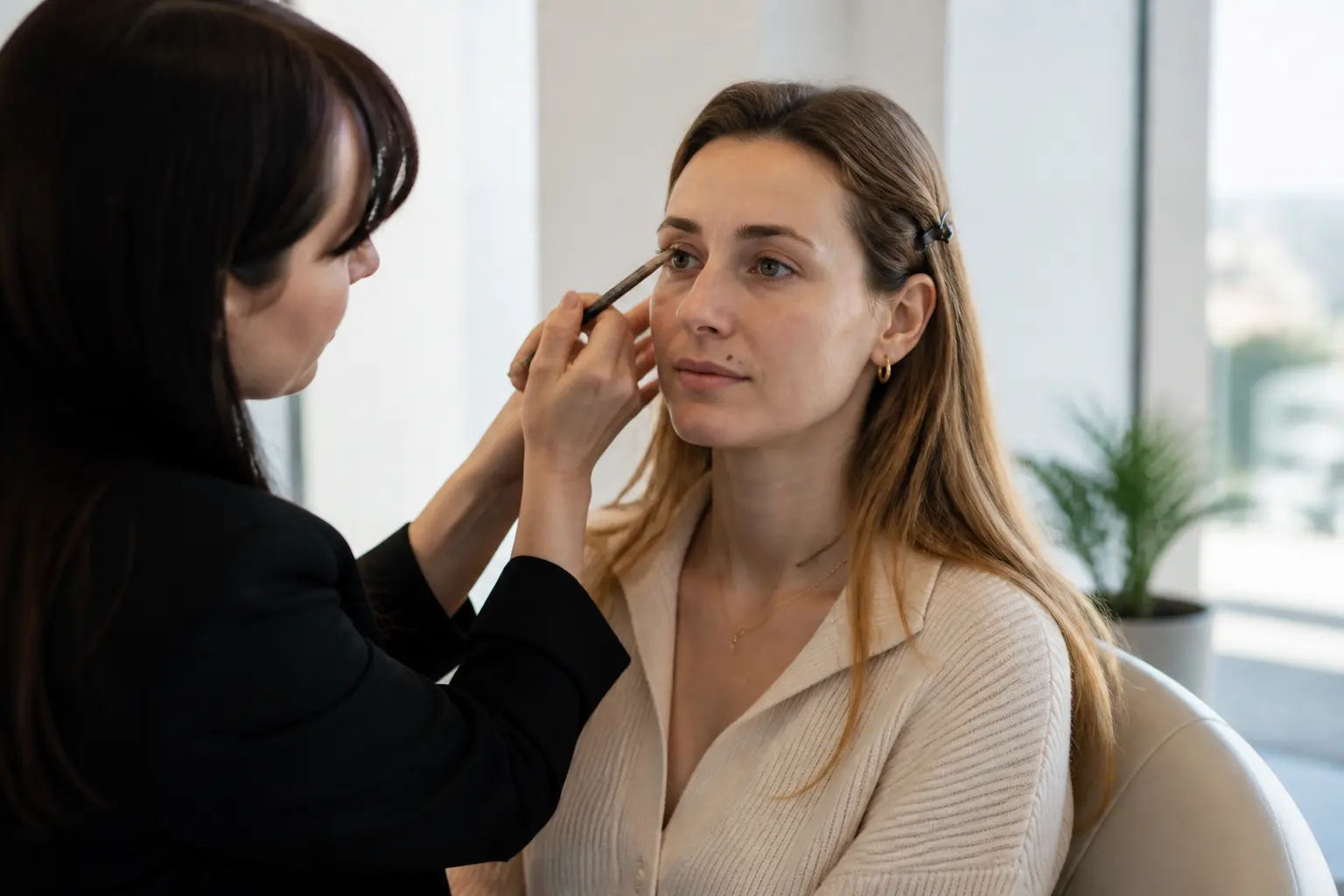
At a professional studio, this begins with a brief conversation about your current skin condition and the products or treatments you use. A few small adjustments, such as avoiding an active spot or leaving a particularly irritated patch untouched, can make the appointment more comfortable and more sensible for your skin.
Can you have eyebrow threading if you have acne?
In many cases, yes. Mild congestion, occasional blackheads or a few spots away from the brow hairs may not prevent you from booking. The key question is whether the skin in the exact area to be threaded is calm enough for hair removal.
If there are inflamed, painful, open, crusted or broken blemishes directly in the brow area, tell your practitioner before the service begins. It may be better to work around that section, reshape only the clearer areas or postpone the appointment until the skin has settled. This is not about achieving a perfectly clear complexion before you can have your brows shaped. It is about avoiding unnecessary friction over already compromised skin.
Acne can also make the area feel more reactive when you are using strong skincare. Dermatologists advise a gentle routine for acne-prone skin and caution that scrubbing, harsh astringents and irritating products can aggravate the skin. The American Academy of Dermatology’s acne care guidance recommends gentle cleansing and avoiding products that are likely to irritate. That same principle is useful when planning any brow hair-removal appointment.
Why does acne-prone skin need a more considered threading appointment?
Acne-prone skin is not one single skin type. One person may have oiliness and blocked pores across the forehead. Another may have dry, flaky skin from a topical acne routine. Someone else may only experience occasional hormonal breakouts close to the tail of the brow. Your appointment should reflect what is happening on your skin now.
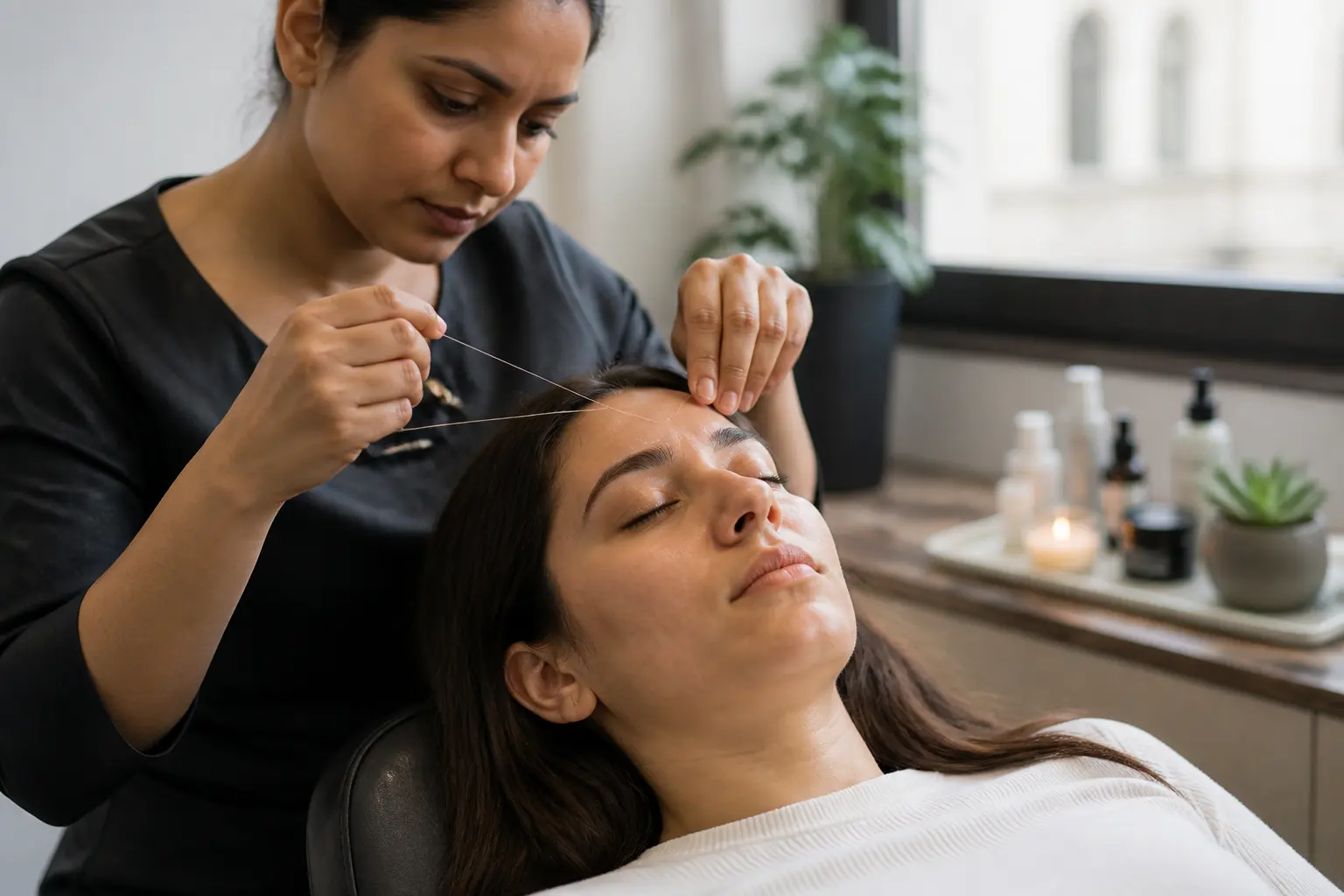
Threading involves controlled contact with the surface of the skin as the thread catches and removes hairs. When the area is already irritated, even normal temporary redness can feel more noticeable. A professional should therefore look beyond the brow shape itself and consider the condition of the surrounding skin.
This matters particularly when you have:
- active spots or pustules close to the brow line;
- dryness, peeling or stinging after starting a new acne product;
- recent picking or squeezing that has left the skin tender or broken;
- redness after exfoliating products, facial treatments or strong cleansing;
- a prescription acne treatment that has made your skin more sensitive.
Being clear about these details is useful, not inconvenient. It helps your practitioner decide where to thread, where to reduce contact and whether a different plan would be more appropriate on that day.
At BeCammo · Sliema · Swieqi
Eyebrow threading in Malta
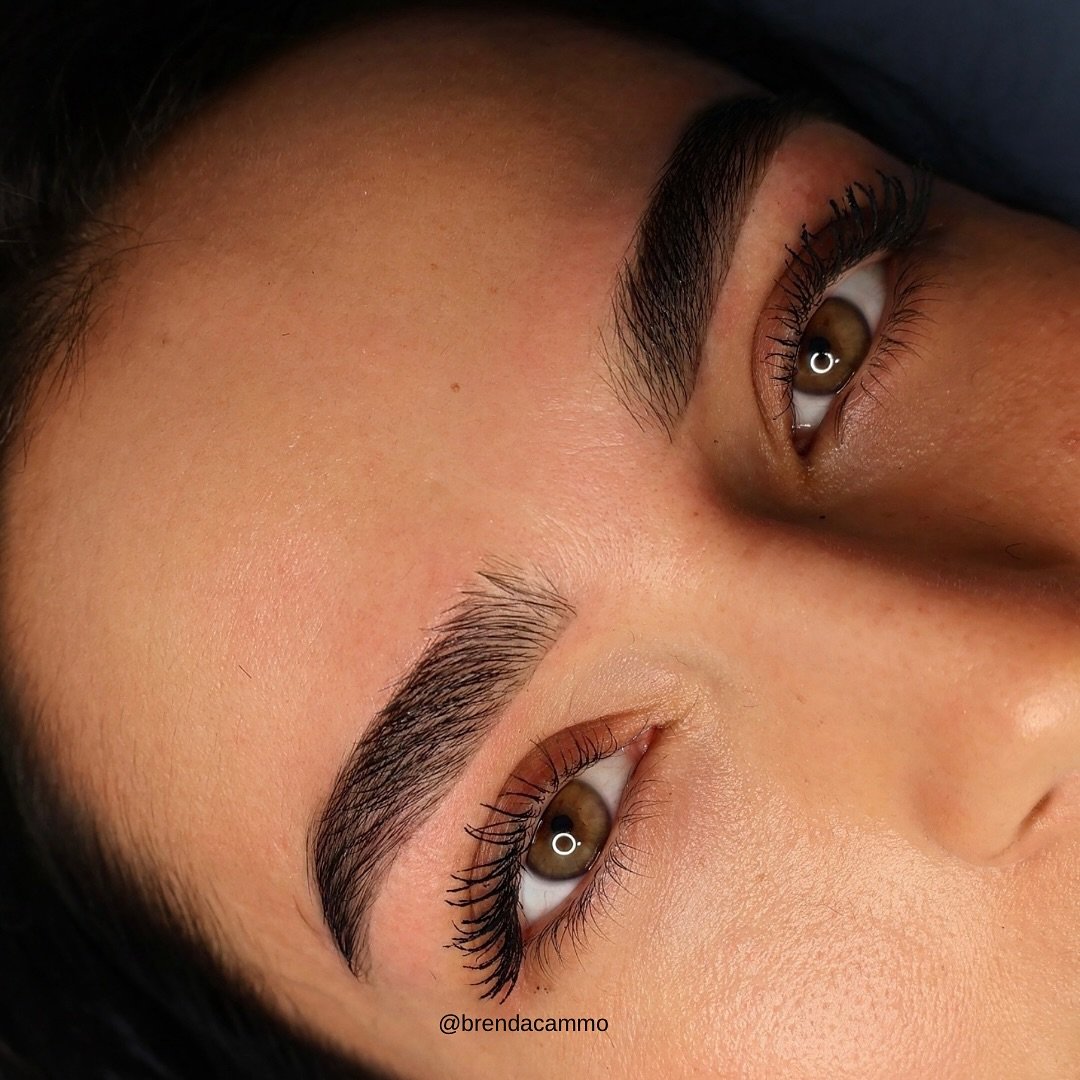
Same client, before and after threading.
Clean, natural brows shaped to your face, at our salons in Sliema and Swieqi. Threading is what BeCammo was built on.
- from €16price
- Sliema · Swieqiwhere
- ★ 5.0460+ Google reviews
What should you tell your brow practitioner before threading?
A good eyebrow appointment is personalised. Before threading starts, mention anything that could affect the comfort of your brow area. You do not need to provide a detailed medical history, but you should flag relevant skincare and visible irritation honestly.
Share your current acne routine
Let the practitioner know if you use acne-focused ingredients such as retinoids or retinol, benzoyl peroxide, salicylic acid or exfoliating acids. These products can be helpful within an appropriate skincare routine, but they can also leave the skin drier or more reactive, particularly when introduced recently or used too frequently. The American Academy of Dermatology notes that products containing retinoids, retinol or benzoyl peroxide may increase sensitivity and peeling.
Do not stop prescribed treatment simply because you have a brow appointment. Instead, ask the clinician who prescribed it if you are unsure, and tell your brow practitioner what you use. A simple conversation allows the service to be adapted responsibly.
Point out active spots in the brow area
If a spot is sore, raised, open or directly under the hairs to be removed, point it out. It can be tempting to ignore it because you want both brows to look perfectly finished. Yet threading over an inflamed blemish is unlikely to be the best choice for comfort. A slightly less precise area for a few days is often preferable to disturbing skin that is already struggling.
Mention recent facial treatments or irritation
Have you had a facial, exfoliation or another treatment that left the upper face feeling warm, dry or sensitive? Have you had a sunburn or a reaction to a new product? Mention it. Timing matters, especially if your skin is visibly peeling or feels sore when touched.
How do you prepare for eyebrow threading with acne-prone skin?
Preparation does not need to be complicated. Think of it as giving the brow area the best chance to arrive clean, settled and free from unnecessary irritation.
Keep your routine gentle in the days before
Resist the urge to deeply scrub the brow and forehead area before your appointment. Acne can lead people to cleanse more aggressively, but friction may worsen irritation. Dermatology guidance recommends washing gently with a mild, non-comedogenic cleanser rather than using abrasive tools or vigorous scrubbing. The American Academy of Dermatology also advises against scrubbing and picking, both of which can make acne-prone skin more irritated.
Use the routine that generally works for you. The aim is not to introduce a new mask, peel or spot treatment just before threading in the hope of a quick improvement. New products can be unpredictable, and a last-minute reaction may make the skin less comfortable for hair removal.
Arrive with clean brows where possible
Try to attend without heavy brow make-up, concealer layered through the brow hairs or thick styling products. Clean skin gives the practitioner a clearer view of your natural brow pattern and any areas that need to be avoided. If you wear make-up earlier in the day, remove it gently rather than rubbing the skin hard.
Do not pick at spots before your appointment
Picking can turn a small spot into a tender, broken area, making it harder to work around and more likely to feel uncomfortable. It can also leave marks that take time to fade. If you notice a blemish near your eyebrow, leave it alone and let the practitioner see the true condition of the skin at your appointment.
Book at a time when your skin is usually calmer
If you know that your breakouts follow a pattern, such as flaring after a particular product or at a certain point in your cycle, consider this when arranging maintenance. You cannot always predict your skin, of course, but choosing a calmer window may make the visit more straightforward.
What happens during a professional threading session?
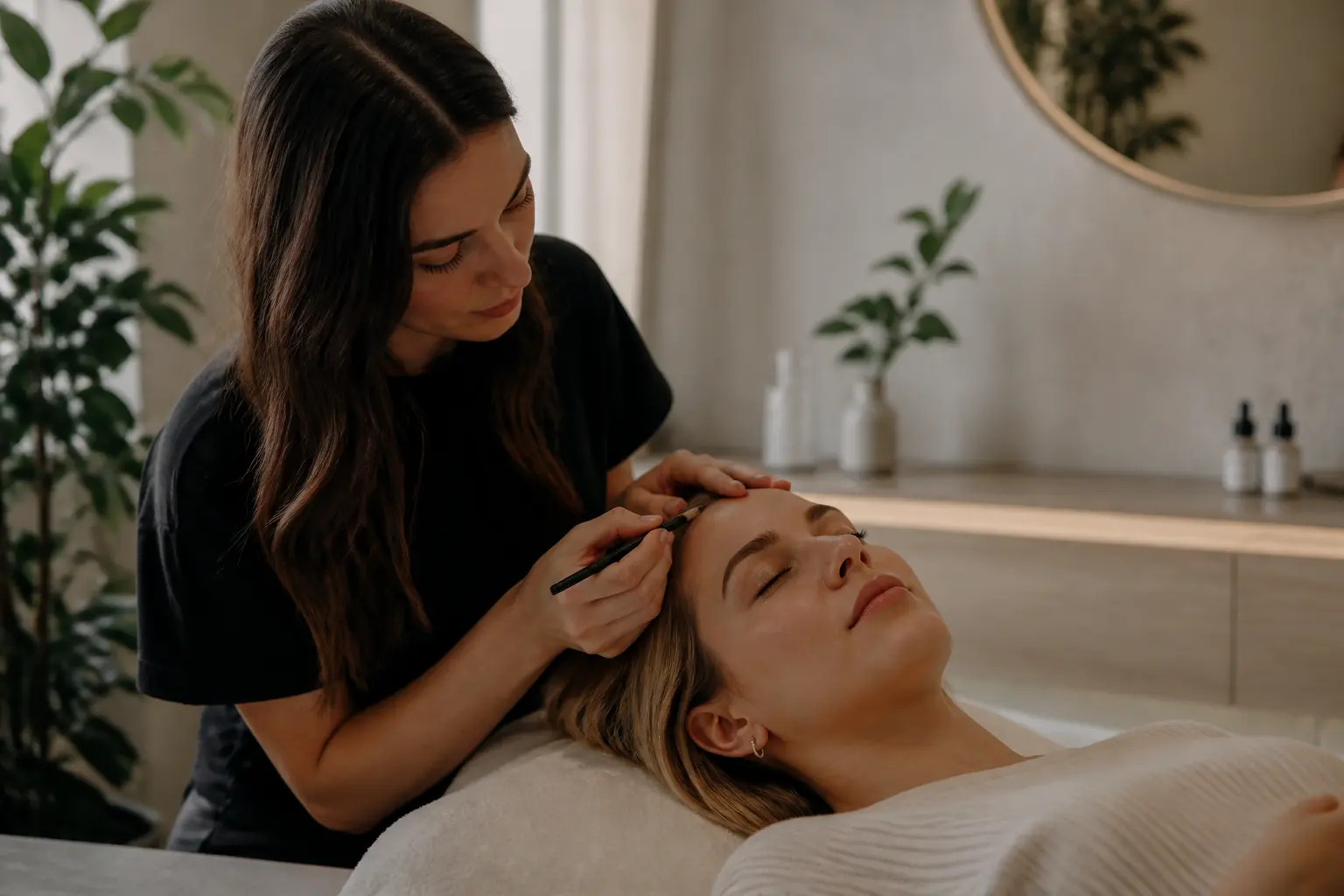
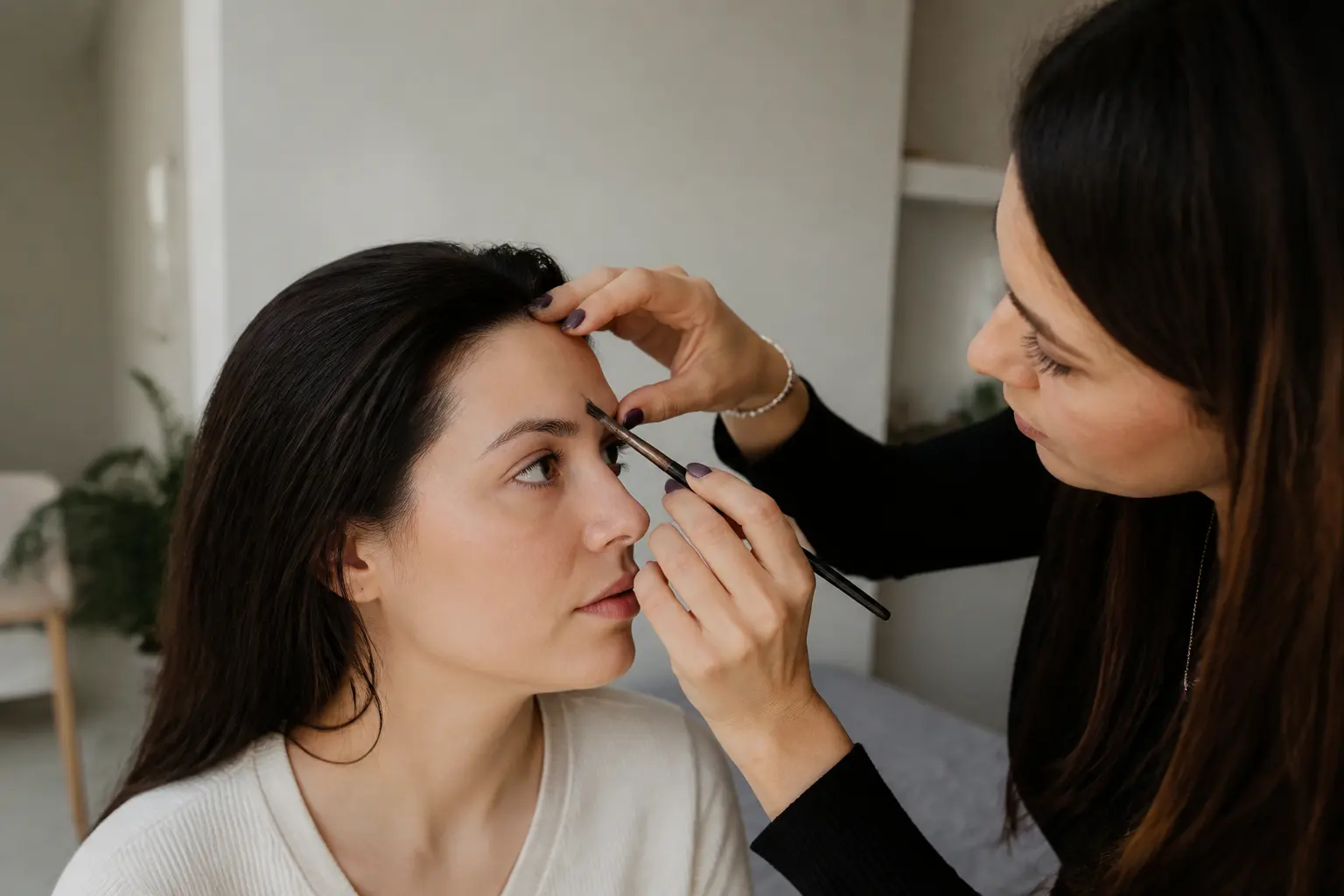
Professional brow shaping should not follow a one-size-fits-all template. The practitioner first assesses the natural brow growth, facial balance and the areas where hair can be safely removed. With acne-prone skin, the skin condition around the brows becomes part of that assessment.
At BeCammo, threading is carried out with single-use thread, using cotton as the standard option and polyester for clients with a relevant allergy. The thread is discarded after each client. Clean practice matters for every client, and it is particularly reassuring when your skin is prone to breakouts or irritation.
During the appointment, the practitioner can work carefully around active blemishes rather than treating the brow area as one uninterrupted strip of skin. This may mean leaving one or two hairs near a sore spot until a future maintenance visit. It is a practical choice that protects the overall brow shape without asking too much from the skin.
You may feel a brief pulling sensation as hairs are removed. Acne-prone skin does not necessarily make threading painful, but inflamed areas can be more tender. Speak up if one part of the brow feels especially uncomfortable. Good communication allows the practitioner to slow down, reassess the area or adjust the plan.
How do you keep the brow area calm after threading?
Some temporary pinkness immediately after threading can happen, especially if your skin is reactive. Your aftercare should focus on reducing unnecessary contact and allowing the area to settle naturally.
Keep your hands away from freshly threaded brows
It is easy to touch the shape repeatedly in the mirror, but freshly threaded skin benefits from being left alone. Avoid rubbing, scratching or pressing around the brows. If you need to apply skincare later, use clean hands and a light touch.
Choose simple, non-irritating skincare
After threading, avoid applying a strong exfoliant, scrub, alcohol-heavy toner or a new active product directly across the brows. If your usual acne treatment is causing dryness or peeling, keep following the instructions from your pharmacist, dermatologist or prescribing clinician, and ask them how to fit hair removal around your routine. A non-comedogenic moisturiser may be useful when the skin feels dry, as long as it suits your established routine.
For acne-prone skin, more product is not always better. The most helpful approach after a brow appointment is often a calm, consistent routine rather than several layers of spot treatments.
Skip heavy brow make-up until the skin settles
If possible, give the brow area a short break from pomades, full-coverage concealer and strong hold gels immediately after threading. If you need to wear make-up, choose products that are suitable for acne-prone skin and remove them gently at the end of the day. The American Academy of Dermatology recommends looking for labels such as non-comedogenic, oil-free or non-acnegenic when choosing products for acne-prone skin.
Be thoughtful with heat, sweat and friction
Try not to add extra irritation straight after your appointment. Rubbing sweat away with a towel, pressing a phone against the forehead, wearing a tight helmet band or repeatedly brushing the brow area can all make the skin feel less settled. Pat sweat gently instead of rubbing it across the face.
When is it better to postpone your brow appointment?
There is no benefit in forcing a threading session when the brow area is highly inflamed. Consider rearranging, or ask whether a partial tidy-up is possible, if you have widespread painful breakouts around the brows, open or weeping skin, a significant rash, sunburn, a suspected infection or intense peeling from acne treatment.
It is also wise to seek advice from a qualified healthcare professional if acne is painful, leaving scars, affecting your wellbeing or not improving with your usual care. A brow studio can help you plan hair removal around your skin, but it is not a replacement for medical assessment or acne treatment.
How often should acne-prone skin have brow threading?
Your best timing depends on hair growth, your preferred brow shape and how settled your skin is. Many clients return for brow maintenance once new growth becomes noticeable, but it is better to adjust an appointment than to thread directly over a flare-up. A tidy but slightly grown-out brow is usually easier to manage than an irritated brow area.
Over time, regular appointments can make it easier for your practitioner to understand your natural growth pattern and your skin’s tendencies. Tell them if you have changed acne products, started a new prescription or noticed that the brow area reacts differently than usual. That ongoing communication supports a more personalised service.
Conclusion
Eyebrow threading can work well for acne-prone skin when the appointment is guided by what your skin needs on the day. Keep the area clean but do not scrub it, disclose active products and sore breakouts, and accept that a practitioner may recommend working around an inflamed spot. Careful shaping is about more than removing hairs. It is about preserving balance while respecting the condition of your skin.
If you are in Malta and unsure whether your current breakout is suitable for threading, book your eyebrow appointment at BeCammo in Sliema or Swieqi and raise the question at check-in. The team can assess the brow area and help you choose the most considerate approach for that visit.
Frequently asked questions
Will eyebrow threading cause acne?
Threading is hair removal, not an acne treatment or a cause of acne in itself. However, acne-prone skin can become irritated by friction, heavy products, picking or an unsuitable skincare routine. Keeping the area clean, avoiding unnecessary touching and following personalised aftercare can help it settle.
Can threading be done around a pimple in the eyebrow?
It may be possible to thread around a small blemish, depending on its location and condition. A painful, open or inflamed spot should be shown to the practitioner, who may avoid that exact area or suggest waiting until it is calmer.
Should I stop using retinol before eyebrow threading?
Do not change a prescribed or established acne routine without appropriate advice. Tell your practitioner if you use retinol, retinoids, benzoyl peroxide or exfoliating acids, as these can make skin feel more sensitive or dry. If you are uncertain, ask your pharmacist, dermatologist or prescribing clinician for guidance.
Can I wear brow make-up after threading if I have acne-prone skin?
When possible, allow the brow area time to settle before applying make-up. If you need to wear it, use clean tools and choose products that suit acne-prone skin. Remove make-up gently, without rubbing or scrubbing the brows.
What should I do if the skin stays very sore after threading?
A little temporary redness can occur, but persistent soreness, swelling, broken skin or a worsening reaction deserves attention. Stop using potentially irritating products on the area and seek advice from a qualified healthcare professional if you are concerned.