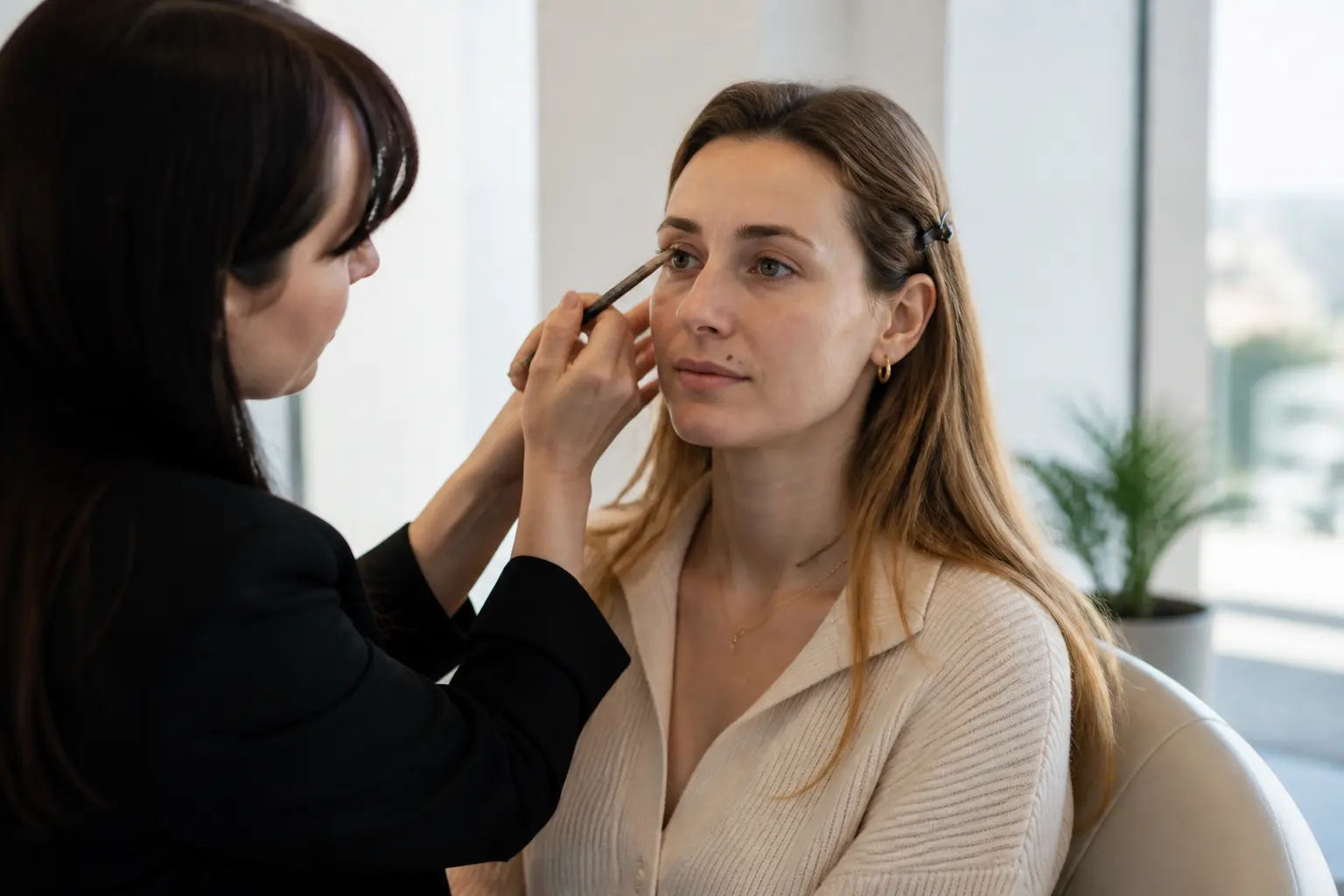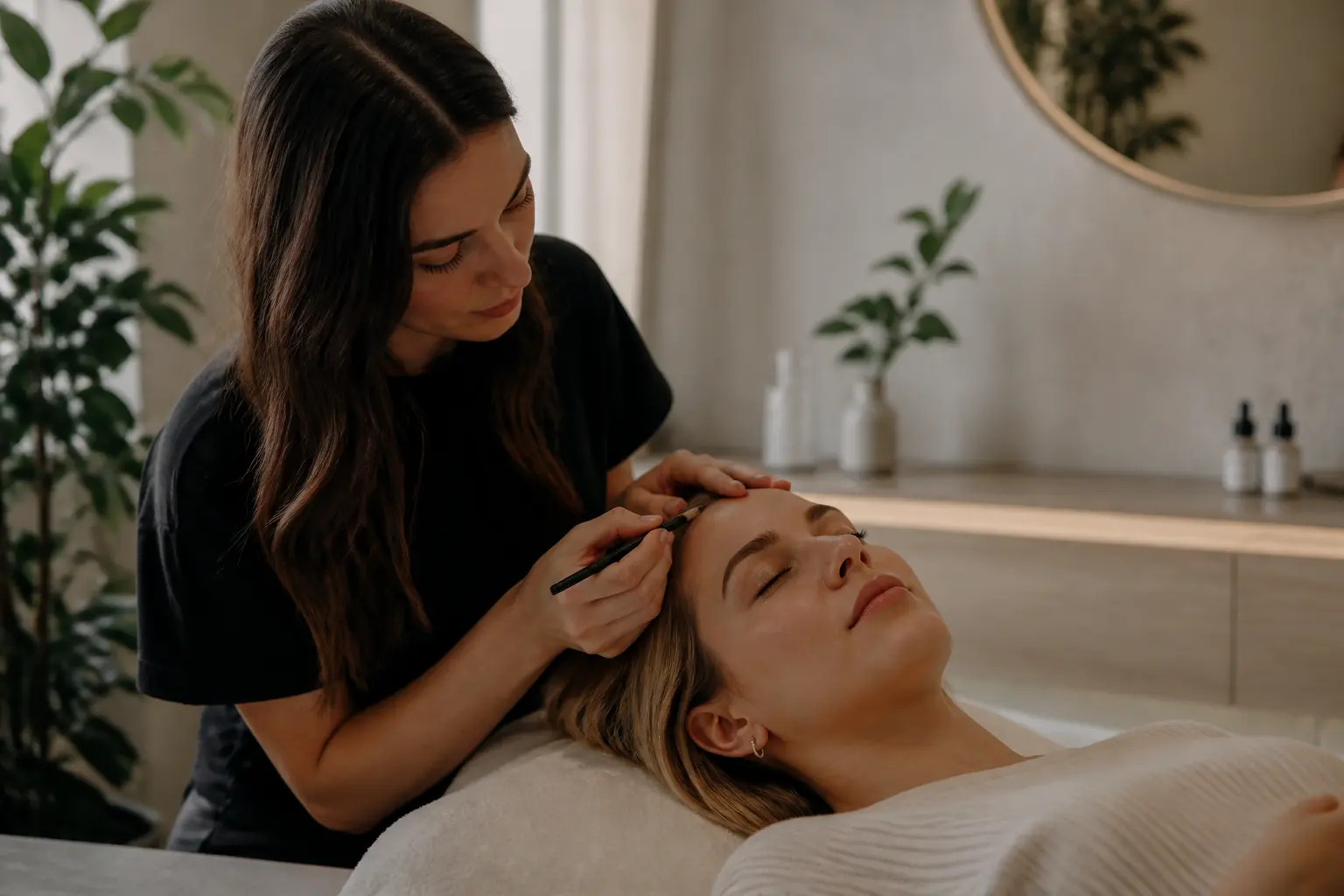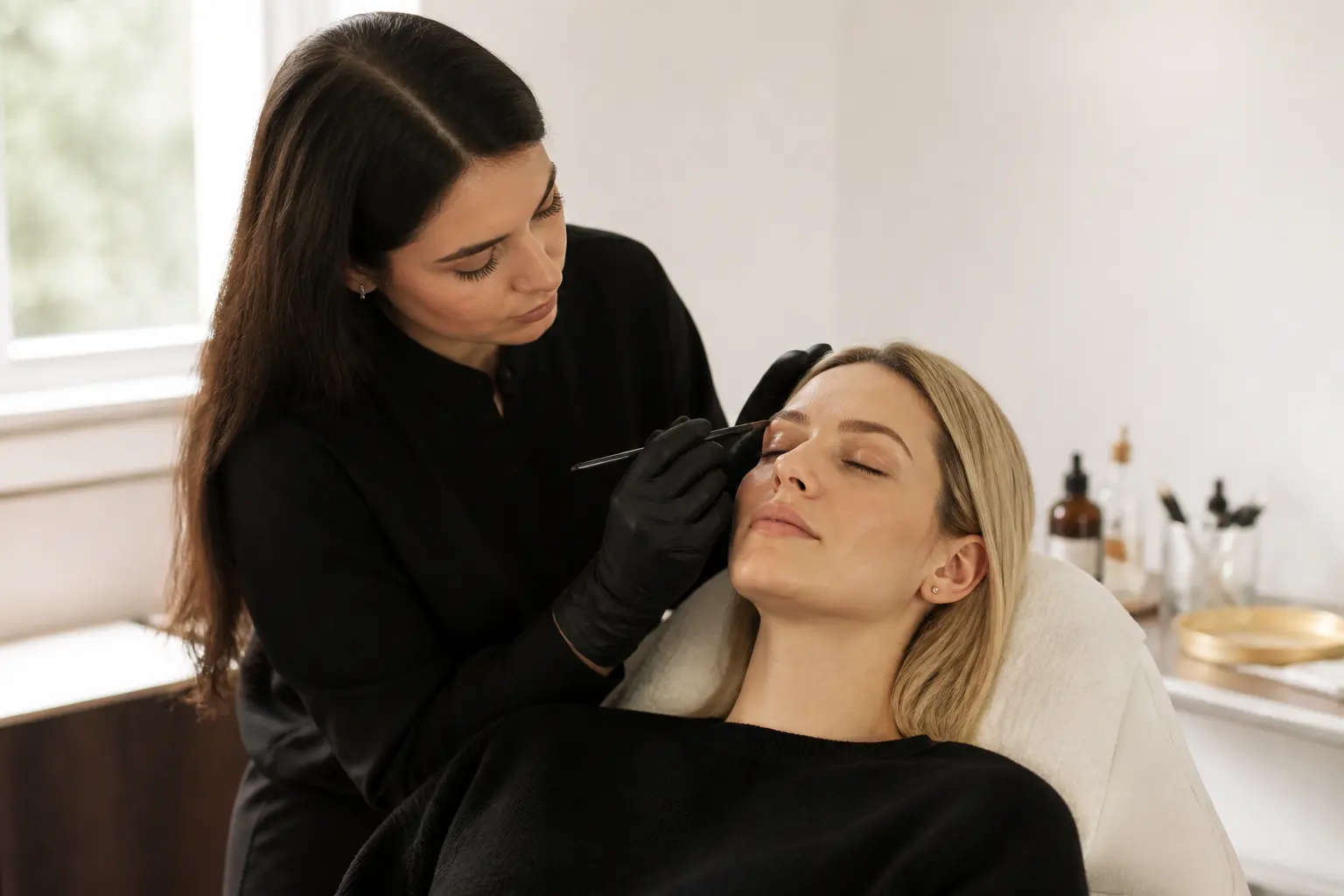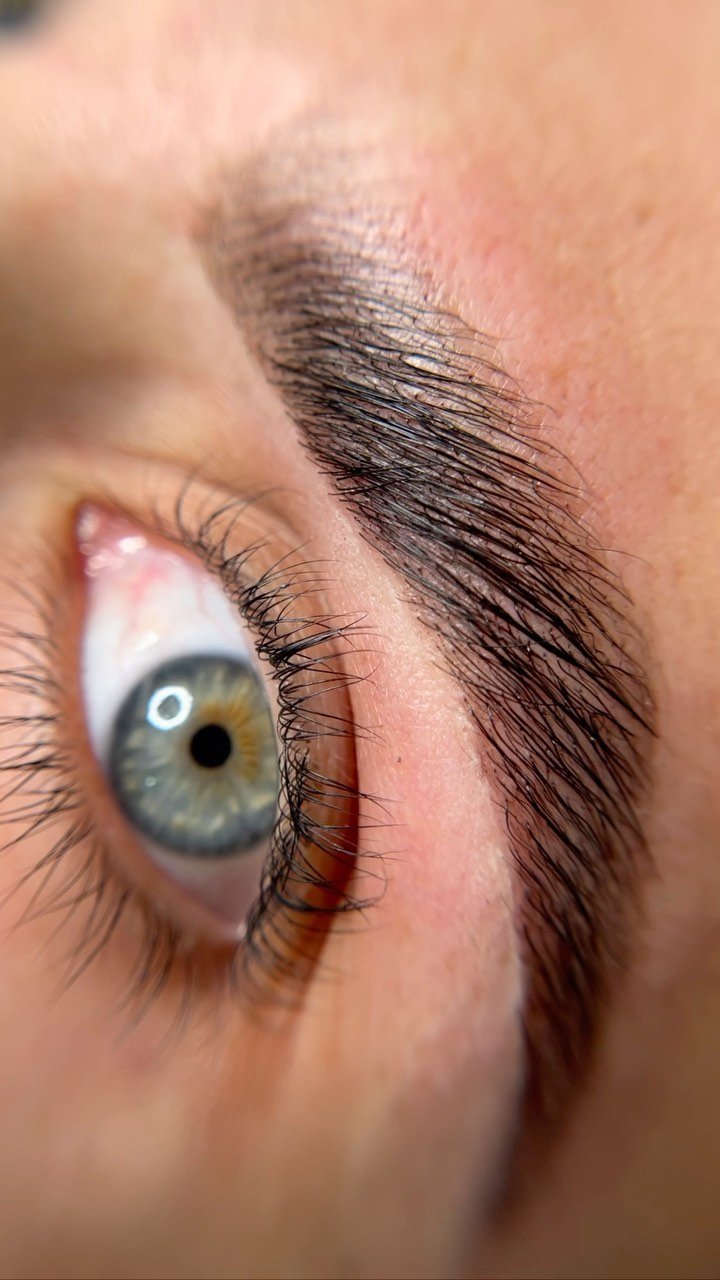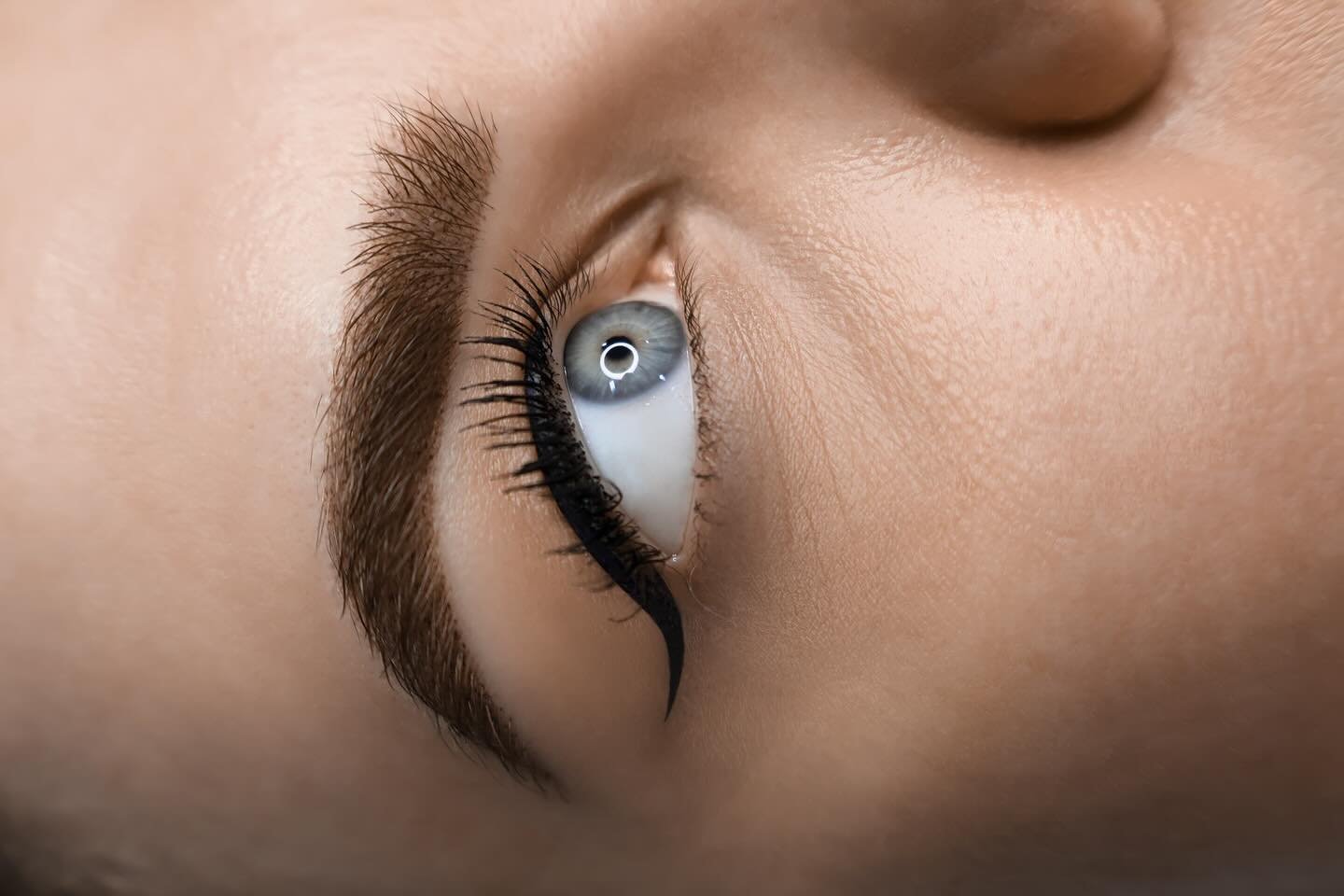
A carefully planned eyebrow design can often make a healed scar less noticeable by reducing the contrast that makes it stand out, not by erasing it. The main tricks are mapping before removing hair, keeping useful hairs beside the scar, softening the arch, using soft density and restrained colour, directing hairs with gel and balancing both brows. The scar must be old, fully healed and calm before any brow appointment.
An old eyebrow scar can tell a story, perhaps of a childhood fall, a sports accident or a playful mishap that happened years ago. Yet it can also make everyday brow grooming feel less straightforward. Hair may grow more sparsely through one small area, the skin texture may catch the light differently, or one brow may appear less defined than the other.
The good news is that a carefully planned eyebrow design can often make a healed scar less noticeable. The goal is not to erase the scar, promise hair regrowth or force both brows into identical shapes. It is to use proportion, hair direction, colour and soft definition to create a balanced result that still looks like you.
At a professional brow studio, this begins with looking at your face as a whole, not just the gap in the brow. For clients in Malta, a personalised threading and design appointment can be a thoughtful way to refine the surrounding hairs and bring more visual harmony to an eyebrow affected by an old scar.
Why do eyebrow scars change the way a brow looks?
A scar forms when the skin repairs after an injury. Depending on the depth of the original wound and how it healed, the area may be flatter, raised, lighter, darker or slightly shinier than the surrounding skin. Hair follicles in the scarred area may also be reduced or absent, which is why a line or patch in the brow can remain visible long after the accident.
Scars vary greatly. Some settle into the skin and are only visible at close range, while others create a more obvious break in the brow line. A scar can also change over time and may look different in strong sunshine, flash photography or certain makeup finishes. The NHS notes that scars cannot be removed completely, although many fade with time. It also advises protecting scars from sunlight with SPF 30 or higher. Read the NHS guidance on scars.
That distinction matters. Eyebrow design is a cosmetic service, not scar treatment. A brow artist can work with the visible effects of a fully healed scar, but should never diagnose the skin, make medical promises or work over an area that is irritated, open, painful or changing unexpectedly.
What does eyebrow scar camouflage really mean?
In brow design, camouflage does not mean covering the entire scar with a heavy block of product. It means reducing the contrast that makes the scar stand out. Usually, the eye notices a scar most when it interrupts one of these features:
- the brow’s outline
- the flow of hairs from the front to the arch and tail
- the density balance between the two brows
- the contrast between bare skin and surrounding brow hair
- the symmetry of the overall eye area
A good design works on the areas around the scar. By cleaning up hairs that sit outside the intended shape, preserving useful hairs close to the scar and choosing a brow line that suits your existing growth, the interruption can become far less obvious.
The most natural-looking solution is often not a stronger brow. It is a better-balanced one.
This is particularly important for old childhood scars. Many people have lived with the mark for so long that they have developed a habit of overfilling one spot, over-plucking the opposite brow or chasing perfect symmetry. A professional assessment can replace guesswork with a calmer, more considered plan.
At BeCammo · Sliema · Swieqi
Eyebrow threading in Malta
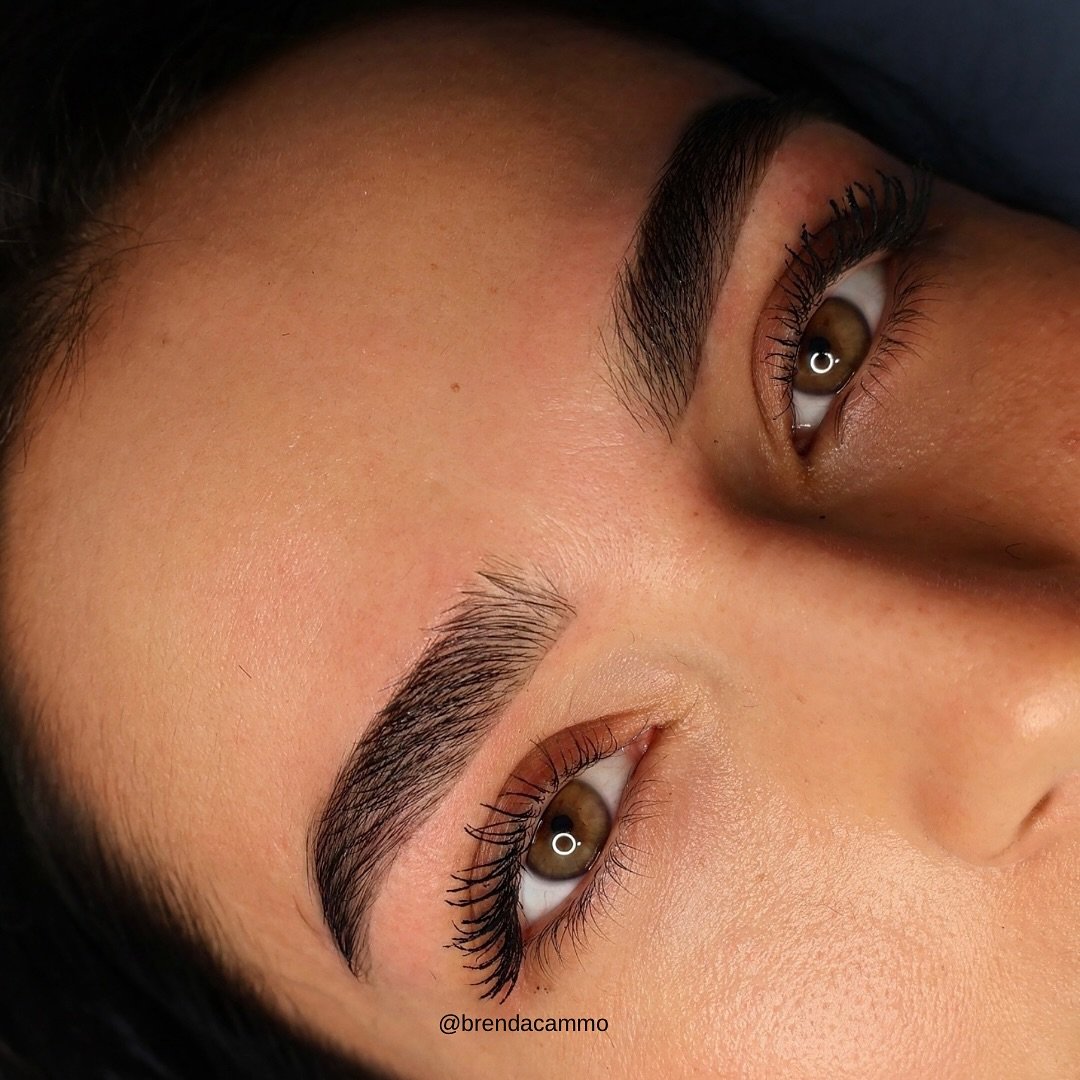
Same client, before and after threading.
Clean, natural brows shaped to your face, at our salons in Sliema and Swieqi. Threading is what BeCammo was built on.
- from €16price
- Sliema · Swieqiwhere
- ★ 5.0460+ Google reviews
Which design tricks make an old brow scar less noticeable?
1. Start with mapping, not removal
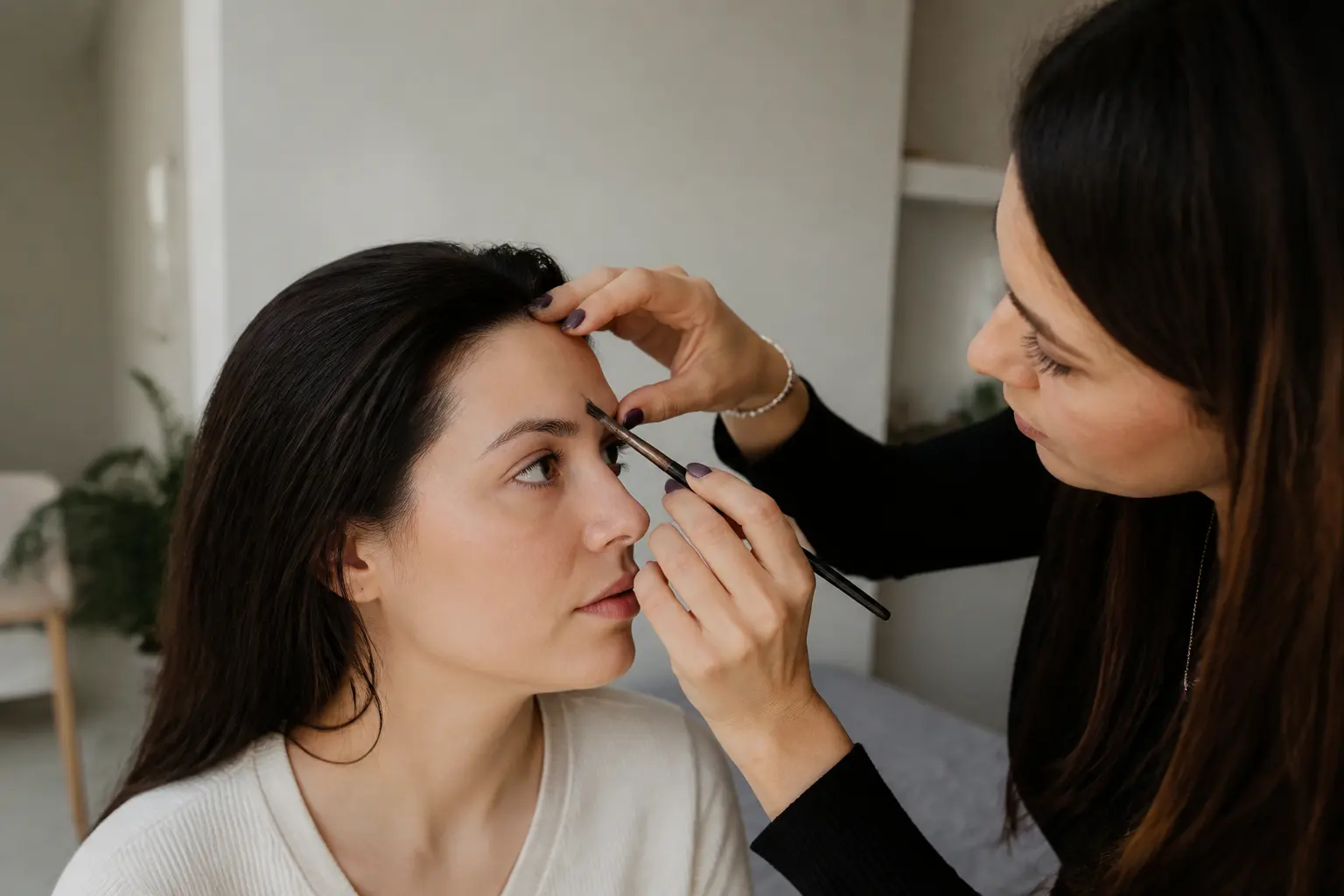
When a scar disrupts the brow, it can be tempting to remove more hair until both brows seem to match. That often creates a thinner result and puts more attention on the missing area. Mapping first helps identify where the brow should begin, where its highest point can sit and how long the tail should appear in relation to your eye and facial proportions.
The mapped shape should be a guide, not a rigid stencil. Natural brows are sisters, not copies. With a scar, the most flattering result may involve allowing a small difference in density or curve rather than trying to make every millimetre identical.
2. Keep useful hairs around the scar
Hairs beside a scar are valuable. They can soften the edge of the gap and help the brow read as one continuous shape. During threading, the focus should be on removing only the hairs that distract from the design while retaining growth that supports the scarred section.
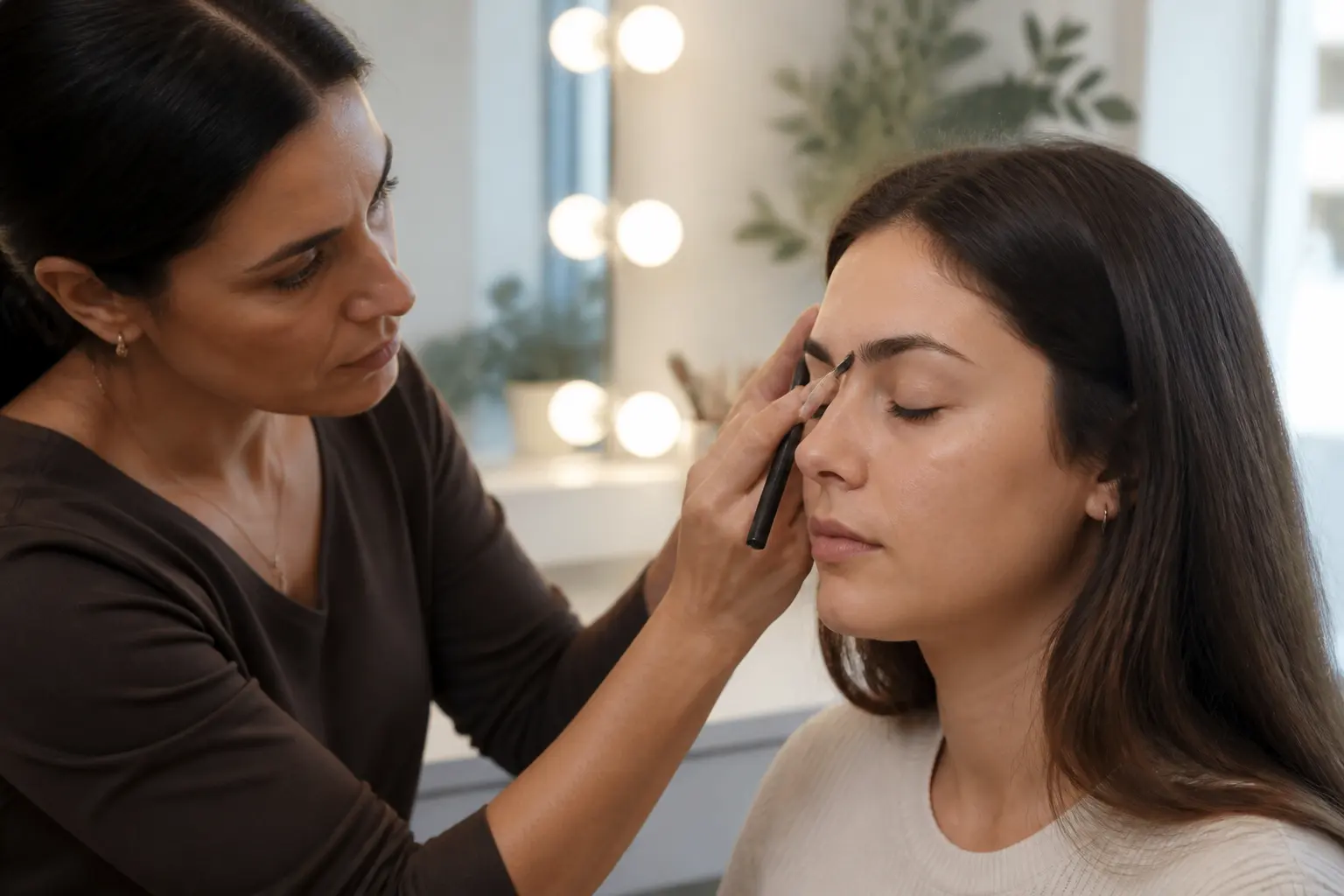
Threading is especially helpful for precise clean-up because it allows the artist to refine individual areas of the brow line. At BeCammo, the brow design is adapted to each client’s natural hair pattern, facial features and preferred level of definition. The thread used is single-use, and the studio can use polyester thread for clients with a relevant cotton allergy.
3. Adjust the arch instead of forcing it onto the gap
The arch naturally draws attention. If a scar sits exactly where a very high or sharply defined arch would normally be placed, forcing that shape can make the interruption more visible. A softer arch, or an arch positioned slightly before or after the scar, may create a more continuous visual flow.
This does not mean every scar calls for a flatter brow. It means the brow should be designed around your growth, not against it. A subtle change in where the curve begins can make a bigger difference than adding lots of makeup.
4. Use soft density rather than a hard outline
A very crisp, dark brow outline can make an uneven texture inside the brow more obvious. For many clients, a softer structure works better: clean enough to look polished, but with feathered texture through the body of the brow.
If you fill your brows at home, use a fine brow pencil, powder or tinted product in light, hair-like strokes. Begin beside the scar rather than pressing product directly into it. Build gradually and step back from the mirror often. The aim is to connect the visual direction of the hairs, not to draw a solid stripe across the skin.
5. Choose colour with restraint
Colour can either soften or exaggerate a gap. A shade that is too dark, warm or opaque may create a visible patch over differently textured skin. A shade close to the natural brow colour, applied lightly, usually looks more believable.
Henna or tint may be considered when appropriate for the brow hair and skin, but the result should be assessed individually. Colour develops differently on hair and skin, and scar tissue may not take colour in the same way as surrounding skin. A professional can discuss whether tint or henna supports your desired finish, or whether a simpler threading and styling appointment is the more suitable starting point.
6. Direct the brow hair for a fuller effect
The direction of the hairs matters as much as the shape. Brushing hairs slightly upwards and outwards can help neighbouring growth cover the edge of a small gap. A clear brow gel can hold that direction without making the brow look stiff.
For scars in the tail, brushing the body of the brow towards the tail may improve continuity. For a scar near the front, avoid making the inner brow overly square or dark. A softly graduated front generally looks more natural and draws less attention to an irregularity further along the brow.
7. Balance both brows, not just the scarred one
It is easy to focus entirely on the brow with the scar, but the other brow is part of the solution too. A small adjustment to the fuller brow may bring the pair into balance without making either one look overworked. This could mean preserving a little more fullness, softening the tail or refining the underside of the brow line.
Professional brow design looks at the relationship between both brows, your eyes, forehead and natural expressions. The result should still move naturally when you smile, speak and raise your brows.
When is threading suitable, and when should you pause?
Threading is a hair-removal and shaping technique. It can be a useful option for brows with an old, stable scar because the artist can focus on the surrounding hairs with precision. However, the scar itself needs to be fully healed and the skin should be calm before any cosmetic brow appointment.
Do not book a standard brow design as a way to deal with a fresh wound, stitches, scabbing, swelling, active irritation or unexplained change in the scar. If the area is raised, itchy, painful, rapidly changing, bleeding or you do not know why it is there, speak with a qualified healthcare professional before pursuing cosmetic work. The American Academy of Dermatology advises professional assessment because scars can be complex and different scar types need different approaches. See the American Academy of Dermatology’s scar guidance.
If you are prone to keloid scars, have a history of skin reactions, use strong active skincare near the brow area or have recently had another cosmetic procedure, mention this before your appointment. Clear information helps the studio decide whether to proceed, adapt the service or advise you to wait.
How should you plan an appointment for scar-affected brows?
- Share the background briefly. Let the brow artist know that the mark is from an old childhood injury and whether it has changed recently.
- Discuss your normal routine. Explain whether you prefer bare brows, light daily makeup or a more defined finish for work and events.
- Agree the priority. You may want a fuller-looking brow, a softer gap, a cleaner shape or easier maintenance.
- Map before threading. This makes it possible to see the proposed shape before any hair is removed.
- Keep the first design conservative. It is easier to refine at a future visit than to replace hairs that have been removed too aggressively.
- Review your home routine. Ask which brow product and brushing technique can help you maintain the effect between appointments.
For many people, regular gentle maintenance is more useful than an occasional dramatic reshaping. Brow hairs grow in cycles, so an appointment rhythm can be planned around how quickly your natural hairs return and how much definition you prefer.
Could brow lamination help?
Brow lamination may be useful for some clients when there is enough surrounding hair to redirect across a small sparse area. The effect depends on the brow’s existing length, density and hair direction. It will not create follicles in scar tissue or make a scar disappear, but it may help neighbouring hairs sit in a way that gives the brow more continuity.
A consultation at the studio is the sensible first step if you are considering lamination alongside scar camouflage. The artist can assess whether your brow hairs are suitable and whether a simpler design and styling approach would give a more natural result.
What about semi-permanent brow techniques?
Some people with eyebrow scars eventually ask about microblading, microshading or other semi-permanent brow options. These are more involved procedures than everyday brow design, and an old scar does not automatically make someone suitable. Scar texture, skin behaviour, the age and stability of the scar, and the desired result all need individual assessment.
Do not assume pigment will behave the same on scar tissue as on surrounding skin. Anyone considering a semi-permanent option should book a dedicated consultation first, share their medical and skin history honestly, and ask what result is realistically achievable. A careful consultation is more valuable than rushing into a solution because a photograph online looks convincing.
Conclusion
An eyebrow scar from childhood does not mean you have to settle for brows that feel unfinished. With personalised mapping, precise threading, thoughtful use of colour and a shape built around your real hair growth, it is often possible to make the area blend in more naturally.
The key is to treat the scar as one element of your brow, not the whole story. If your scar is old and fully healed, book a brow design appointment at BeCammo in Sliema or Swieqi and explain what you would like to improve. A professional assessment can help you find a shape that feels balanced, comfortable and recognisably yours.
Frequently asked questions
Can threading remove hair from an eyebrow scar?
Threading removes visible brow hairs. It does not remove scar tissue or restore follicles where hair no longer grows. The technique can, however, refine surrounding hairs to make the overall brow look more balanced.
Will brow tint cover an eyebrow scar?
Tint can add definition to brow hairs and may lightly colour the skin depending on the product and skin type. Scar tissue can respond differently from surrounding skin, so it cannot be relied on to cover a scar evenly. An individual assessment is best.
Can I have my brows shaped over a raised scar?
It depends on the scar and the condition of the skin. If it is raised, itchy, painful, changing or you are unsure about it, seek advice from a qualified healthcare professional before booking cosmetic brow work.
How can I make a scar in the brow tail less visible with makeup?
Use a fine pencil or angled brush to create light, hair-like strokes that follow the natural direction of the tail. Avoid a dark, solid line. Brushing nearby hairs towards the tail with a clear gel can also soften the transition.
Should I grow my brows out before an eyebrow design appointment?
If possible, allow some surrounding growth to come through before your first appointment. This gives the brow artist more natural hair to work with when planning shape and balance. Avoid plucking around the scar shortly before your visit.