Winter Dermaplaning: Brighter Skin During Malta’s Darker Months
Brenda Cammo Team
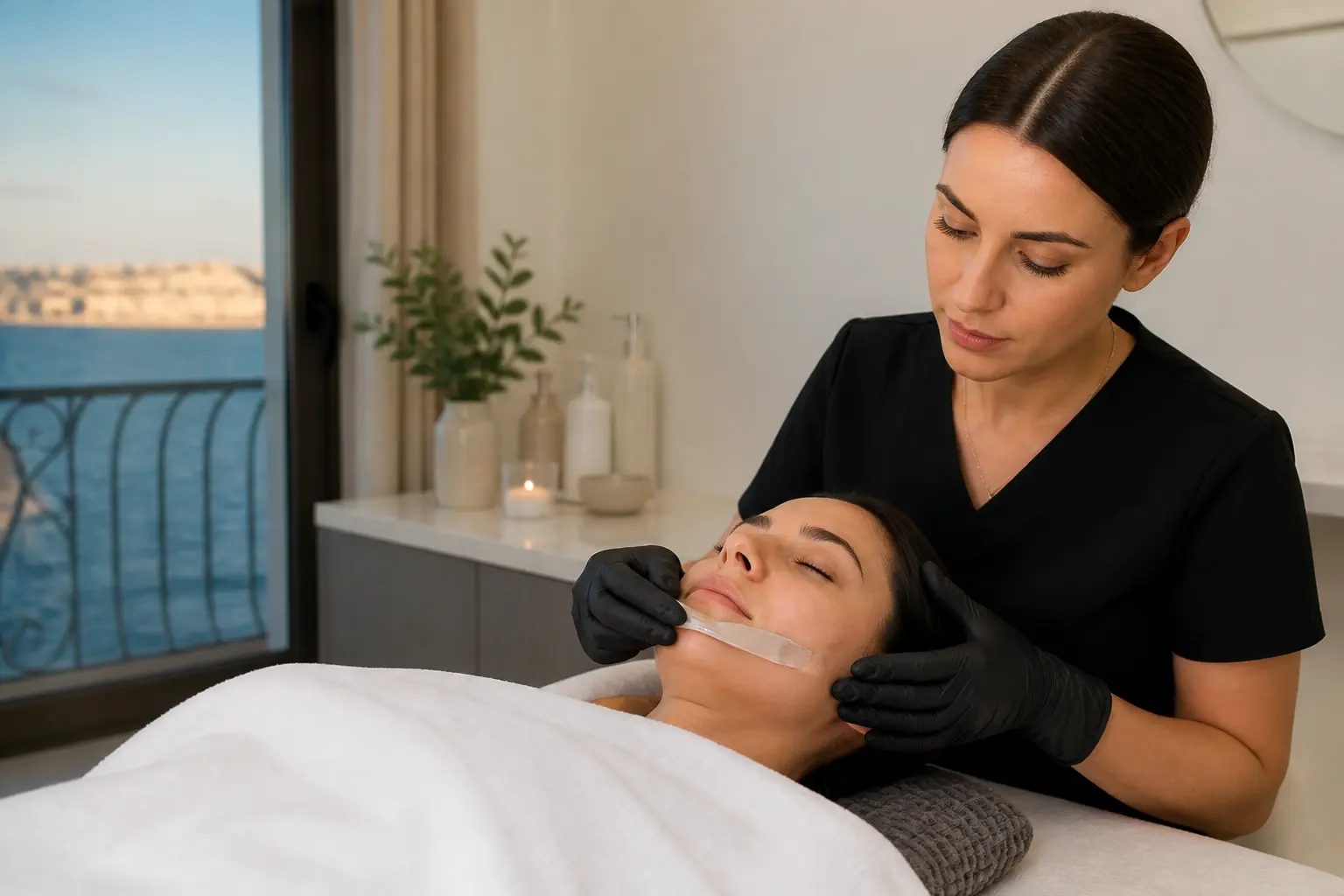
When Malta’s brighter summer days give way to cooler weather, windier walks and more time indoors, skin can start to look a little less fresh. You may notice make-up sitting unevenly, a duller surface texture or a general lack of the glow you associate with warmer months. Winter dermaplaning can be a practical way to refresh the look and feel of the skin, provided it is approached gently and carried out with professional assessment.
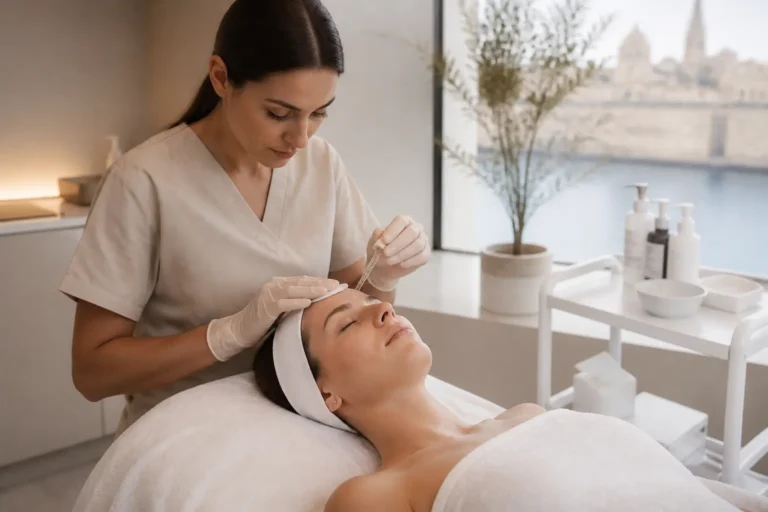
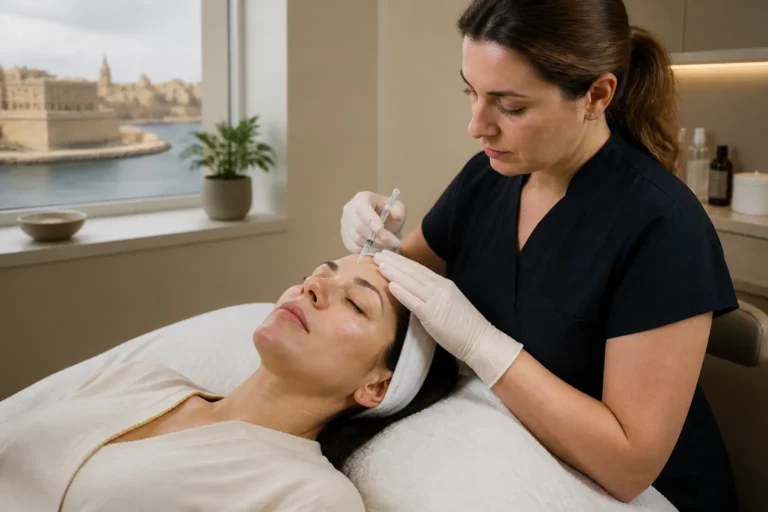
Dermaplaning is a facial exfoliation treatment performed with a sterile blade designed for this purpose. It works across the surface of the skin, lifting away a build-up of dead skin cells and fine vellus hair, often called peach fuzz. The aim is not to change your natural skin, but to create a smoother-looking canvas that can help skincare and make-up apply more evenly.
At a professional studio, winter dermaplaning should never be treated as a one-size-fits-all appointment. Your current routine, skin sensitivity, recent treatments and seasonal concerns all matter. That is especially useful during the darker months, when the right approach is usually about supporting comfort and maintaining a healthy-looking glow rather than trying to over-exfoliate the skin.
Why skin can look duller in winter
Duller-looking skin in winter is common, but the reason is rarely just one thing. Cooler air, indoor heating, travelling between warm and cold environments, lower water intake and changes in routine can all affect how comfortable and smooth the skin feels. Some people also simplify their skincare too much, while others add several strong products at once in an attempt to bring back radiance.
The surface of the skin can appear less even when dry flakes, everyday build-up and fine facial hair catch the light. That does not mean your skin needs an aggressive reset. In fact, pushing too hard with frequent scrubs, strong acids or multiple exfoliating products can leave the skin feeling tight or reactive.
A professional dermaplaning session takes a more measured route. By focusing on controlled surface exfoliation, it can help reveal a smoother-looking surface without asking you to experiment at home with harsh tools or an overly complicated routine.
What winter dermaplaning involves
Dermaplaning is performed by a trained professional using a single-use, sterile blade held at a controlled angle. The treatment is designed to gently remove superficial dead skin cells and fine vellus hair from the face. It is not the same as shaving with a standard razor at home, and it should not be rushed.
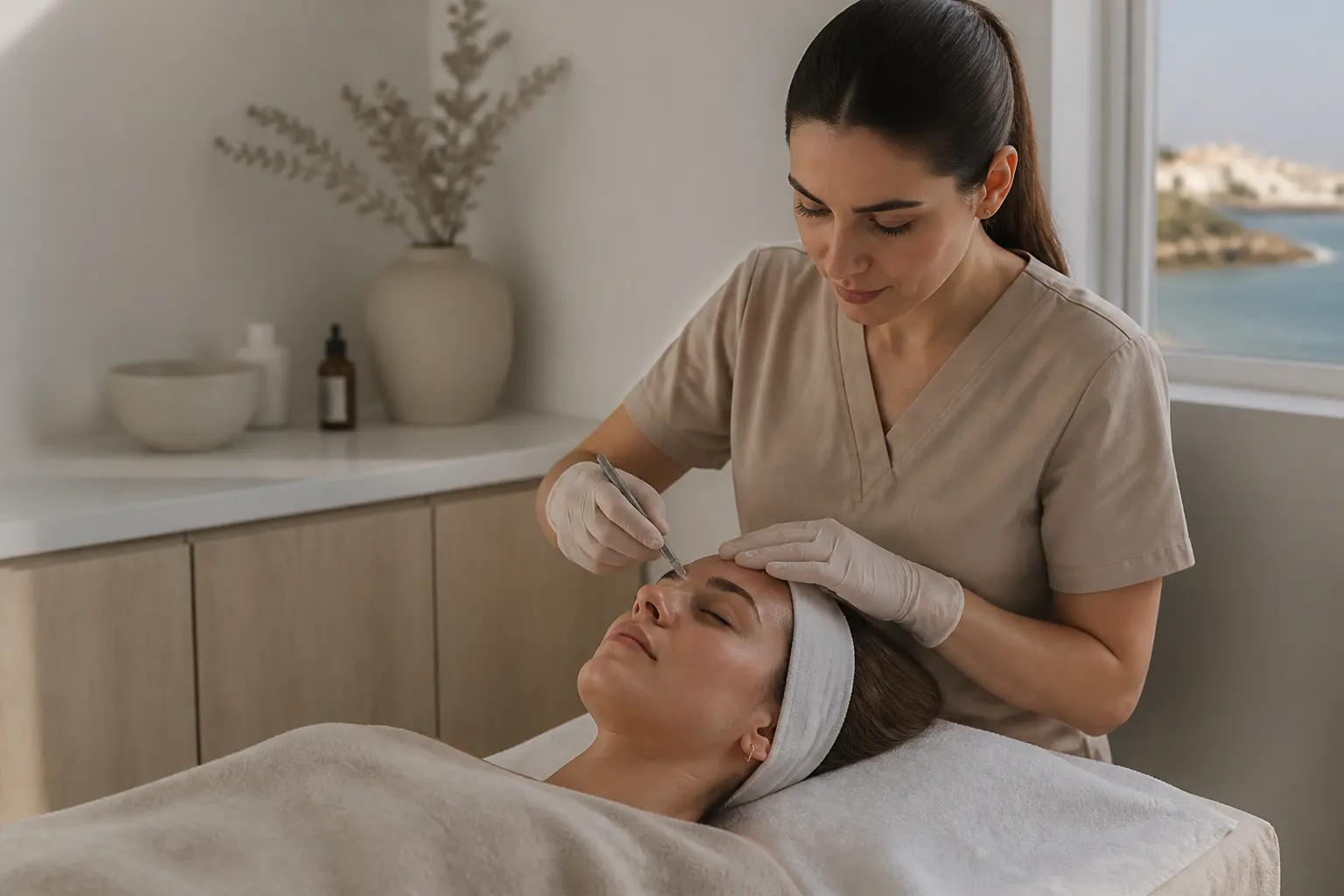
Before beginning, a professional should consider your skin’s current condition and ask relevant questions about your routine. It is important to mention if you have recently used exfoliating products, had another facial service, experienced irritation or are dealing with an active skin concern. This conversation helps determine whether dermaplaning is suitable on the day or whether a gentler facial approach would be more appropriate.
At Becammo, dermaplaning is available as a professional facial service, including Dermaplaning Pro and Dermaplaning SPA options. The best choice depends on your goals, your skin and the type of appointment experience you are looking for. If you are unsure which option fits your routine, asking before you book is the simplest place to start.
How dermaplaning can support a brighter-looking winter routine
The main appeal of dermaplaning in winter is often the immediate feeling of smoothness. Once surface build-up and fine facial hair have been removed, skin can look more polished and make-up may glide on with less catching around dry-looking areas.
That can be particularly welcome before a dinner, a winter celebration, a work event or a weekend away. However, it is helpful to set realistic expectations. Dermaplaning is not a medical procedure, it does not replace a consistent skincare routine, and it cannot solve every concern related to texture, congestion or dehydration in one appointment.
Instead, think of it as a considered maintenance treatment. It may support a smoother canvas, make your routine feel more enjoyable and help you approach make-up with a lighter hand. The most natural-looking result usually comes from pairing the service with gentle skincare habits rather than immediately adding more exfoliation.
Is winter a good time to book dermaplaning in Malta?
For many people, winter can be a comfortable time to consider dermaplaning because the season encourages a slower, more restorative beauty routine. There may be fewer beach days, less frequent swimming and fewer occasions when you want to spend the entire day in intense sunshine. That said, sun protection remains important throughout the year in Malta.
Dermaplaning removes surface build-up, so the skin may feel more exposed and needs thoughtful aftercare. Even on a cloudy day, sunscreen is part of a sensible routine. A broad-spectrum SPF used as directed can help protect your skin while you enjoy the smoother finish following your appointment.
Winter is not automatically suitable for every skin type or every moment in your routine. If your skin is feeling unusually dry, sore, very reactive or compromised, a professional may advise a different facial service or recommend waiting. This is a positive sign of a skin-first approach, not a reason to force a treatment that does not suit your skin that day.
Preparing for a professional dermaplaning appointment
A little preparation can make the appointment feel more straightforward and help you avoid layering too many active products around your treatment. Your exact preparation should be guided by the studio’s advice, particularly if you use prescription skincare or have an established routine with exfoliating products.
Keep your routine simple beforehand
In the days leading up to your appointment, avoid introducing a new active product simply because you want fast results. New products can make it difficult to understand what your skin is reacting to. A calm, familiar routine is usually easier to assess.
Mention recent exfoliation and facial treatments
Tell your therapist about recent chemical exfoliants, peels, professional treatments or at-home devices. Timing matters. Skin needs appropriate spacing between exfoliating services, and the right interval varies according to the products and treatments involved.
Arrive with your skin as it is
If possible, arrive with minimal make-up so the appointment can begin with a clear view of your skin. If you are wearing make-up, the studio can advise on the cleansing process before treatment.
Share any relevant sensitivity
Do not minimise tightness, flaking, stinging or a recent reaction. These details are useful. A personalised beauty appointment depends on honest communication, especially during winter when skin can behave differently from week to week.
Aftercare: protect the smooth finish without overdoing it
After dermaplaning, the temptation can be to use every glow-focused product in your bathroom. Resist that urge. Freshly exfoliated skin generally benefits from a calm, uncomplicated routine that focuses on comfort and protection.
- Use gentle cleansing rather than scrubbing or rubbing the skin.
- Apply moisturising products that feel comfortable for your skin type.
- Wear sunscreen during the day, including during Malta’s cooler and cloudier months.
- Avoid adding strong exfoliating products too soon after the appointment.
- Keep hands clean and avoid unnecessary touching or picking at the skin.
- Follow the specific aftercare guidance provided for your appointment.
If you are booking dermaplaning before a special event, allow enough time for your skin to settle into its fresh finish. Although many people enjoy the smooth look after their session, every skin response is individual. Planning ahead is kinder to your skin than booking at the last minute and hoping for a particular outcome.
Dermaplaning and winter make-up
One reason winter dermaplaning is popular is its relationship with make-up. Foundation, skin tints and concealer can sometimes cling to surface dryness or catch on fine facial hair. By creating a smoother surface, dermaplaning can make application feel easier and help you use a lighter, more even layer.
That does not mean you need full-coverage make-up after every treatment. A simple combination of moisturiser, sunscreen and a complexion product may be all you want. For evening plans, you may find that a smoother base helps soft-focus products, cream blush and highlighter sit more naturally.
Good make-up preparation still starts with skincare. Choose products that suit your skin, use clean brushes or sponges, and avoid rubbing the face aggressively. The goal is to enjoy the polished effect of your treatment, not to cover your skin completely.
Who may need a different approach?
Dermaplaning is not the right choice for every person at every appointment. If you have active irritation, open areas, a flare-up, significant sensitivity or another concern that affects the skin’s surface, it is important to seek professional advice before proceeding. The same applies if you are using stronger skincare products or have recently had another exfoliating treatment.
A professional studio should make space for this decision. Sometimes the most helpful choice is a gentler facial focused on cleansing, hydration and comfort. At other times, dermaplaning may be suitable with adjusted timing and aftercare. Personalisation is particularly important in an international place such as Malta, where clients have a wide range of skin tones, routines, climates and beauty habits.
A brighter-looking finish should never come at the expense of skin comfort. The best winter beauty routine is the one your skin can maintain calmly.
How often should you consider dermaplaning?
The right frequency depends on your skin, your facial hair growth, your home routine and the treatments you combine it with. Booking more often is not always better. Skin needs time to complete its natural renewal process, and your therapist can help you plan appointments around your individual needs.
If your goal is simply to refresh your complexion before occasional events, you may only book when you want that smoother make-up canvas. If dermaplaning becomes part of your regular facial routine, professional guidance can help you balance it with hydration, cleansing and other services without overworking the skin.
It is also worth remembering that dermaplaning does not make facial hair grow back thicker or darker. Fine vellus hair may feel different as it grows through because the tip has been cut, but the treatment does not alter the hair follicle or transform the type of hair you grow.
Choosing a professional studio in Malta
When choosing where to book winter dermaplaning in Malta, look beyond a quick promise of glow. A professional appointment should include hygiene, careful technique, single-use equipment and a conversation about whether the treatment fits your skin on that day.
It is also useful to choose a studio where you can ask practical questions. You may want to know how to prepare, whether a recent product affects your timing, which dermaplaning option to select, or how to plan around an event. Clear answers make it easier to book with confidence and build a routine that feels realistic.
Becammo welcomes clients in Sliema and Swieqi for professional beauty services with a personalised approach. If brighter-looking, smoother skin is your winter goal, a dermaplaning appointment can be a thoughtful addition to your routine when it is planned around your individual skin needs.
Conclusion
Winter dermaplaning is not about chasing a dramatic change. It is about refining the surface of the skin with a professional, considered treatment that can support a smoother feel, a fresher-looking complexion and easier make-up application during Malta’s darker months.
Keep your routine gentle, protect your skin daily and be open about any sensitivity or recent treatments when you book. If you would like help choosing between Dermaplaning Pro and Dermaplaning SPA, contact the Becammo team or use the online booking system to select the most convenient appointment in Sliema or Swieqi.
Frequently asked questions
Does dermaplaning make facial hair grow back thicker?
No. Dermaplaning removes fine vellus hair at the surface and does not change the follicle, colour or natural thickness of the hair. It may feel slightly different as it grows back because the hair has a blunt tip after removal.
Can I have dermaplaning in winter if my skin feels dry?
Possibly, but it depends on how dry or sensitive your skin is at the time. Mention tightness, flaking or irritation before your appointment so a professional can assess whether dermaplaning or a gentler facial option is more suitable.
Should I wear SPF after winter dermaplaning?
Yes. Sunscreen remains an important part of daytime skincare in winter, including in Malta. Follow the aftercare guidance given at your appointment and use a broad-spectrum SPF as directed.
Can I use exfoliating acids after dermaplaning?
Do not combine exfoliating products too quickly without professional guidance. The appropriate spacing depends on the product, its strength and your skin’s tolerance. Tell your therapist what you use at home before the appointment.
Is dermaplaning suitable before a special occasion?
It can be a useful option when you want a smoother-looking make-up base, but avoid leaving it until the last minute. Allow time for your skin to settle and follow your aftercare carefully.
Which dermaplaning option should I book at Becammo?
Becammo offers Dermaplaning Pro and Dermaplaning SPA. The most suitable choice depends on your skin, your goals and your preferred appointment experience. If you are unsure, ask the team before booking.