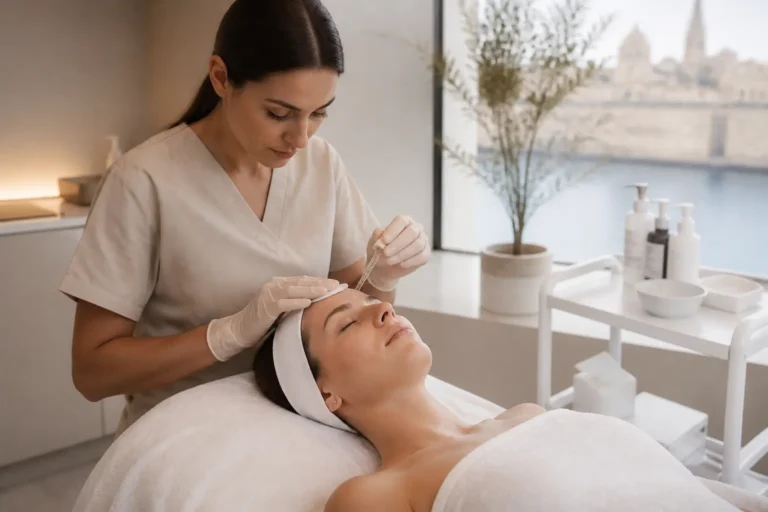
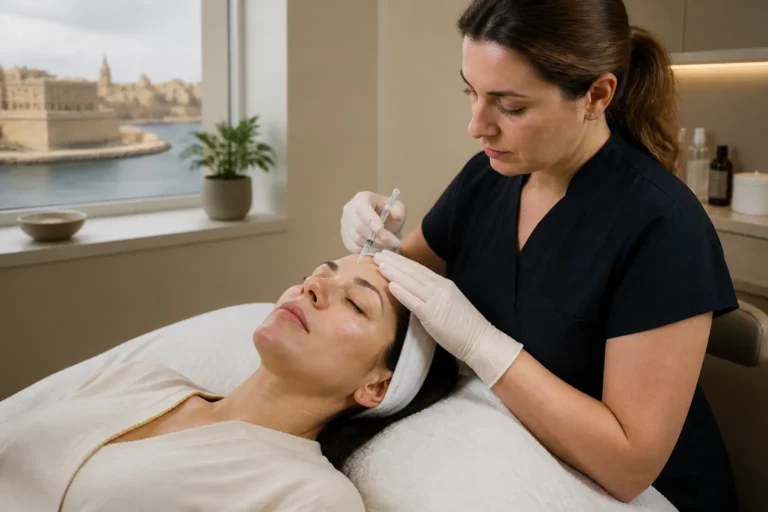
What Should Your Skin Feel Like After Dermaplaning?
Brenda Cammo Team
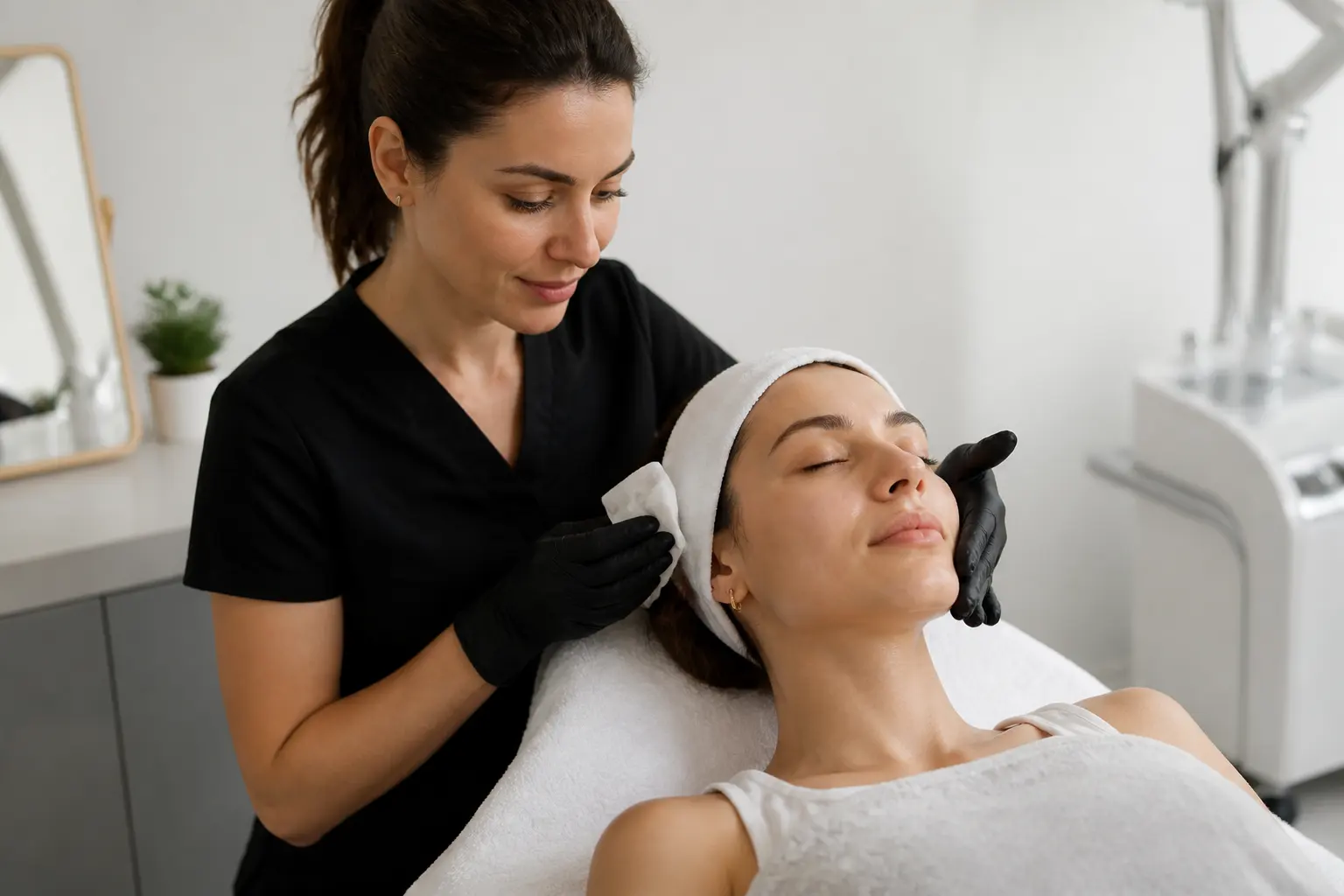
Immediately after a dermaplaning appointment, many people notice one thing first: their skin feels exceptionally smooth. The treatment works across the very surface of the face, lifting away dead skin cells and fine vellus hair, often called peach fuzz. That can leave the complexion feeling softer, cleaner and more even to the touch.
However, “smooth” is not the only sensation you may notice. Because dermaplaning is an exfoliating service, freshly treated skin can also feel a little more exposed, warm or delicate for a short time. Your individual experience depends on your skin’s current condition, the products you use at home and how your skin tends to respond to exfoliation.
This guide explains what is commonly expected after dermaplaning, how to recognise when your skin needs a gentler approach, and what to discuss at your appointment in Malta.
The most common feeling: smooth, soft and polished
For most clients, the main post-appointment sensation is a noticeably smoother surface. When superficial dead skin cells and fine facial hair are removed, there is less texture for your fingertips to catch on. Some people describe this as a velvety or polished feeling.
This change is not about altering the structure of your skin. It is a surface-level result, so it may be most noticeable when you wash your face, apply moisturiser or put on make-up. Dermaplaning is commonly associated with smoother-looking skin and easier make-up application because it gently exfoliates the outer surface. Cleveland Clinic’s overview of dermaplaning also notes that removing surface debris and fine hair can leave skin feeling smoother.
If your skin felt dry, slightly rough or dull beforehand, the contrast can seem particularly dramatic. That does not mean everyone should expect the same visible result. Skin texture, hydration, sensitivity and daily skincare all vary, so an experienced professional should assess your skin rather than promise one universal outcome.
Other normal sensations after dermaplaning
A little warmth
Some mild warmth shortly after the service can be normal, especially if your skin is naturally reactive or the weather is warm. In Malta, this can feel more noticeable when you step outside into sun, wind or heat after an appointment.
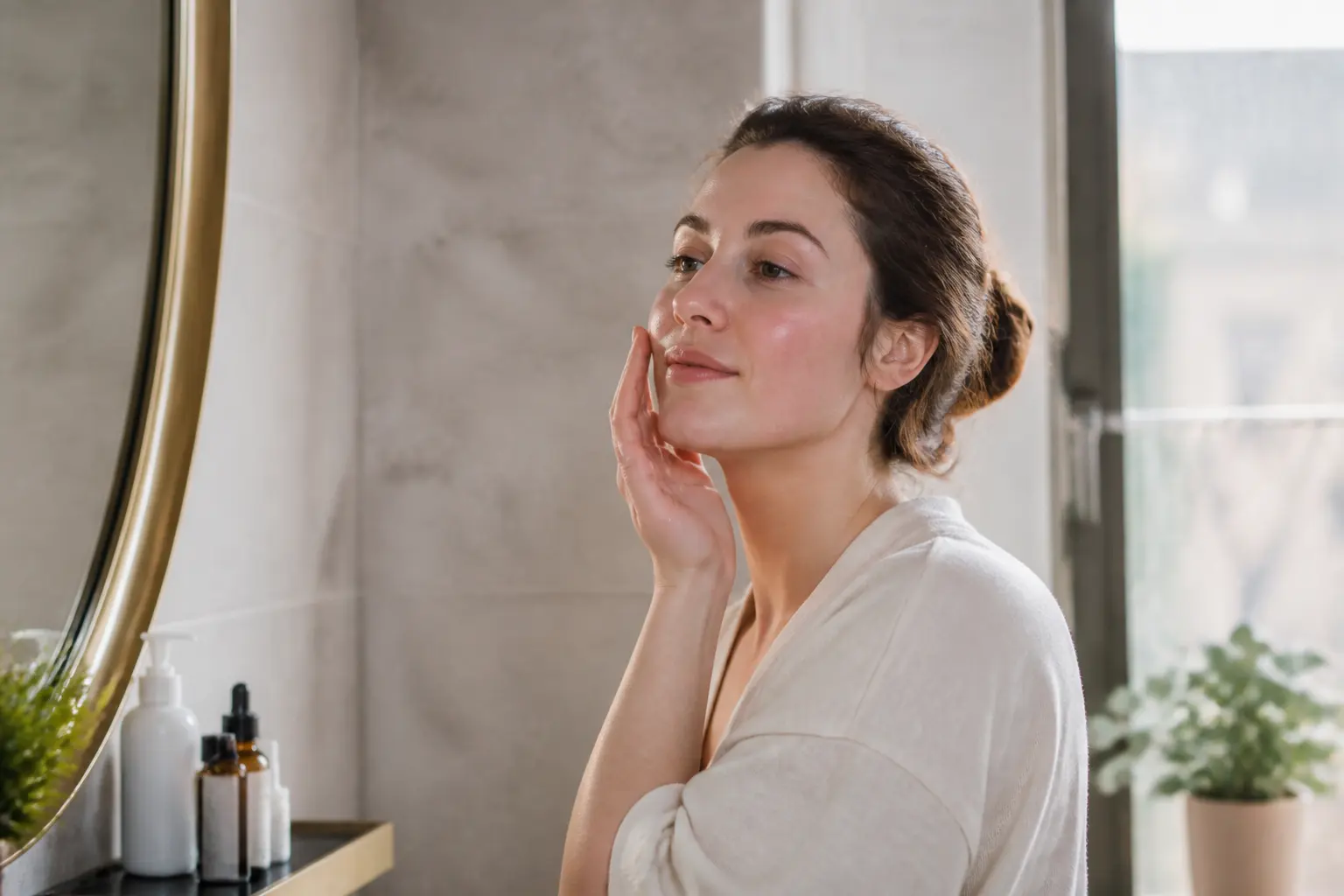
Warmth should be mild and should settle rather than steadily intensify. It is one reason to keep the rest of your routine calm on the day of your appointment instead of adding several new or strong products at once.
Temporary tenderness or sensitivity
Your face may feel slightly tender when touched, cleansed or dried with a towel. Think of it as skin that has just been exfoliated: it can be comfortable, but it may prefer a lighter touch. A gentle cleanser, a simple moisturiser and careful patting rather than rubbing are sensible ways to respond.
Dermaplaning can temporarily disrupt the outer skin barrier, which is why a small amount of irritation for around a day can occur and why moisturiser and sun protection matter afterwards. Cleveland Clinic advises moisturising well and continuing to use sunscreen after dermaplaning.
A slight feeling of tightness
Some people experience mild tightness rather than tenderness. This may be more apparent if your skin was dehydrated before the appointment, if you usually use active skincare ingredients, or if you cleanse with products that leave your face feeling squeaky-clean.
Tightness is not a sign that your skin needs a harsh scrub or a stronger acid. It is usually a cue to simplify. Choose comfortable hydration and avoid over-cleansing. In general, repeatedly combining exfoliating products can contribute to dryness and irritation, particularly for sensitive skin. The American Academy of Dermatology advises caution with strong exfoliating ingredients when skin is sensitive.
How should your skin look after the appointment?
Feeling and appearance often go together, but they are not identical. Your skin may look brighter or more refined because the surface is freshly exfoliated. A small amount of temporary pinkness can also happen, particularly on fair, sensitive or easily flushed skin.
The important point is that fresh skin should look calm overall as it settles. A healthy-looking post-dermaplaning glow is not the same as persistent redness, obvious swelling or a rash. If anything feels unusual for you, it is better to speak to the professional who carried out the service or seek appropriate medical advice than to try to cover the issue with more make-up or products.
What should not be ignored
A little sensitivity can be expected, but discomfort that feels sharp, severe or progressively worse is not something to simply push through. The same applies to pronounced itching, burning, swelling, blistering, widespread bumps or a rash.
Stop using any product that stings or burns and avoid adding new products while you work out what may be causing the reaction. The American Academy of Dermatology notes that stinging, burning and tingling can indicate product irritation, and recommends stopping an irritating product. Read the guidance from the American Academy of Dermatology.
Dermaplaning is not a substitute for medical care. If you have an active skin concern, a flare-up, open areas, active acne that is sore or inflamed, or a history of reactions to cosmetic products, mention it before booking. A professional assessment helps determine whether it is sensible to proceed, postpone or seek advice from a dermatologist.
Why skin can feel more sensitive afterwards
Dermaplaning removes material from the outermost surface of the skin. That is why the face can feel so smooth, but it is also why strong products may feel more noticeable afterwards. Your routine does not need to become complicated; it needs to become considerate.
For example, a product you usually tolerate may feel more active on freshly exfoliated skin. This is not necessarily because the product has suddenly become unsuitable forever. It can simply mean your skin needs a pause before returning to your usual routine.
Be particularly mindful of layering multiple exfoliating products. Products containing acids or retinoids may be part of some people’s skincare routines, but timing and suitability are personal. If you are unsure, bring a clear list or photographs of the products you use to your appointment and ask what a sensible short-term plan might look like for your skin.
A simple way to care for the feeling of fresh skin
Aftercare should support comfort, not chase a more dramatic result. Here is a practical approach for the period after your appointment.
- Cleanse gently. Use lukewarm rather than very hot water and avoid scrubbing cloths, cleansing brushes or rough towels.
- Moisturise simply. Choose a product you already know your skin tolerates well. Fragrance-free options may be worth considering if your skin is easily reactive.
- Use broad-spectrum sun protection. Freshly exfoliated skin deserves thoughtful protection, especially in Malta’s bright conditions. Reapply according to the product instructions when spending time outdoors.
- Pause additional exfoliation. Do not immediately add scrubs, peeling products or a stack of strong actives simply because your skin feels smooth.
- Keep hands light. Avoid touching, rubbing or picking at the face. Let the skin settle without friction.
- Listen to your own skin. If a familiar product suddenly tingles or stings, stop and return to a simpler routine.
If you want to try a skincare product that is new to you, it is safer to test it in advance rather than debut it on freshly exfoliated facial skin. The American Academy of Dermatology’s product-testing advice explains how a small patch test can help identify a possible reaction.
How long will the smooth feeling last?
The “just dermaplaned” feel is strongest immediately after the appointment. Over time, normal skin renewal and the return of fine facial hair mean that the sensation gradually becomes less pronounced. The exact timing differs from person to person, so it is better to plan future appointments around your skin’s response and your personal routine rather than an unrealistic fixed schedule.
It is also useful to separate the feeling of hair growing back from a change in the hair itself. Dermaplaning does not make facial hair grow back thicker or darker. As with shaving, hair may feel different at the blunt end as it grows through, but cutting hair at the surface does not change how it grows. Cleveland Clinic addresses this common misconception in its dermaplaning guidance.
Dermaplaning before make-up or an occasion
Many people choose dermaplaning because they enjoy the smoother canvas it can create for make-up. Foundation may glide on more evenly, and complexion products may feel less likely to catch on dry-looking surface texture or fine hair.
Still, do not treat an important event as the first time to discover how your skin responds to any facial service. If you have never had dermaplaning before, booking with enough time before a wedding, photoshoot, holiday or major evening out gives you room to understand your own response. This is especially helpful if you have sensitive skin or use a detailed skincare routine.
At Becammo, a dermaplaning appointment can be planned around your skin goals, comfort and diary. The right choice between Dermaplaning Pro and Dermaplaning SPA should be guided by what you want from the session and any relevant skin considerations discussed during booking or consultation.
When it is worth discussing your routine before booking
Be open about what is happening with your skin now, not only what result you hope for. A useful conversation may include:
- recent irritation, dryness or sensitivity;
- active breakouts or an eczema flare-up;
- products containing exfoliating acids, retinoids or other active ingredients;
- known allergies or previous reactions to skincare;
- recent sun exposure or an upcoming beach day;
- an occasion for which you want to wear make-up soon afterwards.
That information is not about making your appointment more complicated. It helps the professional personalise the approach and lets you make a realistic plan for your skincare afterwards. Beauty services work best when the expectation is not “more is always better”, but “what is appropriate for my skin today?”
Conclusion
After dermaplaning, your skin will most often feel soft, smooth and freshly polished. Mild warmth, tenderness or temporary tightness can also occur as the skin settles. The best response is gentle care: simple hydration, reliable sun protection and a short break from unnecessary exfoliation.
If you are considering dermaplaning in Malta, choose an appointment that allows room for a personalised discussion about your skin, current routine and plans for the days ahead. That gives you a clearer idea of what your own skin may feel like after the service and how to keep it comfortable.
Frequently asked questions
Should my face feel very smooth immediately after dermaplaning?
Yes, a very smooth feeling is one of the most common effects because dermaplaning removes fine surface hair and dead skin cells. The intensity of the change varies with your natural skin texture and condition before the appointment.
Is mild tightness after dermaplaning normal?
Mild, short-lived tightness can happen after an exfoliating service. Use a gentle moisturiser and avoid extra exfoliation. If the sensation becomes painful, intense or persistent, seek advice rather than continuing with active products.
Can I use my usual retinol or acid product after dermaplaning?
It is sensible to ask your practitioner how to time active products around your appointment. Freshly exfoliated skin can be more sensitive, so a temporary pause may be appropriate depending on the product and your skin.
Will dermaplaning make peach fuzz grow back thicker?
No. Removing or cutting hair at the surface does not alter its growth rate, colour or thickness. New growth can feel briefly different because the hair has a blunt edge as it emerges.
Can I go into the sun after dermaplaning?
You can go outdoors, but sun protection is important. Use broad-spectrum sunscreen and take sensible steps to limit unnecessary exposure, particularly during Malta’s sunnier hours.
When should I postpone a dermaplaning appointment?
Discuss postponing if you have an active flare-up, sore or inflamed acne, broken skin, a rash or another current skin issue. Sharing this before the appointment helps you make the safest and most appropriate decision for your situation.