Neither is automatically better: choose dermaplaning when surface smoothness, fine facial hair and make-up application are your priorities, and a PDRN facial when you want a non-invasive, skin-quality focused facial that fits a gentle, consistent routine. Both can sit within the same wider routine, but timing depends on your skin, current products and the professional assessment at the appointment.
Choosing between dermaplaning and a PDRN facial is less about finding a universally “better” facial and more about identifying what your skin routine needs from the appointment right now. Are you looking for a freshly smoothed surface before make-up, an occasion or a holiday? Or are you more interested in discussing hydration, comfort, texture and a considered skin-renewal plan?
Both appointments can sit within a thoughtful facial routine, but they begin with different conversations. Dermaplaning is centred on professional surface exfoliation with a blade and the removal of fine facial hair. A PDRN facial, sometimes described using the term “salmon DNA”, is a facial option built around PDRN or polynucleotide-focused skincare. The terminology can sound similar across the beauty industry, but products, delivery methods and protocols are not all the same. That is why a proper appointment conversation matters.
This guide compares dermaplaning vs PDRN facial treatment in practical terms: what each appointment is designed to discuss, how your existing routine can affect the choice, and the questions worth raising before you book.
Why start with your present routine rather than a trend?
It is easy to approach a facial by asking, “What is popular at the moment?” A more useful question is: “What has my skin routine been like over the last few weeks?”
Before choosing an appointment, think about whether you have recently changed products, increased exfoliation, spent more time in the sun, started using a strong active product, or noticed that your skin feels more reactive than usual. These details help a beauty professional understand whether a surface-focused service is appropriate to discuss now or whether a different facial conversation may be more suitable.
A PDRN facial and dermaplaning can both be part of self-care, but neither needs to become an automatic monthly decision. Your schedule, skin comfort, home routine and immediate priorities all count. A calm review of those factors is more valuable than trying to copy somebody else’s facial plan.
What does dermaplaning bring to the appointment conversation?
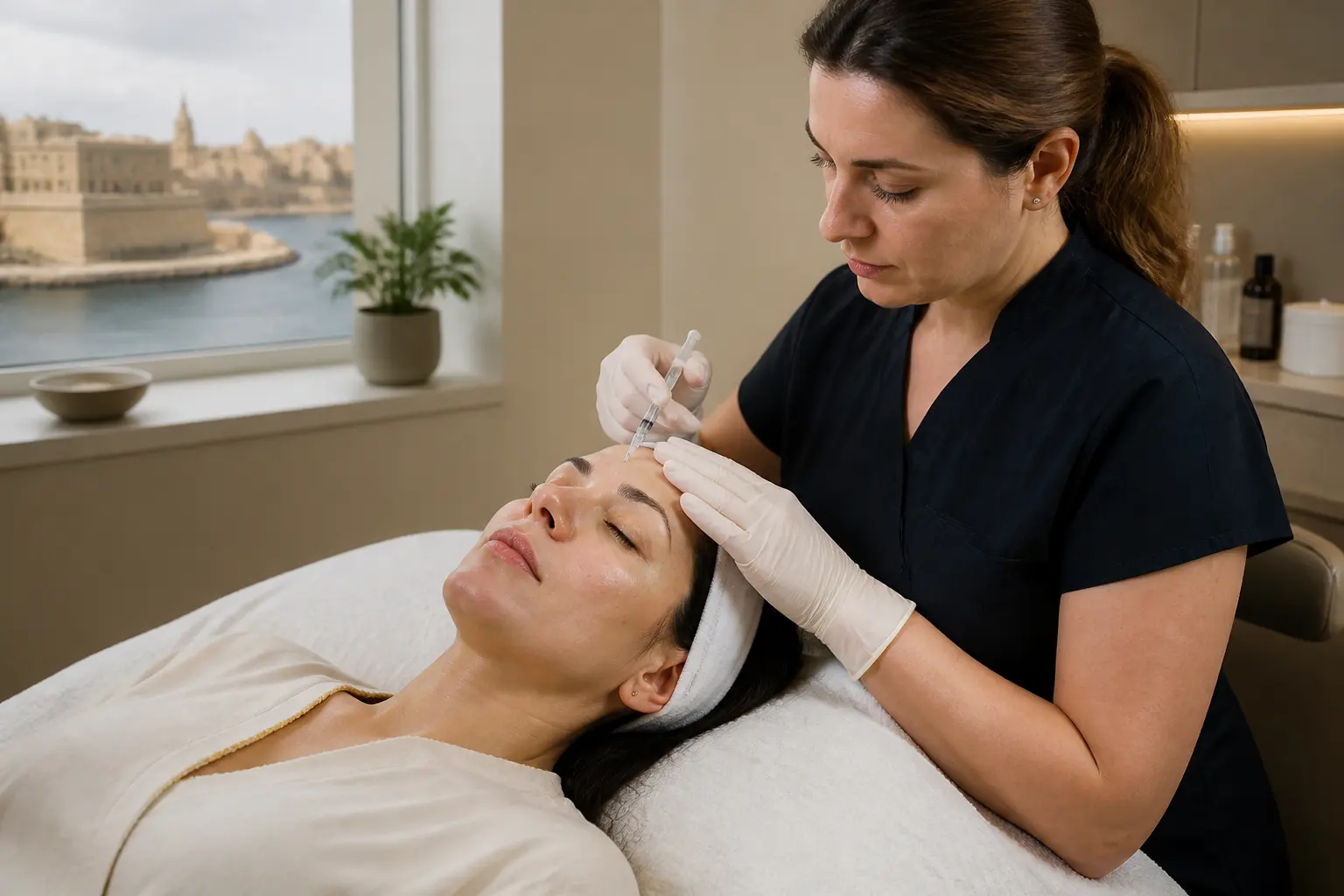
Dermaplaning is a professional facial exfoliation method that uses a sterile blade across the skin’s surface. It is commonly discussed by people who want to remove fine vellus hair, often called peach fuzz, while leaving the complexion feeling smoother.

For many clients, the main reason to explore dermaplaning is practical: they want smoother make-up application or would like their usual skincare routine to feel more refined after professional exfoliation. It may also appeal before an event when the goal is an immediately polished facial finish rather than a longer-term change to the whole routine.
Dermaplaning may suit the conversation when you are asking:
- Why does my base make-up catch on dry-looking surface texture?
- Would professional exfoliation fit my current skincare habits?
- I have fine facial hair: what result can I realistically expect from dermaplaning?
- How should I simplify my routine before and after the appointment?
- Is this a sensible service to plan before a social occasion or holiday?
The appointment should not be framed as a shortcut around everyday skincare. It is a professional service that may complement a simple, consistent home routine. It is also not a reason to add more exfoliating products at home. The American Academy of Dermatology’s guidance on exfoliation notes that the appropriate approach and frequency depend on skin type and method, and that over-exfoliation can cause irritation. That principle is useful when planning dermaplaning too: more is not automatically better.
What to share before dermaplaning
Be open about your current products and any recent sensitivity. Mention if you are using exfoliating acids, retinoid products, scrubs or other active skincare, and flag recent sun exposure, irritation, breakouts or areas that are sore. This is not about making assumptions that a service will or will not be suitable; it gives the professional the context to make the appointment conversation more responsible.
You should also say whether your main goal is hair removal, surface smoothness, make-up preparation or a general facial refresh. Those priorities can influence whether dermaplaning is the right focus and how you plan your aftercare.
At BeCammo · Sliema · Swieqi
Facials in Malta
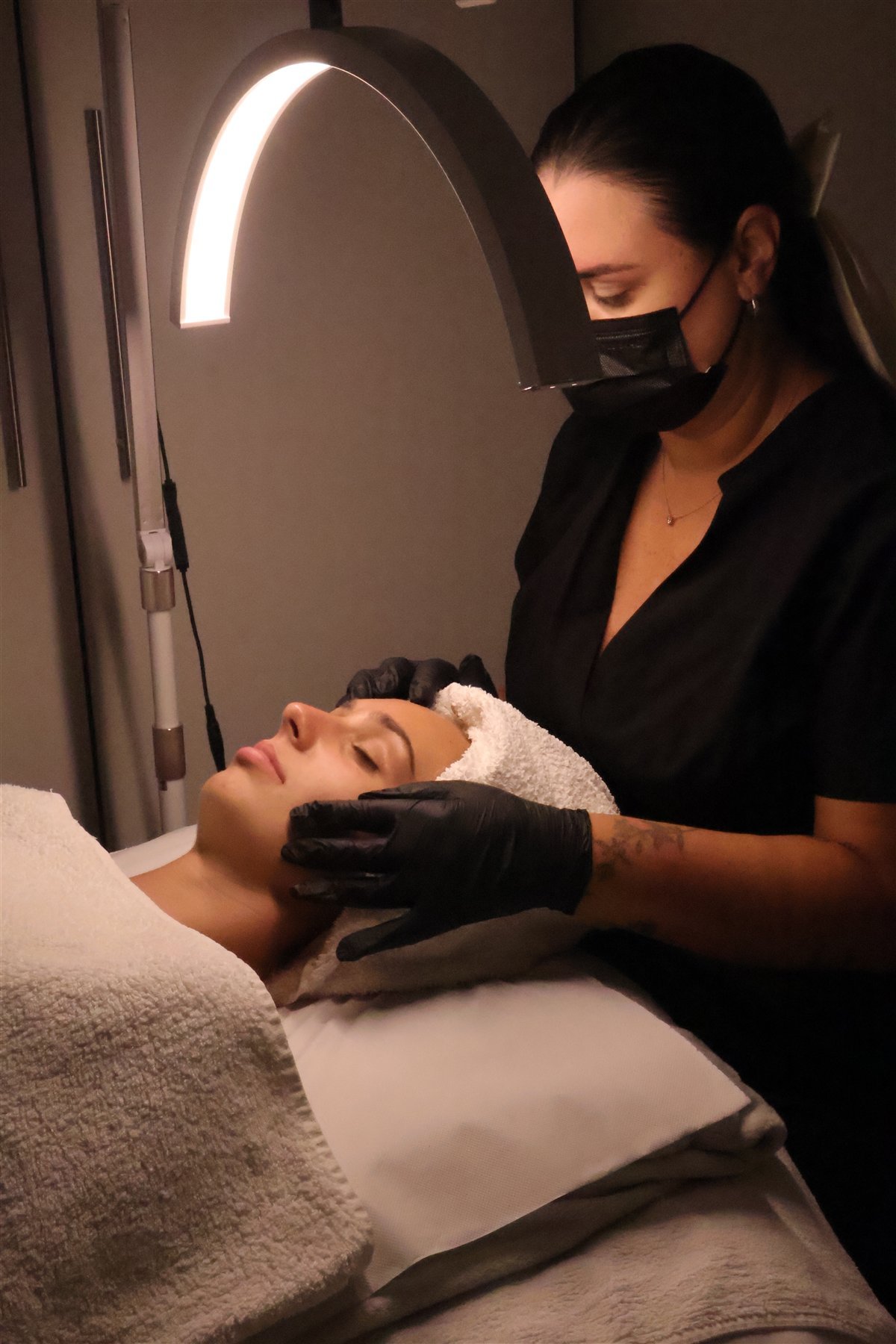
Deep cleansing, PDRN and dermaplaning facials for clear, glowing skin.
- from €50price
- Sliema · Swieqiwhere
- ★ 5.0460+ Google reviews
What does a PDRN facial bring to the appointment conversation?
A PDRN facial is usually sought by people who are less focused on removing facial hair and more interested in a skin-quality conversation. PDRN stands for polydeoxyribonucleotide. In aesthetics, it is often associated with polynucleotide-based formulations and is commonly referred to online as “salmon DNA”. The name can be attention-grabbing, but it should not replace a clear discussion of the actual facial service, product and expected experience.
Research on polynucleotides in aesthetic medicine is developing. A systematic review indexed by PubMed describes promising potential while also noting limited consensus on optimal use. In other words, it is sensible to be curious, but equally sensible to avoid treating PDRN as a miracle ingredient or expecting one standard result from every service that uses the term.
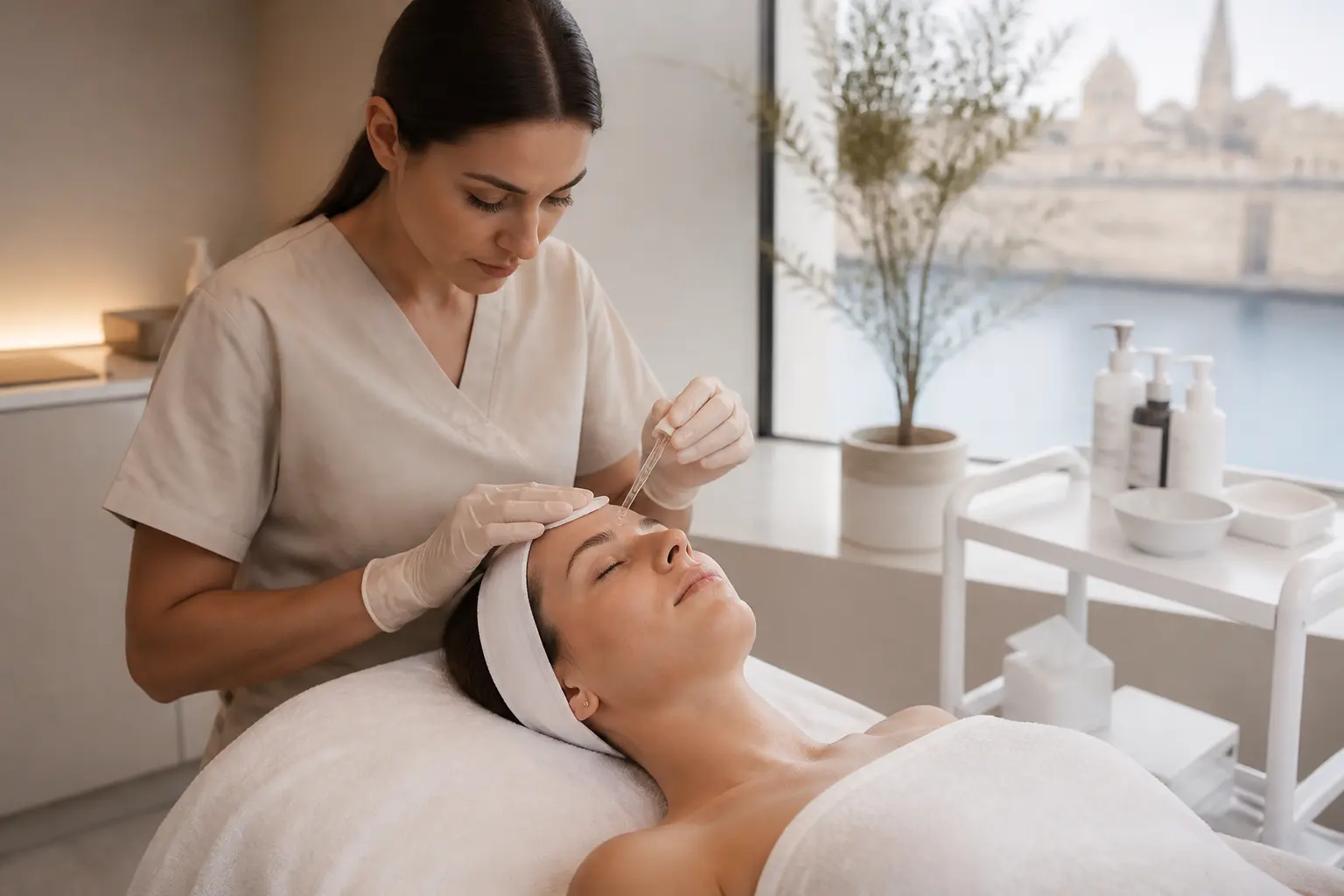
At BeCammo, a PDRN Facial – Salmon DNA Therapy is offered as a non-invasive facial appointment. A booking conversation can clarify what the session includes, what concerns you would like to address, and whether this facial fits comfortably alongside your present skincare routine.
A PDRN facial may suit the conversation when you are asking:
- My skin looks tired or lacks the comfortable, hydrated feeling I want. What facial option should I discuss?
- I want to focus on overall skin appearance rather than facial hair removal.
- My routine is already gentle and consistent, but I would like a professional facial with a skin-renewal focus.
- What is PDRN in this particular appointment, and what should I realistically expect afterwards?
- How can I choose a facial without making unsupported promises about firmness, lines or ageing?
The most useful expectation is not that a PDRN facial will transform every concern at once. Instead, view it as a chance to talk about your current complexion, daily habits and facial priorities with care. Your skin can react differently across seasons, travel periods, work stress and changes in products. A personalised conversation helps keep the choice realistic.
What is the clearest difference between dermaplaning and a PDRN facial?
| Question | Dermaplaning | PDRN facial |
|---|---|---|
| Main appointment focus | Professional surface exfoliation and removal of fine facial hair. | A facial conversation focused on skin quality, comfort and a PDRN-based formulation. |
| Typical reason to enquire | You want a smoother-looking surface or more even make-up application. | You want to discuss a facial with a skin-renewal and hydration-oriented focus. |
| Best routine question | Am I already using exfoliating products, and how should I plan them around the service? | What does this PDRN facial include, and how does it fit with my current products and priorities? |
| Fine facial hair | This is directly relevant to the appointment. | This is not the central purpose of the facial. |
| Planning priority | Consider timing around make-up, events, sun exposure and active skincare. | Consider your skin goals, routine consistency and preference for a non-invasive facial experience. |
The comparison is therefore not simply “exfoliation versus anti-ageing”. Dermaplaning is specific about the skin surface and vellus hair. A PDRN facial is about a different kind of facial discussion: one centred on the formulation used and your broader skin-quality priorities. Neither should be sold as a medical treatment, and results always vary between individuals.
How do you decide which facial you need now?
Choose dermaplaning as the starting point if surface smoothness is your priority
Dermaplaning may be the more relevant appointment to discuss when your immediate concern is peach fuzz, make-up sitting unevenly, or a complexion that feels as though it needs a professionally refreshed surface. This can be especially practical when you have an upcoming occasion and want to organise your facial timing carefully.
Bring your home routine into the discussion. A client using several exfoliating products may need a different preparation or aftercare plan from somebody with a simple cleanser-and-moisturiser routine. Do not stop or start prescribed skincare without speaking to the clinician who provided it.
Choose a PDRN facial as the starting point if you want a routine review around skin quality
A PDRN facial may be the more relevant option to ask about when you are not mainly concerned with facial hair or make-up glide. Perhaps your priority is a professional facial experience that feels aligned with a gentle, consistent routine and your aim is to discuss hydration, texture or a fresher-looking complexion in a measured way.
Ask what the PDRN Facial – Salmon DNA Therapy appointment involves at the studio rather than relying on social-media descriptions of unrelated treatments. “PDRN” is a broad term in the market. Knowing the exact service you are booking protects you from assumptions and helps you prepare appropriately.
Pause and ask for guidance if your skin feels unsettled
If your skin is sore, visibly irritated, sun-sensitive, breaking out unusually, or reacting to a new product, do not treat a facial booking as something to push through without discussion. Share what is happening when you enquire. A responsible recommendation may involve changing the timing, adjusting the plan or suggesting that you seek appropriate medical advice where needed.
Can you have dermaplaning and a PDRN facial in the same routine?
They can be discussed within the same wider routine, but that does not mean every person needs both services together or on the same schedule. The right sequence and timing depend on your skin, current products and the professional assessment at the appointment.
For example, someone preparing for an event may first ask whether dermaplaning is appropriate for a smoother make-up finish. Another person may prefer to book a PDRN facial because they want a more general facial experience without making hair removal the focus. A third person may discover that their current routine is already too active for additional exfoliation at that moment.
Rather than building a complex calendar yourself, explain your objective. A useful sentence is: “My routine is currently simple, but I use this active product twice a week and I have an event coming up. I would like to know whether dermaplaning or a PDRN facial makes more sense to discuss.” That gives the professional information that is relevant without encouraging guesswork.
What should you ask before you book?
- What is my main reason for wanting this appointment: facial hair, surface smoothness, make-up preparation, hydration or a general facial reset?
- Which products have I used recently, especially exfoliants, retinoid products or strong actives?
- Have I had recent sun exposure or any new sensitivity that should be mentioned?
- What does this specific PDRN facial include, and what is the realistic purpose of the appointment?
- How should I plan my skincare and make-up around the visit?
- Should I book dermaplaning, a PDRN facial, or start with a facial consultation-style conversation?
Conclusion
The right choice between dermaplaning and a PDRN facial starts with the concern you want to address today. If smoothness, fine facial hair and make-up application are central, dermaplaning may be the more useful conversation. If you want to discuss a non-invasive facial with a PDRN-based focus as part of a considered skincare routine, the PDRN Facial – Salmon DNA Therapy may be the better place to begin.
Bring an honest picture of your routine, your recent skin comfort and your priorities. That makes it easier to select a facial appointment that feels personalised, practical and appropriate for your current routine.
Frequently asked questions
Is dermaplaning better than a PDRN facial?
Neither is automatically better. Dermaplaning is more directly relevant when surface smoothness and fine facial hair are your priorities. A PDRN facial is a different facial conversation, focused on a PDRN-based formulation and broader skin-quality goals.
Does dermaplaning make facial hair grow back thicker?
Dermaplaning removes fine hair at the surface. It does not change the hair follicle. If this is a concern for you, raise it during your appointment conversation so you can understand what the service is designed to do.
Is a PDRN facial the same as an injectable polynucleotide treatment?
No assumption should be made. PDRN and polynucleotide terminology is used across different products and treatment formats. Ask specifically what the facial appointment includes. BeCammo’s PDRN Facial – Salmon DNA Therapy is a non-invasive facial service.
Can I use exfoliating products before dermaplaning?
Tell the professional which exfoliating or active products you use before booking. Your preparation may need to be adjusted according to your skin and current routine. Avoid increasing exfoliation simply because you have dermaplaning planned.
Which facial is more suitable before an event?
Dermaplaning is often discussed before events because clients may want a smoother canvas for make-up. However, the most suitable timing depends on your skin’s sensitivity, sun exposure, routine and the date of the event. Plan ahead rather than booking at the last minute.