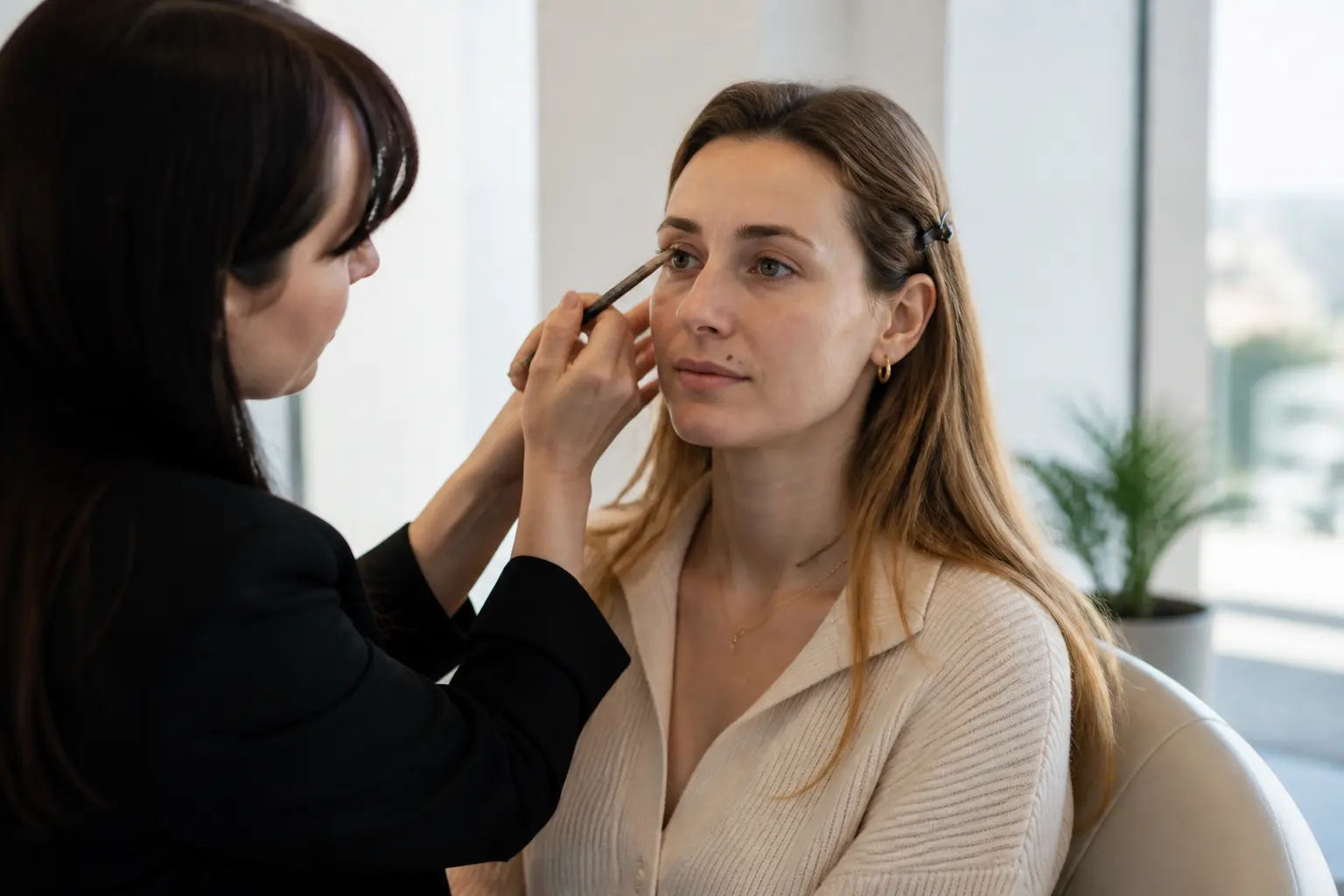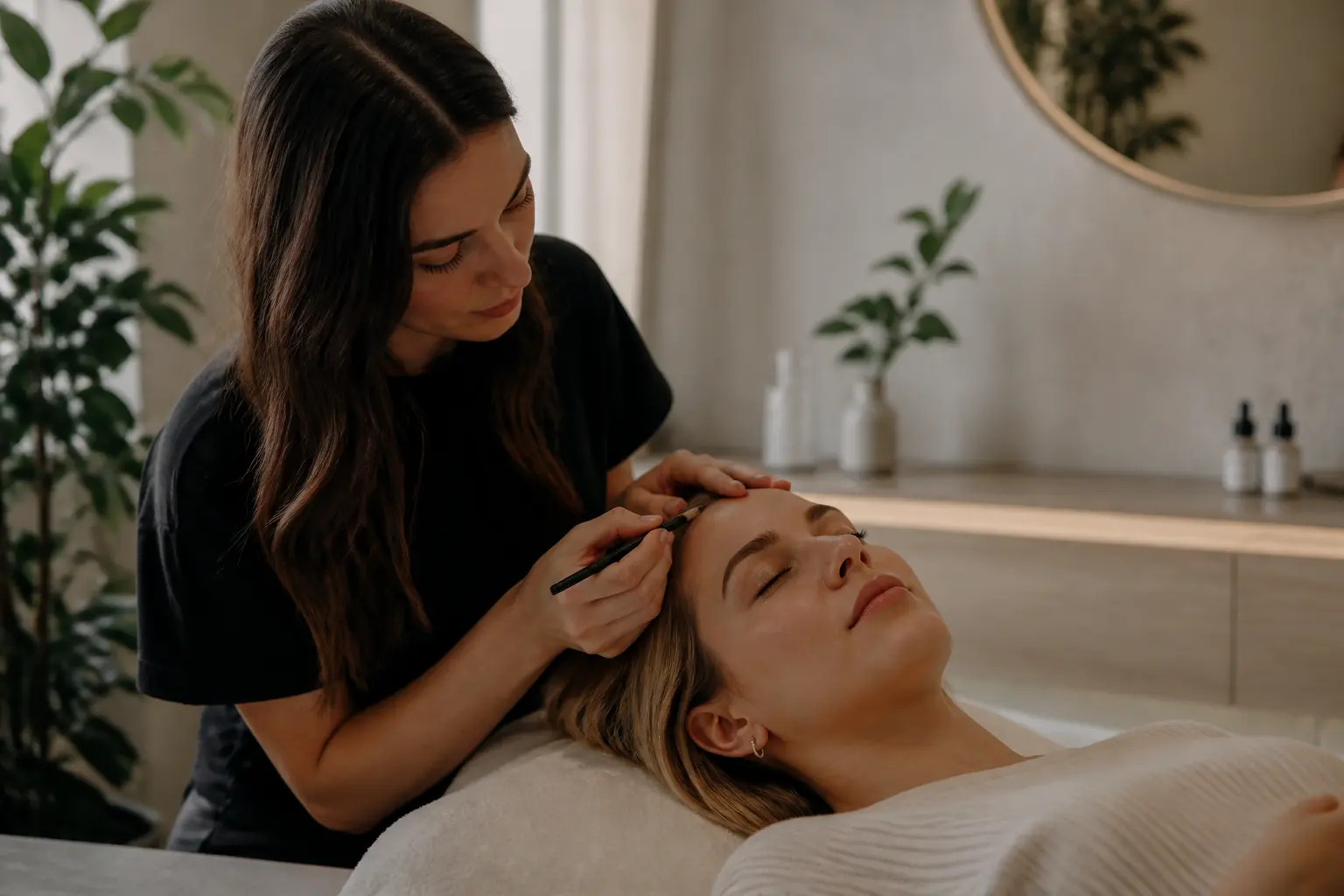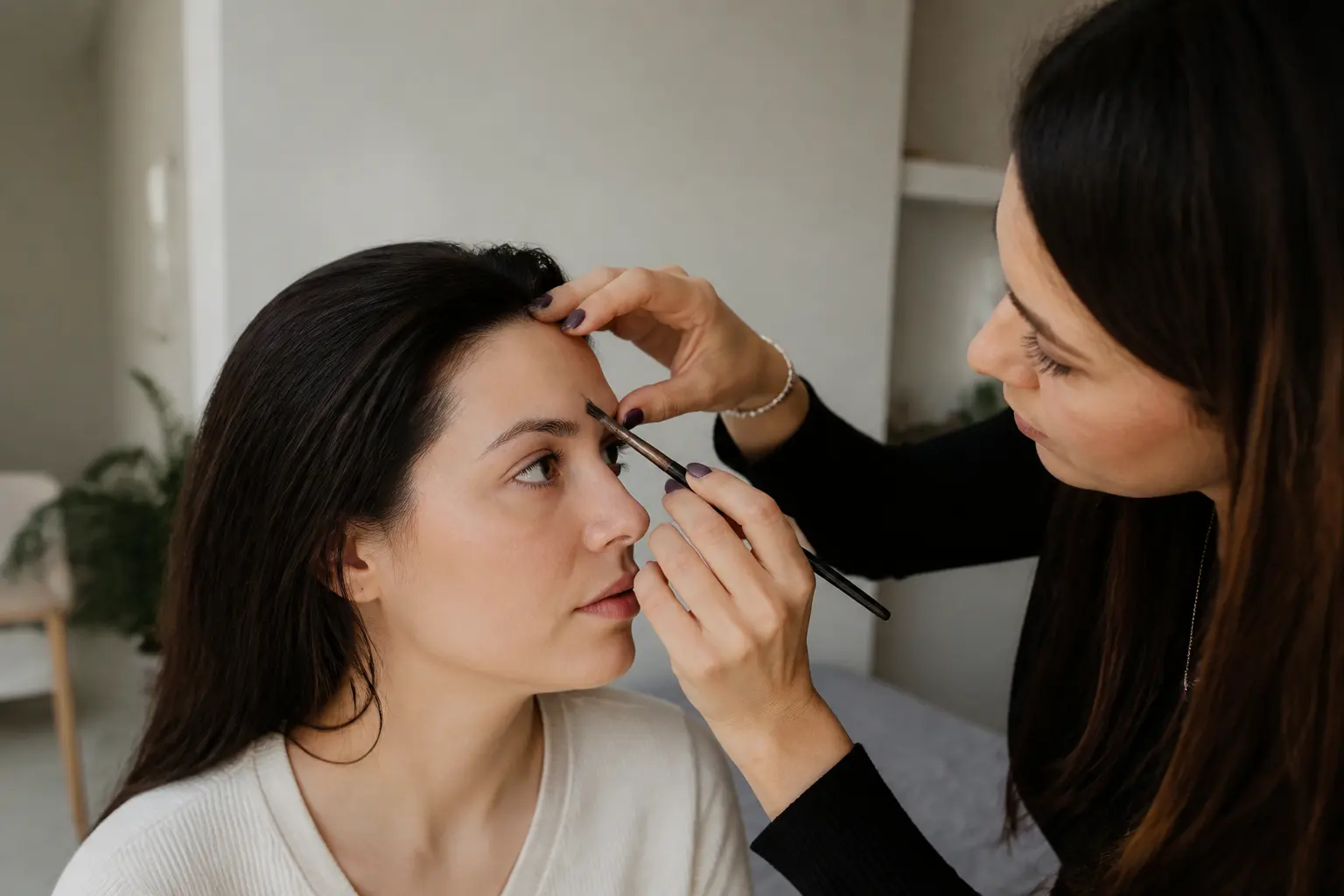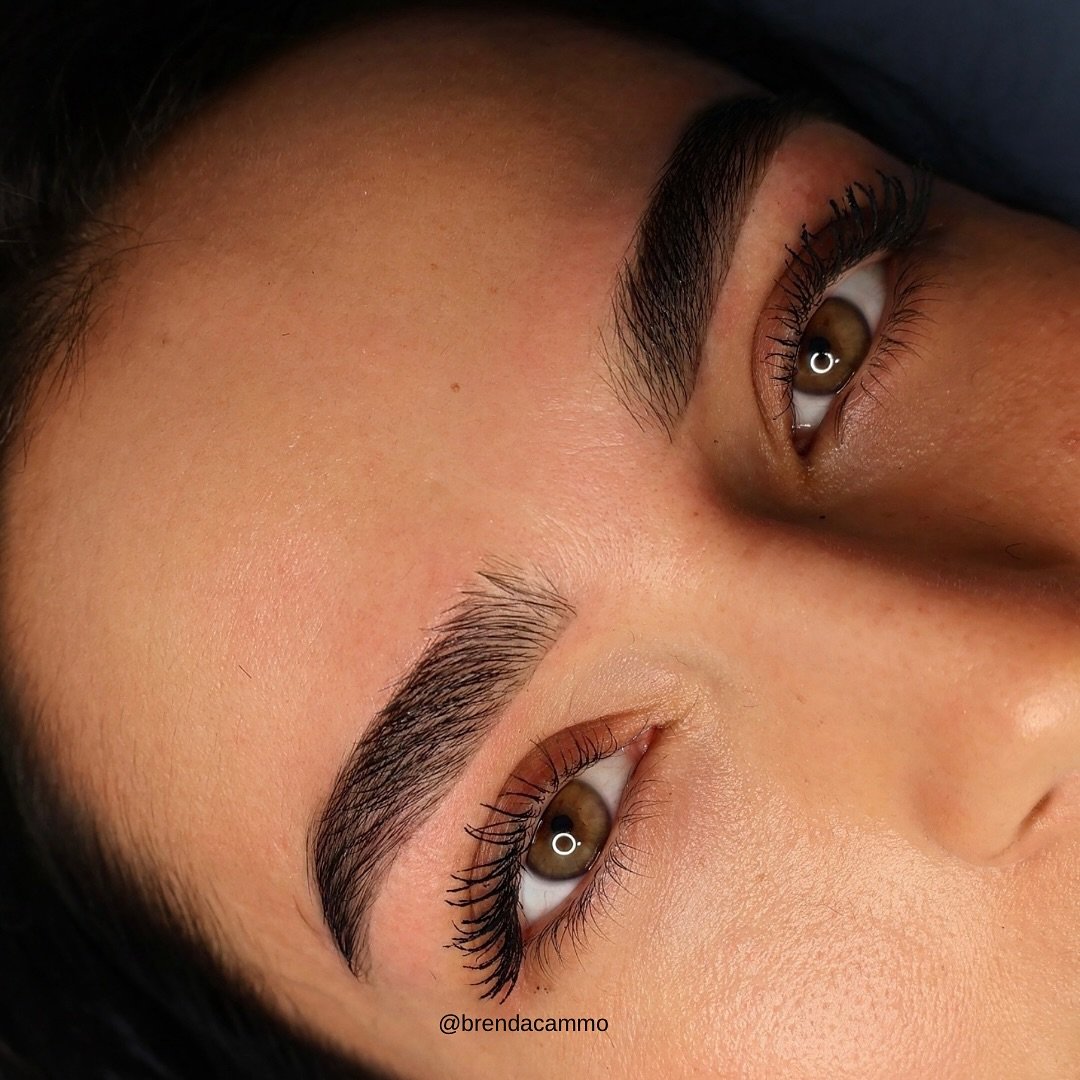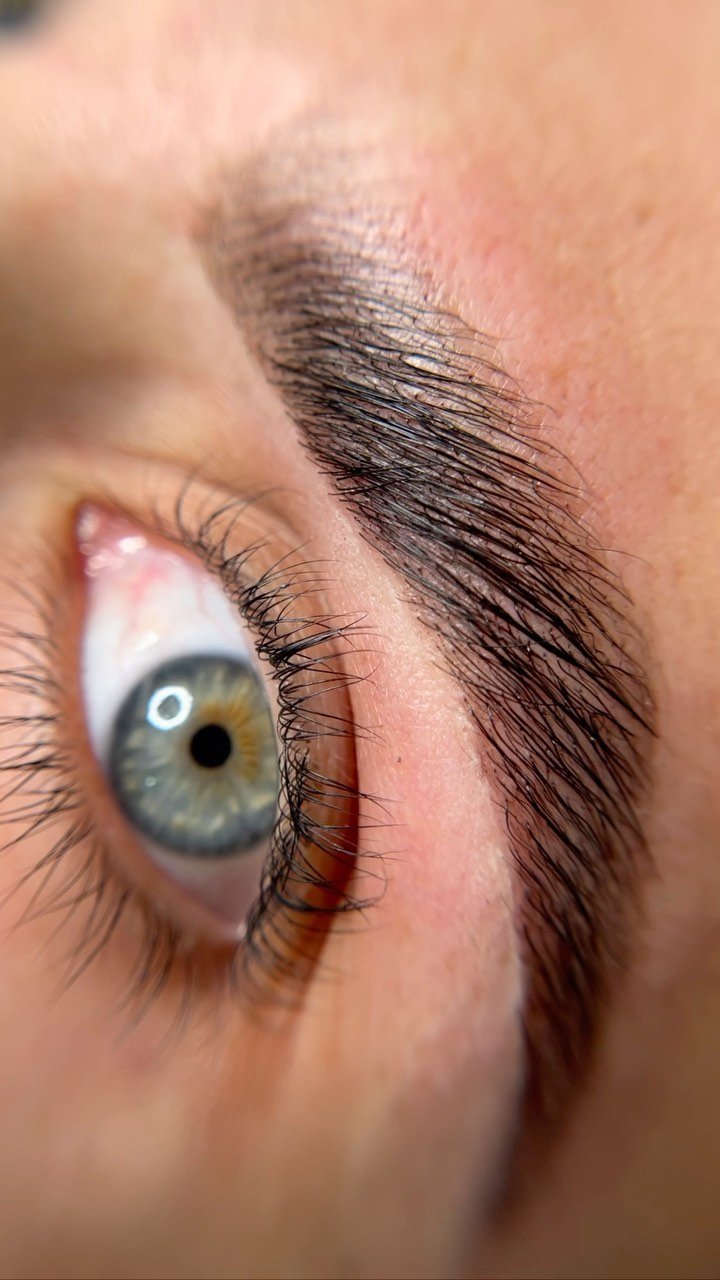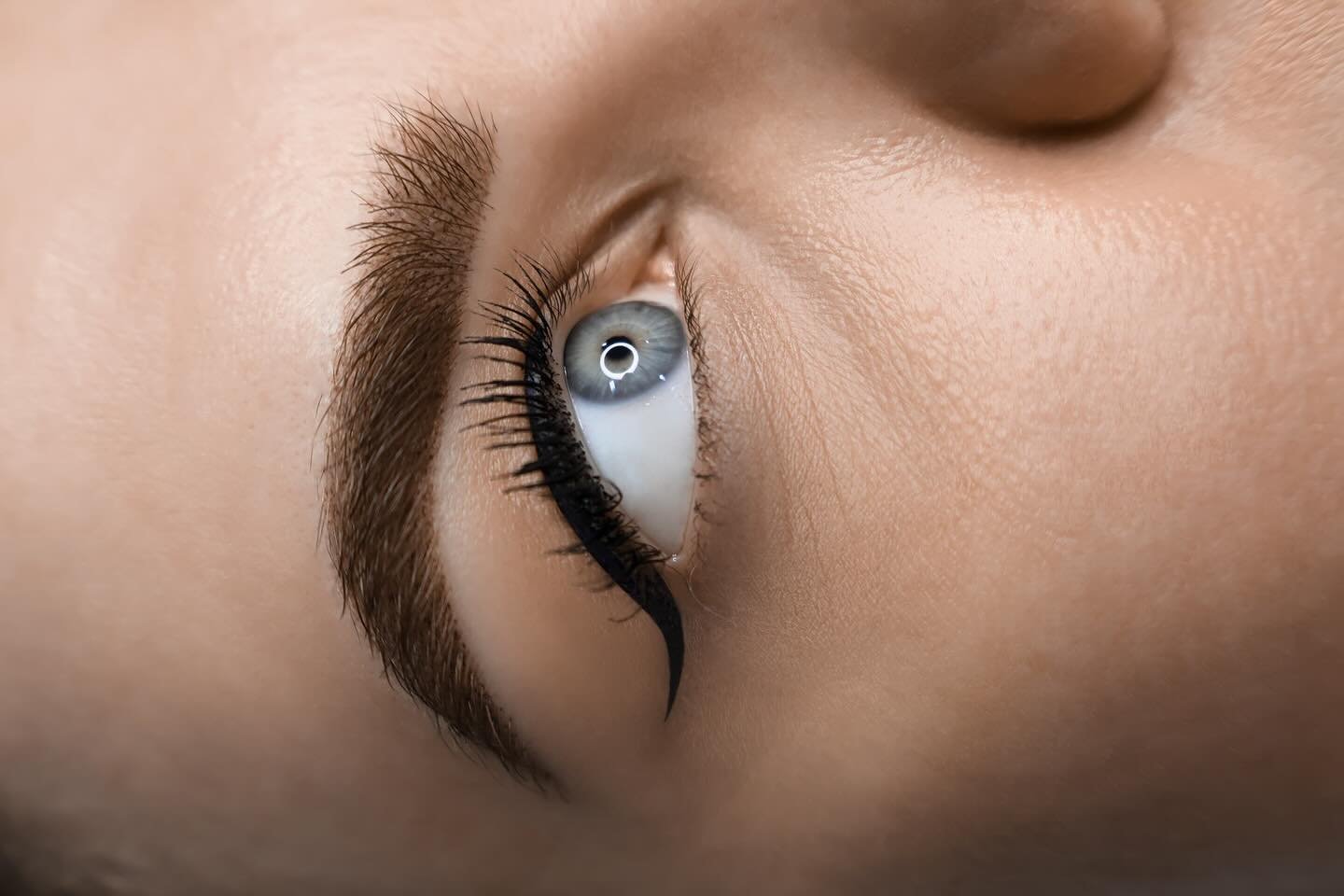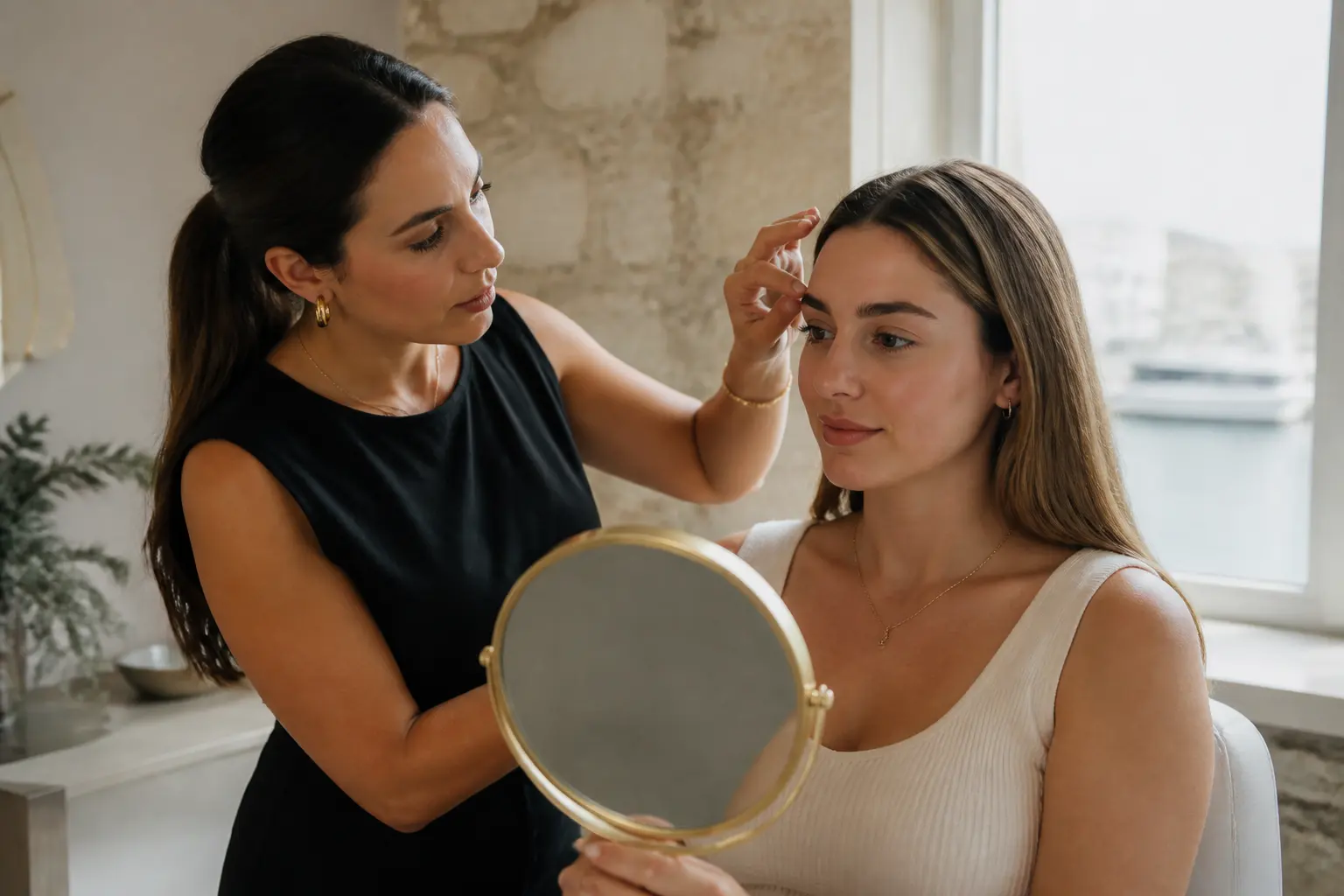
For a softer brow outline, tint is often the first option to explore because it makes the hairs you already have more visible without relying on a filled-in look. Henna can also suit a gentle finish when you want more structure through sparse areas, but it can leave a temporary skin stain and read as more defined. Threading first keeps either colour sitting within a considered shape.
If you like your brows to look tidy and more defined but do not want a strong, make-up-like outline, the choice between brow tint and henna deserves a little thought. Both can add visible colour to the brow area, yet they can create a different overall impression depending on your natural hair density, skin, preferred make-up style and how softly you want the shape to read.
The most useful question is not simply, “Which lasts longer?” It is: where do I want the definition to come from? If you want your existing brow hairs to look richer and easier to see, tint may be the better conversation to have. If you would like more visible structure through sparse areas, henna may be worth discussing, while being clear that the result can look more noticeable on the skin.
A personalised brow appointment can combine colour with threading and design, so the final result is considered as a whole rather than treating colour as a separate step. Here is how to compare the two options when your goal is a gentle, natural-looking outline.
What does a softer brow outline usually mean?
“Soft” can mean different things from one person to another. For some, it means avoiding a dark block of colour at the front of the brow. For others, it means keeping the top and lower lines less sharply drawn, even when the arch and tail are neatly shaped. It can also mean choosing a shade that supports the natural brow colour rather than creating a high-contrast change.
A soft outline does not have to mean an undefined brow. The right design can still bring balance to the face, remove hairs that sit outside the intended shape and make the brow area look more polished. The difference is that the result feels connected to your natural hairs and features, rather than appearing as a solid frame.
At a consultation, it helps to explain what you mean in everyday language. For example:
- “I want my brows to look fuller, but not drawn on.”
- “I wear little make-up and want something subtle.”
- “I like definition at the tail, but a softer front.”
- “I have a few sparse areas, although I do not want a strong skin stain.”
- “I want my brow colour to show in photographs without looking too dark in person.”
These details give the brow artist a clearer starting point than asking for “natural” alone, because natural can look very different across hair colours, brow density and personal preferences.
How does brow tint define brows through your natural hairs?
Brow tint is generally chosen by people who would like their existing brow hairs to appear more visible, richer or more even in colour. This can be particularly helpful when brow hairs are fair, when the ends are lighter than the rest of the brow, or when the brow shape is already present but gets lost without make-up.
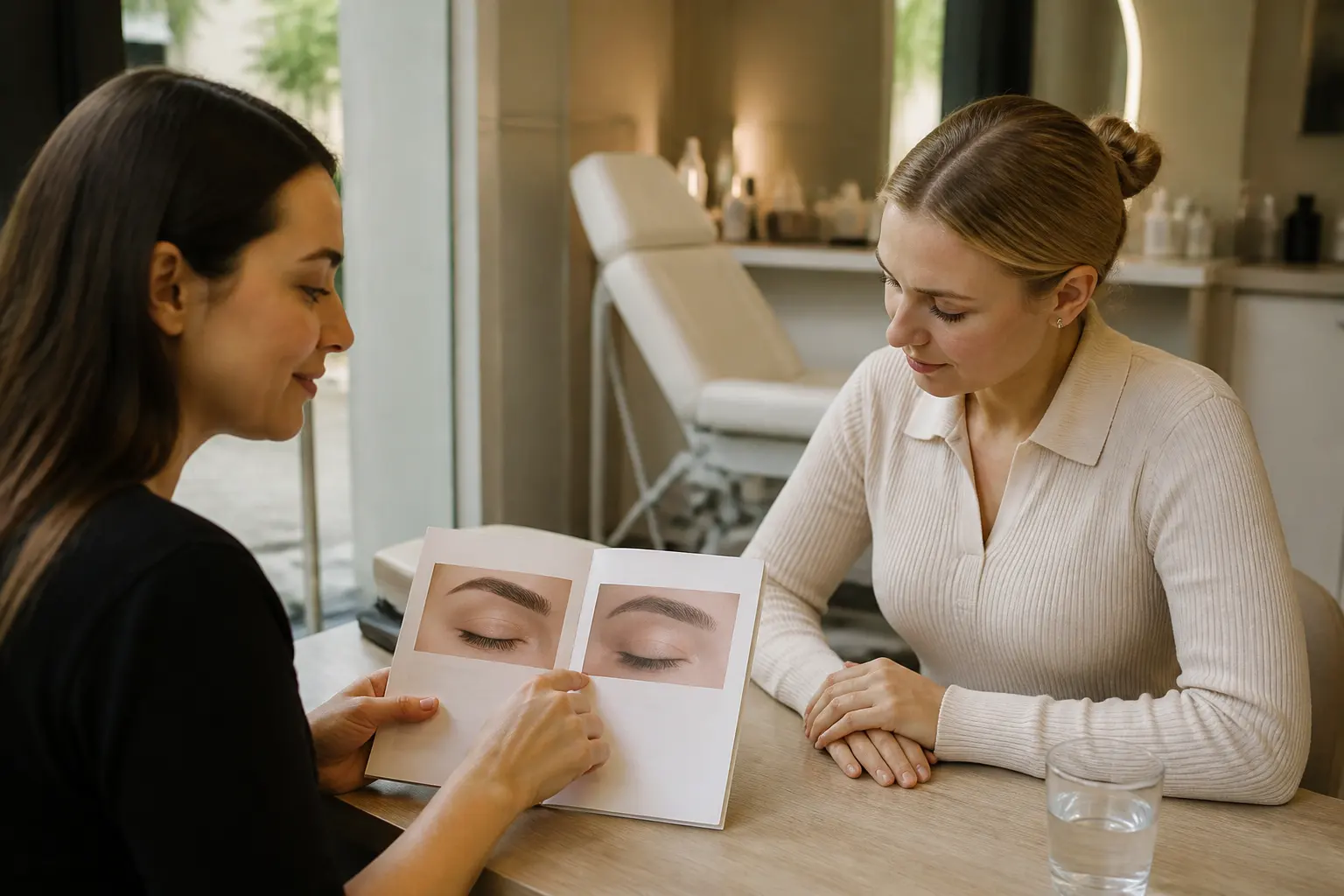
For someone seeking a softer outline, tint can be appealing because the visible effect is often led by the hairs themselves. Rather than relying primarily on a filled-in appearance across the skin, the brows can look more noticeable through their own texture and direction.
When tint may suit a softer preference
Tint may be a sensible option to discuss if your brows have a reasonable amount of hair but need clearer colour definition. It can also suit you if you prefer a low-key finish for work, university, travel or everyday life in Malta’s sunny conditions, where you may not want to rely on brow pencil each morning.
It is especially useful to mention if you want the brow fronts to remain airy. A lighter, more gradual start can help the brows look less rigid than an even, dark intensity from front to tail. Your artist can take your hair colour, natural brow shade and usual make-up into account when planning the colour conversation.
What tint cannot replace
Tint is not a substitute for hairs that are not there. If an area is very sparse, colour on existing hairs alone may not create the fuller outline you had in mind. It also cannot correct a shape concern on its own. If your main goal is to refine uneven edges, remove overgrowth or rethink how the brows sit in relation to your features, threading and brow mapping remain important parts of the appointment discussion.
That is why a tint can work beautifully after a carefully planned brow design: the thread removes unwanted hairs precisely, while colour helps the retained hairs read more clearly.
At BeCammo · Sliema · Swieqi
Eyebrow threading in Malta
Same client, before and after threading.
Clean, natural brows shaped to your face, at our salons in Sliema and Swieqi. Threading is what BeCammo was built on.
- from €16price
- Sliema · Swieqiwhere
- ★ 5.0460+ Google reviews
How does henna give more visible support to the shape?
Henna brows are often considered when the client wants extra definition not only through the hairs but also through the overall brow shape. Depending on individual skin, preparation and aftercare, henna can leave colour on the brow hairs and a temporary stain on the skin. This is why it can be helpful for people with uneven density or small areas where they would like the outline to appear more complete.
For a soft result, henna is not automatically too bold. The outcome depends on the chosen shade, the way the product is applied, the intended shape and how much visible definition is appropriate for your features. However, because henna can make the brow outline more apparent, it requires a clear conversation when you prefer restraint.
When henna may still work for a gentle look
Henna may be worth considering if you like the idea of seeing a little more structure through sparse sections, particularly at the arch or tail. It can also be useful if you normally fill your brows with a pencil or powder and would like a more defined starting point for your everyday routine.
The key is not to assume that more stain equals a better result. If your priority is softness, say so before colour is selected. You may prefer a result that supports the shape quietly rather than making every edge equally pronounced. A personalised approach can consider where you need visual support and where it is better to preserve the natural lightness of the brow.
Why henna can feel stronger than expected
People sometimes judge henna only by how it looks on another person. That comparison is rarely reliable. Brow density, skin condition, natural hair colour, previous hair removal, skincare habits and the person’s preferred level of definition all affect whether the finish feels subtle or statement-making.
A fresh colour appointment can also look more noticeable at first than it will after normal cleansing and daily life. If you are planning henna before an important event, it is sensible to allow time rather than booking it immediately before the occasion. For a first appointment, describing the level of definition you are comfortable with is more useful than copying a single image without context.
Henna or tint: which suits a soft brow look?
| Consideration | Brow tint | Henna brows |
|---|---|---|
| Where the definition is most visible | Primarily through your natural brow hairs. | Through brow hairs and, where it takes, a temporary skin stain. |
| Best starting point | Brows with existing hairs that need clearer colour. | Brows that may benefit from more visible shape support in sparse areas. |
| Soft-outline potential | Often suits an understated, hair-led finish. | Possible with careful planning, although it may read as more defined. |
| Useful appointment conversation | How visible you want the hairs, especially at the brow front. | How much skin definition you are comfortable seeing. |
| Role of threading | Can tidy the outline so coloured hairs sit within a considered shape. | Can create a clean framework before colour is used to support it. |
This comparison is not a rule that tint is always subtle and henna is always dramatic. Instead, it shows where each service usually places its visual emphasis. Your own preference is what should guide the final choice.
Questions to ask yourself before choosing
If you are undecided, think about your normal routine rather than only the result you see immediately after an appointment. The right option should make sense on an ordinary weekday as well as for a special occasion.
Do you usually fill your brows with make-up?
If you already use a pencil, powder or brow gel to fill light gaps, henna may appeal because it can offer additional visible structure. If you only use make-up to darken fair hairs, tint may be closer to your goal.
Where are your brows naturally sparse?
A few lighter patches do not always require a more defined colour service. Sometimes thoughtful threading and a tint are enough to make the existing shape clearer. If the sparse areas strongly interrupt the outline you want, discuss whether henna can add temporary support without taking the finish too far from your usual look.
How do you feel about a visible brow front?
The brow front often determines whether a result feels soft or strong. Let your artist know if you prefer a feathered, gradual start. This matters with both tint and henna, but it is particularly important when you are cautious about a skin-stained effect.
Is this your first colour appointment?
For a first-time appointment, it is reasonable to begin conservatively. You can assess how colour sits with your complexion, hair colour and daily routine before deciding whether you would like more definition in a future visit. Bring up any known sensitivities, recent skincare changes or concerns before the service so the appointment can be planned appropriately.
How does threading keep brow colour looking considered?
Colour works best when it follows a brow shape that has been planned for you, not a generic template. Threading uses a fine thread to remove unwanted hairs with precision, helping to tidy the surrounding area and clarify the intended brow lines. At BeCammo, brow design conversations can take account of the way your natural hairs grow, facial balance, brow density and the degree of definition you actually enjoy wearing.
This is particularly relevant when you prefer a softer outline. Removing too much hair can make the brow appear narrower or leave colour with less natural texture to work with. Leaving too much uncontrolled growth can make colour look less intentional. The goal is not to force identical brows or create one fashionable shape for everyone. It is to work respectfully with the brow hair you have while creating a neater, balanced result.
A threading and tint or henna appointment can therefore be a useful option when you want both shape and colour considered together. If your main concern is whether your brows could look too dark, too outlined or unlike you, make that the first point you raise during the consultation.
How should you plan before and after your appointment?
Arrive with a clear sense of the look you want, but stay open to professional guidance based on your natural brows. A photograph can be helpful as a reference for the level of softness you like, especially if you can explain what you like about it: the lighter front, the defined tail, the warm tone or the overall fullness.
Before booking, mention any relevant information that could affect the appointment, including known product sensitivities or a skincare routine that is making the brow area feel sensitive. Avoid treating a colour appointment as a one-size-fits-all service; a short consultation is part of choosing a finish that feels right for you.
Afterwards, follow the aftercare guidance provided during your service. Colour can change in appearance as the days pass and as you return to your usual cleansing, make-up and activities. How long a result remains noticeable varies from person to person, so it is better to judge your own maintenance rhythm over time than to rely on a fixed promise.
Conclusion: choose the definition that still feels like you
If your main aim is a softer brow outline, tint is often the natural first option to explore because it highlights the hairs you already have. Henna can also be suitable when you want more support through sparse areas, provided you discuss how understated you want the skin definition to be.
The best choice comes from a proper brow conversation rather than from assuming one service is universally more natural. Explain where you want definition, how you wear your make-up and what you would rather avoid. From there, a tailored threading and colour plan can help you achieve brows that look tidy, balanced and comfortable for everyday wear. When you are ready, choose the brow service that best matches your preferred finish and book at the BeCammo location that suits your routine.
Frequently asked questions
Is brow tint always more natural-looking than henna?
Not always, but tint often creates a more hair-led effect because it mainly makes existing brow hairs more visible. Henna may add a temporary skin stain as well, which can make the shape look more defined. The final impression depends on the colour choice, application and your natural brows.
Can I ask for henna brows without a bold outline?
Yes. Tell your artist that you prefer a soft, everyday finish and describe which areas you would like to keep subtle, especially at the front of the brow. A consultation can help establish whether henna is appropriate for that preference.
What if my brows are full but very fair?
Tint may be a useful option to discuss. When there are plenty of hairs but their colour is light, making those hairs more visible can improve definition without necessarily creating a heavily filled-in look.
Should I have threading before tint or henna?
Combining threading with colour allows the brow shape and visible definition to be planned together. Threading can tidy the surrounding hairs, while tint or henna can then support the intended brow shape.
How do I know whether I will like the colour?
Share your natural hair colour, usual make-up style and preferred level of definition during the appointment. If it is your first time, choosing a conservative approach can make it easier to decide whether you would like to adjust the result at a later visit.