Small Tattoo or Larger Design? How to Explain Your Removal Goal
Brenda Cammo Team
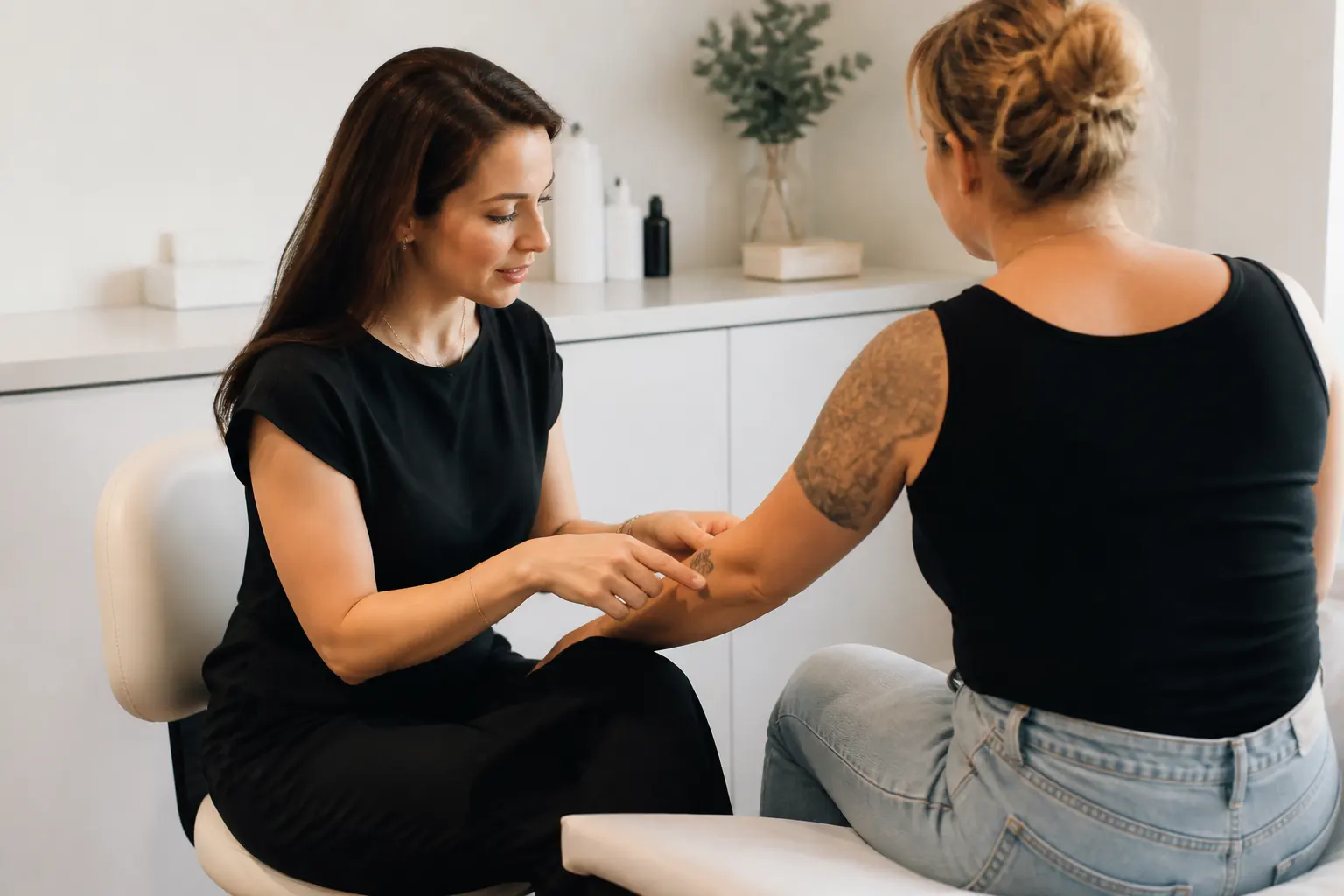
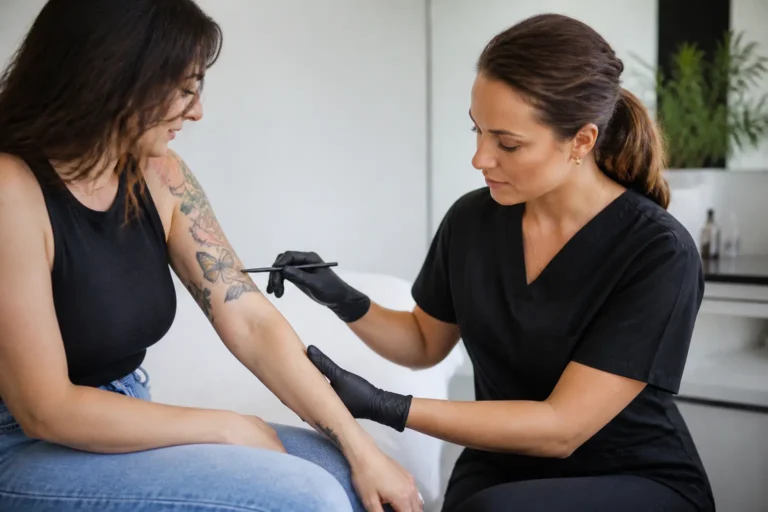
Whether your tattoo is a small symbol on a wrist or a larger design across the arm, being clear about your goal at a tattoo removal consultation helps create a more realistic starting point. The most useful conversation is not simply about saying, “I want it gone.” It is about explaining what you would like to change, what you hope the area will look like afterwards and whether your aim is full removal, noticeable fading or preparation for a cover-up.
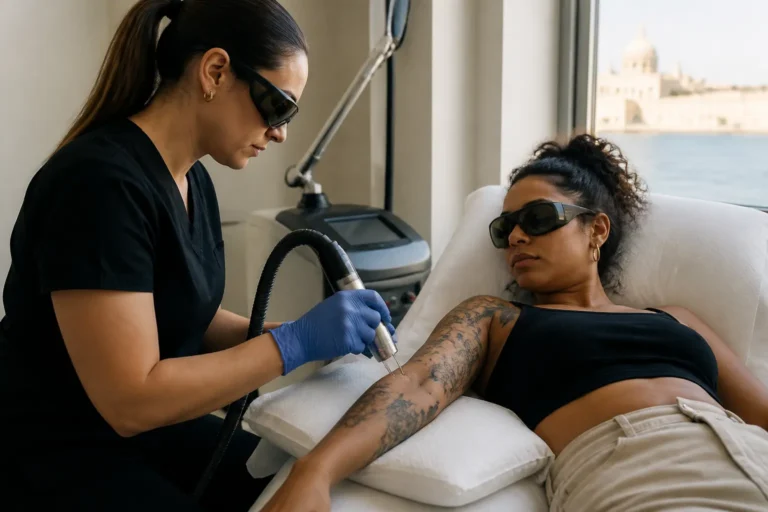
At Becammo, laser tattoo removal is available exclusively at the Sliema studio. A consultation is the right first step for discussing the tattoo’s size, colours, placement and your preferred outcome before arranging treatment. It is also the moment to raise questions honestly, including previous removal attempts, skin reactions and the practical timing of your plan.
Laser tattoo removal is a process rather than a single instant result. The US Food and Drug Administration’s overview of tattoo removal notes that the number and spacing of treatments can vary with factors including the tattoo’s size and colours, and that complete removal is not always possible. A thoughtful consultation makes room for that individuality from the beginning.
Start with the outcome you want, not only the tattoo you have
A consultation becomes clearer when you describe your desired outcome in plain language. You do not need technical terminology. The practitioner needs to understand the change you are hoping to make and the role the tattoo may have in your future plans.
These are three common removal goals:
- Full removal: You would like the tattoo to become as faint as possible, ideally leaving the area looking clear.
- Fading for a cover-up: You do not necessarily need every trace removed; you want to reduce the visibility of existing ink so a tattoo artist may have more creative options for a new design.
- Selective removal or lightening: You would like to focus on one part of a tattoo, such as a name, a date, a small symbol or an element within a larger composition.
Each aim leads to a different conversation. For example, a person with a small black initial may be focused on reducing an unwanted reminder. Someone with a larger, colourful sleeve may be planning a redesign and may care more about lightening particular sections than removing the whole piece. Neither goal is more valid, but they should not be described in the same vague way.
How to describe a small tattoo clearly
Small tattoos are often easier to point out, but size alone does not tell the full story. During your tattoo removal consultation, explain exactly which mark you mean and what result would feel satisfactory to you.
Use location as precisely as possible
Rather than saying “the one on my hand”, specify whether it is on a finger, the side of the hand, the wrist, the knuckle or near the thumb. If it is close to another tattoo, mole, scar or area you do not want treated, mention that too. Clear boundaries matter, especially when the removal target is small.
Describe the design and ink colours
A short description is useful: “a two-centimetre black letter”, “a fine-line star in dark blue”, or “a small red heart with black outline”. If the tattoo has more than one colour, say so even if one colour is much more noticeable. Different pigments can respond differently to laser treatment; dark blue and black inks may behave differently from colours such as red, green or yellow. The FDA also notes that some light or flesh-coloured inks and permanent make-up pigments can be particularly complex because pigment changes may occur during treatment.
Say whether you mean full removal or a softer appearance
For a small tattoo, clients may use “remove” when they actually mean “make it less noticeable”. There is no wrong answer, but the distinction helps set expectations. You might say:
“It is a small black symbol on my inner wrist. My goal is to fade it as much as possible because I do not want another tattoo in that place.”
Or:
“I only need this small name lightened enough for a tattoo artist to cover it with a new design.”
Those two statements describe different endpoints, even when the starting tattoo is similar.
How to explain a larger tattoo removal goal
With a larger tattoo, it can help to separate the overall design from the specific area you want to address. A larger piece may include different colours, line weights and sections with varying ink density. You do not have to analyse it yourself, but bringing a simple explanation will make the consultation more productive.
Identify the whole piece and the priority area
Start with the broad location: upper arm, forearm, shoulder, calf, back or chest. Then explain whether the entire tattoo is part of the goal or whether one section matters most.
For instance, you could say:
“I have a larger floral tattoo on my outer forearm. I do not intend to remove all of it immediately, but I would like to discuss fading the dark background behind the flowers.”
Another useful description could be:
“This is a full upper-arm design. I want to understand what a realistic plan could look like if my goal is gradual removal of the complete tattoo.”
These statements help distinguish a targeted project from a broader plan. They also avoid the pressure of deciding every detail before you have had professional guidance.
Explain if a cover-up is part of the plan
Fading a tattoo for a future cover-up is a specific goal, not a lesser version of removal. If this is your aim, say what you know about the future design. You may not have chosen a tattoo artist or final artwork yet, and that is fine. Even a general intention is helpful: a lighter design, a different shape, a larger composition or a design that does not need to sit in the same position.
Bring reference images only if they genuinely clarify your idea. They are not required, and they should not be treated as a promise that a particular amount of fading will suit every future design. The next tattoo artist will ultimately advise on their own cover-up work, while your laser consultation focuses on the existing tattoo and a realistic fading objective.
Details worth sharing at your consultation
The more complete the background you can give, the easier it is to have a focused, responsible conversation. You do not need to remember every detail perfectly. Just share what you know.
- When you had the tattoo: Give an approximate year if you cannot recall the exact date.
- Whether it was professionally applied or done elsewhere: This can be relevant context when discussing the ink and design.
- Whether it has been reworked or covered before: A tattoo that has been repeatedly tattooed may not be the same as a single-layer design.
- Any previous removal sessions: Mention the method, if known, and how your skin reacted.
- Changes in the tattoo over time: Point out areas that have already faded, changed colour or become raised.
- Your skin’s history: Share relevant concerns such as previous scarring, pigment changes or reactions, and disclose medications or health matters that could affect whether treatment is appropriate. Seek advice from an appropriate healthcare professional where needed.
- Upcoming plans: Holidays, sun exposure, events and travel can affect how comfortably you schedule a course of appointments and aftercare.
It is sensible to be especially open about any history of raised scarring. The FDA highlights possible risks from laser tattoo removal, including soreness, redness, infection, scarring and changes in skin colour. These possibilities are one reason an individual assessment and proper aftercare discussion matter.
Photographs can help, but they do not replace seeing the area
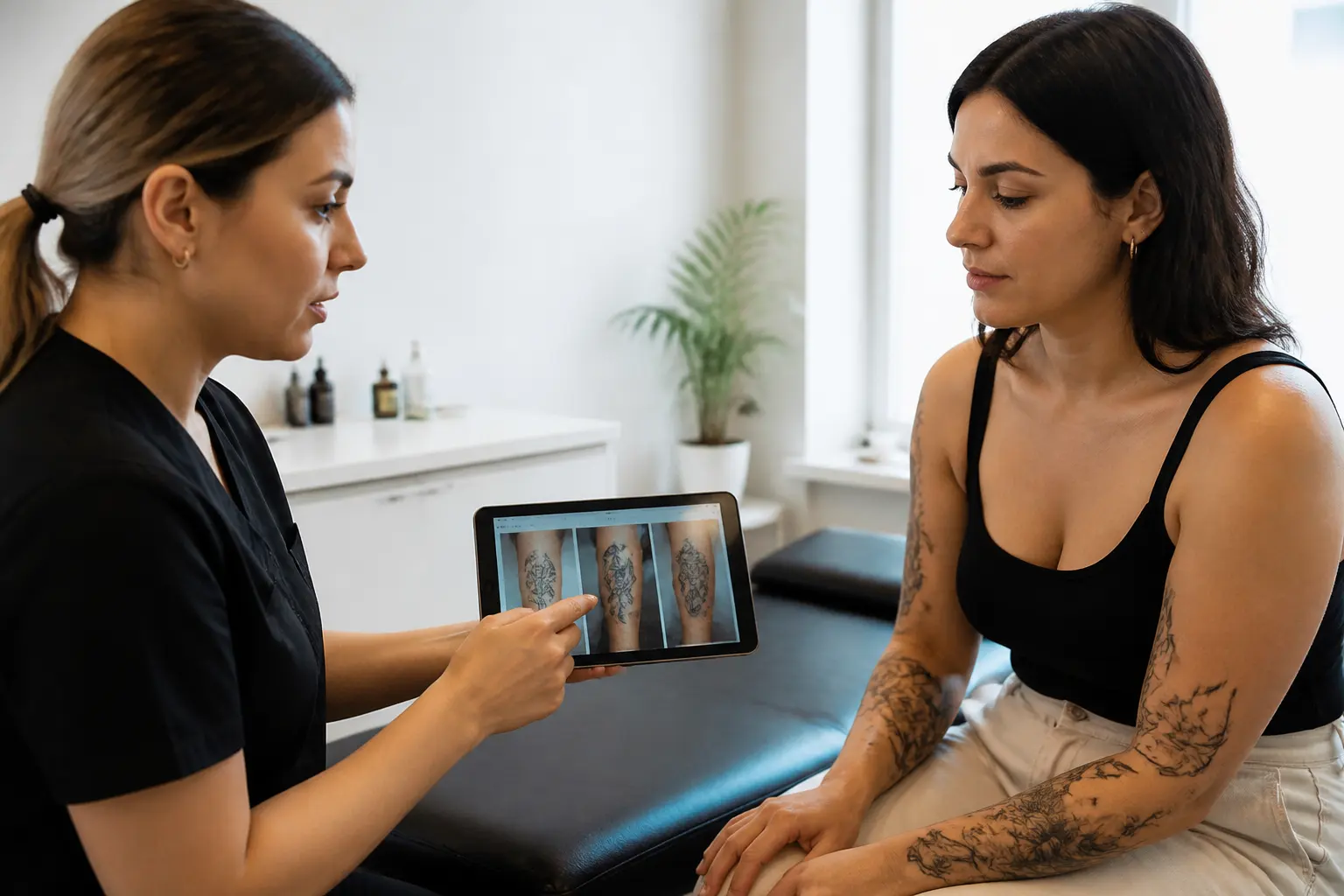
If you are booking a consultation online or asking an initial question, clear photographs can be a practical starting point. Take them in natural, even light where possible, without filters or heavy editing. Photograph the tattoo from directly above as well as from slightly farther away to show its position on the body.
For a larger design, it can be useful to include one image of the full tattoo and one closer image of the section you want to discuss. If your goal is selective fading, you may circle the relevant part on a copy of the image for your own reference. At the appointment, however, the practitioner still needs to see the tattoo in person and discuss your individual circumstances.
Questions that keep your consultation practical
A good consultation should leave you with a clearer understanding of the path ahead, not a vague promise. Consider asking questions that relate directly to your own removal goal.
- Based on the tattoo’s size, placement and colours, what factors could influence the plan?
- Is my goal better described as removal, fading or cover-up preparation?
- Which part of a larger tattoo should be prioritised if I want to work in stages?
- What changes should I expect to discuss between appointments?
- What aftercare guidance will apply to the treated area?
- Are there timing considerations if I have a beach holiday, sports event or travel planned?
- What should make me contact the studio or seek medical advice after a session?
It is also reasonable to ask how the team will document the area being treated. When a tattoo has several elements, agreeing on the target zone before treatment supports clearer communication from one appointment to the next.
Avoid these common consultation mistakes
Trying to estimate the number of sessions yourself
Online examples can be interesting, but another person’s tattoo is not a reliable forecast for yours. Ink colours, amount of ink, placement, tattoo history, skin response and removal goal can all make a difference. It is better to arrive ready to discuss your aim than to arrive attached to a fixed number.
Saying “all of it” when you only mean one element
If there is one name, background area or dark section that bothers you most, say so. A larger tattoo does not have to become an all-or-nothing project. Starting with a defined goal can make the plan easier to understand.
Leaving out past reactions or previous treatment
Previous laser sessions, skin sensitivity or unusual healing are relevant information, not something to minimise. Honest details support safer decision-making and allow the practitioner to advise on the next step appropriately.
Assuming every tattoo can disappear completely
Laser removal can be used to remove or lighten tattoos, but it cannot promise an identical outcome for every ink, design or skin type. The FDA advises that multiple treatments may be needed and that complete removal may not be possible in every case. Setting this expectation early allows you to choose a goal that is both personal and realistic.
Preparing for your Sliema consultation
Your main preparation is simple: know which tattoo or area you would like to discuss, think about your preferred outcome and be ready to share relevant information. Wear clothing that provides straightforward access to the tattooed area while keeping you comfortable. If the tattoo is part of a larger design, take a moment beforehand to identify the exact section that is most important to you.
At Becammo’s Sliema location, the consultation can be used to discuss tattoo laser removal or the removal of old microblading or permanent make-up pigment. These are not interchangeable goals: cosmetic pigment, especially light or skin-toned pigment, can need particularly careful assessment. If your concern is old brow pigment rather than a body tattoo, explain that from the first booking so the consultation reflects the right objective.
Conclusion
A small tattoo and a larger design may call for different levels of planning, but the clearest first step is the same: describe the result you want in specific, everyday terms. Tell the practitioner where the tattoo is, what colours and sections are involved, whether you want full removal or fading, and whether a future cover-up is part of the picture.
That conversation creates a more informed starting point than focusing on size alone. When you are ready, arrange a tattoo removal consultation at Becammo in Sliema and bring your questions, your goal and any helpful images of the area.
Frequently asked questions
Do I need to know exactly how many sessions I want before a tattoo removal consultation?
No. You do not need to decide on a number before the consultation. It is more helpful to explain whether your aim is removal, lightening or cover-up preparation. The likely plan depends on individual factors, including the tattoo’s size, colours and history.
Can I discuss removing only part of a larger tattoo?
Yes. If one section is your priority, identify it clearly at the consultation. This may be a name, date, background, outline or another element within the wider design.
Should I bring a photo of the cover-up tattoo I want?
You can bring an image if it helps explain your general aim, but it is not essential. Your removal consultation concerns the existing tattoo and the desired degree of fading; the future tattoo artist will advise on the final cover-up design.
Why do tattoo colours matter when discussing removal?
Different ink colours can respond differently to laser treatment. Sharing an accurate description of the colours, and showing the tattoo in person, helps make the discussion more realistic.
Can a consultation help with old microblading pigment too?
Yes, but be clear that the concern is old microblading or permanent make-up pigment rather than a body tattoo. These pigments require individual assessment, particularly when they contain light or skin-toned shades.
Where is laser tattoo removal available at Becammo?
Laser tattoo removal is available exclusively at Becammo’s Sliema studio. Booking a consultation first is a practical way to discuss your specific tattoo and removal goal.