Small Tattoo Removal: Fingers, Wrists and Behind the Ear
Brenda Cammo Team
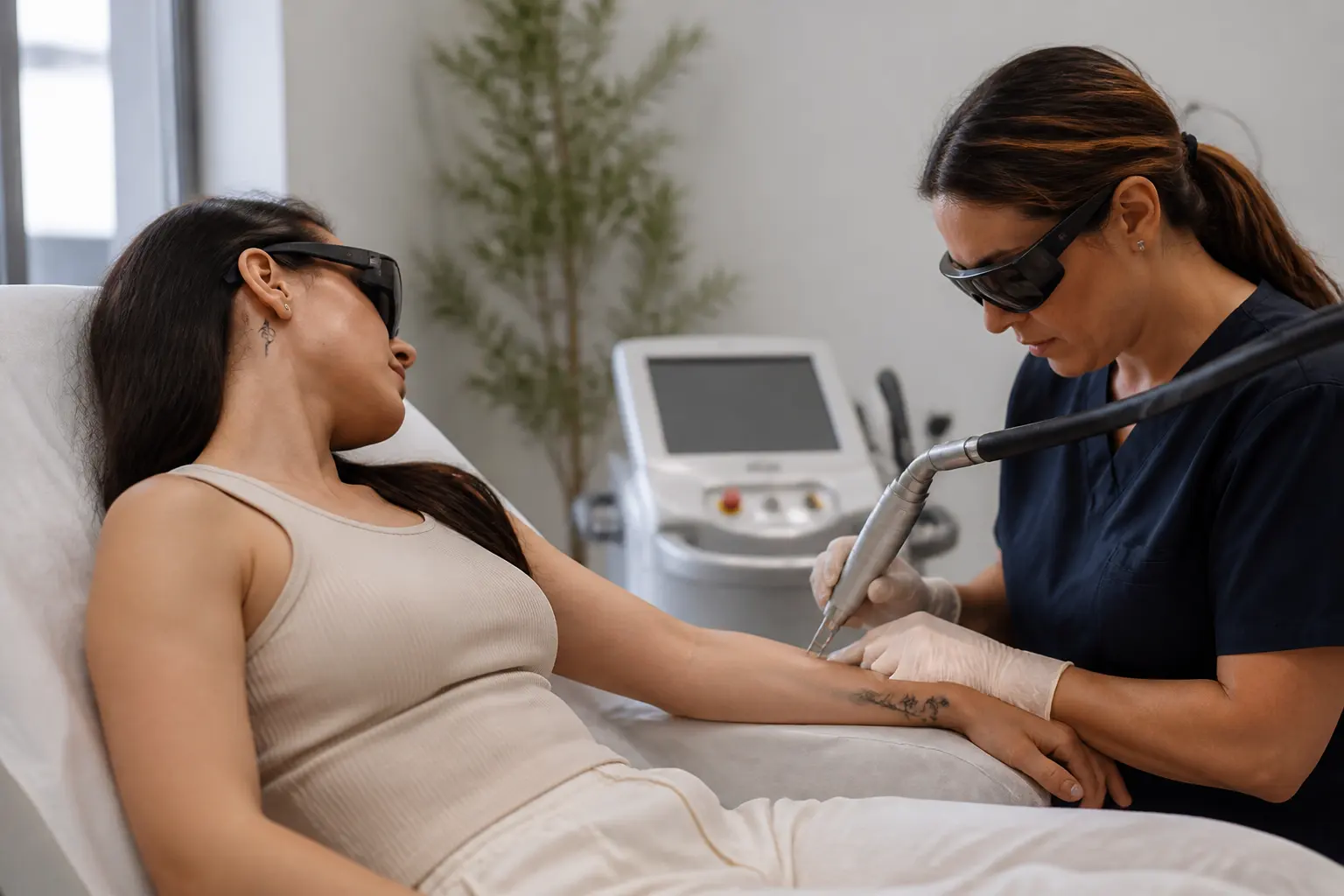
A tiny tattoo can carry a surprisingly big decision. A word on a finger, a symbol on the wrist or a design behind the ear may be small in size, but it sits in an area that is often visible, frequently moved or close to sensitive features. If you are considering small tattoo removal, it is helpful to look beyond the tattoo’s measurements and understand how its location, ink and your skin’s response shape the process.
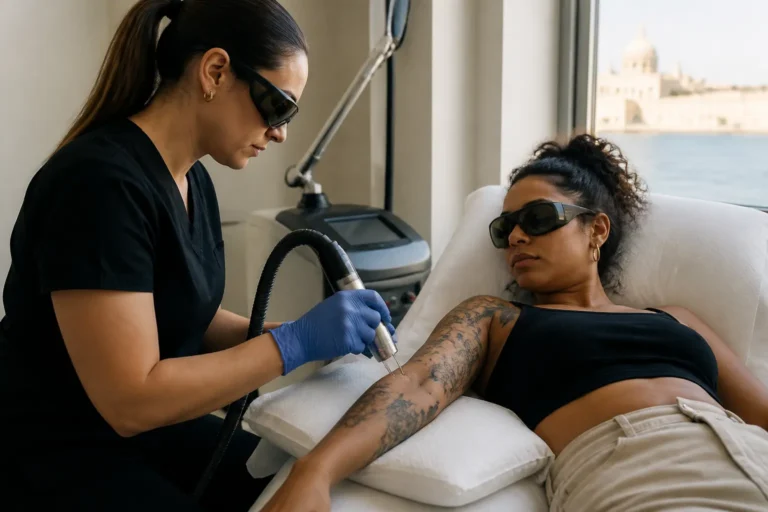
At a professional studio, laser tattoo removal is approached as a course of care rather than a quick fix. The aim may be to fade a tattoo for a cover-up, reduce its visibility or work towards as much clearance as your individual tattoo and skin response allow. A consultation is the sensible starting point, especially for fingers, wrists and behind-the-ear tattoos.
Does a small tattoo mean easy tattoo removal?
Not necessarily. A smaller design usually means a smaller treatment area, which can make an appointment more focused. However, the number of appointments and the way the tattoo fades do not depend on size alone.
Laser removal works by targeting tattoo pigment and breaking it into smaller particles, which the body then clears gradually over time. Different colours respond differently, and several treatments spaced apart are commonly needed to allow the skin to recover between sessions. Complete removal is not always possible. The US Food and Drug Administration’s guidance on tattoo removal also notes that the tattoo’s colours, size and other individual factors affect the process.
For a small tattoo, the main questions are usually:
- What colour or colours are present?
- How densely was the ink placed?
- Is the tattoo an amateur, professional or cosmetic tattoo?
- How old is it?
- Has it been covered, retouched or previously treated?
- Where exactly is it placed, and how much friction or movement does that area receive?
- How is your skin likely to respond during healing?
This is why two tattoos of similar size can follow very different paths. A tiny black line tattoo on a wrist should not be assumed to behave in the same way as a tiny multi-coloured tattoo on a finger.
Why location matters for small tattoos
Small tattoos are often chosen for discreet areas, but these placements can bring practical considerations that are easy to overlook. Your specialist assesses the skin, the tattoo and the surrounding area, then explains what is realistic before any course begins.
Finger tattoo removal
Finger tattoos are popular because they are expressive and visible, from initials and fine-line symbols to small ring-style designs. They are also in an area used constantly throughout the day. Handwashing, gripping, typing, exercise, jewellery and everyday contact can all make it harder to protect newly treated skin from unnecessary rubbing.
The tattoo may also extend around the finger rather than sitting on one flat surface. That matters when planning precise treatment. A professional assessment helps identify the full inked area, including faint sections that may only be visible in certain lighting or when the finger is turned.
After a finger session, practical aftercare is particularly important. Follow the instructions you are given, avoid picking or scratching, and think ahead about work, sports and activities that place pressure on the area. If you wear rings close to the tattoo, ask whether it is best to leave them off while the skin settles.
Wrist tattoo removal
Wrist tattoos are often small, but they can be placed near watches, bracelets, sleeves and areas that bend repeatedly. The wrist is also commonly exposed to daylight in Malta, which makes sun protection an important part of planning before and after appointments.
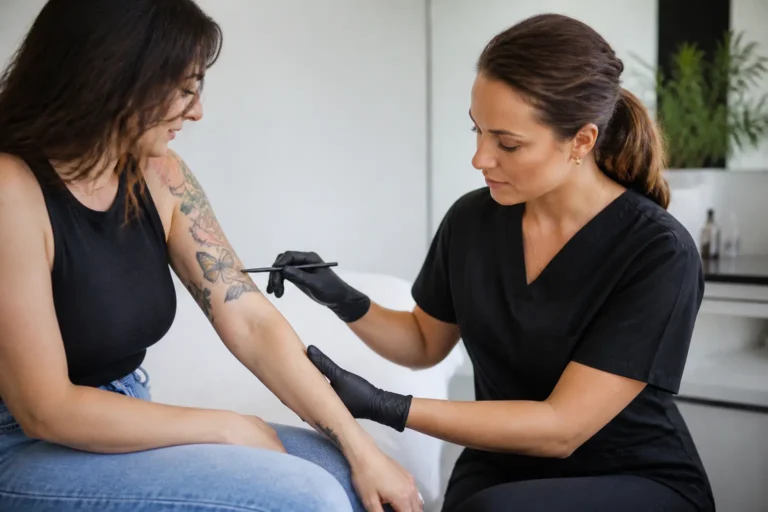
A wrist tattoo can be a good candidate for a focused removal plan, yet it still needs the same careful evaluation as a larger tattoo. Fine script may look simple, but it can include dense strokes, overlapping lines or several shades. If your intention is a future cover-up rather than full removal, say so at consultation. The desired level of fading for a cover-up can be different from the goal of removing as much visible pigment as possible.
Choose loose, comfortable clothing for your visit where possible. In the days afterwards, avoid anything that repeatedly rubs the treated area. If your routine includes swimming, outdoor work or regular time in the sun, raise this before booking so that you can plan treatment timing sensibly.
Behind-the-ear tattoo removal
A tattoo behind the ear may be hidden by hair, but the area still deserves careful attention. It is close to the ear and face, and it may be affected by hair products, headphones, glasses, masks, hats or the way you sleep. Long hair can also brush against the skin throughout the day.
During assessment, it is useful to mention whether you regularly colour your hair, use styling products, wear hearing devices or use over-ear headphones. These details do not automatically prevent treatment, but they help you prepare properly and reduce avoidable irritation while the area heals.
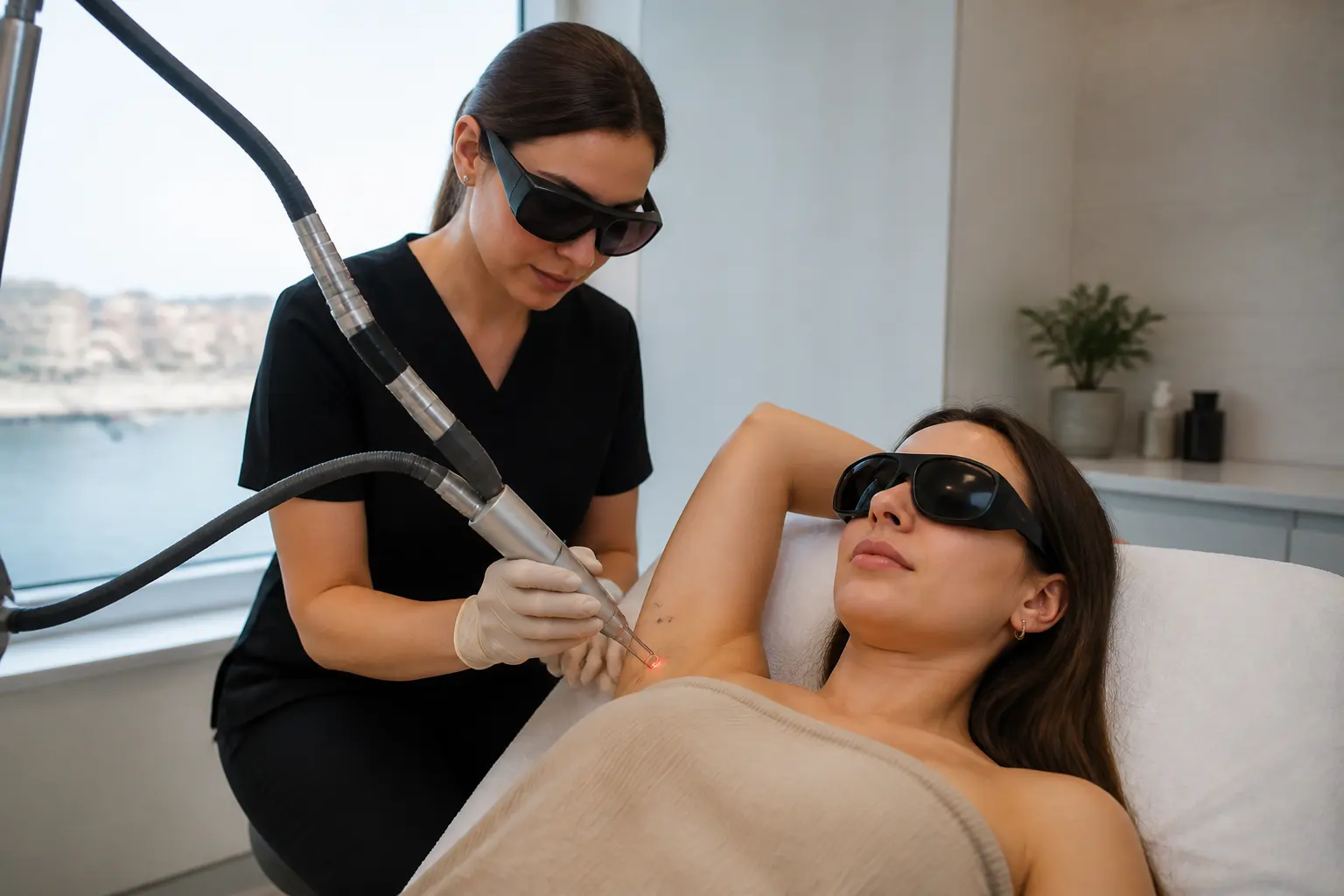
Because this placement is close to the eyes, appropriate protective eyewear and careful set-up are essential during laser treatment. Do not attempt DIY removal products or home devices on this area. The FDA warns that unapproved tattoo removal creams and kits may cause reactions, burns or scarring, while not reaching pigment located deeper in the skin. Read the FDA’s consumer information on tattoos and removal.
What happens during a professional consultation?
For small tattoo removal, consultation is where a vague idea becomes an informed plan. It is the right time to ask questions, share your goal and make sure the location is assessed in person.
A thorough conversation may cover the tattoo’s age, colours, placement, previous removal attempts and whether you are hoping for clearance or preparation for new artwork. You should also discuss relevant skin history, sensitivity, healing concerns and any current changes to the skin in the area.
The practitioner can then explain what the service involves, the need for spacing between sessions and the possibility of temporary redness, soreness or other skin reactions. Laser procedures carry risks, including changes in skin colour, scarring and infection, so clear aftercare and honest expectations are part of responsible treatment planning. The FDA lists these possible risks and explains why appropriate laser use and aftercare matter.
It is also a chance to discuss comfort. Tattoo removal can be uncomfortable, and experiences vary by person and placement. It is better to have a direct conversation about how the session will be managed than to expect a completely sensation-free procedure.
Preparing for a small tattoo removal appointment
Good preparation supports a smoother experience. Your studio will provide personalised guidance, but these practical principles are useful for most people considering a session.
- Avoid arriving with sun-exposed or irritated skin. If the area has been recently tanned, sunburnt, scratched or irritated, let the studio know before your appointment.
- Keep the area clean. Avoid applying unnecessary products directly over the tattoo on the day unless your practitioner has advised otherwise.
- Plan around friction. Consider watches, rings, headphones, hair accessories and tight clothing that may touch the treatment area afterwards.
- Be open about your goal. Fading for a cover-up and pursuing maximum reduction are different conversations.
- Allow time for aftercare. Do not schedule a session immediately before a beach day, intense exercise or an activity that makes it difficult to protect the area.
If you have a concern about a skin condition, healing, medication or a past reaction, seek appropriate medical advice before proceeding. A reputable studio should welcome questions and prioritise whether the timing is right for you.
Aftercare for fingers, wrists and behind the ear
Aftercare is not an optional extra. It protects healing skin and helps you respond promptly if something does not seem right. You will receive instructions tailored to your session, and those instructions should always take priority.
In general, the treated area should be kept clean and protected from picking, scratching and excessive friction. Do not use harsh exfoliants or try to speed up the fading process with unverified creams. Let the skin settle between sessions, and protect the area from sun exposure as advised.
For finger tattoos, be mindful of frequent hand contact and jewellery. For wrists, avoid watch straps and bracelets rubbing the skin. For behind-the-ear tattoos, keep hair products, hair accessories and headphones from irritating the area where possible. If you notice a reaction that concerns you or symptoms that worsen rather than settle, contact the treating professional promptly and seek medical advice when appropriate.
Setting realistic expectations
It is understandable to focus on the tattoo’s small size and imagine a short process. Yet realistic expectations are one of the most valuable parts of choosing professional laser removal. Results develop gradually, and the pace can vary according to ink, colour, depth, skin tone, placement and your own response between sessions.
Dark inks may respond differently from lighter or more complex colours. A tattoo that has been reworked can also contain more pigment than it appears to at first glance. Small tattoos can be excellent candidates for assessment, but no responsible professional should promise an exact number of sessions or a guaranteed result before examining the tattoo.
The best first step is not to guess from a photograph alone. It is to have the tattoo, its placement and your intended outcome assessed properly.
At Becammo, laser tattoo removal is available exclusively at the Sliema studio. If you are considering removal of a finger, wrist or behind-the-ear tattoo, book a consultation and bring your questions. A clear plan, realistic expectations and attentive aftercare give you the best foundation for deciding whether to begin.
Frequently asked questions
Can a small tattoo be removed in one session?
It is not sensible to assume so. Laser tattoo removal commonly requires multiple sessions, with time between appointments for the skin to recover and for fading to develop. The number needed varies according to the tattoo and the individual.
Are finger tattoos harder to remove?
Finger tattoos are not automatically harder to remove, but their location requires extra practical care because fingers move constantly and are exposed to regular contact, washing and friction. The ink colour, depth and density remain important factors too.
Can I wear a watch after wrist tattoo removal?
Ask your practitioner for personalised advice. It is usually wise to avoid anything that rubs or presses on freshly treated skin while it settles, which may include a watch strap or bracelet.
Is tattoo removal behind the ear safe?
Suitability should be assessed individually. Because the area is close to the ear and face, professional set-up, appropriate eye protection and careful aftercare are especially important. A consultation lets the practitioner assess the placement directly.
Can I get a new tattoo over a faded one?
Many people explore laser fading before a cover-up, but the right level of fading and timing depend on the old tattoo, the new design and how the skin has healed. Discuss the cover-up goal at your removal consultation and with your tattoo artist.