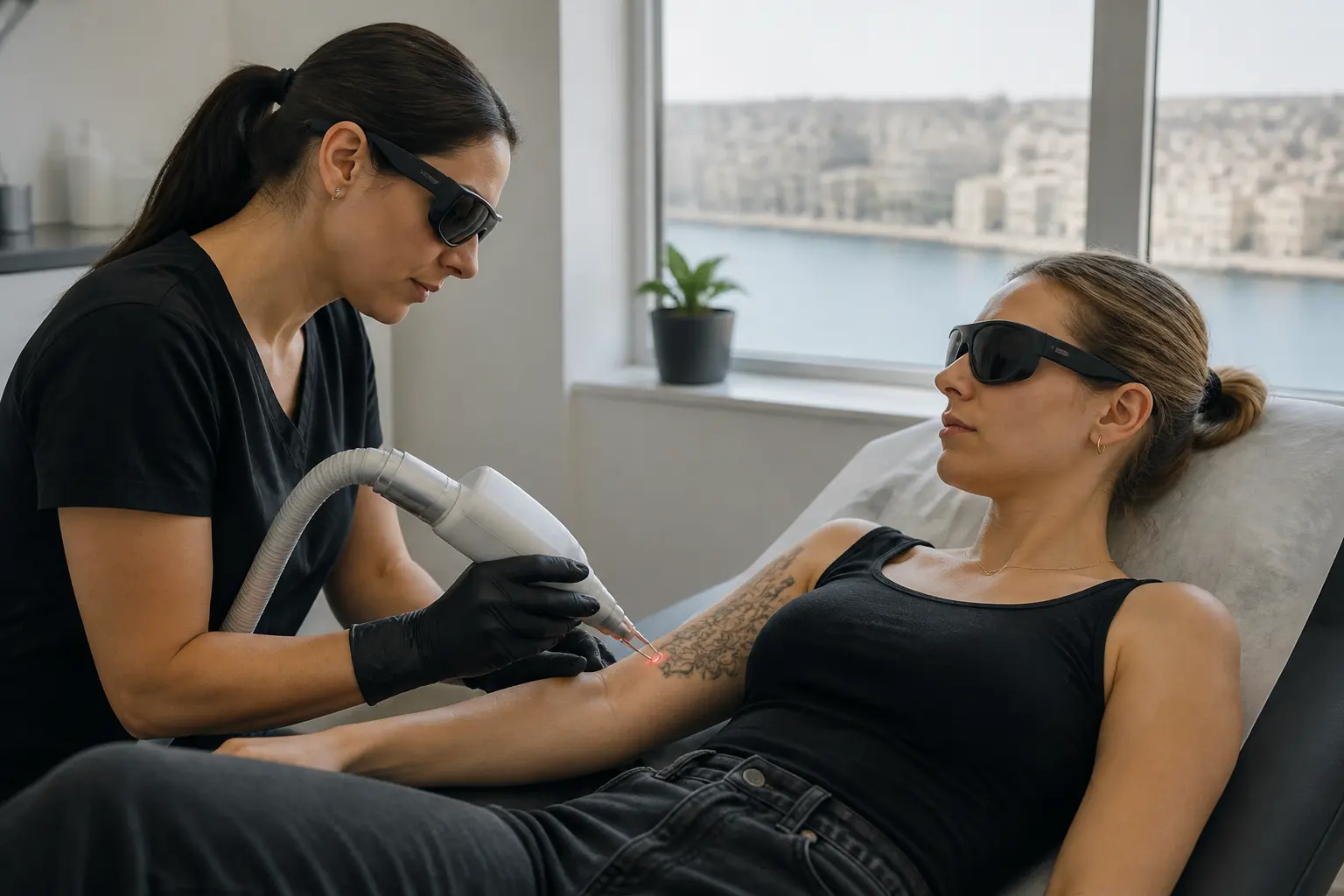
Laser fading before a cover-up is not always required, but it can give your tattoo artist a lighter base when the existing ink is dark, dense or high-contrast. Ask whether partial fading is enough, how the tattoo’s colours may respond, how many sessions and how much recovery time to allow, and involve the tattoo artist early. At BeCammo, laser tattoo removal is available only at the Sliema studio.
A tattoo cover-up can be an exciting fresh start, whether you have outgrown an old design, want to rework a name or simply prefer a different style. But before booking the new tattoo, it is worth asking one practical question: would lightening the existing ink first give your tattoo artist more creative freedom?
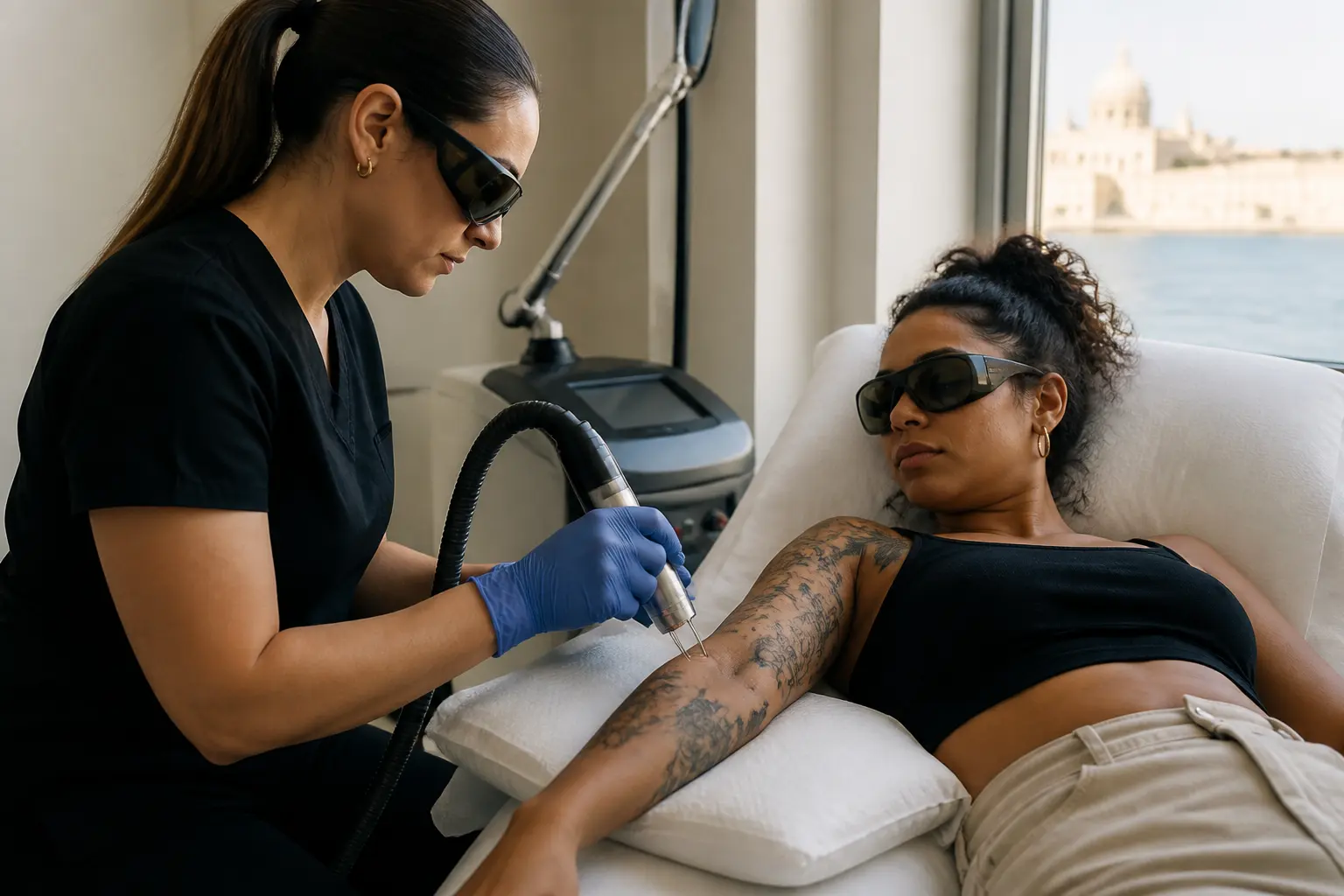
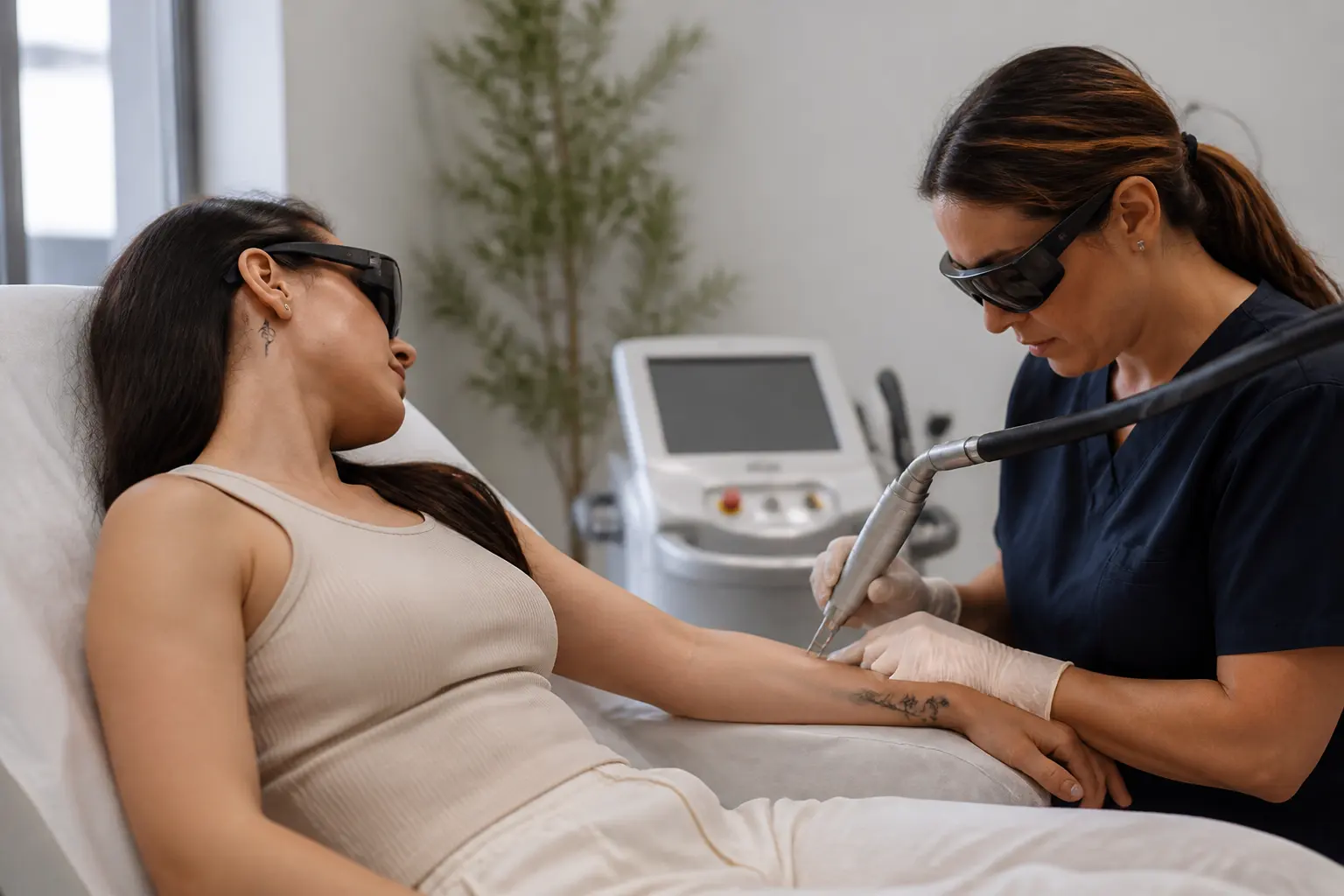
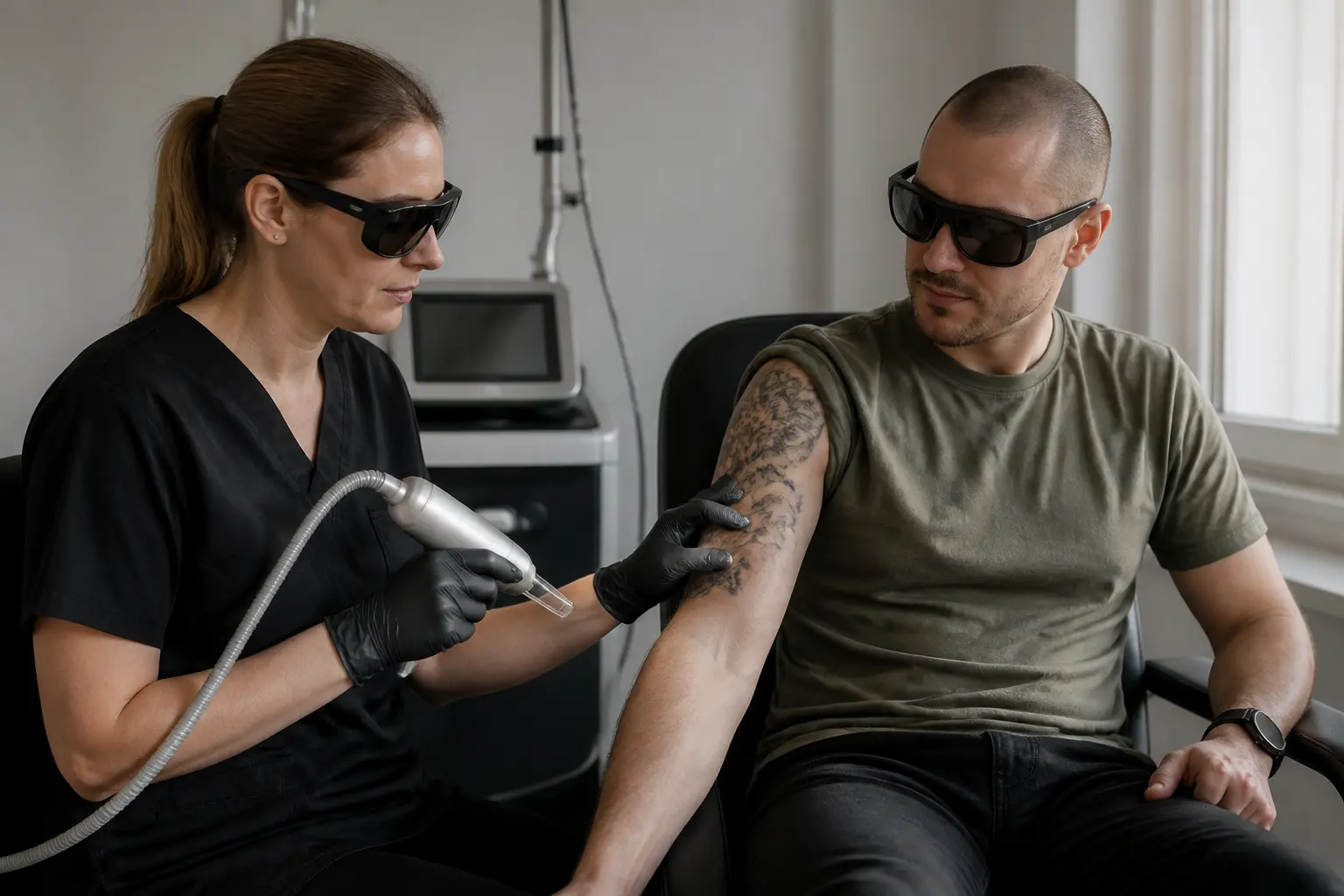
Laser tattoo removal is not only an option for people seeking complete removal. In some cases, it may be used to fade an existing tattoo so that a cover-up artist has a lighter, less visually dominant base to work with. The right approach depends on the tattoo’s colours, density, location, your skin’s response and the design you hope to place over it.
If you are considering laser tattoo removal before a cover-up, start with a consultation and a realistic plan. At BeCammo, laser tattoo removal is available exclusively at the Sliema studio, where an individual assessment can help you discuss your next steps.
Why consider laser fading before a cover-up?
A cover-up does not always require laser work. Skilled tattoo artists can redesign or mask many existing tattoos, particularly when the original design is small, already faded or easy to incorporate into a larger composition. However, a very dark, dense or high-contrast tattoo may limit the colours, placement and style available for the new piece.
Fading can reduce that visual weight. Rather than trying to make the old tattoo disappear completely, the aim may be to create a more flexible canvas for the artist designing the cover-up. This can be especially relevant when you would prefer lighter elements, finer detail or a design that does not need to become substantially larger simply to conceal the original ink.
It is important to keep expectations measured. Laser treatment breaks tattoo pigment into smaller particles, which the body clears over time. It is usually a process involving more than one session, with time between appointments for the skin to recover. The number of sessions and degree of fading vary from one tattoo to another. The US Food and Drug Administration explains that tattoo size, colours and other tattoo-specific factors influence the process, and that complete removal may not always be possible.
Question 1: Is fading enough for my cover-up goal?
This is the most useful place to begin. You may not need to pursue full removal if your actual goal is a new tattoo. Ask yourself what you want the cover-up artist to be able to create:
- Would you like a lighter-coloured design?
- Do you want to avoid a very large or very dark cover-up?
- Is there a particular style, such as fine-line work, florals or a softer design, that you hope to achieve?
- Do you want the new tattoo in exactly the same place, or are you open to expanding the placement?
Bring these ideas to both conversations: the tattoo-removal consultation and your discussion with the tattoo artist. A cover-up artist can explain the creative limitations of the existing tattoo, while the laser consultation can focus on whether fading may be suitable and how the ink may respond.
Think in terms of a target rather than a fixed session number. For one person, a modest reduction in darkness may be enough. For another, particularly where the original piece contains heavy blackwork or sits in a prominent area, more fading may be needed before the planned design feels feasible.
At BeCammo · Sliema
Laser tattoo removal in Malta
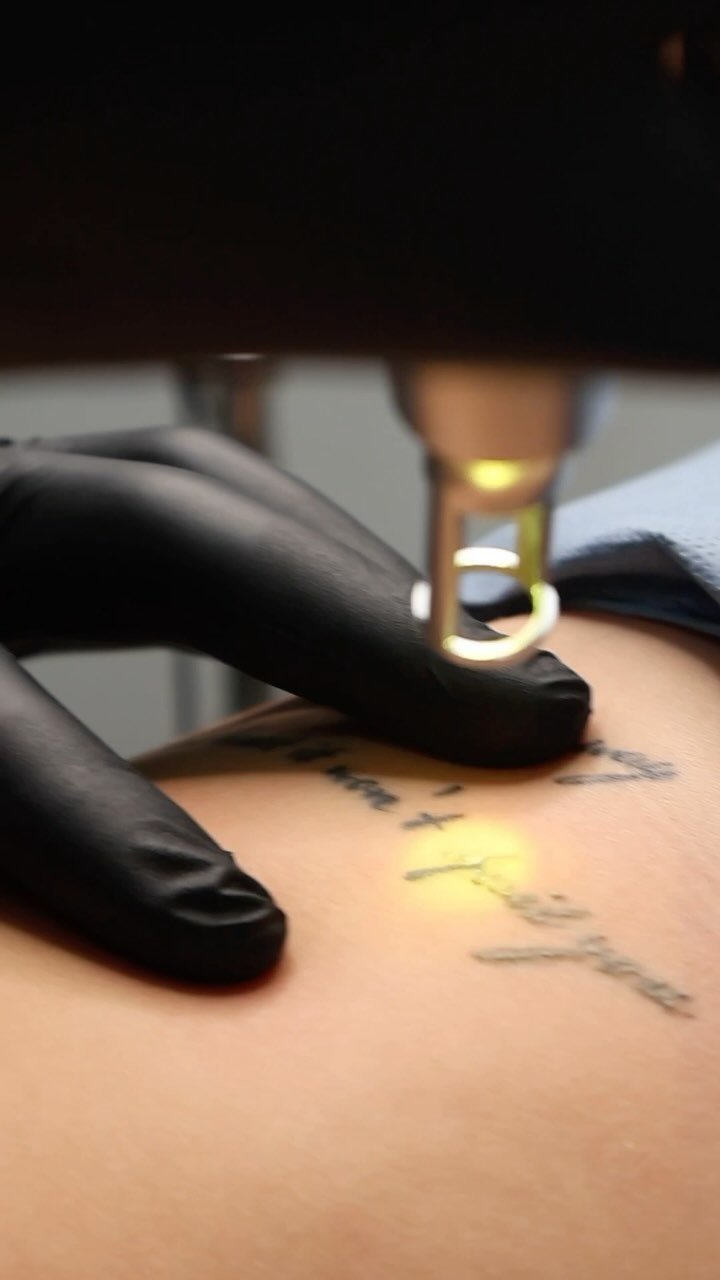
Fade or remove unwanted tattoos and old microblading at our Sliema salon.
- from €50price
- Sliemawhere
- ★ 5.0460+ Google reviews
Question 2: What do the tattoo’s colours and layers mean for removal?
Not all tattoo inks respond in the same way. Dark blue and black inks are often more straightforward to target than colours such as green, red and yellow. Multi-coloured tattoos may need a different approach from a single-colour design, and the pigment mix is one reason no responsible provider should promise the same outcome for every tattoo.
Some pigments also need especially careful discussion. The FDA notes that white, flesh-coloured and certain permanent-make-up pigments can oxidise and darken when exposed to laser treatment. That possibility can affect planning, especially if the tattoo contains highlights, camouflage shades or cosmetic-style pigments. Read the FDA’s overview of tattoo-removal options and results for more detail on why ink colour matters.
Ask the provider to assess:
- the visible colours and how saturated they appear;
- whether the tattoo has been covered, reworked or touched up before;
- how dense the ink is in different areas;
- whether the design includes white, pale or flesh-toned pigment;
- the age and location of the tattoo; and
- the difference between reducing contrast and aiming for full clearance.
If you have photographs from when the tattoo was new, they can sometimes help explain colours or details that have changed as the tattoo has aged. They are not essential, but they can be useful context.
Question 3: How many sessions might I need before seeing my tattoo artist?
The honest answer is that the number of sessions cannot be decided accurately from a photo alone or reduced to one universal formula. A laser can only address part of the pigment load at each appointment, and the skin needs recovery time between sessions. This means cover-up planning usually requires patience.
A consultation should give you a personalised indication based on the tattoo and your desired level of fading. It should also make clear that progress is assessed over time. A tattoo may appear lighter after a session, but the visible change and the eventual readiness for a cover-up need to be judged with healed skin, not immediately after treatment.
Ask these specific questions:
- What level of fading would be a realistic initial goal for this tattoo?
- How will we review progress before deciding whether to continue?
- How much recovery time should I allow between appointments?
- When should I speak to my tattoo artist again about the cover-up design?
- How long should the skin be fully settled before new tattooing is considered?
Do not schedule the cover-up around an assumed date before you have had the assessment. It is better to leave room in your plans than to rush skin recovery or commit to a tattoo appointment before the area is ready.
Question 5: What does recovery look like between sessions?
Cover-up planning needs to include downtime and aftercare, not only the appointment itself. Redness, tenderness, swelling or blistering can occur after laser tattoo removal. There is also a risk of temporary or longer-lasting changes in skin colour, scarring or infection, which is why following individual aftercare guidance matters. The FDA outlines these potential effects and risks.
Ask the provider exactly how to care for the area after your session, when normal activities can resume and what signs mean you should get in touch. Protecting the treated area from sun exposure is a particularly important part of planning, especially in Malta where sunny days and beach plans can be frequent.
For a cover-up, the key principle is simple: new tattooing should not be rushed onto skin that is still recovering. Your laser provider and tattoo artist may have different roles, but both need the area to be properly healed before the next stage.
Question 6: Who will design the cover-up, and when should they be involved?
Laser fading and tattoo design are connected, but they are not the same service. The laser provider assesses the existing tattoo and discusses the fading process. Your tattoo artist decides how to use the lighter base, existing lines and available space in a new composition.
Where possible, involve the tattoo artist early. You do not need a final drawing before your first laser consultation, but having a general direction is helpful. Explain whether you want to retain part of the existing tattoo, cover it fully or transform it into something related but different.
Good questions for a tattoo artist include:
- Would fading change the styles or colours you can use?
- Which areas need the most lightening?
- Would partial fading be enough, or would the original outline still influence the new design?
- What size and placement would give the cover-up room to work?
- At what stage would you like to review the healed result?
This collaborative planning can prevent unnecessary sessions and help you make decisions based on the design you actually want, rather than a vague idea of removing as much ink as possible.
Question 7: What should I avoid before choosing laser removal?
Be cautious of quick-fix claims. Tattoo-removal creams, acids, home kits and abrasive methods may sound convenient, but they do not offer a reliable way to reach pigment located deeper in the skin. The FDA states that it has not approved tattoo-removal creams or DIY removal kits and warns that they may lead to rashes, burns or scars. Its guidance explains why professional assessment is the safer starting point.
It is also wise to avoid making a cover-up decision based only on a single before-and-after image online. Tattoos differ widely in ink, placement, skin tone, age and previous work. Use images as inspiration for your design conversation, not as a promise that your tattoo will fade in the same way.
What should you bring to your consultation?
Before booking, save or write down the information that will make the discussion more productive:
- clear photographs of the tattoo in natural light;
- the approximate date it was done and whether it has been retouched;
- any knowledge you have of the inks or colours used;
- examples of the cover-up style you are considering;
- your preferred timeline, including holidays, sun exposure and major events;
- relevant skin history, medications and previous reactions; and
- questions about recovery, follow-up and when to involve your tattoo artist.
Most importantly, give yourself permission to take the process one stage at a time. A cover-up is a creative decision, while laser fading is a gradual preparation process. Starting with a clear conversation makes it easier to decide whether laser removal is the right part of your plan.
Conclusion
Laser tattoo removal before a cover-up may offer more options, but it is not an automatic requirement and it is not a one-size-fits-all process. The best starting point is an assessment of the tattoo you have, the design you want next and the level of fading that may be appropriate for that goal.
If you are considering a cover-up and would like to explore whether laser fading could be part of your plan, book a consultation for laser tattoo removal at BeCammo’s Sliema studio. Come prepared with your tattoo history and design ideas, and allow the plan to be guided by your individual assessment and skin recovery.
Frequently asked questions
Do I need complete tattoo removal before a cover-up?
No. Some cover-ups may only need partial fading, while others can be designed without laser treatment at all. The right goal depends on the darkness and style of the original tattoo, plus the new design you want.
Can laser removal make a cover-up tattoo smaller or lighter?
It may give the tattoo artist more flexibility by reducing the visual strength of existing ink. Whether that translates into a smaller, lighter or more detailed cover-up depends on the tattoo’s response and the artist’s design assessment.
How soon after laser removal can I get a cover-up tattoo?
The area needs to be fully healed before new tattooing is considered. Timing should be discussed with your laser provider and tattoo artist, based on how your skin has recovered after the final session.
Are all tattoo colours equally easy to fade?
No. Dark blue and black pigments often respond differently from colours such as green, red and yellow. White, flesh-toned and some cosmetic pigments require particularly careful assessment because they can behave unpredictably with laser treatment.
Can I use a tattoo-removal cream before deciding on laser treatment?
It is best to avoid DIY tattoo-removal products. The FDA does not approve tattoo-removal creams or home kits and warns that they may cause skin damage without reaching the deeper tattoo pigment.
Where can I book laser tattoo removal in Malta?
BeCammo offers laser tattoo removal exclusively at its Sliema location. A consultation is the appropriate first step if you are considering fading an existing tattoo before a future cover-up.