People remove tattoos because their style has changed, the design marks a past relationship or life chapter, they are preparing for a cover-up, the result or fading disappointed them, or career and visibility preferences have shifted. Laser removal is gradual, needs multiple sessions and cannot promise complete clearance in every case. Removal creams and DIY kits are not approved and may cause burns or scarring.
A tattoo can mark a person, a memory, a creative phase or simply a moment in time. It can also reach a point where it no longer feels right. Choosing tattoo removal is deeply personal, and it does not have to mean regretting who you were when you got the tattoo.
Some people want a clean space for new artwork. Others feel that an old design no longer reflects their style, career, relationships or everyday life. There are also practical reasons, such as an uneven result, fading, or a tattoo placed somewhere they would now prefer to keep clear.
Whatever brings you to the decision, it helps to approach removal with patience and realistic expectations. Laser tattoo removal is a gradual process, not a single appointment. During a professional consultation, factors such as the tattoo’s size, placement, colours, age and your individual skin response should all be considered before planning the next step.
Why do people choose tattoo removal?
There is no single “right” reason to remove a tattoo. In practice, motivations often overlap. A design that once had strong emotional meaning may also no longer suit a person’s current aesthetic. Someone planning a cover-up may also want to reduce the visibility of dense or dark ink first.
The important point is that tattoo removal should be your decision. It is not about following somebody else’s taste, meeting a trend or feeling pressured to erase part of your story. It is about deciding what feels most comfortable for you now.
Your style has changed
Personal style naturally evolves. A tattoo chosen years ago may feel disconnected from the way you dress, present yourself or decorate your body today. This is especially common with small symbols, lettering, fine-line designs and motifs connected to a past trend.
For some clients, removal is about creating a more minimal look. For others, it is simply about having more choice over what remains visible in photographs, at the beach or in daily life. Neither reason is superficial. Feeling at ease in your own skin matters.
The tattoo no longer represents a relationship or life chapter
Names, dates, matching tattoos and symbols associated with a former relationship are widely recognised reasons for seeking removal. The same can apply to friendship tattoos, references to a past identity or artwork chosen during a difficult period.
It is worth giving yourself room to think before booking. Emotions can be intense after a major change, and a consultation can be a useful first step because it lets you discuss the practical side without committing to a full course immediately. Removal can be part of moving forward, but it does not need to be rushed.
You are preparing for a cover-up
Not everyone seeking tattoo removal wants the skin to be completely clear. Sometimes the aim is to lighten selected areas so that a tattoo artist has more flexibility for new artwork. This may be particularly relevant where the existing design is very dark, heavily saturated or larger than the planned cover-up.
The desired level of fading depends on the original tattoo and the future design. It is best to discuss the cover-up idea with the tattoo artist who may create the new work, then bring that context to your removal consultation. A clear shared plan can help you understand whether partial lightening may be appropriate.
You are unhappy with the original result
A tattoo may not have healed, aged or looked as expected. Perhaps the lines blurred over time, the colour changed, the placement feels different from what you imagined, or the final design was not quite what you agreed on.
Feeling disappointed does not make you vain or difficult. It simply means the outcome is not working for you. A professional assessment can help set realistic expectations about how the tattoo may respond to laser sessions and what practical options may be available.
The tattoo has faded unevenly
All tattoos age differently. Sun exposure, friction, skin changes, ink colour and the original application can affect how a tattoo looks over the years. Some tattoos become softer in a way that people enjoy. Others fade patchily or lose definition, which can make a once-loved design feel untidy.
Removal may be considered when a tattoo no longer looks intentional. In some cases, the goal is full removal. In others, it may be about reducing old ink before choosing a refreshed design. Your consultation should focus on your actual goal rather than assuming one approach works for every tattoo.
Career, lifestyle or visibility preferences have changed
Attitudes towards tattoos have changed in many workplaces, but personal comfort still varies. A person may be entering a new professional environment, preparing for formal events, changing careers or simply deciding they prefer not to have a visible tattoo on their hands, neck, face or lower arms.
This decision does not have to be driven by external judgement. Sometimes it is a quiet preference for flexibility. You may like the idea of choosing when a tattoo is visible, or of no longer explaining a design to strangers. That is a valid reason to explore removal.
You want to simplify a collection of tattoos
People who have collected tattoos over many years sometimes decide that certain pieces no longer fit with the overall look of their body art. They may want to create more visual space, remove a small filler design or make room for a future piece that feels more considered.
This is another situation where removal is not necessarily about rejecting tattoos altogether. It can be part of curating them more intentionally. If you are considering this route, identify which tattoo matters least to you, what you hope the area will look like afterwards and whether you are aiming for clearing or fading.
What does laser tattoo removal involve?
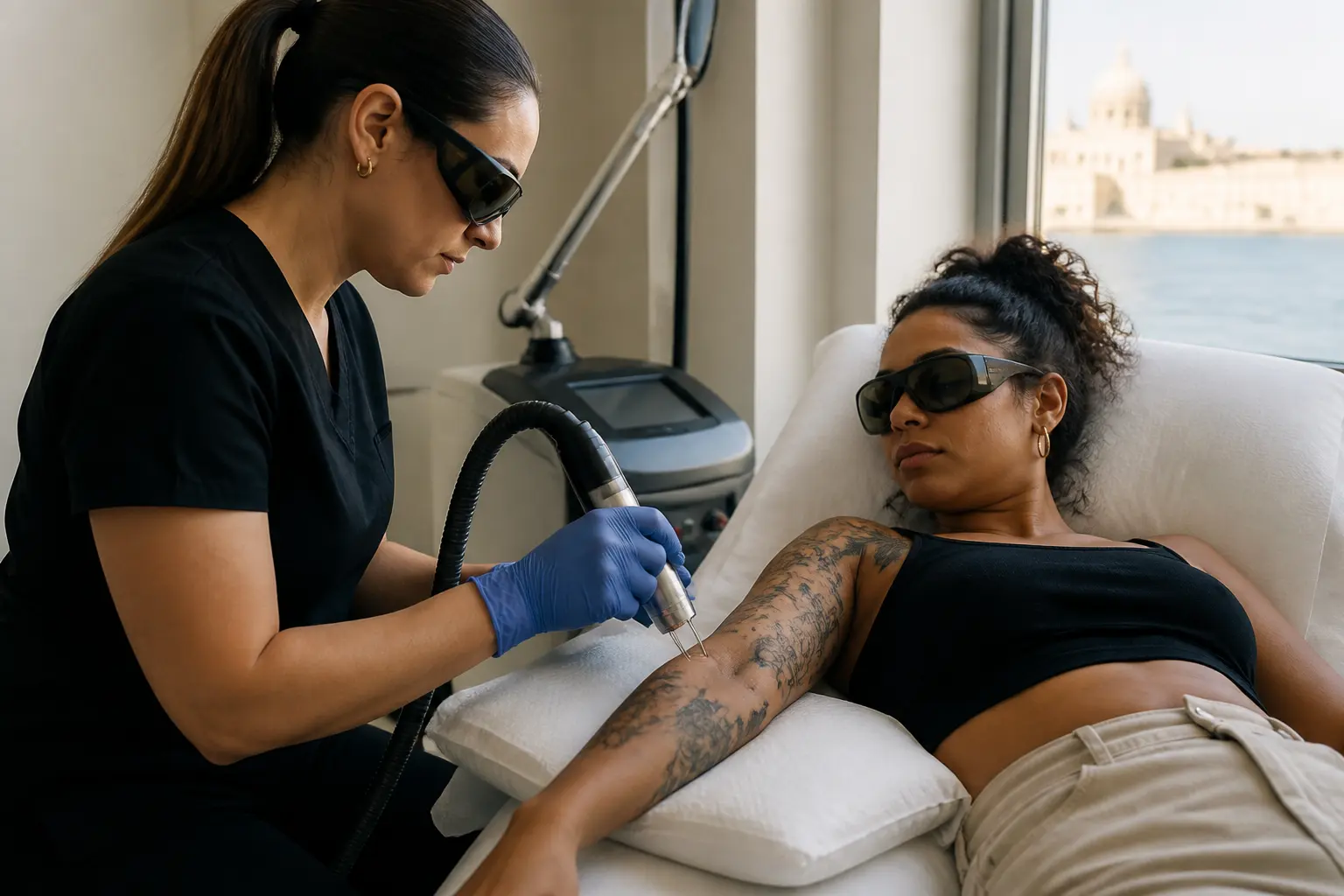
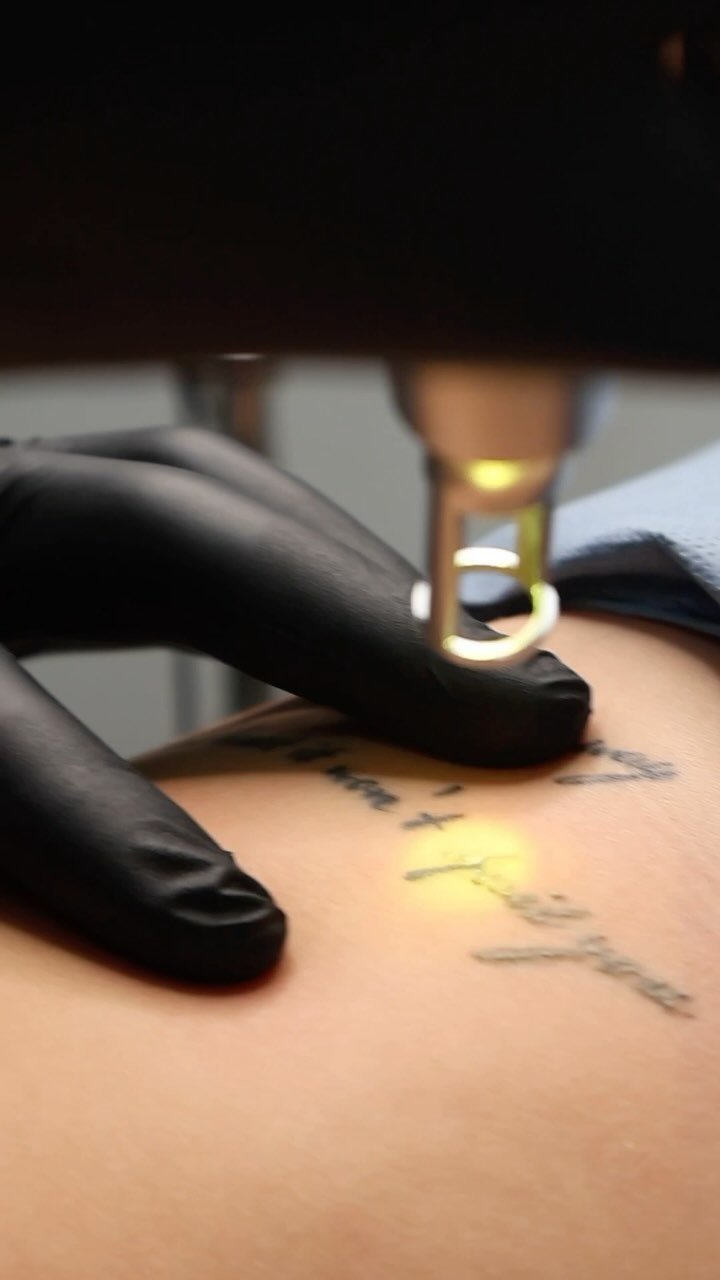
Laser tattoo removal works by directing laser energy at tattoo pigment, breaking the ink into smaller particles that the body clears gradually over time. The FDA’s overview of tattoo removal explains that different ink colours respond differently, and that multiple treatments separated by time are commonly required.

That gradual nature is important. A tattoo sits beneath the skin’s outer layer, so it cannot simply be lifted away in one visit. The number of sessions and the response seen over time can vary according to factors including:
- the tattoo’s size and location
- the depth and density of the ink
- the colours used
- whether the tattoo was professionally applied or homemade
- the tattoo’s age
- your skin and healing response
- the goal, whether full removal or preparation for a cover-up.
Darker inks can behave differently from lighter or more complex colours. The FDA notes that some shades, including green, red and yellow, can be more challenging to remove than dark blue or black ink. Complete removal cannot be promised in every case, which is why a straightforward consultation matters before treatment begins.
At BeCammo · Sliema
Laser tattoo removal in Malta
Fade or remove unwanted tattoos and old microblading at our Sliema salon.
- from €50price
- Sliemawhere
- ★ 5.0460+ Google reviews
Why does a consultation matter before you decide?
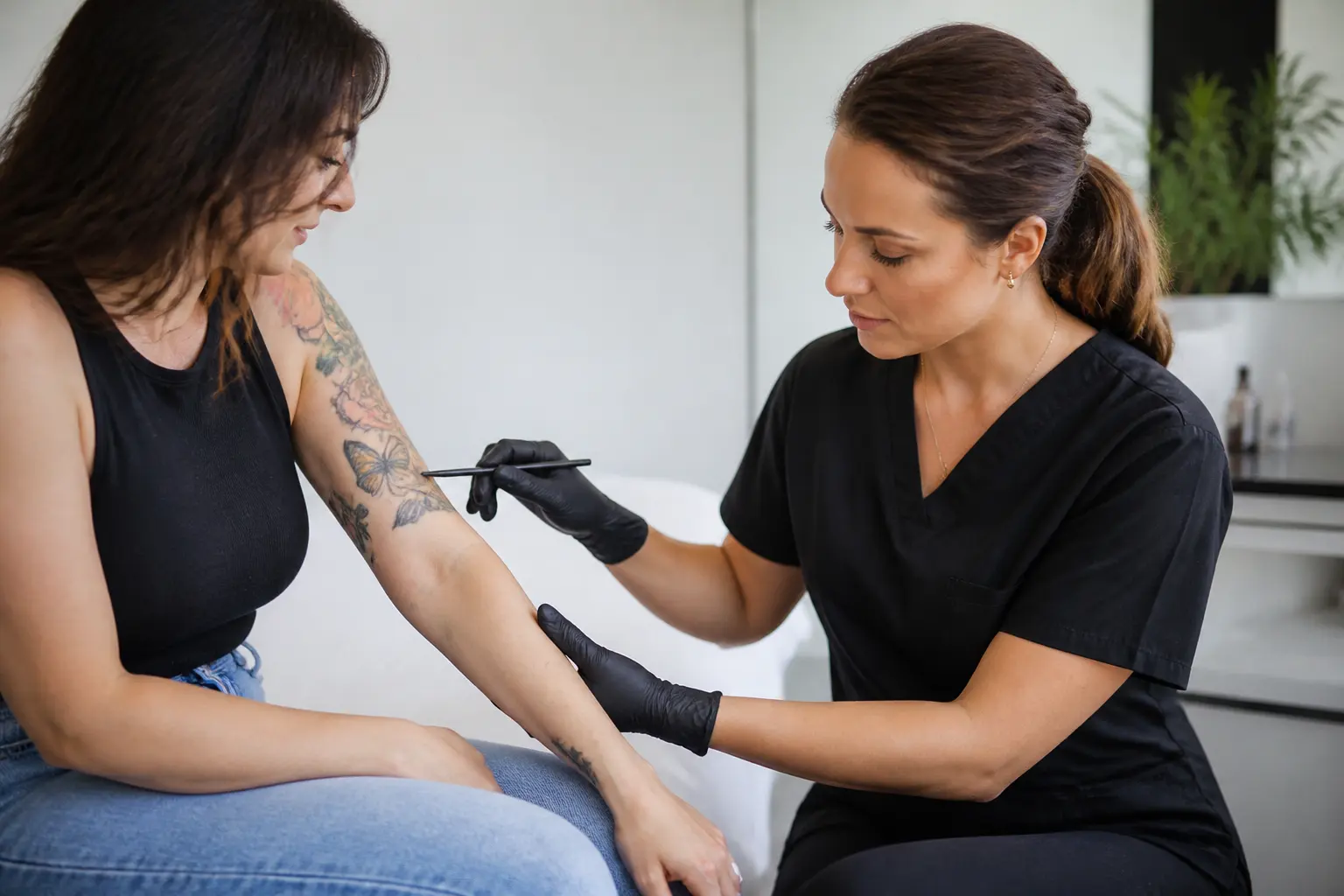
A consultation is not just a formality. It is the time to make sure your expectations are informed, your questions are heard and the tattoo is assessed properly. The American Academy of Dermatology highlights that factors such as tattoo age, ink depth, colours, location, health and medication can all matter when considering laser removal.
At a professional studio, the conversation should be clear and practical. You can explain why you are considering removal, whether you would like to remove the tattoo fully or fade it for a cover-up, and what timeline you have in mind. If you have an important holiday, wedding, photo shoot or period of high sun exposure planned, mention it early.
You should also feel comfortable asking questions. Useful questions include:
- Is full removal or partial fading the more realistic aim for this tattoo?
- What features of my tattoo could affect the process?
- How should I prepare before my appointment?
- What might the skin look and feel like after a session?
- How should I protect the area between sessions?
- When should I seek additional medical advice about my skin or health history?
A good consultation does not pressure you to start immediately. It gives you the information you need to decide at your own pace.
What should you expect from discomfort and healing?
Laser tattoo removal can be uncomfortable. It is better to acknowledge that honestly than to expect a completely sensation-free experience. The feeling and level of sensitivity can vary depending on the tattoo’s location, size and the individual. Ask in advance how comfort is approached during your appointment and follow the aftercare guidance you are given.
After a session, the area needs time to settle and heal. Redness, soreness, swelling and temporary blistering can occur. The FDA also notes potential risks including infection, scarring and changes in skin colour. These possibilities are exactly why it is important to follow professional aftercare advice, avoid picking at the treated area and raise concerns promptly if something does not seem right.
Sun exposure deserves particular attention in Malta. Strong sunshine is part of everyday life for much of the year, yet treated skin should be protected carefully. Plan ahead if your tattoo is in an area that is usually exposed, such as the shoulder, forearm, ankle or upper back. Your practitioner can advise you on timing and protection around your sessions.
Why is DIY tattoo removal not a shortcut?
When people feel eager to remove a tattoo, online creams, acids and home remedies can appear tempting. They are not a reliable shortcut. The FDA states that it has not approved tattoo removal creams, ointments or do-it-yourself kits, and notes that these products may cause rashes, burns or scarring without reaching pigment located deeper in the skin.
Avoid trying to scrub, burn, peel or abrade a tattoo at home. The appearance of the tattoo may be frustrating, but damaging the skin can create a more difficult situation to manage. If your goal is a safer, considered change, start with a professional conversation rather than an internet remedy.
Choosing removal for yourself
People remove tattoos for many reasons: style changes, a new beginning, an unwanted result, a cover-up plan or a preference for clearer skin. None of these needs defending. What matters is that you understand the process and choose a route that respects both your goal and your skin.
If you are considering tattoo removal in Malta, BeCammo offers laser tattoo removal at its Sliema location. Booking a consultation is a sensible way to discuss your tattoo, ask practical questions and understand what may be realistic before beginning. Take your time, bring any cover-up ideas you have, and make a decision that feels right for you.
Frequently asked questions
Is it normal to want a tattoo removed years after getting it?
Yes. Tastes, relationships, careers and priorities can all change over time. Wanting a tattoo removed does not mean the original choice was wrong. It may simply no longer suit the person you are now.
Can laser tattoo removal erase every tattoo completely?
Not always. Results vary according to the ink, colours, placement, tattoo depth and individual response. A consultation is the best place to discuss whether full removal or partial fading is a more realistic goal.
Can I remove a tattoo so I can get a cover-up?
Yes, partial fading may be considered when you want to create more flexibility for new artwork. Speak with your future tattoo artist as well as your removal practitioner so that the plan reflects the design you hope to have next.
How many laser tattoo removal sessions will I need?
There is no single number for every tattoo. Multiple sessions are generally needed, with time between appointments for the skin to heal. The number can vary substantially, so avoid anyone who promises an exact outcome before assessing the tattoo.
Are tattoo removal creams a good alternative to laser sessions?
No. According to the FDA, tattoo removal creams and DIY kits are not approved for tattoo removal and may cause skin irritation, burns or scarring. A professional consultation is the safer starting point.