How Eyebrow Threading Can Be Planned Around Different Eye Shapes
Brenda Cammo Team
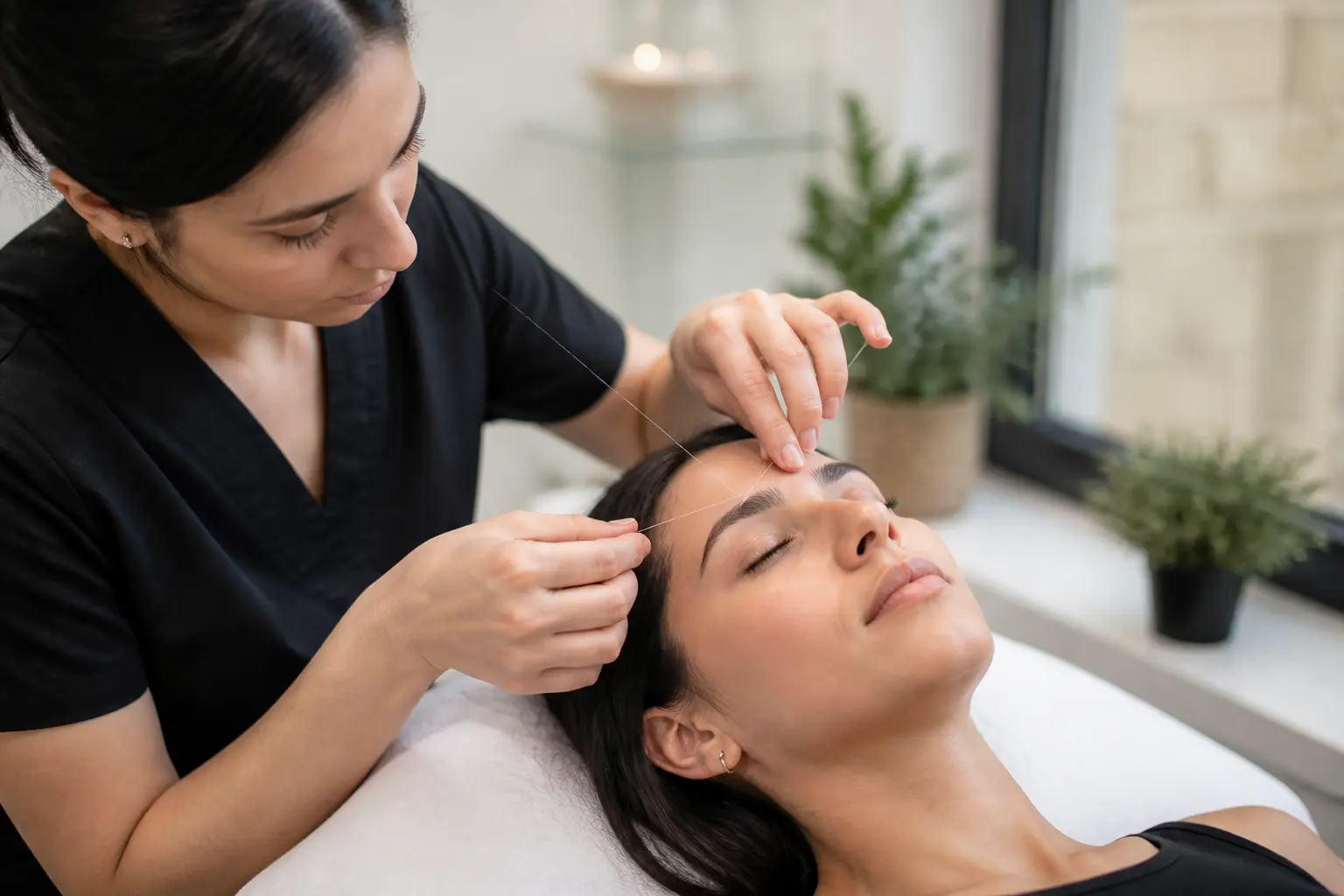
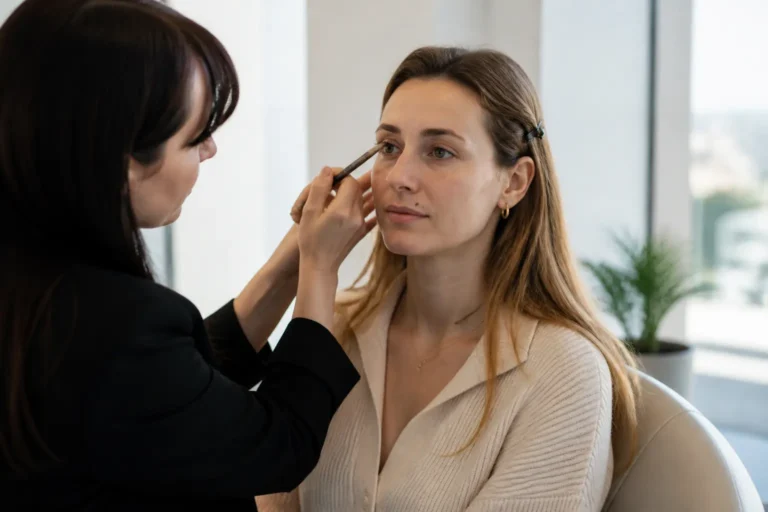
Your eyebrows do not sit separately from the rest of your face. Their starting point, fullness, direction and level of tidiness can all influence how open, balanced or defined the eye area appears. That is why an eyebrow threading appointment should begin with more than a quick tidy-up: it should consider your natural brow growth alongside your eye area, facial proportions and everyday style.
For people with hooded, deep-set or prominent eyes, this does not mean there is one correct brow shape to request. These are simply different eye characteristics, and each person’s brows, bone structure, make-up preferences and comfort with maintenance will be different. A thoughtful threading plan can work with those features rather than trying to disguise or standardise them.
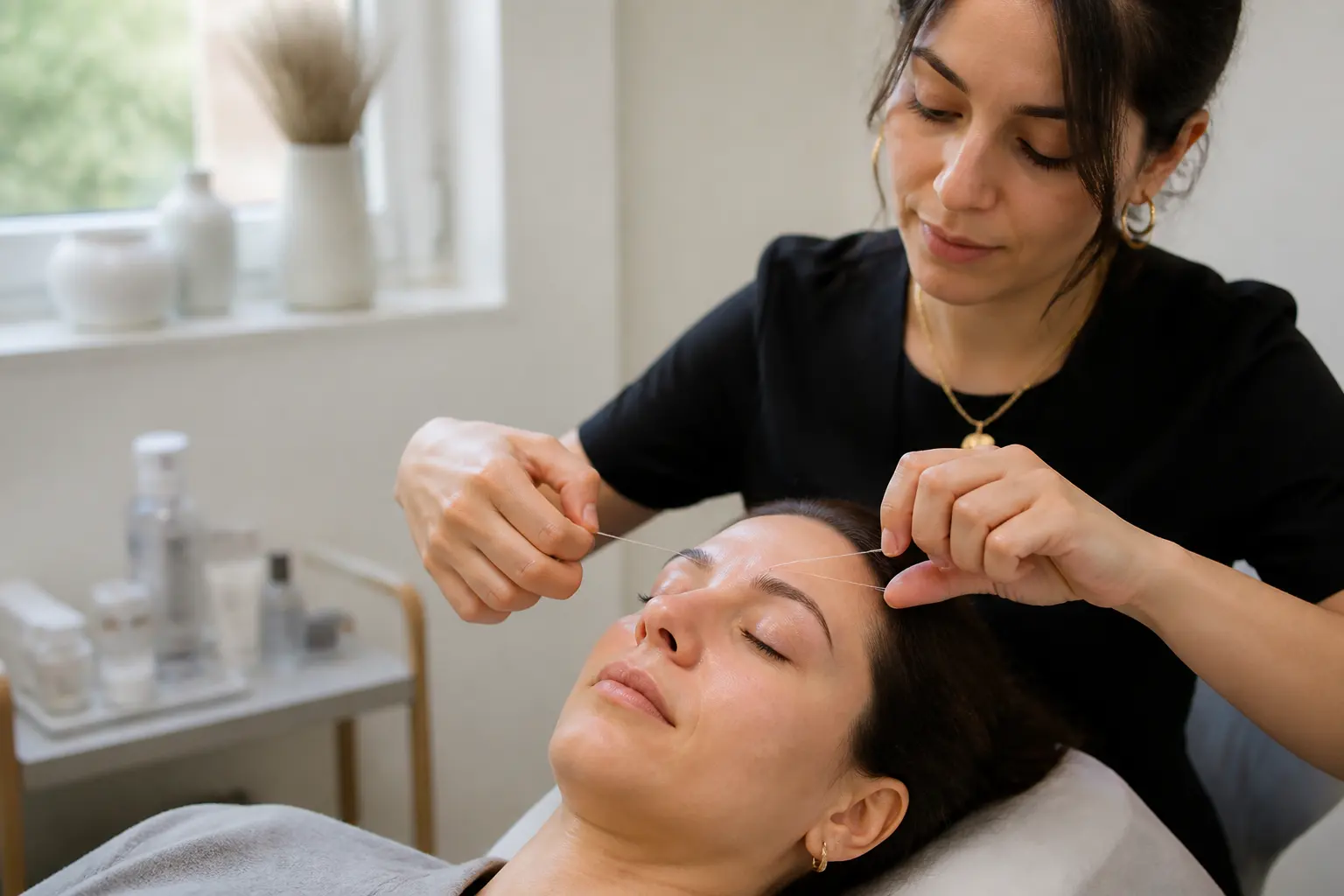
At a personalised brow appointment, the aim is usually to remove unwanted hair with precision while protecting the brow density and shape that suit you. Threading can be especially useful for this kind of detailed work because the artist can focus on individual areas of regrowth rather than taking a broad approach to the whole brow.
Why eye area matters in an eyebrow threading consultation
Eyebrow design is often discussed in terms of arches, thickness and symmetry. Those details matter, but the eye area also affects how the overall design reads. A brow that feels balanced on one face may look too sharp, too distant or too heavy on another if the relationship between brow and eye is not considered.
During a consultation, an experienced brow artist can look at the natural placement of your brows in relation to your eyes. This may include:
- the amount of visible space between the brow and upper eyelid;
- where the brow naturally begins and ends;
- the highest point already present in the brow;
- hair density through the front, middle and tail;
- whether one brow grows differently from the other;
- how you usually wear eye make-up, glasses or contact lenses; and
- how much definition you would like to maintain between appointments.
The purpose is not to redraw your face. It is to make careful choices about which hairs can be removed, which hairs are worth keeping and where a very small adjustment may create a cleaner overall frame.
First, a helpful distinction: eye features are not problems to fix
Hooded, deep-set and prominent eyes are normal facial characteristics. They can also overlap: for example, someone may have a gently hooded lid and eyes that sit more deeply in the socket. Lighting, facial expression and make-up can change how these features appear from day to day as well.
A brow design conversation should therefore avoid rigid rules such as “this eye shape must have this arch”. Over-removing hair to follow a trend can make future shaping more difficult, especially when the natural brow is fine, sparse or being grown out.
A better approach is to identify your priority. You may want a softer outline, a neater tail, more breathing room around the brow, less emphasis on a downward-growing section, or simply a tidy shape that still feels like you. Those goals give the threading plan a useful direction.
Planning threading around hooded eyes
With hooded eyes, the upper lid crease may be less visible when the eye is open because skin folds over or close to the crease. This can make the space between the lashes and brow feel visually compact for some people, although every face is different.
When planning threading around hooded eyes, the consultation may focus on preserving a brow shape that looks considered when your face is relaxed and your eyes are open. The artist may assess whether excess hair directly underneath the brow is making the area look less tidy, while being careful not to remove so much that the brow becomes overly thin.
Details that may be discussed
- Keeping a natural brow thickness: A very slim brow is not automatically more flattering. Preserving enough density can help the brow remain visible and balanced against the rest of the face.
- Creating a controlled underside: Selective threading below the brow can make its natural line easier to see, but the amount removed should reflect your existing hair growth and preferred finish.
- A gentle rather than exaggerated arch: If the brow already has a soft lift, refining it may be enough. Trying to force a high arch where it does not naturally grow can create an unfamiliar or high-maintenance result.
- Considering the tail: A tail that extends too far down can sometimes make the outer brow look heavier. Rather than changing it dramatically, a threading plan can tidy surrounding regrowth and retain the strongest natural line.
If you wear eye make-up regularly, mention this during the appointment. The way you place eyeliner, eyeshadow or mascara can influence whether you prefer a more polished brow outline or a softer, fuller finish.
Planning threading around deep-set eyes
Deep-set eyes sit further back within the eye socket, often creating a more pronounced brow bone or shadow around the upper eye area. The eyebrow can therefore have a strong visual relationship with the eye, particularly when the brow itself is dense or naturally low.
For deep-set eyes, a threading plan may be less about adding drama and more about preventing unnecessary heaviness. That does not mean thinning a full brow as a default. Full brows can look striking and balanced. Instead, the artist can look for uneven regrowth, stray hairs that interrupt the lower edge and areas where the brow’s natural shape is being hidden.
What a personalised design may consider
- Definition without over-sharpening: A clean outline can make a full brow appear more intentional, but an extremely hard edge may not suit someone who prefers a natural everyday look.
- Maintaining a balanced front: Removing too much from the inner brow can leave the face looking less framed. The front should usually be assessed carefully rather than aggressively cleared.
- Respecting the existing arch: The brow bone and natural hair pattern can guide where the arch looks most believable. Threading can refine that area without manufacturing a completely different shape.
- Managing density selectively: If there are hairs above, below or between the brows that grow outside the desired shape, threading can target them while protecting the main body of the brow.
People with deep-set eyes sometimes worry that fuller brows will make the eye area look too dark. The right answer depends on the person. Brow density, hair colour, skin tone, make-up habits and facial proportions all matter, so a conservative first appointment is often sensible if you are changing your shape.
Planning threading around prominent eyes
Prominent eyes project more noticeably from the face and can be a beautiful defining feature. In this case, the brow design conversation may centre on proportion and softness. A brow that is heavily carved, very narrow or dramatically angled can draw attention in a particular way, while a softly structured brow may create a different effect.
Neither outcome is inherently better. The decision should come from how you want your brows to look and how much definition feels comfortable for your everyday life.
Areas a brow artist may review
- The strength of the arch: A moderate, naturally placed arch can maintain shape without making the brow feel disconnected from the eye area.
- The start of the brow: A soft, well-kept front can avoid an overly blocky effect, especially if you do not usually fill your brows with make-up.
- Overall width: Brows that are kept too thin may look less in proportion with stronger eye features. Protecting natural fullness is often more practical than repeatedly narrowing the shape.
- The outer edge: Tidying hairs around the tail can help the brow look polished, but the endpoint should follow your facial balance rather than a one-size-fits-all template.
If you enjoy a more defined make-up look, you may choose a slightly clearer brow outline. If your preference is low-maintenance and natural, the appointment can focus on removing only the hairs that sit clearly outside your established shape.
What threading can and cannot change
Threading removes hair. It can clarify the visible outline of the brow, reduce stray growth and support a more considered shape. It does not change your eye position, eyelid structure or bone structure, and it should not be presented as a way to transform them.
What it can do is make the brow area feel more organised. For many people, that means their natural features become easier to appreciate because the brow no longer competes with uneven or overgrown hairs around it.
The most satisfying result is often subtle: you still recognise your brows, but they look cleaner, more balanced and better connected to the way you want to present yourself.
How to prepare for the design conversation
You do not need specialist vocabulary to communicate what you want. A few practical observations can help your brow artist understand your preferences before threading begins.
- Say what you like about your current brows. Perhaps you like their fullness, a straight shape or the softness at the front. This tells the artist what to preserve.
- Explain what feels out of balance. You might feel that one tail looks lower, the middle becomes too bushy, or the brow looks untidy in photographs.
- Mention whether you wear eye make-up. Your usual eyeliner, eyeshadow and brow products can affect the level of definition that feels right for you.
- Bring a reference only as a conversation starter. A photograph can communicate a mood or level of grooming, but another person’s brow shape cannot simply be copied onto your face.
- Share relevant skincare information. If you use active products around the brow area or your skin feels irritated, mention it before the service so the appointment can be planned responsibly.
- Ask for a gradual change if you are unsure. It is usually easier to remove a little more during a future visit than to regrow hairs removed too quickly.
Why a threading plan should change as your brows change
Brows are not static. Growth can vary across the brow, and one side may need more tidying than the other. Seasonal routines, stress, make-up habits and previous over-plucking can also affect the way the shape appears. A design that worked well several months ago may need a small adjustment today.
That is why maintaining a consistent conversation matters more than asking for the same template every time. You may be growing out an over-threaded area, changing your make-up style, wearing glasses more often or simply wanting a softer result. These are all useful details for your brow artist.
Threading appointments can be planned around your natural growth cycle and the level of neatness you prefer. Some clients like regular maintenance, while others prefer to leave more time between appointments. The most suitable rhythm depends on how quickly your hair grows and how much regrowth you are comfortable seeing.
A personalised approach is more useful than a trend-led shape
Trend cycles often favour very slim, very lifted, very fluffy or strongly outlined brows. But a lasting brow plan should start with your own hair, eye area and facial character. The goal is not to make hooded, deep-set or prominent eyes look like someone else’s eyes. It is to create a brow shape that feels balanced, wearable and true to you.
At Becammo, eyebrow threading can be approached as a detailed design service rather than a rushed removal step. By discussing your natural growth, eye area, preferred level of definition and routine, you can make choices that feel considered from the first appointment through to ongoing maintenance.
If you are ready to refine your brow shape, the next step is to book the service that fits your preferred Becammo location and allow time for a proper design conversation before threading begins.
Frequently asked questions
Can threading make hooded eyes look more open?
Threading can tidy the hairs around the brow and make its natural outline clearer, which may change how the brow area is perceived. However, it does not alter eyelid structure. The most appropriate design depends on your natural brow growth, facial proportions and preferred finish.
Should people with deep-set eyes have thinner eyebrows?
Not necessarily. Brow thickness should not be chosen by eye feature alone. A full brow may suit deep-set eyes very well when it is shaped carefully. The priority is usually proportion, tidy placement and preserving enough hair to maintain a natural result.
What brow shape suits prominent eyes?
There is no single shape that suits everyone with prominent eyes. A brow artist can assess your natural arch, density, brow bone and style preferences, then refine the existing shape rather than applying a fixed template.
Can I ask for a softer brow shape during threading?
Yes. Tell your artist that you prefer a soft outline and want to keep natural fullness. This can guide the amount of hair removed and help avoid an overly sharp or heavily sculpted finish.
Should I bring a photo to my eyebrow threading appointment?
A photo can be helpful for showing the level of definition or overall style you like. It works best as inspiration rather than an exact instruction, because eyebrow growth and facial proportions are individual.
How often should I book eyebrow threading?
It varies according to your rate of regrowth and how tidy you like your brows to look. Your brow artist can help you decide on a practical maintenance rhythm after seeing how your hair grows between appointments.