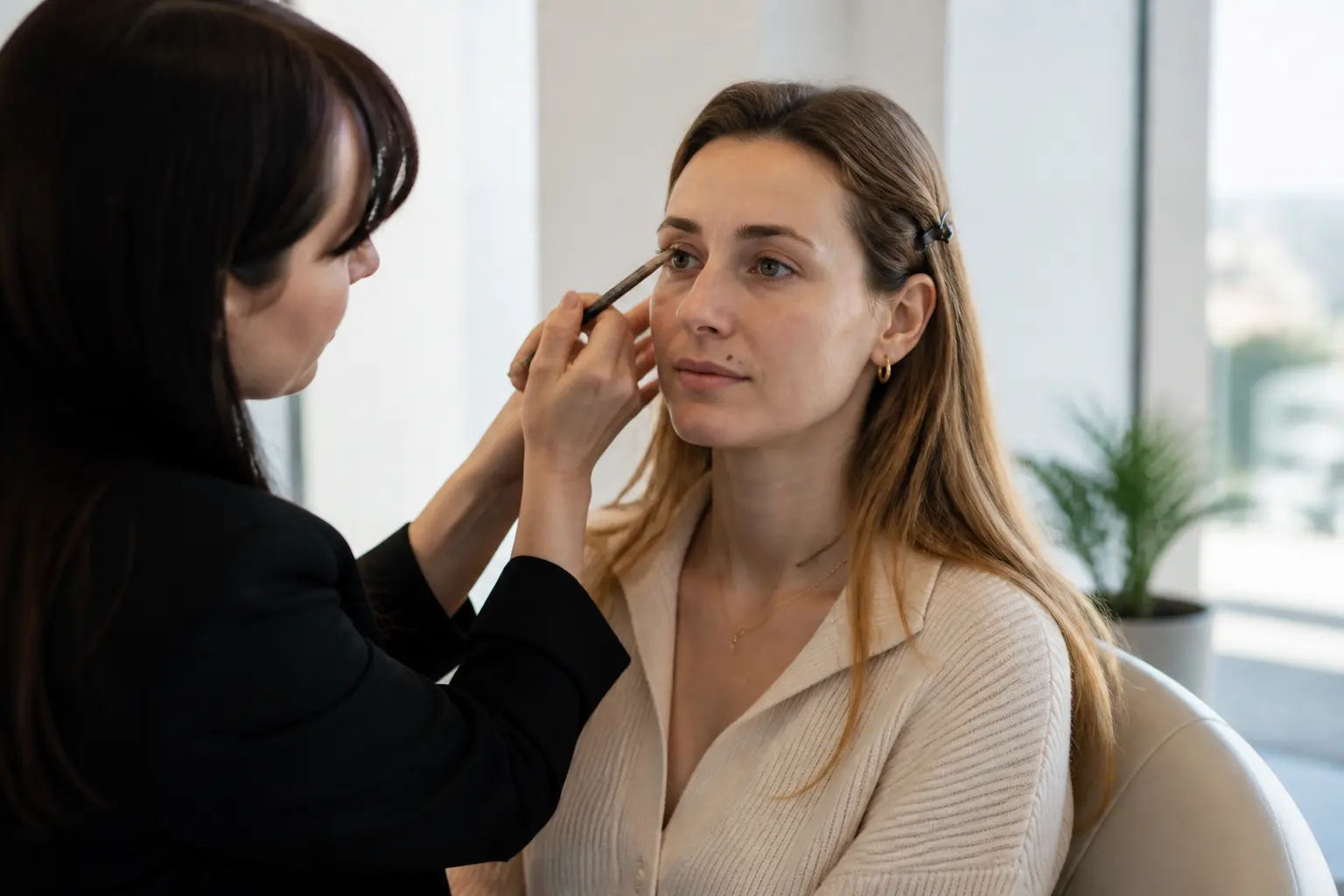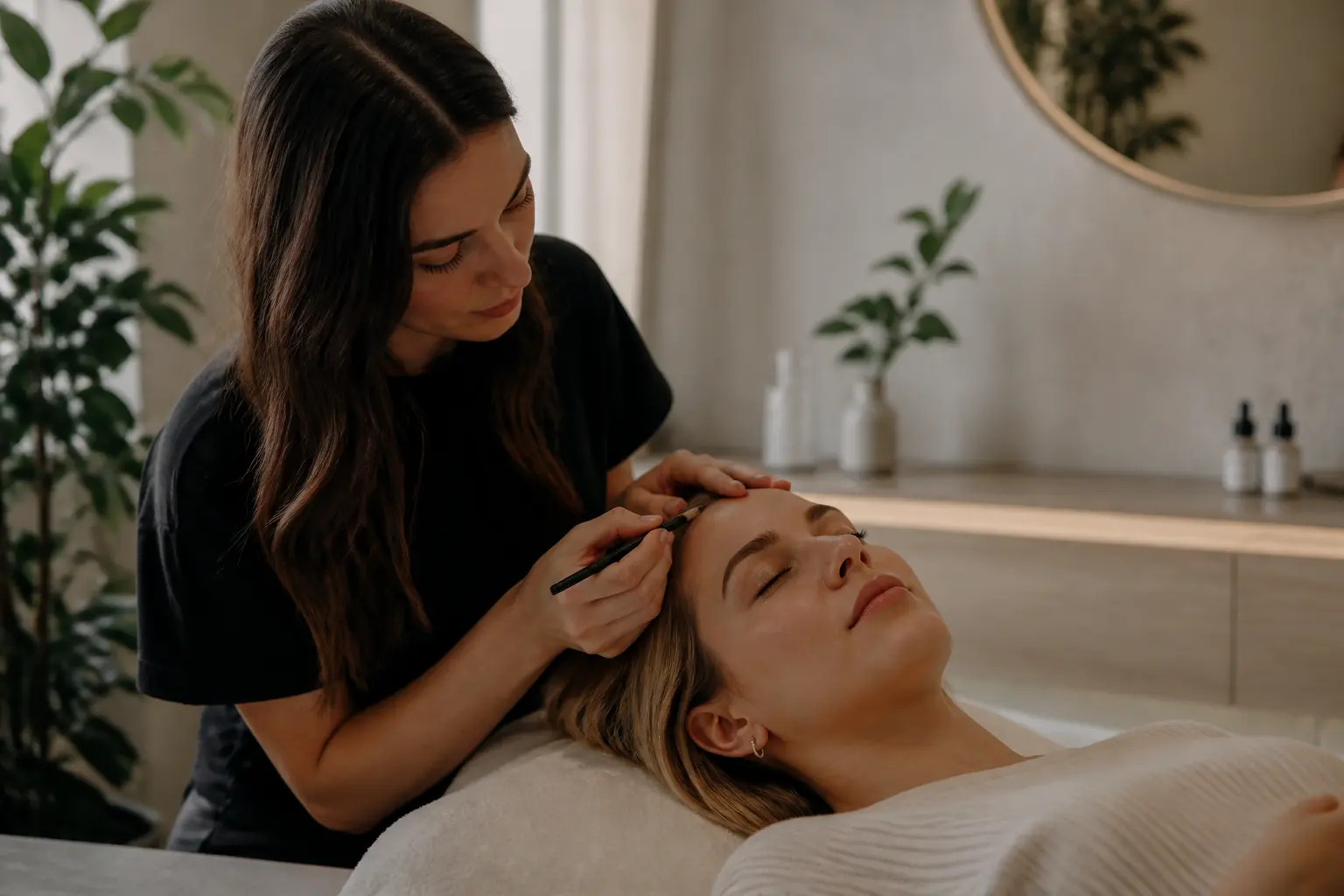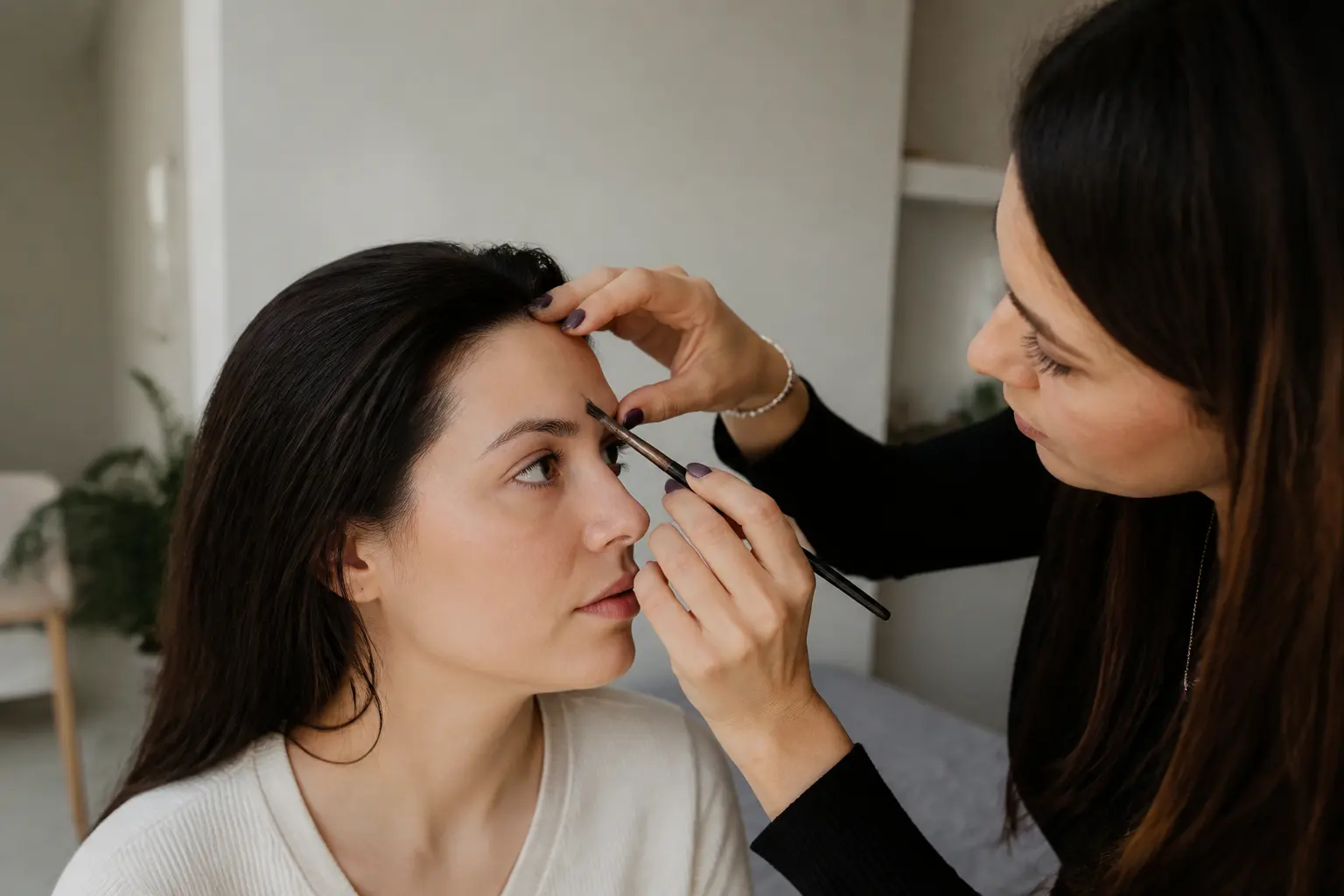
At BeCammo, eyebrow threading uses disposable, single-use thread: cotton is the standard, and polyester is available for clients who are allergic to cotton. If you have a material sensitivity, tell your brow artist what you reacted to, what happened, whether it was diagnosed and how your skin is now. A thread change alone is not a universal answer, so share the full picture.
If you have ever reacted to a beauty product, adhesive, fabric or hair-removal method, it is sensible to raise this before an eyebrow threading appointment. The conversation does not need to be complicated. The key is to explain what you know about your sensitivity, what happened previously and which materials or products were involved.
At BeCammo, eyebrow threading is carried out with disposable, single-use thread: cotton is the standard option, while polyester can be used for clients who are allergic to cotton. This choice is one part of a personalised appointment. Your brow artist also needs to consider your skin’s current condition, the areas being threaded and any relevant information you share before the service begins.
This guide explains the difference between cotton and polyester thread for brows, how to prepare for a useful conversation and when it may be wiser to seek individual medical advice before booking.
Why is the thread material worth discussing?
Threading removes unwanted hairs by using a twisted thread that catches and lifts the hairs from the follicle. During eyebrow shaping, the thread makes repeated contact with the skin around the brow. The technique is precise, but it is still a form of hair removal, so mild temporary redness or sensitivity can occur for some people afterwards.
For most clients, the material itself may not be something they have considered. However, if you have a known material allergy, a history of contact reactions or a previous unexplained reaction during hair removal, mentioning it gives the artist useful information before the appointment starts.
A clear discussion helps to avoid assumptions. It also makes room to decide whether cotton or polyester thread is the appropriate available option, whether the area should be assessed first and whether your booking should be rearranged if your skin is currently irritated.
Which thread options are available for brows?
Both materials can be used as threading thread. They are tools for the same purpose: controlled hair removal and brow tidying. The best choice is not about one material being universally better. It is about whether a material is suitable for you and whether it aligns with the information you have shared.

Cotton thread
Cotton thread is the standard material used for threading at BeCammo. It is disposable and used for one client only. For clients without a known cotton allergy or prior concern linked to cotton contact, it is the usual option for a brow threading service.
If you think you may have reacted to cotton in the past, try to distinguish the material from the wider situation. For example, a reaction after wearing a garment may have involved dye, detergent, finishing agents or another product rather than the cotton fibre itself. You do not need to solve that question alone, but explaining the context is helpful.
Polyester thread
Polyester thread is available at BeCammo for clients who are allergic to cotton. Like the standard thread, it is single-use and discarded after the appointment. If you have been diagnosed with a cotton allergy, or have previously been advised to avoid cotton contact, say so when you book and again when you arrive.
Do not assume that polyester will automatically suit every sensitivity. A reaction to one textile, product or hair-removal appointment does not always identify the exact cause. If you are unsure what triggered a previous reaction, be open about that uncertainty rather than naming a material with confidence. It allows the consultation to stay accurate.
At BeCammo · Sliema · Swieqi
Eyebrow threading in Malta
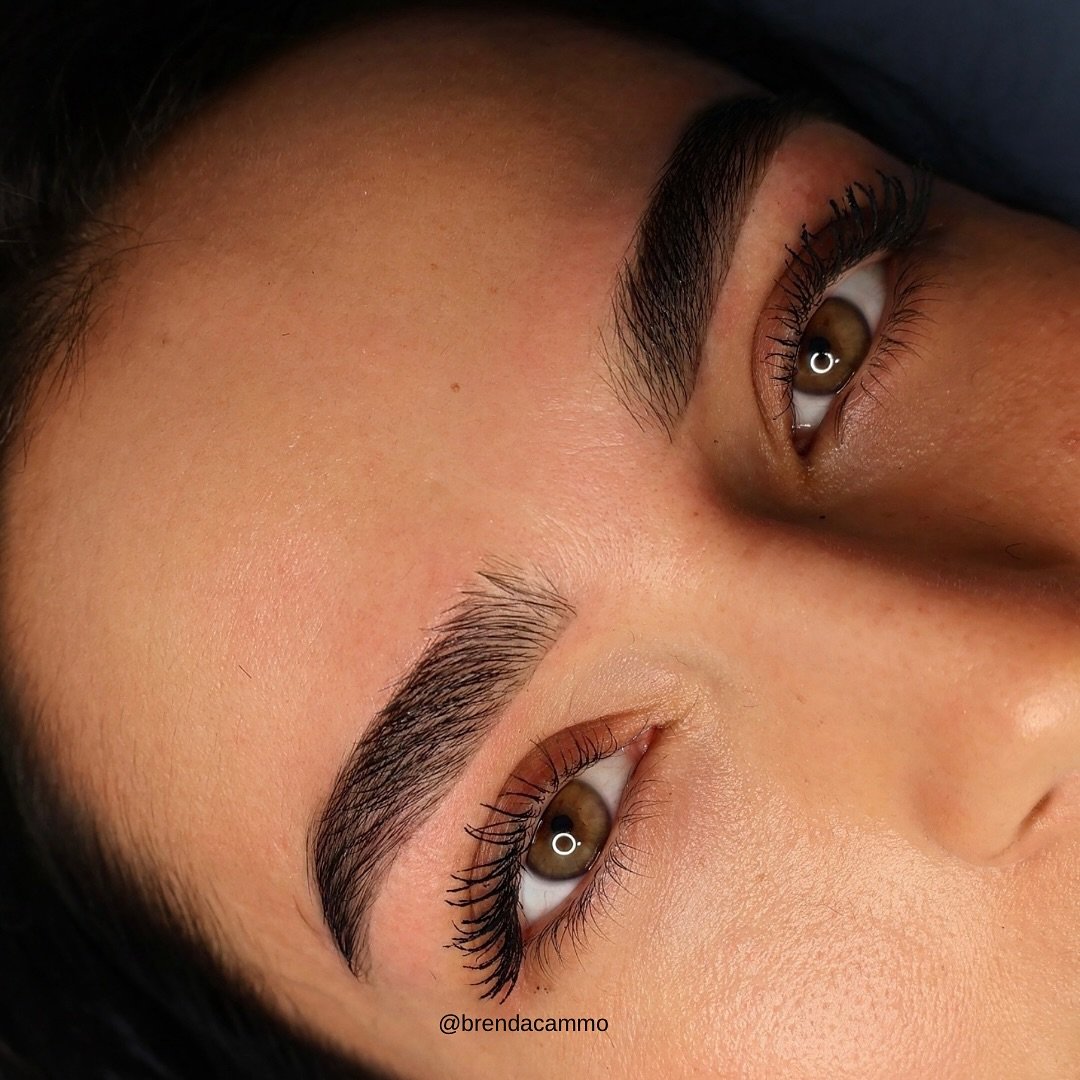
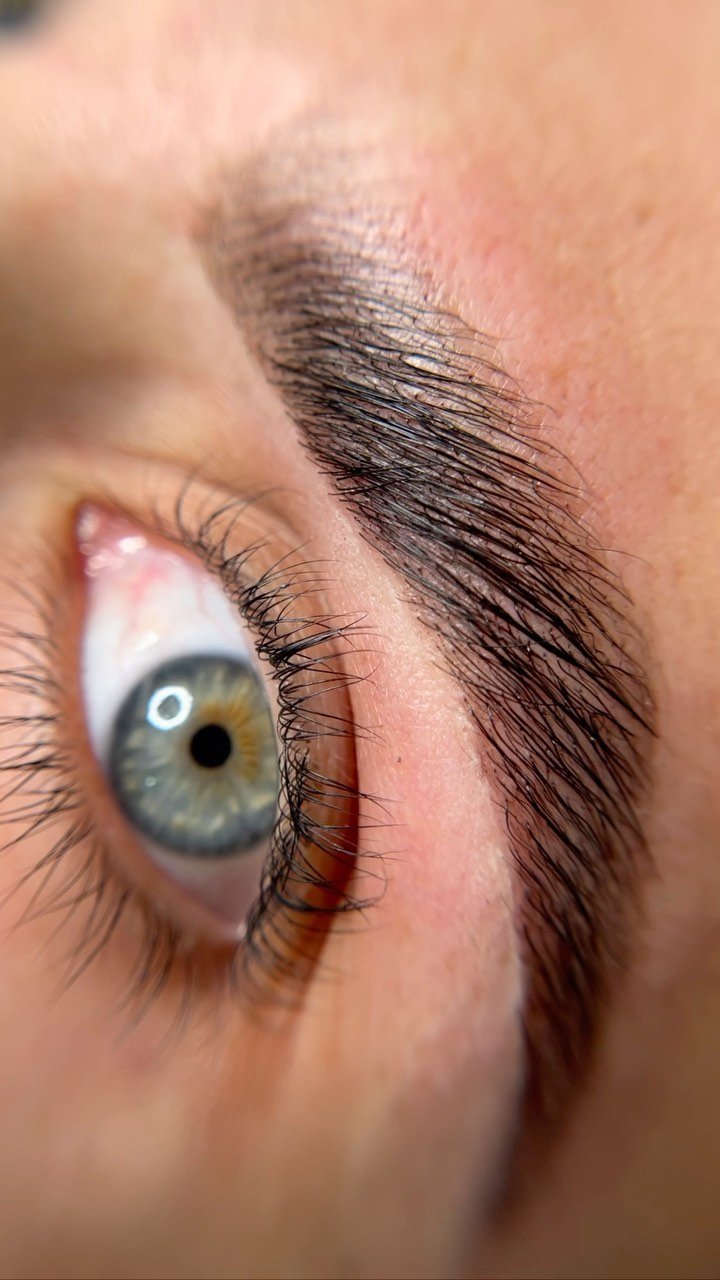
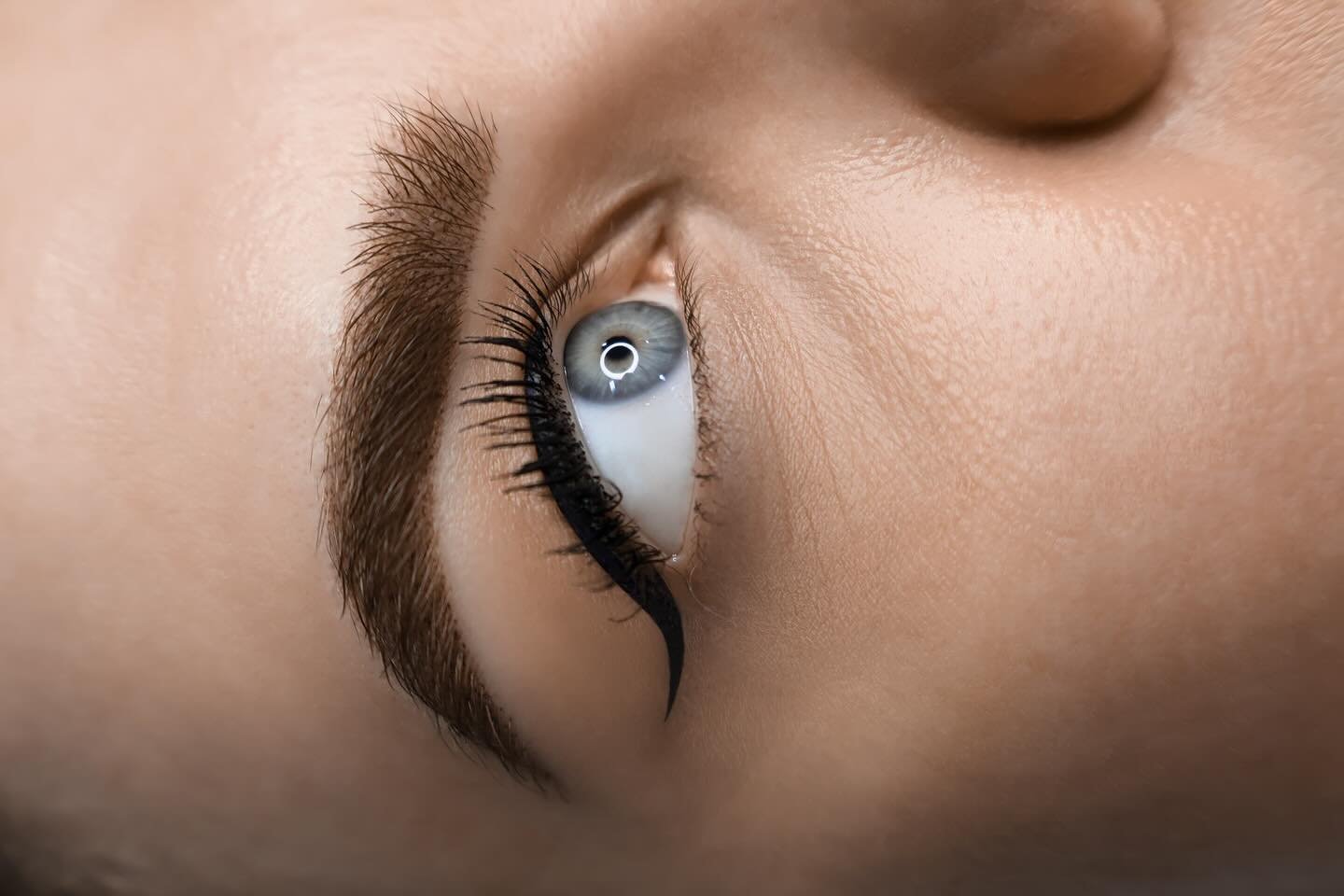
Same client, before and after threading.
Clean, natural brows shaped to your face, at our salons in Sliema and Swieqi. Threading is what BeCammo was built on.
- from €16price
- Sliema · Swieqiwhere
- ★ 5.0460+ Google reviews
What counts as a material sensitivity?
People use the word “sensitivity” in different ways. You may have a formal diagnosis, a past reaction that was never investigated, or skin that becomes easily uncomfortable when exposed to friction, cosmetics or hair removal. These situations are not identical, and a brow artist should not diagnose them. Still, each is relevant to your appointment.
Useful information may include:
- a confirmed allergy to cotton, polyester, latex, fragrance, dyes or another material;
- a past rash, itching, swelling, burning sensation or prolonged irritation after a product or treatment;
- a previous reaction during threading, waxing, tinting, facials or another hair-removal service;
- skin that is currently broken, inflamed, sunburnt, peeling or otherwise uncomfortable around the brows;
- recent changes in your skincare routine that have made the brow area feel more reactive; and
- advice from a pharmacist, dermatologist or other qualified health professional about ingredients or materials you should avoid.
There is no benefit in minimising a reaction because you worry it might make your booking inconvenient. Accurate information supports a more thoughtful decision. Equally, avoid presenting a guess as a confirmed allergy. Say what you experienced, when it happened and whether a professional identified a cause.
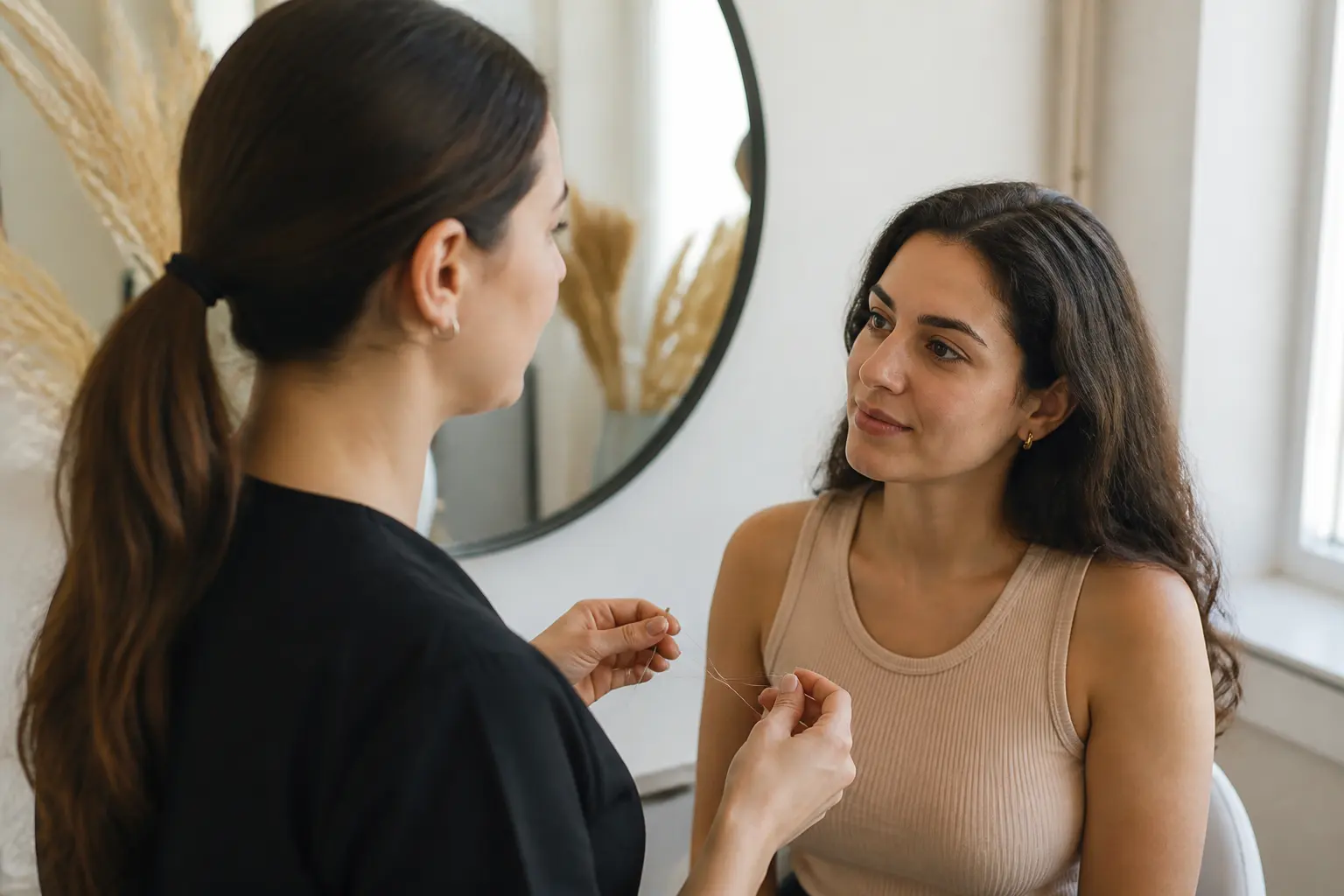
What should you tell your brow artist before threading?
A short, specific explanation is usually more useful than simply saying “I have sensitive skin”. Consider sharing the following points before the threading begins.
1. Name the material or product if you know it
If you know that cotton is the issue, say so directly. If you have been advised to avoid a particular material, bring that information into the conversation. This is when the polyester thread option can be considered.
If the concern is not about cotton but about another item, say that too. For instance, you may have reacted to tint, fragrance, make-up remover, adhesive or a skincare product. While these are separate from the threading thread itself, they can influence what is appropriate to include in the appointment.
2. Describe what happened previously
Try to recall the practical details. Did the area become red immediately? Did itching begin later? Was there swelling, a rash or discomfort that lasted beyond the day? Was the affected area where the thread touched, or could another product have been involved?
You do not need perfect records. A simple description gives more context than a general warning and helps avoid confusing a brief, common post-hair-removal flush with a reaction that requires greater caution.
3. Explain whether the issue was diagnosed
There is an important difference between “I was diagnosed with a cotton allergy” and “I once had an irritated brow area after a salon visit”. Both deserve attention, but they do not mean the same thing. State whether a healthcare professional identified the trigger, whether you had testing, or whether the cause remains unknown.
4. Mention your current skin condition
Even without a material allergy, threading may be unsuitable when the brow area is visibly irritated or compromised. Let your artist know if you have active discomfort, peeling, a recent sunburn, an open area or another concern around the brows. An in-person assessment can help determine whether proceeding makes sense that day.
5. Share relevant products in your routine
If you use active skincare, prescription topical products or regularly apply make-up and brow products, mention this during the consultation. You do not need to list every product in your bathroom. Focus on anything new, anything that has caused irritation, or anything you have been told to avoid alongside hair removal.
What can you send the studio before booking?
If you prefer to flag your concern before arriving, a clear message can save time. You could write:
“I would like to book eyebrow threading. I have a known sensitivity to cotton / I previously had a reaction after hair removal but do not know the exact cause. Can I discuss the thread material and my skin condition with the artist before the service?”
This wording is honest, specific and does not demand a promise that cannot responsibly be made. It gives the team the opportunity to note your question and lets you begin the appointment with the right conversation.
What can a personalised threading conversation cover?
A brow appointment is not only about removing hairs. A thoughtful consultation also considers your desired shape, natural growth pattern, facial balance and comfort. When material sensitivity is part of the picture, the conversation can include a few additional points.
- Whether cotton or polyester thread is the relevant option based on the sensitivity you have disclosed.
- Whether the skin around the brows looks suitable for threading at that moment.
- Whether you want only minimal tidying or a more complete reshape.
- Which products, if any, you would prefer to avoid during or immediately after the appointment.
- What normal short-term post-threading redness may look like for you and what changes should prompt you to seek appropriate professional advice.
Personalisation does not mean making medical judgements. It means working carefully within the information available and recognising when a beauty appointment should be delayed or when outside advice is more appropriate.
Is changing the thread enough on its own?
Switching from cotton to polyester may be relevant for someone with a cotton allergy, but it is not a universal answer to every post-threading concern. The thread is only one point of contact during an appointment. Skin can also respond to friction, recent exfoliation, make-up removal, aftercare products or an already irritated skin barrier.
That is why it is important to discuss the full picture rather than requesting polyester simply because your skin is generally reactive. If you have had a significant or recurring reaction, or are unsure what caused it, a pharmacist, dermatologist or other qualified health professional can help you understand what to avoid. Their guidance should take priority over cosmetic preferences.
How should you prepare on the day?
Arrive with enough time to mention your concern rather than raising it as the service is about to start. If possible, keep the brow area free from heavy make-up so the artist can see the skin and brow growth clearly. Bring details of any confirmed allergy if you have them, particularly if you have been given specific avoidance advice.
It is also wise to plan gently around the appointment. Avoid treating a brow service as something to squeeze in immediately before an activity where any temporary redness would feel stressful. People respond differently, and your own previous threading experience is useful context when choosing your timing.
What should you watch for after threading?
Aftercare should be simple and guided by your artist’s advice. Avoid introducing new products around the brows straight after the service, especially if your skin is already prone to reactions. Keep the area clean, avoid unnecessary rubbing and pay attention to how your skin behaves over the following hours.
Some temporary redness can happen after hair removal. However, if you experience symptoms that feel unusual for you, are severe, persist or concern you, do not try to self-diagnose through beauty advice alone. Seek guidance from an appropriate qualified health professional. Before any future appointment, tell the brow artist what occurred so that your experience can be properly considered.
Choosing a brow service with confidence
A material sensitivity does not automatically mean you cannot discuss eyebrow threading. It means the appointment should begin with clear information and realistic expectations. At BeCammo, disposable cotton thread is the standard, with polyester thread available for clients allergic to cotton. This practical choice, combined with a careful conversation, helps make the service more personalised.
When you book, choose the eyebrow service that fits your goal and select the Sliema or Swieqi location that is most convenient. Flag a known cotton allergy or a previous reaction in advance, then speak openly with your brow artist before threading starts. The final banner below is the natural next step when you are ready to arrange that conversation.
Frequently asked questions
Is cotton thread always used for eyebrow threading?
At BeCammo, cotton is the standard threading material. It is disposable and used once for each client. Polyester thread is available for clients who are allergic to cotton.
Can I ask for polyester thread if I have sensitive skin?
You can ask to discuss it, but general sensitivity does not by itself identify which material is suitable. Explain any known allergy, previous reaction and current skin concern so the artist has the clearest possible context.
Should I still book if I do not know what caused my previous reaction?
You can contact the studio to explain what happened and ask what information would be useful for the consultation. If the reaction was significant, recurrent or unexplained, seek advice from an appropriate qualified health professional before proceeding.
What should I tell my brow artist about a cotton allergy?
Tell them before the service starts, ideally when booking as well. Say that the allergy is confirmed if this is the case, explain any relevant past reaction and remind the artist when you arrive so polyester thread can be discussed.
Can I have brow tint at the same appointment if I have a material sensitivity?
Tint introduces a separate product consideration. Mention all known allergies and previous reactions, including any linked to colour products, before deciding whether tint is appropriate for your appointment.