Dermaplaning Before a Spray Tan or Self-Tanner: Timing Guide
Brenda Cammo Team
Planning dermaplaning before a spray tan or self-tanner can make sense when you want your face to feel smooth and your complexion to look polished for an occasion. The order matters, though. Dermaplaning is a form of physical exfoliation, so it changes the surface of the skin just before you apply a product designed to develop colour on that surface.
The simple answer is this: have dermaplaning first, then give your skin time to settle before applying self-tanner to the face or having a spray tan that includes the face. Avoid trying to fit both into the same rushed appointment window. A more considered plan gives you time to see how your skin feels, keep your routine gentle and arrive at your tanning appointment with clean, calm skin.
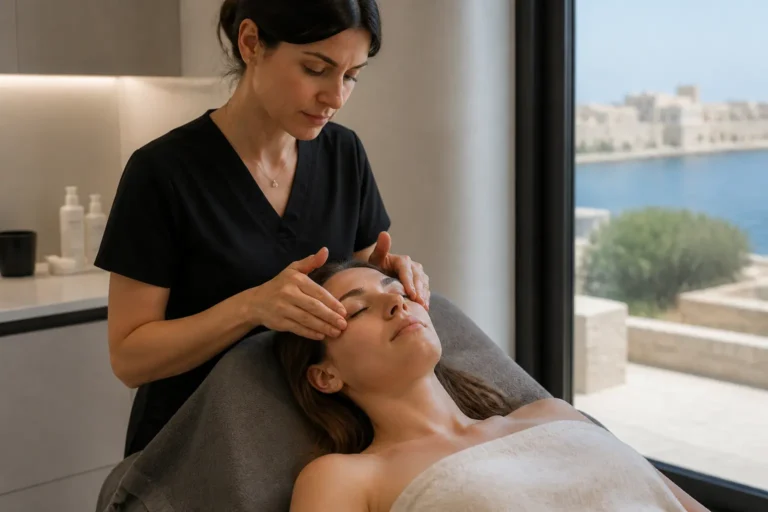
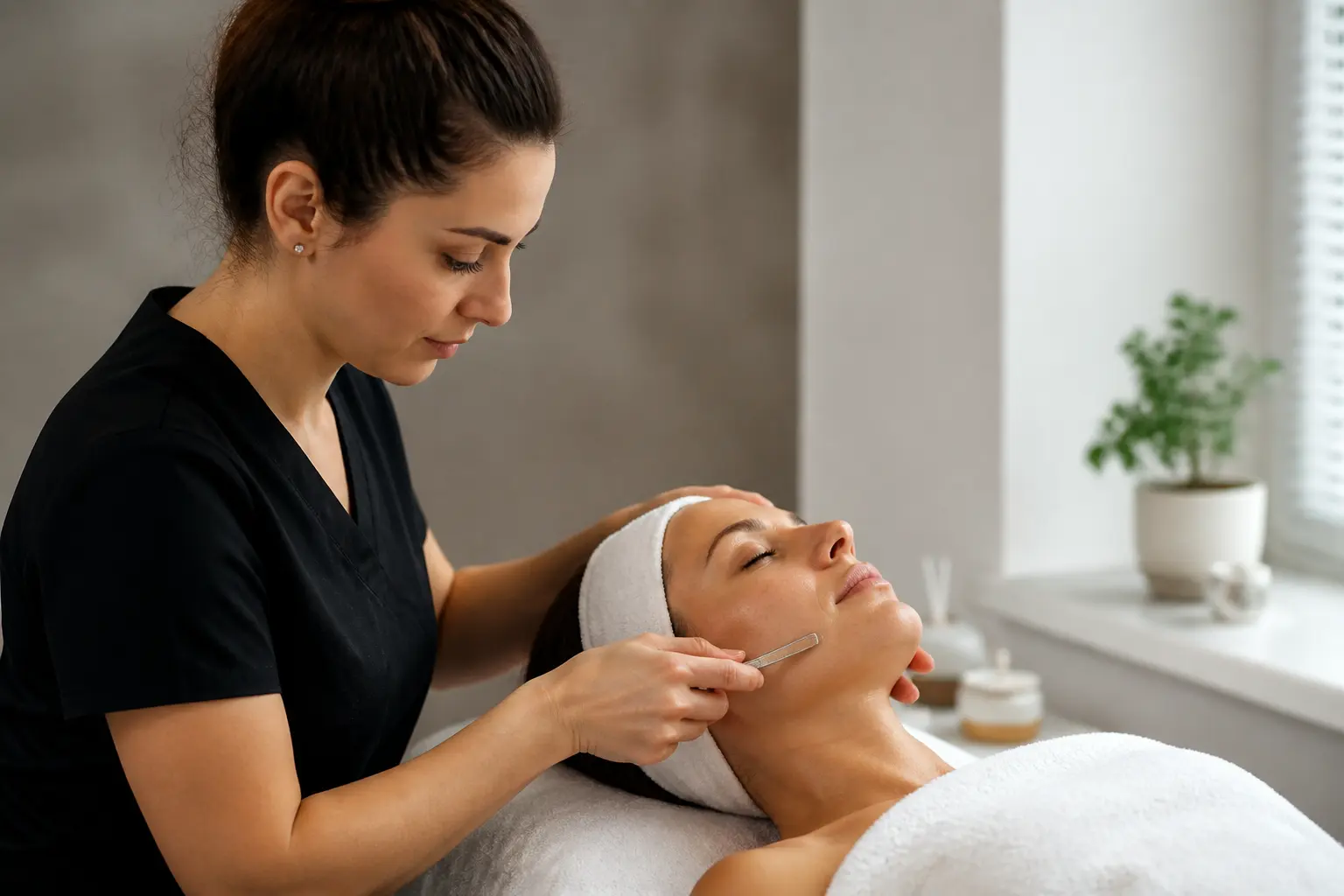
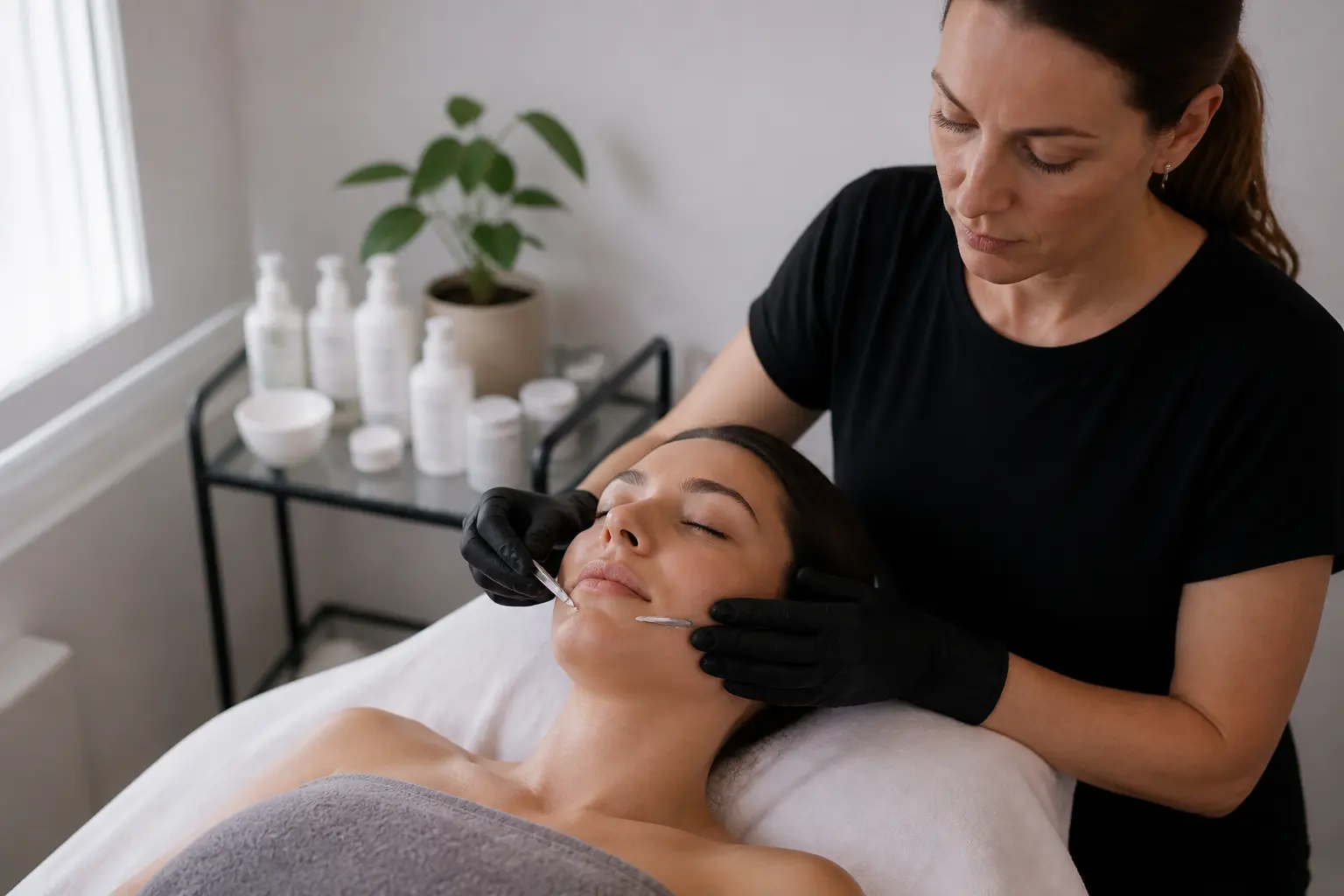
At a professional studio, dermaplaning is not simply facial shaving. It is a carefully performed exfoliating facial step that also removes fine vellus hair, often called peach fuzz. The aim is a smooth, fresh-looking canvas, not aggressive resurfacing. Because every complexion responds differently, especially if you are prone to dryness, sensitivity or breakouts, a personalised assessment is more useful than copying a one-size-fits-all social media timeline.
Why dermaplaning can affect a spray tan or self-tanner
Self-tanners work on the skin’s outermost layer, which is why preparation has such a visible effect on the final result. The American Academy of Dermatology advises exfoliating before self-tanner and making sure skin is dry before application, as this can support a more even finish. Dry, thicker areas can take up more product and appear darker, which is why elbows, knees and ankles need particular care on the body.
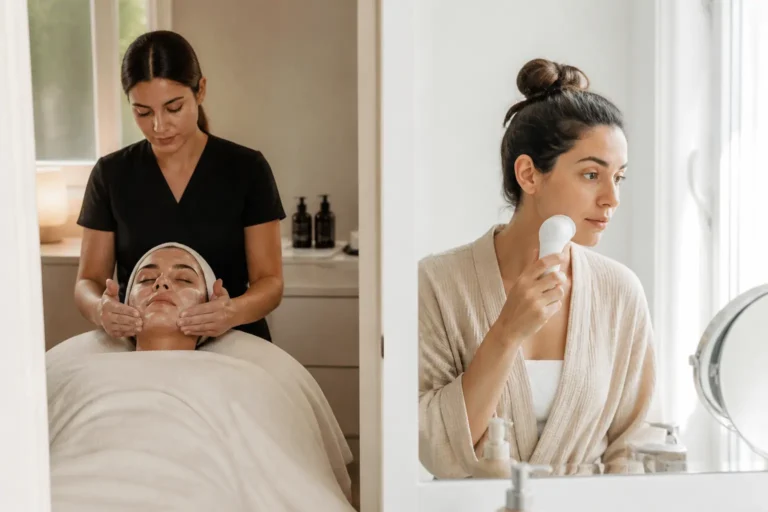
On the face, dermaplaning may be part of that preparation because it removes surface build-up and fine facial hair. It may also help makeup sit more smoothly. However, it is still an exfoliating procedure. Going straight from a blade-based facial treatment to tanning solution can be uncomfortable if your skin is warm, pink, tight or reactive afterwards.
Think of dermaplaning and tanning as two separate stages:
- Dermaplaning focuses on creating a smoother facial surface through gentle professional exfoliation.
- Spray tan or self-tanner adds cosmetic colour to the skin’s surface.
- The gap between them is there to let the skin settle and to help you avoid adding several potentially drying or irritating steps at once.
That does not mean everyone will experience redness after dermaplaning. Some people leave with skin that looks calm straight away. Still, how skin feels in the hours that follow matters more than trying to force a tanning schedule.
Should you dermaplane before a spray tan?
Yes, if you want both services, dermaplaning should come before a spray tan rather than after it. Dermaplaning after a facial spray tan may remove some of the developed colour and leave the face looking different from the rest of the body. It also creates unnecessary friction when you are trying to preserve your tan.
The key is not to treat dermaplaning as a last-minute add-on. Book it with enough breathing room before your tanning appointment, particularly when the spray tan includes your face. Let any temporary sensitivity settle fully, then follow the tanning provider’s preparation instructions. If your spray tan is body-only and you do not plan to tan your face, the timing is simpler, but your post-dermaplaning skincare should still stay gentle.
Why same-day appointments are not the easiest option
Same-day dermaplaning and facial tanning can create a few avoidable variables. Freshly exfoliated skin may feel more delicate, and adding fragranced products, rubbing, cleansing or blending immediately afterwards may not be ideal for every skin type. It can also be difficult to judge whether your skin is calm enough for the tanning product when you are moving quickly between appointments.
A professional skin therapist can assess whether dermaplaning is appropriate on the day. If there is active irritation, broken skin, a significant breakout or another reason to pause, rescheduling is often the more sensible choice. The American Academy of Dermatology’s guidance on exfoliation similarly stresses that over-exfoliation can lead to redness and irritation, and that skin type and current products should be considered.
How far ahead should you book dermaplaning?
There is no single interval that suits every person, every tanning formula or every event. Your best timing depends on whether your skin is generally resilient or sensitive, whether you are using active skincare products and whether you are having a face-inclusive spray tan.
For an important event, the most practical approach is to avoid leaving your first dermaplaning session until the day before. Booking with a few days of flexibility allows you to see how your complexion settles and gives you room to adjust your skincare if necessary. If you already know your skin responds well to professional dermaplaning, you may be able to plan more confidently, but it is still wise to avoid a rushed same-day combination.
When booking, tell both professionals about the other service. Let your dermaplaning therapist know that you are planning a spray tan or using self-tanner, and ask the tanning provider whether they have specific guidance for facial preparation. Product formulas and salon protocols differ, so their instructions should take priority over a generic online timetable.
For a wedding, holiday, photoshoot or celebration, plan the sequence before the final week where possible: dermaplaning first, a gentle settling period, then the tan according to the tanning provider’s instructions.
Using self-tanner after dermaplaning
If you are applying self-tanner at home, wait until your skin feels settled, clean and dry. Do not add a facial scrub, exfoliating acids or another hair-removal method in an attempt to create an even smoother base. Dermaplaning has already provided the exfoliating step.
Before applying self-tanner to the face, check the product label for its directions and patch-test advice. Apply a light, even layer rather than trying to build strong colour immediately. Take care around the hairline, eyebrows, nostrils and lips, where product can collect. Use a clean tanning mitt or a dedicated facial brush if the product instructions recommend one.
If your usual self-tanner is fragranced, contains active ingredients or has previously made your skin sting, do not assume freshly dermaplaned skin will react the same way. Pause and choose a gentler route if your complexion feels uncomfortable. Cosmetic tanning should never be something you push through when skin is irritated.
Do not use self-tanner to replace sun protection
A sunless tan can give the look of colour, but it does not replace daily UV protection. The American Academy of Dermatology recommends using broad-spectrum, water-resistant SPF 30 or higher even when using self-tanner. This is particularly important in Malta, where outdoor plans can mean regular sun exposure throughout much of the year.
After dermaplaning, sunscreen is especially worth treating as an everyday essential. Choose a formula you know your skin tolerates, apply it generously in the morning and reapply according to the product directions when you are outdoors.
What to avoid between dermaplaning and tanning
The goal is to avoid piling multiple exfoliating, sensitising or friction-heavy steps onto the face. Keep the period between services simple.
- Avoid additional exfoliation. Skip facial scrubs, rough cleansing tools and peeling products unless a qualified professional who knows your skin has advised otherwise.
- Pause strong active products if advised. Retinoids, retinol, benzoyl peroxide and exfoliating acids can make skin more sensitive. The American Academy of Dermatology notes that exfoliation alongside some of these products may worsen dryness or irritation.
- Do not wax, thread or shave the treated facial area again. Dermaplaning has already addressed surface hair and exfoliation for that session.
- Avoid picking at blemishes or flaky patches. This can leave uneven areas that may take tanning product differently.
- Keep skincare straightforward. A gentle cleanser, suitable moisturiser and sunscreen are usually a more sensible focus than introducing several new products.
- Do not apply tanning product over broken, sunburned or actively irritated skin. Wait and seek professional guidance if you are unsure.
How to prepare for your dermaplaning appointment
Good preparation starts with honest information. Arrive without trying to scrub away every trace of texture at home. Let your therapist see your skin as it is and explain your current routine, including prescription skincare, retinol products, acne treatments, recent tanning, sensitivity and upcoming plans.
It is also helpful to mention if you are booked for a spray tan, are travelling soon or have a photoshoot. That context helps your therapist discuss whether dermaplaning fits your schedule and whether a different facial option would make more sense for your complexion on that day.
At Becammo, the approach is based on professional assessment and personalised care rather than assuming every face needs the same intensity of exfoliation. Dermaplaning Pro and Dermaplaning SPA are facial options designed around a smoother-looking complexion and an enjoyable studio experience. The right choice, and the best timing before tanning, should reflect your skin’s current condition and your plans.
A simple event-ready order of appointments
If you are organising several beauty services before a special date, use this sequence as a planning framework rather than a fixed rule:
- Start with your skin consultation or dermaplaning appointment. Share your event date and tanning plans.
- Allow your skin to settle. Keep your routine gentle and observe how your complexion feels.
- Have your spray tan or apply self-tanner. Follow the specific preparation and development instructions provided with the product or by the tanning professional.
- Protect the finished look. Wear sunscreen, avoid unnecessary exfoliation and use gentle cleansing once your tan has developed.
If your usual self-tanner gives a natural result but you have never used it after dermaplaning, consider a small patch test or a trial before a major event. A trial run can be far more reassuring than making several changes to your routine at once.
When to delay dermaplaning or ask for advice
Dermaplaning is not automatically suitable just because you have an occasion coming up. Delay your appointment and ask for professional advice if you have active acne lesions, open skin, sunburn, an eczema flare-up or significant sensitivity. Cleveland Clinic notes that dermaplaning can aggravate active breakouts and skin conditions, and temporary irritation can occur after the procedure.
You should also mention any prescription or over-the-counter products that make your skin peel or feel unusually reactive. This is not about making the appointment complicated. It is about choosing a plan that respects your skin barrier and helps you feel confident in the days that follow.
Conclusion
Dermaplaning before a spray tan or self-tanner can be a thoughtful way to prepare for a smoother-looking facial finish, as long as the services are scheduled in the right order. Dermaplane first, avoid additional exfoliation, let your skin settle and follow the instructions for your specific tanning product or provider.
If you are preparing for an event in Malta and want help planning your facial appointment around a spray tan or self-tanner, book a dermaplaning session at Becammo in Sliema or Swieqi. The team can assess your skin on the day and help you choose a sensible, personalised approach.
Frequently asked questions
Can I have a spray tan after dermaplaning?
Yes, but dermaplaning should come first. Give your skin time to settle before a face-inclusive spray tan, and follow the tanning provider’s preparation guidance.
Can I apply self-tanner on the same day as dermaplaning?
It is usually more sensible to avoid rushing into same-day facial self-tanner. Wait until the skin feels calm, then follow the product instructions. If you have sensitive or reactive skin, ask your therapist for personalised guidance.
Will dermaplaning make my spray tan look darker?
Not necessarily. Dermaplaning creates a freshly exfoliated surface, but colour development depends on the tanning formula, application method, skin condition and aftercare. Avoid over-applying product in the hope of a deeper result.
Should I exfoliate again before my spray tan after dermaplaning?
No. Dermaplaning is already an exfoliating step for the face. Additional scrubbing may cause irritation or uneven-looking skin. Follow your spray tan provider’s instructions for body preparation separately.
Can I wear makeup after dermaplaning and self-tanner?
Follow the aftercare guidance from both your dermaplaning therapist and tanning provider. If you are having a facial spray tan, makeup timing may affect how the colour develops, so ask the tanning professional before applying products to the face.
Does a self-tan protect my face from the sun?
No. A self-tan is cosmetic colour, not reliable UV protection. Use a broad-spectrum sunscreen with SPF 30 or higher as part of your everyday routine.