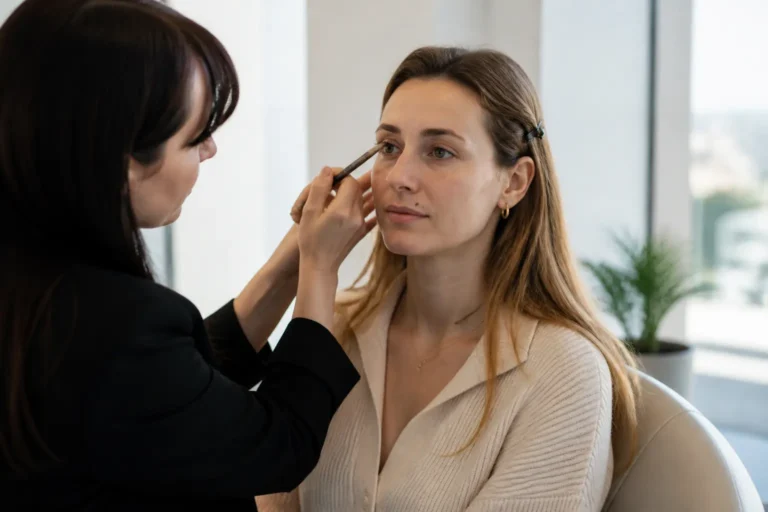
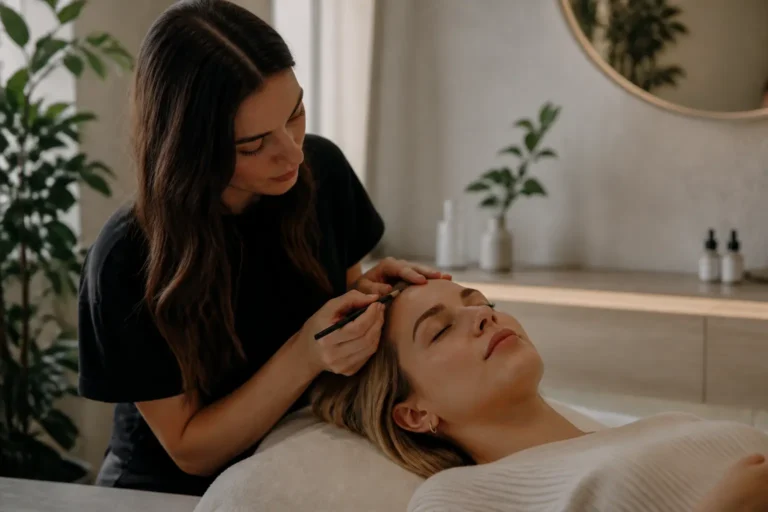
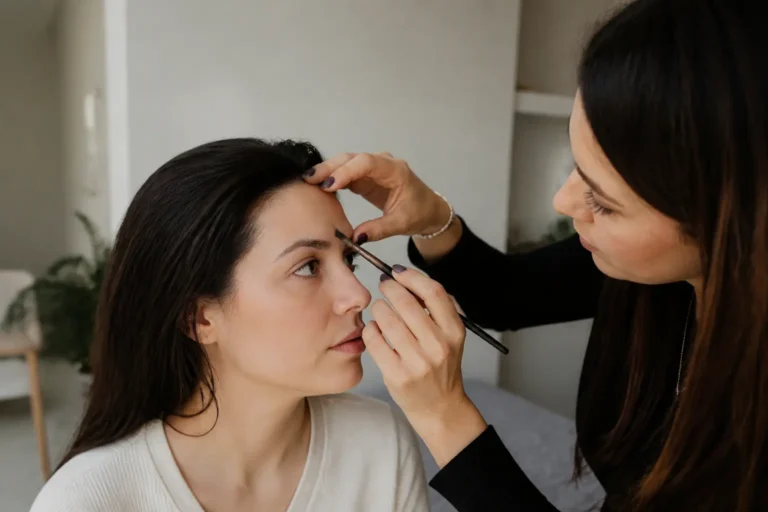
Why Professional Brow Mapping Comes Before Every Session
Brenda Cammo Team
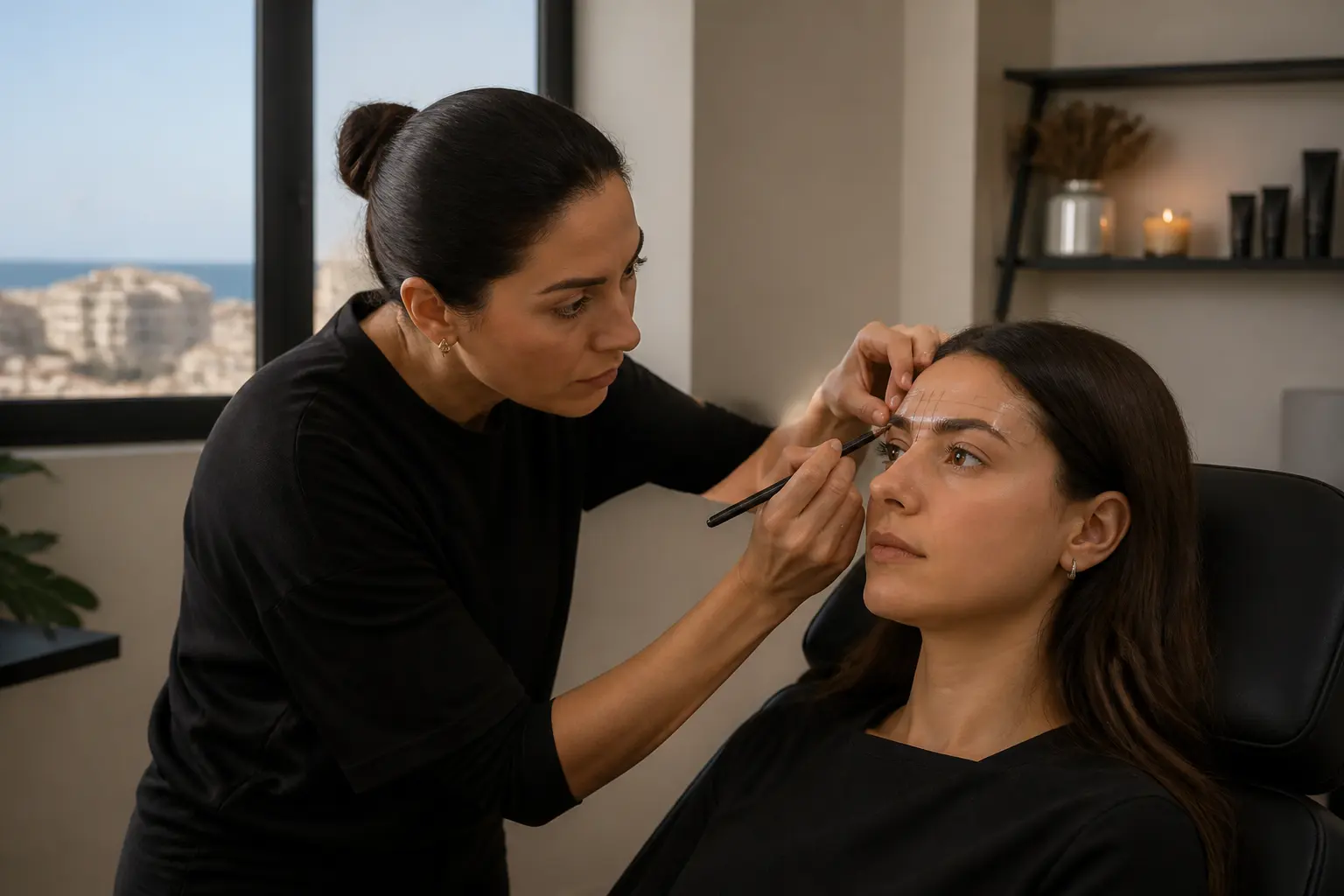
A great eyebrow appointment does not begin with hair removal. It begins with observation. Before threading, tinting or refining the shape, professional brow mapping gives your therapist a clear starting point: your natural brow growth, facial balance, existing shape and the details that make your brows uniquely yours.
It can be tempting to see mapping as a quick extra step, especially when you are used to having your brows tidied on the go. At a dedicated brow studio, however, it is part of the design process. Mapping helps the therapist make considered decisions before removing a single hair, so the appointment is guided by your face and your goals rather than by a one-size-fits-all template.
For clients in Malta, where people from many backgrounds and with many different brow types meet, that personalised approach matters. A soft, full brow, a naturally fine brow, a sparse brow or an asymmetrical brow each calls for a different plan. Professional brow mapping creates the structure for that plan.
What is professional brow mapping?
Professional brow mapping is the process of assessing and marking the key points that guide a brow design. These points usually help identify where each brow should begin, where its highest point may sit and where it should finish. The therapist also looks at the natural direction of hair growth, brow density, bone structure and the way your brows relate to your eyes and overall facial features.
It is not about drawing identical brows or forcing a dramatic arch. Human faces are naturally asymmetrical, and eyebrows are sisters rather than twins. The purpose of mapping is to create balance while respecting what is already there.
At a dedicated studio, mapping is combined with a conversation. You may prefer a clean, defined finish, a softer and more natural outline, or a shape that keeps as much fullness as possible while it grows out. Your preferences matter, but they need to work alongside your natural brow potential. A professional should explain what can realistically be achieved in that session and what may take time.
Why mapping should happen before hair removal
Threading is precise. That precision is one of its strengths, but it also means that each decision about what to remove should be intentional. When brow mapping comes first, the therapist has a visual guide that helps protect the shape rather than simply chasing stray hairs.
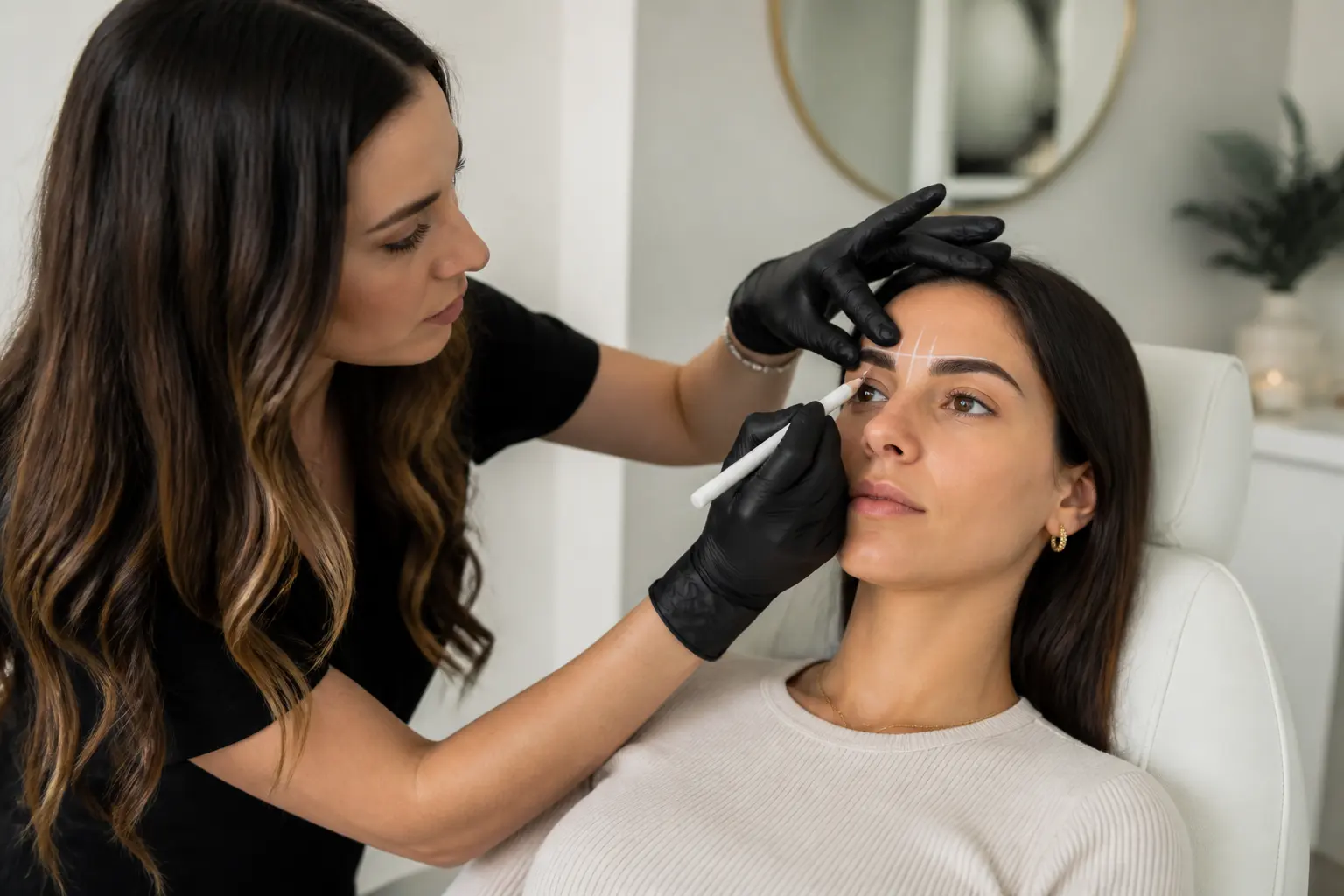
Without a plan, it is easy to remove too much from the top, under the arch or tail of the brow. Small changes can have a noticeable effect on expression and facial balance. Mapping helps avoid the common cycle of taking away a little too much, attempting to correct it at the next appointment, then finding the brows gradually becoming thinner or less even over time.
Professional brow mapping also gives you a moment to see and discuss the intended direction before the service begins. If you are nervous about changing your shape, want to maintain fuller brows, or are growing out an older design, this conversation is particularly valuable. You are not simply sitting back and hoping for the best. You are part of a considered design process.
Mapping is not a stencil
One of the biggest misconceptions about brow mapping is that it creates the same brow shape for every client. In reality, professional mapping should do the opposite. It should reveal why a standard shape would not suit everyone.
Some clients have naturally straight brows with a gentle lift. Others have a stronger arch, a higher tail or different levels of density from one side to the other. Some brows grow upwards at the front and downwards through the tail. Skin tone, hair colour, facial proportions and personal style can also influence how bold or soft the final result looks.
A mapped outline is therefore a guide, not a rigid rule. It helps the therapist identify a balanced shape while leaving room for professional judgement. The goal is not to make your brows look copied and pasted. It is to make them look tidy, harmonious and suited to you.
The best brow design starts with your natural features, then works carefully with them rather than against them.
What a therapist assesses during brow mapping
Professional brow mapping is more than measuring a few lines. It involves looking at several features together before deciding where threading should happen.
Your natural growth pattern
Hair growth provides useful information. Fuller areas may support a more defined structure, while sparse sections may need a lighter touch to avoid creating gaps. A therapist should notice where the hair naturally starts, changes direction and becomes finer towards the tail.
Existing shape and previous hair removal
If you have over-plucked in the past, your current brow shape may not reflect your natural potential. Mapping helps distinguish between hairs that are genuinely outside the design and hairs that may be useful for rebuilding balance. This is especially important when you are trying to grow out sparse areas.
Natural asymmetry
One brow may sit slightly higher, have a fuller front or a shorter tail. This is normal. Trying to make both sides mathematically identical can lead to unnecessary removal. Instead, the therapist uses mapping to reduce obvious imbalance while respecting the character of each brow.
Facial features and expression
The brows frame the eyes, but they also affect how open, soft, defined or lifted the overall expression appears. Mapping considers the relationship between brows and eyes, as well as the scale of your features. This does not mean imposing beauty rules. It means selecting proportions that feel natural and comfortable for you.
Your preferred finish
Some clients want only a tidy clean-up. Others enjoy a more sculpted definition, perhaps with tint or henna to enhance the outline. A professional brow map gives the therapist a reliable base for either approach, while ensuring the finish reflects your preference.
How mapping supports a better threading session
Threading uses a twisted thread to remove unwanted hair with control. At Becammo, the brow service is built around threading and design, so mapping is particularly useful before the thread begins to work around the outline.
Once the shape has been assessed, the therapist can focus on hairs that sit outside the agreed design. This supports a cleaner result while helping preserve the density that belongs within the brow. It also makes the appointment more consistent. If you return for maintenance, the mapped design provides a reference point for keeping the shape coherent rather than reinventing it at every visit.
For people who have had brows shaped elsewhere before, this can be reassuring. You do not need to arrive with perfectly grown brows or know the technical language for the shape you want. Explain what you like, what you do not like and whether you are growing any areas out. Your therapist can then assess what is possible and tailor the session accordingly.
Why mapping matters for different brow concerns
When your brows are naturally full
Full brows often need editing, not reducing. Mapping identifies the structure within the fullness, helping create definition without taking away the character that makes the brows look naturally abundant. The result can feel polished while still looking like you.
When your brows are fine or sparse
With sparse brows, every hair can matter. Mapping supports a conservative approach by making it easier to see which hairs contribute to the overall shape. Your therapist may recommend maintaining certain areas rather than removing them, especially if you are working towards a fuller-looking outline over time.
When one brow looks different from the other
Most people notice some difference between their brows. The solution is not always to remove more hair from the fuller side. Mapping helps determine where subtle adjustments can improve visual balance and where it is wiser to leave well enough alone.
When you want tint, henna or brow lamination
Mapping is useful beyond a standard threading appointment. Before tint or henna, it helps define the intended outline so colour can support the shape thoughtfully. Before brow lamination, it helps assess the brow’s existing direction and density, which is useful when discussing the finish you would like. Each service has its own process, but a clear understanding of the brow shape remains important.
What to expect at a dedicated brow studio
A professional brow appointment should feel collaborative, not rushed. At the start, tell your therapist if you have a special occasion coming up, if you are using active skincare products near the brow area, if your skin feels irritated, or if you have had a recent reaction to a beauty product. These details can affect how the session is approached.
During the assessment, the therapist will look at your brows at rest and in relation to your face. Mapping marks may be used to show the intended framework. This is your opportunity to ask questions. You might ask whether your current shape can be maintained, whether a sparse tail should be left to grow, or whether a tint would suit the result you want.
After agreeing the design, threading removes the hair that sits outside the selected outline. Mild temporary redness can happen after threading, particularly if your skin is sensitive. Your therapist can advise you on sensible aftercare for the area, including being gentle with freshly threaded skin.
How to make the most of your brow mapping appointment
- Arrive with a clear idea of your goal. You can bring a photo for general inspiration, but remember that your final shape should be adapted to your own features and growth pattern.
- Be honest about your brow history. Mention past over-plucking, previous tinting, lamination or semi-permanent brow work if relevant.
- Say if you are growing your brows out. This changes the approach. A maintenance appointment and a regrowth plan are not always the same.
- Share any skin sensitivity. Let the therapist know about irritation, sensitivity or products you have recently used around the brow area.
- Allow time for the consultation. A good brow design is not only about speed. The brief assessment before hair removal is where many of the most important decisions happen.
- Keep expectations realistic. Mapping can improve the way the brows work with your features, but it cannot instantly replace missing hair or make naturally different brows exactly identical.
Professional mapping versus shaping brows at home
There is nothing wrong with brushing your brows into place or trimming a visibly long hair with care. But major reshaping at home is difficult because it is hard to judge both sides at once and easy to focus too closely on tiny details. This often leads to over-correcting.
Professional mapping offers distance, perspective and trained attention. The therapist can view the brows as part of the whole face, assess both sides together and work with a planned outline. For clients who want to keep their brows looking consistent, regular professional maintenance can be simpler than repeatedly trying to correct the shape alone.
It is also helpful to remember that brow trends change. A considered, face-aware shape is generally more useful than chasing a fashionable outline that may not suit your features or natural growth. Mapping keeps the focus on balance and personal style rather than a temporary trend.
Choosing a brow studio in Malta
When looking for eyebrow threading or design in Malta, choose a studio that treats brow shaping as a personalised service. Ask whether the therapist assesses your natural brow shape before threading, whether you can discuss the finish you prefer and whether the studio can work with different brow textures and growth patterns.
Becammo specialises in eyebrow threading and design, with locations in Sliema and Swieqi. The studio’s approach recognises that clients have different ethnic backgrounds, brow densities and beauty preferences. Whether you are booking a simple tidy-up, planning a tint or henna service, or considering a more defined brow routine, mapping helps ensure the appointment begins with an individual plan.
Conclusion
Professional brow mapping comes before every session because good brow design should never be guesswork. It creates a moment to assess your natural features, agree the direction of the shape and protect the hairs that contribute to balance. The result is not about making everyone’s brows look the same. It is about creating a considered shape that feels right for the person wearing it.
If you are ready for a brow appointment that starts with careful assessment rather than quick removal, book your threading or brow design session at Becammo in Sliema or Swieqi. A dedicated consultation at the beginning can make all the difference to how confident you feel about the final shape.
Frequently asked questions
Does brow mapping add a lot of time to an appointment?
No. The assessment is an important part of a professional appointment, but it does not need to be lengthy. Its purpose is to make the threading or shaping process more intentional and tailored to your brows.
Will brow mapping make my eyebrows identical?
No. Natural facial and brow asymmetry is normal. Mapping aims for visual balance and a harmonious shape, not identical brows created by removing too much hair.
Can I have brow mapping if I am growing out over-plucked brows?
Yes. It can be especially helpful because the therapist can identify which areas are best preserved as your brows grow. Be sure to explain that regrowth is one of your goals before the session starts.
Is brow mapping only for dramatic brow transformations?
No. It is useful for a subtle tidy-up as well as a more noticeable redesign. Even a small maintenance appointment benefits from knowing which hairs support your preferred shape.
Can brow mapping be used before tint or henna?
Yes. Mapping can help define the intended outline before colour is applied, supporting a more considered and balanced finish. Your therapist can advise which option suits your brow goals.
How often should I book professional brow shaping?
Maintenance needs vary according to your hair growth and the finish you prefer. Many clients return when new growth begins to soften the outline, but the right timing is personal and can be discussed during your appointment.