Tattoo Removal Pain Management: Cooling and Comfort
Brenda Cammo Team
It is completely reasonable to ask whether laser tattoo removal hurts before you book. Comfort matters, particularly when you are planning a course of sessions rather than a one-off appointment. The most helpful starting point is not to look for a promise of a painless experience, but to understand what the sensation can be like, which comfort options may be available and how a professional consultation supports a safer, more confident decision.
Laser tattoo removal is available at Becammo in Sliema. Every tattoo, skin area and person’s comfort threshold is different, so the right approach begins with a conversation about your tattoo, your skin and any relevant health information. Cooling may be part of the comfort plan, but it is only one piece of thoughtful preparation and aftercare.
What does laser tattoo removal feel like?
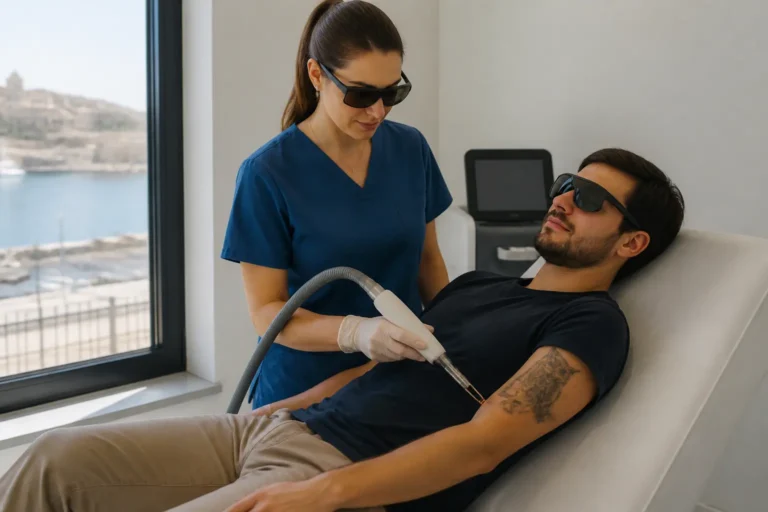
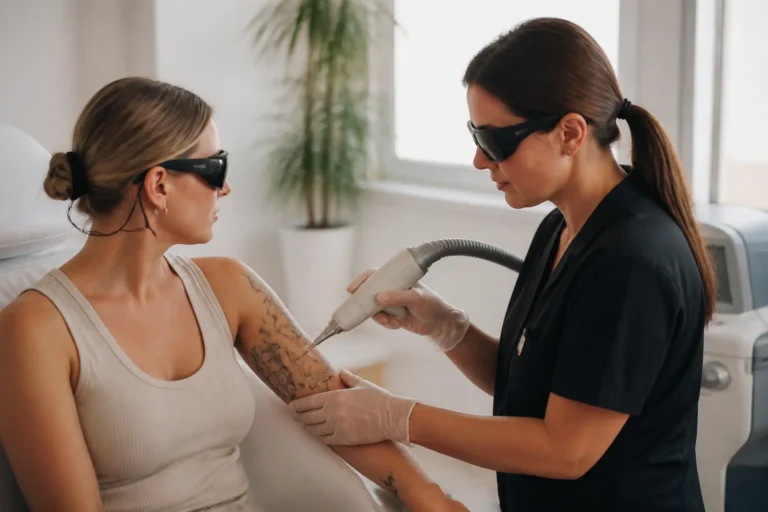
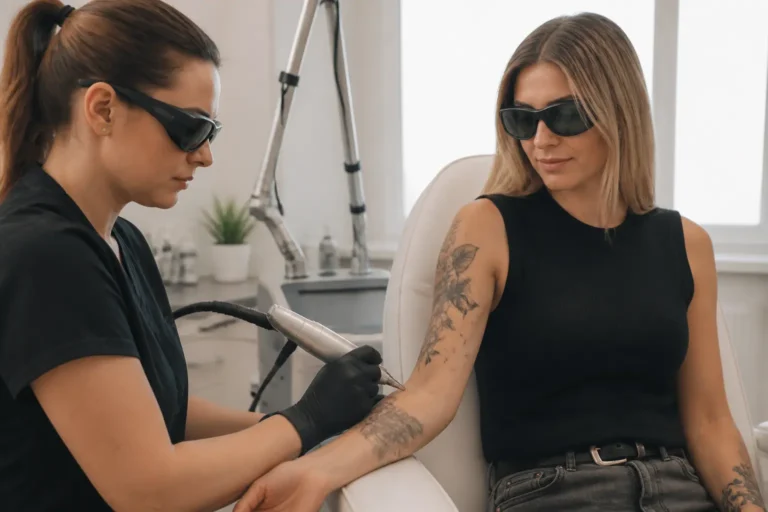
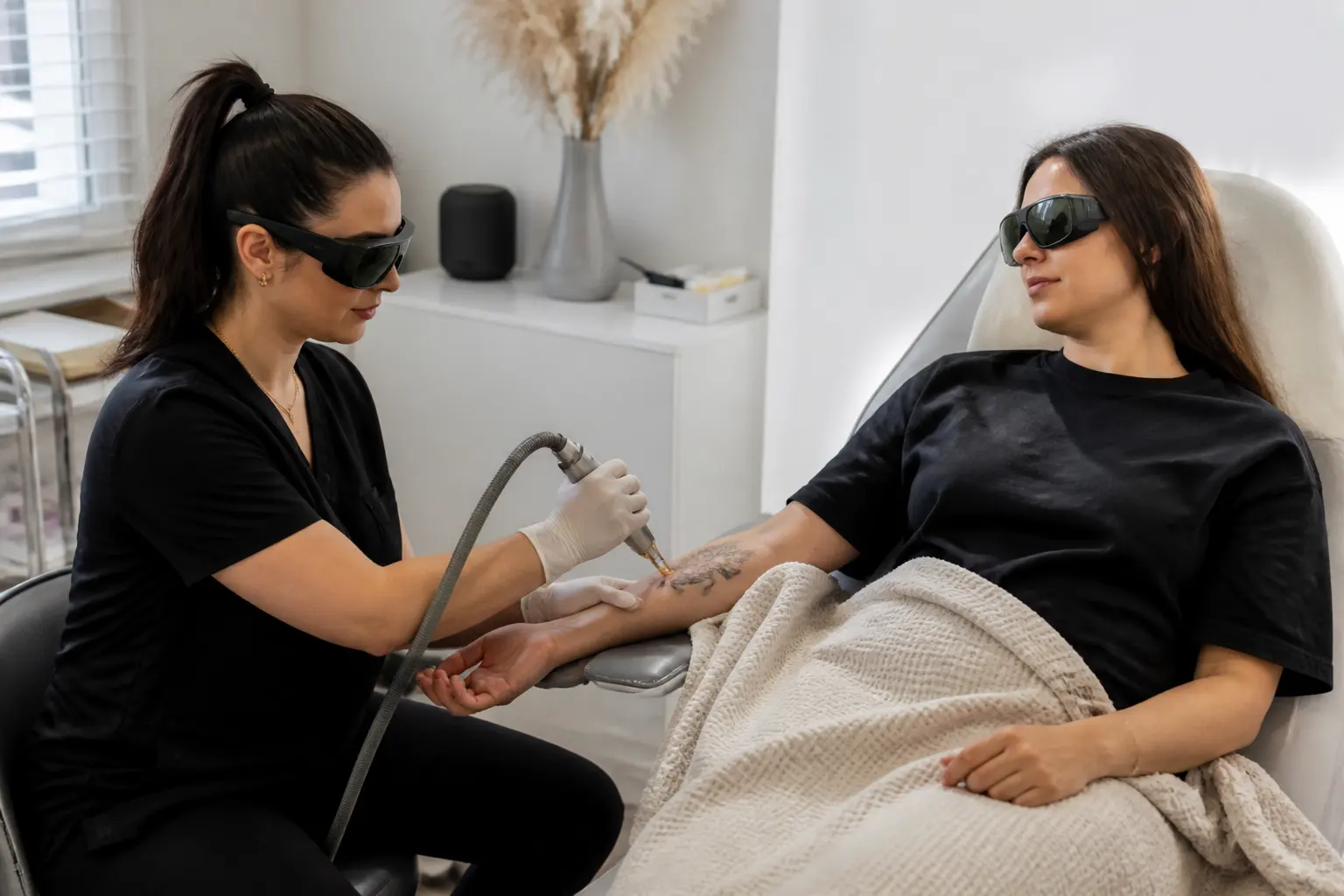
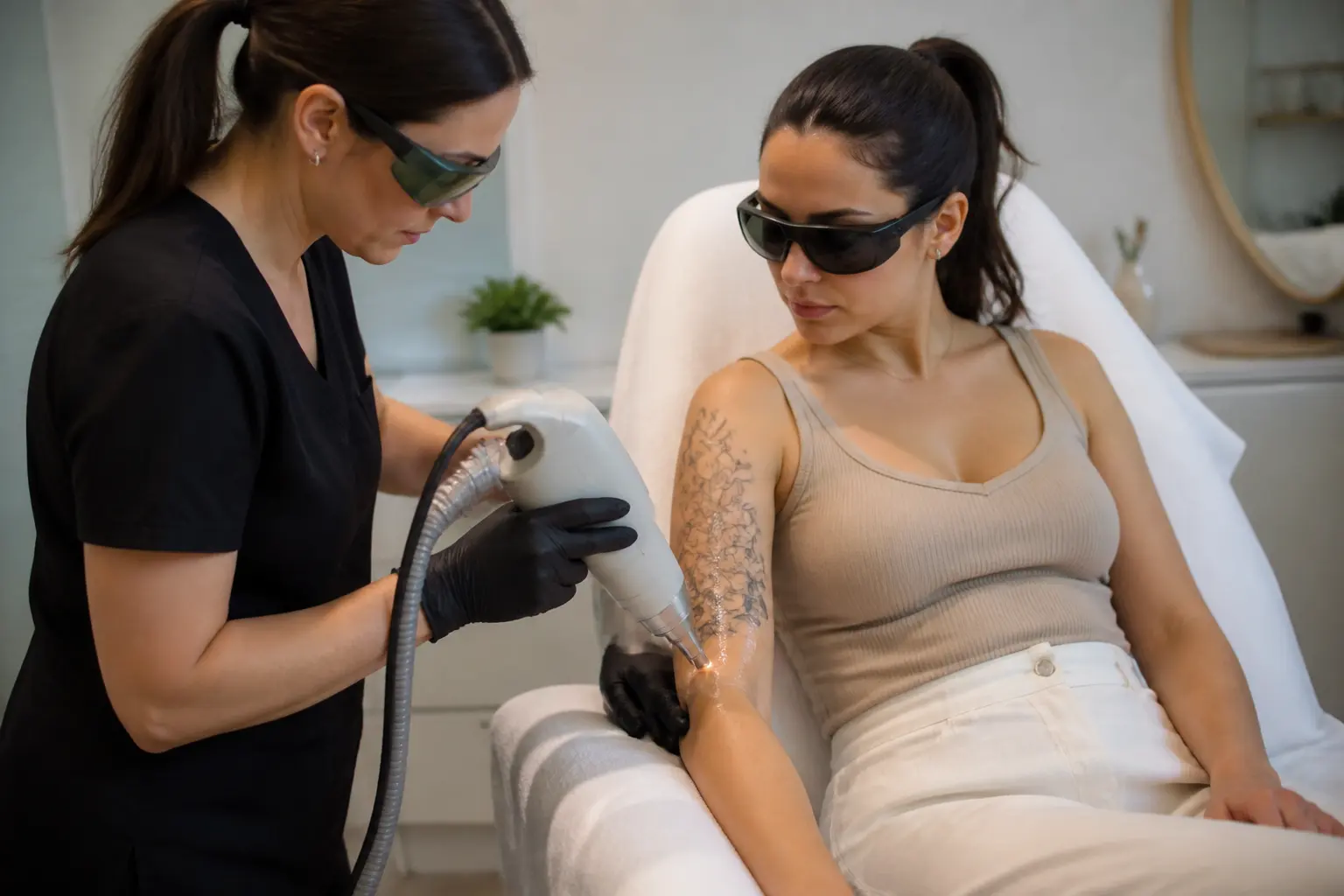
People describe laser tattoo removal in different ways. A commonly used comparison is the quick snap of a thin elastic band against the skin, repeated as the laser passes across the tattoo. The sensation is brief with each pulse, but the experience can still feel intense, especially on more sensitive parts of the body or when treating a larger area.
The laser works by directing light energy towards the ink particles in the skin. Those particles are broken into smaller fragments, which the body gradually clears over time. This is why tattoo removal usually involves a series of sessions with healing time in between, rather than one long appointment designed to remove every trace of ink at once. The US Food and Drug Administration’s overview of tattoo removal notes that pain, redness and soreness can occur, and that the number of sessions varies according to factors such as tattoo size and colour.
It is useful to separate two ideas. First, a laser appointment can be uncomfortable. Secondly, discomfort does not have to mean being rushed, ignored or left unsure of what is happening. A professional setting should give you an opportunity to discuss your concerns beforehand, understand the plan for the session and speak up if you need a pause.
Why pain levels vary from one tattoo to another
There is no universal pain scale for tattoo removal. Two tattoos on the same person can feel very different to treat. That is not a sign that anything is wrong. Several practical factors can influence the experience.
- Placement: Areas with thinner skin, less cushioning or greater sensitivity may feel more intense than other locations.
- Tattoo size: A small tattoo may be treated relatively quickly, while a larger design can require more time and more pulses during a session.
- Ink colours and density: Different pigments respond to different laser wavelengths. A dense, layered or multi-coloured tattoo may require a tailored treatment approach.
- Your personal sensitivity: Sleep, stress, anxiety, recent illness and individual pain tolerance can all affect how a session feels on the day.
- The condition of the skin: Skin should be properly assessed before treatment. If the area is irritated, damaged or not fully recovered from a previous session, postponing may be the more responsible choice.
For these reasons, it is best not to judge your likely experience solely by a friend’s story or an online video. A consultation allows the practitioner to review the relevant details and set realistic expectations without overpromising.
How cooling can support comfort during tattoo removal
Cooling is one of the best-known ways to make a laser session feel more manageable. It may be delivered through a stream of cooled air, a cooling device or a cold compress applied at the appropriate point in the appointment. The exact method depends on the equipment, the area being treated and the professional protocol in place.
Cooling does not remove all sensation, and it should not be presented as a guarantee that treatment will be painless. Its role is more practical: it can make the skin feel calmer before, during or immediately after laser pulses, helping some clients cope better with the heat and snapping sensation. Medical and dermatology sources also describe cooling as a common supportive measure around laser procedures. For example, USF Health’s laser tattoo removal guidance describes the use of cool air during treatment to minimise discomfort.
Cooling before the laser pass
Brief cooling before treatment can help a client settle into the appointment and understand the contrast between the cool sensation and the laser pulse. It also creates a useful moment to check that you are comfortable with positioning and that the treatment area is fully accessible.
Cooling during treatment
Where the equipment and protocol allow it, cooled air can be used alongside the laser treatment. This can be particularly helpful for clients who are anxious about the first few pulses. A clear explanation from the practitioner matters here: knowing when a pulse is coming, when cooling is being used and when a short break is possible can make the session feel more predictable.
Cooling after treatment
After the laser pass, the treated skin can feel warm, tender or swollen. A cold compress or other professionally advised cooling method may be used to support immediate comfort. The American Society for Dermatologic Surgery notes that an ice pack may be applied after tattoo laser treatment, alongside the aftercare approach advised by the treating professional.
At home, follow the specific aftercare guidance you receive. Avoid assuming that every cooling product, cream or home remedy is suitable for freshly treated skin. The goal is to protect the area while it settles, not to experiment with products that could irritate it.
Other comfort options to discuss at consultation
Cooling is not the only topic worth raising. A good consultation is the right place to ask what comfort measures are appropriate for you and what is, or is not, provided for the service.
Topical numbing products
Some laser providers may use or recommend a topical numbing cream in certain circumstances. The FDA and the American Academy of Dermatology both note that numbing products can be used to reduce discomfort in laser tattoo removal. However, suitability, timing and application instructions matter. Do not arrive having used a numbing product unless you have been specifically instructed to do so by the professional responsible for your treatment.
This is especially important if you have sensitive skin, allergies, a history of reactions to topical products, or use prescription skincare or medication. Tell the studio about these factors in advance so that your appointment can be planned responsibly.
Session pacing and short pauses
Comfort is not only about products or devices. Pacing can make a genuine difference. For a larger tattoo, it can help to know whether brief pauses are possible and how you can signal that you need one. A pause is not a failure to cope. It is simply useful communication that allows the session to remain calm and controlled.
Positioning and privacy
Awkward positioning can add unnecessary tension. Before starting, make sure you can sit or lie comfortably and that the tattoo is accessible without straining. If the tattoo is in a more personal area, ask practical questions about privacy, clothing and positioning when you book. Knowing what to expect can reduce anxiety before you arrive.
Professional guidance on pain relief
It is sensible to ask what is appropriate if you are worried about discomfort after a session. Do not make assumptions about tablets, creams or supplements, particularly if you take regular medication or have a medical condition. Your treating professional, pharmacist or doctor can advise according to your circumstances. The key point is to avoid self-directed preparation that has not been discussed with the person overseeing the laser procedure.
Simple ways to prepare for a more comfortable appointment
Comfort begins before the laser is switched on. These small steps can help you arrive feeling more prepared.
- Book a consultation if you are unsure. Bring your questions about the tattoo, likely treatment course, comfort options and aftercare.
- Share relevant information honestly. Mention allergies, skin sensitivities, medicines, previous laser experiences and any changes to the skin in the treatment area.
- Avoid arriving rushed. Give yourself time to find the studio, complete any required paperwork and settle before the appointment begins.
- Wear comfortable clothing. Choose something that allows easy access to the tattoo while keeping you warm and relaxed.
- Eat and hydrate normally unless you have been given different instructions. Being overtired, hungry or dehydrated can make any beauty appointment feel harder to manage.
- Plan your day around aftercare. You may prefer to avoid tight clothing rubbing the area or activities that could make you feel overheated immediately afterwards, depending on the aftercare advice you receive.
It is also wise to arrive with realistic expectations. Laser tattoo removal takes time, and each appointment is only one stage of a longer process. Trying to force the pace is not a comfort strategy. Allowing the skin appropriate recovery time between sessions is part of responsible treatment planning.
What a professional tattoo removal appointment should include
Professional care is about more than operating a laser. Before treatment, there should be an opportunity to assess the tattoo and the condition of the skin, discuss the desired outcome and explain relevant risks and limitations. The FDA highlights that laser tattoo removal requires appropriate laser selection, an understanding of tissue response and suitable care after the procedure.
During the appointment, you should understand what is being done and be able to communicate if something feels unexpected. After treatment, you should leave with clear aftercare instructions and know when to contact the provider with a concern. Mild redness, tenderness and swelling can happen, but significant or worrying symptoms should not be ignored. Seek prompt advice from an appropriate healthcare professional if you are concerned about a reaction or possible infection.
At Becammo, laser tattoo removal is offered exclusively at the Sliema studio. A consultation is the sensible first step for anyone who wants to understand whether the service is suitable, how the tattoo may be approached and what comfort arrangements can be discussed for their individual appointment.
Conclusion
Laser tattoo removal can be uncomfortable, but you do not need to approach it without information or support. Cooling, careful pacing, appropriate preparation and open communication can all contribute to a more manageable experience. The best option is the one that fits your tattoo, skin and personal needs, rather than a one-size-fits-all promise.
If you are considering tattoo removal in Malta, book a consultation at Becammo Sliema and ask directly about the expected sensation, cooling and comfort options, preparation and aftercare. Clear answers before your first session can help you make your decision with greater confidence.
Frequently asked questions
Is laser tattoo removal more painful than getting a tattoo?
Experiences vary widely. Some people find removal more intense because the laser sensation is sharp and repetitive, while others find the short duration of each laser pass manageable. Placement, tattoo size, ink density and personal sensitivity all influence the experience.
Does cooling make tattoo removal painless?
No. Cooling can support comfort and may reduce the feeling of heat around treatment, but it does not guarantee a painless session. Ask during consultation which cooling approach, if any, is suitable for your appointment.
Can I use numbing cream before laser tattoo removal?
Only use a numbing cream if the treating professional has told you to do so and has explained how to apply it. The product, amount and timing can matter, particularly if you have allergies or sensitive skin.
Can I ask for a break during treatment?
Yes. Tell the practitioner before treatment that you are concerned about discomfort, and agree how you will communicate if you need a short pause. Clear communication is part of a professional appointment.
What should I do if the treated area feels very sore afterwards?
Follow the aftercare instructions provided by your treatment professional. If you have strong, worsening or worrying symptoms, or you suspect an adverse reaction or infection, seek advice promptly from an appropriate healthcare professional.