Sun Exposure and Tattoo Removal: Malta’s Patience Game
Brenda Cammo Team

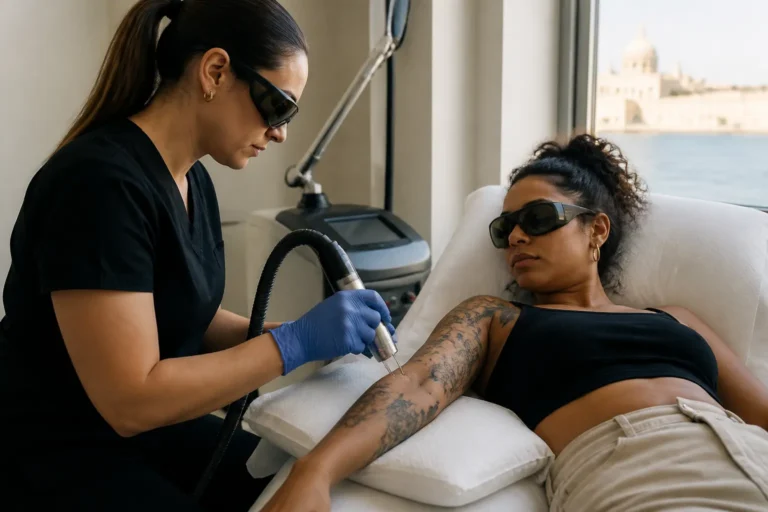
In Malta, sunshine is part of everyday life. Beach days, boat trips, walks along the promenade and long outdoor lunches can make it harder to plan laser tattoo removal than it first appears. The key is not to abandon your goal, but to approach it with patience, honest timing and professional guidance.
Sun exposure matters before, during and after a course of tattoo removal. A laser session works on tattoo pigment within the skin, while your skin also needs time to settle between appointments. When the area is tanned, irritated or recently exposed to strong UV light, a practitioner may need to postpone treatment for safety and to protect the quality of your plan.
This is why tattoo removal in Malta can feel like a patience game. The most helpful approach is to think beyond one appointment. Consider your holidays, outdoor work, favourite activities and ability to keep the tattooed area covered or protected. At Becammo, laser tattoo removal is available exclusively at the Sliema studio, beginning with an individual consultation to discuss the tattoo, your skin and the right timing for you.
Why does sun exposure matter for tattoo removal?
Laser tattoo removal uses targeted light energy to break tattoo ink into smaller particles. Your body then gradually clears those particles over time, which is one reason sessions are not booked back to back. The skin also has its own recovery period after each appointment.
Sun exposure adds another variable. UV light can increase pigment activity in the skin and may leave the treatment area tanned or more reactive. Laser treatment on recently tanned skin can raise the likelihood of unwanted colour changes and may affect whether a practitioner feels it is appropriate to proceed that day. Professional laser guidance commonly advises avoiding strong sun exposure around treatment and protecting the area throughout the course of sessions.
DermNet notes that protecting the treated area from sun exposure during a laser course helps reduce the risk of post-inflammatory hyperpigmentation. A patient information leaflet from Sandwell and West Birmingham NHS Trust similarly advises covering the area and using sun protection between sessions and after the final treatment. Your personal instructions should always come from the practitioner assessing your skin and tattoo.
The difference between a tan, a brief walk and holiday sun
Not every moment outdoors is the same. A short walk to work with the tattoo covered is very different from several hours in direct sun at the beach. Still, in Malta, strong daylight can reach exposed skin quickly, particularly when you are near water, spending time outdoors at midday or wearing clothing that leaves the tattoo uncovered.

For treatment planning, it helps to be specific rather than vague. Instead of saying, “I have been in the sun a little,” consider these questions:
- Has the tattooed area changed colour or become noticeably darker?
- Have you sunbathed, visited the beach or spent extended time on a boat recently?
- Is a holiday with regular sun exposure coming up?
- Can you realistically cover the area while it settles?
- Have you used fake tan or any product that changes the appearance of the skin?
Clear answers help a professional make a more sensible decision. If there is uncertainty, delaying a session may be the more responsible option. A postponed appointment can be frustrating, but it is preferable to forcing treatment into a period when your skin is not ready.
Before your tattoo removal session: plan around real life
The best time to begin tattoo removal is not necessarily the first date available in the diary. It is a period when you can follow the preparation and aftercare guidance consistently.
Think ahead before booking
If you have a sunny holiday, outdoor festival, beach weekend or a demanding period of work outside coming up, mention it during your consultation. This does not automatically mean you cannot start treatment. It means your practitioner can help you assess whether the timing is practical.
There is no single calendar rule that suits every tattoo, skin tone, body area or laser plan. Recommendations can vary according to the condition of the skin, how recently it was exposed to UV light and the protocol used. Some NHS laser guidance advises that treatment should not take place close to a sun holiday, while other services stress avoiding treatment on heavily tanned skin. The common message is simple: do not treat tanning as a minor detail.
Arrive with clean, honest information
At a professional consultation, disclose recent sun exposure, tanning, fake tan, skincare products on the area, previous reactions and any relevant health information requested in the consultation process. This is not about being judged for enjoying the Maltese sun. It is about making the appointment safer and more personalised.
A test area or assessment may be appropriate before a full session, depending on the tattoo and the practitioner’s protocol. The American Society for Dermatologic Surgery notes that pigment changes can occur after tattoo laser treatment and that a test treatment is important. Its patient guidance also advises avoiding sun exposure before and after treatment.
After a session: protect healing skin, not just the tattoo
After laser tattoo removal, the treated area may look or feel different for a period. Redness, swelling, tenderness, blistering or crusting can occur. Your aftercare instructions should explain exactly how to care for the skin and when to contact the studio or seek medical advice if you are concerned.
The practical point for sun exposure is that the area needs protection while it settles. It is not the moment to “test” whether the skin is fine by taking it to the beach. Even if the tattoo itself is small, the treated skin deserves calm, low-friction care.
Choose physical protection where possible
Clothing is often the simplest first line of protection. Depending on the tattoo’s position, that might mean a loose sleeve, longer shorts, a light overshirt or another breathable layer that does not rub the area. The goal is to reduce direct UV exposure without irritating healing skin.
For sunscreen, follow the advice given for your stage of healing. Do not apply products to broken, blistered or freshly treated skin unless your practitioner has told you to do so. Once the skin is intact and your practitioner confirms it is suitable, broad-spectrum high-factor sun protection may form part of your routine. Reapply it as directed on the product, especially after swimming or sweating, but remember that sunscreen is not a reason to deliberately sunbathe the area.
Do not confuse coverage with carelessness
A covered tattoo can still be affected by heat, friction and long outdoor days. If you are in the early days of recovery, choose shade, lighter activity and clothing that does not cling to the treated area. Avoid picking at any scabbing or crusting. If anything looks unusual or you are unsure whether an activity is appropriate, contact the studio rather than relying on social media advice or a friend’s experience.
Can summer be a good time for tattoo removal in Malta?
Summer is not automatically off limits. It simply requires more planning. Some people can maintain a treatment plan during sunnier months because their tattoo is usually covered by clothing, they are not travelling for a beach holiday and they can follow aftercare carefully. Others may prefer to schedule around the season, especially if the tattoo is on an area that is normally exposed, such as the forearm, shoulder, calf or ankle.
Autumn and winter can feel easier for some clients because covering the area is more natural and sun-focused plans are less frequent. But the ideal start date is personal. A client who spends winter skiing or travels somewhere sunny may have the same planning considerations as someone in Malta during August.
The priority is consistency, not racing through sessions. Tattoo removal is usually a course of appointments, and the number and spacing of sessions vary. Ink colour, tattoo age, density, location, skin characteristics and how the tattoo responds all matter. DermNet explains that multiple laser treatments are commonly needed and that complete clearance is not always possible. A consultation is the right place to discuss what may influence your own timeline.
A realistic Malta planning checklist
Use this checklist before booking your next laser tattoo removal appointment.
- Look at your calendar. Note beach plans, pool days, boat trips, holidays and outdoor events.
- Check the treatment area. Is it calm, intact and free from a fresh tan or sunburn?
- Consider clothing. Can you comfortably cover and protect the tattoo during daily life?
- Be honest about exposure. Tell your practitioner about recent sun, tanning or fake tan, even if it seems minor.
- Allow recovery time. Avoid booking a session immediately before an event where you expect the area to be exposed or irritated.
- Keep flexibility. If your skin needs more time, adjusting the schedule is part of responsible treatment planning.
Common mistakes that make the process harder
Booking immediately before a beach holiday
This creates unnecessary pressure. You may be managing healing skin while trying to enjoy activities that involve sun, swimming, heat and friction. If your holiday is fixed, discuss it before you book rather than assuming you can fit a session in at the last minute.
Hiding recent tanning
A practitioner needs an accurate picture of your skin on the day. Tanning can affect treatment decisions, so withholding that information does not help you get a better result. It only makes the consultation less reliable.
Assuming all tattoos follow the same timetable
Your friend’s black linework tattoo on an upper arm is not the same as a multicoloured tattoo on an ankle. The ink, depth, colour, placement and your skin response can all affect planning. Individual assessment matters more than comparison.
Trying to speed up the intervals
Patience is not passive in tattoo removal. The time between appointments allows the skin to recover and gives the body time to process fragmented ink. Booking too closely together is not a shortcut to a better outcome.
How a professional consultation supports better timing
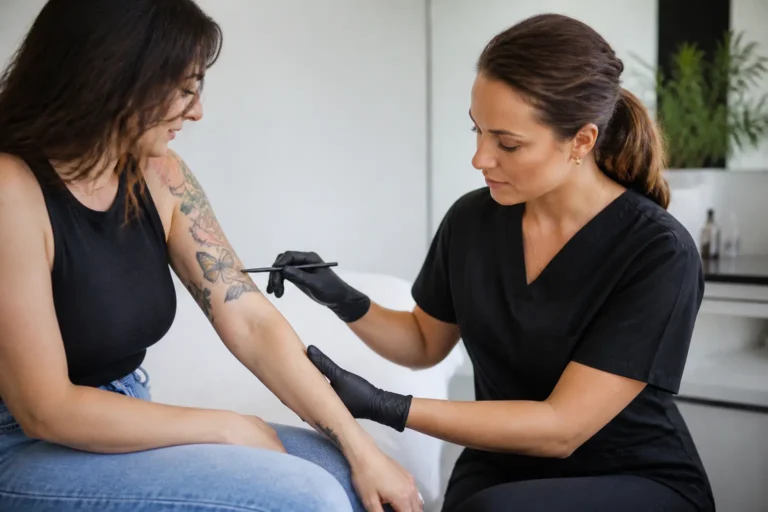
At Becammo Sliema, a laser tattoo removal consultation is an opportunity to ask practical questions before committing to a course. Bring up the tattoo’s history, your desired outcome, planned travel, sun exposure, previous removal sessions and any concerns about aftercare. You can also ask how the area should be protected, what to do if your holiday plans change and when to get in touch about a skin reaction.
A good plan leaves room for real life. Malta’s sunshine does not have to stop you from exploring tattoo removal, but it does ask you to be organised. If you are ready to start the conversation, book a consultation for laser tattoo removal at the Sliema studio and discuss a schedule that respects both your skin and your lifestyle.
Frequently asked questions
Can I have laser tattoo removal if I live an outdoor lifestyle in Malta?
Possibly, but careful planning is important. Tell your practitioner about work, sport, travel and regular outdoor activities so they can assess whether the timing and aftercare requirements are realistic for you.
Should I postpone tattoo removal after sunbathing?
If the treatment area is tanned, sunburnt or has had significant recent sun exposure, contact the studio before attending. Your practitioner should assess whether it is appropriate to proceed or better to reschedule.
Can I use sunscreen after tattoo removal?
Follow your practitioner’s aftercare instructions. Freshly treated or broken skin may need a different approach from fully healed, intact skin. Once appropriate, sun protection and covering the area can help protect it during the treatment course.
Will summer make tattoo removal take longer?
Summer itself does not determine the result, but sun exposure may mean you need to adjust session timing. A consistent plan that respects healing and sun protection is more useful than trying to rush appointments.
Is tattoo removal available at both Becammo locations?
Laser tattoo removal is available exclusively at Becammo Sliema. A consultation can help you understand the process, discuss your tattoo and plan around sun exposure and your personal schedule.