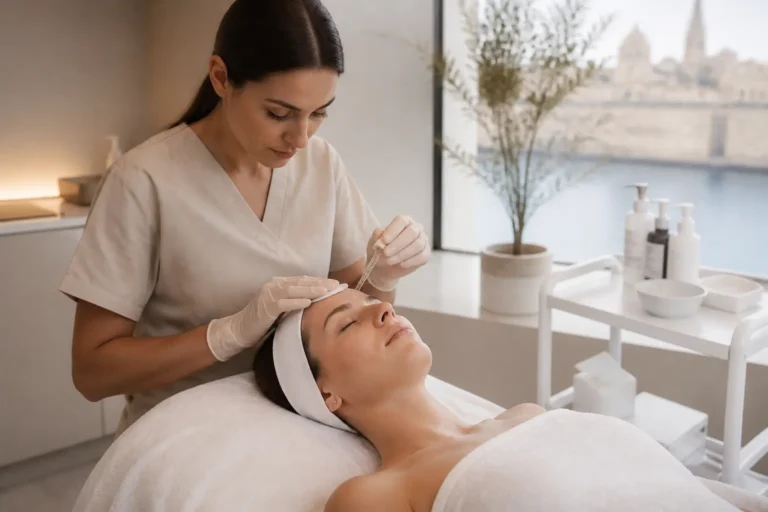
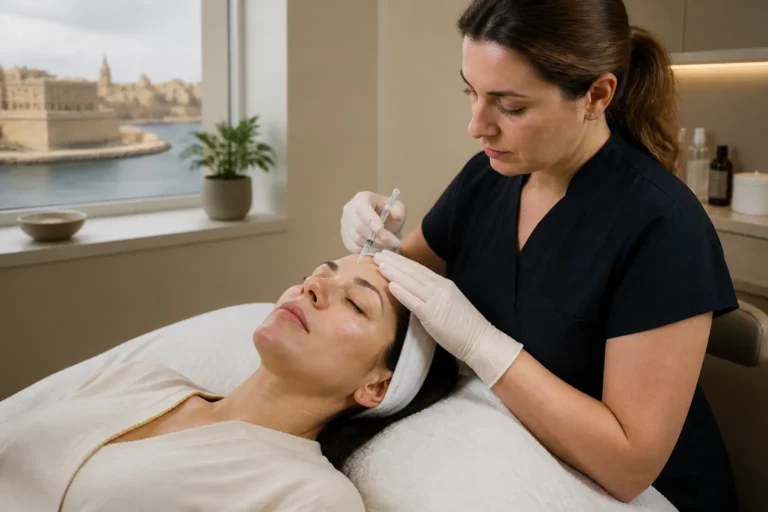
Is a PDRN Facial Suitable for Sensitive Skin? What the Assessment Covers
Brenda Cammo Team

Sensitive skin does not automatically rule out a PDRN facial. It does mean that the decision should begin with a careful conversation, an honest look at how your skin is behaving now and a plan that respects its limits.
At a professional studio, the assessment is there to decide whether this is an appropriate time to go ahead, whether the facial approach needs adapting, or whether it is wiser to pause. It is not about pushing every client into the same routine. Skin can be sensitive for many reasons, and two people who both describe their skin as reactive may need very different guidance.
A PDRN facial is often considered by clients who want their complexion to feel more comfortable, hydrated and refreshed. However, a product or facial that suits one person is not automatically right for another. This is especially important if your skin stings easily, becomes red after new products, has frequent dry patches or is currently unsettled.
What does “sensitive skin” actually mean?
Sensitive skin is a broad term. It is commonly used when skin has a lower tolerance for cosmetics, skincare products or environmental changes. You might notice stinging, tightness, itching, warmth, redness or dryness after using something new, after cleansing, or when moving between air-conditioned spaces, heat, wind and sun.
It is also useful to separate sensitivity from a confirmed allergy. A reaction can be caused by irritation, an allergy to an ingredient or an underlying skin condition. These are not interchangeable. Dermatology guidance notes that patch testing is used to investigate allergic contact dermatitis, while irritation can have other causes. DermNet’s overview of sensitive skin explains why a detailed history matters when skin reacts easily.
For that reason, a beauty consultation should not attempt to diagnose eczema, rosacea, contact dermatitis or an allergy. Its role is to identify relevant warning signs, understand your routine and help you make a sensible booking decision. If symptoms are persistent, severe or unexplained, the right next step is a dermatologist or other qualified healthcare professional.
Can sensitive skin be suitable for a PDRN facial?
Possibly, but suitability is individual. The key question is not simply, “Do I have sensitive skin?” It is, “Is my skin stable enough for a facial today, and is this service appropriate for my current concerns?”

Someone whose skin is generally sensitive but calm, with no active flare-up and no known conflict with the products used, may be able to discuss a PDRN facial during an assessment. In contrast, it may be better to postpone if the skin is actively inflamed, broken, sunburnt, peeling, intensely itchy or reacting to a recent product.
A responsible answer also depends on the complete formula and the wider facial protocol, not the name PDRN alone. Skin comes into contact with every product used during a session, including cleansers, preparation products, masks and finishing skincare. Fragrance, preservatives and other cosmetic ingredients can be relevant for people with a history of reactions. DermNet’s guidance on cosmetic contact reactions highlights that cosmetic reactions can have several causes and that identifying the trigger may require medical assessment.
In short, sensitive skin is a reason to assess carefully, not a reason to make assumptions. No facial should be presented as universally suitable, and no single service replaces a medical evaluation where one is needed.
What a professional PDRN facial assessment covers
Before booking or at the beginning of an appointment, a good assessment should create a clear picture of your skin, your goals and your recent exposures. It should feel like a conversation, not a rushed checklist.
Your current skin condition
The first point is how your skin looks and feels on the day. You may be asked about redness, tightness, dryness, flaking, spots, sensitivity to touch or products, and any areas that feel sore or compromised. The practitioner will also observe visible signs that suggest the skin may be unsettled.
This does not mean making a medical diagnosis. It means recognising when a cosmetic facial may not be the right choice that day. If there is an active concern that falls outside a studio assessment, postponing and seeking appropriate clinical advice is the more careful route.
Your history of reactions and allergies
Be ready to mention any known cosmetic allergies, previous reactions to facials, skincare, adhesives, fragrances or preservatives, and whether you have ever had formal allergy testing. It is also important to say if a product tends to make your face burn, itch, swell or develop a rash later.
If you have recurring rashes or do not know what triggers them, a salon assessment cannot identify the allergen. Formal patch testing is a medical process used to investigate delayed allergic skin reactions. The American Academy of Dermatology explains how clinical patch testing works and why it may be recommended for ongoing reactions.
Your skincare routine
Your everyday products tell an important story. Bring a simple list, or photos of labels if that is easier. Include cleanser, moisturiser, SPF, exfoliants, masks, serums and any products you use only occasionally. Do not forget products used around the hairline, as these can also touch the face.
Particular attention should be given to recently introduced products and stronger active ingredients. If your skin is adjusting to exfoliating acids, retinoids or another active routine, it may be sensible to discuss timing rather than layering several changes at once. A considered plan makes it easier to understand what your skin tolerates.
Recent treatments and skin stressors
Let the studio know about recent facials, exfoliation, dermaplaning, waxing around the face, laser appointments, sun exposure or sunburn. Also mention if you have used a new home peel or had a reaction after travelling. Malta’s bright sun and warm weather can leave skin feeling more exposed than usual, particularly when you have spent extra time outdoors.
The aim is not to create a long list of restrictions. It is to avoid treating skin that is already stressed. Timing can often make the difference between a considered facial plan and one that feels like too much for your skin that week.
Your expectations
It helps to be specific about what you want from the appointment. Are you looking for a more comfortable-feeling complexion, support for a dehydrated-looking appearance, a moment of professional care, or advice on simplifying your routine? Clear expectations help the practitioner explain what the session can realistically involve.
A facial is not a substitute for medical care and should not be expected to resolve a diagnosed skin condition. The most useful consultation is honest about both possibilities and limits.
When it is sensible to postpone
There are times when waiting is the best form of skin care. Contact the studio before your appointment, or mention it as soon as you arrive, if you have:
- an active rash, hives, marked swelling or intense itching
- open, weeping or broken skin
- sunburn, significant peeling or heat-related irritation
- a recent, unexplained reaction to a cosmetic product
- a suspected infection or a skin concern that is worsening
- started prescription skincare or received medical advice that may affect facial treatments
These situations do not necessarily mean you can never book a facial. They mean a professional should not guess. Your skin may need time to settle, an adjusted plan, or advice from a healthcare professional before you return to cosmetic treatments.
How to prepare for the assessment
You do not need to arrive with a perfect complexion or a complicated record. A few practical details are enough to make the conversation more useful.
- Keep your routine steady before the appointment. Avoid introducing several new products in the days beforehand. If a reaction develops, it is much harder to understand what may have contributed to it.
- Write down known triggers. This could include fragrance, a particular serum, a home exfoliant, heat, sun exposure or a previous facial step that did not feel right for your skin.
- Tell the practitioner about medication and professional advice that affects your skin. This supports a safer discussion, while recognising that the studio does not replace your prescriber or dermatologist.
- Arrive with realistic goals. Think of the appointment as personalised care and guidance, rather than an instant fix.
- Ask questions. You can ask what products will be used, whether your recent routine changes affect timing, and what gentle aftercare is appropriate for you.
Why product testing and medical patch testing are different
The word “patch test” is often used loosely, but different approaches serve different purposes. A small product compatibility check may be considered in some circumstances as part of a cautious cosmetic approach. It is not the same as medical patch testing and cannot confirm or rule out an allergy.
Dermatologists may use formal patch testing when allergic contact dermatitis is suspected. The process involves selected allergens, controlled application and readings over time. If you have recurrent facial reactions, swelling, persistent rash or difficulty identifying what your skin dislikes, ask a medical professional whether this type of assessment is appropriate.
For everyday skincare, the American Academy of Dermatology recommends testing new products cautiously and stopping use if a reaction occurs. This is helpful context for sensitive skin, but it should never be used to dismiss symptoms that need medical attention.
Questions worth asking before you book
If you are deciding whether to book a PDRN facial in Malta, these questions can help you have a more productive conversation with the studio:
- My skin reacts easily. What information would help you assess whether now is the right time?
- I recently changed my skincare routine. Should I wait until my skin is settled?
- I have had a reaction to a facial product before. Should I seek medical advice first?
- What should I avoid using immediately before and after my appointment?
- If my skin is not suitable on the day, what are my options?
A professional studio should welcome these questions. Personalised care starts before the first product is applied.
A calmer approach to facial choices
When you have sensitive skin, the most reassuring choice is often the least rushed one. Rather than booking because a treatment is popular or because you feel pressure to change your skin quickly, start with an assessment that considers your present skin condition, routine and past reactions.
At Becammo, the PDRN facial conversation should centre on your comfort, your individual skin history and whether the timing makes sense. If your skin is calm and the service appears appropriate, the practitioner can guide you through the next steps. If it is not the right moment, waiting is a valid outcome.
If you are considering a PDRN facial in Sliema or Swieqi, book a suitable appointment through the online booking system and share any sensitivity concerns in advance. That gives the studio the best opportunity to guide you thoughtfully and help you choose with confidence.
Frequently asked questions
Is a PDRN facial safe for everyone with sensitive skin?
No. Sensitive skin varies widely, and suitability depends on your current skin condition, previous reactions, skincare routine and the products used during the session. An assessment helps determine whether it is sensible to proceed or wait.
Should I book if my face is red and stinging?
It is best to contact the studio first and describe what is happening. Active redness and stinging can indicate that skin is unsettled. If symptoms are severe, persistent or unexplained, seek advice from a qualified healthcare professional.
Can a studio tell me whether I have a skincare allergy?
No. A studio can discuss your history and recognise when a reaction needs further attention, but diagnosing an allergy requires medical assessment. Formal patch testing may be recommended by a dermatologist when allergic contact dermatitis is suspected.
What should I bring to a sensitive-skin consultation?
A list or photos of your current skincare products, details of known allergies or reactions, recent facial treatments and any relevant professional advice. This information makes the assessment more accurate and practical.
Do I need to stop all skincare before a PDRN facial?
Do not make major changes without discussing your routine. Tell the practitioner what you use, especially new products and active ingredients, so they can advise on suitable timing and aftercare for your situation.