Dermaplaning and Chemical Exfoliants: Safe Spacing
Brenda Cammo Team
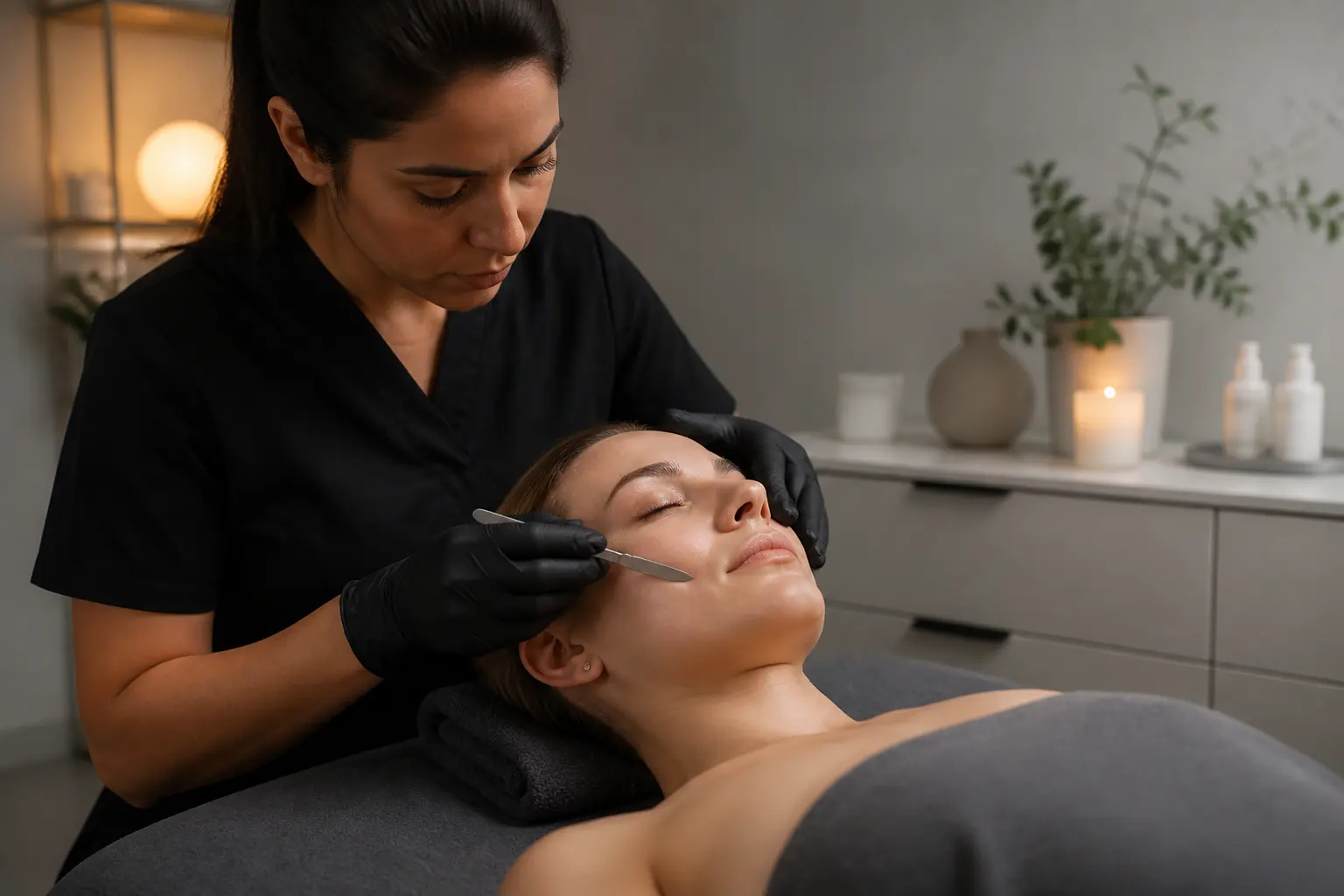
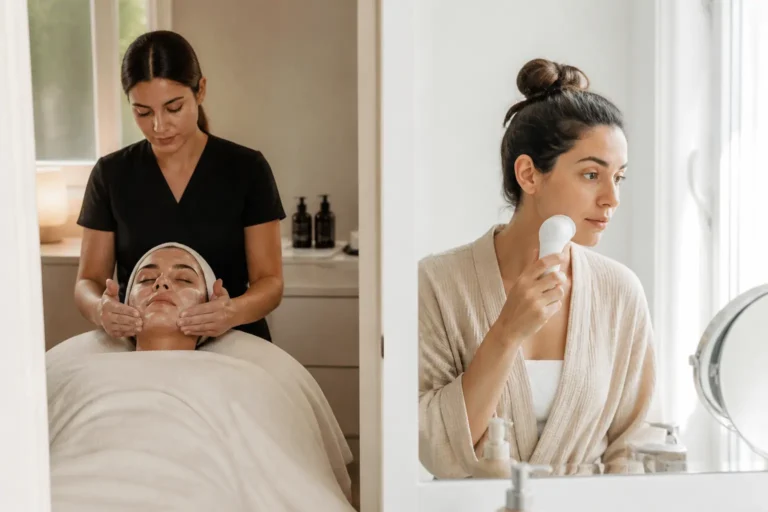
Dermaplaning and chemical exfoliants can both have a place in a thoughtful skincare routine, but they should not be treated as interchangeable steps or piled on without a plan. Dermaplaning uses a professional blade technique to remove surface build-up and fine vellus hair. Chemical exfoliants use ingredients such as alpha hydroxy acids, beta hydroxy acids or other active formulas to loosen dead skin cells.
Because both approaches exfoliate, using them too closely together can leave skin feeling tight, stingy, dry or visibly irritated. The safest approach is not to chase the strongest possible glow. It is to give your skin time to settle, be honest about the products you use, and let your facial professional tailor the appointment around your skin on that day.
If you are considering dermaplaning in Malta, this guide explains what to pause, what to mention before booking, and how to return to an active skincare routine without rushing the process.
Why timing matters when you use acids and dermaplaning
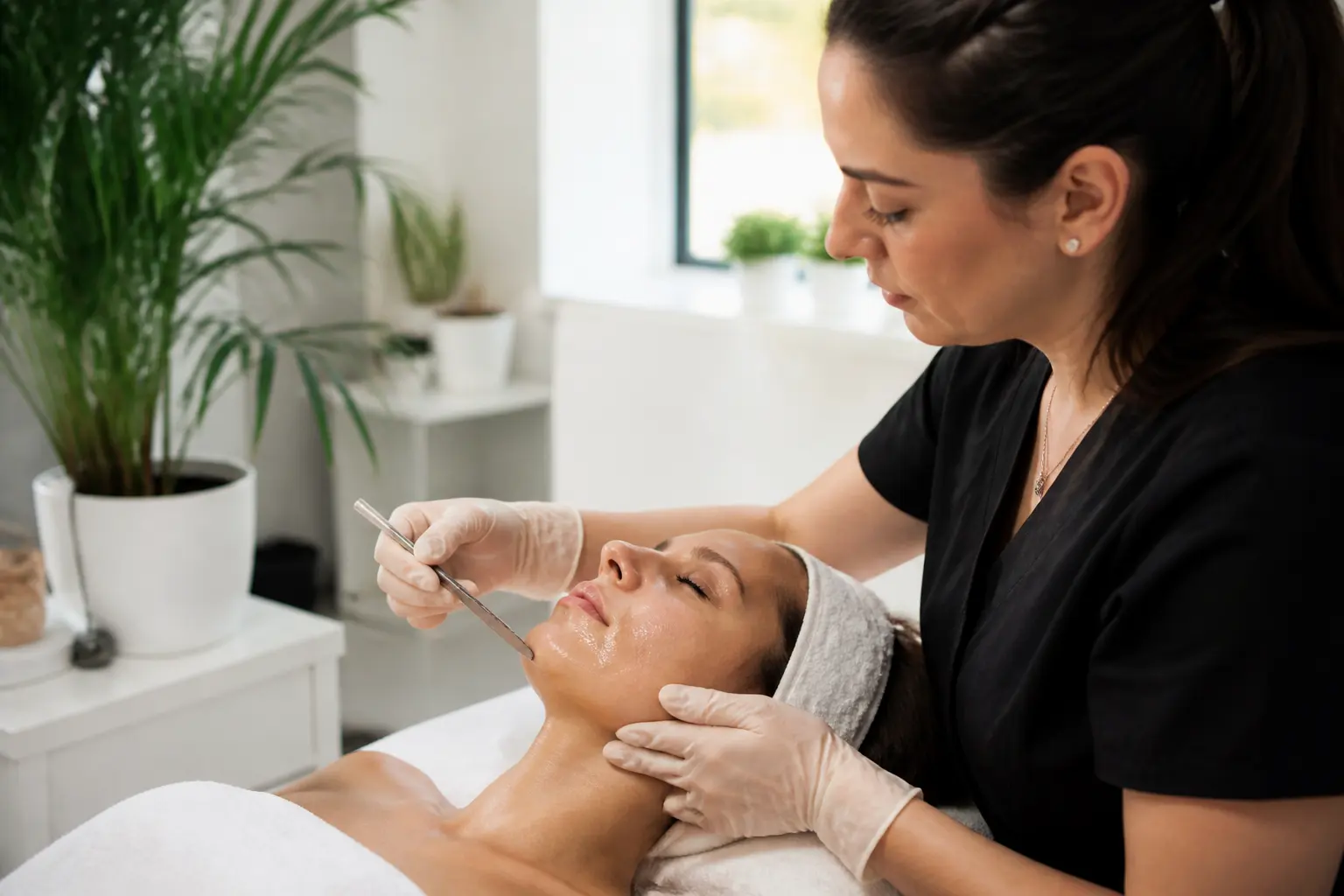
Dermaplaning is a form of physical exfoliation. During a professional session, the surface of the skin is gently refined with a sterile blade technique. Chemical exfoliants work differently, but they can create a similar overall effect by helping loosen the bonds between dead surface cells.
Common chemical exfoliants include AHAs, such as glycolic acid and lactic acid, and BHAs, such as salicylic acid. Some exfoliating products are obvious, such as peel pads, acid toners and exfoliating serums. Others are easier to overlook, including acne cleansers, overnight treatments, masks and combination products.
The issue is not that either method is automatically unsuitable. It is that layering exfoliation too aggressively may put more pressure on the skin barrier than your skin is comfortable with. The American Academy of Dermatology advises considering the exfoliating products and medicines already in your routine, since combining exfoliation with ingredients such as retinoids or benzoyl peroxide can worsen dryness and irritation for some people. American Academy of Dermatology guidance on exfoliating safely also notes that the more intensive the exfoliation, the less often it is generally needed.
That is why spacing is important. A dermaplaning appointment should fit into your existing routine, not compete with it.
Chemical exfoliants to flag before your appointment
Before dermaplaning, make a quick list of anything you apply to your face regularly or occasionally. Bring the product names, or a clear photo of the labels, if you are unsure. This makes it easier for the studio to advise you responsibly.
AHAs
Alpha hydroxy acids are often used in products aimed at texture, dullness or an uneven-looking surface. Glycolic acid, lactic acid and mandelic acid are examples. They may appear in cleansers, toners, serums, masks and leave-on pads.
BHAs
Salicylic acid is the BHA most people recognise. It is often used in skincare for congested or spot-prone complexions. It can be found in cleansers as well as leave-on products, so it is worth checking every step rather than assuming a face wash does not count.
Retinoids and retinol products
Retinoids are not normally described as chemical exfoliants in the same way as AHAs and BHAs, but they can increase sensitivity and visible peeling. Retinol is available in cosmetic skincare, while some retinoids are prescribed medicines. Both are important to disclose before a facial appointment.
Benzoyl peroxide and stronger acne products
Benzoyl peroxide can be drying or irritating, particularly when it is used alongside other active products. The NHS notes skin irritation as a common side effect of benzoyl peroxide. Read the NHS overview of benzoyl peroxide for general medicine information, and speak with your pharmacist or prescriber if you use it as part of an acne plan.
At-home peels and exfoliating masks
Do not forget products marketed as weekly treatments. A peel solution, resurfacing mask, exfoliating scrub or acid-soaked pad can be more active than a daily cleanser. The American Academy of Dermatology cautions that doubling up on similar exfoliating ingredients can trigger dryness and irritation. Its advice on facial masks and skincare is a useful reminder that more products do not necessarily mean better skin comfort.
How to space dermaplaning and acid-based skincare
There is no single calendar rule that suits every person, every formula or every skin concern. The right gap depends on the strength and frequency of your products, how your skin is behaving, whether you use prescription medication, and what the facial professional sees at your appointment.
A useful principle is to create a calm period around dermaplaning. Avoid introducing a new active product close to your session. If your skin is already peeling, burning, very dry or reacting to a product, it is sensible to pause and contact the studio before proceeding rather than trying to exfoliate your way through it.
Before dermaplaning
Tell the studio about every active product you use, including occasional treatments. Follow the individual pre-appointment instructions you are given. If you use prescribed skincare, do not change or stop it on your own. Ask the clinician who prescribed it, or your pharmacist, how it should be managed around cosmetic exfoliation.
In the days leading up to the appointment, keep the routine simple unless you have been told otherwise by a qualified clinician. A gentle cleanser, a moisturiser that feels comfortable on your skin, and daily sun protection are usually easier to assess than a routine full of new acids, scrubs and masks.
On the day of your session
Arrive with clean skin and mention any recent sensitivity, breakouts, sun exposure or product reactions. A professional appointment should begin with a conversation about your skin, not an assumption that every facial service suits every face on every day.
Dermaplaning may need to be postponed if there are open areas, an active flare-up, a sunburn or significant irritation. The American Academy of Dermatology advises against exfoliating skin with open cuts, wounds or sunburn. That same cautious approach is appropriate before a professional exfoliating service.
After dermaplaning
Give your skin a chance to feel comfortable before returning to chemical exfoliants. In the immediate aftercare period, prioritise gentle cleansing, moisturising and broad-spectrum SPF. Avoid using the freshly smooth feeling as a reason to add several active products at once.
When you do reintroduce an exfoliant, return to the product that was already working for you rather than trying a new, stronger formula. Introduce one active step at a time and pay attention to how your skin responds. If stinging, persistent redness, unusual dryness or peeling develops, stop the product and seek advice from a suitable healthcare professional.
A simple routine around a dermaplaning appointment
The aim is not to create a complicated programme. It is to remove unnecessary variables so you and your facial professional can understand what your skin needs.
| Stage | Focus | What to avoid doing without advice |
|---|---|---|
| Before booking | Check your products and disclose actives | Assuming a cleanser, mask or spot treatment is irrelevant |
| Before the session | Keep the skin calm and follow personalised instructions | Trying a new peel, scrub or strong acid product |
| Appointment day | Share changes in your skin, routine or medication | Ignoring burning, peeling, sunburn or active irritation |
| Early aftercare | Gentle cleansing, moisturiser and SPF | Layering acids, scrubs and drying acne treatments |
| Return to actives | Reintroduce familiar products gradually when skin feels settled | Restarting every active product at the same time |
Signs you may be over-exfoliating
Healthy-looking skin does not need to feel squeaky, stripped or constantly tingly. Over-exfoliation can look different from person to person, but common warning signs include:
- Stinging when you apply normally gentle products.
- Persistent redness or a flushed appearance.
- Tightness, rough patches or unexpected flaking.
- Skin that suddenly feels sensitive to water, moisturiser or sunscreen.
- New irritation after adding several active products.
- A tendency to keep exfoliating because the skin feels uneven, while it becomes increasingly uncomfortable.
These signs do not diagnose a skin condition, but they are reasons to simplify your routine and ask for advice. The goal is to support the barrier, not repeatedly challenge it.
Who needs extra caution?
Extra care is especially important if you have reactive skin, a history of eczema flare-ups, active acne lesions, a current rash, recent sunburn or areas of broken skin. Dermaplaning is also not a shortcut around a prescribed skincare plan.
If you use adapalene, tretinoin or another retinoid, ask your prescriber or pharmacist for guidance before booking. An NHS hospital information leaflet on adapalene warns that peeling agents such as salicylic acid and glycolic acid may add to dryness or irritation when used alongside the medicine. Dorset County Hospital guidance on adapalene provides further general information.
If you are taking oral isotretinoin, have recently changed prescription treatment, or have an ongoing dermatological concern, seek medical guidance first. A facial studio can explain its service and assess visible skin condition, but it should not replace individual medical advice.
Why a professional consultation makes the difference
Dermaplaning should be personalised, particularly when your bathroom shelf contains acids, retinoids or acne treatments. A professional can ask the right questions, assess whether your skin looks calm enough for the service, and recommend whether to proceed or reschedule.
At Becammo, the conversation matters as much as the visible finish. Be open about your home routine, including products you only use once a week. Mention recent travel, time in the sun, new breakouts and any sensitivity. That information helps the appointment stay focused on comfort, hygiene and an approach that suits your skin rather than a one-size-fits-all routine.
If you are unsure whether an ingredient is an exfoliant, bring the product or take a photo of its ingredient list. Asking first is always more useful than guessing after your skin has become irritated.
Conclusion
Dermaplaning and chemical exfoliants do not need to be rivals. They simply need thoughtful spacing. Treat dermaplaning as one exfoliating step within a wider routine, not an excuse to add more acids before or after your appointment. Keep your skin calm, disclose your products, protect it from the sun and give it time to settle.
If you are planning dermaplaning in Sliema or Swieqi and use active skincare, book with the details of your routine in mind. The final booking step is a good opportunity to ask questions and make sure the service is appropriate for how your skin feels now.
Frequently asked questions
Can I use glycolic acid after dermaplaning?
It is best not to rush back to glycolic acid immediately after a dermaplaning session. Let your skin settle first and follow the personalised aftercare guidance provided for your appointment. If your skin feels sensitive, keep the routine gentle for longer and ask for advice before restarting acids.
Is salicylic acid safe before dermaplaning?
Salicylic acid is an active exfoliating ingredient, so it is important to tell the studio if you use it. Your ideal spacing will depend on the product, how often you use it and your current skin condition. Do not assume that a salicylic acid cleanser or spot treatment does not matter.
Can I dermaplane if I use retinol?
Tell the studio that you use retinol before you book. Retinol can make some people more prone to dryness and sensitivity. If you use a prescription retinoid, ask your prescriber or pharmacist for individual guidance rather than stopping a medicine independently.
What should I use on my skin after dermaplaning?
Keep the aftercare routine simple. Use a gentle cleanser, a comfortable moisturiser and broad-spectrum SPF. Avoid adding scrubs, acid masks or several active serums while your skin is settling.
Should I cancel dermaplaning if my face is peeling or irritated?
Contact the studio before your appointment. Peeling, burning, sunburn, open areas or a visible flare-up can mean that your skin needs time and a gentler approach. Rescheduling may be the more comfortable option.