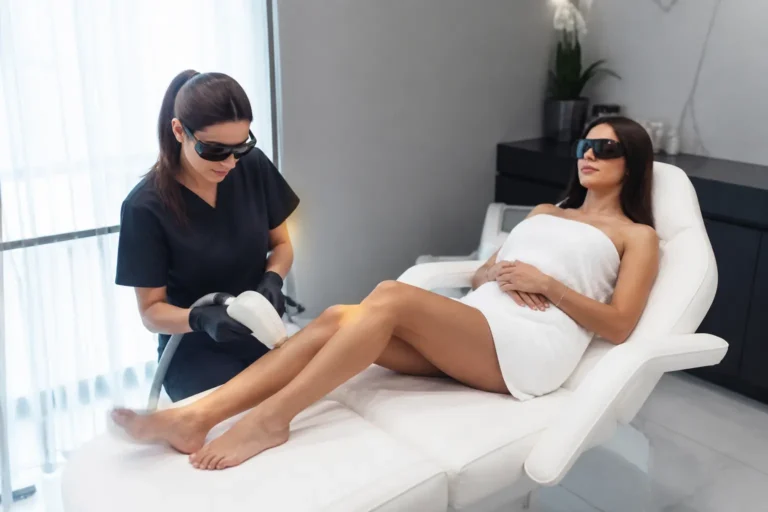
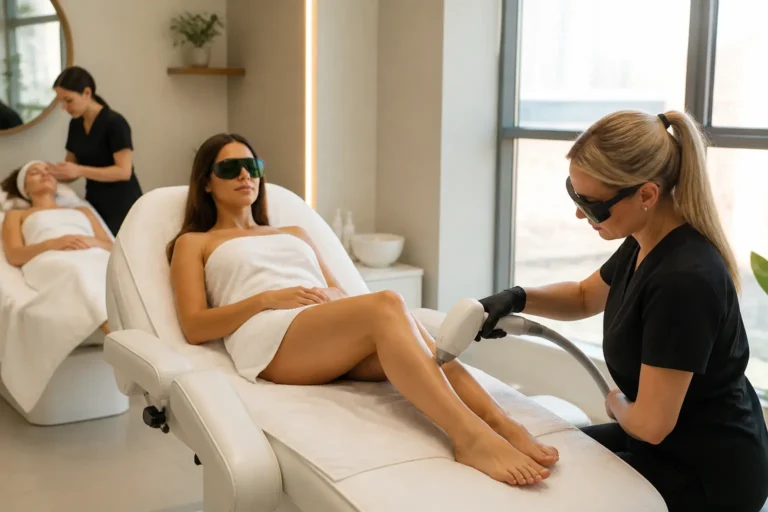
Laser Hair Removal on Dark and Tanned Skin: What to Know
Brenda Cammo Team
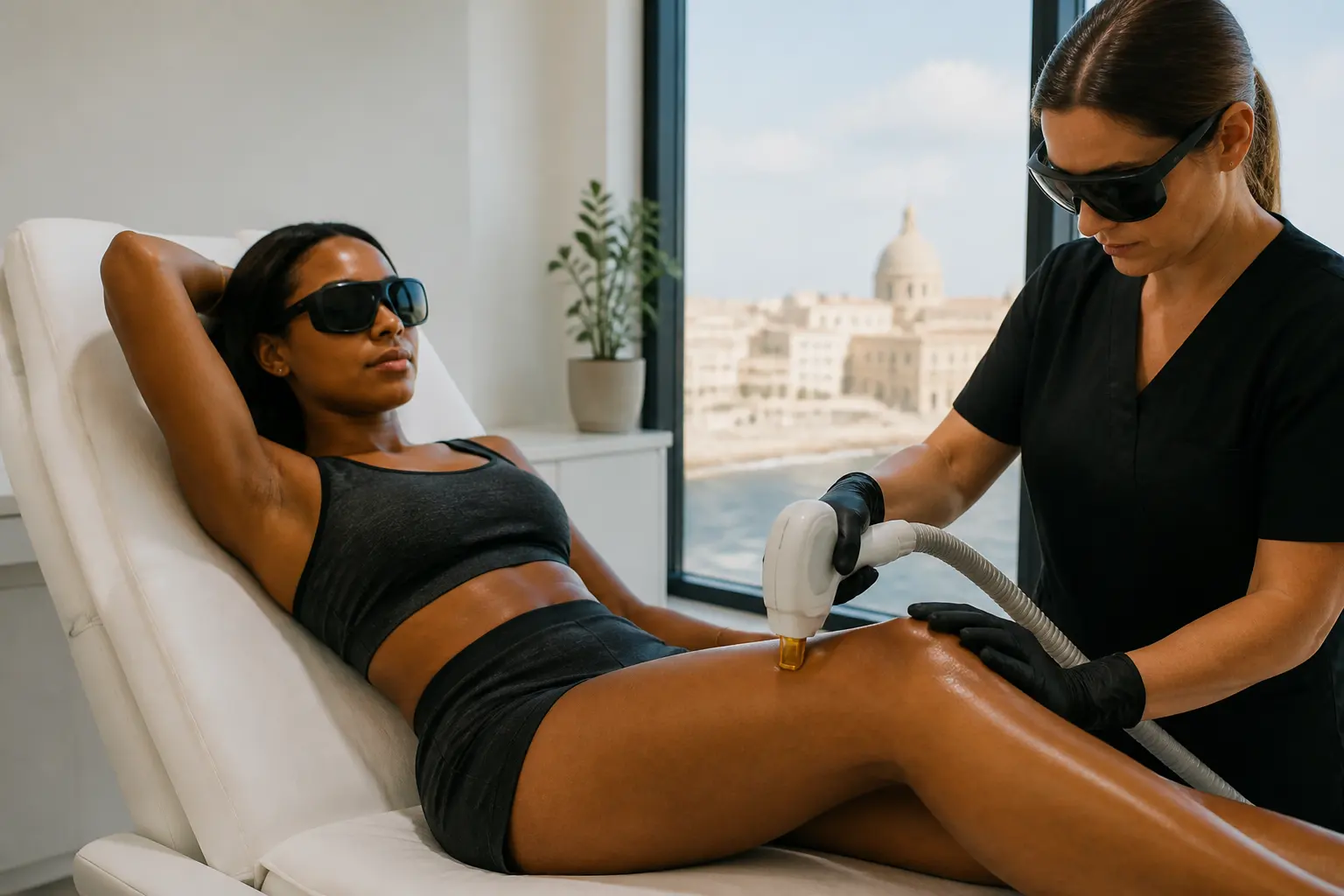
Having dark skin or a holiday tan should not automatically rule you out of laser hair removal. However, it does make one part of the process especially important: choosing an approach that takes your current skin tone, hair colour, recent sun exposure and the treatment area into account.
Modern laser technology has widened the options for people with a broad range of skin tones. The key is not a one-size-fits-all setting or a rushed appointment. It is a professional assessment, careful treatment planning and honest advice about whether your skin is ready for a session today.
For clients in Malta, this conversation matters all year round. Strong sunshine, beach days and regular outdoor time can change the amount of pigment in the skin, even when your natural skin tone has not changed. Here is what to know before booking laser hair removal on dark or tanned skin.
Why skin tone matters in laser hair removal
Laser hair removal works by directing light towards pigment in the hair. The aim is to heat the hair structure in a controlled way, affecting the follicle during its active growth phase. Because melanin is present in both hair and skin, the professional providing the service needs to consider the contrast between the hair and the surrounding skin.
When skin is naturally darker, there is more melanin in the skin to account for. When skin is tanned, there is temporarily more pigment near the surface than usual. In both situations, the treatment plan must be selected carefully to reduce unnecessary heat in the skin while still targeting the hair effectively.
This is why a question such as “Can dark skin have laser hair removal?” does not have a simple yes or no answer. Many people with dark skin can be considered for laser hair removal, but suitability depends on individual factors, including hair colour, hair thickness, skin response, the area being treated and the technology available.
The American Academy of Dermatology notes that laser hair removal can be performed across skin types and colours when there is sufficient contrast between skin and hair, while also highlighting that darker skin can be more prone to burns and pigment changes if treatment is not properly tailored.
Dark skin and tanned skin are not the same thing
It is useful to separate these two situations, because they affect booking decisions in different ways.
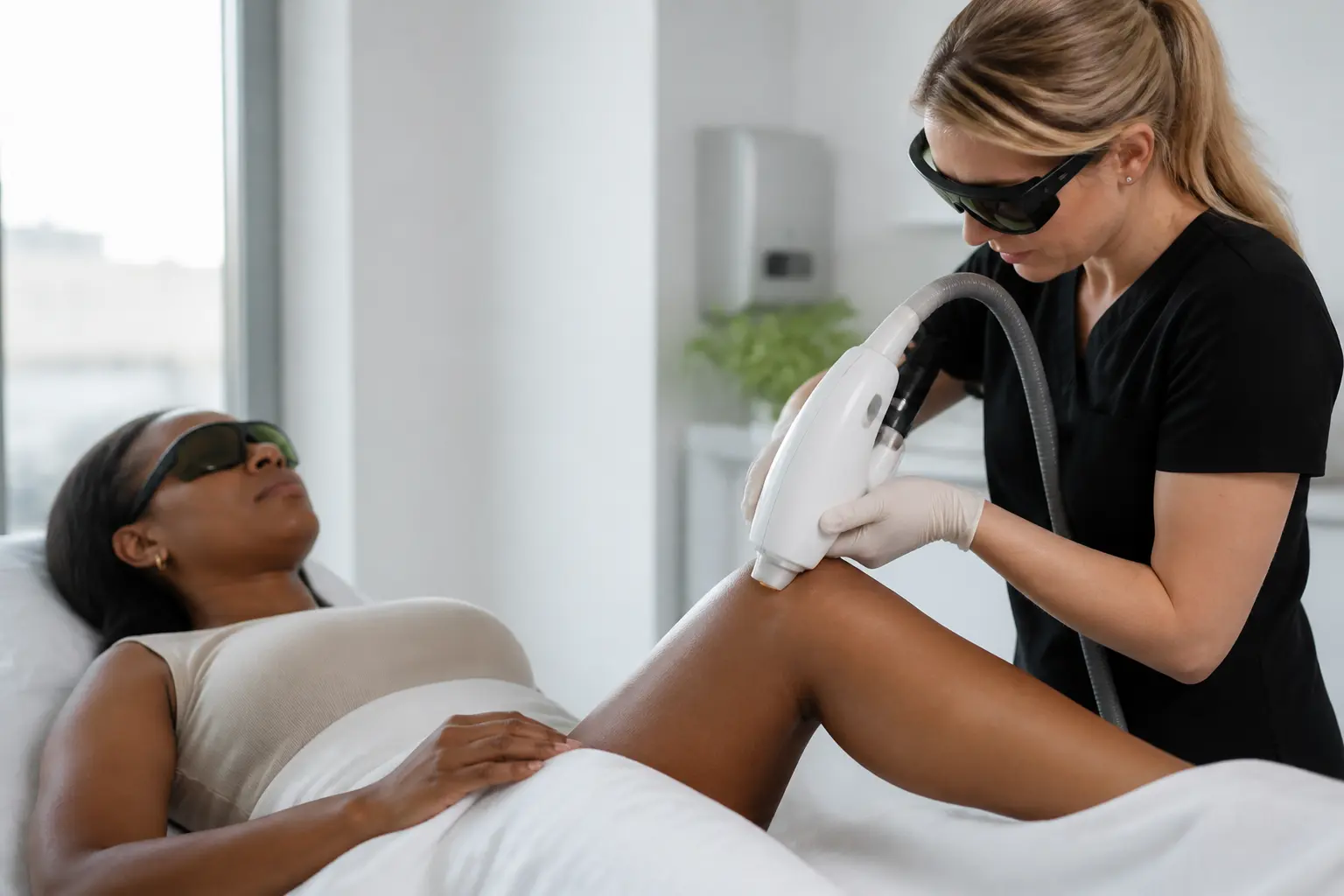
Naturally dark skin
Your natural skin tone is your usual baseline when you have not had recent sun exposure, tanning products or a sunbed. A professional assessment considers this baseline along with your hair characteristics. Modern systems and adjusted settings can make laser hair removal more accessible than it was in the past, but experience with a range of skin tones remains essential.
It is reasonable to ask direct questions before booking: is the practitioner experienced in treating your skin tone, what information do they need before the session, and what should you do if your skin reacts differently from usual? Clear answers are part of responsible care.
Recently tanned skin
A tan is a recent change in your skin’s pigment level, whether it comes from sun exposure, a sunbed or a self-tanning product. Even if your skin is normally light, medium or dark, a fresh tan can affect whether a laser appointment should go ahead as planned.
Recent tanning can make it harder to treat the hair while protecting the skin. It may therefore be appropriate to postpone the session until the tan has faded and the skin has returned closer to its usual tone. This is not an inconvenience for its own sake. It is a sensible part of treatment planning.
The American Academy of Dermatology’s preparation guidance advises clients not to tan before laser hair removal and to tell the professional about a recent tan. It also recommends daily broad-spectrum, water-resistant SPF 30 or higher when going outdoors.
What modern technology allows, and what it does not
Modern laser technology has improved the range of skin tones that can be considered for hair removal. Different laser systems use different wavelengths, pulse durations, cooling methods and treatment parameters. These variables help trained professionals adapt the session to the individual rather than treating every client in exactly the same way.
For darker skin tones, the technology choice and settings matter because the skin contains more melanin. A system that is appropriate for one person may not be the right choice for another. Good results are never just about the machine. They depend on the match between the technology, the protocol and the person being treated.
Cooling is also an important part of many professional laser systems. It can support comfort and help protect the skin during treatment, but it is not a substitute for suitable settings, proper preparation or informed assessment.
It is equally important to understand the limits. Modern technology does not mean that every hair colour responds in the same way. Very light blonde, white, grey and red hairs have little pigment for the laser to target, so they may not respond as predictably as darker hairs. The American Academy of Dermatology also notes this limitation and advises that people of all skin tones should be treated by someone experienced with their skin colour.
Why a professional assessment should come before a session
A professional studio should treat your consultation as more than a booking formality. Before laser hair removal, it is helpful to discuss the points that can influence suitability and timing.
- Your natural skin tone and whether it has changed recently through sun exposure or tanning products.
- The colour, thickness and density of the hair in the chosen area.
- The body area you want to treat, as facial hair and body hair can behave differently.
- Any previous laser or light-based hair removal experiences.
- Current skincare, medicines or supplements that may affect skin sensitivity.
- Any irritation, cuts, active skin concerns or recent procedures in the treatment area.
- Your plans for sun exposure, swimming, travel or outdoor events around the appointment.
Be open about all of these points, even if they seem minor. A recent weekend at the beach, a new retinoid product or a self-tan applied before an event can change the best next step. In some cases, waiting is the more responsible option.
The goal of an assessment is not to make promises about a fixed number of sessions or identical outcomes. Hair growth happens in cycles, and response varies according to the individual. Instead, it is about creating a plan that respects your skin and helps you make an informed decision.
Preparing for laser hair removal in Malta
Malta’s sunny climate can make preparation feel more complicated, but the basic principle is straightforward: protect the treatment area from unnecessary sun exposure and let the studio know if your skin colour has changed.
Before your appointment
- Avoid intentional tanning, including sunbeds.
- Do not use self-tanning products on the treatment area unless the studio has confirmed how to prepare for your booking.
- Use sun protection consistently when the area will be exposed outdoors.
- Tell the team if you have been on holiday, spent extended time in the sun or noticed a fresh tan.
- Follow the studio’s instructions on shaving and other hair removal methods before the session.
- Share relevant information about skincare products and medicines before treatment rather than guessing what is important.
Do not wax, thread, tweeze or use an epilator on an area that is being prepared for laser hair removal unless your provider has specifically advised it. These methods remove the hair from the root, while laser treatment relies on the hair structure within the follicle. Shaving is often approached differently because it removes hair at the skin surface, but always follow the instructions for your particular appointment.
On the day
Arrive with clean skin in the treatment area where possible. Skip perfumed body products, heavy oils and tanning products unless you have been told otherwise. If you have any doubt about a product, mention it before the session starts.
It is also a good idea to mention changes since your last visit. For example, say if you have had a sunburn, started a new skincare routine, used a fake tan or noticed irritation. There is no benefit in pushing ahead with a session when the skin needs more time.
What the session may feel like
People experience laser hair removal differently. The sensation can vary according to the body area, hair density, hair thickness and the settings selected for your skin and hair profile. Many clients describe brief warmth or a quick snapping sensation. It should not be presented as completely pain-free, because comfort is personal and the feeling can vary.
During a professional session, communication matters. Let the practitioner know how the area feels, especially if a sensation seems unusual. The team can explain what is expected, check the skin response and guide you through the process.
Afterwards, temporary warmth or redness may occur. Your provider should give you clear aftercare instructions based on the treatment area and your skin. If you have questions about what you are seeing after your session, contact the studio rather than relying on generic social media advice.
Common booking mistakes to avoid
Assuming a tan is harmless because it has faded slightly
A tan does not need to look very dark to be relevant. If your skin is deeper in colour than your normal baseline, say so when you book or arrive. The right decision may be to adjust the plan or wait.
Choosing solely by the lowest advertised price
Laser hair removal is not a service where speed should replace careful assessment. Ask how the studio approaches different skin tones, what preparation they expect and how they handle changes in recent sun exposure.
Expecting identical results across every area
Underarms, legs, bikini areas, face and other body zones can differ in hair thickness, growth patterns and hormonal influence. A treatment plan should reflect the actual area, not a generic promise.
Hiding skincare or medication changes
Some products and medicines can affect skin sensitivity. The safest approach is to share this information before the session so the provider can advise appropriately. The AAD specifically recommends disclosing skincare products, medicines and supplements because some can increase sensitivity to laser light.
Questions to ask before booking
Whether you have dark skin, a tan or simply want a more personalised plan, these questions can help you choose a professional service with confidence.
- Do you assess my current skin tone, including recent sun exposure, before treatment?
- Is the technology and approach suitable for my hair and skin profile?
- What should I stop or avoid before my appointment?
- What should I do if I become tanned before my next session?
- What response is expected after treatment, and when should I contact the studio?
- How will we review progress and adjust the plan if needed?
Thoughtful answers are a positive sign. You deserve to understand what the session involves and why the preparation rules matter.
Laser hair removal should be personalised, not rushed
Dark skin can be considered for laser hair removal, and modern technology offers more options than earlier generations of devices. A recent tan is different: it is a change that may mean your session needs to be delayed for your skin’s wellbeing. In both cases, the most important factor is a personalised, professional approach.
If you are considering laser hair removal in Malta, book a service at Becammo in Sliema or Swieqi and share your skin tone, hair concerns and recent sun exposure when arranging your visit. The team can help you understand the right next step for the area you would like to treat.
Frequently asked questions
Can I have laser hair removal if I have naturally dark skin?
Possibly, yes. Suitability depends on your individual skin and hair profile, the treatment area and the technology used. A professional assessment is important because darker skin needs carefully selected settings and an experienced approach.
Can I have laser hair removal after sunbathing?
It is best to tell the studio about any recent sun exposure or tanning. A fresh tan can change how the skin responds, and it may be better to postpone treatment until your skin has returned closer to its normal tone.
Does laser hair removal work on every hair colour?
No. Laser treatment generally relies on pigment in the hair, so darker hairs tend to offer a clearer target. Very light blonde, white, grey and red hairs may respond less predictably.
Is a fake tan relevant before a laser appointment?
Yes. Self-tanning products can affect the surface colour of the skin and should be mentioned before your appointment. Ask the studio for specific preparation guidance rather than trying to remove it at the last minute.
How many laser hair removal sessions will I need?
The number varies. Hair growth cycles, the body area, hair characteristics and individual response all influence the plan. A consultation can provide more useful guidance than a fixed promise.
What if I get tanned between sessions?
Contact the studio before your next appointment. They can advise whether the session can proceed or whether it should be moved to a later date. Being transparent protects your skin and supports better treatment planning.