How Often to Book Dermaplaning? A Skin-First Guide
Brenda Cammo Team
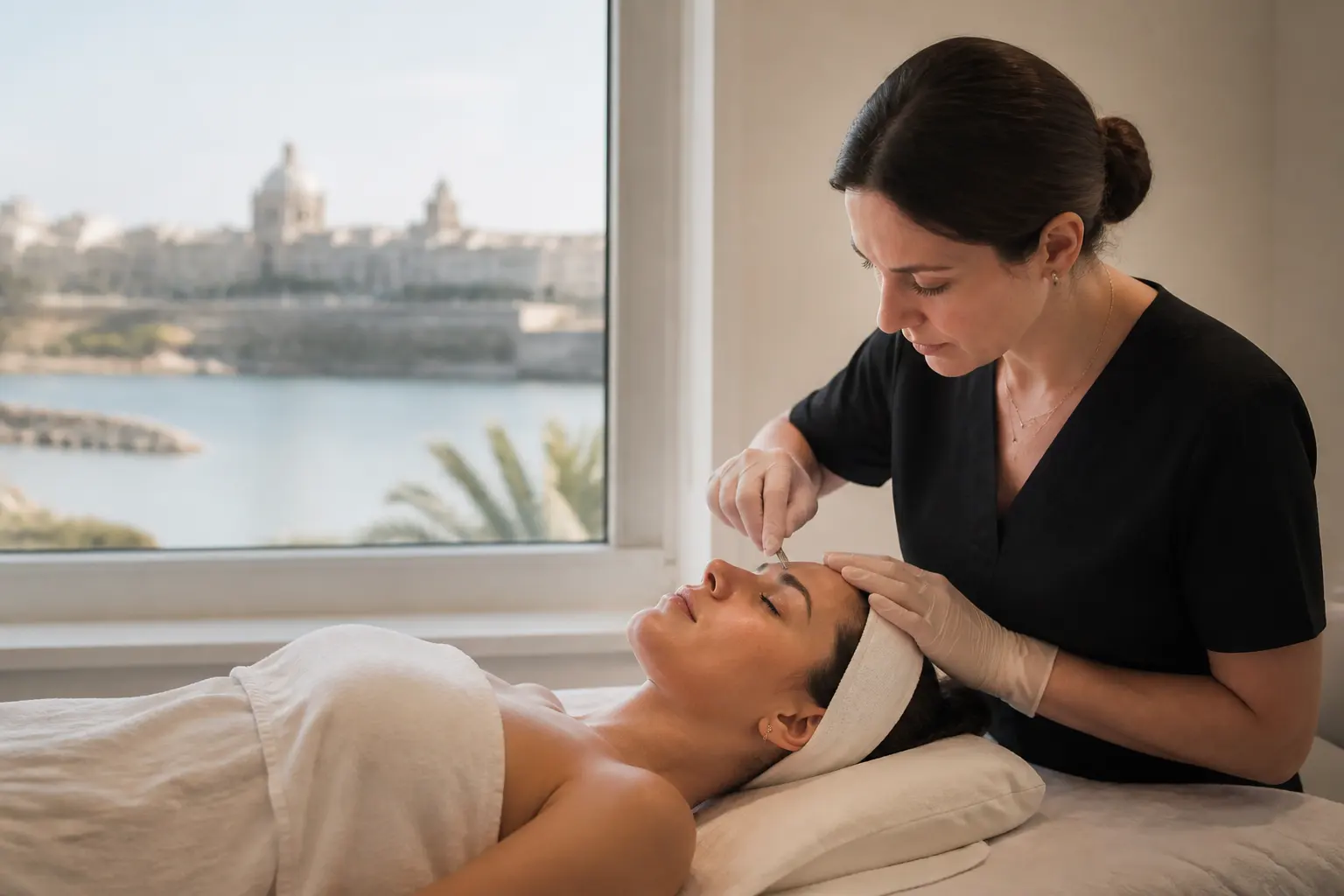
Dermaplaning can leave the face feeling exceptionally smooth and help make make-up sit more evenly, so it is natural to wonder when to book the next appointment. The most useful answer is not a rigid calendar rule. Your ideal timing depends on two separate things: how your skin is feeling after exfoliation, and when you personally notice fine facial hair returning.
At a professional studio, dermaplaning is planned as a skin-care appointment, not simply as facial shaving. The service uses a professional technique to lift surface build-up while removing fine vellus hair, often called peach fuzz. That means repeat appointments should allow room for your skin to feel settled, comfortable and well cared for between visits.
For many people, a gap of around three to four weeks is a sensible starting point for discussing a repeat dermaplaning appointment. It is not a promise that every person will need the same rhythm. Skin type, current routine, sun exposure, sensitivity and other facial treatments all matter. A professional conversation before booking helps keep the focus on what your skin needs, rather than trying to chase a perfectly smooth feeling every few days.
Dermaplaning frequency is about skin condition, not just hair regrowth
Fine facial hair grows gradually and differs widely from person to person. Some clients notice it again sooner, while others barely notice it for weeks. Its return alone does not mean your skin is ready for another exfoliating appointment.
Dermaplaning also works at the surface of the skin, where naturally shed cells can contribute to a dull or uneven-looking texture. Skin is always renewing itself, but that process is individual and can be influenced by the climate, your products, stress, breakouts and sensitivity. It is best not to think of skin renewal as an exact countdown that is identical for everyone.
Dermatologists advise that the stronger or more intensive an exfoliation method is, the less frequently it may be suitable. They also note that over-exfoliation can leave skin red or irritated. The American Academy of Dermatology’s guidance on exfoliation highlights why skin type and the products already in your routine should shape the schedule.
In practical terms, book when the previous appointment has been followed by a comfortable period of recovery and your skin feels calm. Do not use the reappearance of peach fuzz as the only reason to book sooner.
A practical starting rhythm for professional dermaplaning
If you are new to dermaplaning, begin with one professional appointment and pay attention to how your skin responds over the following weeks. Rather than automatically setting a fixed repeat booking, use your first visit to establish a realistic baseline.
For a regular maintenance routine
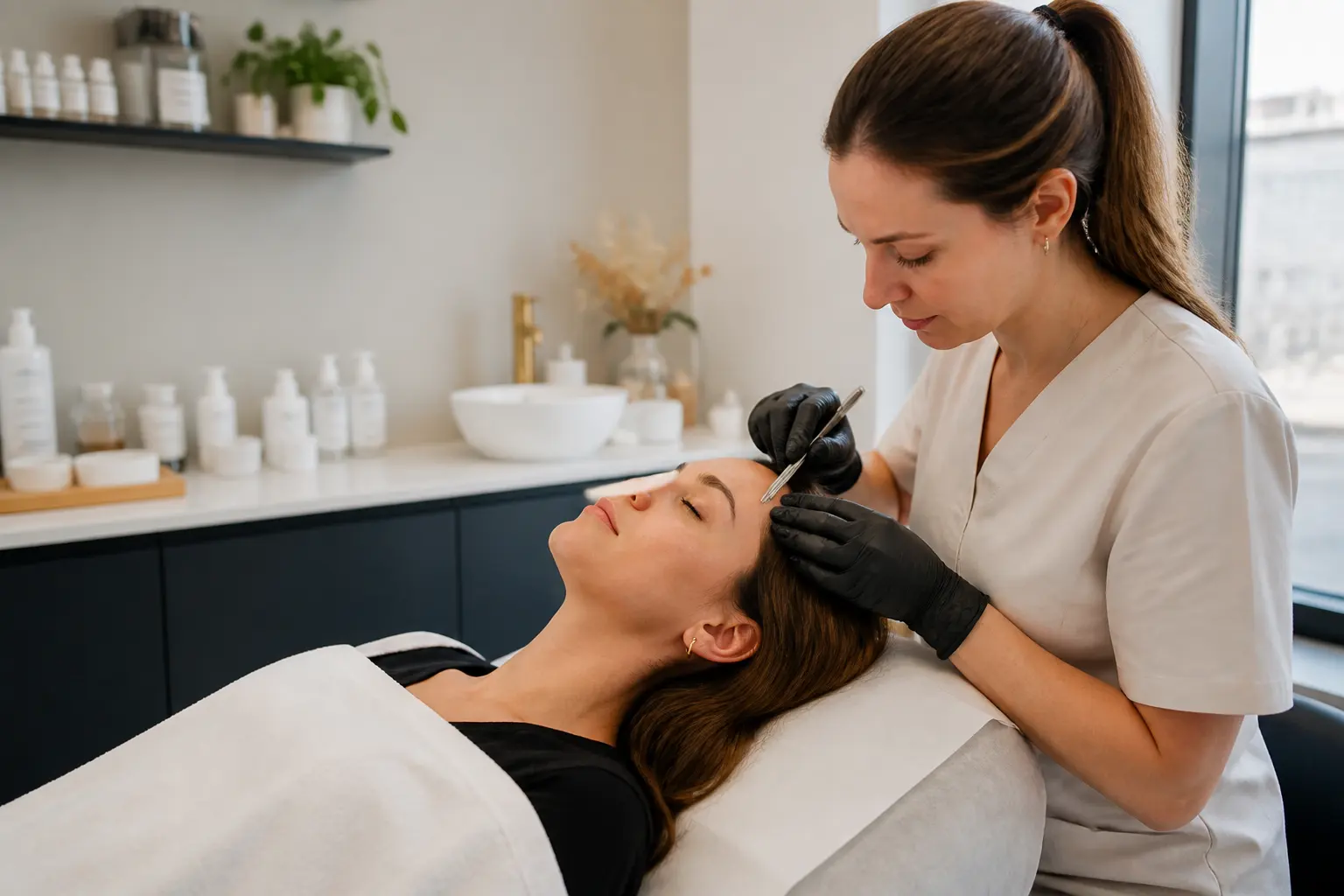
A three to four week interval is often a practical discussion point for clients who enjoy dermaplaning as part of an ongoing facial-care routine. This spacing gives you time to observe your skin and fine hair growth without repeatedly exfoliating before the skin feels settled.
It can also make planning easier if you like a polished make-up base for work, social occasions or travel. The goal is consistency without excess. A well-timed appointment should fit into your life and existing routine, rather than force you to change products or pile on extra exfoliation.
Before an event or holiday
Do not leave your first dermaplaning experience until the day before an important event. If you have never had the service, booking ahead gives you time to see how your skin feels and to follow calm aftercare. If dermaplaning is already familiar to you, the best timing still depends on your own experience, current skin condition and the advice given at your appointment.
For a Malta holiday, beach day or sunny celebration, remember that recent exfoliation and strong sun exposure are not a casual combination. Keep your plan simple, use daily sun protection and avoid adding new active products immediately before a big occasion.
If you are returning after a long break
You do not need to compensate for missed appointments by booking multiple exfoliating services close together. Treat a return visit as a fresh check-in. Share any changes to your skin, including new sensitivity, active breakouts, recent sun exposure or products you have introduced since your last visit.
Why hair growth does not set the whole schedule
One common concern is that dermaplaning will make facial hair grow back thicker, darker or faster. It does not change the follicle or alter the natural characteristics of the hair. The tip of a growing hair can feel different as it emerges, which may create that impression, but the hair itself has not been transformed by removal. Cleveland Clinic explains this distinction and also cautions against performing dermaplaning too frequently.
Because vellus hair is usually fine, the visual return can be subtle. You may notice it most in certain light, when applying foundation, or while looking closely in a magnifying mirror. Try not to let one close-up moment determine your appointment schedule. Consider the overall comfort and appearance of your skin instead.
Professional dermaplaning can be a useful option for someone who wants smoother-feeling skin and a neater make-up finish. It is not designed to alter long-term facial-hair growth. If your main concern is persistent or suddenly changing hair growth, that deserves a separate conversation with an appropriate healthcare professional.
Signs that it may be too soon to book again
Your skin should guide the diary. If it still feels reactive, dry, tight or unusually uncomfortable after the last session, it is sensible to wait and ask for personalised guidance before having another exfoliating treatment.
- Persistent redness, tenderness or a stinging feeling when using normally tolerated products.
- Flaking, tightness or a compromised-feeling skin barrier.
- Active inflamed breakouts, open areas or a sunburnt complexion.
- A recent change to your skincare routine that includes stronger exfoliants or retinoid products.
- Another facial service already planned that may involve exfoliation or active ingredients.
The American Academy of Dermatology advises against exfoliating skin that has open cuts, wounds or sunburn, and notes that retinol, benzoyl peroxide and some prescription products can make skin more sensitive. Read the full guidance from the American Academy of Dermatology.
This is not about being overly cautious. It is about recognising that a smooth finish is most enjoyable when skin is comfortable too. Let the studio know about relevant products and changes before your appointment so the service can be approached thoughtfully.
How to coordinate dermaplaning with your skincare routine
A good dermaplaning schedule looks at the whole routine, including what happens between appointments. If you use exfoliating acids, retinol or products designed for blemish-prone skin, mention them when booking. These products are not automatically unsuitable for every client, but they can affect how sensitive your skin feels and may change the right timing for an exfoliating service.
After dermaplaning, favour a straightforward routine that supports comfort: gentle cleansing, moisturiser that suits your skin and dependable broad-spectrum SPF during the day. This article is focused on booking frequency, but your aftercare choices directly influence whether skin feels settled enough for the next appointment.
Avoid treating the weeks between sessions as an opportunity to add every trending exfoliant. More products do not necessarily create a better result. A calmer, consistent routine gives you a clearer picture of how your skin responds and makes future appointment planning much easier.
Professional dermaplaning versus frequent facial shaving at home
It can be tempting to reach for an at-home facial razor whenever peach fuzz becomes visible. However, frequent at-home shaving and a professional dermaplaning schedule are not interchangeable. A professional session involves an informed assessment of your current skin condition and a controlled treatment plan. At home, it is easier to overdo mechanical exfoliation, use a tool on irritated skin or combine shaving with unsuitable products.
If you choose any form of at-home facial hair removal, be particularly careful with hygiene, pressure and product use. Dermatology guidance on shaving stresses using a clean, sharp tool and avoiding shaving directly over acne, as irritation can make matters worse. The American Academy of Dermatology’s shaving advice provides useful general safety principles.
For clients who value a professional result and want help deciding when their skin is ready, booking dermaplaning at a studio removes much of the guesswork. You can ask about your skin goals, current routine and whether the timing makes sense before the appointment begins.
How to plan your next appointment at Becammo
When you are ready to plan, think back to your last appointment rather than relying on a universal rule. Ask yourself: Has my skin been calm? Have I had unusual sun exposure? Have I introduced stronger products? Am I booking for everyday maintenance or a particular occasion?
At Becammo, Dermaplaning Pro and Dermaplaning SPA are professional facial options designed for clients who want a smoother-feeling complexion and fine facial-hair removal within a considered studio experience. The most suitable option and timing can be discussed around your skin, comfort and routine.
If you are based in Malta or visiting Sliema and Swieqi, choose a convenient time through the online booking system and share any relevant skincare details. A thoughtful schedule is more valuable than trying to fit dermaplaning into an overly frequent cycle.
Frequently asked questions
Can I book dermaplaning every two weeks?
It may be too frequent for some people because dermaplaning is an exfoliating service as well as facial-hair removal. Consider how your skin has settled, the products you use and any other facial services in your routine. Ask for professional guidance if you are unsure.
How long does it take for peach fuzz to grow back after dermaplaning?
There is no identical timetable. Fine facial-hair growth varies naturally between people. Some clients notice regrowth sooner than others, but this does not mean the hair has become thicker or darker.
Does dermaplaning speed up facial-hair growth?
No. Removing hair at the surface does not change the hair follicle. As hair grows back, its blunt emerging edge can sometimes feel more noticeable, but its growth pattern has not been changed by dermaplaning.
Should I wait longer if my skin is sensitive?
Often, yes. Sensitive or reactive skin may need a more cautious approach to mechanical exfoliation. If skin stings, looks red, feels tight or is experiencing a flare-up, postpone the appointment and seek individual advice.
Can I have dermaplaning if I use retinol or exfoliating acids?
Tell your practitioner before booking. Retinol, prescription retinoids, benzoyl peroxide and exfoliating acids can make skin more sensitive. Your current routine should be considered before deciding whether and when dermaplaning is appropriate.
Which Becammo dermaplaning option should I choose?
The best choice depends on what you want from the appointment and how your skin is feeling. Book a suitable slot at Becammo and ask any questions in advance, especially if you are new to dermaplaning or have recently changed your skincare routine.
Conclusion
For most clients, dermaplaning works best as a considered routine rather than a rushed response to every sign of peach fuzz. Starting with a gap of around three to four weeks, then adjusting according to your skin’s comfort and your professional advice, is a sensible way to approach repeat appointments. When you are ready, book a Dermaplaning Pro appointment at Becammo and let your skin, rather than a one-size-fits-all timetable, set the pace.