Why Make-up Artists Love a Dermaplaned Canvas
Brenda Cammo Team
For make-up artists, skin preparation is never an afterthought. The most beautiful foundation, concealer and highlighter can only perform as well as the surface beneath them allows. That is why dermaplaning is often discussed before weddings, photo shoots, celebrations and other occasions when people want their make-up to look polished in person and on camera.
A professional dermaplaned canvas can feel smoother and look more even before make-up is applied. By removing superficial facial hair and surface dead skin cells, dermaplaning may help base products glide on with less catching around dry texture. It is not a replacement for a thoughtful skincare routine, good make-up technique or individual skin advice. It is, however, a useful preparation option for the right person, at the right time.
If you are considering dermaplaning before an important date in Malta, the key is to focus on suitability and planning rather than chasing a last-minute glow. Here is what make-up artists tend to appreciate about a professionally prepared complexion, and how to decide whether it fits your plans.
What creates a make-up-ready canvas?
Make-up sits on the outermost layer of the skin. When that surface is uneven because of dry flakes, accumulated product residue or fine facial hair, some formulas can cling, separate or look more visible than expected. This is particularly noticeable with lightweight foundations, skin tints, cream blushes and illuminating products, all of which are designed to let the skin show through.
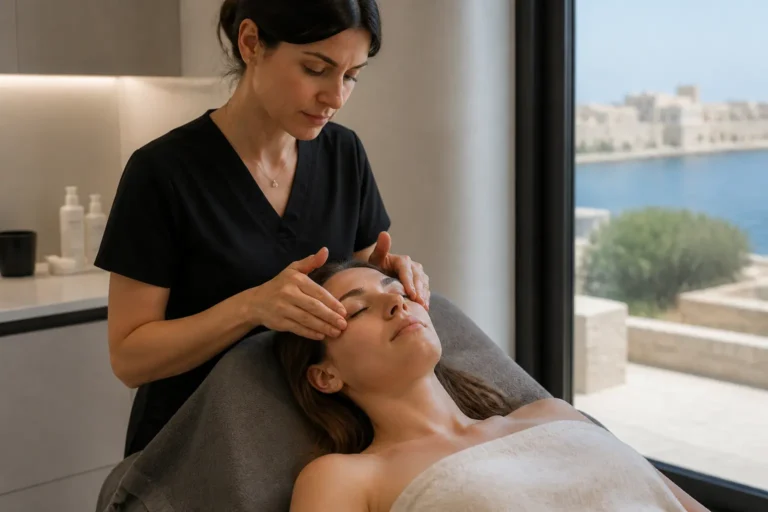
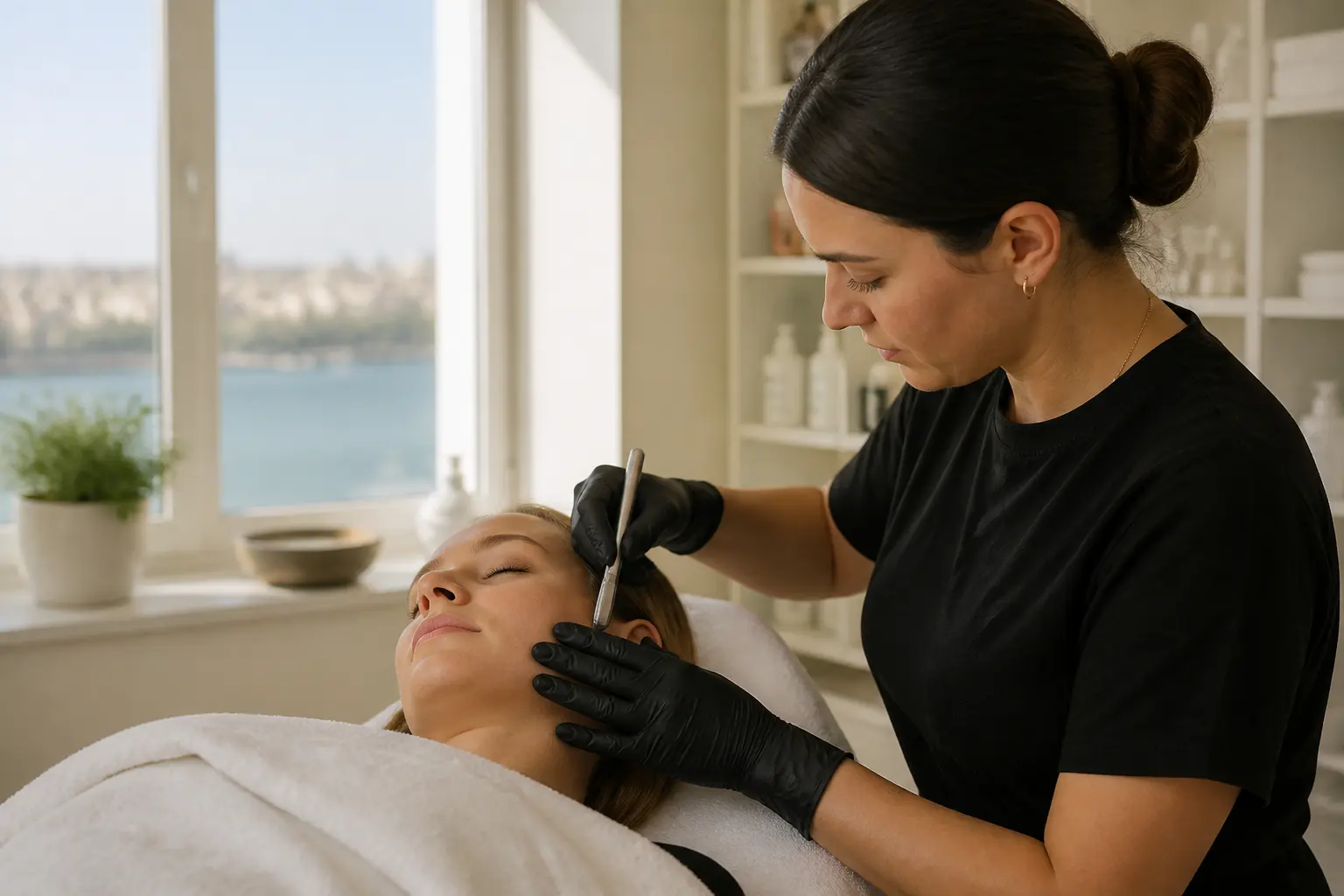
Dermaplaning is a form of manual exfoliation carried out with a specialised blade by a trained professional. It removes superficial vellus hair, often called peach fuzz, alongside surface debris and dead skin cells. Professional dermaplaning is distinct from simply picking up a facial razor at home: it begins with an assessment of the skin and should be performed with careful hygiene and an approach suited to the client’s current skin condition.
The Cleveland Clinic’s overview of dermaplaning notes that the procedure removes the uppermost surface layers of skin and can also remove unwanted facial hair. For a make-up artist, the practical appeal is straightforward: a smoother-looking surface may make it easier to apply complexion products in fine, controlled layers.
Why make-up artists often appreciate dermaplaning
Foundation may apply more evenly
Fine facial hair is completely normal, and it does not need to be removed to wear make-up well. Yet certain products can sit differently over it, especially when strong daylight, flash photography or close-up video are involved. A professional make-up artist may need to spend extra time pressing product into the skin and blending around areas where texture is more apparent.
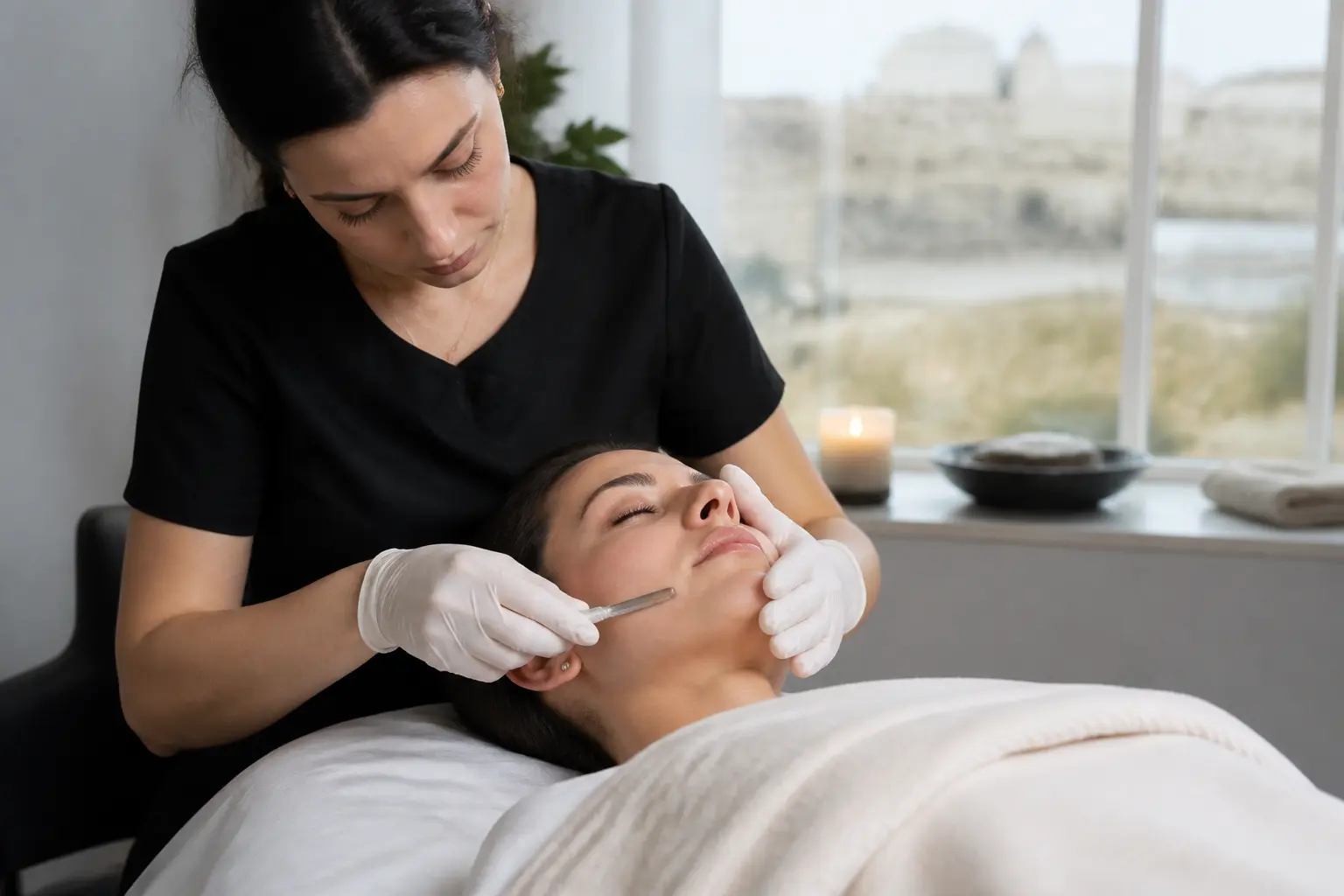
After dermaplaning, a foundation or skin tint may spread more smoothly because there is less surface hair and loose skin to interrupt application. This does not mean every product will suddenly look flawless, nor does it erase pores, lines or natural skin texture. It simply gives the artist a cleaner, more consistent surface from which to build.
Powder products can look less patchy
Setting powder, powder bronzer and powder blush are often where dry surface texture becomes most obvious. When products attach to areas of dryness, the result can appear heavier than intended. Gentle professional exfoliation may reduce loose surface cells, which can help make-up artists use less product and blend with a lighter hand.
This is especially helpful when the desired look is fresh and skin-focused rather than full coverage. The goal is not to create a filter-like finish. It is to help the complexion look like skin, with make-up enhancing it rather than sitting visibly on top.
Cream and liquid formulas can blend with more ease
Many modern bridal and editorial looks rely on sheer liquids and creams layered in small amounts. These formulas are popular because they can create dimension without looking powdery. On a smooth, well-hydrated surface, they may be easier to diffuse with a brush, sponge or fingertips.
A dermaplaned canvas can be particularly appealing for make-up looks that feature luminous skin, softly sculpted cheeks or a natural finish. It also gives the artist more freedom to use targeted complexion products only where they are needed, rather than adding coverage everywhere.
Close-up photography can benefit from thoughtful preparation
Professional photography reveals details that may not be obvious in a mirror. This does not mean skin must be perfectly smooth to photograph beautifully. Real skin has pores, movement and texture. Still, if an event includes close portraits, flash photography or high-definition video, preparing the skin in advance can help a make-up artist create a more refined result with a lighter application.
Dermaplaning should be viewed as one part of that preparation. Hydration, sun protection, clean brushes, a suitable primer and a make-up artist who understands your skin all matter too. The American Academy of Dermatology advises regular make-up brush cleaning, as brushes collect product residue, oil and dirt. A polished base is not only about the skin appointment. It is also about what touches the skin afterwards.
Why professional assessment matters before dermaplaning
Not every complexion is ready for exfoliation on the day you want it. A professional appointment should allow space to discuss how your skin feels, what you have recently used and whether there are signs of active irritation. This is particularly important if you are managing an acne flare-up, a compromised skin barrier, open areas, sunburn or an active skin concern.
Dermaplaning over inflamed or broken skin is not a good idea. The Cleveland Clinic’s guidance on dermaplaning also advises avoiding it during active acne or skin flare-ups, as the process can aggravate already reactive skin. If your skin is persistently uncomfortable, very inflamed or difficult to manage, seek advice from an appropriately qualified healthcare professional before booking cosmetic exfoliation.
At a professional studio, the discussion should also cover recent facial procedures and the skincare products in your routine. Strong exfoliating products can make skin feel more sensitive. Bringing this up honestly helps the practitioner decide whether to proceed, adjust the plan or recommend waiting. A good result begins with respecting what your skin needs, not with forcing an appointment into an unsuitable moment.
Timing dermaplaning before a wedding or event
Dermaplaning is often booked as part of pre-event grooming, but it should not be treated as a same-day add-on for a first-time client. Skin can look temporarily pink or feel more sensitive after exfoliation. While some people find the recovery straightforward, individual responses vary.
If you have never had professional dermaplaning before, arrange it well ahead of the event. This gives you time to see how your skin responds and to make choices without pressure. For a wedding, a major holiday or an important photo shoot, consider discussing your preferred timing with both your facial professional and make-up artist. They can help you create a sensible beauty schedule around your skin, not a one-size-fits-all checklist.
For clients who already know their skin responds comfortably, planning still matters. Avoid stacking too many new services together immediately before the event. Trying a new facial, switching your active skincare, waxing, tanning and changing your make-up routine all at once makes it harder to understand what your skin is reacting to if irritation appears.
A practical pre-event approach
- Book a consultation or ask questions first if dermaplaning is new to you.
- Choose a date that gives your skin breathing room before the event.
- Tell your practitioner about active breakouts, sensitivity, recent sun exposure and products you use regularly.
- Keep the days afterwards simple, with gentle skincare and daily sun protection.
- Use clean applicators and avoid testing several unfamiliar make-up products at once.
- For a major event, consider a make-up trial so your artist can see how your chosen products sit on your skin.
What to do after dermaplaning if you plan to wear make-up
Aftercare is part of the result. Freshly exfoliated skin generally benefits from a gentle approach, especially in Malta’s bright sunshine and during warm weather. Follow the instructions given at your appointment, as they will reflect your skin and the professional service you received.
In practical terms, prioritise a simple routine. Cleanse gently, moisturise if that is appropriate for your skin, and apply broad-spectrum SPF during the day. Avoid overloading the complexion with strong acids, rough scrubs or multiple active products simply because the skin feels smooth. More is not always better after exfoliation.
When it is time for make-up, use clean tools and products that suit your skin. The American Academy of Dermatology recommends washing hands and face before applying make-up and not sharing products that come into direct contact with the skin. These simple habits are valuable at any time, and especially sensible when the skin has recently been exfoliated.
If your skin feels warm, tight, unusually sensitive or irritated, do not try to cover the discomfort with extra layers of make-up. Keep your routine calm and contact the studio for guidance. If symptoms are significant or persist, consult an appropriate healthcare professional.
Dermaplaning is not a shortcut to perfect skin
The phrase “make-up canvas” can sound as if the goal is to remove every trace of texture. It is not. Skin is living tissue, and healthy-looking make-up does not require it to be poreless or hair-free. Dermaplaning may improve the way some products apply, but it will not change skin type, erase every mark or replace professional make-up artistry.
It is also worth separating dermaplaning from the idea that facial hair grows back thicker or darker. Removing superficial vellus hair does not change the hair follicle. New growth can feel different at first because the hair has been cut bluntly, but dermaplaning does not transform fine facial hair into a different type of hair.
The best reason to book is not pressure to meet an unrealistic standard. It is because you like the idea of smoother-feeling skin and want to explore whether professional dermaplaning suits your routine, event plans and skin condition.
Choosing dermaplaning at Becammo in Malta
A professional dermaplaning appointment should feel considered rather than rushed. At Becammo, the focus is on understanding your goal, looking at the current condition of your skin and making recommendations that respect individual differences. Whether you are preparing for a wedding in Sliema, a dinner in St. Julian’s, a holiday or simply want a refreshed make-up routine, suitability comes first.
Share your event date, your usual skincare and any concerns when you book or ask a question. That conversation can help you decide whether Dermaplaning Pro or Dermaplaning SPA is the more appropriate option for your plans. If dermaplaning is a good fit, booking ahead gives you space to enjoy the preparation process rather than leaving your skin to a last-minute decision.
Frequently asked questions
Will make-up look better after dermaplaning?
It may apply more smoothly because superficial facial hair and loose surface skin cells have been removed. Results vary with your skin, the products used and the make-up technique. Dermaplaning does not guarantee a flawless complexion.
Should I have dermaplaning on the day of my event?
For a first appointment, it is wiser to allow time before the event so you can see how your skin responds. Even if you have had dermaplaning before, discuss your timing with your practitioner rather than relying on a universal schedule.
Can I wear make-up after a dermaplaning appointment?
Follow the aftercare guidance from your practitioner. If you do apply make-up, keep tools clean and choose gentle products that suit your skin. If the skin feels irritated, it is better to simplify your routine.
Does dermaplaning remove peach fuzz?
Yes. Dermaplaning removes superficial vellus hair, commonly known as peach fuzz, as well as surface dead skin cells. It does not alter the hair follicle or make the hair grow back thicker.
Who should postpone dermaplaning?
People with active breakouts, sunburn, open areas, significant irritation or an active skin flare-up should postpone and seek personalised guidance. Be open about recent procedures and skincare products during your consultation.
Make-up artists love a dermaplaned canvas because it can support lighter, smoother-looking application, not because it changes what real skin is meant to look like. If you are planning an occasion in Malta and would like to explore professional dermaplaning, book ahead through Becammo’s online booking system and choose the Sliema or Swieqi location that works best for you.