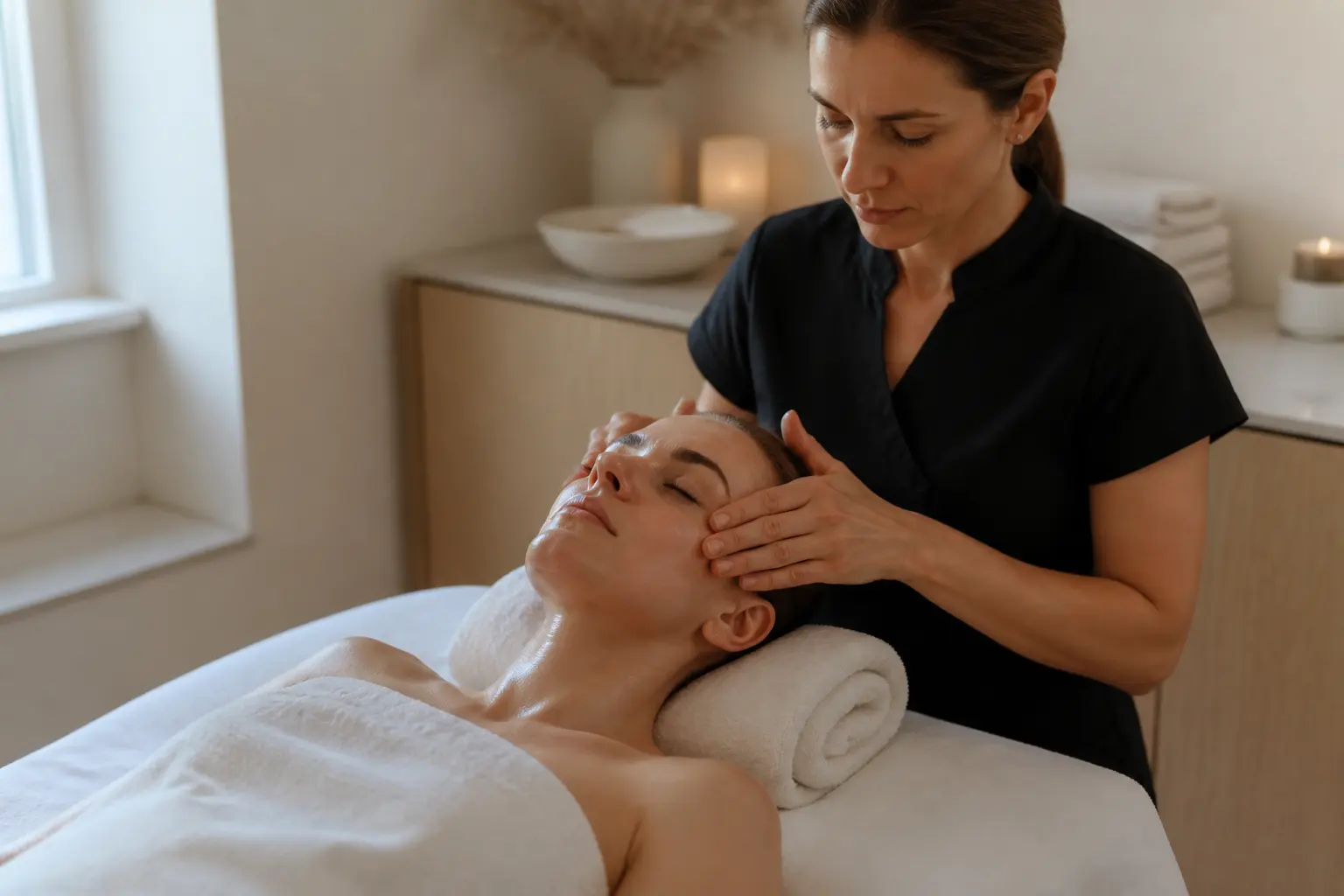
A PDRN facial at BeCammo is a non-invasive, needle-free facial that usually feels calm and gentle from start to finish: cool cleansing, light skin preparation that may tingle mildly, a silky, cooling PDRN application, a quiet resting period and soft finishing products. Most clients find it relaxing. Persistent burning, strong pain or increasing irritation are not part of the experience and should be reported straight away.
If you are curious about a PDRN facial but unsure what the appointment will actually feel like, you are not alone. The name can sound highly technical, especially when it is also described as a salmon DNA facial. In a professional beauty studio, though, the experience should feel considered, calm and tailored to your skin rather than intimidating.
A PDRN facial is a skin-care appointment that uses a DNA-derived ingredient or formulation as part of a professional facial protocol. The wording around PDRN, polynucleotides and salmon DNA can differ between products, so it is always sensible to ask what is included in the particular service you are booking. At BeCammo, the focus is on a personalised facial experience, careful preparation and clear guidance on what to do afterwards.
Here is a realistic step-by-step guide to what a PDRN facial may feel like at the studio, including the moments that tend to surprise first-time clients.
What happens before the facial begins?
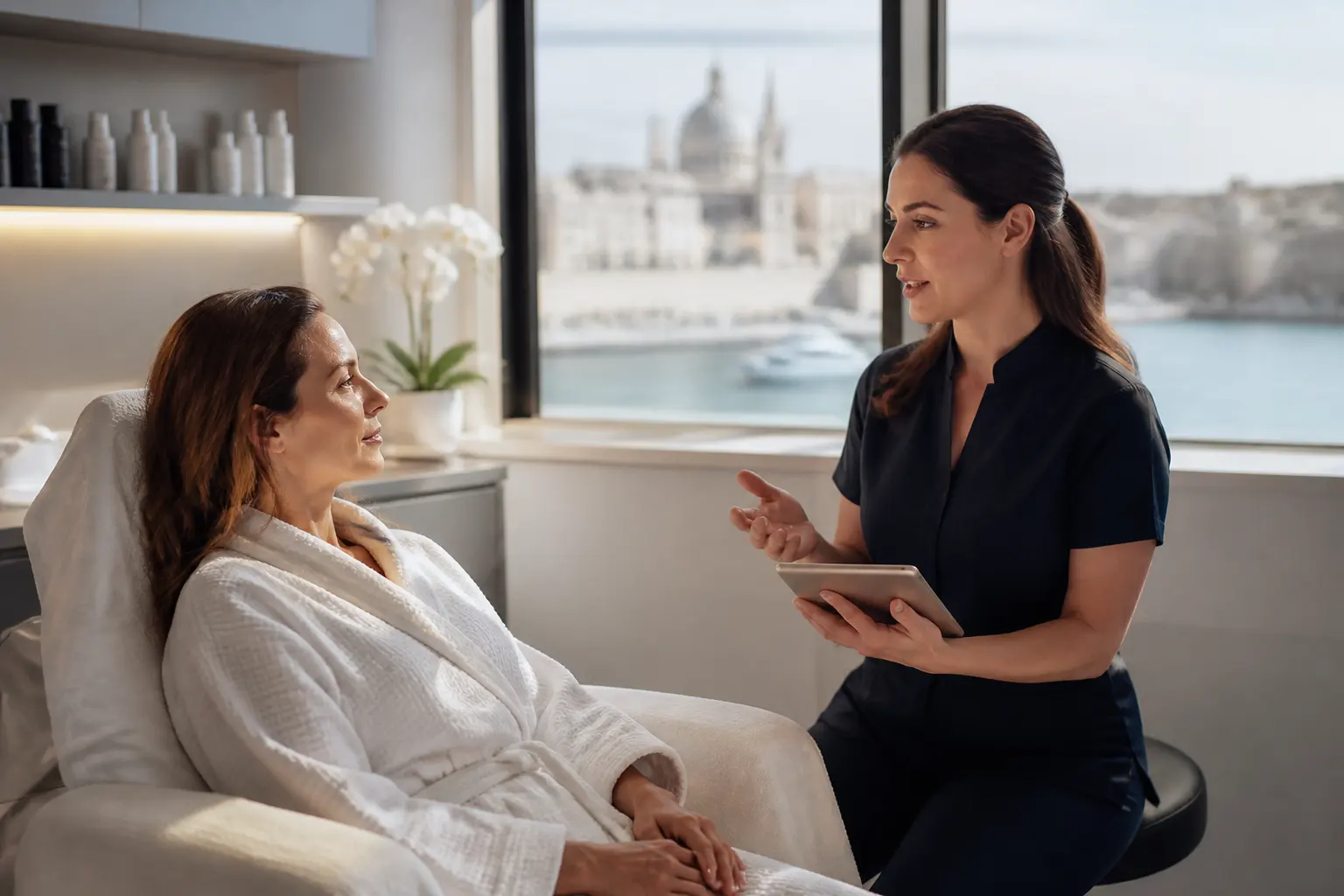
Your experience begins before any product is applied. A professional facial should start with a conversation about your skin, your current routine and anything relevant to the appointment. This is the time to mention sensitivity, recent irritation, active breakouts, allergies you know about, products you have recently introduced and any skin procedures you have had.
The purpose is not to make assumptions about your skin. It is to help the therapist choose an appropriate approach on the day. Skin can change with the weather, travel, stress, sun exposure, hormones and the products you are using at home. A facial that felt comfortable a month ago may need a gentler approach today.
You can also use this moment to ask direct questions. For example:
- What type of PDRN product or formulation is used in this facial?
- Is the service topical, or does it involve anything beyond a standard professional facial?
- What should I avoid before and after my appointment?
- Can the facial be adjusted if my skin feels sensitive that day?
This conversation should feel unhurried. You do not need to arrive knowing every ingredient. It is enough to explain what you hope to get from the appointment, whether that is a more refreshed-looking complexion, a moment of skin-focused self-care or support for a consistent facial routine.
Step 1: settling in and getting comfortable
Once you are ready, you will be invited to settle onto the treatment bed. This part is simple, but it matters. A facial is easier to enjoy when your shoulders, neck and head are supported comfortably. Your hair will usually be kept away from your face, and the room should feel clean, peaceful and professional.
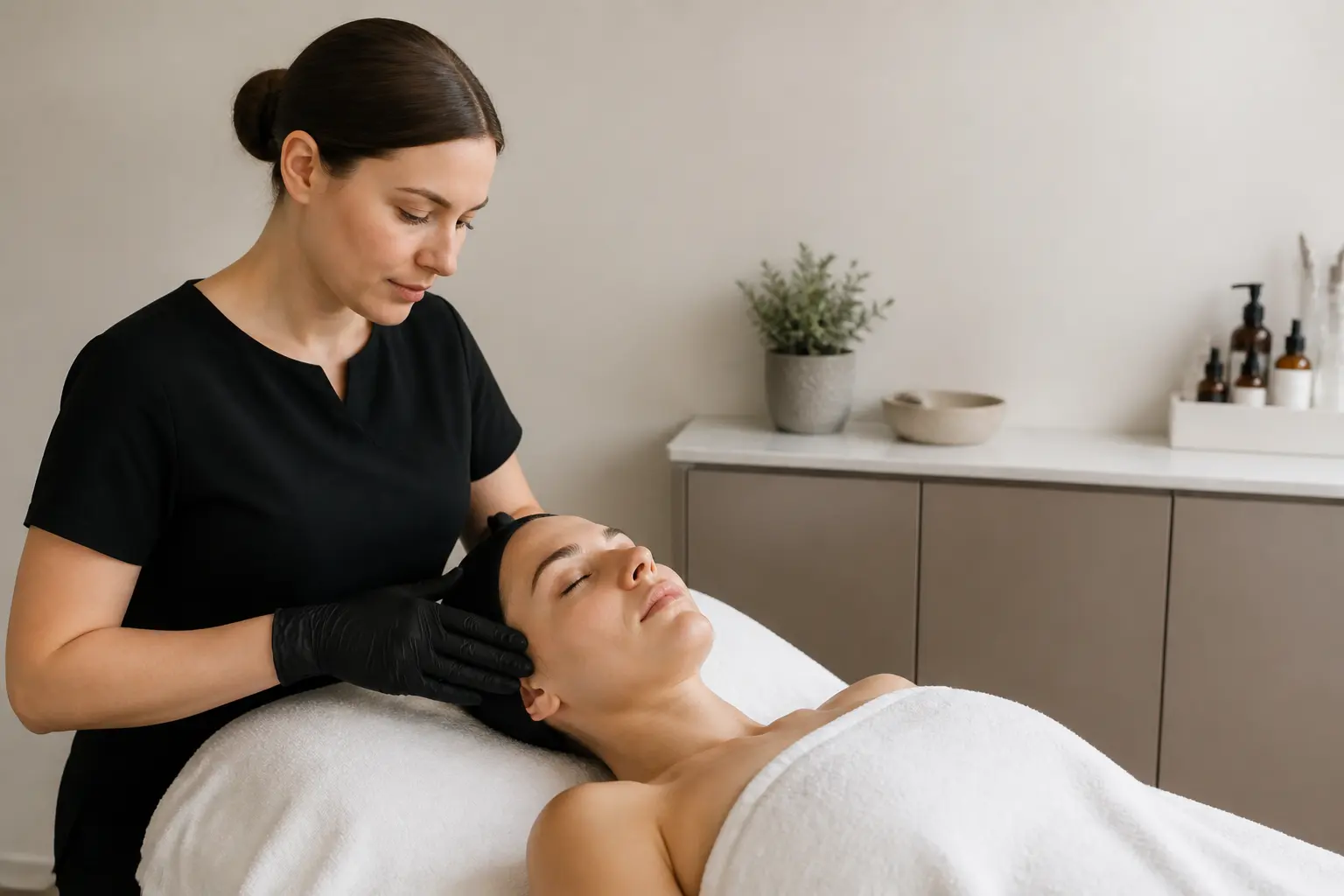
For many clients, this is the point where the pace of the day begins to slow down. You are no longer checking your phone, moving between errands or facing Malta’s heat and wind outdoors. The treatment becomes a chance to pause.
If you are nervous about having your face touched, say so. That is useful information, not an inconvenience. A good therapist can explain each stage as they go, check in about pressure and give you time to settle.
At BeCammo · Sliema · Swieqi
Facials in Malta
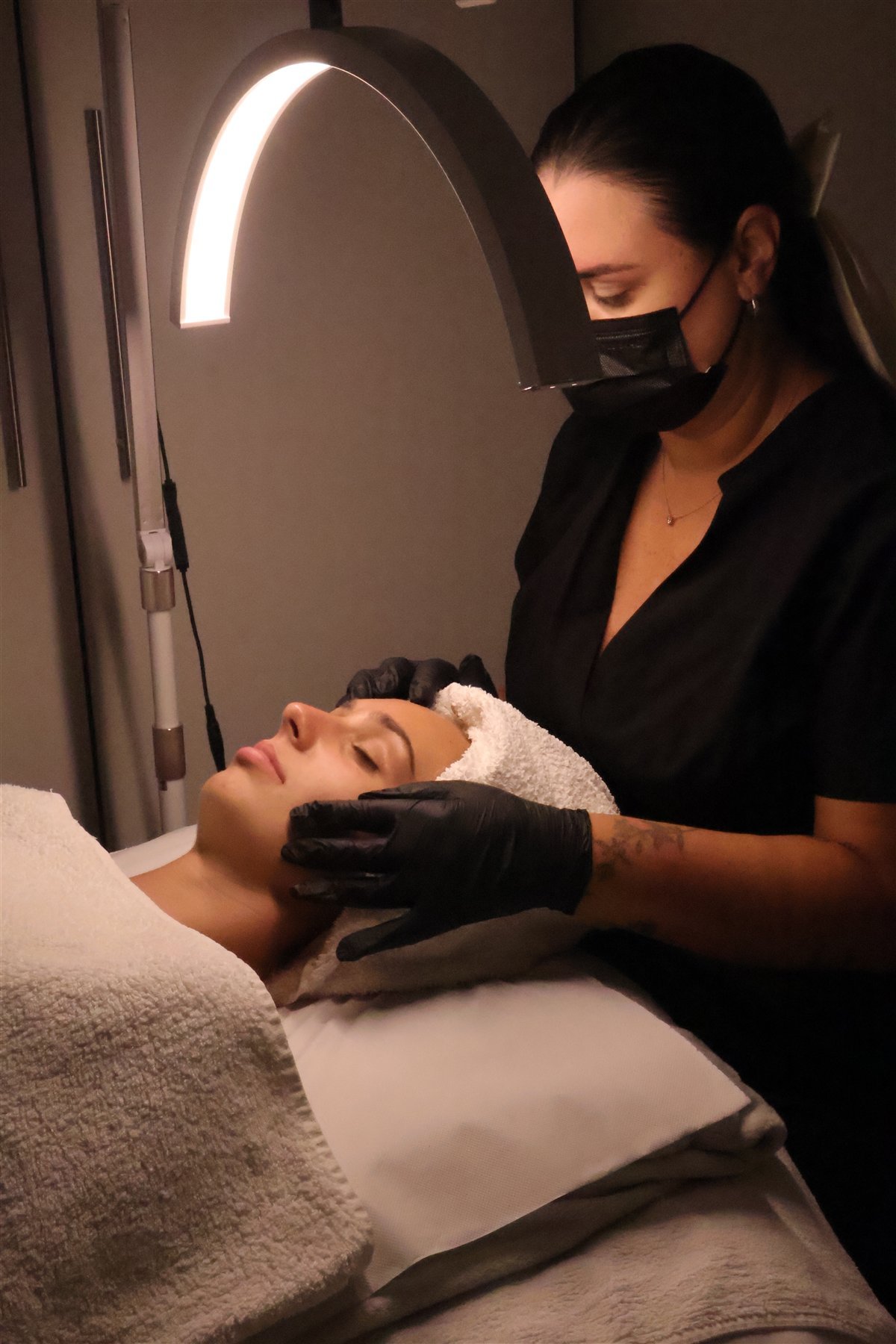
Deep cleansing, PDRN and dermaplaning facials for clear, glowing skin.
- from €50price
- Sliema · Swieqiwhere
- ★ 5.0460+ Google reviews
Step 2: cleansing the skin
The first hands-on stage is usually cleansing. This tends to feel cool, smooth and soothing. The therapist may use gentle sweeping movements across the forehead, cheeks, chin and jawline to remove surface residue, daily skincare and make-up.
Even if you arrived without make-up, cleansing is an important foundation. It prepares the skin so the rest of the facial is not layered over sunscreen, oil or everyday build-up. Around the eyes and nostrils, the sensation may feel slightly more ticklish simply because these areas are sensitive.
You should not need to tolerate stinging or burning. If anything feels sharper than mild, momentary sensitivity, mention it immediately. Comfort is useful feedback during any facial.
Step 3: skin preparation, tailored to the day
After cleansing, the therapist prepares your skin for the PDRN-focused part of the facial. The exact sequence can vary according to the product protocol and your skin’s condition on the day. This is why it is more accurate to think of a PDRN facial as a personalised professional service, rather than expecting every studio to perform an identical set of steps.
You may feel the gentle glide of a toner, lotion or preparatory product. Depending on what is suitable for you, there may also be light exfoliation or other skin-prep stages. These should be chosen carefully, especially if your skin feels dry, reactive or recently exposed to strong sun.
The sensation here is often subtle. You may notice a clean, fresh feeling, a little coolness or a mild tingle. A mild tingle can happen with some professional skincare products, but it should not be confused with discomfort you are expected to ignore. Speak up if the feeling becomes intense, hot or unpleasant.
Step 4: the PDRN application
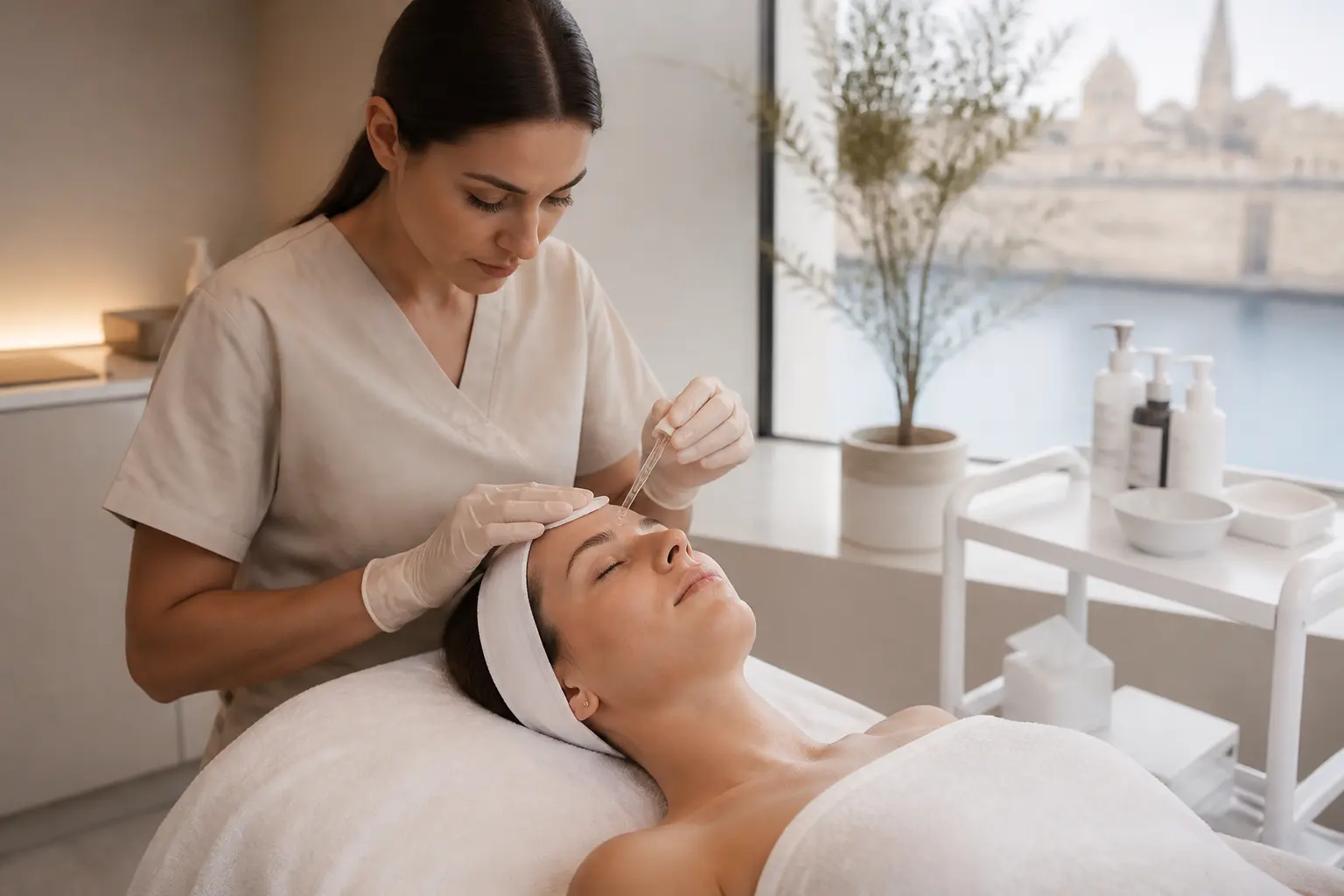
This is the stage most people are wondering about. In a non-invasive facial setting, the PDRN product is applied externally as part of the treatment. It is not the same experience as an injectable aesthetic procedure. You should not expect needles as part of BeCammo’s PDRN facial service.
What does it feel like? Most clients would describe this stage as silky, cool or lightly hydrating, depending on the formulation and how it is applied. A serum, ampoule, mask or professional product can create a cushioned feeling on the skin as the therapist works across different areas of the face.
The application itself is usually gentle. The therapist may use smooth movements, light pressure or a method designed to help the product sit comfortably on the skin. Rather than a dramatic sensation, this is often the quietest part of the appointment. Your main impression may simply be that your skin feels well covered, relaxed and cared for.
PDRN is short for polydeoxyribonucleotide, a DNA-derived compound. It is often associated with purified DNA fragments sourced from salmon or trout, although product formats and formulations can vary. That is why the service label alone cannot tell you everything about how a particular product is used. For a fuller explanation of the terminology, read BeCammo’s guide to what PDRN means in a facial appointment.
Step 5: the resting period
Some facial products are designed to remain on the skin for a period of time. If this applies to your session, the next part may feel like a quiet pause. You may simply rest while the product remains in place, possibly with a mask or finishing layer depending on the protocol selected for you.
This is often when clients notice the temperature of the product most clearly. A cool mask can feel especially welcome after time outdoors in Malta, while a more nourishing texture may feel soft and comforting rather than cold.
There is no need to chase a strong physical reaction. More tingling does not automatically mean better skin care. A professional treatment is about suitability, thoughtful application and how your skin is responding, not about making the experience feel extreme.
Step 6: finishing products and the first look in the mirror
At the end of the facial, your skin is gently finished with appropriate products. This may include hydration and daytime protection when relevant to your plans after the appointment. You may feel a smoother surface, a soft protective layer or a comfortable, moisturised finish.
When you first look in the mirror, remember that skin can look temporarily different immediately after a facial. It may appear fresh, dewy or slightly pink, particularly if it is naturally sensitive or if there has been any exfoliation. The exact appearance varies from person to person and from one appointment to another.
Try not to judge your skin harshly in the first few minutes. Instead, notice how it feels. Does it feel comfortable? Does it feel calm, hydrated or lighter after cleansing? A facial is not about creating a completely different face in one hour. It is an opportunity to support a more intentional skin-care routine with professional care.
What should not be part of the experience?
A facial can include unfamiliar sensations, but there are clear differences between normal awareness and something that should be raised straight away. Tell your therapist if you experience persistent burning, strong pain, increasing irritation or any feeling that concerns you.
You should also be cautious about treating social media descriptions as a reliable guide to your appointment. The term salmon DNA facial is used widely online, sometimes to describe very different procedures. Some discussions refer to clinical or injectable treatments, while others refer to topical skin-care products. They are not interchangeable.
Your booking conversation should make the format of the BeCammo facial clear. Asking questions is part of booking responsibly, especially if you are new to PDRN, have sensitive skin or are combining your appointment with other beauty services.
How can you prepare for a more comfortable appointment?
You do not need an elaborate routine before a PDRN facial. In fact, keeping things simple is often the most comfortable approach. Arrive with clean skin if possible, or allow enough time for your therapist to remove make-up carefully. Avoid trying a new active product immediately before your visit, particularly if you do not yet know how your skin reacts to it.
It is also helpful to be honest about recent sun exposure. Malta’s sunshine is one of the pleasures of island life, but skin that feels hot, tight or irritated after the sun may need a different approach. Do not assume that every facial step is appropriate on every day.
If you are booking before a special event, give yourself breathing space where possible. This is not because a PDRN facial should leave you unable to go about your day, but because skin can respond individually and you may prefer not to test any new service at the last possible moment.
What should you do after a PDRN facial?
After the facial, your therapist will give guidance based on what was used and how your skin looked during the appointment. Follow that advice rather than relying on a generic online checklist.
As a practical rule, keep the rest of your routine calm. Avoid introducing multiple new products at once, avoid unnecessary rubbing or picking, and be mindful of sun exposure. If you are heading back into the Maltese daylight, ask which sun-protection steps are appropriate for you.
This is also a good time to ask when to book again. The answer depends on your skin, your goals and the wider routine you are building. Consistency can be valuable in professional skin care, but an individual recommendation should never be presented as a one-size-fits-all timetable.
Is a PDRN facial relaxing?
For most people, yes. The appointment is designed to feel like professional skin care with a restorative element, rather than a demanding or painful procedure. The cleansing, application and resting stages can be very calming, particularly when you know what to expect.
That said, relaxing does not mean passive. Your feedback matters throughout. Let the therapist know if you are too warm, too cold, uncomfortable with pressure, worried about an ingredient or unsure what is happening next. A personalised facial experience includes communication.
Frequently asked questions
Does a PDRN facial involve needles?
No. BeCammo’s PDRN facial is a non-invasive facial service. If you have seen PDRN discussed alongside injectable procedures online, ask about the exact format of the service instead of assuming they are the same.
Will a PDRN facial sting?
Many stages feel cool, smooth and gentle. Some skin-prep products may create a mild tingle, but strong or persistent discomfort should always be reported to your therapist straight away.
Can I have a PDRN facial if I have sensitive skin?
Sensitive skin needs an individual conversation before treatment. Share your sensitivities, current products, allergies and any recent irritation so the therapist can assess what is appropriate on the day.
Can I wear make-up after my appointment?
Ask for personalised aftercare at the end of your session. The right timing depends on the products and techniques used, as well as how your skin responds on the day.
What is the difference between PDRN and polynucleotides?
The terms are related but are not always interchangeable. They can refer to DNA-derived materials with different molecular characteristics and product formats. It is best to ask what the specific facial includes rather than relying on trend-led terminology alone.
How do I book a PDRN facial in Malta?
You can book through BeCammo’s online system and choose the Sliema or Swieqi location that suits you. If you are unsure whether the facial is right for your current skin needs, ask your questions before confirming the appointment.
A calm way to try a new facial
A PDRN facial should not feel mysterious. It is a professional, non-invasive skin-care appointment built around cleansing, considered product application, comfort and practical aftercare. The most important part is not chasing a trend. It is choosing a studio where you can ask questions, understand the service and have your skin treated with care.
If you would like to experience a PDRN facial in Malta, book at the BeCammo location that is most convenient for you and let the team know if you have any questions before your visit.