Skin Purging After a Facial: What It Means and When Skin Calms
Brenda Cammo Team
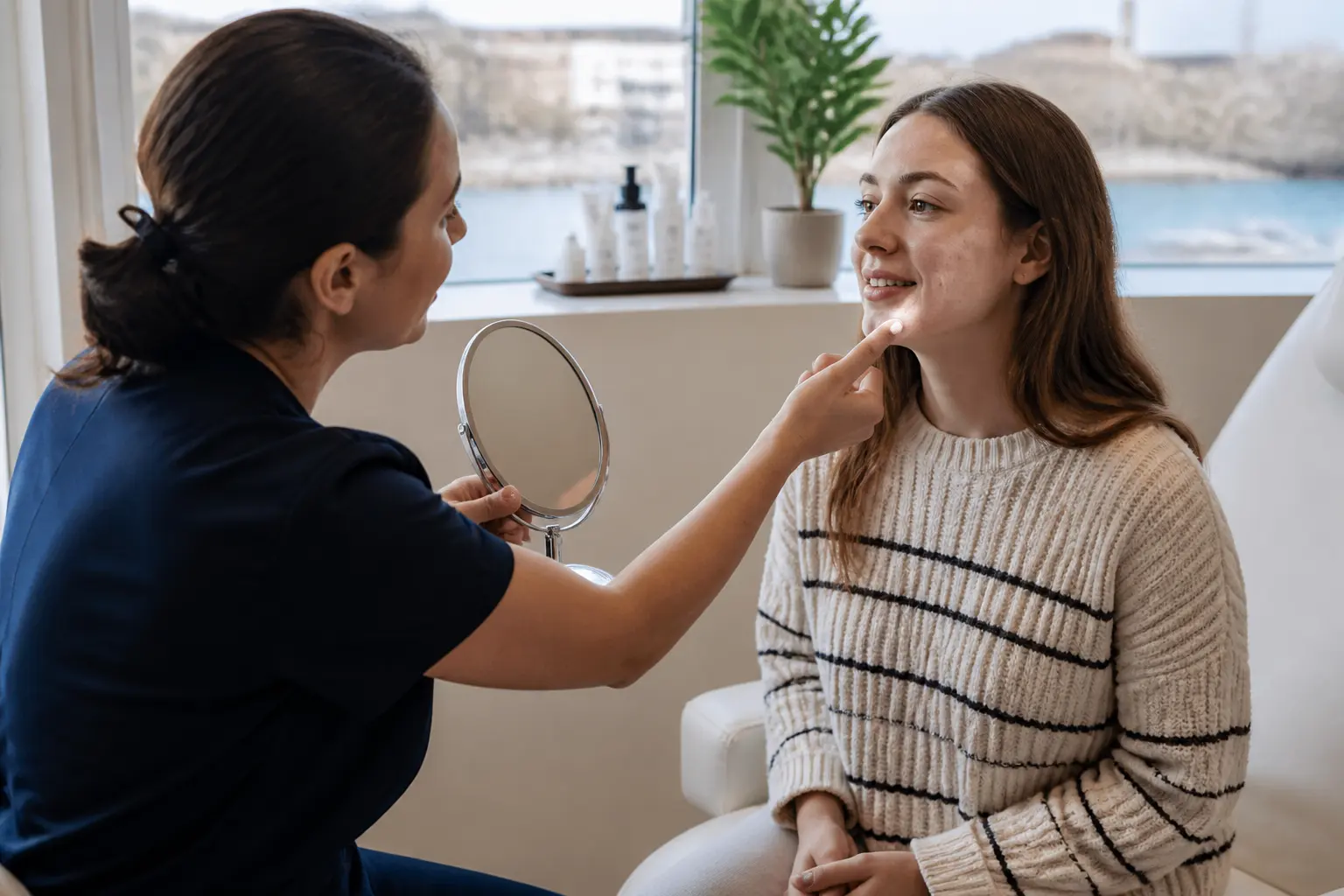
A few new spots after a facial can feel disappointing, especially when you booked the appointment hoping for clearer, fresher-looking skin. You may hear this called skin purging. The phrase is widely used, but it can easily become a catch-all explanation for every post-facial breakout.
The more helpful approach is to look at timing, location and accompanying symptoms. A short-lived flare of existing congestion can happen after a facial, particularly after extractions or when your skin is getting used to exfoliating ingredients. However, persistent spots, strong burning, itchiness, swelling or a spreading rash are not signs to ignore or simply label as purging.
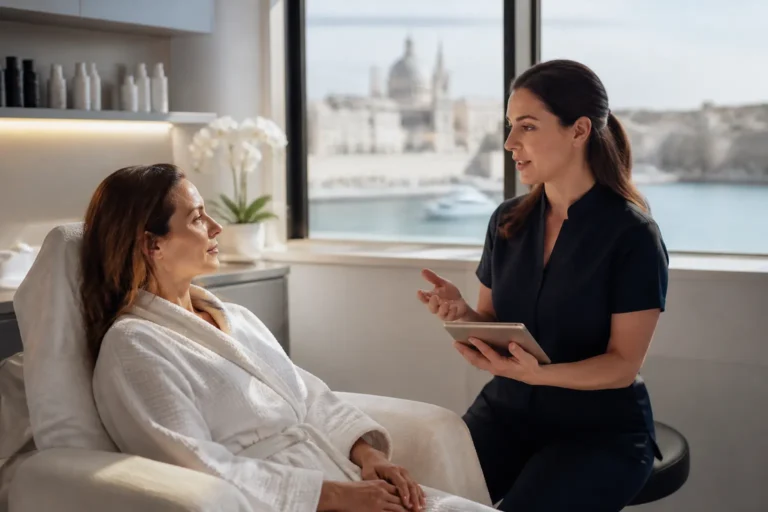
At a professional studio, a facial should begin with listening to your skin, your current routine and any sensitivities you have noticed. That conversation matters because skin is individual. The goal is not to force a particular result, but to choose a treatment and aftercare plan that respects what your skin is showing you.
What does skin purging after a facial mean?
Skin purging is the name commonly given to a temporary period in which blocked pores that were already forming become visible more quickly. It is most often associated with ingredients or treatments that encourage surface skin cell turnover, including exfoliating acids and retinoid-based homecare.
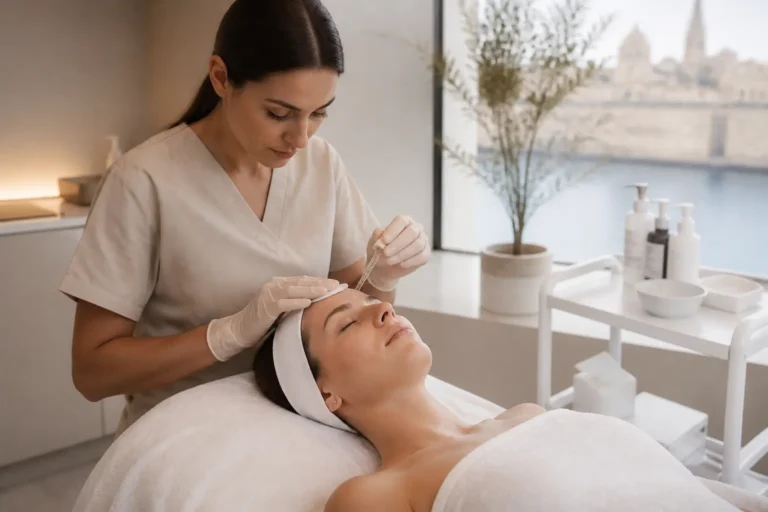
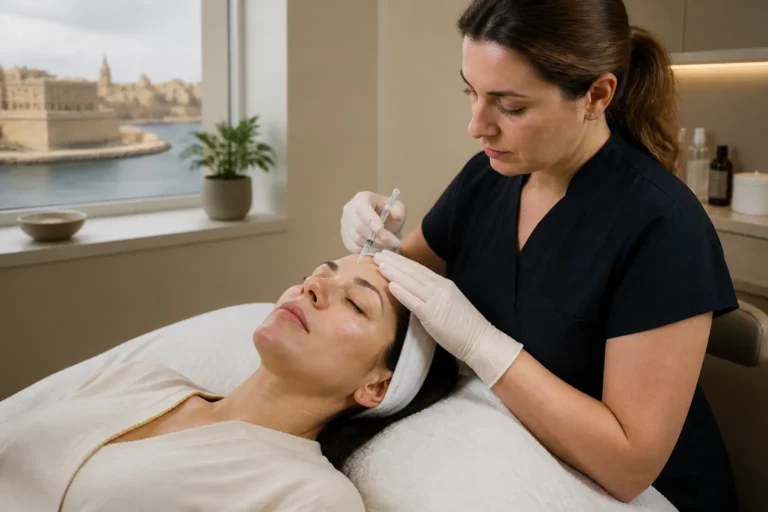
Facials can sometimes make pre-existing congestion more noticeable, particularly when the session includes cleansing, exfoliation and carefully performed extractions. Cleveland Clinic notes that some people see short-term breakouts after a facial, especially after their first appointment, and that this may settle within a week or two. That is a useful general guide, not a promise or a diagnosis for every new spot. Cleveland Clinic’s overview of facials also makes the important point that a first facial is not always ideal immediately before a major photo-focused event.
Think of purging as a possible acceleration of something that was already underway, rather than a facial creating acne from nowhere. If your skin had small bumps, clogged pores or recurring blemishes before your appointment, these may become more apparent during the days afterwards.
Purging, irritation or a regular breakout?
These situations can look similar in the mirror, but they need different responses. Instead of adding more products in a rush, pause and observe what your skin is telling you.
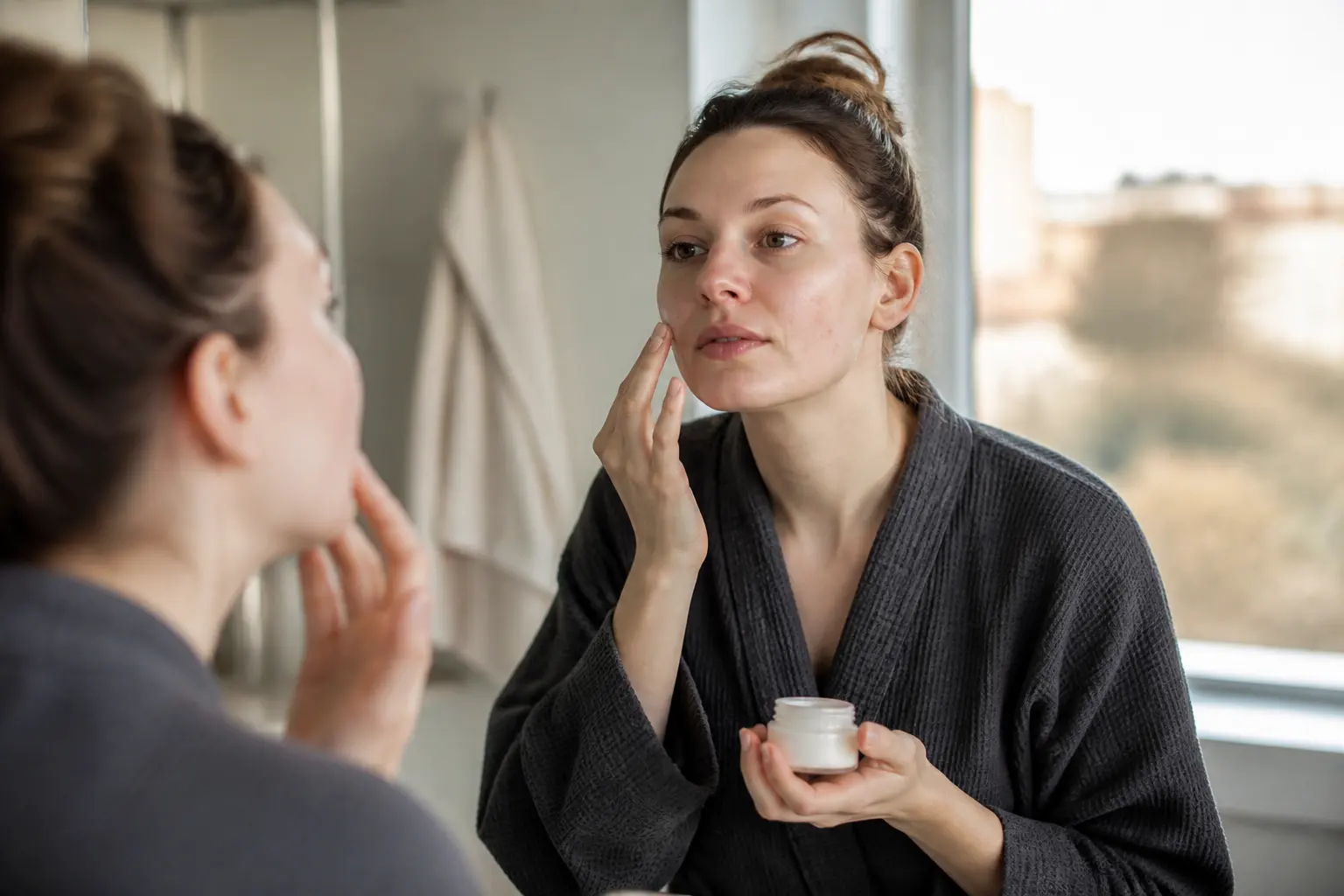
Signs that may fit a short-lived purge
- Small blemishes appear in areas where you already tend to get blocked pores or spots.
- The flare happens shortly after a facial involving exfoliation, extractions or a newly introduced active product.
- Your skin is not intensely itchy, swollen or persistently burning.
- The spots begin to settle rather than continuing to spread or worsen.
Even when this pattern seems familiar, avoid squeezing or picking. The American Academy of Dermatology explains that picking can push material deeper into the skin and raise the chance of marks after a blemish clears. Its guidance on acne habits also advises against harsh scrubbing, which can further irritate already unsettled skin.
Signs that point more towards irritation
Irritation can occur when the skin barrier is overwhelmed by too many exfoliating steps, strong products, friction or an at-home routine that is already active. It does not necessarily mean an allergy, but it does mean your skin needs a gentler approach.
- Stinging, burning, tightness or tenderness feels more noticeable than ordinary post-treatment sensitivity.
- Redness is diffuse rather than limited to individual spots.
- You see dry, flaky or rough patches alongside the breakout.
- The discomfort increases after applying your usual products.
It is tempting to exfoliate more when texture appears, but that can make the cycle worse. Dermatologists at the American Academy of Dermatology advise people with acne-prone skin to use gentle, non-abrasive cleansing and to avoid scrubbing, as irritation can aggravate breakouts. Their practical acne care advice supports a calmer, simpler routine while skin is unsettled.
Signs that may suggest a product reaction
Itchiness, significant swelling, hives, a rapidly spreading rash or a strong reaction soon after a product is applied should not be treated as purging. A reaction may be caused by an ingredient in skincare, cosmetics or another product that touches the face. The American Academy of Dermatology notes that allergic contact dermatitis can cause red, itchy and swollen skin, and recommends stopping a product that causes a reaction. Its product-testing guidance is also useful when introducing new skincare at home.
If you experience severe swelling, breathing difficulty or feel unwell, seek urgent medical help. For a persistent, painful or difficult-to-identify skin reaction, speak to a pharmacist, GP or dermatologist rather than repeatedly trialling new products.
When does skin usually calm down after a facial?
There is no single timeline that suits every person. Your skin’s baseline, the type of facial, current breakouts, recent travel, stress, hormonal changes and your home routine can all influence what happens next.
For a mild, short-lived flare after a facial, many people find that the skin starts to look calmer over several days. Cleveland Clinic suggests that purging after a facial should subside in around one to two weeks. If the situation is not improving after that general window, or is clearly getting worse, it is sensible to reassess rather than assuming that the skin is still purging. Read the Cleveland Clinic guidance.
A longer-lasting breakout may simply be acne following its own pattern. It may also be linked to irritation, pore-clogging makeup or hair products, changes in routine, or a skincare combination that is not working for your skin. The timing of a facial can make it easy to blame the appointment for something with several possible causes.
How to keep skin calm in the days after a facial
Aftercare does not need to be complicated. In fact, the first priority is usually to avoid turning one active skincare moment into five more.
Keep the routine deliberately simple
Use a mild cleanser, a moisturiser your skin already tolerates and daytime sun protection that suits your skin. If a product has been reliable for you, this is generally not the moment to replace it with a stronger alternative. The American Academy of Dermatology highlights that moisturiser can be useful for acne-prone skin when it feels dry or irritated, including when drying acne products are part of the routine. Its moisturiser guidance for acne-prone skin explains why supporting dryness can be more helpful than trying to strip the skin.
Pause extra exfoliation unless you have personalised advice
Put aside exfoliating scrubs, peel pads, strong acids and any at-home device that leaves your skin feeling hot or sensitised. This does not mean these products are always unsuitable. It means that layering them on top of a recent professional facial can be more than your skin needs at that moment.
If you use prescribed acne medication or retinoids, tell your facial therapist before your appointment and follow the advice of the clinician who prescribed them. Do not stop or restart prescription treatment based solely on a beauty appointment. A clear conversation helps the studio tailor the facial appropriately and helps you plan your aftercare with fewer guesses.
Do not pick, scrub or chase every spot
New blemishes can make you want instant control, but picking and aggressive cleansing often prolong visible redness and discomfort. Cleanse gently with your fingertips, pat dry with a clean towel and let individual spots settle. If makeup is needed, choose products labelled non-comedogenic where possible and remove them gently at the end of the day.
Protect skin from strong sun exposure
In Malta, sunny days can be part of normal life for much of the year. Freshly exfoliated or irritated skin may feel more reactive, so sensible sun protection is particularly important. Choose shade when practical, wear protective accessories and use sunscreen appropriate for your skin. Avoid trying to tan away redness or blemishes, as sun exposure can make an already unsettled complexion harder to manage.
How a professional facial should be personalised
A facial is not one fixed formula for every face. Before the appointment, your therapist should ask about concerns such as active breakouts, dryness, sensitivity, home exfoliants, retinoids and previous reactions. During the treatment, the intensity and steps can be adjusted according to what is appropriate for your skin that day.
At Becammo, the value of a professional facial is not only the time spent in the treatment room. It is also the opportunity to discuss what your skin is currently doing and to leave with realistic aftercare guidance. If you are prone to congestion, a careful plan may be more useful than trying a strong new product immediately before or after your facial.
This is also why it helps to book strategically. If you have a wedding, holiday, important meeting or other event where you want your complexion to feel settled, arrange your first facial with breathing room. That gives you time to see how your skin responds and to make future appointments with more confidence.
When to ask for further advice
Contact the studio if you are unsure about the aftercare you were given or want to check whether a home product is appropriate to reintroduce. A good question is always better than layering products and hoping for the best.
Seek advice from a pharmacist, GP or dermatologist if you have painful deep spots, scarring, a rash that is spreading, pronounced swelling, severe itchiness, persistent burning or breakouts that do not improve. The American Academy of Dermatology recommends dermatology care for deep or painful acne and for acne that leaves scars. Its adult acne guidance can help explain when professional medical support is more appropriate.
Frequently asked questions
Can a facial cause acne?
A facial may bring existing congestion to the surface more quickly, but not every breakout after an appointment is caused by the facial. Acne can be influenced by many factors, including your usual skincare, cosmetics, hair products and natural skin patterns. If spots persist or feel different from your normal breakouts, ask for advice rather than assuming it is purging.
Should I stop all skincare if I am purging after a facial?
Not necessarily. A gentle cleanser, moisturiser and suitable sun protection are often a sensible basic routine. The products most worth pausing temporarily are extra exfoliants, scrubs and strong new actives, unless a clinician has told you otherwise. Keep prescribed skincare decisions with the clinician managing your treatment.
Is redness after a facial the same as purging?
No. Mild temporary redness can occur after cleansing, extractions or exfoliation, while purging usually refers to a short-term increase in blemishes. Burning, itching, swelling or redness that worsens can indicate irritation or a reaction and deserves closer attention.
Can I wear makeup after a facial?
Follow the specific advice provided after your appointment. If you do wear makeup, keep application gentle, use clean tools and remove it carefully. If your skin feels hot, sore or irritated, allowing it a little time without extra layers may feel more comfortable.
Should I book another facial to clear a purge?
Not automatically. First, assess whether the skin is settling and whether your current routine is gentle enough. A follow-up facial should be based on your skin’s condition and a professional assessment, not on the idea that more intensity will always solve a breakout.
Skin purging after a facial can be temporary, but it should never become a reason to dismiss ongoing discomfort. The calmest route is to simplify your routine, avoid picking and observe the pattern over the following days. If you are considering a facial in Sliema or Swieqi, book with enough time before an important event and share your skin concerns during the consultation. That makes it easier to choose a facial experience that feels considered, comfortable and personal.