Professional Facial Extractions: Why They Are Done Differently
Brenda Cammo Team
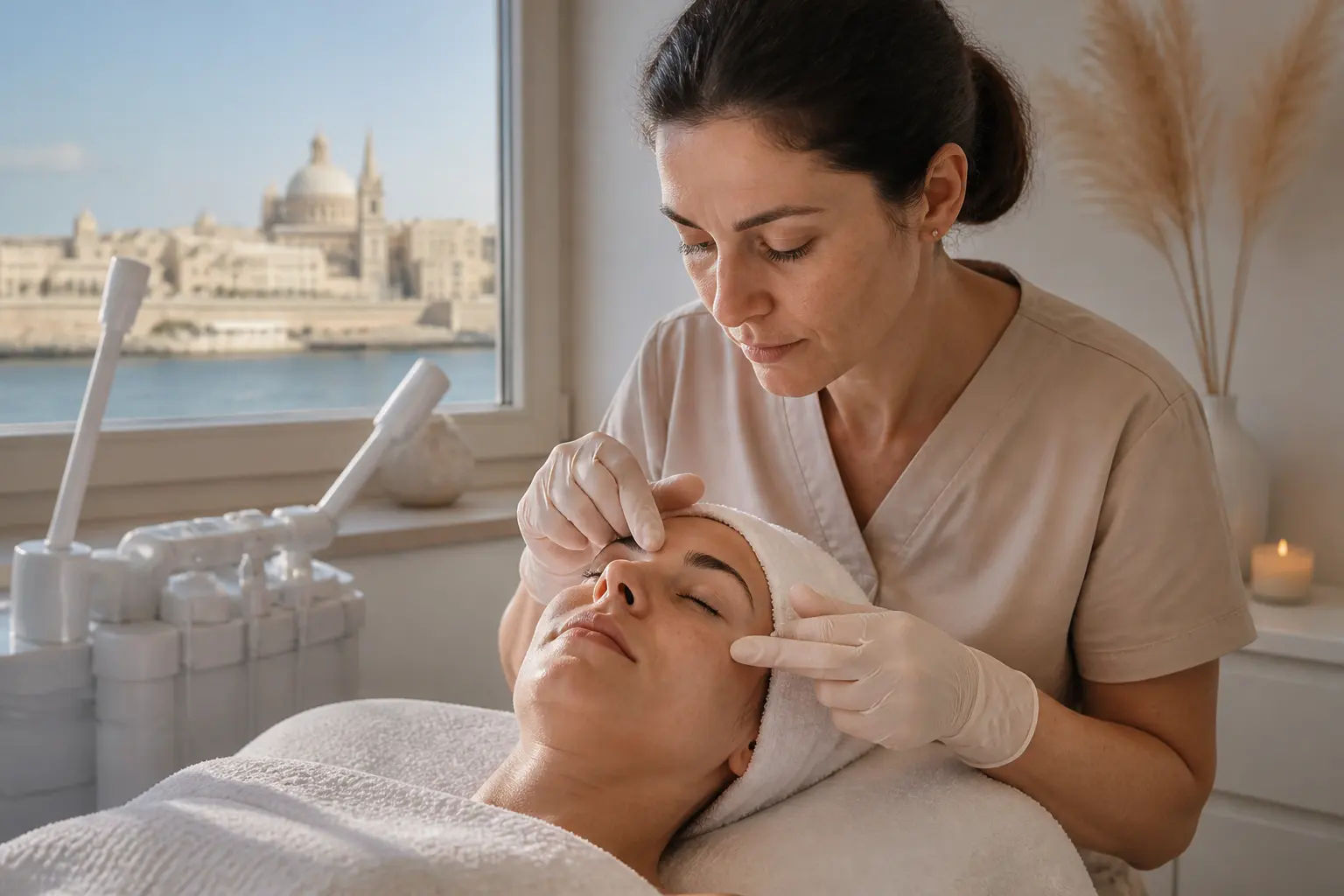
A facial extraction can look simple from the outside. A blackhead is visible, pressure is applied and the skin appears clearer. In a professional facial, however, that small moment is only one part of a considered process.
Professional facial extractions are done differently because the goal is not to squeeze every visible pore. It is to assess the skin, prepare it appropriately, work hygienically, remove only suitable congestion with controlled technique and know when it is better to leave an area alone.
If you are considering a deep-cleansing facial in Malta, it helps to understand what extractions can and cannot do. They may be a useful part of a personalised facial for some clients, but they are not a shortcut for every kind of blemish and they are not a substitute for medical acne care when that is needed.
What are facial extractions?
Extractions are the careful removal of certain pore blockages, most commonly blackheads and some superficial whiteheads. A blackhead is not dirt trapped in the skin. It is a clogged pore whose contents darken when exposed to air. Whiteheads are also clogged pores, but they are closed at the surface.
During a facial, an experienced professional may decide to work on selected areas of congestion after cleansing and skin preparation. The approach should be measured. The aim is to support a cleaner-looking, more comfortable complexion without creating unnecessary irritation through overworking the skin.
It is equally important to understand what extractions are not designed for. Deep, sore or inflamed spots, cyst-like breakouts and nodules should not be treated as a standard facial extraction. The NHS advises against trying to squeeze spots or clean out blackheads yourself, as this can worsen them and may contribute to scarring. NHS acne guidance
Why professionals do extractions differently
The difference is not just the tool or the setting. It is the judgement behind each step. A professional facial should be adapted to the client’s current skin condition, recent skincare use and comfort level.
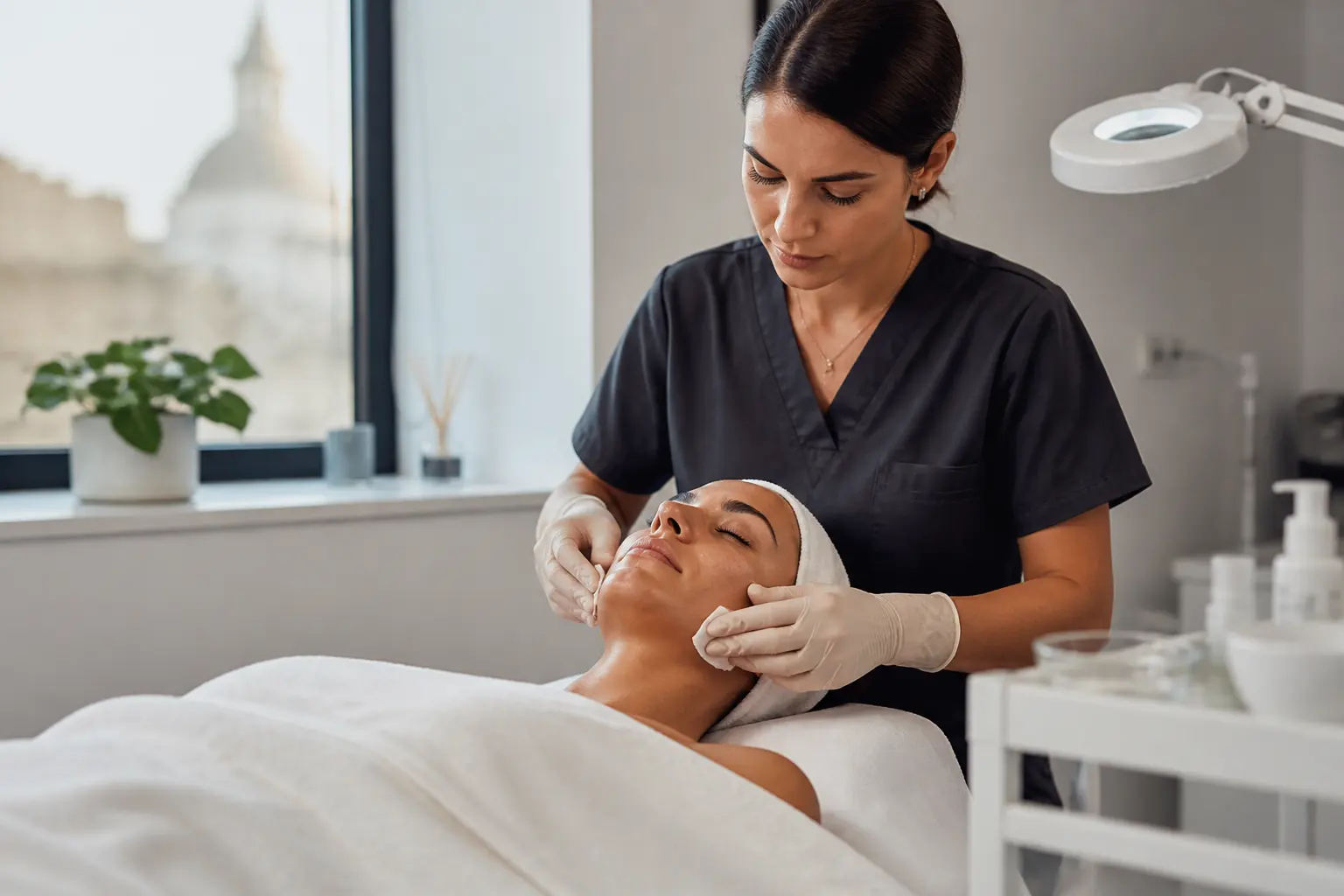
1. They start by looking at the skin, not by assuming
Congestion can look similar at first glance, but not every bump, mark or pore should be extracted. A professional checks where the congestion is located, whether the surrounding skin looks irritated and whether a spot appears superficial or inflamed.
This matters because forcing an unsuitable area can leave the skin more reactive. A person who has recently used strong exfoliating products, experienced sun exposure, started a new active skincare routine or noticed unusual sensitivity may need a gentler approach on that day. In some cases, the right decision is to skip extractions completely.
At Becammo, facials are approached with attention to hygiene, consultation and aftercare. That skin-first mindset means the service is shaped around what is appropriate for the appointment, rather than following the same extraction routine for every face.
2. They prepare the skin before applying pressure
Professional extractions should not begin on dry, unprepared skin. Cleansing removes surface make-up, sunscreen and daily build-up. The facial can then include steps chosen to help soften surface congestion and make the process more comfortable.
Preparation does not mean making dramatic promises about opening pores. Pores do not work like doors. Instead, the purpose is practical: clean skin, suitable product selection and a calm pace can make it easier to assess what may release with minimal pressure.
When skin is rushed or handled too aggressively, redness can become more noticeable and the client may leave feeling uncomfortable. Good technique respects the skin’s limits at every stage.
3. Hygiene is part of the service, not an optional extra
Your hands touch your face throughout the day, picking up oil, residue and microorganisms from the surfaces around you. This is one reason at-home squeezing can be so unpredictable. Professional services use documented hygiene practices and clean, appropriate materials to reduce avoidable risks.
The American Academy of Dermatology notes that squeezing blemishes at home can push contents deeper into the skin, increasing inflammation and raising the risk of infection, pain and scarring. American Academy of Dermatology guidance on popping pimples
Professional hygiene does not make extraction suitable for every breakout, but it is an essential foundation for any facial service that includes close work on the skin.
4. They use controlled, selective technique
A common misconception is that a good extraction facial must leave every pore completely clear. In reality, trying to extract too much can be counterproductive. A careful professional works with light, controlled pressure and focuses on blockages that are ready to release without excessive force.
If an area does not release easily, the sensible choice is to stop. Persistent pressure can lead to temporary redness, tenderness and irritation. It can also turn a small concern into a more obvious one just before an event, holiday or important meeting.
Selective extractions may feel less dramatic than a social-media close-up, but they are more aligned with a thoughtful facial experience. The aim is care, not spectacle.
5. They know the boundary between a facial and medical care
Facials can support a regular skincare routine and may be helpful for people with surface congestion. They are not a diagnosis or a medical acne treatment. If you have deep, painful spots, frequent cyst-like breakouts, widespread inflammation or scarring concerns, a dermatologist or GP is the right person to consult.
The American Academy of Dermatology distinguishes extraction of blackheads and whiteheads from medical procedures used for deeper acne lesions. It also advises that deep, painful cysts and nodules should not be drained at home. Read the American Academy of Dermatology’s advice on severe acne
This distinction protects clients from unrealistic expectations. A professional facialist should be comfortable saying, “This is not something we should extract today.”
Which concerns may be suitable for extraction?
Suitability always depends on an individual assessment, but extractions are most often considered for visible, superficial congestion such as:
- Blackheads, particularly around the nose, chin and forehead
- Some small, closed whiteheads near the surface
- Congested areas that are not sore, broken or highly inflamed
- Skin that feels rough because of a build-up of surface debris and blocked pores
Even in these cases, the amount of extraction needed varies. One client may need attention only around the nose, while another may benefit more from cleansing, hydration and a calm routine than from any extraction at all.
When should extractions be avoided or postponed?
A facial is not about pushing ahead regardless of how the skin looks. It is reasonable to postpone or limit extractions when there is active irritation, broken skin, a sunburnt feeling, significant tenderness or a flare-up that makes the area difficult to work on comfortably.
Be open about your skin when booking and at the appointment. Mention if you have recently had a peel, used exfoliating acids or retinoids, spent a lot of time in the sun, changed prescription skincare or noticed a sudden reaction. Your facial can then be adjusted with care.
You should also seek medical advice for acne that is painful, severe, persistent or leaving scars. The NHS specifically recommends seeing a GP for moderate or severe acne, or if nodules or cysts develop. See the NHS guide to when acne needs medical attention
What does a professional extraction facial feel like?
Comfort varies from person to person and by area of the face. The nose and chin can be more sensitive because congestion is often concentrated there. You may feel brief pressure during individual extractions, but you should be able to communicate if the sensation becomes too intense.
Some temporary redness can occur after extractions, especially in reactive or fair skin, and it may be more noticeable in certain areas. This is why it is wise not to book a first extraction-focused facial immediately before a major occasion. Giving your skin a little time allows any temporary signs of handling to settle naturally.
A professional should never treat discomfort as something you simply have to tolerate. The pace, pressure and number of extractions can be adjusted. Personalisation is particularly valuable for clients with sensitive, dry or easily reactive skin.
How to care for your skin after extractions
After an extraction facial, think calm rather than complicated. The skin has been handled, so this is usually not the time to experiment with several new active products at once.
- Keep your cleansing routine gentle for the rest of the day.
- Avoid picking, touching or checking extracted areas repeatedly.
- Use the aftercare guidance provided for your individual facial.
- Wear suitable daily sun protection, particularly in Malta’s bright conditions.
- Pause harsh scrubs or strong exfoliation unless your skincare professional has advised otherwise.
- Keep make-up light if possible, especially if the skin looks temporarily flushed.
Consistency at home matters more than chasing a perfect result in one appointment. Gentle cleansing, products suited to your skin and avoiding the urge to pick can all support the work done during a professional facial. The NHS also advises against washing acne-prone skin too frequently, as over-washing can irritate it. NHS acne self-care advice
Why at-home squeezing often creates more problems
It is understandable to want to deal with a visible spot before going out. The problem is that mirrors, strong lighting and impatience can encourage too much pressure. Without a clear view of what is beneath the surface, it is easy to keep squeezing long after the skin has signalled that it is not ready.
At-home extraction also tends to be reactive. You notice one spot, focus on it intensely and may overlook the condition of the surrounding skin. A professional facial takes a wider view: overall congestion, sensitivity, hydration, skincare habits and the client’s immediate goals.
The most professional extraction is sometimes the one that is not performed. Leaving an inflamed or resistant area alone can be the more skin-respectful choice.
Choosing a facial when congestion is your concern
If blocked pores and rough texture are your main concerns, explain this when you book. Ask whether a deep-cleansing facial is appropriate for your skin at the moment and mention any sensitivity or products you are using.
At a professional studio, the facial should be adaptable. Some appointments may focus more on cleansing and comfort. Others may include a small number of careful extractions. The right balance depends on what your skin presents on the day, not on a fixed promise that every pore will be cleared.
For clients in Sliema, Swieqi and nearby areas, booking a facial is also an opportunity to ask practical questions before the appointment. A clear conversation about your goals, skin comfort and current routine helps the professional tailor the experience responsibly.
Conclusion
Professional facial extractions are different because they are not simply about removing what you can see. They involve assessment, preparation, hygiene, restraint and aftercare. Most importantly, they recognise that healthy-looking skin does not come from forcing every blemish to disappear in one session.
If congestion is affecting how your skin feels or looks, book a facial consultation with the Becammo team in Sliema or Swieqi and share what you are noticing. A personalised approach can help you decide whether extractions belong in your facial, or whether your skin would benefit from a gentler focus.
Frequently asked questions
Do professional facial extractions hurt?
You may feel brief pressure, especially around the nose and chin. Comfort differs between clients and areas of the face. A professional should work carefully and adapt the pace if the sensation is too uncomfortable.
Can every blackhead be extracted during one facial?
No. A responsible facial does not force stubborn congestion. Only blockages that appear suitable and release with controlled pressure should be considered. Trying to remove everything can leave the skin irritated.
Will my skin be red after extractions?
Some temporary redness is possible, particularly in sensitive skin or in areas where congestion was present. This is one reason to avoid arranging your first extraction-focused facial immediately before an important event.
Are extractions suitable for active acne?
They may be unsuitable for inflamed, painful or deep breakouts. A facialist can assess surface congestion, but persistent, severe or painful acne should be discussed with a GP or dermatologist.
How often should I have facial extractions?
There is no single schedule that suits everyone. Frequency depends on congestion levels, skin sensitivity, home routine and how your skin responds after a facial. A professional can help you choose an approach that feels realistic and gentle.
Should I squeeze spots at home between facials?
It is best to avoid it. Picking and squeezing can increase irritation and may raise the risk of marks or scarring. If a breakout is deep, painful or persistent, seek advice from an appropriate healthcare professional.