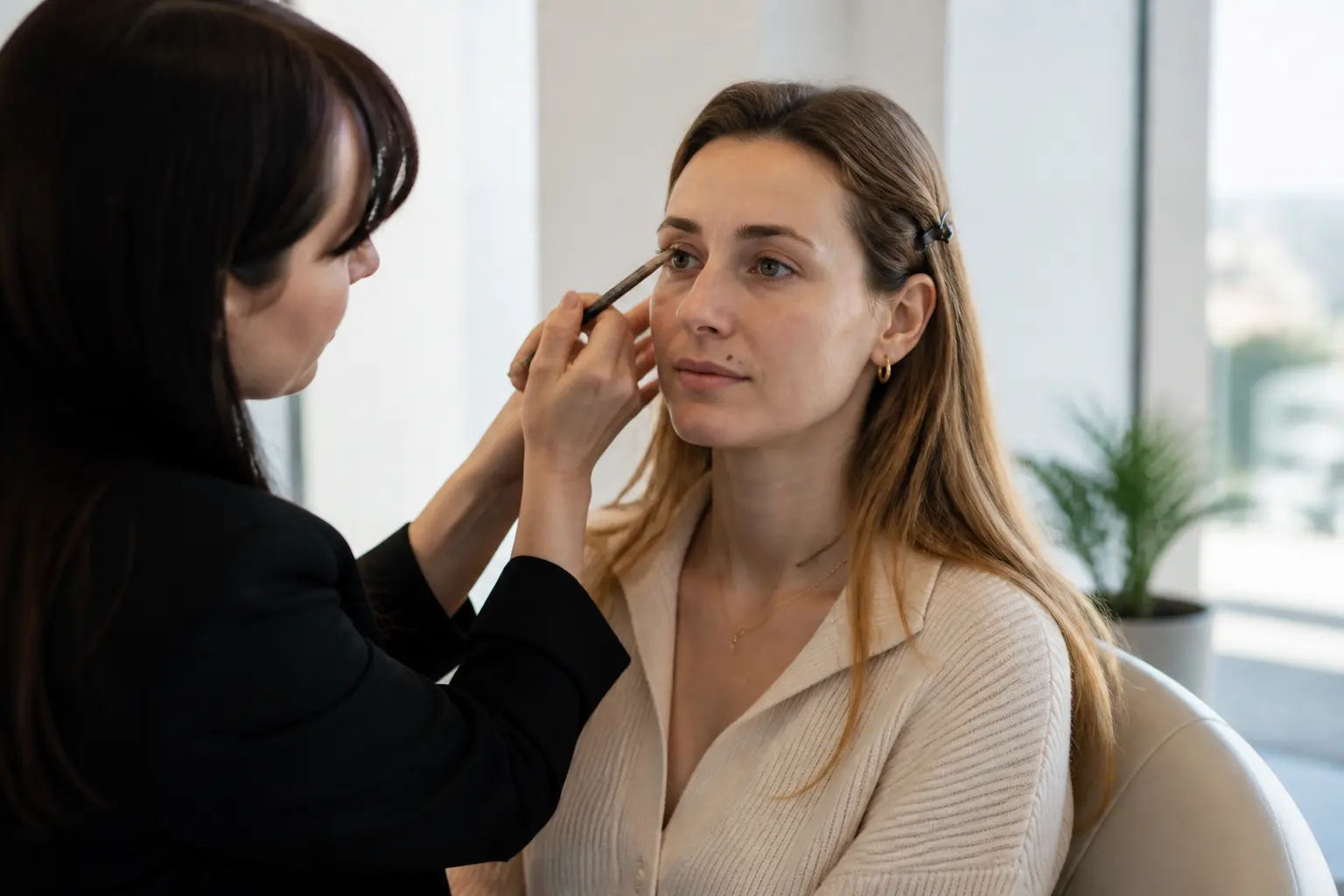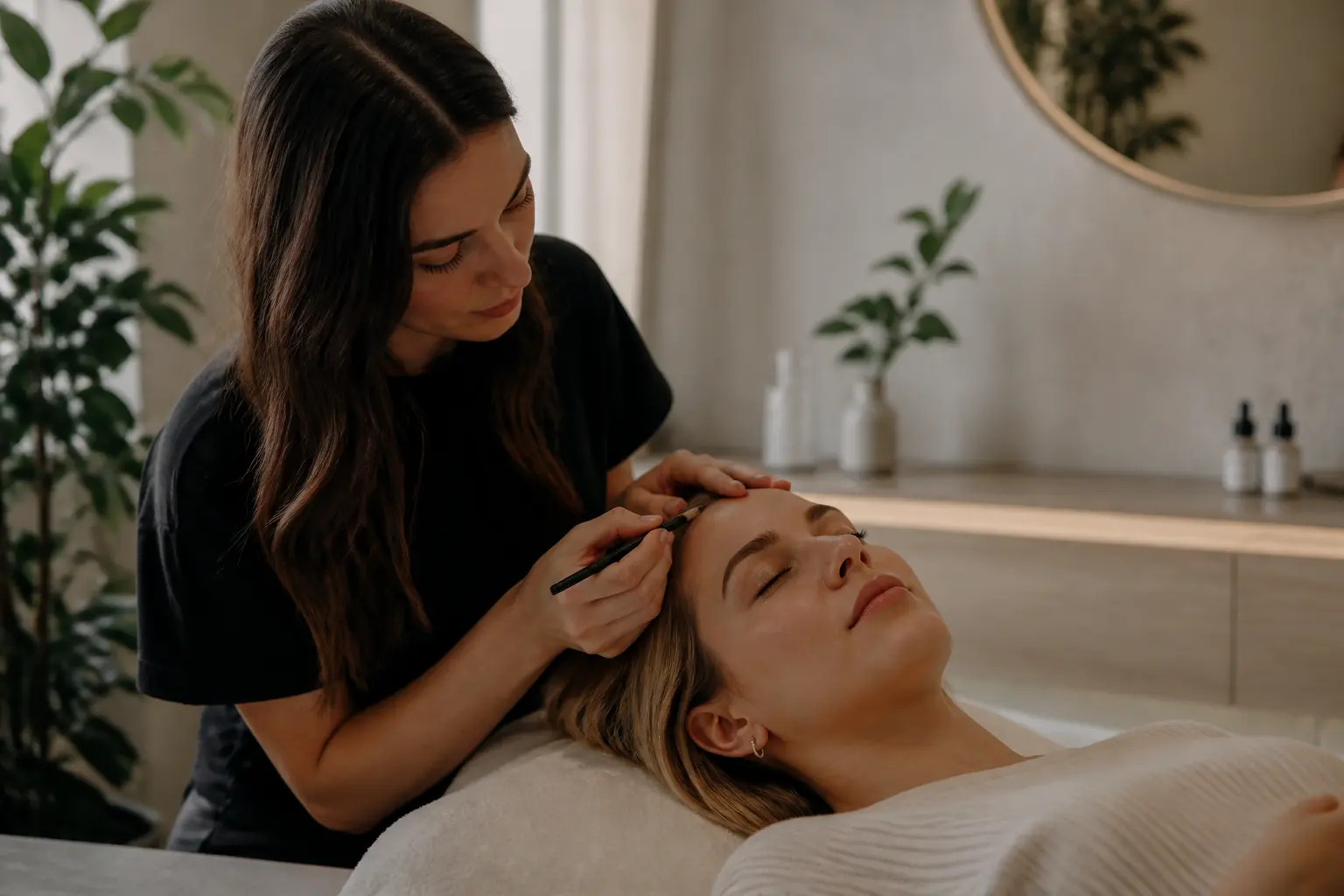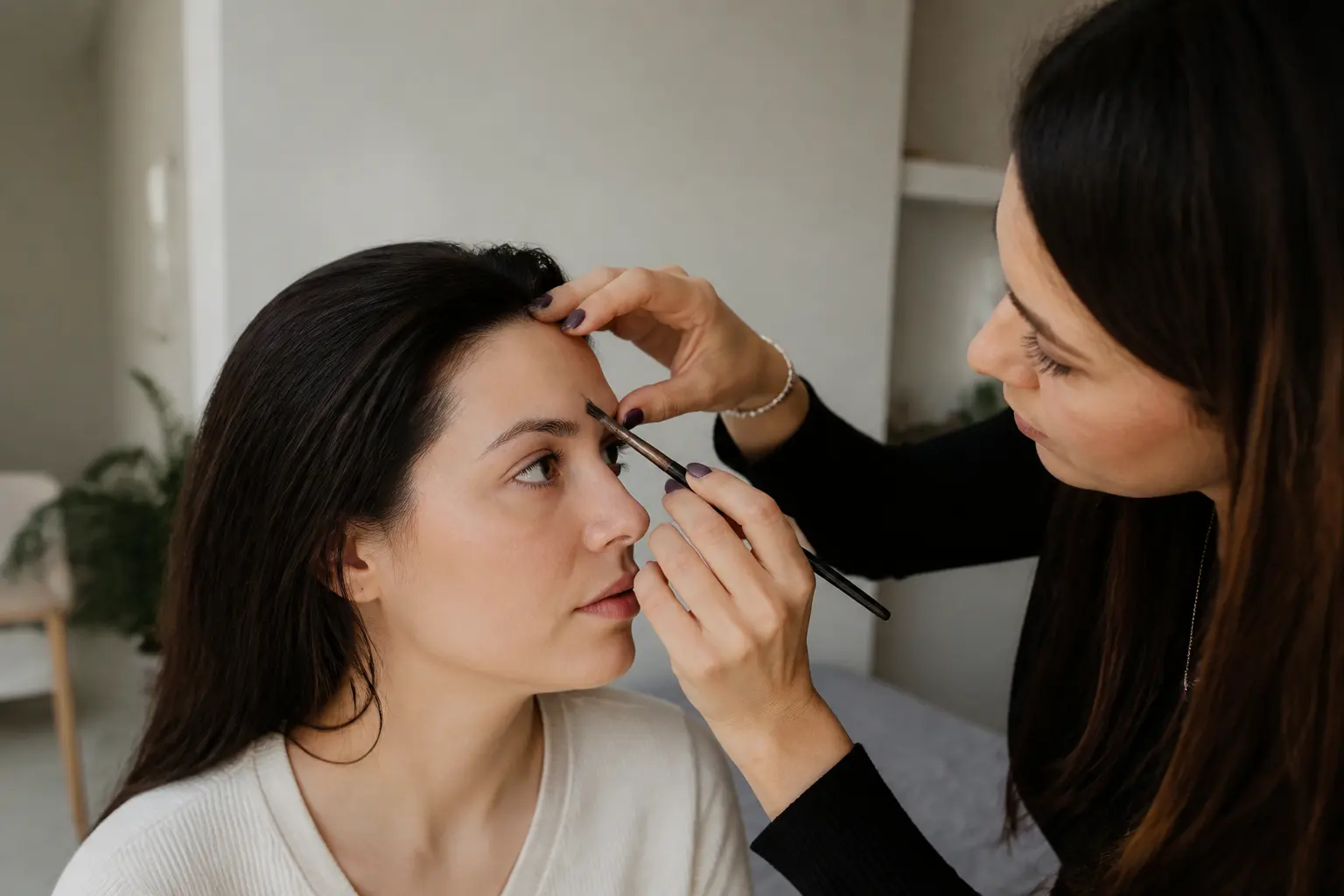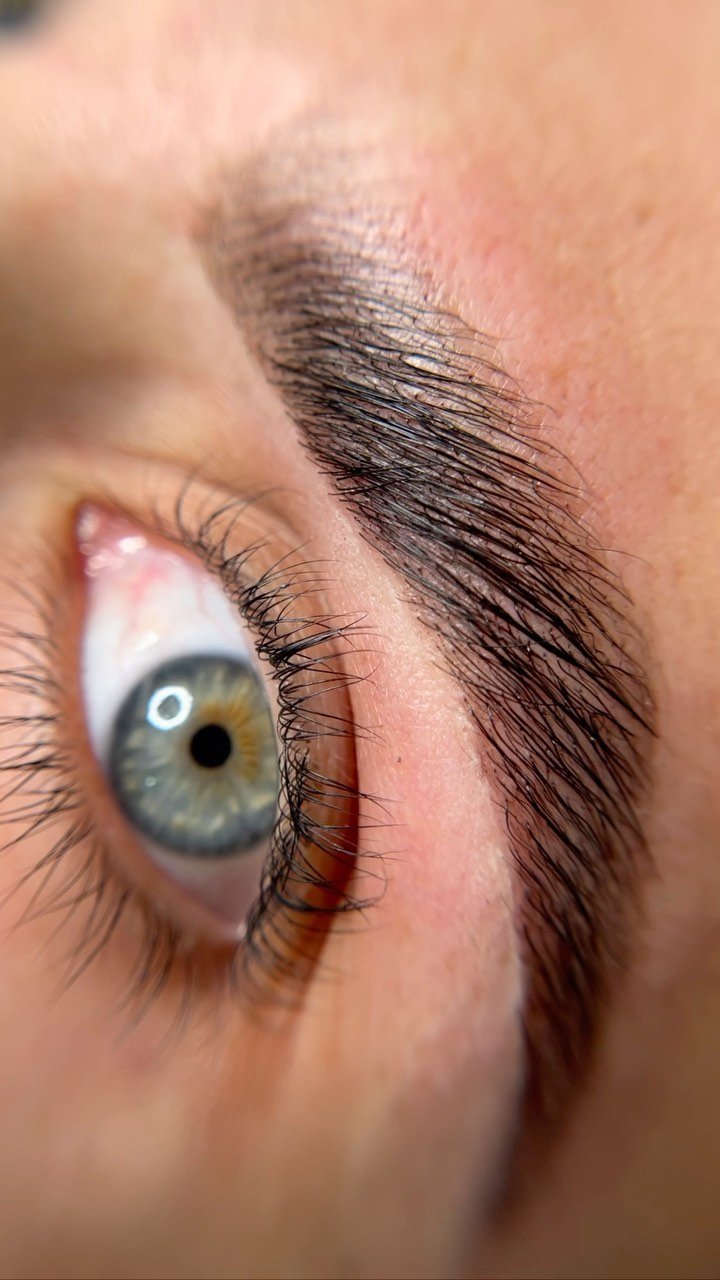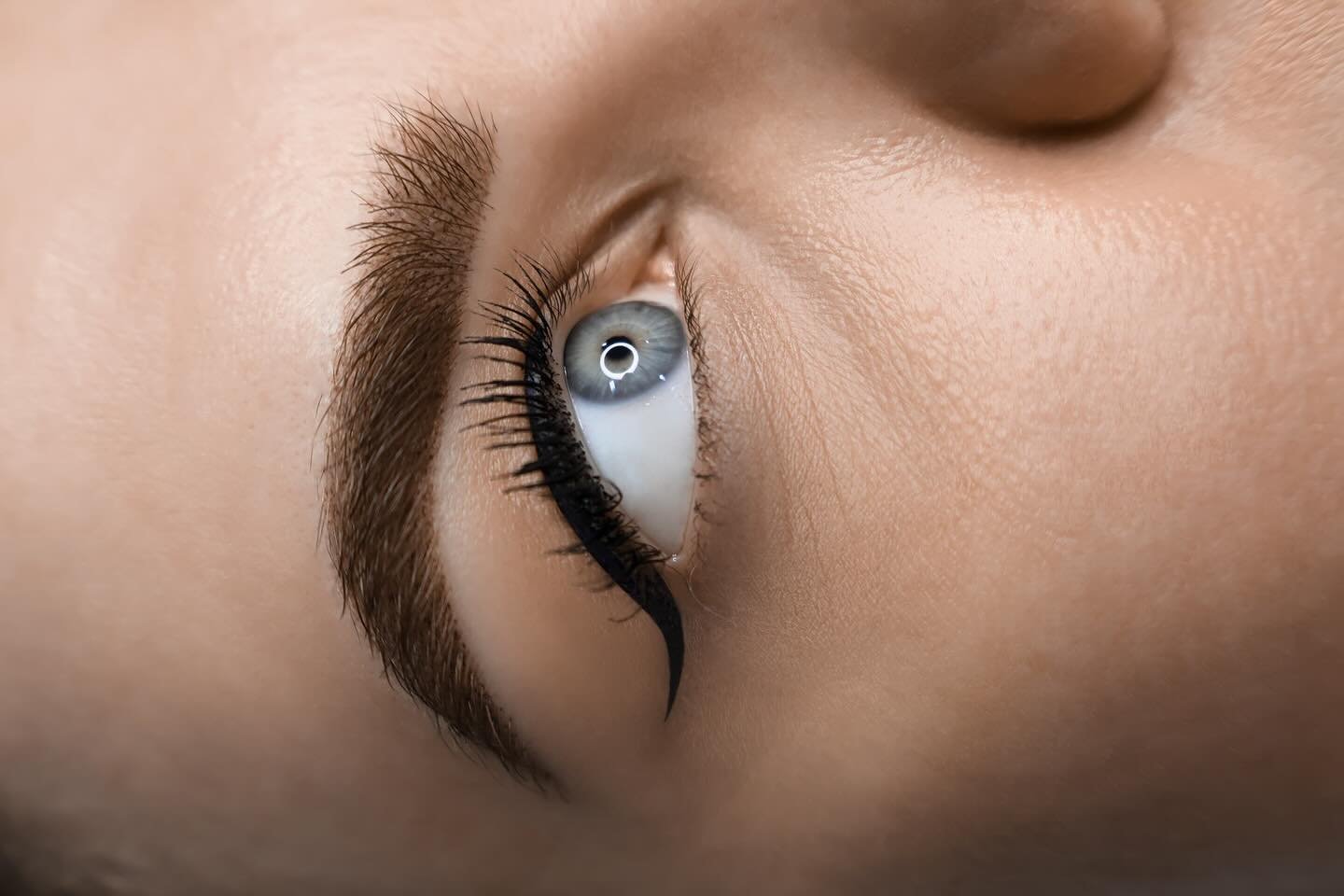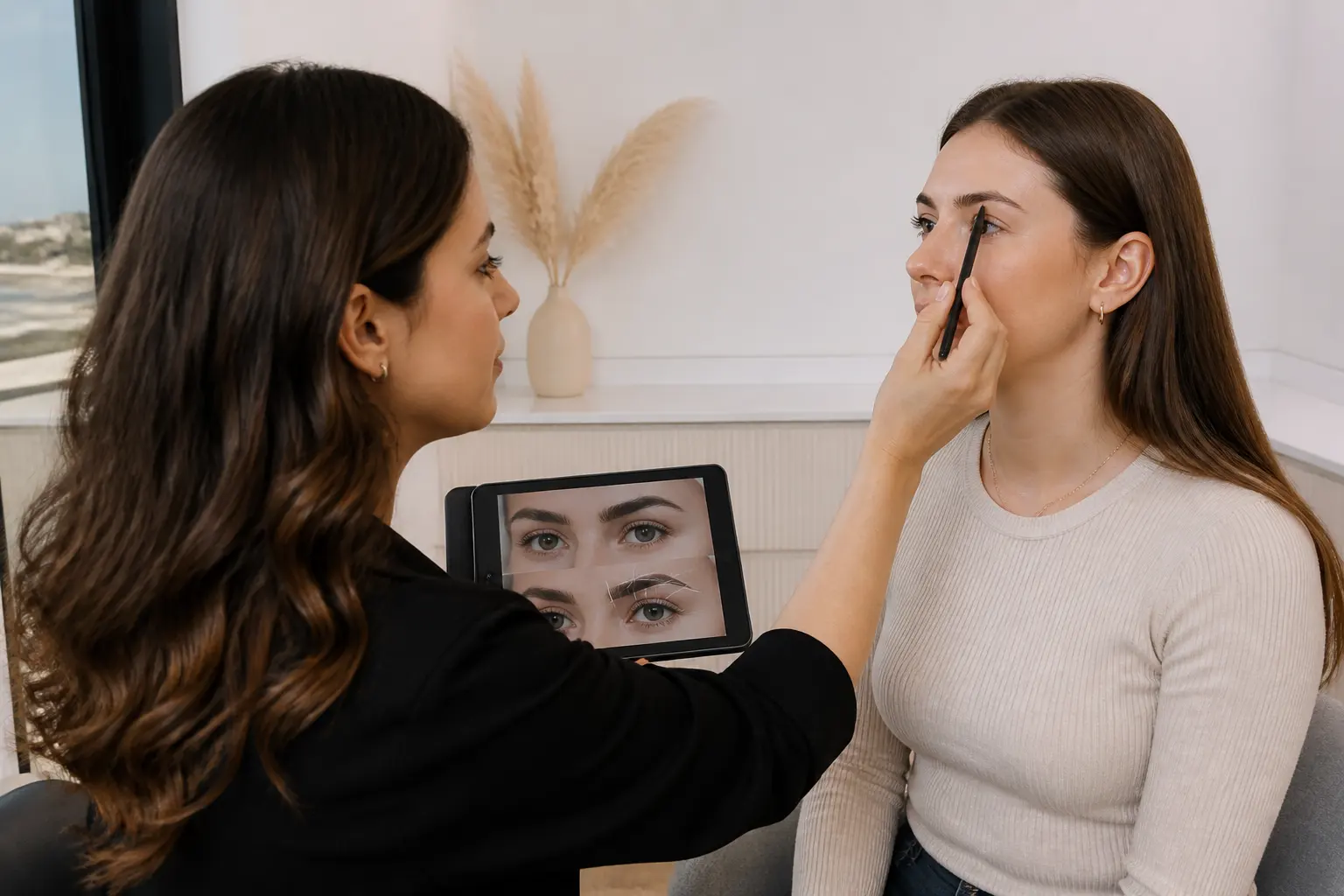
A personalised eyebrow design conversation starts with your hair pattern, facial features, daily routine and how much change you want, rather than copying a shape from a trend image. A soft arch means a gradual rise and fall, a straight brow keeps the lines more level, and a gentle lift refines the arch or tail without a dramatic angle. Threading then removes only the hairs outside the agreed shape.
A soft arch, a straighter brow or a gentle lift can all look beautifully natural when the design begins with the person wearing it. Rather than choosing a shape from a trend image alone, a personalised eyebrow design conversation looks at your existing hair pattern, facial features, everyday routine and the amount of change you actually want.
That conversation matters because brow design is not about making every face fit one template. A straighter brow can feel balanced and polished on one person, while another may prefer a subtle arch that follows their natural growth. Equally, a gentle lift does not have to mean a dramatic angle. It can simply mean refining the highest point of the brow so the overall line feels a little more open.
At a threading appointment, the aim is to create direction without removing more hair than necessary. Here is how to prepare for the design discussion, what each shape description usually means and how to communicate a result that feels like you.
What does a personalised eyebrow shape mean?
A personalised eyebrow shape is a design chosen through observation and conversation, rather than copied exactly from another face. It takes account of the brow hairs you currently have, including their density, natural start point, arch position, tail length and direction of growth.
It also considers how you want your brows to feel in daily life. Some people want a tidy, low-maintenance outline that works without make-up. Others enjoy defining their brows with pencil, powder or gel and may want a cleaner framework around the hairs they fill in. Neither preference is more correct; it simply changes the design brief.
Threading can be especially useful in this process because it allows the technician to work carefully around the existing brow line. The goal is usually to remove hairs that sit outside the agreed shape, while preserving the hairs that contribute to fullness and future flexibility.
What do soft arch, straight brow and gentle lift usually mean?
Words such as “soft arch”, “straight brow” and “gentle lift” are helpful starting points, but they are not fixed technical formulas. During a consultation, they are translated into details: where the brow begins, how much curve remains through the middle and how the tail sits in relation to the rest of the line.
Soft arch
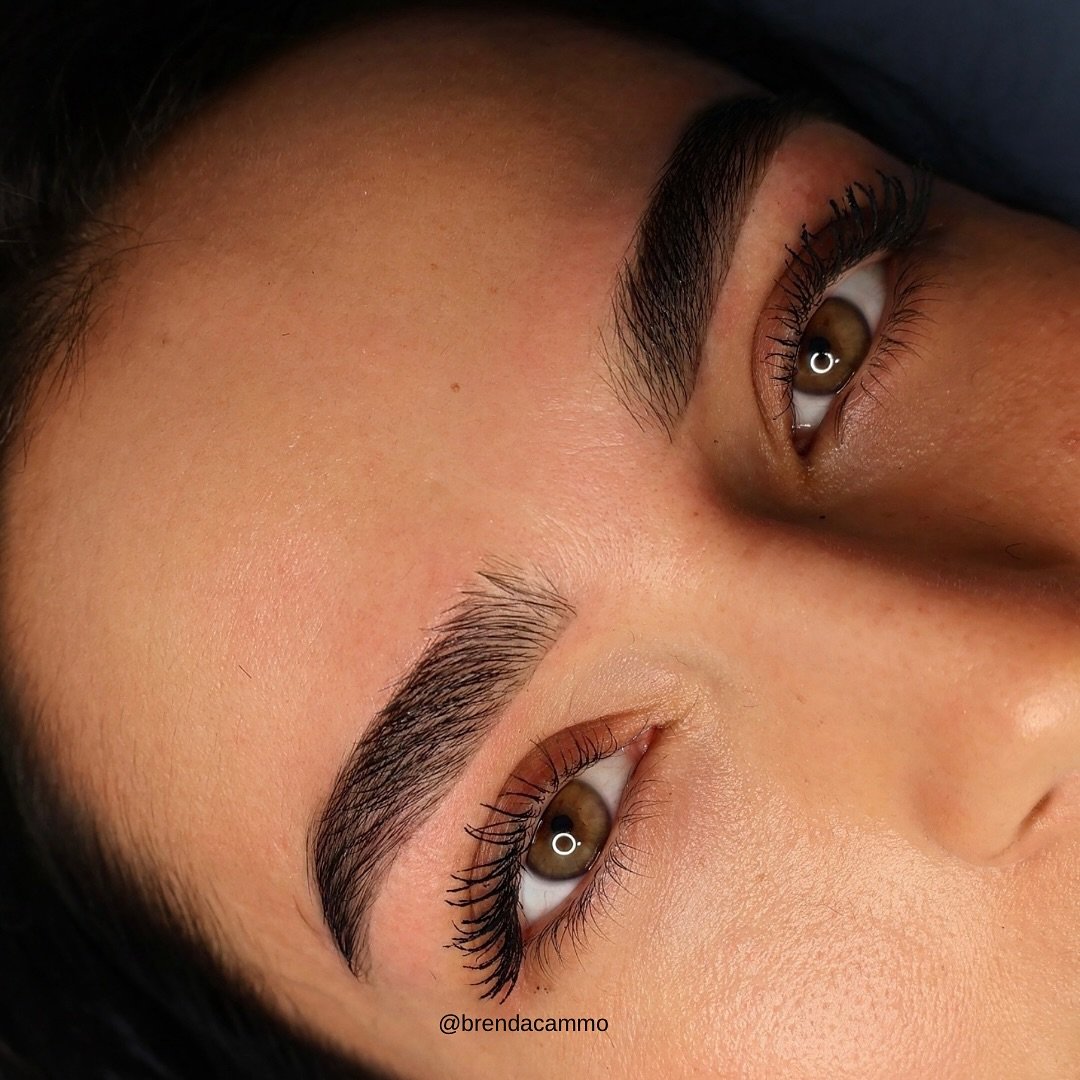
A soft arch has a gradual rise and fall rather than a sharp peak. The highest point is present, but it blends into the rest of the brow. This can suit someone who wants definition while keeping the overall effect relaxed and natural.
When asking for a soft arch, it helps to explain what “soft” means to you. You may mean that you do not want an obvious angular point. Or you may be happy with a noticeable arch, provided it does not look overly thin or heavily sculpted. These are different requests, and the conversation helps separate them.
Straight brow
A straighter brow generally keeps the upper and lower lines more level through the front and middle of the brow. It does not necessarily mean completely flat. Most natural brows have some movement, and forcing a totally horizontal line may work against the way the hairs grow.
For many people, a straighter-looking design is about reducing the appearance of a high or pointed arch, preserving more fullness through the middle, or keeping the tail from dropping too far. The result can look neat and modern without changing the brow beyond recognition.
Gentle lift
A gentle lift usually refers to a slightly more elevated feeling through the arch or tail, not a dramatic reshaping. It may involve clarifying the underside of the brow around its natural highest point, while keeping enough fullness above to avoid a severe finish.
This option can be useful for someone who feels their current shape lacks direction, but who does not want a strong, high arch. The word “gentle” is important: the intention is refinement, not a sudden change in expression.
At BeCammo · Sliema · Swieqi
Eyebrow threading in Malta
Same client, before and after threading.
Clean, natural brows shaped to your face, at our salons in Sliema and Swieqi. Threading is what BeCammo was built on.
- from €16price
- Sliema · Swieqiwhere
- ★ 5.0460+ Google reviews
What happens in the design conversation before threading?
A good brow discussion begins before any hair is removed. You do not need to arrive knowing the exact brow terminology. Clear preferences in everyday language are often more useful than trying to name a particular shape.
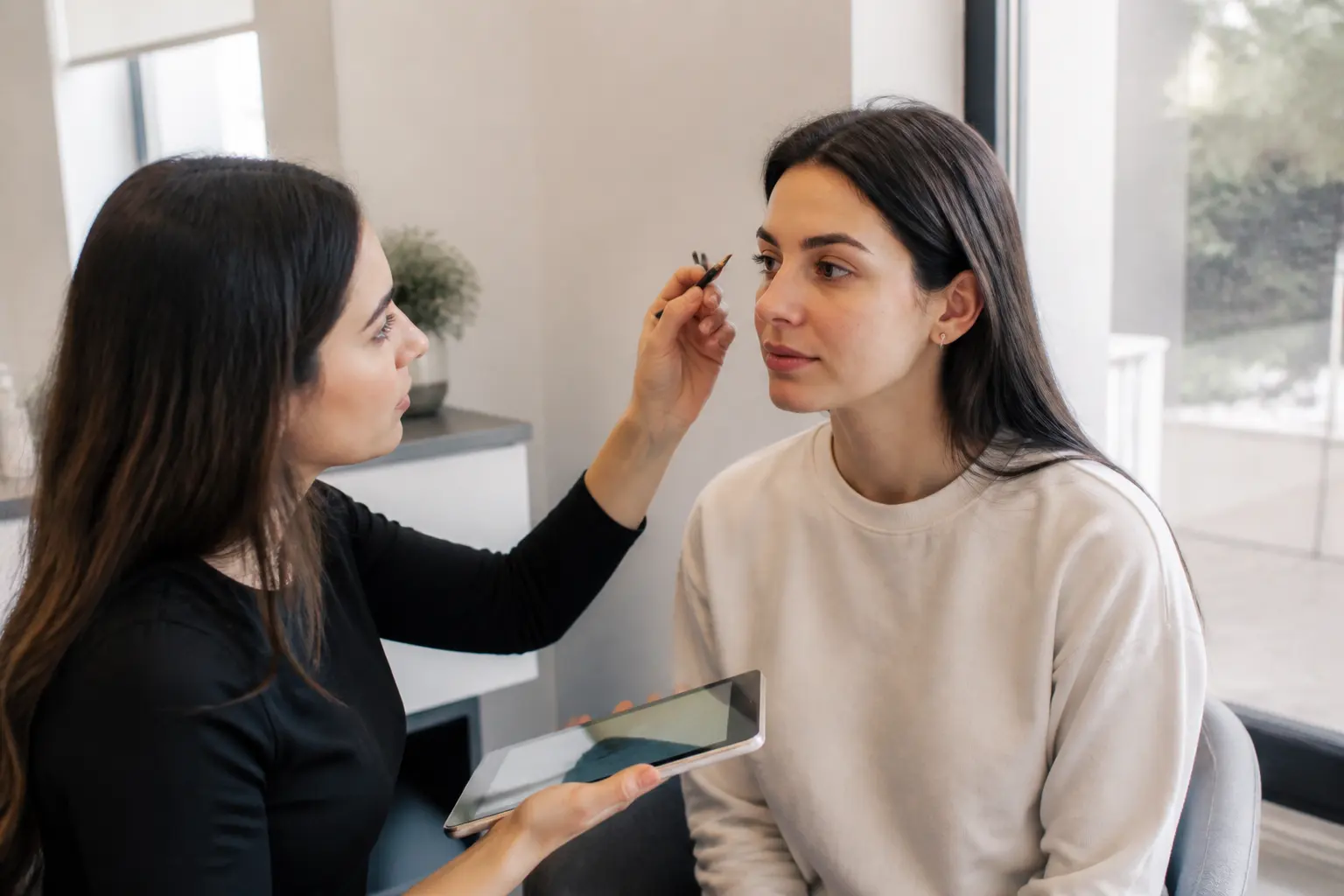
You may be asked about your usual brow routine, whether you wear make-up, how long it has been since your last shaping appointment and whether you are growing out areas that were previously over-plucked. The technician can then assess what is realistically possible with your current brow density and growth pattern.
Mapping may also be used to create visual reference points for the beginning, middle and end of each brow. This supports symmetry and proportion, while still allowing for the natural differences between the two sides of your face. Brows are sisters, not identical twins; trying to make every hair match can lead to unnecessary removal.
Questions worth considering before your appointment
- Do you want your brows to look noticeably reshaped, or simply cleaner and more organised?
- Would you rather preserve fullness, even if a few hairs remain while the shape grows in?
- Do you normally fill your brows with make-up, or do you prefer a result that works on its own?
- Are there areas you want to keep, such as a fuller front or a longer tail?
- Have you had a shape in the past that felt too thin, too arched or too short?
Bringing these thoughts into the appointment makes it easier to agree on a conservative first step. You can always refine a shape over future visits; hairs removed too enthusiastically are not available to support the design that day.
How do facial features and natural growth influence the plan?
Personalisation does not mean applying strict rules about face shape. Instead, it means looking at proportions and natural features in context. The distance between your brows, the width of your forehead, the position of your eyes and the direction of your natural tail can all influence how a proposed shape reads.
Just as importantly, the technician looks at the hairs themselves. Some brows are naturally dense with a clear arch, while others are finer, sparse in the tail or uneven after years of shaping. A design conversation should respect these starting points rather than promise a shape that cannot be created without taking too much away.
For example, if one brow naturally sits slightly higher, the priority may be to create visual balance rather than chase exact mathematical sameness. If the front of the brows is full but the tails are light, the plan may preserve density at the front and avoid shortening the remaining tail hairs. These choices are subtle, but they make the result feel more considered.
How do you explain the look you want without technical language?
You do not need to know whether your ideal brow is technically “rounded”, “angular” or “flat”. Try describing the overall impression you want instead. A few useful phrases include:
- “I want them tidy, but I do not want them thinner.”
- “I like a natural shape with a little definition.”
- “Please keep the front soft and full.”
- “I would like less of a sharp peak.”
- “I want a slightly lifted look, but nothing dramatic.”
- “I am growing them out, so I only want hairs clearly outside the shape removed.”
- “I usually draw the tail longer, so I would like to keep as much length as possible.”
A reference photo can help explain your preferences, particularly if you focus on the quality you like rather than asking for an exact copy. You might point out that you like the softness of the arch, the fuller front or the understated tail. The technician can then discuss whether a similar direction works with your own features and natural brow growth.
Why is a conservative approach often the most flexible?
It can be tempting to make a major change when you are bored with your usual brows. However, a measured approach often gives the most polished result, especially if you are unsure whether you prefer a straighter line or more lift.
Keeping a little more hair initially gives you room to reassess after living with the shape for a week or two. You may find that a subtle clean-up is exactly what you wanted, or that you would like a little more definition at your next maintenance appointment. This approach is also helpful for people growing out uneven areas or recovering from a period of over-plucking.
Regular appointments can make the conversation easier over time. Once a shape direction has been agreed, maintenance threading can focus on the hairs that grow outside it while protecting the brow structure you are building. The exact timing varies with individual hair growth, but many people choose to review their brow shape as regrowth becomes visible.
How does personalised design work for different brow types?
Brows vary widely across individuals, families and ethnic backgrounds. Density, texture, colour contrast and growth direction are all part of the picture. A personalised design should never assume that one brow trend suits everyone or that fullness, thinness, a strong arch or a straight line is inherently better.
At BeCammo, threading and brow design are approached with attention to different brow types and personal preferences. Whether your brows are naturally fine, dense, curly, sparse in places or have been shaped many times before, the conversation begins with what you have and what you want to preserve.
This is particularly important when a client has been advised elsewhere to remove hair in order to follow a fashion trend. Trends can be enjoyable, but brow hair growth is personal and can be unpredictable. A shape that complements your everyday look and feels comfortable to maintain is usually more valuable than a dramatic change that quickly stops feeling like you.
How should you assess your new shape after the appointment?
Give yourself a little time to see the design in your normal routine. Look at your brows in natural daylight, with and without your usual make-up, and notice how they work with glasses, hairstyles and the expressions you make most often.
If you are new to threading, mild temporary redness can occur after hair removal. Follow the aftercare guidance given at your appointment and avoid judging the final visual effect while the skin is still settling. If there is anything you would like adjusted next time, make a mental note or take a photo of your brows once you are happy with how they look.
Useful feedback for your next visit might be: “I loved the fullness, but I would like a slightly softer tail,” or “The shape felt right, but I would prefer less definition underneath the arch.” Specific feedback helps refine the plan while keeping the overall direction consistent.
Conclusion
The most flattering brow shape is not necessarily the highest arch, the straightest line or the fullest trend. It is the one that works with your natural brows, your preferences and the way you want to look day to day. A soft arch, straight brow or gentle lift can all be effective starting points when they are discussed openly and shaped with care.
If you are ready to refresh your brows, book a threading and design appointment at the BeCammo location that suits you. Start with the look you want, share what you would like to keep, and let the design conversation guide the detail.
Frequently asked questions
Can I ask for a straighter brow if my natural brows have an arch?
Yes, you can discuss a straighter-looking direction. The result will depend on your natural hair pattern and how much existing fullness can be preserved. A technician may suggest softening the appearance of the arch rather than trying to force a completely flat line.
Will a soft arch make my brows look too dramatic?
Not necessarily. A soft arch is usually defined by a gradual curve rather than a sharp point. Explain that you want a subtle result, and the design can focus on gentle definition.
What should I do if I am growing out over-plucked brows?
Tell the technician before threading begins. A conservative plan can focus on removing only the hairs that are clearly outside the intended shape, while allowing useful areas to grow.
Should I bring a brow reference photo?
A photo can be helpful when it shows a quality you like, such as a fuller front, softer arch or longer tail. It is best used as a conversation tool rather than an exact template, as each person’s natural brow pattern is different.
How often should I book brow threading to maintain my shape?
It depends on your individual hair growth and the level of definition you prefer. Many people review their brows when regrowth starts to affect the outline, while others choose a more frequent routine for a consistently tidy finish.