Can Brow Lamination and Brow Tint Be Planned Together?
Brenda Cammo Team
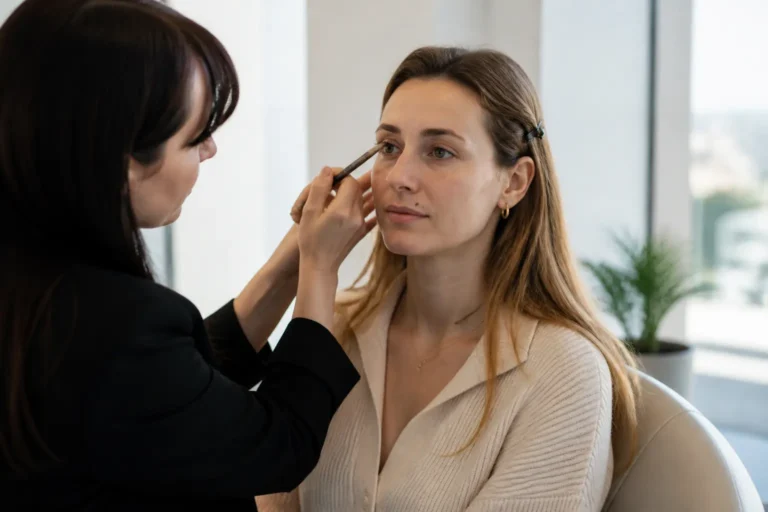
Brow lamination and brow tint are often discussed together because they can address two different parts of the same brow goal. Lamination focuses on the direction and appearance of the natural hairs, while tint can add visible depth to the hairs that are already there. However, planning both is not simply a case of selecting every brow add-on available. The right approach depends on your natural brow density, the condition of the hairs, your preferred finish, your skin history and the products used by the professional.
If you are considering brow lamination and tint, start with the look you want to simplify in your daily routine. Do you mainly want brow hairs to sit more neatly? Do your brows already have a good shape but look pale in photographs? Or do you want a softer, fuller-looking effect without creating a heavy block of colour? Clear answers help a brow professional decide whether the services can be planned in one visit, whether one should come first, or whether a different brow appointment better matches your priorities.
What brow lamination and brow tint each contribute
Although they are frequently paired, lamination and tint are not interchangeable.
Brow lamination is a brow styling service designed to guide the natural hairs into a more uniform direction. It can suit people whose brows grow downward, cross over each other, change direction through the arch or need daily brushing to look balanced. The intended result is not to create new hairs. It is to make the hairs you have easier to arrange into a considered shape.
Brow tint is a colour service for brow hairs. Depending on the shade selected and how the colour develops on your individual hairs, it can make fair, sun-lightened or less visible brow hairs appear more defined. It does not replace a design conversation: the most suitable shade should take account of your natural colouring, your usual make-up and whether you prefer a subtle or more noticeable finish.
When planned thoughtfully, the two services can complement one another: lamination supports the direction of the hairs, while tint can make that direction easier to see. Yet a fuller effect is not automatically the right effect for everyone. Someone with naturally dark, dense brows may only need lamination and careful shaping; someone with fine, fair hairs may place more value on tint. This is why the consultation matters as much as the service itself.
Can they be done as part of one brow plan?
They can often be considered together, but the professional should make that decision after discussing your brows and relevant history. Professional lamination protocols may include tinting as part of the sequence, with product directions, timing and suitability assessed carefully. For example, the London Brow Company’s professional instructions set out a lamination-and-tint process and specify a patch test before treatment.
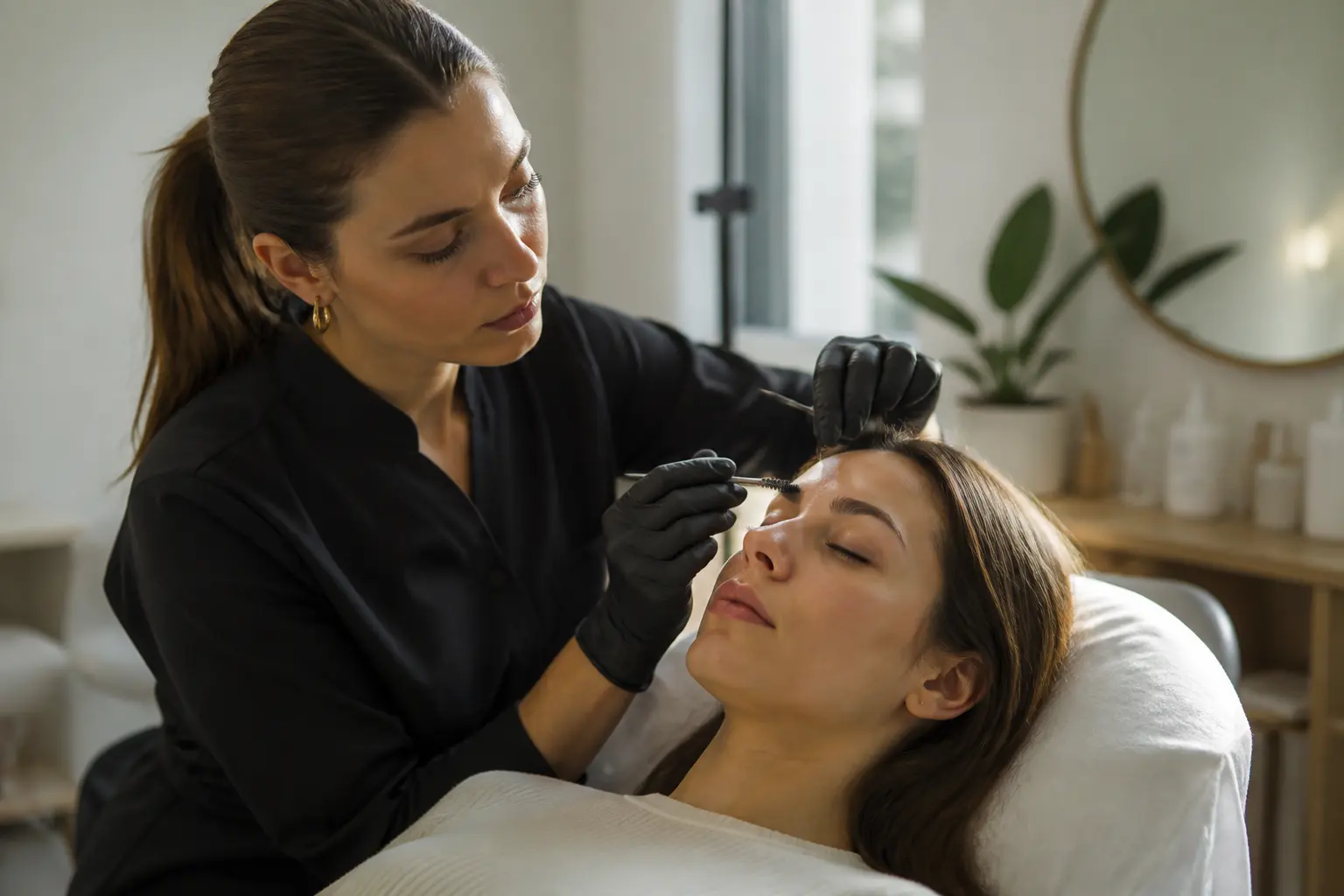
That does not mean every client should have both services at every appointment. The condition of your brow hairs, previous reactions, current skin sensitivity and the intensity of your colour goal can all change the plan. An experienced brow professional may suggest:
- lamination with tint during the same appointment, where appropriate;
- lamination without tint, if the natural colour already gives enough definition;
- tint and shaping without lamination, if colour and clean structure are the main priorities; or
- waiting until another date, if your skin or brows need a calmer approach first.
It is helpful to view the booking as a personalised brow plan rather than a fixed package. The most flattering result usually comes from choosing only the elements that serve your actual routine and natural features.
Questions to ask before you book
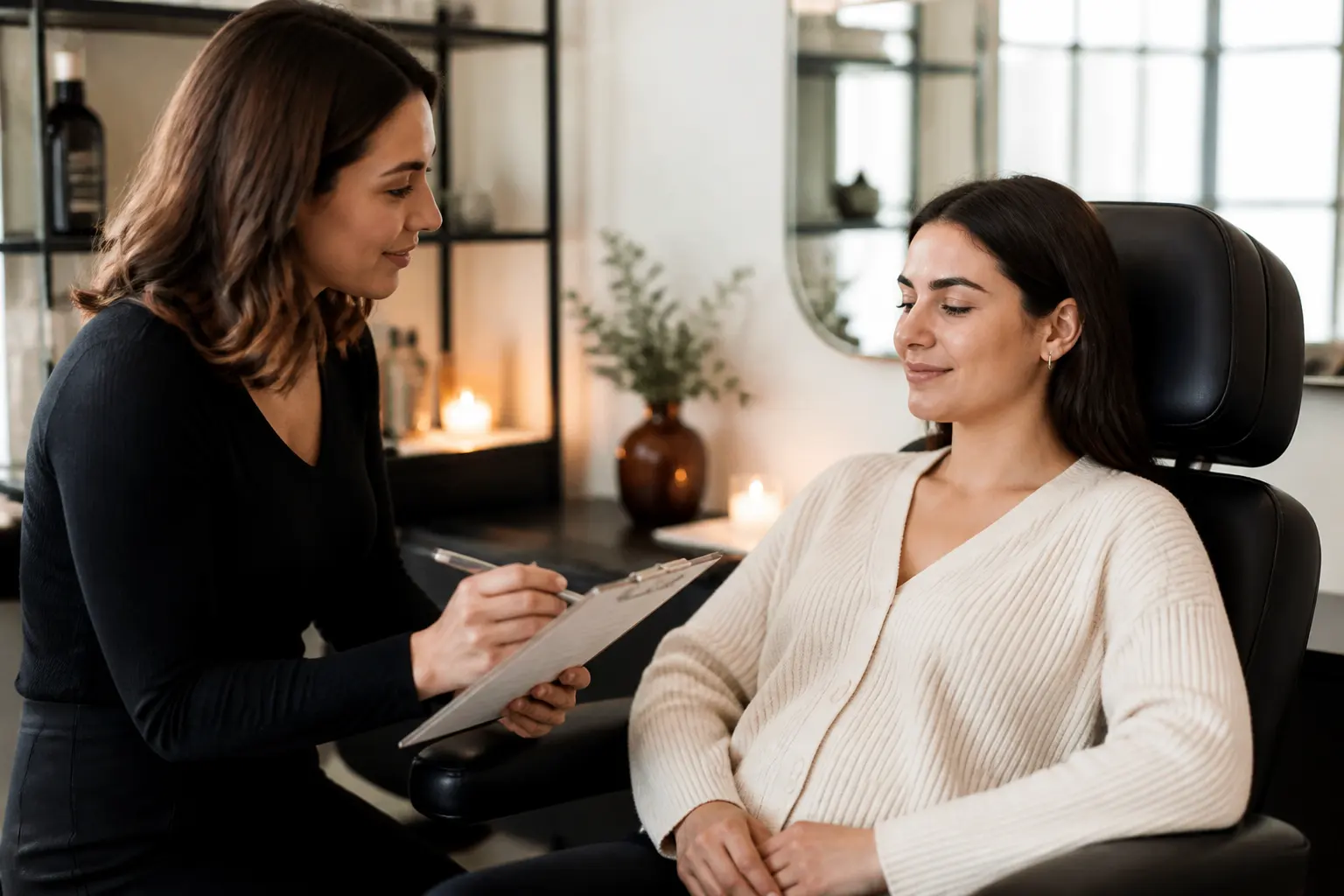
You do not need to know every technical detail before arranging an appointment. You do, however, need enough information to share an accurate picture of your brows, skin and expectations. The following questions make the consultation more productive.
1. Is brow lamination, tint or both the better starting point for my goal?
Describe the problem you notice when doing your brows at home. For example, you might say, “The front of my brows grows upwards but the tails turn down,” or “My brow hairs disappear in photos unless I fill them in.” These descriptions are more useful than asking for a particular trend.
Bring up your everyday make-up habits too. If you enjoy a natural look and only use brow gel, a light-touch plan may be preferable. If you usually draw in a defined tail but would like fewer steps in the morning, a tint conversation could be relevant. The aim is not to copy somebody else’s brows, but to make your own brow routine feel more manageable.
2. Do I need a patch test, and when should it be completed?
This is an essential question whenever colour or styling products are involved. Ask the studio what its patch-test policy is, how far in advance it must be done and whether the test covers the products proposed for your appointment. Do not assume that having tinted your hair or brows elsewhere means a test is unnecessary.
Hair colourants can contain ingredients that trigger allergic reactions in some people. The UK Medicines and Healthcare products Regulatory Agency notes that paraphenylenediamine, commonly known as PPD, is one ingredient associated with hair-dye reactions, while also explaining that a PPD screening test alone cannot guarantee compatibility with every component in a colour product. Read the MHRA guidance on hair-dye allergy screening. Tell the professional if you have previously reacted to tint, hair dye, perming products, cosmetics or black henna tattoos.
3. How will you decide on the tint shade?
A good tint discussion is about more than choosing “light”, “medium” or “dark”. Ask how the shade will be tailored to your hair colour, skin tone, natural brow hairs and preferred make-up style. Be clear if you are concerned about brows looking too bold, too warm or too cool.
It is also worth asking what you should expect immediately after the appointment versus after the first few days. Freshly tinted hairs can look more noticeable at first, particularly if you normally wear little make-up. Understanding that adjustment period helps you plan confidently, especially before a holiday, professional photographs or a major occasion.
4. Is my brow hair condition suitable for lamination now?
Lamination works with the hairs you already have, so their current condition is important. Let the professional know if your brows have recently been bleached, tinted, laminated, heavily styled with strong products or affected by a previous reaction. Mention if you are growing them out after over-plucking, as the design may need to protect areas that are beginning to fill in.
It is also sensible to explain whether you regularly use brow growth serums or active skincare close to the brow area. The professional can decide what information is relevant to the service and whether any change to your routine should be considered before booking.
5. Can shaping be included, and what shape is realistic for my brows?
Lamination and tint may enhance the appearance of the hairs, but neither should be used to force a brow into an unrealistic shape. If brow shaping is part of your goal, ask how the design will be mapped around your natural growth, facial proportions and desired level of definition.
At Becammo, brow design is approached as a personalised conversation rather than a one-shape-fits-all formula. This is particularly important in an international setting such as Malta, where brow density, hair texture, complexion and styling preferences vary widely. A brushed-up finish can look soft and airy on one person and very structured on another.
6. What aftercare should I plan around?
Ask for precise aftercare at the appointment because it should match the products and service sequence used. Avoid relying on a generic social-media checklist. Your brow professional should explain how to look after the treated hairs, when to resume your normal brow products and what signs mean you should contact the studio for advice.
For practical planning, book at a time when you can follow the aftercare without rushing straight into a swim, steam room, intense workout or a long make-up routine. If you are arranging your brows around an event, give yourself enough flexibility rather than making the first time you try a new look the day before an important occasion.
When it may be better not to combine them
A thoughtful answer is sometimes “not today”. Combining services may not be the most appropriate route if you have irritated, broken or unusually sensitive skin around the brows, a history of reactions to colour or perming products, or brow hairs that need a more cautious assessment. A recent reaction is not something to minimise in the hope of achieving a particular look.
Likewise, do not book a brow lamination and tint solely because it is popular online. If your brows are already dark and well-directed, a well-planned threading and design appointment may give you the clean, balanced result you are looking for. If the key concern is sparse areas rather than hair direction or visibility, a consultation can help you discuss realistic options instead of expecting lamination or tint to solve every brow concern.
A professional should never pressure you to add a service. The strongest plan is the one that respects your brows, your comfort and the degree of maintenance you genuinely want.
How to prepare for a useful brow consultation
A few simple details can make your appointment discussion clearer:
- Arrive with a bare or lightly made-up brow area where possible. This makes it easier to assess natural density, direction and colouring.
- Save two or three reference images. Choose examples for the overall mood rather than trying to copy an exact brow shape from a different face.
- Explain your daily routine honestly. Mention whether you fill in your brows every day, use brow gel occasionally or prefer not to style them at all.
- Share relevant product and reaction history. Include prior tint, lamination, hair dye or skin reactions, even if they happened elsewhere.
- Plan around patch testing and aftercare. Do not leave this until the day of an important event.
- Ask what maintenance could look like for you. The right timing varies by hair growth, colour preference and how your brows respond over time.
At Becammo, a Brow Lamination appointment is listed as a dedicated brow service, allowing the conversation to focus on the natural hairs, your desired styling direction and appropriate next steps. If you are also interested in tint, raise it when you book so the studio can advise on the most suitable plan and any preparation required.
Choosing a result that still looks like you
The most successful brow lamination and tint plans do not aim for identical brows or a permanently fixed look. Natural brows are sisters, not duplicates: they may grow in slightly different directions, have different density from one side to the other and respond differently to colour. These details are normal.
Instead of asking for the darkest possible tint or the highest possible lift, explain how you want to feel when you see your brows without make-up. You might want them to look tidier for work, more visible during a sunny Malta summer, easier to style for an evening out or simply less dependent on daily pencil. Those are useful goals because they guide the service towards a result that fits your life.
When you book, choose the Brow Lamination service and mention that you would like to discuss tint as part of your brow plan. That gives the professional the opportunity to assess suitability, explain the patch-test process and help you choose a finish that feels polished without losing your natural character.
Frequently asked questions
Can brow lamination and tint be booked on the same day?
They can often be planned as part of one brow appointment when a professional considers them suitable for you. The sequence, products, patch-test requirements and final decision should be guided by your brow condition, skin history and desired result.
Does brow tint make laminated brows look thicker?
Tint can make lighter or finer hairs more visible, while lamination changes the way natural hairs sit. Together, this may create a more defined appearance, but neither service creates new brow hairs. The result depends on your natural brow density and colouring.
Should I have a patch test if I have tinted my brows before?
Ask the studio. A previous tint without a reaction does not automatically confirm that every future product or formula will suit you. Be open about any past reactions to hair colour, brow tint, cosmetics or styling solutions.
Can I choose brow lamination without tint?
Yes. If your brow hairs already have the depth you like, lamination alone may be the more suitable option. The aim is to select services around your own brow goal, not to add colour automatically.
What should I tell the brow professional before the appointment?
Tell them about previous brow services, recent reactions, products used around the brow area, your normal make-up routine and any event you are planning around. Reference images and a clear description of the finish you prefer are also helpful.