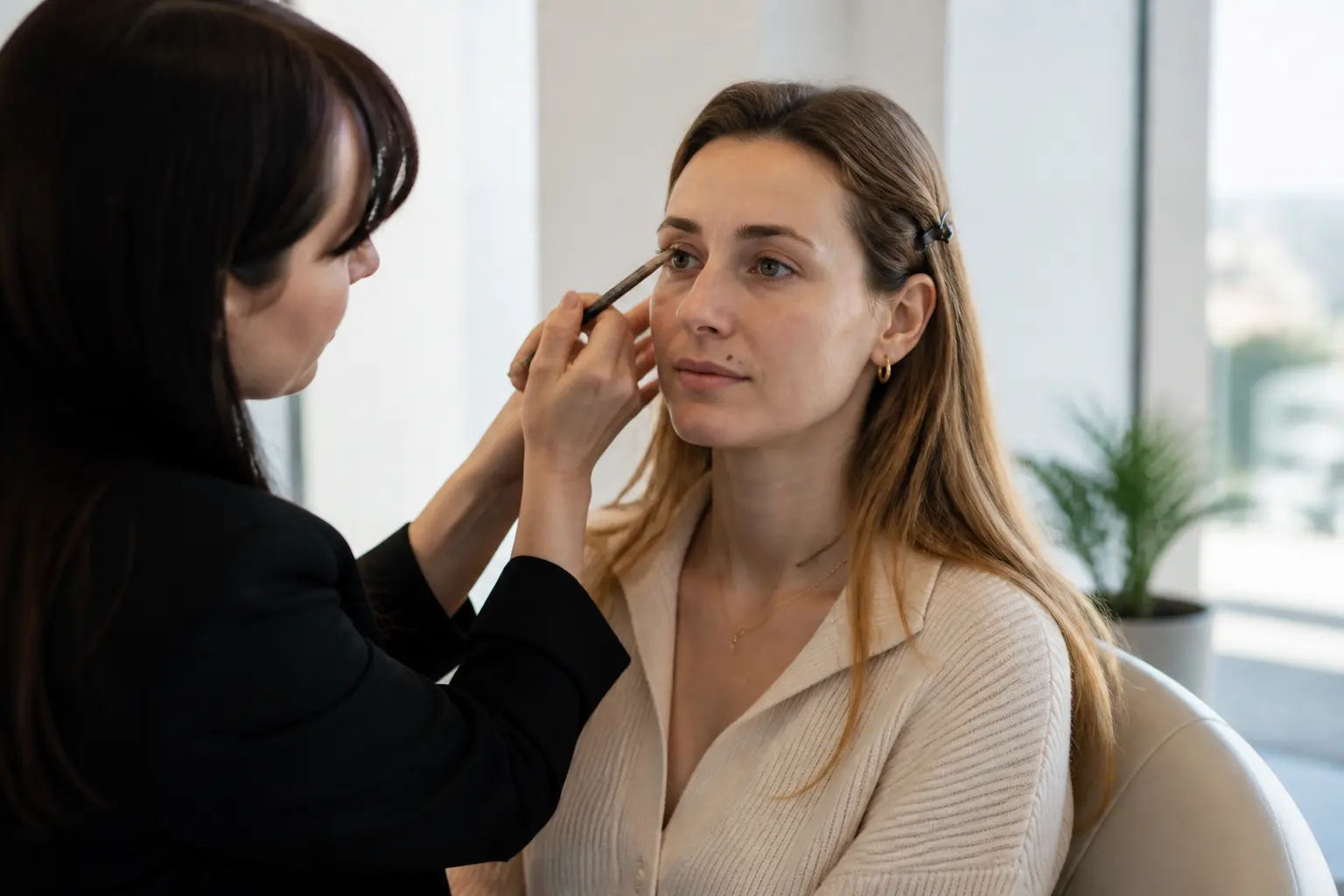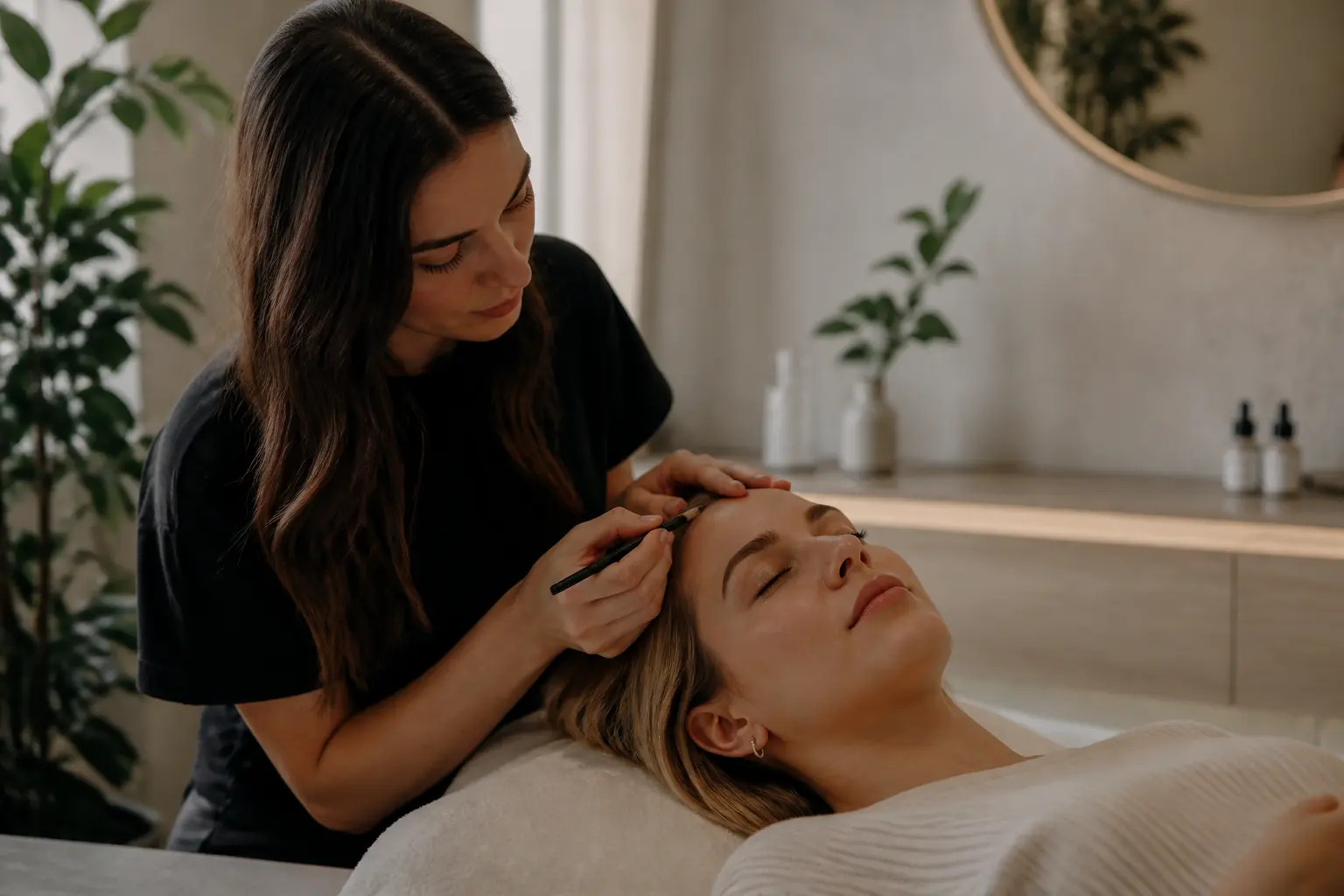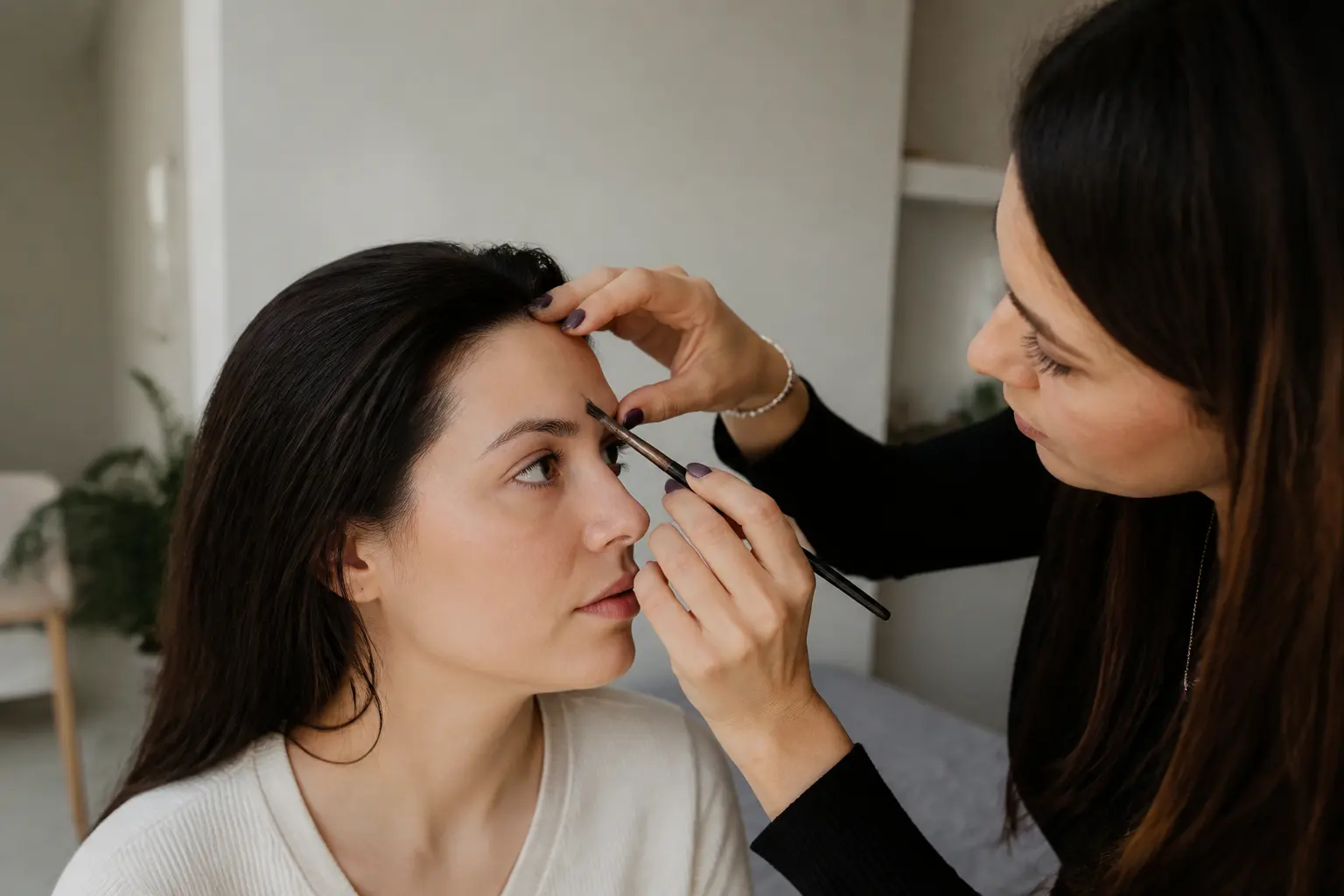
Tell your brow artist about your daily brow gel before brow lamination: the brand and type (clear, tinted, fibrous or strong hold), how often and where you apply it, any other brow products you use and any itching, redness or irritation. A photo of the tube and ingredient list is useful. On the day, follow the studio's guidance and arrive with clean brows without styling residue.
If brow gel is part of your daily routine, mention it before your brow lamination appointment. It may seem like a small detail, especially if you use a clear gel simply to brush your hairs into place, but it can help your brow artist understand the look you normally create, the products that sit on your brow area and any sensitivity you may have experienced.
Brow lamination is designed around your natural hairs and your preferred finish. Some people want a softly lifted, tidy effect; others prefer a fuller, brushed-up direction that reduces the need for daily styling. Your usual brow gel can be a useful starting point for that conversation. The goal is not to judge your routine or ask you to abandon a product you like. It is to make sure the appointment is planned with clear, relevant information.
This guide explains exactly what to raise when you use brow gel every day, what you can bring or show at your appointment, and why a short product conversation can make the consultation more personal.
Why is your everyday brow gel worth mentioning?
Daily brow gel use tells your artist more than whether you enjoy a polished brow. It can reveal how your brow hairs naturally behave once you style them. For example, you may use gel because the front of your brows grows downwards, because the tail loses direction during the day, or because you prefer the appearance of extra texture through sparse areas.
That information matters when discussing brow lamination. The appointment should begin with your natural brow pattern, face, hair density and styling preferences rather than a one-look-fits-all idea of what lifted brows should be. Showing how you usually wear your brows can help you explain what you would like to keep, what you would like to simplify and what you would rather avoid.
There is also a practical reason to be open about products. Brow gels vary considerably. Some are lightweight and clear, while others contain colour, fibres, waxes, strong hold polymers, oils or fragrance. A product that has never caused you a problem may still be useful context if you have recently noticed itching, redness, flaking or a tight feeling around the brow area. Cosmetic products can trigger irritation or allergic reactions in some people, and ingredient labels are a helpful reference when you know or suspect that you react to a particular substance. FDA guidance on allergens in cosmetics explains why checking ingredients and recognising personal sensitivities is important.
Which details should you share before brow lamination?
You do not need to memorise every ingredient in your brow gel. A simple, honest description is usually more valuable than a perfect product analysis. If possible, take a clear photograph of the tube, packaging and ingredient list, or bring the product with you if this is convenient.
1. The brand and type of brow gel
Start with the basics: the name of the product and whether it is clear, tinted, fibrous, wax-based, waterproof or marketed as an extra-strong hold gel. Each format can leave a different finish on the hairs, and some are more difficult to remove fully than others.
You do not need to decide whether an ingredient is suitable yourself. Simply sharing the product allows your brow artist to ask better questions and advise you on appointment-day preparation.
2. How often you use it and how much you apply
“Every day” can mean one light sweep in the morning or several layers applied throughout the day. Explain how you normally use the gel:
- Do you apply it only to the fronts of your brows?
- Do you use it across the whole brow, including the tails?
- Do you brush hairs upwards, sideways or into a flatter shape?
- Do you reapply it after work, the gym or an evening out?
- Do you combine it with a brow pencil, pomade, powder or concealer?
This helps separate your preferred styling effect from the underlying shape of your natural brows. It also gives the artist a more realistic picture of what you would like brow lamination to support in your routine.
3. Whether your gel is tinted, fibrous or strongly pigmented
Tinted gels can make brows appear denser, while fibres may create the impression of extra hair volume. This is useful to mention if your main goal is fuller-looking brows, because the visual effect you enjoy at home may be coming partly from colour or fibres rather than hair direction alone.
That does not mean brow lamination cannot suit you. It simply helps set a clear expectation: lamination works with the brow hairs you have, while make-up can add colour, shadow and visual density. Your artist can discuss a finish that complements your natural brows and your preferred make-up style.
4. Any reaction or discomfort you have noticed
Tell your artist if you have ever had stinging, itching, redness, dryness, peeling, swelling or a rash after using brow gel or another product around the eyes and brows. Include details even if the reaction happened months ago, settled quickly or occurred with a different brand.
It is also worth mentioning known allergies or sensitivities, particularly to fragrances, colourants, preservatives or adhesives, as well as any previous reaction during a beauty appointment. Do not assume that a product described as “gentle” or “hypoallergenic” will automatically be right for you; these marketing terms do not replace a personal ingredient and sensitivity conversation. FDA information on “hypoallergenic” cosmetics notes that the term does not have one fixed standard definition.
5. Other brow products used alongside gel
Many people call their whole brow routine “brow gel”, when it also includes other products. Let your artist know if you use a brow growth serum, brow oil, brow soap, tint, henna, pencil, pomade or concealer. These are separate products with different purposes, so naming them clearly is more helpful than grouping everything together.
In particular, explain whether you have recently started a new product or changed brands. A new routine can be relevant if your skin or brow area has behaved differently since the change.
At BeCammo · Sliema · Swieqi
Eyebrow threading in Malta
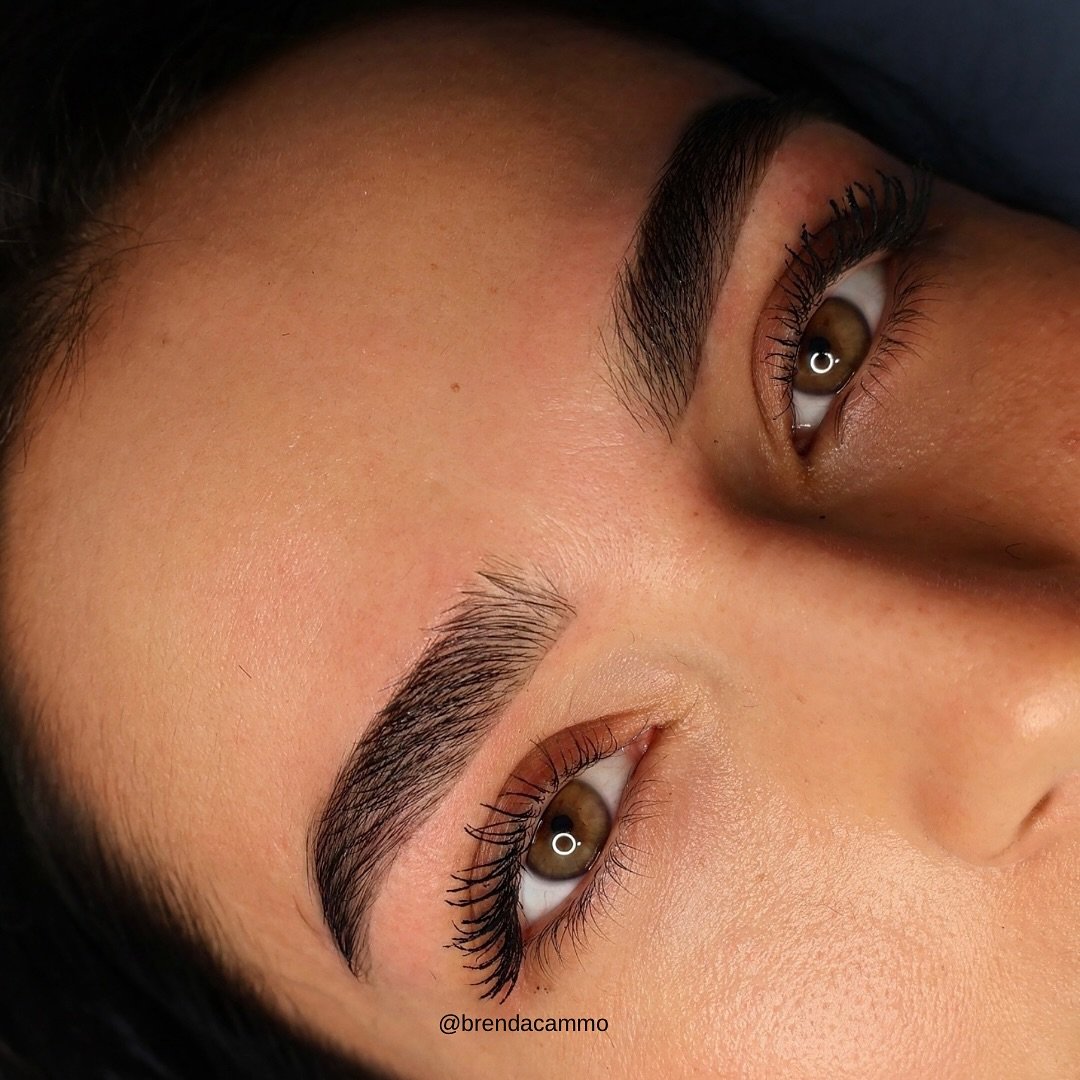
Same client, before and after threading.
Clean, natural brows shaped to your face, at our salons in Sliema and Swieqi. Threading is what BeCammo was built on.
- from €16price
- Sliema · Swieqiwhere
- ★ 5.0460+ Google reviews
What can brow gel reveal about your brow goals?
Instead of saying only “I use gel every day”, try explaining why. This turns a product detail into a useful design conversation.
| What you may say | What it can help clarify |
|---|---|
| “I brush the fronts up because they point down.” | You prefer a more open, lifted direction at the start of the brow. |
| “The tails drop by lunchtime unless I use strong hold gel.” | Daily hold is important to you, particularly through the arch and tail. |
| “I use tinted gel to make gaps look less obvious.” | You may enjoy added visual depth as well as a change in hair direction. |
| “I like fluffy brows online, but mine look too bold when I copy the look.” | You may prefer a softer, more controlled version of a lifted finish. |
| “I only use gel for special occasions.” | Your appointment goal may be an event-ready look rather than a daily styling change. |
These comments are more useful than a single reference photo because they explain how your brows fit into your life. A brow shape and direction that feels right should work with your facial features, hair pattern and day-to-day routine, not just with a trend.
How should you prepare on the day of your appointment?
Follow the booking guidance you receive from the studio, as preparation can be adjusted to your individual situation. In general, arriving with clean brows and without brow gel, brow make-up or other styling residue makes the consultation and service easier to assess. If you are unsure whether a product should be removed beforehand, ask before your visit rather than guessing.
Do not scrub the area aggressively in an attempt to remove every trace of product. The aim is clean, comfortable skin and brows, not over-cleansed skin. If your brows feel sore, irritated or unusually sensitive, contact the studio before the appointment and explain what has changed.
It is also helpful to avoid treating your usual routine as a fixed rule. If you normally use an intense hold gel, the appointment may be an opportunity to discuss whether the finish you want could make your daily styling quicker or whether you will still prefer a light styling product afterwards. Brow lamination does not require you to give up make-up; it can simply change how you choose to use it.
Which questions should you ask during the consultation?
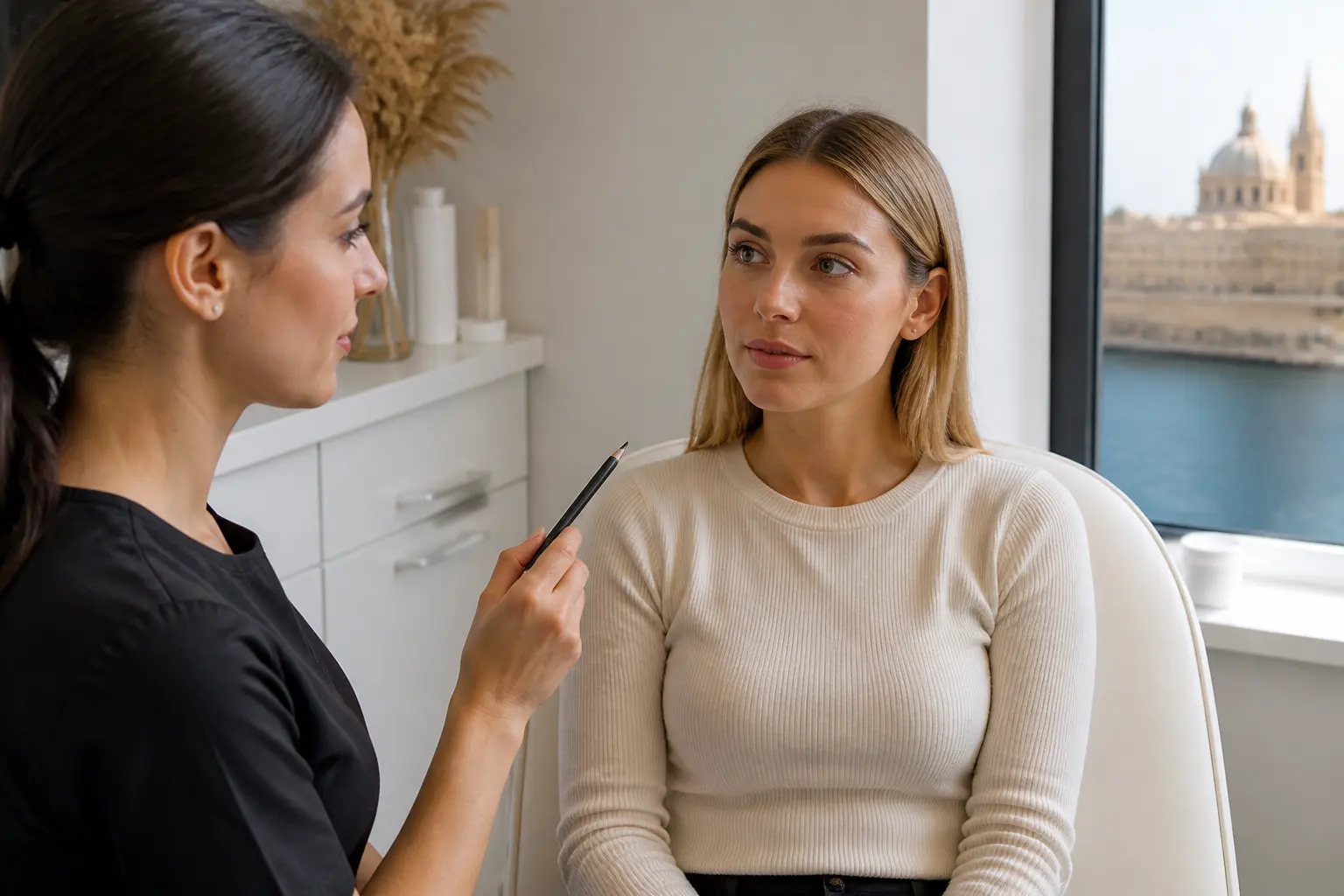
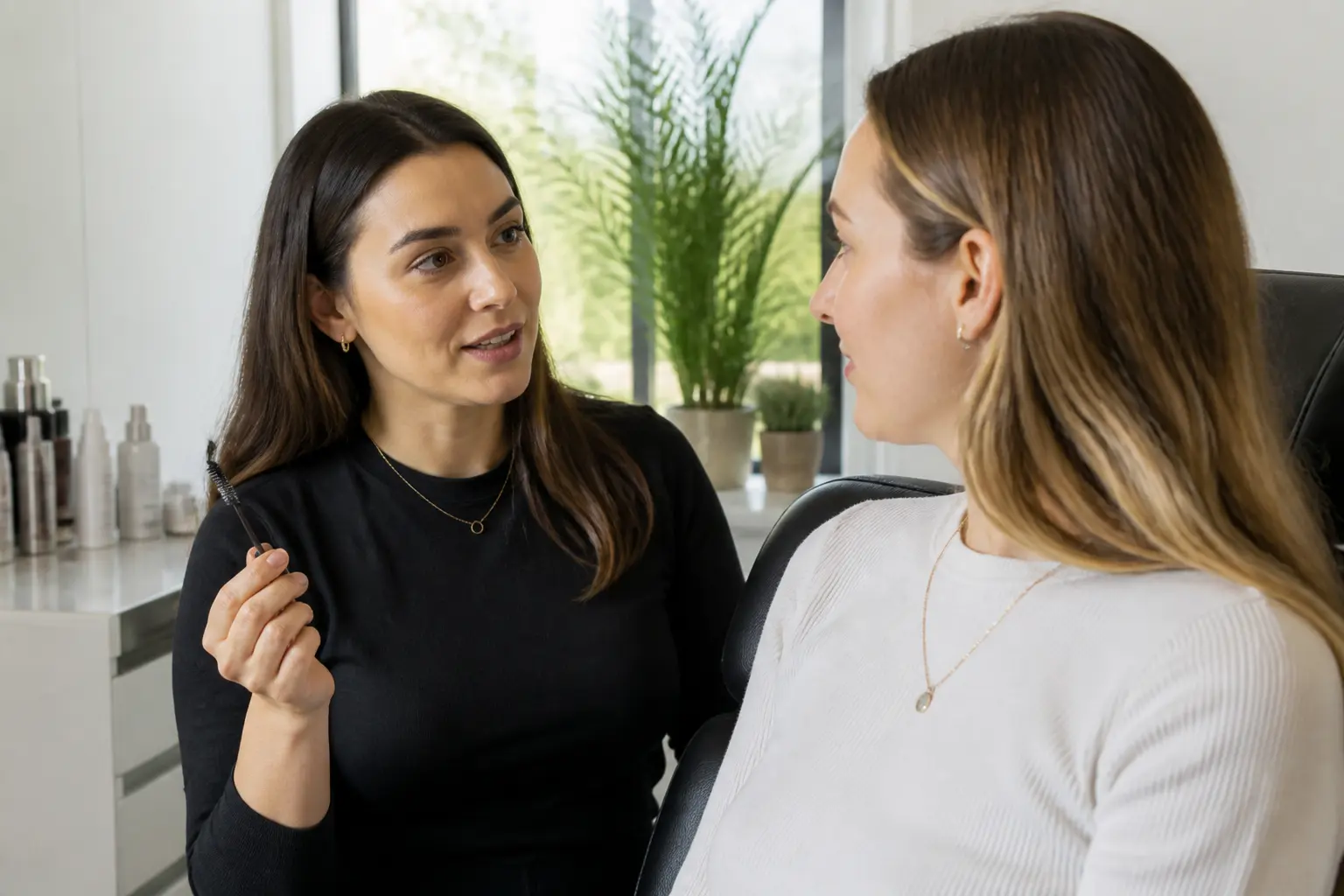
A good consultation is a two-way conversation. You should feel comfortable explaining your habits and asking how they relate to the service. Consider asking:
- Based on how I style my brows now, what kind of lifted finish would look balanced on me?
- Will a soft, natural direction suit my brow hairs better than a very brushed-up look?
- Should I bring a photograph of my regular brow gel or ingredient list?
- When can I return to using my usual brow gel after the appointment?
- Does my tinted or fibrous gel affect how I should assess the result at home?
- If I have had irritation from a cosmetic product before, what should I mention before we begin?
These questions keep the discussion focused on your own routine. They also make it easier to distinguish the appearance created by make-up from the result created by arranging your natural brow hairs.
Which common mistakes should you avoid?
Arriving with a full layer of product but not mentioning it
Make-up residue is not something to hide or feel embarrassed about. Simply say what you used and when. Trying to minimise the detail can make it harder to have a clear preparation conversation.
Assuming all brow gels are basically the same
Two clear gels can have very different formulas, levels of hold and added ingredients. If you have the packaging, a photo is more reliable than trying to remember a general description.
Confusing a brow gel with a growth serum
A styling gel and a growth-focused product serve different purposes. If you use both, mention both separately, including how often you apply each one.
Expecting lamination to replicate tinted make-up exactly
Brow lamination can support the direction and presentation of natural hairs, but it does not automatically recreate the colour or filled-in effect of a tinted gel, pencil or pomade. Be specific about whether your priority is lift, neatness, apparent fullness, colour or a lower-maintenance routine.
Ignoring new sensitivity because it seems minor
Even a mild change is worth mentioning before a cosmetic appointment. If you have active irritation, swelling, a rash or any concern about a previous reaction, contact the studio in advance. If you develop severe swelling, breathing difficulty or other urgent symptoms after using a cosmetic product, seek urgent medical help.
What can you write to the studio before booking?
If you are not sure how to explain your routine, keep it straightforward. You could write:
“I use a strong-hold tinted brow gel most days to brush my brow hairs upwards, especially at the front. I have not had a reaction to it, but I would like to know whether I should stop using it before my brow lamination appointment. I can send a photo of the product and ingredients if helpful.”
Or, if you have had a concern:
“I use clear brow gel daily, but a previous product made my brow area itchy. I do not know which ingredient caused it. I would like to discuss this before booking brow lamination and can bring the products I have used.”
A short message like this gives the studio a practical starting point without asking you to diagnose your own skin or ingredients.
Conclusion
Using brow gel every day does not make your routine a complication; it gives useful context for a more personalised brow lamination conversation. Share the product type, how you use it, the finish you like, any other brow products in your routine and any history of sensitivity. Bring a photo of the packaging if you can, and arrive ready to discuss what you genuinely want from the result.
When your appointment starts with those details, it is easier to plan a brow look that feels considered, wearable and true to your own style. If brow lamination is the next step in your routine, use the booking option below to choose a suitable appointment and raise any product questions in advance.
Frequently asked questions
Should I stop using brow gel before brow lamination?
Follow the preparation guidance provided by the studio. If you use brow gel daily, tell the studio which product you use and ask whether there are any instructions for the days before your appointment. On the day itself, clean brows without styling residue are usually easier to assess.
Can I wear brow gel to my brow lamination appointment?
It is best to ask the studio directly. If you arrive wearing brow gel, be open about the product and when you applied it. A clean brow area can help the artist see your natural hair direction more clearly.
Do I need to bring my brow gel with me?
You do not always need to bring it, but a photograph of the tube, label and ingredient list can be useful, especially if you use a strongly tinted, fibrous or high-hold formula, or if you have experienced sensitivity.
What if my brow gel has caused itching or redness before?
Tell the studio before the appointment, including the symptoms, when they happened and the product involved if you know it. Do not apply a product that has caused a concerning reaction just to test it again. Seek medical advice if symptoms are persistent, severe or worrying.
Will brow lamination mean I no longer need brow gel?
That depends on your natural brow hairs, the finish you prefer and how you like to wear make-up. Some people still enjoy a light styling product, while others may find their everyday routine feels simpler. Discuss your normal styling habits during the consultation rather than assuming one outcome.