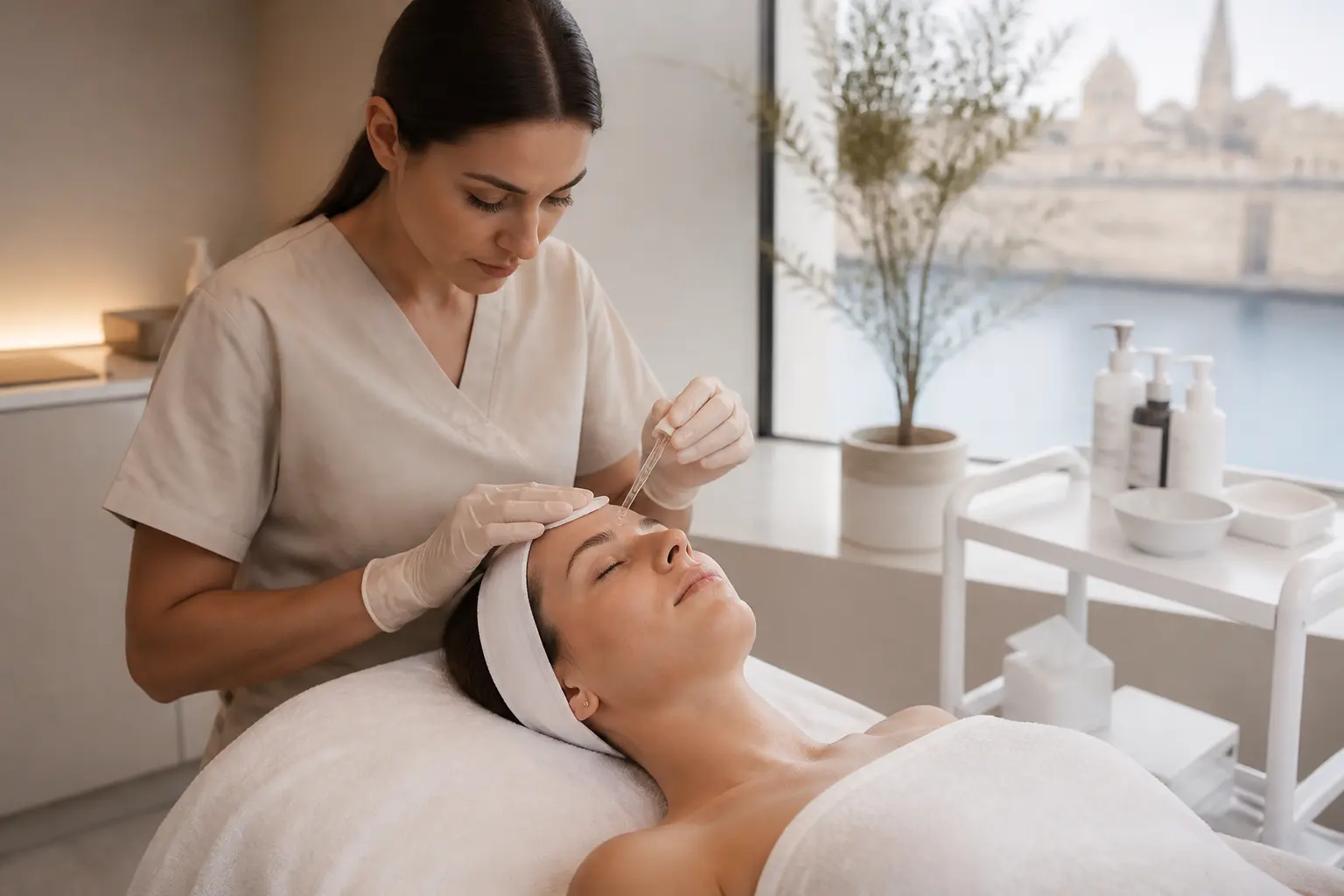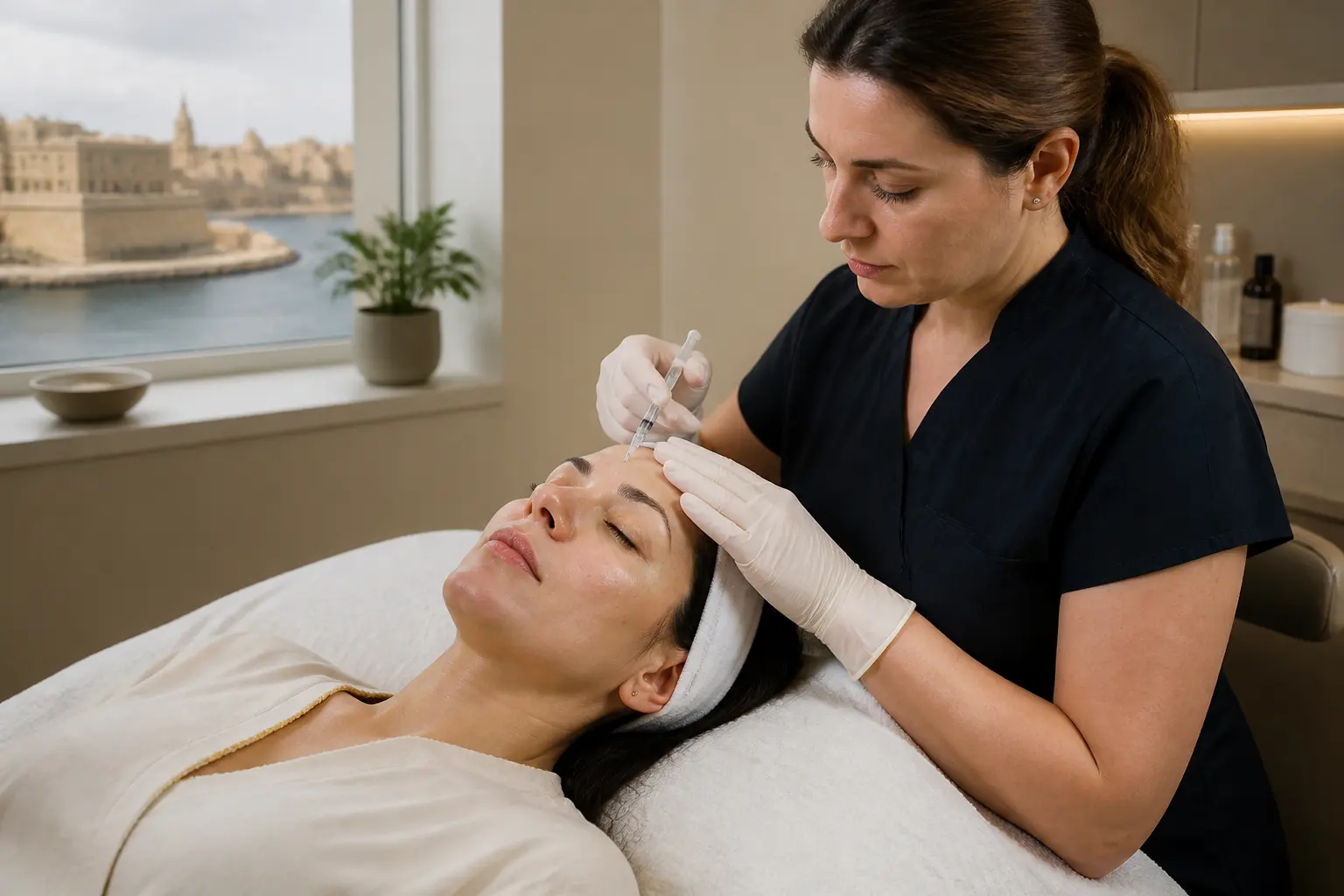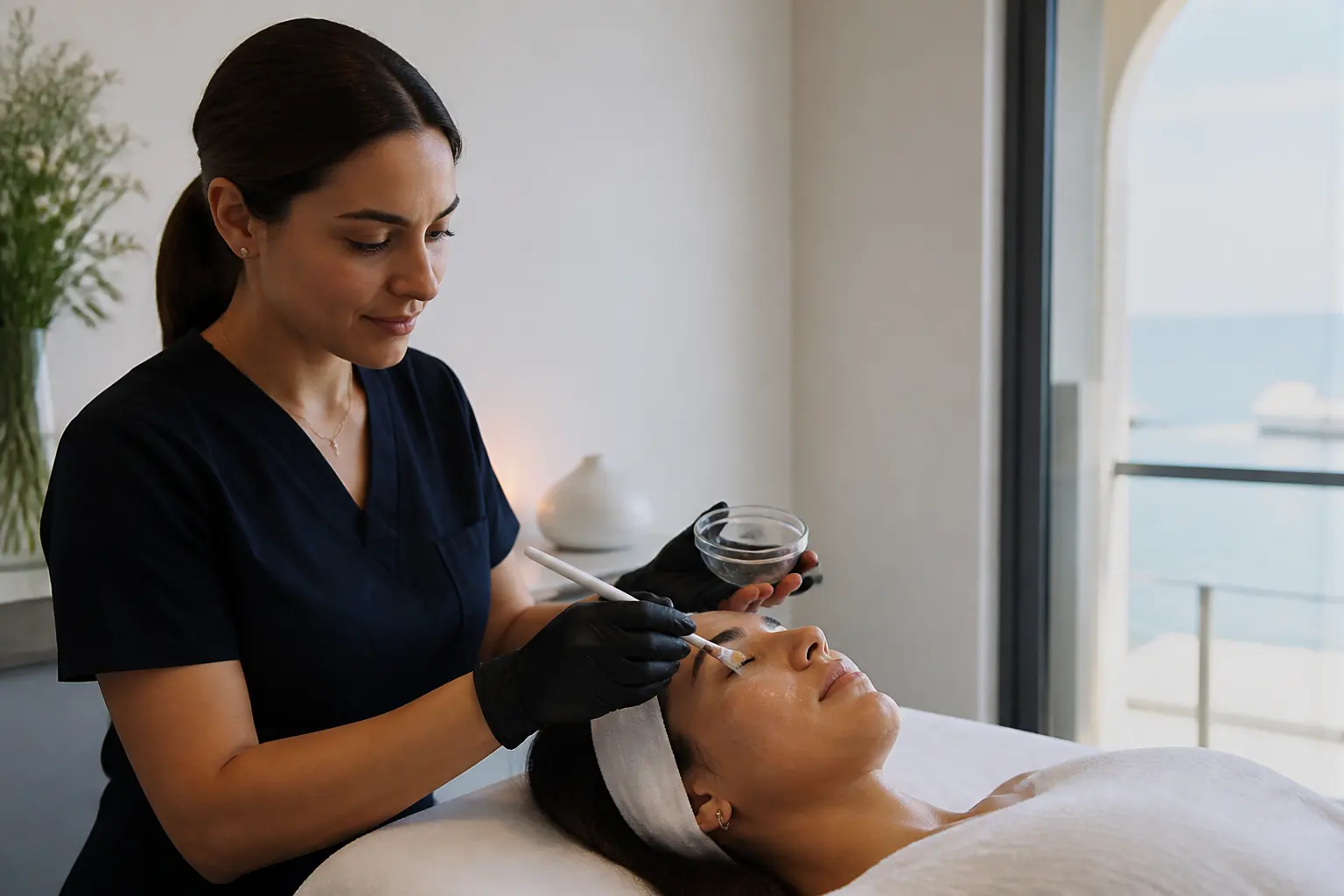
PDRN stands for polydeoxyribonucleotide, a purified DNA-derived material made up of DNA fragments. In scientific literature it is commonly extracted from the reproductive cells of salmonid fish, particularly chum salmon or rainbow trout. The phrase salmon DNA is shorthand for that origin: a PDRN facial does not use raw salmon, fish oil or salmon flesh on the skin, and a facial is a separate category from injectable procedures.
“Salmon DNA facial” is one of those beauty phrases that can sound surprising at first. If you have seen PDRN facials on a treatment menu and wondered what the ingredient actually is, where it comes from and what it means for a professional facial, you are asking exactly the right questions.
The short answer is that PDRN is a purified DNA-derived material. In scientific literature, it is commonly sourced from salmonid fish, particularly chum salmon or rainbow trout. The popular phrase “salmon DNA” is a simple shorthand, but it does not mean that a facial uses raw salmon, fish oil or salmon flesh on the skin.
Knowing that distinction makes it easier to approach a PDRN facial with realistic expectations. It also helps you have a more useful conversation with your therapist about the product being used, your skin goals and any information that may affect your suitability.
What does PDRN mean?
PDRN stands for polydeoxyribonucleotide. It describes a mixture of DNA fragments, rather than a single, complete strand of DNA. Scientific reviews describe PDRN as a DNA-derived compound made up of chains of deoxyribonucleotides, which are the building blocks associated with DNA. A review of marine organism-derived PDRN explains that the material is mainly extracted and purified from cells of salmon trout or chum salmon.
In a beauty setting, you may see several related terms used close together:
- PDRN, a term generally used for shorter DNA-derived chains.
- Polynucleotides, often used for longer chains in scientific discussions.
- Salmon DNA, a consumer-friendly description that refers to the usual fish-derived origin of the DNA material.
- Salmon DNA therapy, a marketing term that can describe different professional aesthetic protocols depending on the product and country.
These terms are not always used with perfect precision in beauty marketing. A recent scientific review notes that PDRN and polynucleotides are related DNA-derived biopolymers, while their naming can vary between publications and commercial contexts. The review on PDRNs and PNs also highlights that chain length is one of the technical distinctions. For a client choosing a facial, the most practical point is simple: ask which product is being used and how it is intended to be used within that particular service.
Where does the salmon DNA ingredient come from?
The source most often described in the literature is the reproductive cells, sometimes referred to as milt or sperm, of specific salmonid fish. Chum salmon, Oncorhynchus keta, and rainbow trout, Oncorhynchus mykiss, are frequently named as sources. A scientific narrative review of PDRN describes PDRN as being primarily extracted from these sources and made into DNA-derived fragments through processing and purification.
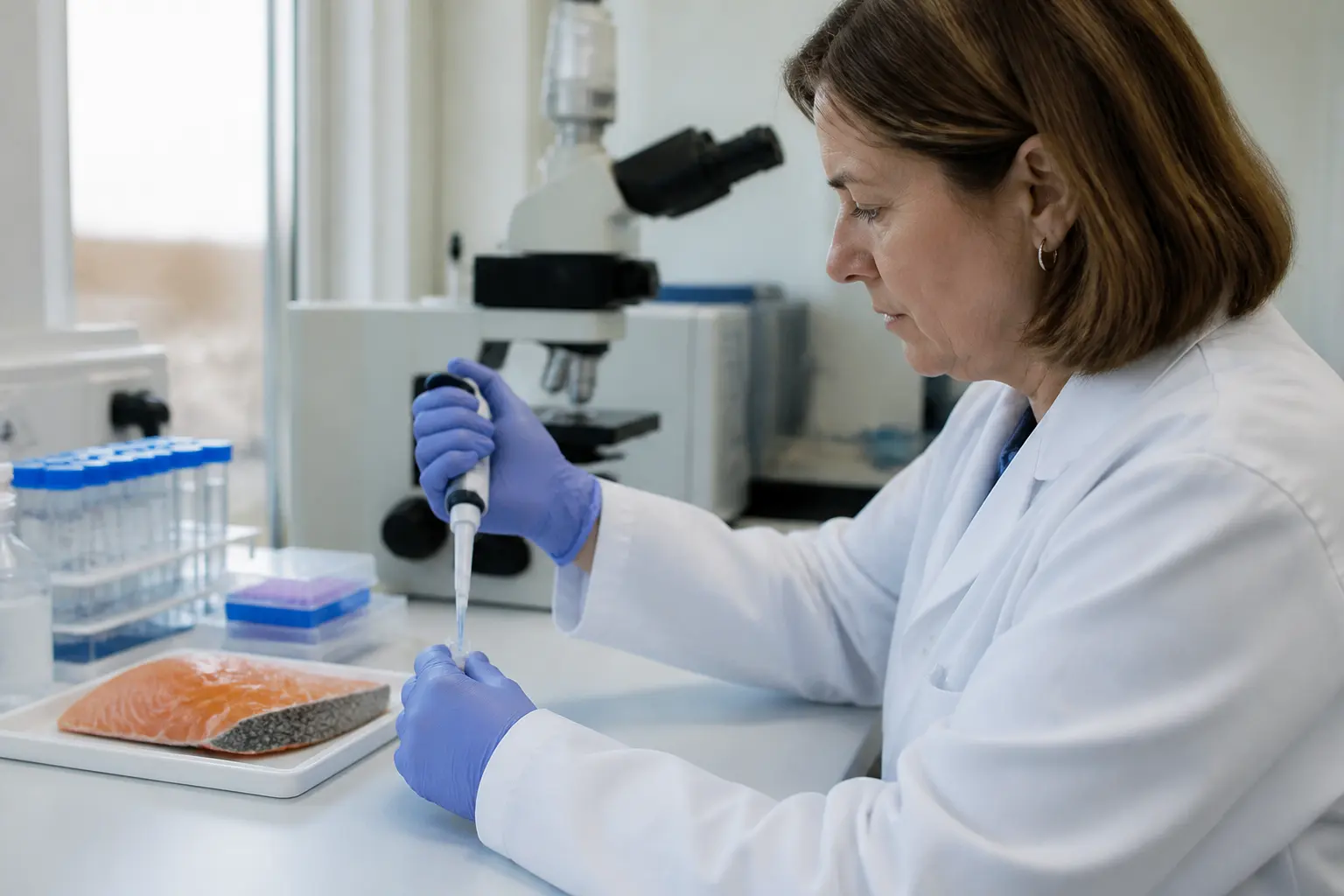
That wording matters. The ingredient is not a piece of fish placed on the face. It is a processed material derived from fish DNA, incorporated into a finished professional formula. The exact manufacturing method, concentration, supporting ingredients and quality controls belong to the manufacturer of the product, so they cannot be assumed simply because a treatment is labelled “salmon DNA”.
It is also worth knowing that PDRN has a history beyond today’s facial trend. Academic papers discuss its use in biomedical and aesthetic research, including formulations that may be regulated differently according to their intended use and route of application. That does not mean every facial product should be understood as a medical product, nor does it make clinical promises appropriate for a salon facial. The source of the ingredient and the way a finished product is classified are two separate questions.
At BeCammo · Sliema · Swieqi
Facials in Malta
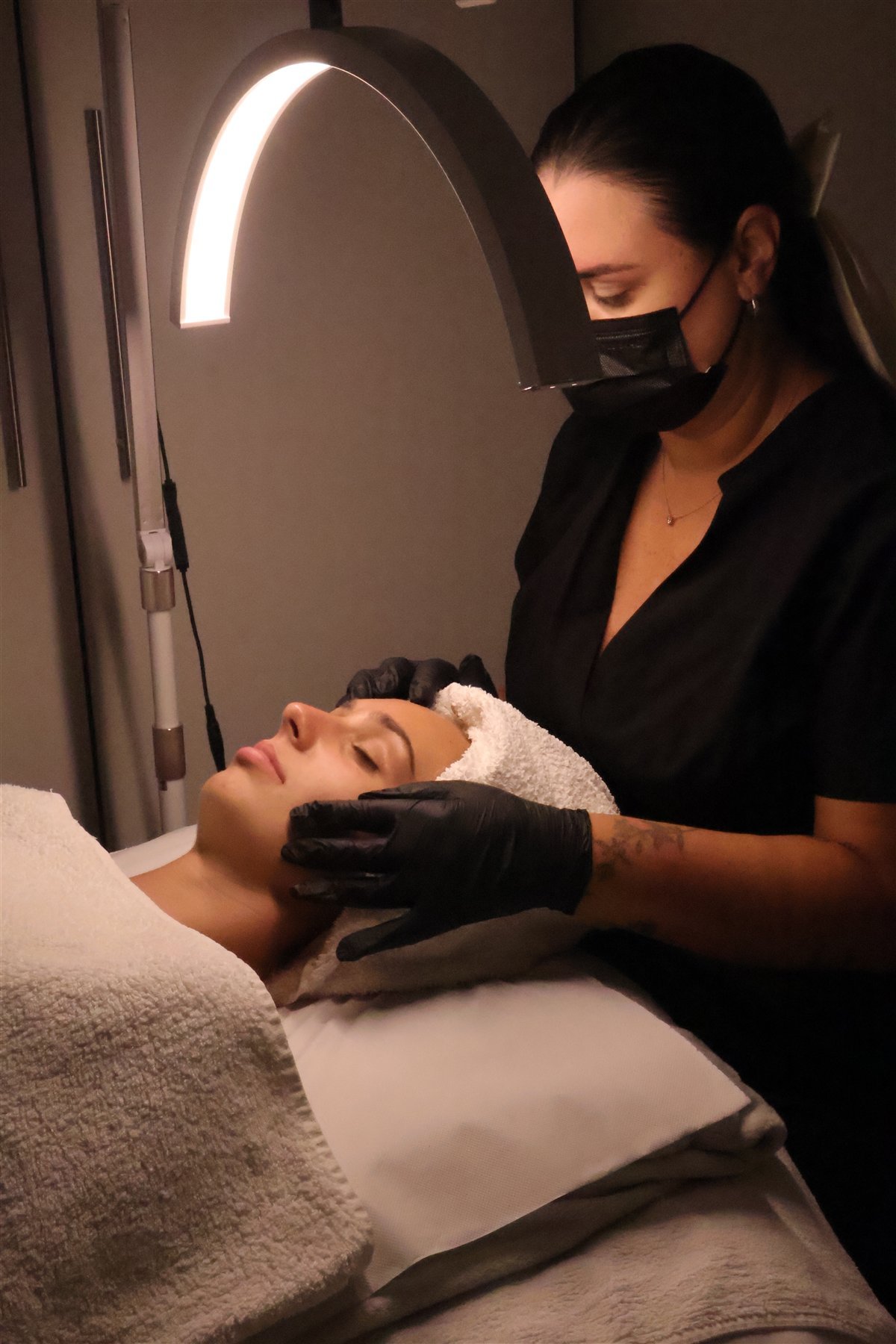
Deep cleansing, PDRN and dermaplaning facials for clear, glowing skin.
- from €50price
- Sliema · Swieqiwhere
- ★ 5.0460+ Google reviews
Why is it called a salmon DNA facial?
The name is direct and memorable. “Salmon DNA” tells clients where the DNA-derived material commonly originates, while “PDRN” is the technical abbreviation. However, the simple name can create confusion if it is treated as a full description of a treatment.
A PDRN facial is better understood as a professional facial built around a product containing this particular DNA-derived ingredient. The complete experience may vary according to the professional product range and the client’s skin assessment. A good consultation should focus on what is actually being applied, the condition of your skin on the day, the aftercare guidance and whether the treatment suits your current routine.
For example, someone booking before a holiday, a wedding or a period of strong sun exposure may need advice that differs from someone booking a calm maintenance appointment. Likewise, skin that feels reactive, very dry, congested or recently exposed to intensive actives deserves an individual conversation rather than a one-size-fits-all approach.
What is a salmon DNA facial not?
Beauty terminology travels quickly online, and it is easy for a short phrase to gather exaggerated meanings. A PDRN facial should not be confused with the following:
- Raw salmon skincare. The ingredient is DNA-derived and processed, not salmon flesh or a home-made fish-based mask.
- An injectable procedure. A facial service and an injectable aesthetic procedure are different categories. Always ask about the route of application and do not assume that a trending phrase describes the same protocol everywhere.
- A replacement for medical care. A professional facial can be part of a thoughtful skincare routine, but it is not a diagnosis or a treatment for a skin condition.
- A universal solution. Skin needs, tolerance and visible outcomes vary from person to person. No ingredient removes the need for suitable home care, sun protection and personalised guidance.
- A reason to overlook the full formula. The headline ingredient matters, but so do all other ingredients, the product instructions and the condition of your skin.
This approach is not about taking the excitement out of a new facial. It is about making the decision more informed. When you understand the ingredient’s origin, you can focus on the questions that genuinely affect your appointment.
Why does the finished formula matter as much as the source?
Two products described as containing PDRN may not be identical. Their supporting ingredients, texture, instructions, concentration and intended professional use can differ. For that reason, an ingredient trend should be the beginning of the conversation, not the entire basis for choosing a facial.
In the European Union, cosmetic products are subject to safety requirements. The EU summary of the Cosmetics Regulation explains that cosmetic products require a safety report, an EU-based responsible person and ingredient labelling, alongside other obligations. It also states that packaging must include precautions for use and an ingredient list.
For a client, that translates into a useful habit: look beyond the treatment name. If you have questions, ask the studio about the professional product, its recommended use and any precautions. A reputable provider should welcome sensible questions, particularly when you are trying an unfamiliar ingredient for the first time.
Questions worth asking before your appointment
- What does PDRN refer to in the product used for this facial?
- Is the formula intended for my current skin concerns and routine?
- Which other ingredients are included in the product?
- Are there any preparation or aftercare instructions I should follow?
- Should I mention a fish allergy, ingredient sensitivity or recent skin reaction?
- What should I avoid booking close to the appointment if my skin is feeling compromised?
Disclosing allergies and previous sensitivities is particularly important. Do not rely on a broad claim such as “fish-derived” or “purified” to decide for you. The professional needs the relevant information, and the specific product guidance should always lead the decision.
How should you approach a PDRN facial at a professional studio?
The value of booking a professional facial is not just the product itself. It is the opportunity to match the appointment to your skin at that point in time and to receive clear, practical guidance. At BeCammo, the PDRN Facial, also known as Salmon DNA Therapy, sits within the facial offering. The best starting point is to share what you hope to get from the appointment and ask any questions before booking.
A considered booking conversation may include your usual skincare, any active products you are currently using, recent beauty appointments and how your skin has been behaving. It is also helpful to say if you are preparing for a special occasion, spending extra time outdoors in Malta or simply looking to make a facial part of a regular self-care routine.
Professional care also means knowing when to pause. If your skin is irritated, broken, unusually reactive or you are unsure whether a facial is appropriate, ask before proceeding. Clear communication is more useful than pushing ahead with a treatment just because it is popular online.
How do you read ingredient claims with confidence?
When a new ingredient becomes popular, marketing often moves faster than explanation. You do not need a chemistry degree to make a sound decision. Use a few straightforward checks instead.
- Start with the full name. Learn that PDRN means polydeoxyribonucleotide and that “salmon DNA” generally refers to its salmonid-derived source.
- Separate source from outcome. Knowing where an ingredient comes from does not automatically predict how your skin will respond.
- Ask about the finished product. The complete formula and its professional instructions are more useful than a headline alone.
- Share relevant information. Mention allergies, sensitivities and recent changes in your skincare or treatments.
- Keep expectations personal. A facial should be chosen around your skin, timing and comfort, not a promise made by a viral trend.
This is especially helpful in Malta’s busy social calendar. Booking early gives you time to ask questions, follow any individual advice and avoid making a rushed decision shortly before an event.
Conclusion
PDRN, often called salmon DNA in facials, is a purified DNA-derived ingredient commonly sourced from salmon trout or chum salmon reproductive cells. It is not raw fish skincare, and the name alone does not tell you everything about a particular facial product or appointment.
The most useful next step is a professional conversation about the exact facial, your skin and any relevant sensitivities. If you are considering BeCammo’s PDRN Facial in Sliema or Swieqi, use the booking system to choose the most convenient location, or ask questions first so you can book with confidence.
Frequently asked questions
Is salmon DNA in a facial actually from salmon?
Usually, the phrase refers to PDRN or related DNA-derived material sourced from salmonid fish, commonly chum salmon or rainbow trout. It is processed and purified for use in a finished formula, rather than being raw salmon applied to the skin.
Is PDRN the same as polynucleotides?
They are closely related terms, but scientific literature commonly distinguishes them by chain length. In beauty settings, the language may be used less precisely, so ask which product and ingredient description applies to the facial you are booking.
Does a salmon DNA facial involve injections?
Not necessarily. “Salmon DNA” can be used across different aesthetic contexts. A facial service should be discussed as its own professional protocol. Ask the studio exactly how the product is used during the appointment.
Can I book a PDRN facial if I have a fish allergy?
Do not make that decision without telling the studio. Share any fish allergy, known ingredient sensitivity or history of reactions before booking. The professional can check the product guidance and advise whether the facial is suitable.
What should I ask before booking a PDRN facial in Malta?
Ask what the treatment includes, which product is used, whether there are preparation or aftercare instructions, and whether your current skincare routine or sensitivities need to be considered. This keeps the appointment personalised and practical.