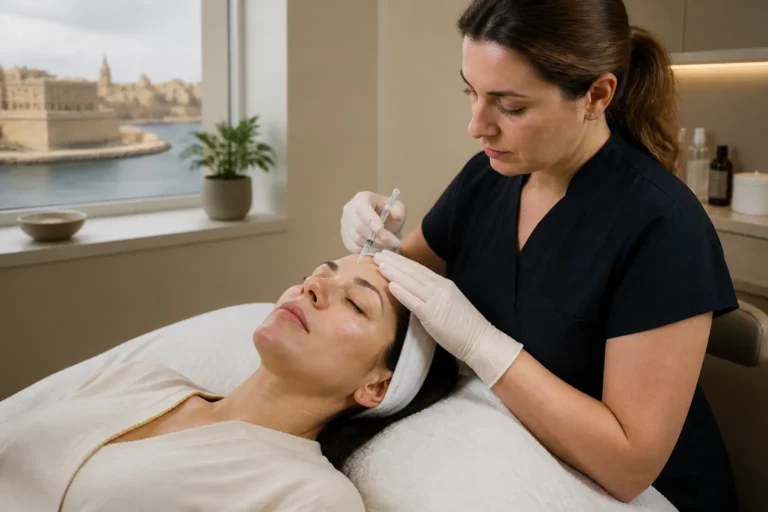
PDRN and Hydration: Reviving Tired, Dehydrated Skin
Brenda Cammo Team
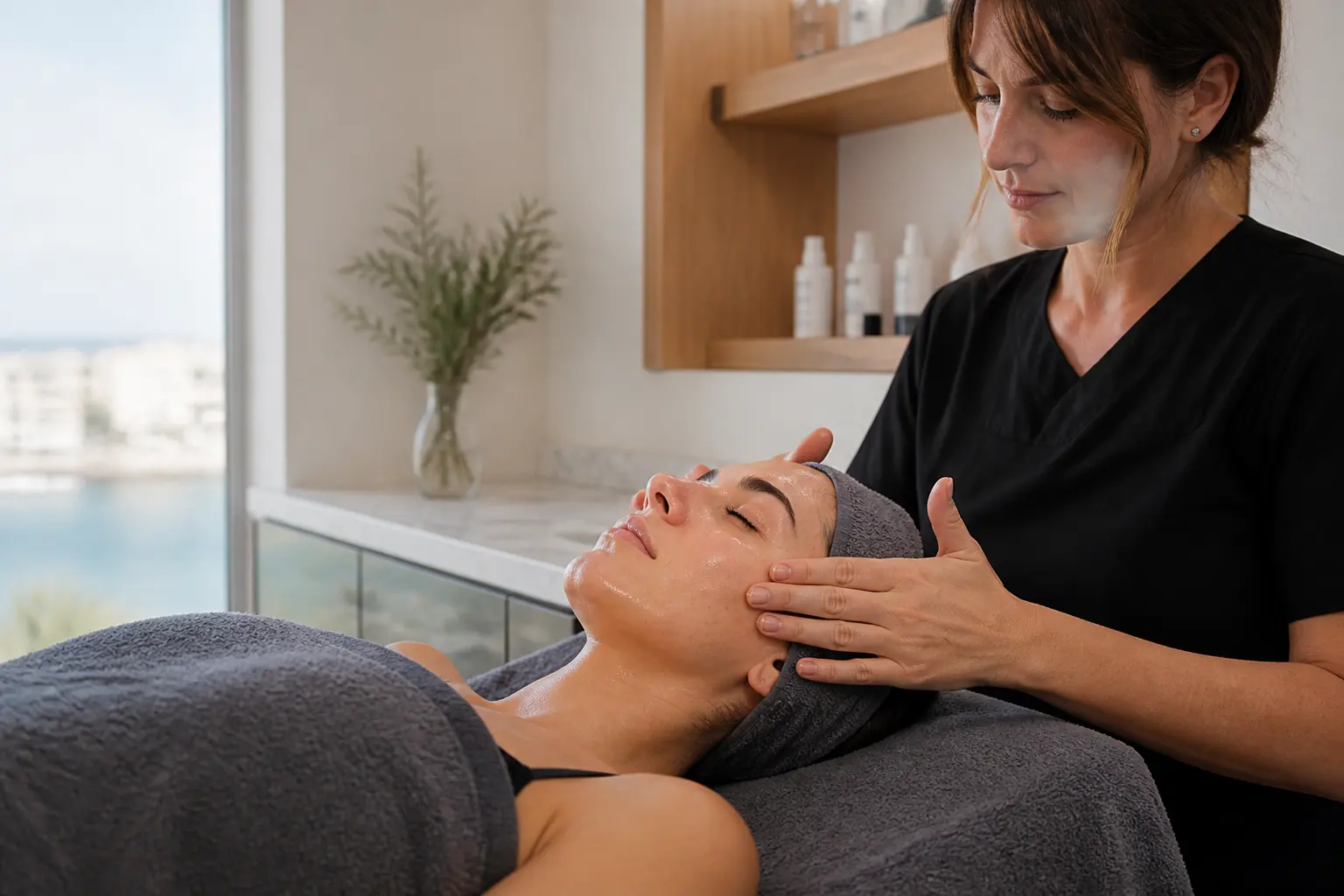
When your complexion feels tight, looks dull or seems to have lost its usual bounce, hydration is often the first place to look. This does not always mean your skin is naturally dry. Oily, combination and balanced skin can all become dehydrated, particularly when warm weather, air conditioning, travel, over-cleansing or a rushed routine disrupt the skin’s comfort.
A PDRN facial for dehydrated skin is often considered by people who want a more rested, supple-looking finish without changing the character of their face. At a professional studio, the focus should be on understanding what your skin is communicating, choosing a suitable facial approach and pairing the appointment with simple, consistent home care.
At Becammo, the PDRN Facial is approached as a cosmetic facial service, not as a medical treatment. It can be a thoughtful option when your goal is to support a fresher-looking complexion, but the right plan still depends on your skin’s condition, sensitivity, routine and expectations.
What does dehydrated skin actually look like?
Skin dehydration refers to a temporary lack of water in the outer layers of the skin. It is different from dry skin, which is more closely linked to a lack of oils and lipids. The two can occur together, but they are not interchangeable.
A dehydrated complexion may look less luminous than usual, feel tight after cleansing or make fine expression lines appear more noticeable. Make-up may sit unevenly, especially around the nose, mouth and eye area. Some people also notice that their skin swings between shine and tightness, which can be confusing if they assume oily skin cannot need hydration.
There is no single visual sign that confirms dehydration. Texture, sensitivity, active breakouts, a weakened skin barrier and the products used at home can all affect how the skin looks and feels. That is why a professional conversation before a facial matters more than trying to self-diagnose from one photograph or social-media trend.
For everyday support, the American Academy of Dermatology’s guidance on choosing moisturiser notes that moisturising products help add moisture and reduce water loss. Ingredients such as glycerin, ceramides and hyaluronic acid are commonly considered in hydration-focused routines, although the most comfortable texture will vary from person to person.
Where PDRN fits into a hydration-focused facial
PDRN stands for polydeoxyribonucleotide. In aesthetic conversations, it is often discussed alongside skin regeneration, radiance and a plumper-looking finish. However, it is important to keep the language realistic. A facial cannot replace daily hydration habits, diagnose a skin condition or promise the same response for every complexion.
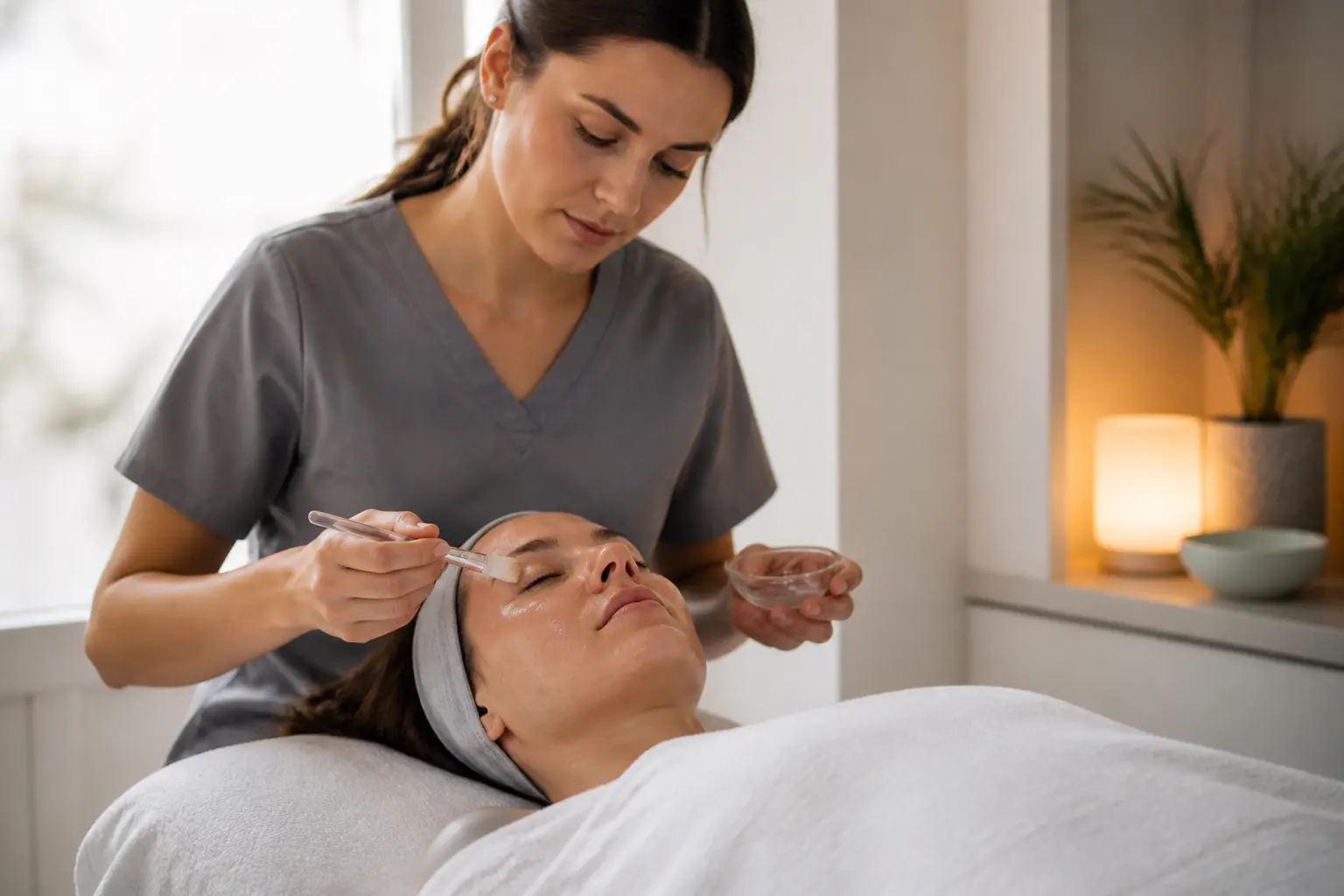
For tired-looking, dehydrated skin, the appeal of a PDRN facial is usually its place within a more considered approach to skin comfort and appearance. The goal is not to make the skin look artificially altered. It is to create conditions that support a smoother, more refreshed-looking surface, while helping the client build a routine that does not undo the benefits of a well-timed facial.
Research into polynucleotides and PDRN is still developing, and results from one formulation or setting cannot automatically be applied to every facial product or protocol. For example, a laboratory and animal-model study involving a polynucleotide and hyaluronic-acid hydrogel examined barrier recovery after deliberately disrupting the skin barrier. It offers useful context for ongoing scientific interest, but it is not proof of a guaranteed cosmetic outcome from a studio facial. You can read the study on PubMed.
This distinction is useful when deciding whether to book. Think of a PDRN facial as one professional element in your skin-care plan, not a replacement for sunscreen, gentle cleansing, moisturising or appropriate medical advice when a concern is persistent.
Why tired skin can look flatter and less luminous
“Tired” skin is a familiar description, but it can have several causes. Late nights, stress, travel, sun exposure, a change in climate and a busy schedule can all affect how you perceive your complexion. In Malta, time outdoors, sea air, heat and indoor cooling can also make a previously reliable routine feel less effective.
Often, the issue is not that your face needs more products. It may need fewer harsh steps and better consistency. Repeated exfoliation, strong cleansers, fragranced products that do not suit your skin, or trying several new active products at once can leave a complexion looking unsettled rather than bright.
A hydration-focused facial can be especially useful as a pause point. It gives you a chance to review what has changed, simplify where needed and choose the next step with more intention. If you arrive saying, “My skin suddenly looks exhausted,” that information is helpful. So is knowing whether you have recently started retinoids, acids, acne products or a new prescription skin treatment.
What a professional PDRN facial appointment should consider
A good facial is not just about the product applied during the appointment. It begins with listening. Before proceeding, a trained professional should understand your main concern, the feel of your skin, your regular products, any recent procedures and whether you have noticed irritation or sensitivity.
Your current skin condition
Dehydration can coexist with congestion, oiliness or visible dryness. The approach should not be identical for every client. A person whose skin feels tight after cleansing may need different home-care guidance from someone whose main concern is make-up separating by lunchtime.
Your recent routine and treatments
Bring up recent peels, exfoliating acids, retinoids, waxing, laser appointments or other treatments. This helps the studio advise on sensible timing and whether the day of your booking is appropriate. Never assume that a facial should go ahead simply because it is already in the diary.
Your comfort and expectations
Explain whether you are hoping for immediate radiance before an event, a calmer-feeling routine, or longer-term support through regular professional care. A professional can then explain what the service can reasonably aim to do and where expectations need adjusting.
How to prepare if your complexion feels dehydrated
Preparation does not need to be complicated. In fact, a simpler approach is often better when your skin already feels fragile or overworked.
- Keep cleansing gentle. Avoid scrubbing or introducing a strong new exfoliant immediately before your appointment.
- Do not chase dryness with multiple active products. More is not always more. Layering acids, retinoids and exfoliating masks can make it harder to understand what your skin tolerates.
- Tell the studio about your routine. Mention products and treatments that may affect sensitivity, even if you use them only occasionally.
- Arrive with a clear goal. “I want a more comfortable, hydrated-looking complexion” is more helpful than expecting a facial to solve every concern at once.
- Prioritise your overall hydration. Drinking fluids matters for general wellbeing, but it should not be confused with a direct replacement for topical skin care or professional assessment. If you have symptoms of physical dehydration or feel unwell, consult an appropriate health professional. The NHS guidance on dehydration explains when dehydration may need attention.
Aftercare: protect the fresh, comfortable feeling
The hours and days after a facial are an opportunity to be kind to your skin. Rather than testing a new serum or booking an intense at-home exfoliation, give your complexion a calm, uncomplicated routine.
Choose a gentle cleanse
Use a cleanser that leaves your skin comfortable rather than squeaky-clean. If your face feels tight immediately afterwards, it may be worth reviewing the amount you use, the water temperature and the formula itself.
Moisturise while skin is slightly damp
Applying moisturiser after cleansing, while the skin is still slightly damp, can help reduce water evaporation. The American Academy of Dermatology also recommends moisturising after washing and highlights the value of gentle, fragrance-free choices for dry or sensitive skin. Its practical skin-care advice is useful beyond colder months because indoor environments and cleansing habits can also contribute to discomfort.
Wear daily sun protection
Sunscreen is not only a holiday product. Day-to-day UV exposure can affect the appearance and comfort of the skin, including on cloudy days. Choose a broad-spectrum sunscreen you are happy to apply consistently, and ask for professional guidance if you are unsure how to combine it with the rest of your routine.
Pause aggressive extras when advised
Your therapist may recommend a short pause from exfoliating acids, scrubs or other potentially irritating steps. Follow the aftercare given for your appointment rather than relying on a generic online routine.
Can PDRN replace moisturiser or a good home routine?
No. A professional facial and home care have different roles. A PDRN facial may be part of a plan for a more hydrated-looking, revitalised complexion, while your routine provides the regular support that happens every morning and evening.
For most people, a practical baseline includes gentle cleansing, a moisturiser suited to their skin type and daily sun protection. A facial can then be booked around a particular concern, season, event or period when your skin seems to need more focused attention.
It is also worth avoiding the idea that plumper-looking skin must mean heavy products or an oily finish. Hydration can be tailored. A light texture may be more comfortable for some complexions, while others prefer a richer cream, especially when their skin feels dry as well as dehydrated.
When to seek medical advice instead
A cosmetic facial is not the right answer for every skin concern. If you have a rash, swelling, persistent burning, cracked or bleeding skin, a suspected allergy, an infection, sudden severe changes or a skin condition that is not under control, seek advice from a qualified healthcare professional or dermatologist before booking.
This is not about making skincare intimidating. It is about keeping professional beauty care within its proper place. A responsible studio should be comfortable advising you to postpone a service when that is the safer choice.
Is a PDRN facial the right next step for your skin?
If your complexion appears dull, feels less comfortable than usual or seems to have lost its fresh-looking finish, a PDRN facial may be worth discussing as part of a hydration-focused approach. The most useful result begins with an honest assessment, realistic expectations and an aftercare routine you can maintain.
At Becammo, you can book a PDRN Facial and share your skin goals with the studio team before your appointment. Choose the Malta location and time that suit you, then arrive ready to discuss your current routine and what you would like your skin to feel and look like afterwards.
Frequently asked questions
Is dehydrated skin the same as dry skin?
No. Dehydrated skin lacks water, while dry skin is associated with a lack of oils and lipids. You can have oily or combination skin that is also dehydrated.
Will a PDRN facial make my skin look plumper straight away?
Some clients seek a fresher, more supple-looking finish, but the visible response can vary with skin condition, the facial protocol and home care. It is best not to treat any single appointment as a guaranteed outcome.
Can I have a PDRN facial if I use retinol or exfoliating acids?
Tell the studio exactly what you use and how often. Depending on your skin and the products involved, you may be advised to adjust your routine around the appointment or choose another date.
How often should I book a PDRN facial for dehydrated skin?
The right frequency is individual. It depends on your skin goals, sensitivity, lifestyle and the wider routine you can maintain. Ask for guidance after your initial assessment rather than following a one-size-fits-all schedule.
What should I use at home after a hydration-focused facial?
Keep the routine gentle: a suitable cleanser, moisturiser and daily broad-spectrum sunscreen are a sensible starting point. Follow the specific aftercare provided by your therapist, particularly if you normally use active products.