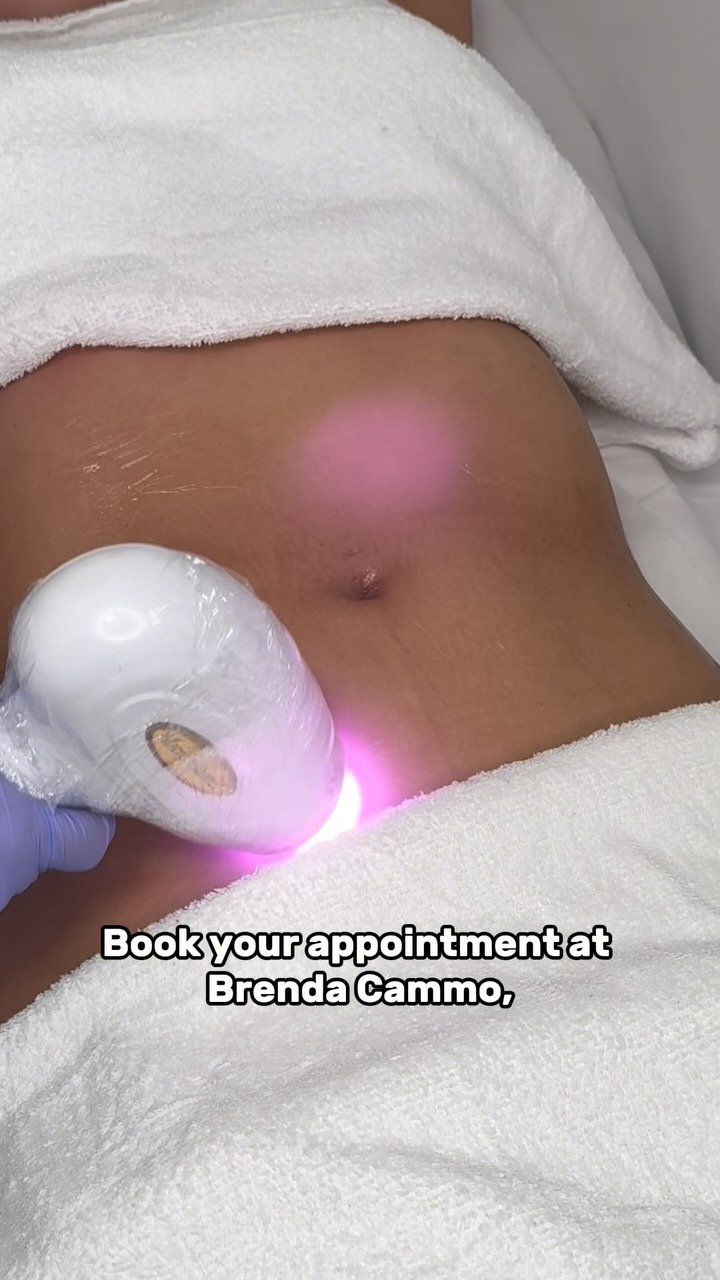
Microneedling is a needle-based procedure that creates controlled punctures in the skin and needs a proper suitability and safety assessment. A PDRN facial is a non-invasive facial-care service using topical PDRN-containing skincare, with no needles involved. The BeCammo PDRN Facial is offered as a facial, not as microneedling or an injectable procedure.
Microneedling and PDRN facials are often mentioned together in conversations about skin texture, glow and a more refreshed appearance. That can make them sound like interchangeable options. They are not. The main difference is not simply the product used: it is the type of approach involved.
Microneedling is a needle-based procedure designed to create controlled micro-punctures in the skin. A PDRN facial, by contrast, may be designed as a non-invasive facial treatment using PDRN-containing skincare, depending on the provider’s protocol. Because the methods, level of skin disruption and professional requirements differ, it is important to understand what is actually being offered rather than relying on a trend-led name.
At BeCammo, the PDRN Facial — often referred to as a Salmon DNA facial — is a facial-care service. It is not presented as microneedling, injectable treatment or a substitute for medical dermatology. This guide explains the distinction so you can make a more informed choice about your next facial appointment.
What is microneedling designed to involve?
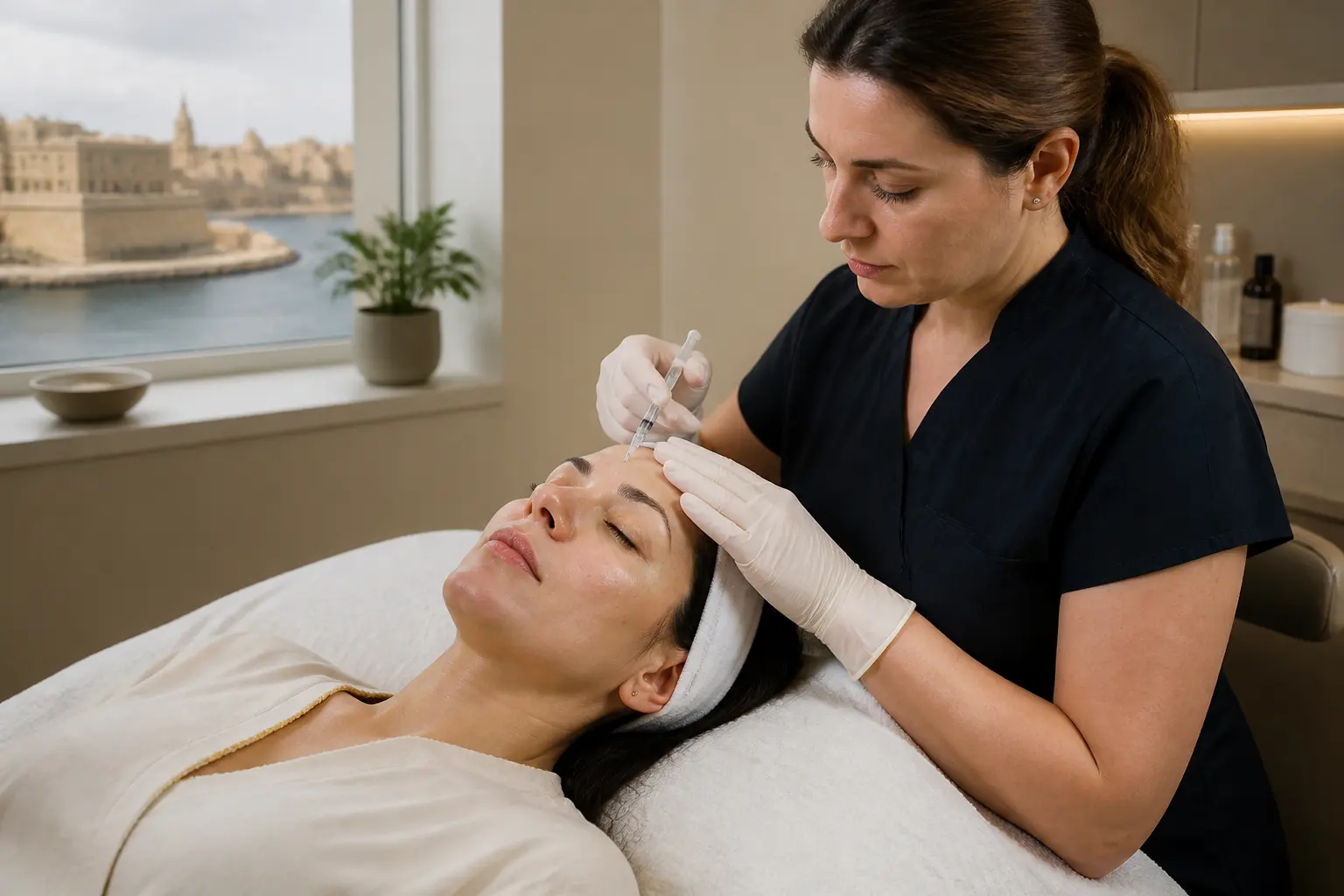
Microneedling uses a device fitted with multiple fine needles. Depending on the device, the needles may be rolled, stamped or moved by a motorised pen across the skin. The intended action is to create many small punctures at a controlled depth.
That detail matters. When needles enter living layers of the skin, microneedling is not simply a relaxing facial step. It is a procedure that disrupts the skin barrier and requires careful assessment, appropriate training, hygiene controls and aftercare. The US Food and Drug Administration’s microneedling guidance describes these devices as instruments that repeatedly insert and remove small needles from the skin.
The aims discussed around professionally performed microneedling can include improving the appearance of certain scars, fine lines or uneven texture. However, a goal is not a promise. Outcomes may differ according to the device, the treatment plan, the practitioner’s qualifications, skin characteristics, existing skin concerns and how the skin responds over time.
Microneedling is not one standard procedure
Two treatments may both be called microneedling while involving very different equipment, needle depths, preparation and recovery expectations. Some are cosmetic surface-level tools; others are medical devices intended to puncture the skin more deeply. Radiofrequency microneedling is a separate category again because it combines needles with energy delivery.
It is therefore sensible to ask direct questions before considering it: what device is being used, how is it intended to be used, who performs it, what level of training do they have and what is the plan if an unwanted reaction occurs? The FDA notes that device use can involve risks such as redness, peeling, bruising, bleeding, pigment changes and infection, among others. It also issued a safety communication in October 2025 about reports of serious complications linked to certain uses of RF microneedling. Read the FDA safety communication.
What is a PDRN facial designed to involve?
PDRN stands for polydeoxyribonucleotide, a DNA-derived ingredient that appears in a growing range of aesthetic and skincare products. You may also hear PDRN discussed alongside polynucleotides, or see informal labels such as “salmon DNA”. These descriptions can be confusing because products, formulations and methods of application are not all the same.
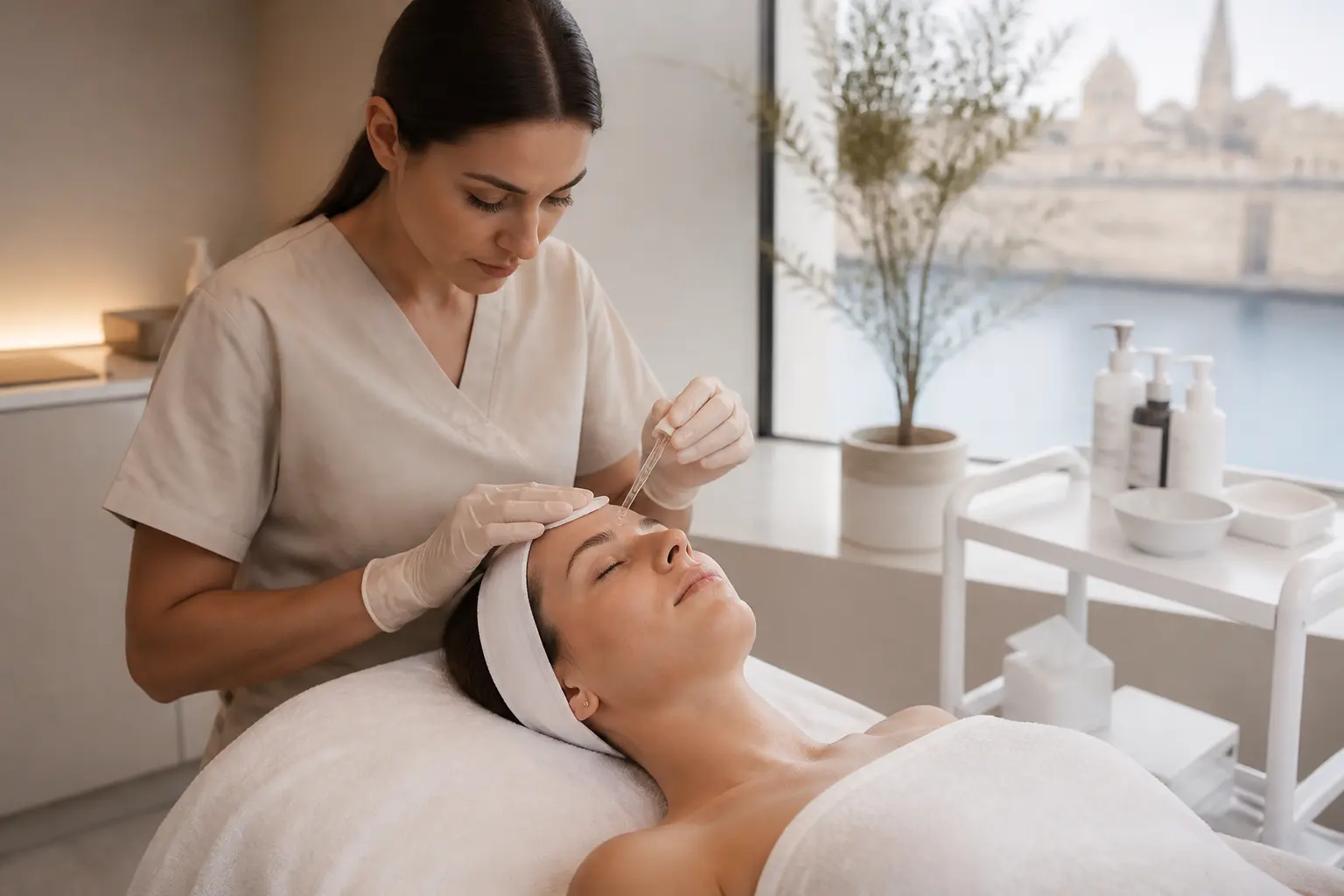
A PDRN facial is designed around the application of facial-care products containing PDRN or related DNA-derived ingredients. In a non-invasive facial setting, the focus is on a professional skincare experience: cleansing and preparing the skin, applying the relevant products according to the service protocol, and supporting a well-cared-for, hydrated-looking finish. It does not inherently mean that the ingredient is injected or delivered through needles.
Research interest in PDRN and polynucleotides is developing, but readers should approach dramatic claims carefully. Reviews of the available literature describe potential dermatological and aesthetic applications, while also highlighting variation in products, study design and treatment methods. That means evidence about one delivery method or formulation should not automatically be applied to every facial product carrying a similar label. For a balanced overview of the research landscape, see this systematic review indexed by PubMed.
Why the delivery method changes the conversation
The same ingredient name does not tell you whether a treatment is topical, device-assisted or injectable. Those routes are fundamentally different. They can have different regulations, risk profiles, suitability checks and aftercare needs.
For example, a topical facial product is applied on the skin’s surface as part of a facial protocol. Injectable polynucleotide procedures involve needles and should be discussed only with an appropriately qualified healthcare professional. Microneedling creates punctures in the skin. Combining a product with microneedling is another distinct approach, and it should not be assumed to be equivalent to applying that product in a facial.
This is especially important because the FDA states that it has not cleared microneedling devices for delivering cosmetics, topical medicines, vitamins, drugs or blood products into the skin. A practitioner should be able to explain exactly what a proposed procedure includes rather than relying on broad marketing language. See the FDA consumer guidance on benefits, risks and safety.
At BeCammo · Sliema · Swieqi
Facials in Malta
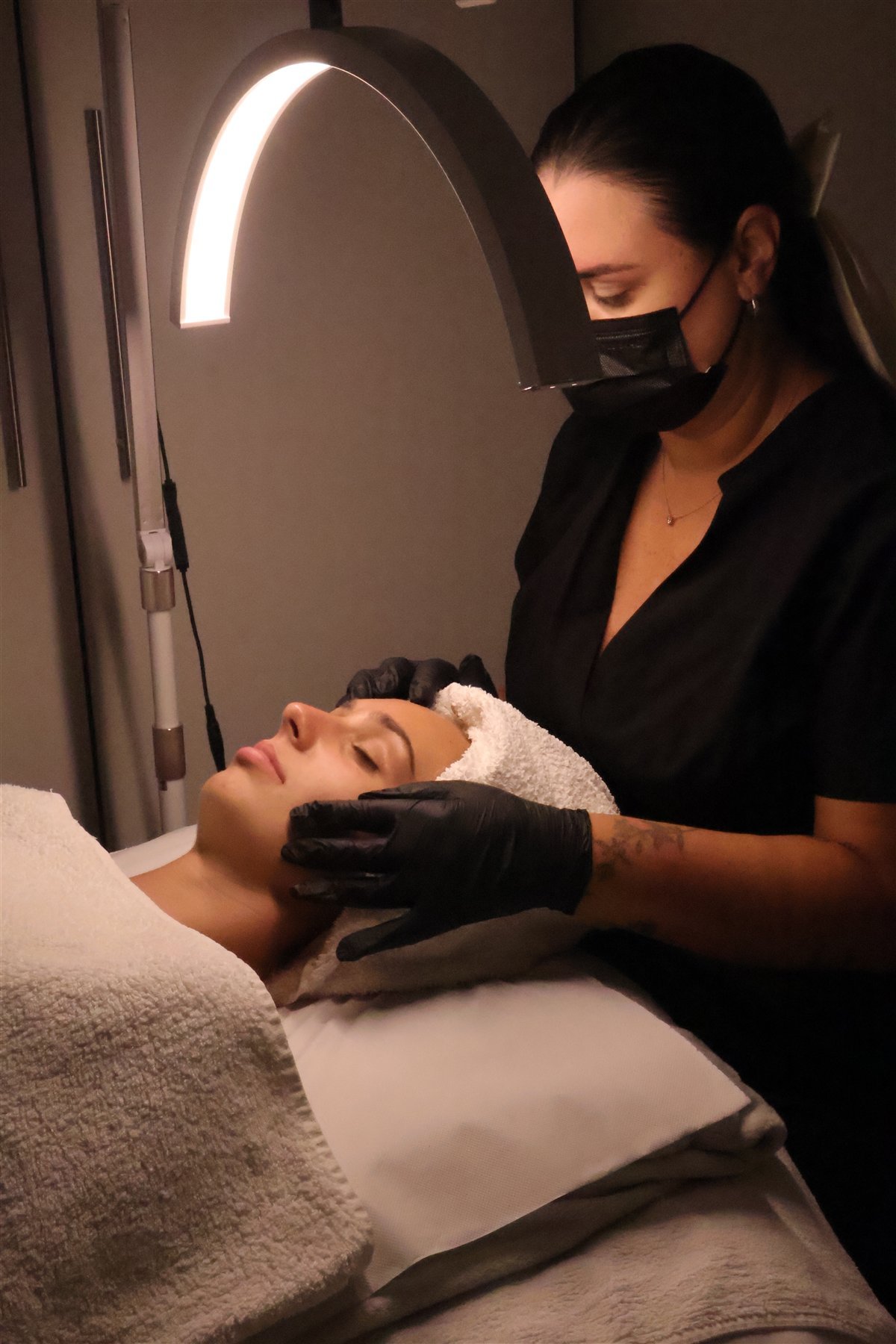
Deep cleansing, PDRN and dermaplaning facials for clear, glowing skin.
- from €50price
- Sliema · Swieqiwhere
- ★ 5.0460+ Google reviews
How do microneedling and a PDRN facial differ in practice?
| Question | Microneedling | Non-invasive PDRN facial |
|---|---|---|
| Core approach | Uses fine needles to create controlled punctures in the skin. | Uses a facial-care protocol and PDRN-containing skincare applied without needles. |
| Skin barrier | Intentionally disrupted during the procedure. | Designed to be non-invasive; no needle punctures are involved. |
| Professional considerations | Requires appropriate training, strict hygiene and individual suitability assessment. | Requires a thoughtful skin consultation and product-aware facial protocol. |
| Experience on the day | May involve topical numbing in some professional settings and can cause temporary redness or discomfort. | Usually centred on facial comfort and cosmetic skin care, though sensitivity can still occur. |
| Aftercare focus | Barrier-conscious aftercare and careful attention to the provider’s instructions. | Follow the facialist’s skincare guidance, especially if your skin is reactive. |
| Should it be described as the same treatment? | No. | No. It is a separate, non-invasive facial option. |
Who may prefer a non-invasive facial approach?
A PDRN facial can be a sensible route for someone who wants a professional facial experience without a needle-based procedure. People may be interested in improving the look of dullness, dehydration or a lack of surface radiance, while keeping their appointment focused on non-invasive skincare.
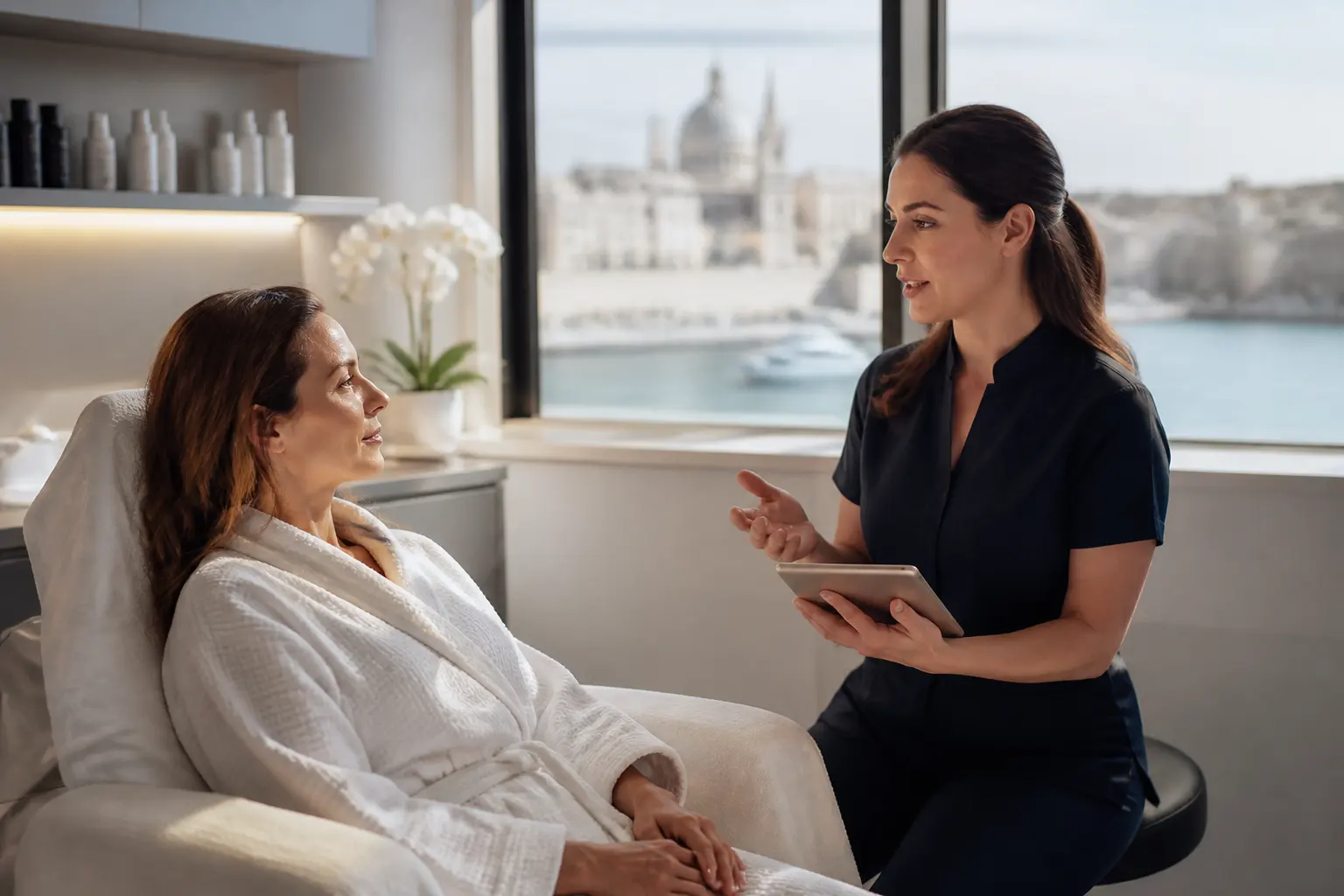
It can also be a useful starting point for clients who are uncertain about more intensive aesthetic procedures. A facial appointment gives space to discuss current skincare, recent sensitivity, active irritation and the kind of finish you would like to achieve. It should not be framed as a replacement for assessment by a dermatologist where there is a persistent, painful, inflamed or otherwise concerning skin condition.
At BeCammo, personalised care matters because no single facial routine suits every complexion. Skin can react differently depending on sensitivity, climate exposure, active ingredients already in use and individual history. A responsible consultation is more useful than assuming a popular ingredient will suit everyone in the same way.
When does microneedling require extra caution?
Microneedling is not appropriate for every person or every moment. The FDA advises people to speak with a healthcare provider and identifies a range of circumstances requiring particular attention, including active infections, certain skin conditions, a history of keloid scarring, use of blood-thinning medicines, immune suppression, pregnancy or breastfeeding, and recent or current isotretinoin use. This is not a complete personal assessment, but it shows why a serious consultation is essential.
Do not treat an at-home roller as a risk-free shortcut. Sharing devices, reusing components that should be single use, using poorly cleaned equipment or applying unsuitable products afterwards can introduce avoidable problems. If you are considering microneedling, seek advice from a suitably qualified provider who can explain the procedure, device, hygiene standards, limitations and recovery plan.
Similarly, do not assume that pairing microneedling with a trending serum makes the result stronger or safer. “More active” is not automatically better for skin, particularly when the barrier has been punctured.
How do you choose between microneedling and a PDRN facial?
Start with the type of experience you want. If you are specifically considering a needle-based procedure for a concern such as the appearance of scars or wrinkles, you need a qualified medical or healthcare-led consultation that addresses suitability and risk. A facial menu is not a substitute for that assessment.
If your priority is non-invasive professional skincare, relaxation and a refreshed-looking complexion, a PDRN facial may be the more relevant conversation. Ask what the facial includes, whether the products are topical, what your skin may feel like afterwards and how to continue your home routine.
In either case, avoid choosing solely from before-and-after images, social-media terminology or a single ingredient name. Look for clear explanations, realistic language and willingness to say when a treatment may not be suitable. The goal is not to copy someone else’s skin journey; it is to choose an approach that respects your own skin, preferences and circumstances.
How should you prepare for a PDRN facial?
Before booking, share relevant information about your skin, including current sensitivity, allergies, recent cosmetic procedures and products that have caused irritation in the past. If you are using strong exfoliating acids, retinoids or prescription skincare, ask whether you should adjust your routine before the appointment rather than making changes on your own.
Arrive with clear expectations. A PDRN facial is not an injectable procedure and should not be expected to reproduce the effects promoted for injectables or needling-based treatments. Its purpose is a non-invasive facial-care experience, with recommendations tailored to what is appropriate for your skin on the day.
After the facial, keep the routine gentle if your skin feels sensitive. Use the products and sun protection recommended for you, avoid introducing several new actives at once and contact the provider if you have an unexpected reaction. For ongoing concerns such as persistent acne, sudden pigmentation changes, rashes or painful lesions, seek advice from a qualified healthcare professional.
Conclusion
Microneedling and PDRN facials can appear in the same beauty conversation, but they are designed to involve different things. Microneedling is a needle-based procedure that intentionally punctures the skin and needs a robust suitability and safety discussion. A PDRN facial is a non-invasive facial-care option using topical skincare within a professional protocol.
Understanding that difference helps you choose with more confidence and avoid assuming that an ingredient, a device and a treatment method are all interchangeable. If you would like a non-invasive facial experience focused on thoughtful skincare and a personalised consultation, use the booking option below to explore the PDRN Facial at BeCammo.
Frequently asked questions
Is a PDRN facial the same as a salmon sperm injection?
No. A non-invasive PDRN facial uses topical facial-care products as part of a skincare protocol. It should not be confused with injectable polynucleotide or PDRN procedures, which involve a different delivery method and professional context.
Does the BeCammo PDRN Facial include microneedling?
No. The BeCammo PDRN Facial is offered as a facial-care service and is not described as a microneedling or injectable procedure.
Can PDRN be used with microneedling?
Some providers may discuss combinations, but that does not make them automatically appropriate or equivalent to a topical facial. If considering a needle-based procedure, ask a suitably qualified provider about the specific device, product, evidence, risks and aftercare.
Will a PDRN facial suit sensitive skin?
Sensitivity varies between individuals and can change over time. Tell your facialist about allergies, active irritation, recent procedures and products you use at home so they can advise whether the service is appropriate on the day.
How many PDRN facials will I need?
There is no universal number. Your skin goals, current routine, response and the professional assessment should guide any recommendation. It is better to review your skin over time than to rely on a fixed promise.