Growing out very thin brows works best with a selective threading plan: protect the areas that may support a fuller outline, and refine only the hairs clearly outside the agreed shape. Keep home tweezing deliberately minimal, use light make-up to see the intended direction, and review the plan at each visit rather than repeating the old narrow shape. Threading does not make brows grow faster or thicker.
Growing out a very thin brow shape can feel untidy before it feels fuller. Hairs may appear in places you have spent years removing, the outline can look unclear, and it can be tempting to take everything back to the familiar slim shape at the first sign of unevenness.
A considered threading plan gives you another option. Rather than treating every new hair as unwanted, the aim is to protect the areas that may support a softer, more balanced brow shape while refining only the hairs that genuinely distract from it. This is not about forcing your brows into a trend or promising that every sparse area will fill in. It is about giving the hairs you have the best chance to show their natural pattern, with a clear direction from one appointment to the next.
For anyone growing out thin eyebrows, the most useful starting point is a personalised assessment of the current shape, density, hair direction and the amount of growth already present. From there, threading can become a maintenance tool rather than a reset button.
Why does growing out a thin brow shape need a plan?
Very thin brows are often the result of repeated shaping over time. Sometimes the original outline was intentionally narrow; sometimes a small amount was removed at each appointment until the overall brow gradually became finer. Whatever the reason, the growing-out stage can be confusing because the brow does not necessarily return in one even line.
New or previously unnoticed hairs may emerge above the arch, below the front of the brow or through the tail. Different sections may look fuller at different times. If every stray hair is removed automatically, it becomes difficult to tell which hairs could contribute to a more supportive shape and which are genuinely outside it.
A plan helps separate these two decisions:
- What should be left alone for now? These are hairs that may help create more width, softness or continuity in the chosen outline.
- What can be refined? These are hairs clearly beyond the intended shape, such as isolated growth far from the brow line or hair between the brows where you prefer a clean space.
The goal is not to let the brows grow entirely without guidance. It is to reduce unnecessary removal while keeping the face looking considered throughout the transition.
What does fuller mean for your brows?
Fuller does not have to mean wide, heavily defined or identical to somebody else’s brows. A successful grow-out plan can be as simple as creating a little more thickness through the front, a gentler transition to the arch, or a tail that appears less disconnected from the rest of the brow.
At a threading appointment, describe the result you want in practical terms. For example:
- “I want to keep the front of my brows soft and avoid making them narrower.”
- “I am growing out the underside of the brow, especially before the arch.”
- “I want a little more structure through the tail, but I do not want an overly sharp point.”
- “I still like a neat finish, but I do not want to lose any hairs that could help the shape look fuller.”
These details are more helpful than simply requesting “thicker brows”. They give the brow artist a direction without suggesting that one universal shape is right for every face.
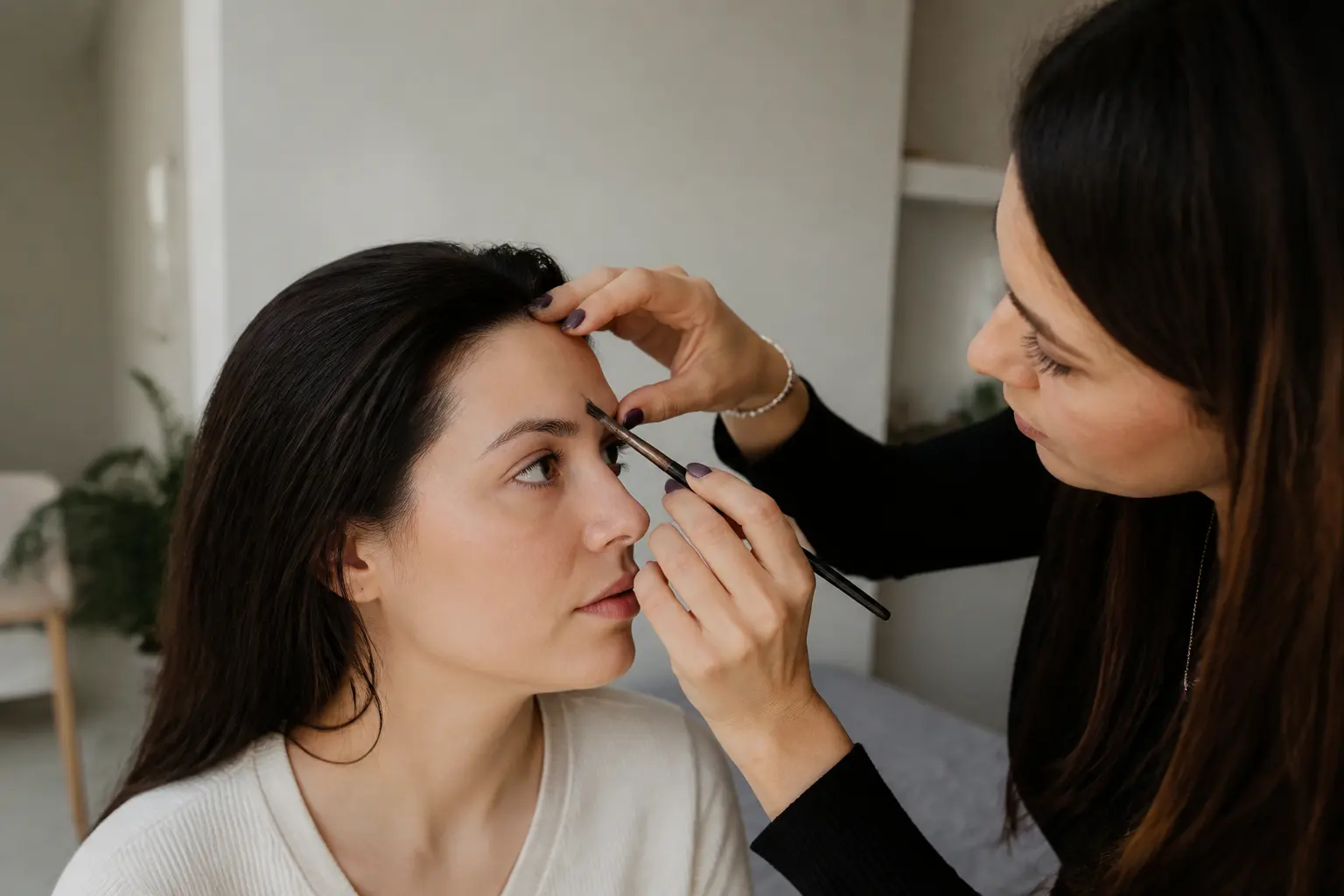
Your natural hair placement matters. Brow bone structure, hair density, growth direction and existing gaps all influence what can be refined visually. A personalised approach respects those features rather than trying to make both brows match a fixed template.
At BeCammo · Sliema · Swieqi
Eyebrow threading in Malta
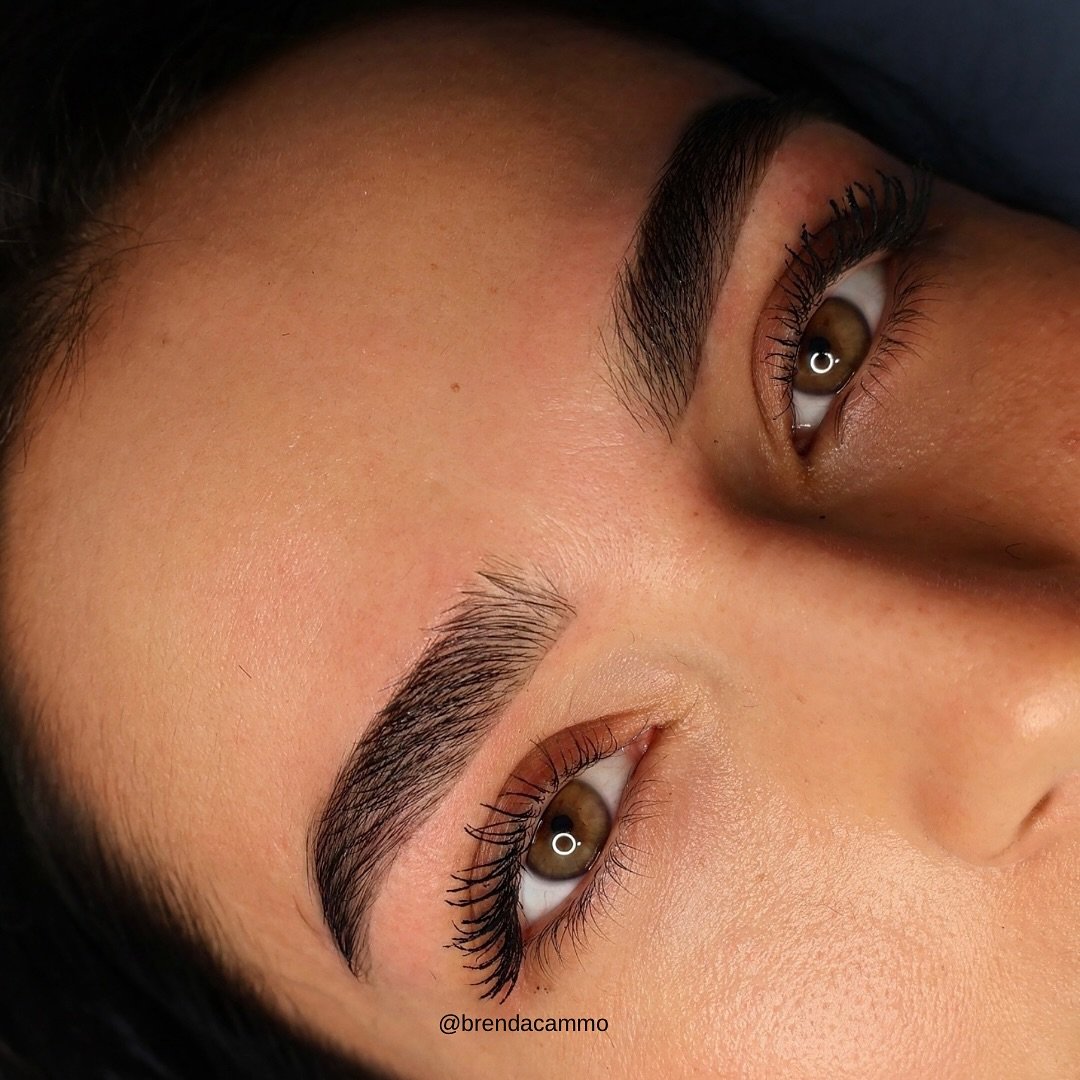
Same client, before and after threading.
Clean, natural brows shaped to your face, at our salons in Sliema and Swieqi. Threading is what BeCammo was built on.
- from €16price
- Sliema · Swieqiwhere
- ★ 5.0460+ Google reviews
How does selective threading work during the grow-out phase?
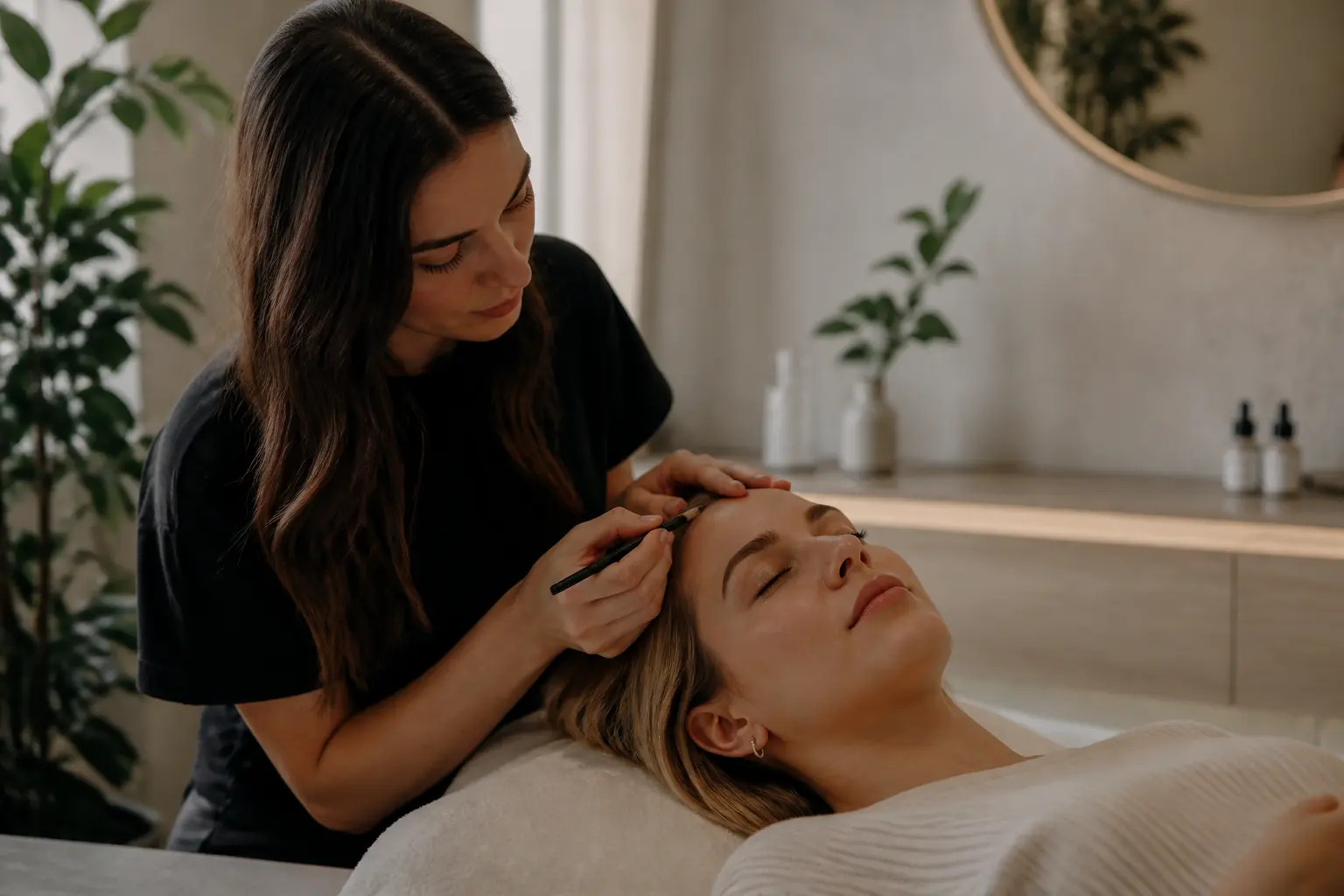
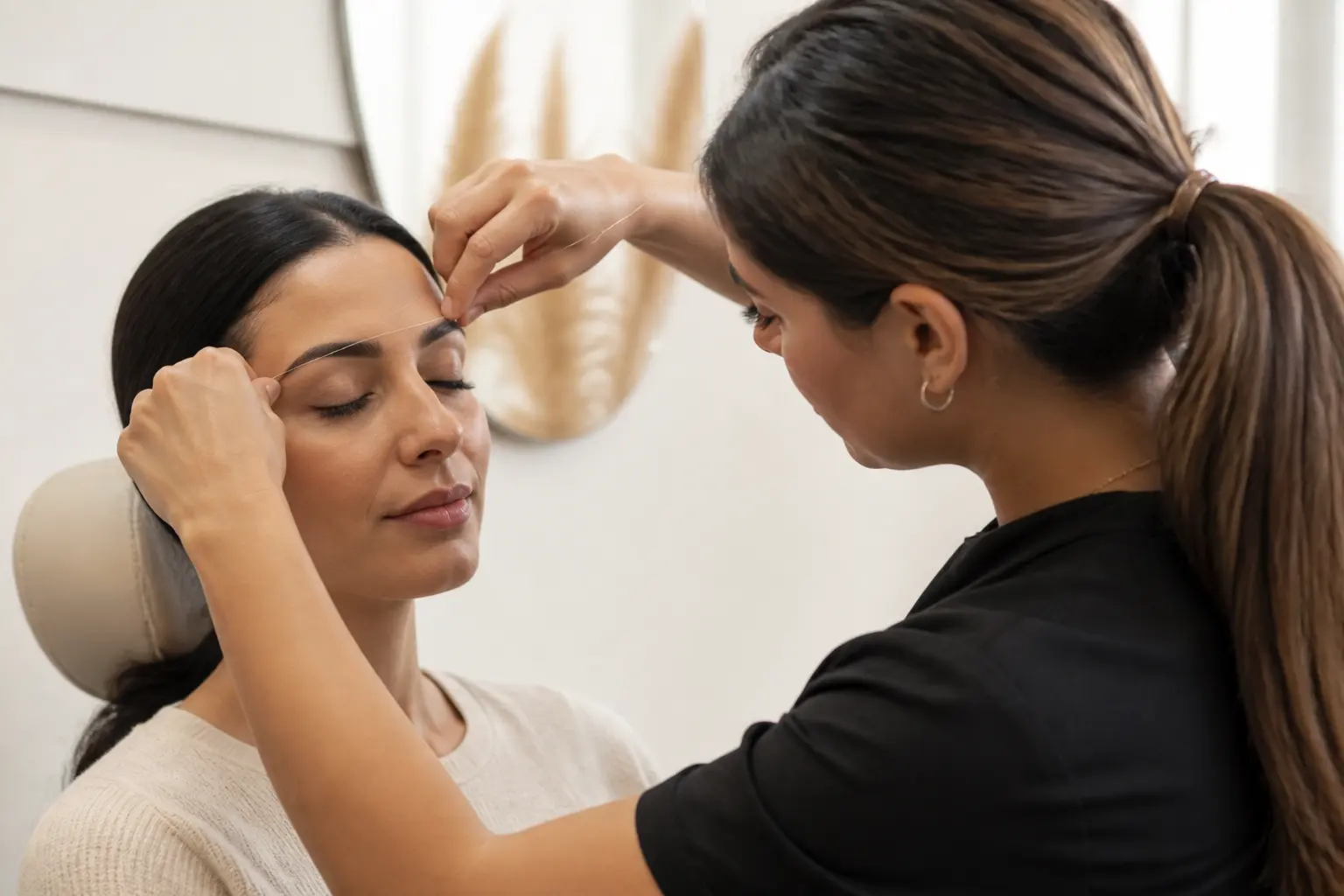
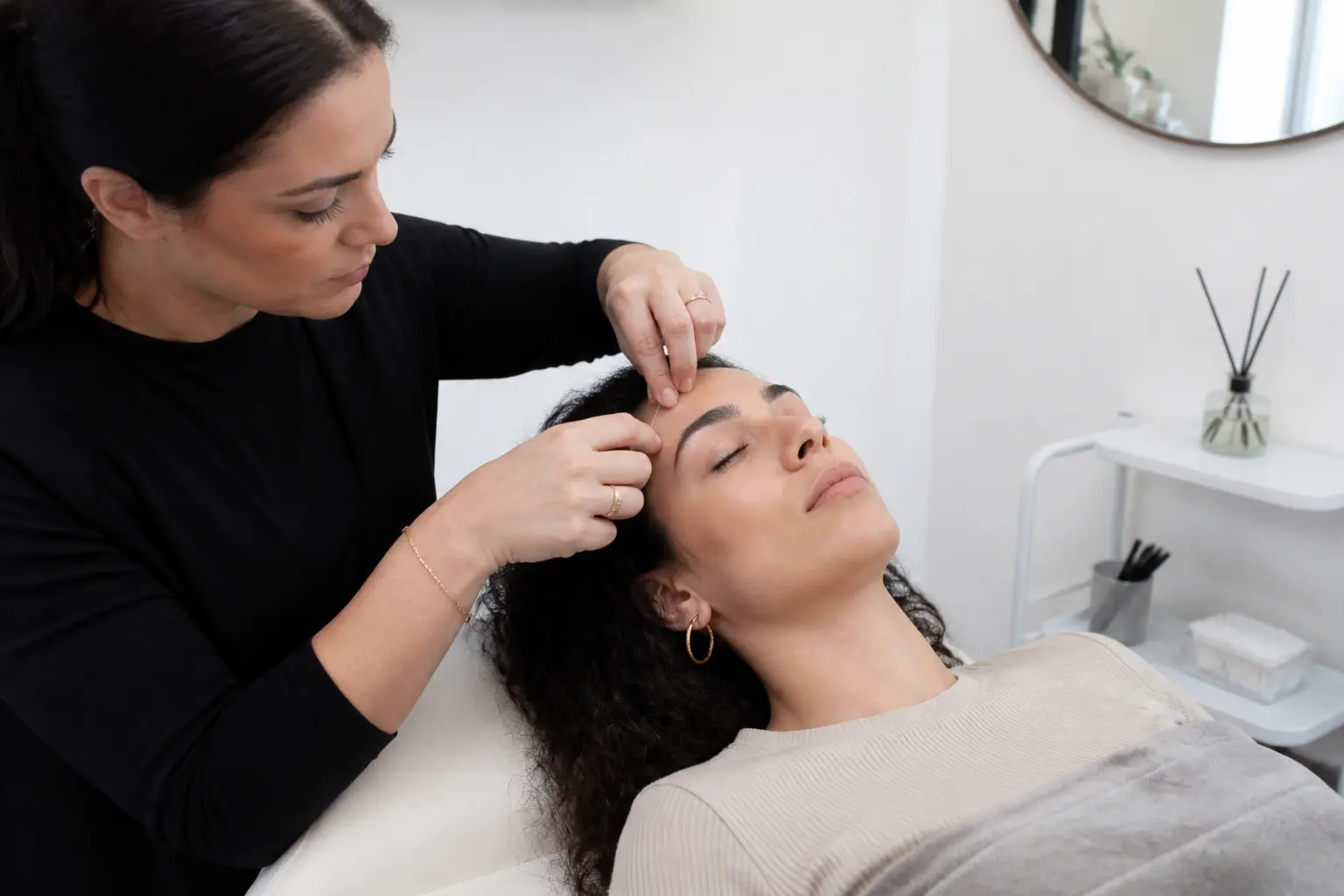
Threading uses a twisted thread to remove unwanted hairs with precision. The technique is particularly useful around eyebrows because it can focus on selected hairs rather than removing a broad area at once. The American Academy of Dermatology notes that threading can be a precise method for areas such as the brows, where some hair is meant to remain. American Academy of Dermatology guidance on hair removal.
When you are growing out a thin shape, a selective threading appointment will usually focus on preserving potential fullness first. That may mean leaving some hairs that would previously have been removed, especially close to the lower edge, upper line or tail of the brow. The exact areas depend on your current shape and the direction agreed during the consultation.
Threading can still refine the overall appearance by tidying clearly separate hairs, balancing the space between the brows and removing growth that does not support the chosen outline. The result should feel intentional, not abandoned.
What selective does not mean
Selective threading does not mean no shaping at all, and it does not mean keeping every hair. It also does not mean that a brow artist can predict which individual hairs will create permanent fullness. The practical purpose is more modest: avoid repeatedly removing hairs that may be useful while maintaining a shape you feel comfortable wearing.
It is also important not to assume that a threading appointment will make brows grow faster. Threading is a hair-removal and shaping method, not a medical solution for hair loss or a guarantee of regrowth.
A simple four-stage plan for growing out thin eyebrows
1. Take stock before changing the shape
Before your next appointment, look at your brows in natural daylight without filling them in. Notice where the outline feels too narrow, where the front looks light, and whether the tail ends earlier than you would like. A clear photograph can be useful for your own reference, particularly when you are tempted to judge progress from one day to the next.
Try not to overanalyse small differences between the two brows. They are sisters, not copies. Natural asymmetry is normal, and the purpose of a plan is to improve balance rather than create an artificial match.
2. Agree on protected areas
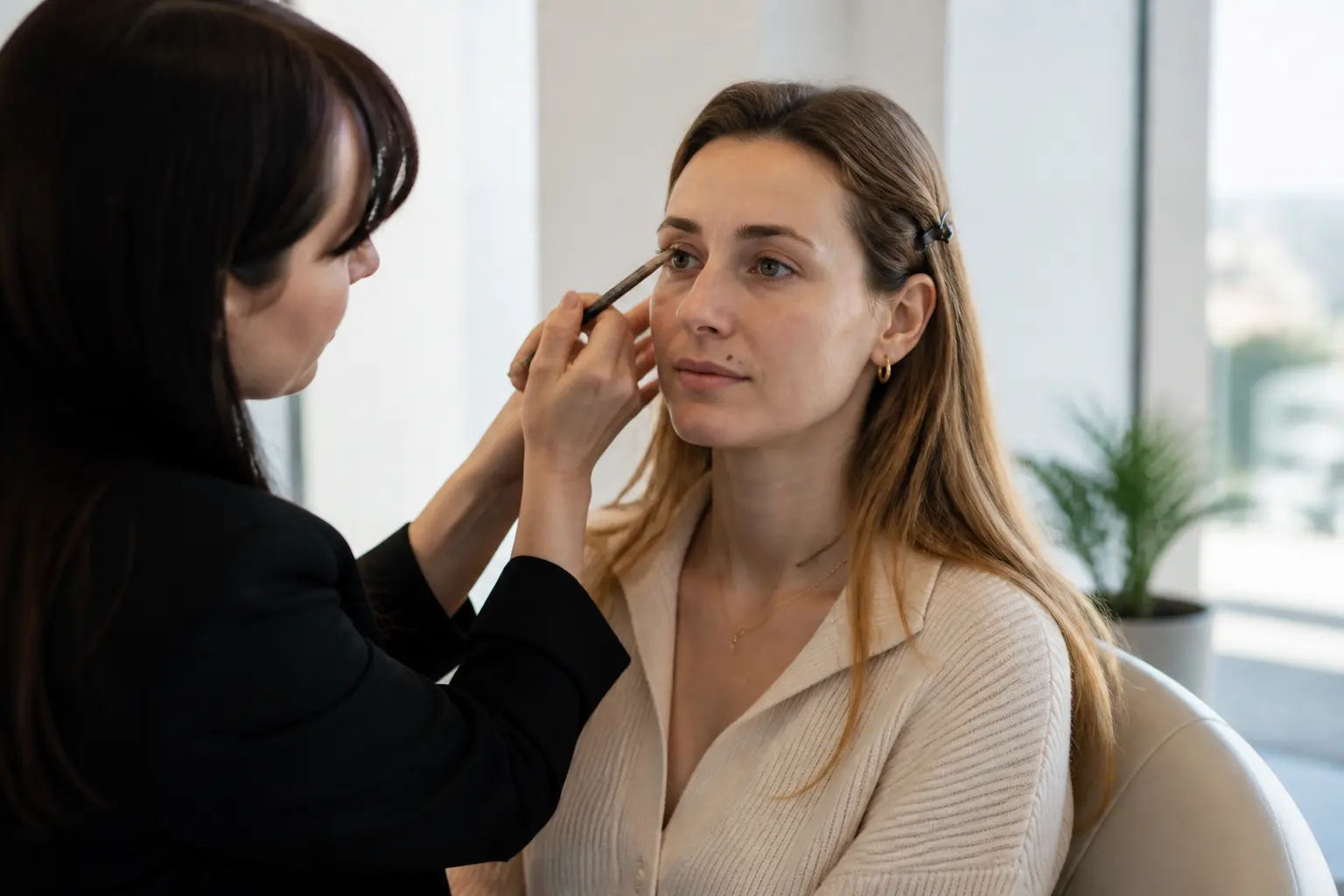
At your appointment, explain that you are growing out a very thin brow shape. Ask which areas should be protected between visits. These might include a section beneath the arch, the upper edge of the front, or the start of the tail. The protected area should be specific enough that you can avoid impulsive tweezing at home.
If you use a brow pencil, light powder or a tinted product, have the artist show you how the planned outline can be styled while the hairs develop. Make-up can help you see the intended direction without needing to remove more hair.
3. Keep home maintenance deliberately minimal
The grow-out process becomes harder when there are different rules at home and in the studio. If you are unsure whether a hair belongs in the future shape, leave it until your next professional threading appointment. Removing one or two hairs may not seem significant, but repeated small adjustments can make it difficult to maintain the agreed direction.
Instead of tweezing close to the brow line, concentrate on simple grooming. Brush the hairs upwards and outwards to see their natural placement. If a hair is long or sits differently from the rest, discuss it at your appointment rather than trimming it impulsively. A small change in length can alter how much density the brow appears to have.
4. Review the plan, rather than repeating the old one
Each visit is a chance to reassess. Perhaps the lower line has become more supportive, but the upper line still needs time. Perhaps a previously sparse section has not changed, so a different styling approach would be more useful than waiting for a dramatic shift. A grow-out plan should adapt to what your brows are actually doing.
This is also why booking the same familiar narrow shape by habit can work against your goal. Say clearly that you are continuing the grow-out plan, even if you have had your brows threaded many times before.
How often should you book threading while growing out your brows?
The right interval is individual. It depends on how quickly you notice surrounding hair, how polished you want the brows to look between appointments and which areas are being protected. Some people prefer to wait longer while they observe the natural pattern; others benefit from occasional tidy-ups that remove only clearly unrelated hairs.
Rather than choosing an interval because it worked for your previous, thinner shape, ask for guidance based on the current stage of your plan. The important part is consistency: keep the same objective, review what has changed, and avoid turning each visit into a full reshaping session.
If you are travelling, working irregular hours or moving between areas of Malta, a short consultation at the beginning of the appointment can keep the plan clear. Bring a reference photo only if it reflects a realistic direction for your own brows, not as a strict shape to copy.
How can thin brows look more balanced while you wait?
Styling can make the transition easier, particularly when some sections are growing out more slowly than others. The key is to add definition gently rather than creating a hard outline that makes the natural hairs look even sparser.
- Brush first: A spoolie helps reveal where the hairs naturally sit and can make a modest amount of density look more organised.
- Use light, hair-like strokes: Choose a brow pencil or fine product that is close to your natural brow tone, then fill only the gaps that affect the overall direction.
- Avoid a solid front block: Keeping the front softer usually creates a more natural transition, especially when you are growing out width.
- Build gradually: Step back from the mirror before adding more product. Brows often look stronger at close range than they do in normal conversation distance.
- Consider a colour service carefully: Tint or henna may add temporary definition, but the best option depends on your brow hair, skin and desired finish. Discuss the look you want rather than assuming colour alone will solve sparse areas.
Make-up is not a replacement for a grow-out strategy, but it can help you feel polished while the shape evolves. It also allows you to test a slightly fuller visual outline before committing to further removal.
When should thinning brows be discussed with a healthcare professional?
This article concerns the cosmetic challenge of growing out a previously thin brow shape. However, a sudden change in brow density, patchy loss, irritation, scaling, pain or hair loss elsewhere deserves a different conversation. Eyebrow loss can have causes that need assessment, and a dermatologist is the appropriate professional to diagnose conditions affecting the skin, hair and nails. American Academy of Dermatology advice on seeking help for hair loss.
In that situation, do not rely on more frequent threading, colouring or brow products as an answer. Pause cosmetic decisions that may make it harder for you to monitor the change, and seek suitable medical advice.
What should you say when booking your next brow appointment?
A short note can help make your objective clear from the start. You could say: “I am growing out a very thin brow shape and would like selective threading only. Please help me keep the shape tidy without removing hairs that may support a fuller outline.”
At BeCammo, threading and brow design can be approached with attention to your natural hair pattern, facial balance and preferred level of definition. The focus is not on imposing one brow trend, but on helping you keep a direction that feels like you. When you are ready, use the booking system to choose the Malta location that suits you and allow time to discuss your grow-out goal before shaping begins.
Frequently asked questions
Should I stop threading completely to grow out thin eyebrows?
Not necessarily. A complete pause may suit some people, but selective threading can keep clearly unrelated hairs tidy while protecting areas that may contribute to a fuller outline. The right approach depends on your present shape and how comfortable you are with the transition.
Can threading make my eyebrows grow back thicker?
No. Threading shapes by removing selected hairs; it does not guarantee increased growth or density. Its value during a grow-out phase is precision: it can help avoid taking away hairs that may be useful to the future shape.
What should I avoid doing at home?
Avoid tweezing close to the areas you and your brow artist have agreed to grow out. If you are uncertain about a hair, leave it for your next appointment. Also avoid trimming randomly, as shorter hairs can change how full the brow appears.
Can I tint or use henna while growing out my brows?
It may be possible, depending on your desired result, brow hair and skin. A colour service can add temporary definition, but it should support the grow-out plan rather than disguise the shape so heavily that you lose sight of its natural direction.
How do I know whether a hair is part of my future brow shape?
It is not always possible to tell at home. That is why a protected-area plan and periodic review are useful. A trained brow artist can assess the broader shape rather than judging one hair in isolation.
Is it normal for one brow to grow out differently from the other?
Yes. Brows naturally differ in density, direction and position. A thoughtful plan works with those differences and aims for balance, rather than expecting exact symmetry at every stage.