Does Dermaplaning Make Facial Hair Grow Back Thicker?
Brenda Cammo Team
One question comes up again and again before a dermaplaning appointment: does facial hair grow back thicker after dermaplaning? The short answer is no. Dermaplaning does not alter the hair follicle beneath the skin, so it cannot make facial hair become thicker, darker or faster-growing.
The concern is understandable. When fine facial hair starts to reappear, it can feel more noticeable than it did before. That change in sensation can be surprising, particularly if you are used to soft, almost invisible peach fuzz. But feeling a little texture during regrowth is not the same thing as the hair itself changing.
This guide explains where the myth comes from, what dermaplaning actually does, and how a professional facial appointment can help you decide whether the service suits your skin, routine and expectations.
The short answer: dermaplaning does not make hair grow back thicker
Dermaplaning removes hair at the skin’s surface. It does not reach, damage or change the follicle, which is the structure beneath the skin that produces each hair. Hair thickness, colour and growth pattern are determined by factors such as genetics and hormones, not by cutting the visible part of a hair.
This is the same principle behind the long-running shaving myth. DermNet notes that shaving does not make hair grow back thicker. A cut hair can seem more obvious as it grows because the end is blunt, rather than naturally tapered. Cleveland Clinic’s overview of vellus hair makes the same point specifically about peach fuzz: it may appear different during regrowth, but it has not become thicker.
In other words, dermaplaning changes the immediate look and feel of the skin, not the biology of your facial hair.
What dermaplaning actually does
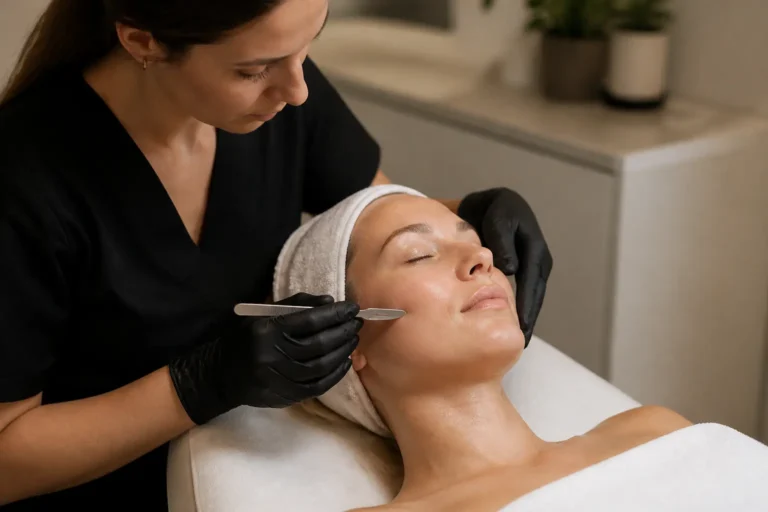
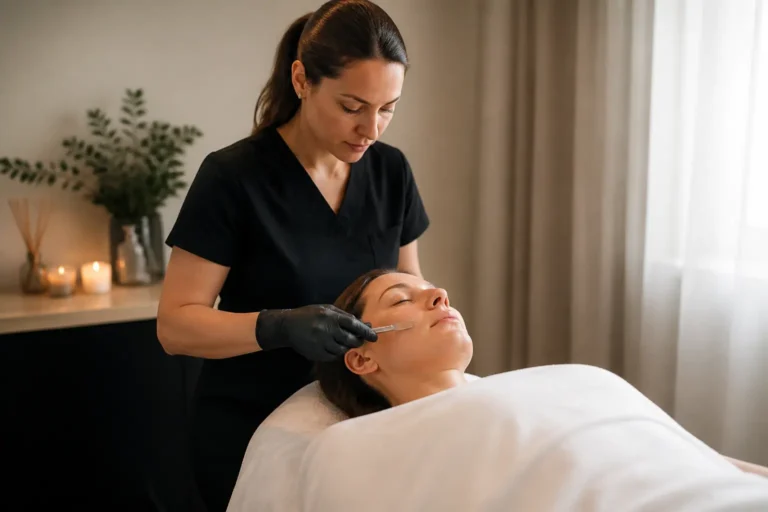
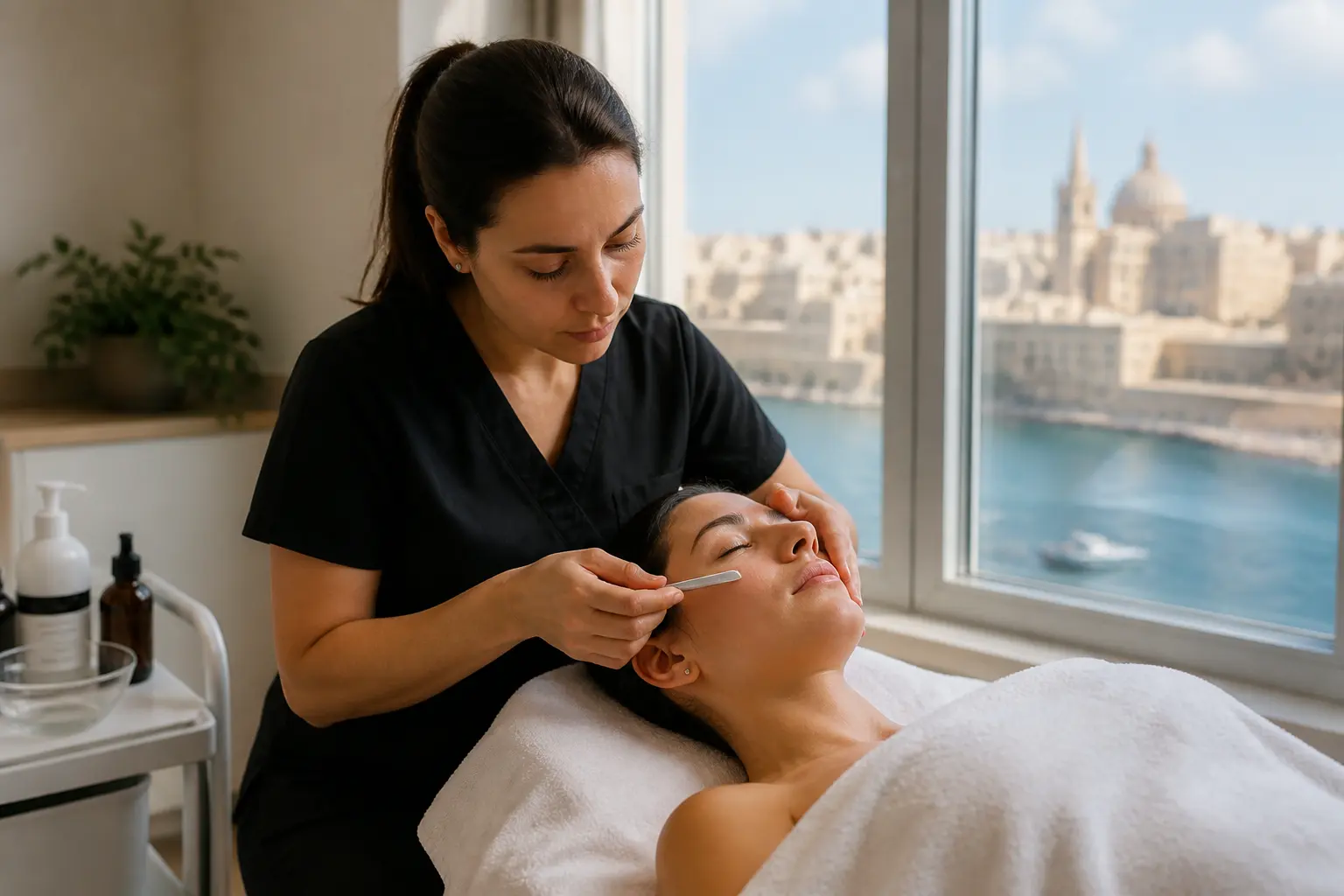
Dermaplaning is a professional exfoliation service that uses a specialised blade held at a careful angle to remove the outermost build-up of dead skin cells and fine vellus hair from the face. Vellus hair is the soft, light hair often called peach fuzz. It is different from terminal hair, which is generally darker, coarser and more strongly influenced by hormones.
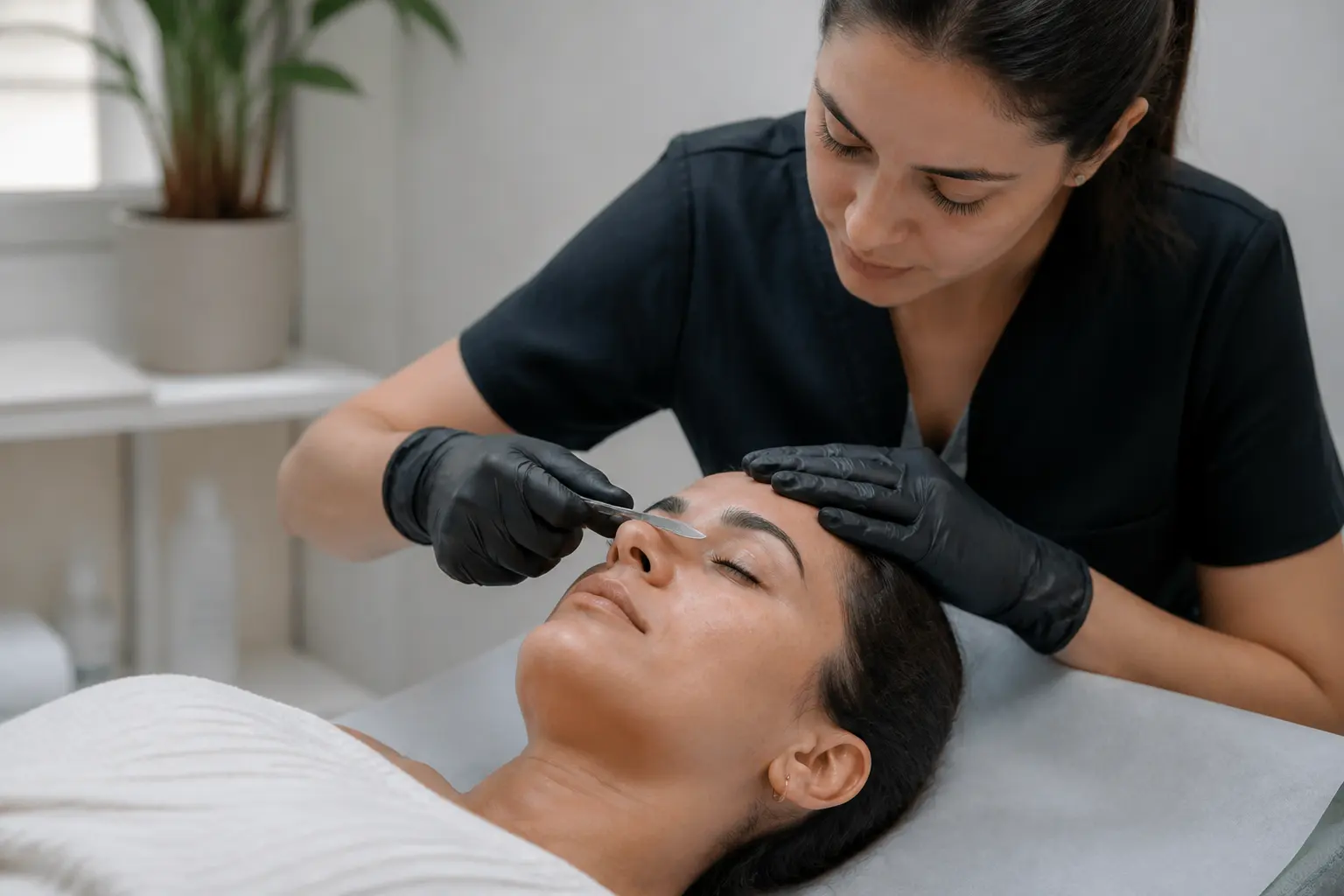
At a professional studio, dermaplaning should begin with a conversation about your skin, your current routine and any sensitivities or active concerns that may affect suitability. The skin is assessed, the service is carried out with hygiene and care in mind, and aftercare guidance helps you protect the freshly exfoliated surface.
The aim is not to change hair growth. It is to create a smoother-feeling canvas and support a polished make-up finish for people who enjoy that result. Some clients also simply like the clean, refreshed feeling that comes with removing surface build-up.
Why people often connect dermaplaning with thicker regrowth
The myth usually comes from a real observation, interpreted in the wrong way. When a hair is cut across the shaft, the new visible end is blunt. As it emerges, that blunt end can feel slightly firmer against the fingers than a longer hair with a naturally worn or tapered tip.
There is also a contrast effect. After dermaplaning, skin may feel exceptionally smooth. When the normal fine texture of vellus hair returns, even gradually, you are more likely to notice it because you are comparing it with a very smooth baseline.
Neither point means the hair has changed category. Fine facial hair does not turn into coarse beard-like hair because it has been removed at the surface.
Dermaplaning and facial shaving: similar concern, different context
Both dermaplaning and facial shaving cut hair at the skin’s surface, which is why the same regrowth myth is attached to both. Neither method changes the follicle or makes hair grow back thicker.
The difference is mainly in the setting, tool, purpose and level of assessment. At-home facial shaving is part of many people’s personal grooming routines. Professional dermaplaning is an exfoliation-focused facial service, carried out with a more structured approach to skin preparation, technique and aftercare.
This does not mean that everyone needs professional dermaplaning, or that every at-home facial shaving routine is unsuitable. It means the choice should reflect your goals. If your main priority is a professional exfoliation appointment and guidance based on your skin’s current condition, dermaplaning may be the better conversation to have. If you are unsure, it is sensible to ask before booking rather than relying on a trend or someone else’s routine.
Will dermaplaning make dark facial hair appear?
No. Dermaplaning does not convert vellus hair into terminal hair. It cannot change a fine, light facial hair into a darker or coarser hair because it does not change the follicle’s underlying behaviour.
If you notice a clear and unexpected increase in dark, coarse facial hair, it is worth separating that observation from dermaplaning itself. Changes in hair growth can happen for many reasons unrelated to surface hair removal. In that situation, especially if the change is sudden or comes with other symptoms that concern you, speak with an appropriate healthcare professional for individual advice.
For ordinary vellus-hair regrowth after dermaplaning, the expectation is simply that the hair returns as the same type of hair it was before.
What regrowth can feel like after a dermaplaning appointment
Everyone notices texture differently. You may feel fine hair returning after a period of time, but the exact timing and how visible it seems vary from person to person. Your natural hair-growth pattern, the amount of vellus hair you have, your skincare routine and your own sensitivity to texture can all shape the experience.
It can help to set realistic expectations:
- Your face may feel very smooth immediately after the appointment.
- Fine facial hair will naturally grow back because dermaplaning does not remove the follicle.
- Early regrowth may feel more distinct to your fingertips because the hair has a blunt cut end.
- The hair is not becoming thicker, darker or more numerous because of dermaplaning.
- The right interval between appointments should be based on your skin and personal preference, not pressure to chase permanent hair removal.
Dermaplaning is therefore best approached as a maintenance facial service, not as a method for permanently reducing facial hair.
Who may want to pause and ask for personalised advice first?
A professional consultation is valuable because skin does not look or behave the same every day. It is important to mention relevant information before your appointment, especially if your skin feels irritated, unusually reactive, sun-exposed, sore or compromised.
Also tell the studio about products and treatments you use, including strong exfoliating products or prescription skincare. This is not about making assumptions about your skin. It is about allowing the professional to consider whether dermaplaning is appropriate that day, whether another facial option would be more suitable, or whether it is better to wait.
Honest communication is part of good skincare. A professional recommendation may sometimes be to adjust the plan, and that is a positive sign of a skin-first approach.
How to make the most of professional dermaplaning
The best results from any facial service begin with clear expectations and gentle aftercare. Dermaplaning is not a shortcut that removes the need for a consistent skincare routine, and it should not be treated as a reason to use every active product at once.
Before your appointment
- Arrive ready to discuss your current skincare products and any recent changes in your skin.
- Let the studio know if you have had strong sun exposure or if your skin feels tender.
- Avoid trying a new intense exfoliation product immediately before your appointment.
- Be clear about your goal, whether that is smoother-feeling skin, make-up preparation or a professional facial refresh.
After your appointment
- Keep your routine gentle and follow the aftercare advice provided for you.
- Use sun protection consistently, as freshly exfoliated skin deserves extra care around daylight exposure.
- Do not assume that tingling or irritation means a product is working better. Comfort and skin response matter.
- Ask before reintroducing stronger exfoliating products if you are uncertain about timing.
These practical habits support the purpose of the service without making promises that no facial can responsibly make for every person.
Common dermaplaning myths, clarified
Myth: Dermaplaning makes peach fuzz grow back like a beard
False. Dermaplaning cuts hair at the surface. It does not change fine vellus hair into terminal hair.
Myth: If regrowth feels stubbly, the hair must be thicker
False. A short hair with a blunt end can feel more noticeable than a longer, tapered hair. The sensation is understandable, but it is not evidence that the follicle has produced a thicker strand.
Myth: Dermaplaning is only about removing facial hair
Not quite. Fine facial hair removal is part of the process, but dermaplaning is also an exfoliation-focused facial service. The choice should be based on your skin, desired finish and professional suitability assessment.
Myth: Everyone should dermaplane on the same schedule
False. Skin condition, tolerance, home routine and individual goals vary. A thoughtful approach is more useful than copying a timetable seen online.
Choosing dermaplaning in Malta
When you are deciding where to book dermaplaning in Malta, look beyond a quick promise of smooth skin. Choose a studio that makes room for questions, explains what the appointment involves and takes your skin’s current condition seriously.
At Becammo, dermaplaning is offered as a professional facial service, with Dermaplaning Pro and Dermaplaning SPA options. The right choice is not about chasing a single standard of skin or hairlessness. It is about understanding the service, sharing what you want from it and choosing a plan that feels appropriate for you.
If the fear of thicker facial hair has been stopping you from booking, you can put that myth aside. Dermaplaning will not change your natural facial hair into thicker hair. A conversation before your appointment can help you decide whether a professional dermaplaning session fits your skin and routine.
Frequently asked questions
Does dermaplaning make facial hair grow back thicker or darker?
No. It removes hair at the surface and does not alter the follicle. Fine facial hair may feel more noticeable at first because the new visible end is blunt, but it has not become thicker or darker.
How long does it take for peach fuzz to grow back after dermaplaning?
It varies between individuals. Your natural hair-growth pattern and how closely you notice texture both matter. Dermaplaning does not stop hair from returning, because it is not a permanent hair-reduction method.
Can dermaplaning cause more facial hair to grow?
No. Dermaplaning does not create new follicles or increase the number of hairs. If you notice an unusual change in coarse facial hair growth, seek personalised advice from an appropriate healthcare professional rather than linking it automatically to dermaplaning.
Is dermaplaning the same as shaving your face at home?
Both cut hair at the surface, but professional dermaplaning is an exfoliation-focused service with a structured approach to preparation, technique and aftercare. A professional can also discuss whether the service suits your skin on the day.
Can I wear make-up after dermaplaning?
Your professional will give you the most relevant aftercare guidance for your skin and the service you have received. If you have an event coming up, mention it when booking so you can plan your appointment and make-up routine thoughtfully.
Should I book Dermaplaning Pro or Dermaplaning SPA?
That depends on the type of facial experience you want and what is suitable for your skin. If you are unsure, ask Becammo before booking so the team can help you choose the most appropriate option.
Ready to explore professional dermaplaning with clear expectations and personalised guidance? Choose your preferred Becammo location in Sliema or Swieqi, ask any questions you have, and book the facial option that fits your routine.