Does Dermaplaning Help Skincare Absorb Better?
Brenda Cammo Team
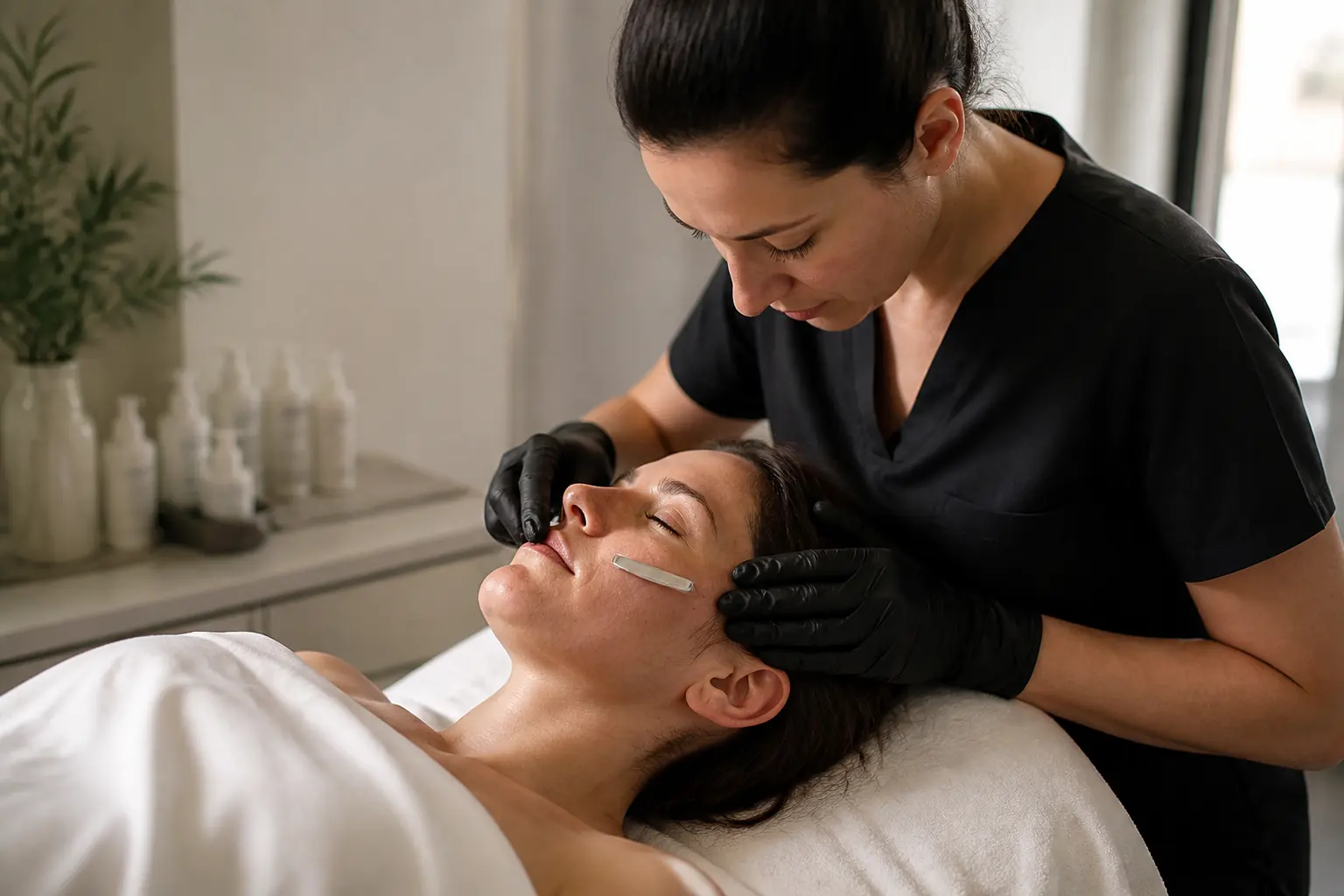
Dermaplaning can make skincare feel as though it absorbs better, but the change is more nuanced than a simple yes or no. By gently removing surface build-up of dead skin cells and fine vellus hair, often called peach fuzz, dermaplaning leaves the face smoother and more even to the touch. That smoother surface can help certain products spread more evenly and leave less product sitting on facial hair.
It does not mean every serum suddenly works harder, nor does it make strong ingredients suitable for everyone. In fact, freshly exfoliated skin can be more reactive if it is met with too many active products at once. The best approach is to see dermaplaning as a reset for surface texture, then follow it with calm, supportive skincare chosen for your skin’s needs.
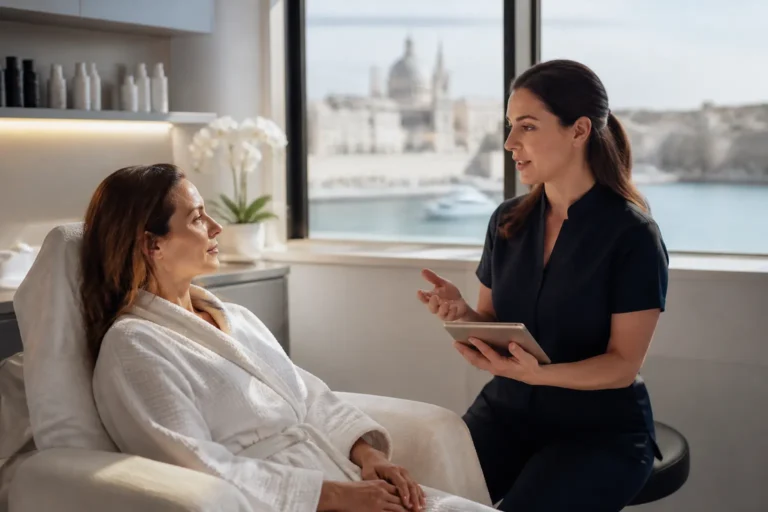
At a professional studio, dermaplaning is not simply facial shaving. It is a controlled exfoliation service carried out with attention to skin condition, comfort and aftercare. If you are considering dermaplaning in Malta, understanding what changes on the skin’s surface can help you book with realistic expectations.
What dermaplaning changes on the surface of the skin
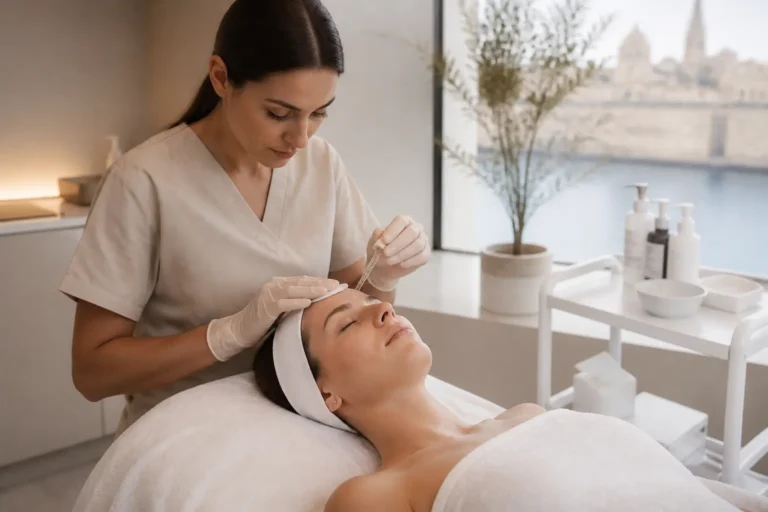
Dermaplaning uses a sterile blade at a carefully controlled angle to lift away very fine facial hair and superficial dead skin cells. These are both elements that can make the complexion look or feel less smooth, especially when skin is dry, dull or carrying make-up residue and everyday environmental build-up.
The immediate difference is mainly physical. Without the soft layer of vellus hair and loose surface cells, the face can feel silkier. Foundation, tinted moisturiser and concealer may also glide on with a more even finish because there is less texture for product to catch on.
Dermaplaning is a form of mechanical exfoliation. The American Academy of Dermatology explains mechanical exfoliation as using a tool or material to physically remove dead cells from the skin’s outer layer. That is why a professional assessment matters. Skin that is irritated, actively breaking out, sunburnt or already over-exfoliated may not be ready for another exfoliating step.
So, does dermaplaning help skincare absorb better?
In practical terms, it can improve the way skincare applies and sits on the face. A moisturiser may spread with less drag, a hydrating serum may feel more comfortable to layer, and a mask may make more direct contact with the skin rather than resting partly on facial hair. This can create the impression that products are being absorbed more effectively.
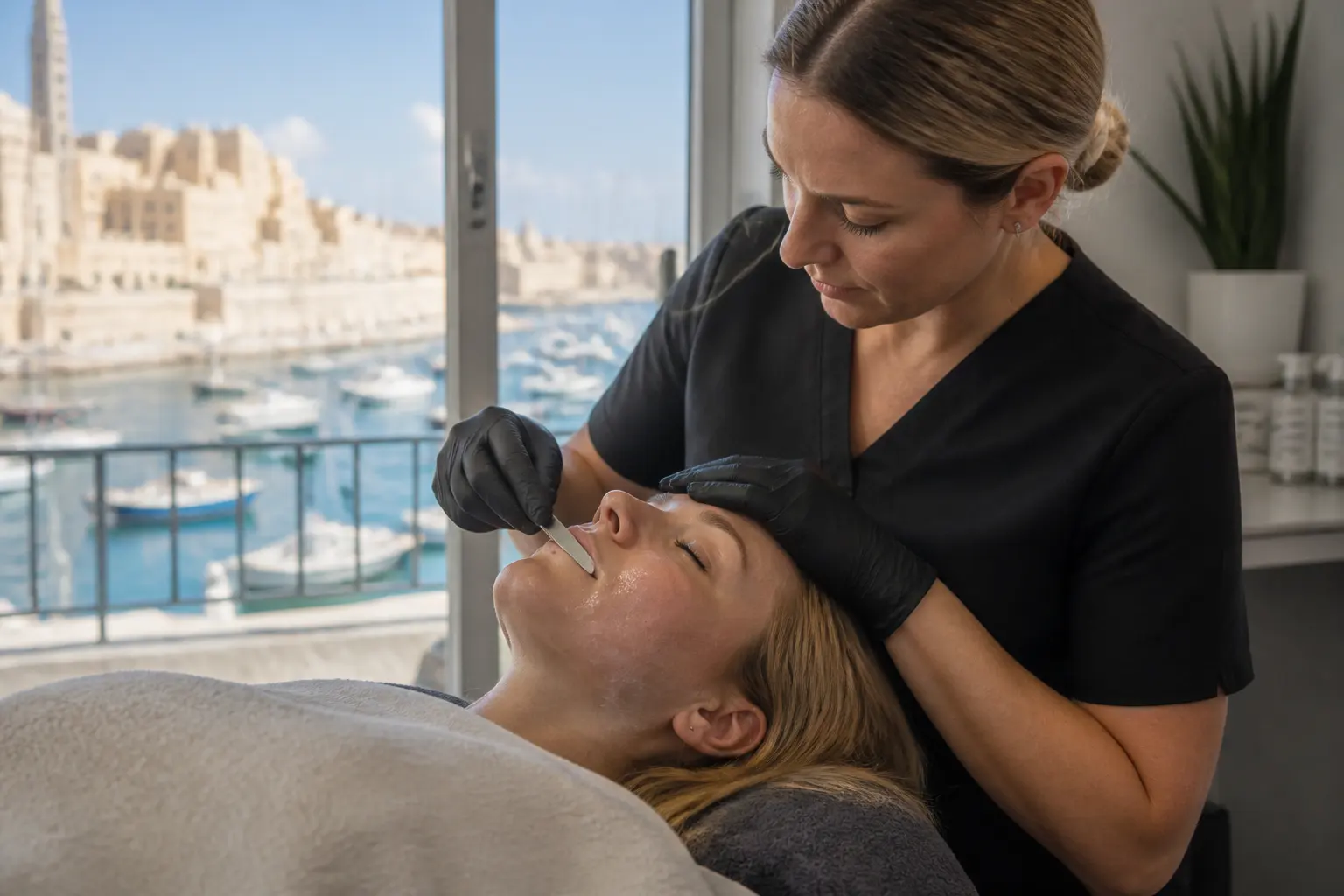
However, it is important not to confuse a smoother canvas with a promise of deeper or dramatically increased absorption. How a product performs depends on its formula, the amount used, the skin barrier, the condition of the skin and how consistently it is used. Dermaplaning does not replace a well-chosen routine, and it cannot turn an unsuitable product into the right one for your skin.
A professional facial setting may include appropriate hydrating and soothing steps after exfoliation. This is one reason a studio appointment can feel more considered than trying to copy the process at home. The focus should be on supporting the freshly exfoliated surface, rather than applying every active product in the bathroom cabinet.
What you may notice after the appointment
- Skincare can spread more evenly with less rubbing.
- Moisturiser may leave a smoother, softer finish.
- Make-up may sit more evenly over areas that previously felt dry or textured.
- Fine facial hair is no longer catching or holding product at the surface.
- Your usual routine may feel lighter because you need less product to cover the face evenly.
These are surface-level improvements, and they can be valuable. They simply need to be understood as part of an overall skincare approach, not as a shortcut to stronger results from every ingredient.
Why the skin barrier still comes first
Your skin barrier helps hold water in and protects skin from external irritants. Any exfoliation, including dermaplaning, calls for a little extra care afterwards. The goal is not to strip the skin or chase a tight, squeaky-clean feeling. It is to leave the complexion looking smoother while respecting its natural balance.
For this reason, the hours after dermaplaning are usually a good time to keep your routine simple. A gentle cleanser, a moisturising product you already know suits you and daytime sun protection are often more useful than layering several new products. The American Academy of Dermatology’s guidance on skincare order also highlights the value of cleansing first, then applying any relevant care product, followed by moisturiser and sunscreen.
If a product stings, burns or leaves persistent redness, stop using it and seek appropriate professional advice. More intensity does not necessarily mean better skincare. Calm, comfortable skin is a better foundation for any routine.
Which products make sense after dermaplaning?
The right products depend on your skin and the plan agreed during your appointment. In general, many people prefer gentle, moisture-focused products after a session. Think of formulas that support comfort rather than challenge the skin.
Supportive choices for a freshly smooth complexion
- Gentle hydration: A straightforward hydrating serum or moisturiser can help skin feel comfortable after exfoliation.
- Barrier-supporting moisturiser: Choose a formula that suits your skin type and does not leave you feeling heavy or congested.
- Broad-spectrum sunscreen: Daily sun protection is particularly important when your routine includes exfoliation.
- Familiar products: After an appointment is usually not the ideal moment to trial several unknown formulas at once.
Ingredient names alone do not decide whether a product is right for you. Texture, concentration, how often you use it and your own sensitivity all matter. If you are prone to reactions, patch-testing a new cosmetic product before using it on the face can be sensible. The American Academy of Dermatology provides patch-testing guidance for introducing new skincare more cautiously.
What should you be more careful with?
Freshly dermaplaned skin may be less tolerant of an aggressive routine. This does not mean you must avoid all active skincare forever. It means timing, frequency and your personal skin response should guide the next steps.
Be particularly thoughtful with strong exfoliating acids, scrubs, retinoid products, benzoyl peroxide and products that have made your skin tingle or peel in the past. Combining several exfoliating methods too closely can leave skin feeling dry, tight or visibly irritated. The American Academy of Dermatology notes that exfoliating alongside products which increase sensitivity can worsen dryness and contribute to irritation or breakouts.
This is also why professional guidance is useful. At Becammo, the service can be approached as part of a considered facial routine rather than a one-size-fits-all trend. Your current skincare, sensitivity, recent sun exposure and visible skin condition should all be part of the conversation.
Dermaplaning and make-up: a related but separate benefit
Skincare absorption is only one reason people explore dermaplaning. For many clients, the most noticeable benefit is the way make-up applies afterwards. Fine facial hair can create tiny shadows or make liquid base products catch in certain areas. Once the surface is smoother, complexion products can be easier to blend and may look more polished in natural light and photographs.
That does not mean make-up will erase every concern. Texture, dehydration, enlarged pores and blemishes all have different causes, and dermaplaning is not designed to resolve every one of them. It can, however, create a smoother starting point for your usual make-up technique.
Why professional dermaplaning is worth considering
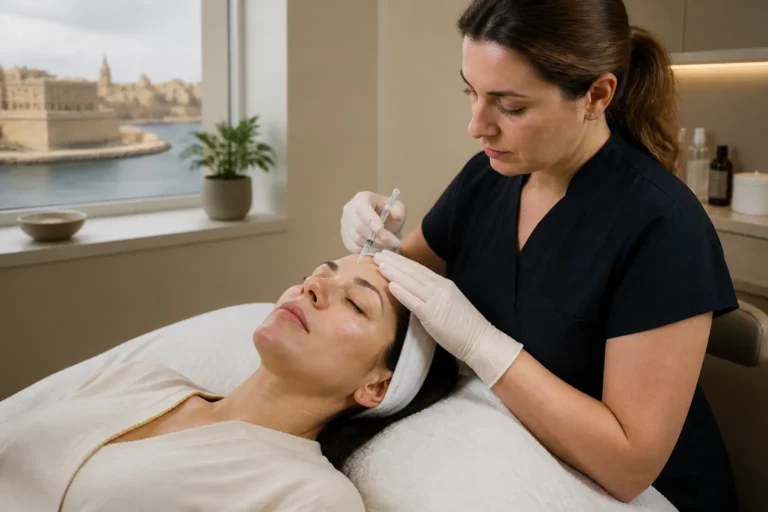
Online facial razors have made dermaplaning look simple, but technique and hygiene still matter. A professional appointment gives the practitioner an opportunity to look at the skin first, use appropriate single-use materials and adapt the service where needed. It also creates space to discuss whether dermaplaning is suitable that day.
This is especially helpful if you are unsure about combining dermaplaning with other facial services or your home routine. A recent chemical exfoliant, a sensitivity flare-up or an active breakout can change the right plan. Professional care is not about making the routine more complicated. It is about avoiding unnecessary irritation and choosing an approach that fits your current skin condition.
Dermaplaning Pro and Dermaplaning SPA at Becammo
Becammo offers Dermaplaning Pro and Dermaplaning SPA facial options. Both centre on the smoothing, superficial exfoliation benefits of dermaplaning, while the most suitable choice can depend on the experience you want and the condition of your skin on the day. During booking or at your visit, you can ask which option is more appropriate for your goals.
For clients in Sliema, Swieqi, St Julian’s, Valletta and nearby areas, a professional appointment is also an opportunity to ask practical questions about skincare timing, make-up plans and how to keep the routine comfortable afterwards.
A simple post-dermaplaning routine
There is no need to build a complicated recovery plan. A calm routine is often the most useful one.
- Cleanse gently. Avoid harsh rubbing, very hot water and abrasive cleansing tools.
- Moisturise. Use a product that you already know your skin tolerates well.
- Protect from the sun. Apply sunscreen during the day and reapply according to the product instructions and your exposure.
- Pause unnecessary exfoliation. Do not rush to add scrubs, peels or strong acids immediately afterwards.
- Observe your skin. A little temporary pinkness can occur, but ongoing discomfort, swelling or a worsening reaction deserves professional advice.
Malta’s bright conditions make sun protection a year-round habit rather than an occasional holiday step. If you are planning a beach day, outdoor event or long time in direct sun, mention it when booking so your appointment can be timed thoughtfully.
Conclusion
Dermaplaning can help skincare feel more effective because it removes superficial dead cells and fine facial hair, allowing products to apply more smoothly and evenly. What it does not do is guarantee deeper absorption or make every active ingredient appropriate for freshly exfoliated skin.
The most useful change is often the simplest one: a softer, smoother surface that supports comfortable moisturising and a more seamless make-up finish. If you would like to explore whether Dermaplaning Pro or Dermaplaning SPA suits your current routine, book with Becammo and ask the team about the best approach for your skin on the day.
Frequently asked questions
Will dermaplaning make my skincare work better?
It may help skincare spread more evenly and feel more comfortable on a smoother surface. Results still depend on the product formula, your skin condition and using products consistently and appropriately.
Can I use acids after dermaplaning?
It is best to be cautious with exfoliating acids after a session. Your skin may be more sensitive, so follow the aftercare advice given during your appointment and avoid combining exfoliating steps too quickly.
Should I apply more serum after dermaplaning?
No. More product is not automatically more helpful. Apply a sensible amount of a gentle, familiar product and focus on keeping the skin comfortable and moisturised.
Is dermaplaning suitable for sensitive skin?
It can depend on the cause and current level of sensitivity. If skin is irritated, sunburnt, actively breaking out or experiencing a flare-up, an assessment is important before proceeding.
Does dermaplaning remove peach fuzz?
Yes. Dermaplaning removes superficial vellus hair, commonly called peach fuzz, alongside loose dead skin cells on the surface of the face.
How soon can I wear make-up after dermaplaning?
Timing can depend on how your skin looks and feels after the appointment, as well as the advice provided by your practitioner. If you have an event planned, mention it when booking so you can plan your appointment with enough time.