Dermaplaning Pro or Dermaplaning SPA: How the Two Facial Appointments Differ
Brenda Cammo Team
Choosing between Dermaplaning Pro and Dermaplaning SPA should feel straightforward. Both appointments centre on dermaplaning: a professional exfoliation method designed to lift surface build-up and fine facial hair, leaving the skin feeling smoother and looking more even. At Becammo in Malta, the key confirmed differences are the appointment length and price: Dermaplaning Pro is listed as a 60-minute facial at €55, while Dermaplaning SPA is a 65-minute facial at €70.
That five-minute and €15 difference may matter less than choosing an appointment that suits your routine, skin comfort and desired facial experience. The most useful approach is to understand what dermaplaning does, what it does not promise, and which questions to ask before you book. This guide gives you a clear basis for deciding between Dermaplaning Pro and Dermaplaning SPA without assuming that every skin type, concern or aftercare plan is the same.
First: what is dermaplaning?
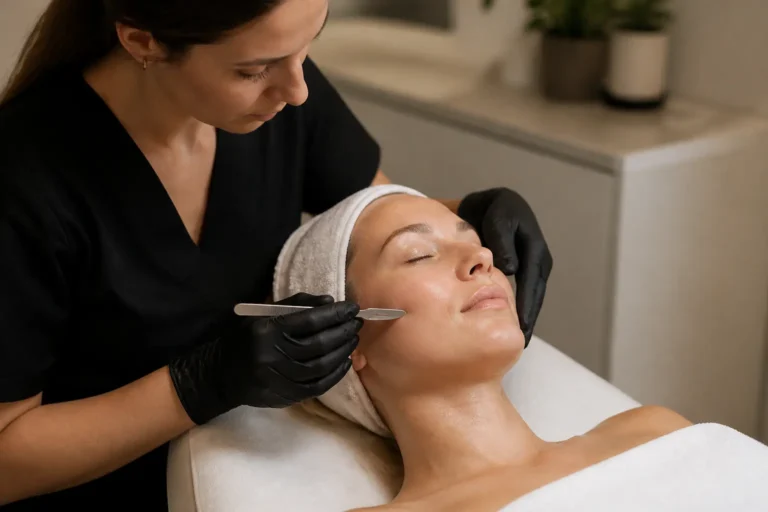
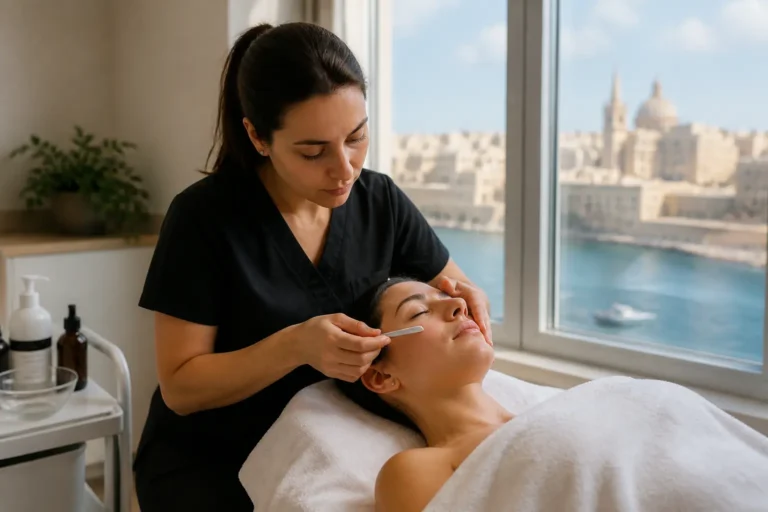
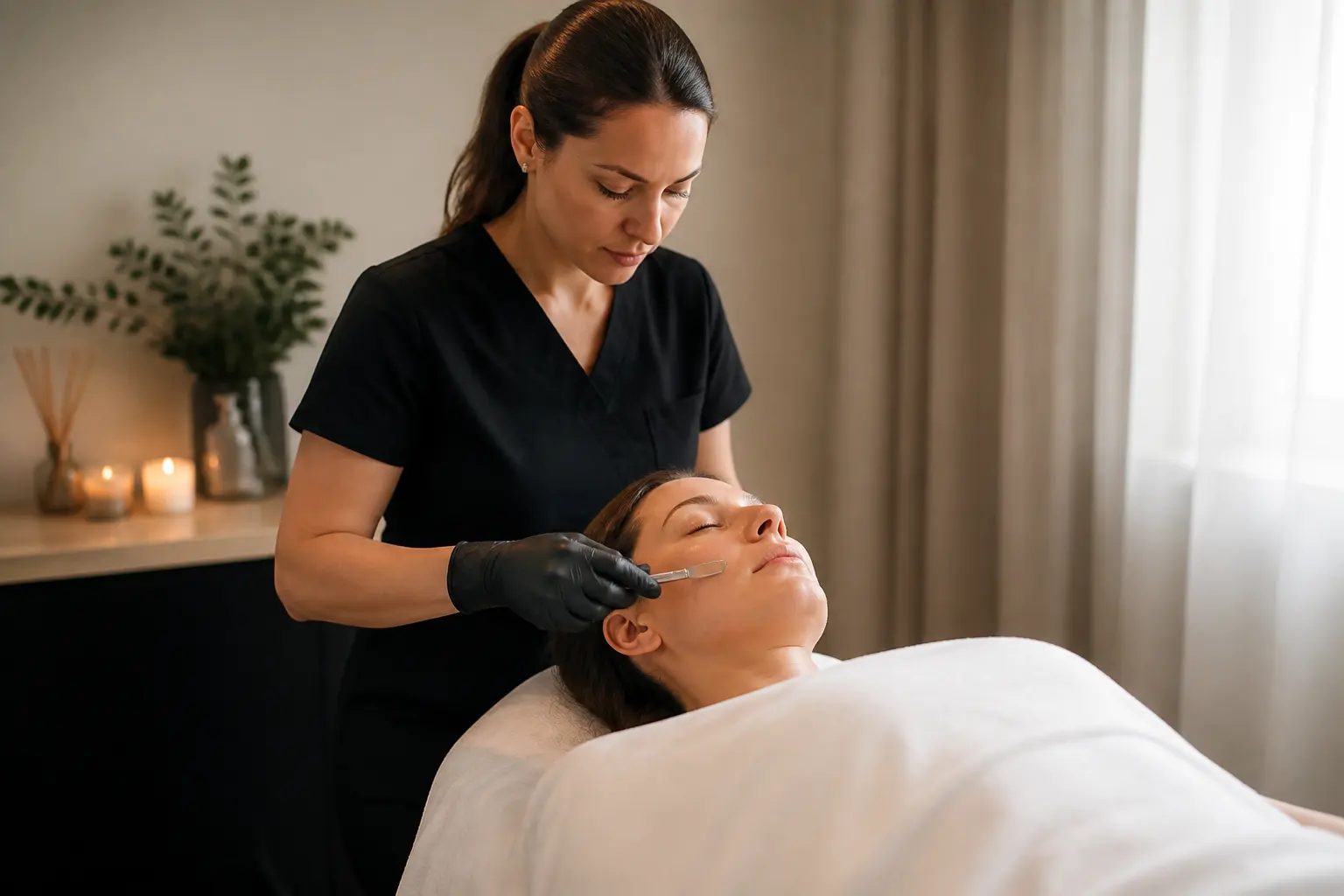
Dermaplaning is a form of manual facial exfoliation. A trained professional uses a specialised blade at a controlled angle to remove surface dead skin cells and very fine facial hair, often called peach fuzz. The goal is a smoother skin surface and a fresher-looking finish, rather than a medical intervention or a substitute for dermatological care.
Because it removes build-up at the surface, dermaplaning can help makeup sit more smoothly and can make a regular skincare routine feel more comfortable to apply. It does not change your natural hair-growth pattern, nor does it promise to resolve acne, pigmentation, scarring or any skin condition. If you have a persistent, painful or changing skin concern, it is best to seek advice from an appropriately qualified healthcare professional.
Reliable aftercare and a personalised assessment are part of a responsible approach. The Cleveland Clinic overview of dermaplaning notes that the procedure carries potential risks, including irritation, infection, scarring and changes in skin colour. This is why an honest conversation about your current skin condition, products and recent procedures matters before an appointment.
Dermaplaning Pro vs Dermaplaning SPA at a glance
At Becammo, both options are facial appointments based around dermaplaning. The publicly confirmed details are below.
| Appointment | Listed duration | Listed price | What this means when choosing |
|---|---|---|---|
| Dermaplaning Pro | 60 minutes | €55 | A focused one-hour dermaplaning appointment. |
| Dermaplaning SPA | 65 minutes | €70 | A dermaplaning appointment with five additional minutes and a different service format. |
It is important not to turn the names into claims that have not been confirmed. “SPA” does not automatically tell you which exact products, massage steps, masks or finishing elements are included. Likewise, “Pro” does not mean that it is a medical-grade procedure or that it will create a better result for every person. Service names are useful for booking, but your skin assessment and the appointment details are more important than the label alone.
The practical difference: time, price and experience
Dermaplaning Pro: a focused 60-minute option
Dermaplaning Pro is listed at 60 minutes and €55. It may be the more practical choice if you want to fit a facial appointment into a busy week, are new to professional dermaplaning and want a clear introduction to the process, or simply prefer the lower-priced option.
A 60-minute appointment still allows time for a considered service. Good facial care should not be rushed: the skin needs to be checked, the process explained, and aftercare discussed in language you can follow. If you are booking around work, travel or family plans, a one-hour appointment can also be easier to organise.
Choose Dermaplaning Pro when your priority is a streamlined, professional dermaplaning session and you would like to keep the appointment close to one hour.
Dermaplaning SPA: an extra five minutes and a different appointment format
Dermaplaning SPA is listed at 65 minutes and €70. The extra time may suit someone who prefers a slightly longer facial appointment and wants to ask for the full service outline before booking. It can be a sensible option when you are planning the appointment as dedicated self-care time rather than a quick addition to your diary.
However, the name alone should not lead you to assume a particular sensory or skincare experience. If the distinction between the two services is important to you, ask the studio what is included in each appointment at the time of booking. This helps you make a choice based on current service information, rather than expectations created by a name.
Choose Dermaplaning SPA when you would value the longer listed appointment and are comfortable with the €15 difference, especially after confirming the current format with the studio.
What both appointments have in common
Whichever option you select, the central purpose is the same: controlled surface exfoliation through dermaplaning. It is reasonable to expect a professional conversation about your skin and clear guidance for the period after the facial. Your result can vary according to factors such as sensitivity, your home routine, recent sun exposure and the condition of the skin on the day.
At Becammo, care is guided by documented hygiene, client consultation and post-procedure guidance. This is particularly relevant for facial services because skin is personal: what feels comfortable for one person can be too stimulating for another. A tailored approach is more useful than applying one standard expectation to every face.
Both choices also benefit from realistic expectations. Immediately after exfoliation, skin may feel softer and look brighter. Yet dermaplaning is not a permanent change, and it does not make facial hair grow back thicker or darker. The hair that returns grows according to its usual biological cycle; removing it at the surface does not alter the follicle.
Who may want to pause and ask for an assessment first?
Dermaplaning is not automatically suitable at every moment. Before booking either appointment, tell the studio if you have active irritation, broken skin, a sunburn, a current flare-up of a skin condition, a recent facial procedure or a product routine that has made your skin unusually reactive. This information supports a safer decision about whether to proceed, postpone or seek medical advice.
Be especially open about strong exfoliating products, retinoids, recent peels, waxing in the area, or any prescription skincare. Do not stop prescribed medication solely for a beauty appointment; consult the clinician who prescribed it if you are unsure. The aim is not to create a long list of restrictions, but to avoid placing unnecessary stress on skin that already needs time to settle.
The Cleveland Clinic’s guidance on dermaplaning also highlights temporary irritation and the importance of moisturising and using sunscreen afterwards. A professional appointment is not the same as using a razor at home, but gentle aftercare remains a sensible principle.
How to prepare for Dermaplaning Pro or SPA
Preparation does not need to be complicated. The goal is to arrive with the clearest possible picture of your skin and to avoid adding avoidable irritation before your appointment.
- Arrive with clean skin where possible, especially if you use long-wear makeup or heavy base products.
- Tell your practitioner about sensitivity, allergies, recent procedures and skincare products that have caused dryness, stinging or peeling.
- Avoid experimenting with a new active product immediately before your appointment.
- Protect your skin from excessive sun exposure in the days beforehand, as sun-stressed skin may be more reactive.
- Ask any questions you have before the appointment starts, including what is included in the Pro or SPA format.
There is no benefit in hiding details because you worry they may delay your appointment. A good consultation is designed to help the practitioner adapt care responsibly. Sometimes the best beauty decision is to wait until the skin barrier feels calmer.
Aftercare: keep the routine calm and protective
After dermaplaning, think gentle rather than intensive. Freshly exfoliated skin may be more sensitive to friction, heat and strong products. Your practitioner should give guidance tailored to your appointment, but these general principles can help you plan ahead.
- Use a gentle cleanser and avoid scrubbing the skin.
- Apply a simple moisturiser that feels comfortable for your skin.
- Use broad-spectrum sunscreen during the day and reapply when appropriate for your time outdoors.
- Pause harsh exfoliants or products that sting until your skin has settled, unless a qualified clinician has advised otherwise.
- Avoid picking, rubbing or testing multiple new products straight after the facial.
- Contact an appropriate healthcare professional if you experience a concerning reaction or symptoms that worsen rather than improve.
Sun protection deserves particular attention in Malta, where bright conditions are common for much of the year. The American Academy of Dermatology recommends applying sunscreen to uncovered skin and explains that ultraviolet exposure can contribute to visible signs of skin ageing and skin damage. For a dermaplaning client, sunscreen is not an optional finishing touch; it is a practical part of caring for freshly exfoliated skin.
Which appointment should you book?
There is no universal winner between Dermaplaning Pro and Dermaplaning SPA. The best choice is the one that matches your available time, budget and expectations.
- Book Dermaplaning Pro if you want the focused 60-minute option at €55 and prefer a straightforward appointment.
- Book Dermaplaning SPA if you would like the longer 65-minute slot at €70 and want to confirm the current SPA appointment format before you attend.
- Request clarification before booking if your decision depends on the specific products or steps included. It is always better to ask than to assume.
- Postpone and seek guidance if your skin is actively inflamed, damaged, unusually sensitive or you are unsure how a current medical or skincare situation may affect the appointment.
For many clients, the deciding factor will be simple: whether five additional minutes and the different service format are worth the additional €15. For others, skin comfort and a clear consultation will matter far more. Both are valid priorities.
Conclusion
Dermaplaning Pro and Dermaplaning SPA share the same core purpose: a professional dermaplaning facial aimed at a smoother, refreshed-looking surface. The confirmed differences are clear: Dermaplaning Pro is 60 minutes and €55, while Dermaplaning SPA is 65 minutes and €70. Beyond that, it is wise to confirm the current service details rather than relying on the appointment name alone.
If you are ready to choose, book the option that best fits your routine and use the booking process to select the most convenient Becammo location in Sliema or Swieqi. A short conversation about your skin, expectations and aftercare can make your facial appointment feel far more personalised from the start.
Frequently asked questions
Does Dermaplaning SPA include more than Dermaplaning Pro?
The confirmed public differences are the listed duration and price: Dermaplaning SPA is 65 minutes and €70, while Dermaplaning Pro is 60 minutes and €55. Ask the studio for the current appointment outline if you want to know the exact steps or products included.
Will dermaplaning make facial hair grow back thicker?
No. Dermaplaning removes hair at the surface of the skin and does not change the hair follicle. Regrowth follows your natural pattern.
Can I wear makeup after dermaplaning?
Your practitioner can advise based on how your skin looks and feels after the appointment. In general, allowing the skin to stay clean and following a gentle aftercare routine can be more comfortable than applying heavy makeup immediately.
How often should I have dermaplaning?
The right interval varies. It depends on your skin condition, sensitivity, home routine and how your skin responds after each appointment. Ask for personalised guidance rather than following a fixed schedule.
Should I book dermaplaning if I have irritated or broken skin?
Tell the studio before booking or attending. Active irritation, broken skin or a recent reaction may mean it is better to delay the appointment or seek advice from an appropriate healthcare professional.