Dermaplaning for Mature Skin: Texture, Fine Lines and Care
Brenda Cammo Team
Mature skin often needs a more thoughtful approach to exfoliation. You may want a smoother make-up base, less visible dry texture or a fresher-looking complexion, but you may also be aware that your skin feels drier, thinner or more reactive than it once did. That is where professional dermaplaning can be worth considering.
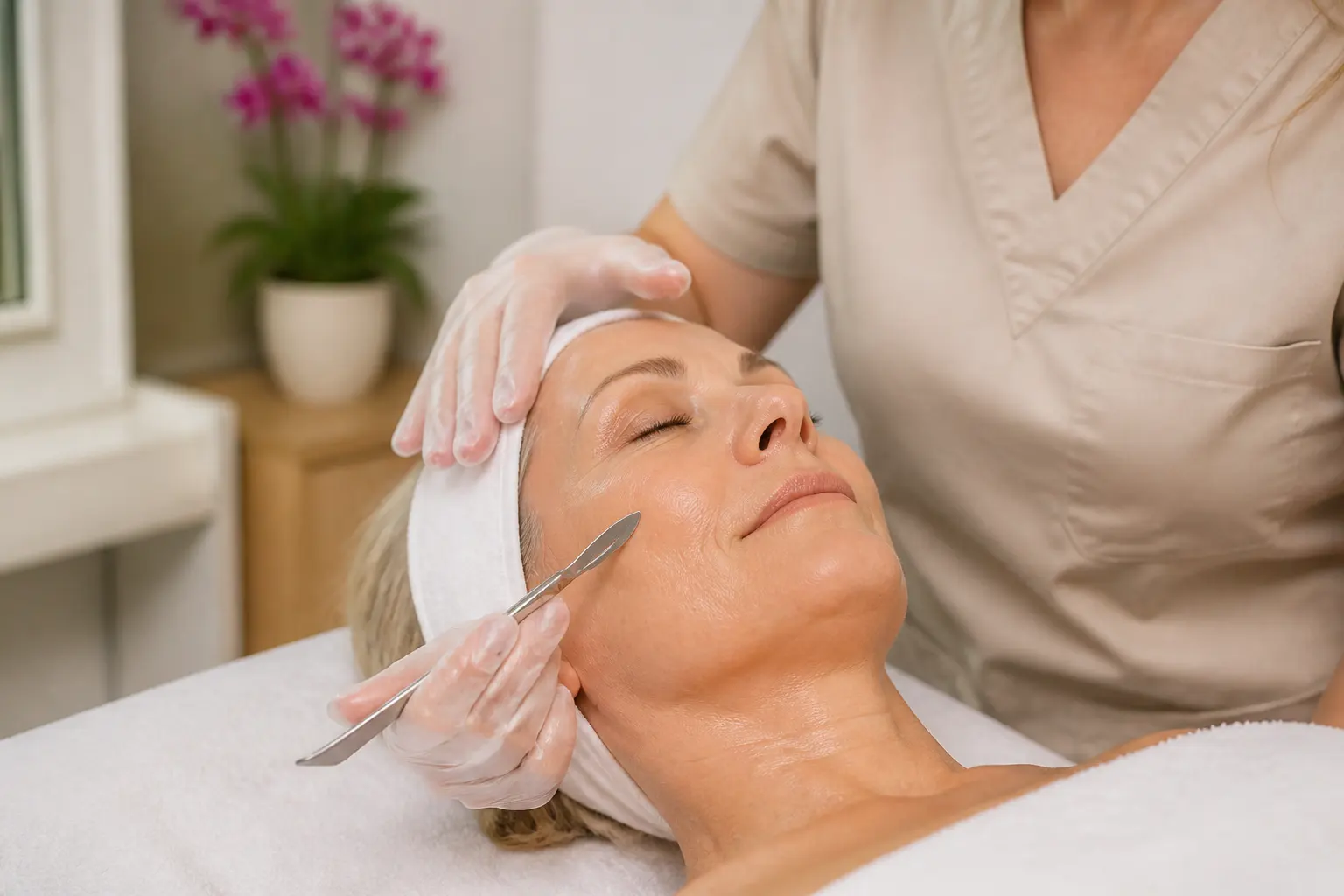
Dermaplaning is a cosmetic exfoliation technique that uses a sterile blade at a controlled angle to lift surface build-up of dead skin cells and remove fine facial hair. For the right person, it can leave the skin feeling exceptionally smooth and make fine lines look temporarily softer because dry, uneven surface texture is no longer catching the light in the same way. It is not a procedure that removes wrinkles, changes facial structure or stops skin ageing. It is best understood as a polished reset for the skin’s surface.
At a professional studio, the important question is not simply whether dermaplaning is suitable for mature skin. It is whether it is suitable for your skin on the day of your appointment. A careful consultation, gentle technique and appropriate aftercare make a meaningful difference to the experience.
Why skin texture can change with age
As skin matures, it can become more prone to dryness and irritation, and may lose moisture more easily. Fine lines can therefore look more noticeable when the surface is dehydrated or when make-up settles unevenly around them. The American Academy of Dermatology notes that moisturising helps trap water in the skin, which can reduce the appearance of some fine lines and make the complexion look brighter. American Academy of Dermatology guidance on wrinkle care (aad.org)
Texture is not only about wrinkles. It may include small areas of flakiness, a dull-looking surface, make-up that seems to cling in certain areas, or fine vellus hair that changes how foundation sits. These are separate concerns, but they can combine to make skin look less even than it feels.
Dermaplaning works at the surface level. By gently removing superficial dead cells and peach fuzz, it can create a smoother canvas. This can be particularly appealing when your aim is a refined, well-rested appearance rather than a dramatic change.
What dermaplaning can do for mature skin
A professional dermaplaning appointment is designed to focus on surface smoothness. The blade is moved carefully across prepared skin to lift the outermost build-up and fine facial hair. It is a controlled exfoliation process, not ordinary shaving at home.
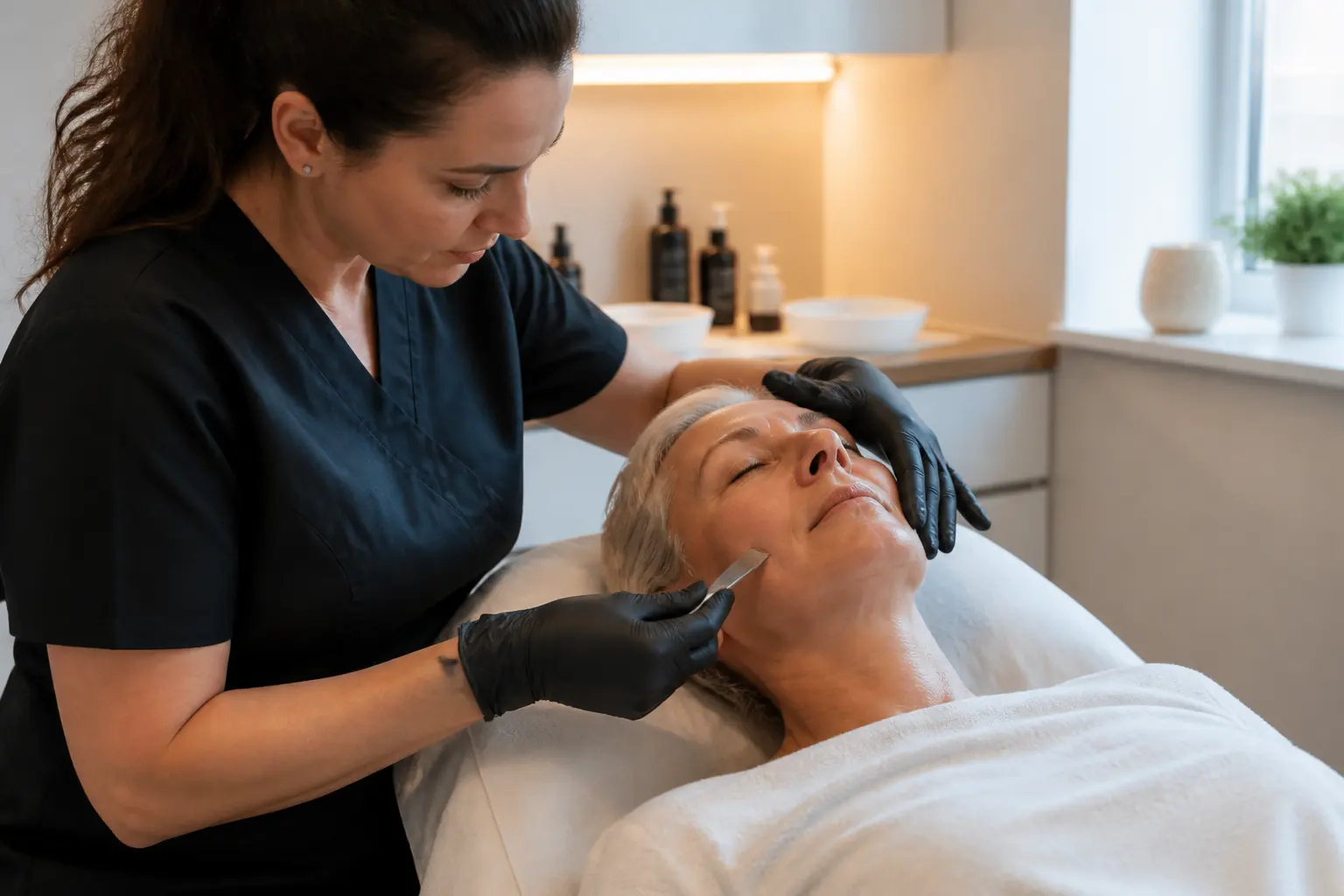
For mature skin, the most noticeable benefits are often practical:
- A smoother feel: Skin may feel softer because surface roughness and loose dead skin cells have been lifted away.
- A more even-looking finish: Light can reflect more evenly from a smoother surface, helping the complexion appear fresher.
- Fine lines that look less pronounced: Fine lines caused or emphasised by dryness and uneven texture can look softer immediately afterwards. This is a visual effect, not the removal of the line itself.
- More polished make-up application: Foundation and complexion products may glide on more evenly, particularly where peach fuzz or dry patches had affected the finish.
- A simpler skincare moment: With surface build-up reduced, some clients find their usual hydrating products feel easier to apply. This does not mean every product is appropriate immediately after exfoliation.
Dermaplaning is commonly described as a procedure that may reduce the appearance of dullness, fine lines and superficial imperfections by removing the uppermost skin layers. It does not halt the ageing process, and results should be viewed as cosmetic and temporary. Cleveland Clinic’s dermaplaning overview (my.clevelandclinic.org)
What it cannot do, and why realistic expectations matter
Dermaplaning can be a lovely choice when your concern is surface texture. However, mature skin may also have deeper lines, loss of firmness, pigmentation, visible blood vessels or changes related to sun exposure. These concerns are not all addressed by a surface exfoliation service.
A good result is not about making mature skin look like somebody else’s skin. It is about supporting a smoother, comfortable and more luminous finish while respecting its natural character. Deep wrinkles will still be present. Significant sagging will not be lifted. Dark marks and uneven tone may need a different skincare strategy and, where appropriate, advice from a qualified medical professional.
This distinction is useful before booking. If you are looking for a smoother complexion and a better make-up base for an occasion, dermaplaning may fit well. If you are looking to address a long-standing skin concern that is changing, painful, bleeding or otherwise worrying, book an appointment with a dermatologist or doctor rather than relying on a cosmetic facial.
How a professional dermaplaning session should be approached
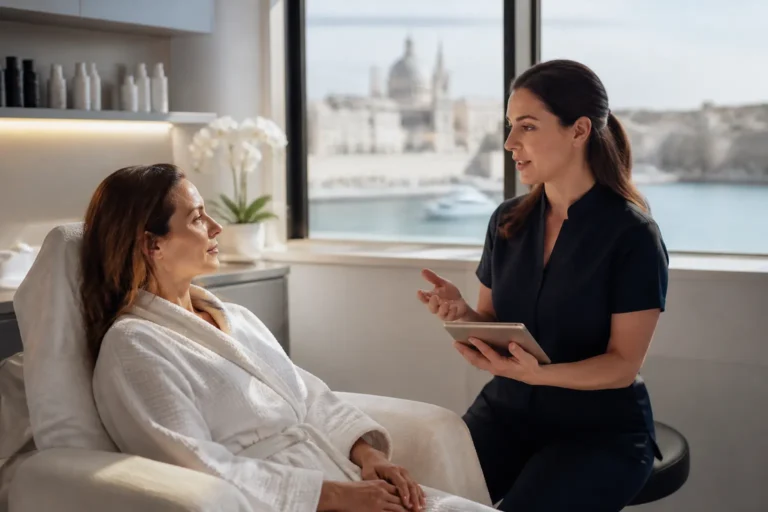
Mature skin is not one skin type. Some people experience dryness, while others still have oiliness or congestion. Some are comfortable using active skincare, while others react easily to fragrance, acids or new products. This is why the appointment should begin with questions, not assumptions.
1. A skin-focused consultation
Before beginning, your therapist should ask about your current skincare routine, recent exfoliation, skin sensitivity and any active irritation. Be open about retinoids, exfoliating acids, facial waxing, recent peels and any professional treatments you have had. This helps the therapist decide whether to proceed, adjust the service or recommend waiting.
2. Careful preparation
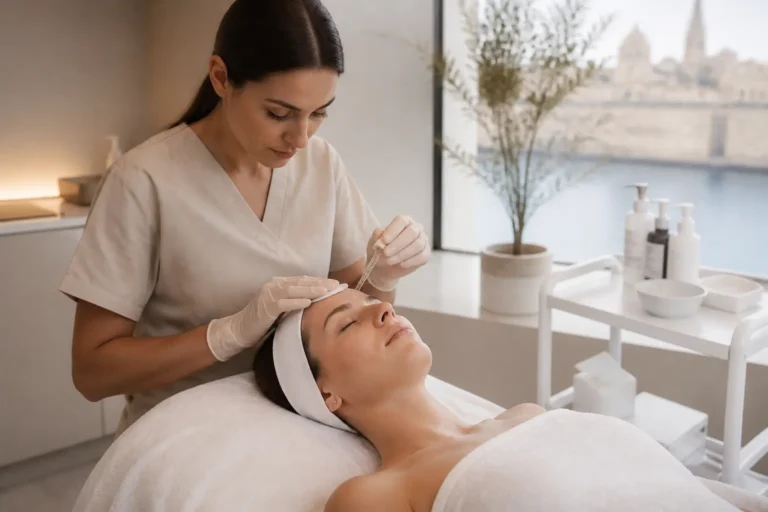
Skin should be clean and assessed before the blade is used. A professional service should use hygienic, single-use materials where appropriate and follow a calm, methodical process. At Becammo, the focus is always on a personalised studio experience rather than rushing through a one-size-fits-all facial step.
3. Controlled exfoliation
The technique requires a light hand and attention to the skin’s condition. The aim is not aggressive scraping. It is to gently refine the outer surface. This is especially relevant when skin feels dry or delicate, because over-exfoliation can leave it uncomfortable rather than glowing.
4. Comforting finishing care
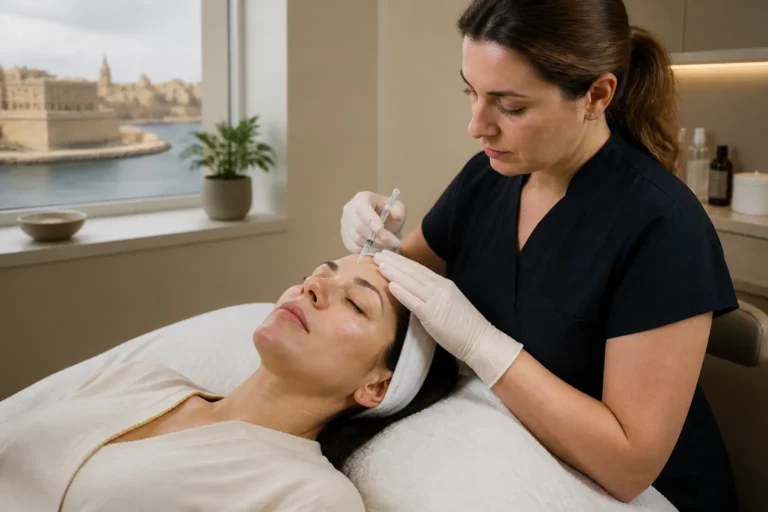
After dermaplaning, the skin benefits from a simple, soothing finish that supports comfort. Your therapist can advise what to use and what to pause at home. This is the moment to prioritise moisture, gentle cleansing and sun protection, rather than testing a strong new product.
Is dermaplaning suitable for every mature skin concern?
No. A professional assessment matters because timing can be as important as the treatment itself. Dermaplaning may need to be postponed if your skin has an active flare-up, open areas, sunburn, pronounced irritation or a compromised barrier. If you have a diagnosed skin condition, are under medical care for your skin, or are unsure whether your products are making your skin sensitive, seek tailored advice before booking.
It is also sensible to take extra care if you have recently used strong exfoliating products. Combining multiple exfoliation methods too closely together can make skin feel tender and reactive. The skin does not need to be pushed to look polished.
For older skin, gentleness is not a compromise. It is the principle that helps the result look elegant and feel comfortable.
Dermaplaning and fine lines: what the mirror may show
The phrase “softening fine lines” can be misunderstood. Dermaplaning does not fill lines or change the processes that cause them. What it can do is remove the dry, uneven surface layer that may make fine lines look sharper, particularly under foundation, powder or bright lighting.
Think of it like preparing fabric before applying make-up. When the surface is smoother, products can sit more evenly. The same face is still there, with the same expressions and features, but the finish may look more refined.
Daily habits continue to matter long after the appointment. Dermatologists recommend broad-spectrum sunscreen with SPF 30 or higher as part of reducing premature visible skin ageing. Moisturiser and gentle cleansing are also important, especially as skin becomes drier with age. American Academy of Dermatology advice for skin in your 40s and 50s (aad.org)
Preparing for your dermaplaning appointment
A little preparation can help your skin arrive in its best possible condition. Your exact guidance should come from the studio, based on your routine and skin assessment, but these general principles are useful.
- Do not book when your skin is sunburnt, visibly irritated or recovering from a reaction.
- Tell your therapist about retinoids, acids, scrubs and any other exfoliating products you use.
- Avoid experimenting with a new active product immediately before the appointment.
- Arrive without feeling you need to hide your skin concerns. A clear view of your skin helps the consultation.
- If you are booking before an important event, allow time for your skin to settle and ask the studio for personalised scheduling guidance.
Dermaplaning can cause temporary redness or tenderness, and every person’s recovery experience is different. This is another reason a last-minute booking before photographs, travel or a major celebration is not always ideal. Cleveland Clinic notes possible short-term redness and sensitivity after dermaplaning (my.clevelandclinic.org)
Aftercare for a smooth, comfortable finish
Aftercare is where a polished result is protected. Your skin has just been exfoliated, so the simplest routine is usually the most sensible one.
Keep cleansing gentle
Use a mild cleanser and lukewarm water. Avoid scrubbing, cleansing brushes or rough towels. Pat your face dry rather than rubbing it.
Prioritise hydration
Choose uncomplicated, comfortable moisturising products that your skin already tolerates well. Mature skin can be more prone to dryness, so supporting moisture is especially valuable after an exfoliation-focused facial.
Be cautious with active products
Do not rush straight back to strong acids, scrubs or retinoid products without the guidance given at your appointment. A careful pause gives your skin time to feel settled.
Wear sunscreen consistently
Sun protection is essential after exfoliation and remains one of the most useful everyday habits for visible skin ageing. Apply sunscreen generously as part of your morning routine and follow the product directions for reapplication when you are outdoors.
Professional dermaplaning versus doing it yourself
At-home facial razors are widely available, but they are not a replacement for a professional service. A clinic or studio appointment includes skin assessment, controlled technique, hygiene procedures and aftercare guidance. These details are particularly important if your skin has become more sensitive or unpredictable over time.
At-home dermaplaning can lead to nicks, irritation or overdoing exfoliation, especially when someone tries to treat areas that need a more cautious approach. Cleveland Clinic advises avoiding at-home dermaplaning during eczema flare-ups or other active skin issues, and notes that doing it too frequently can damage the skin. Cleveland Clinic advice on dermaplaning at home (health.clevelandclinic.org)
If you value the smooth finish but do not want to guess about tools, pressure or product timing, professional dermaplaning is the more considered option.
Choosing dermaplaning as part of your skincare routine
Dermaplaning works best when it is treated as one part of a balanced routine, not as a solution to every concern. The right frequency depends on your skin’s response, the rest of your routine and your personal goals. Booking too often simply because you enjoy the immediate smoothness is not necessarily better for your skin.
At Becammo, Dermaplaning Pro and Dermaplaning SPA are available for clients who want a professional facial experience centred on a refined, smooth complexion. During your visit, ask which option is most appropriate for your skin and how to schedule it around your home skincare, sun exposure and other beauty appointments.
For mature skin, the best result is often subtle: a smoother touch, softer-looking texture and make-up that sits beautifully without asking your skin to become something it is not. If that is your goal, book a dermaplaning appointment at Becammo in Sliema or Swieqi and let the team guide you through a skin-first approach.
Frequently asked questions
Can dermaplaning remove deep wrinkles?
No. Dermaplaning is a surface exfoliation treatment. It may make fine lines look less noticeable when dry texture is reduced, but it does not remove deep wrinkles or stop natural skin ageing.
Will dermaplaning make mature skin thinner?
A professionally performed session is intended to lift superficial dead skin cells and fine hair, not to thin healthy skin. However, mature skin can be more sensitive, so an individual assessment and suitable spacing between exfoliating treatments are important.
Does dermaplaning remove facial hair permanently?
No. It removes fine facial hair temporarily. It does not change the hair follicle, and it does not make the hair grow back thicker.
Can I wear make-up after dermaplaning?
Many people enjoy a smoother make-up finish after dermaplaning, but follow the aftercare advice given at your appointment. If your skin is red or feels sensitive, keeping it simple and allowing it to settle may be more comfortable.
Should I book dermaplaning if my skin is dry?
Possibly, but it depends on the degree of dryness and whether your skin is irritated or compromised. Share your concerns during the consultation so the therapist can advise whether the treatment is suitable that day.
How do I know whether Dermaplaning Pro or Dermaplaning SPA is right for me?
Your best option depends on your skin condition, comfort preferences and facial goals. Book your preferred Becammo location, Sliema or Swieqi, and ask the team for guidance before your session.