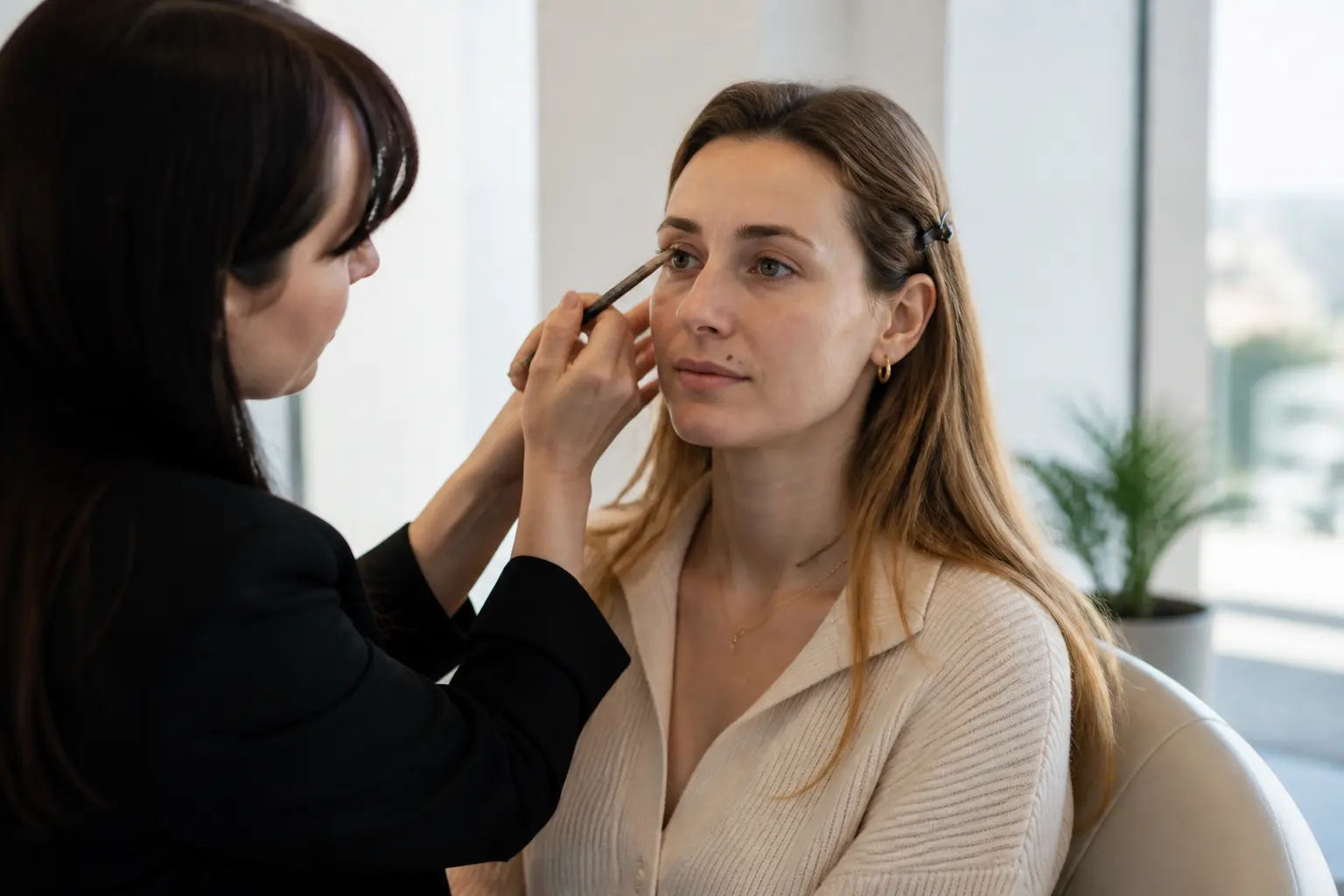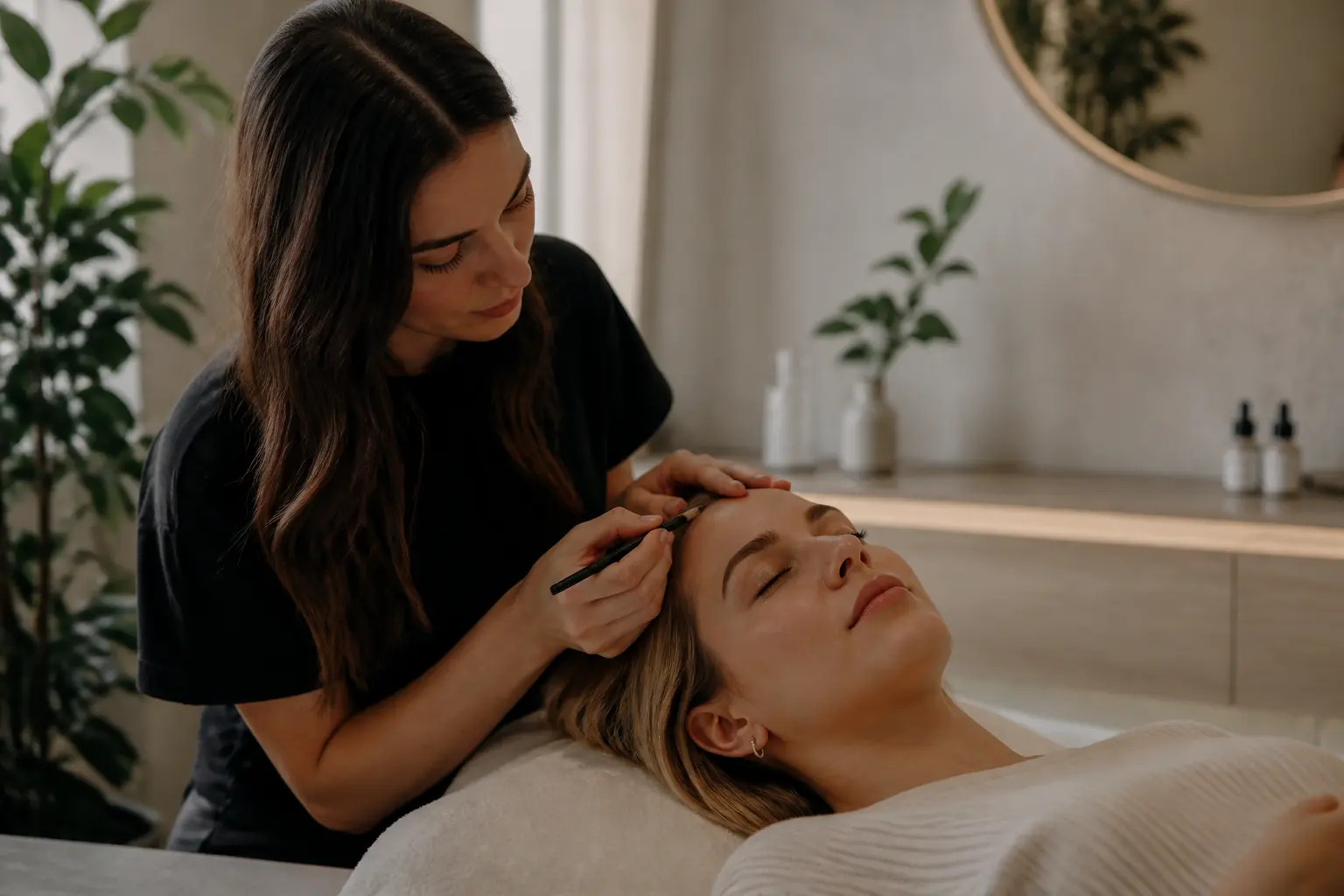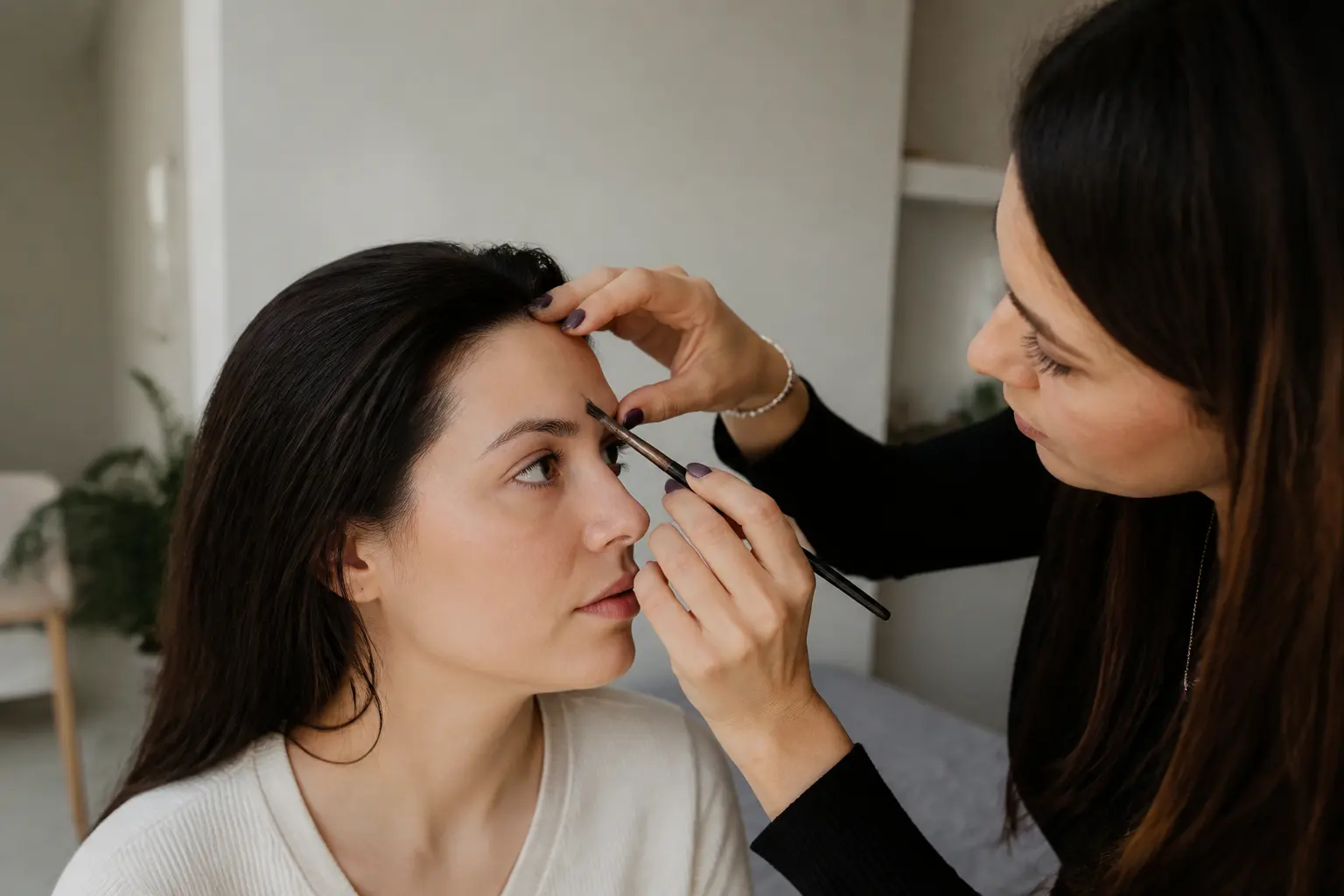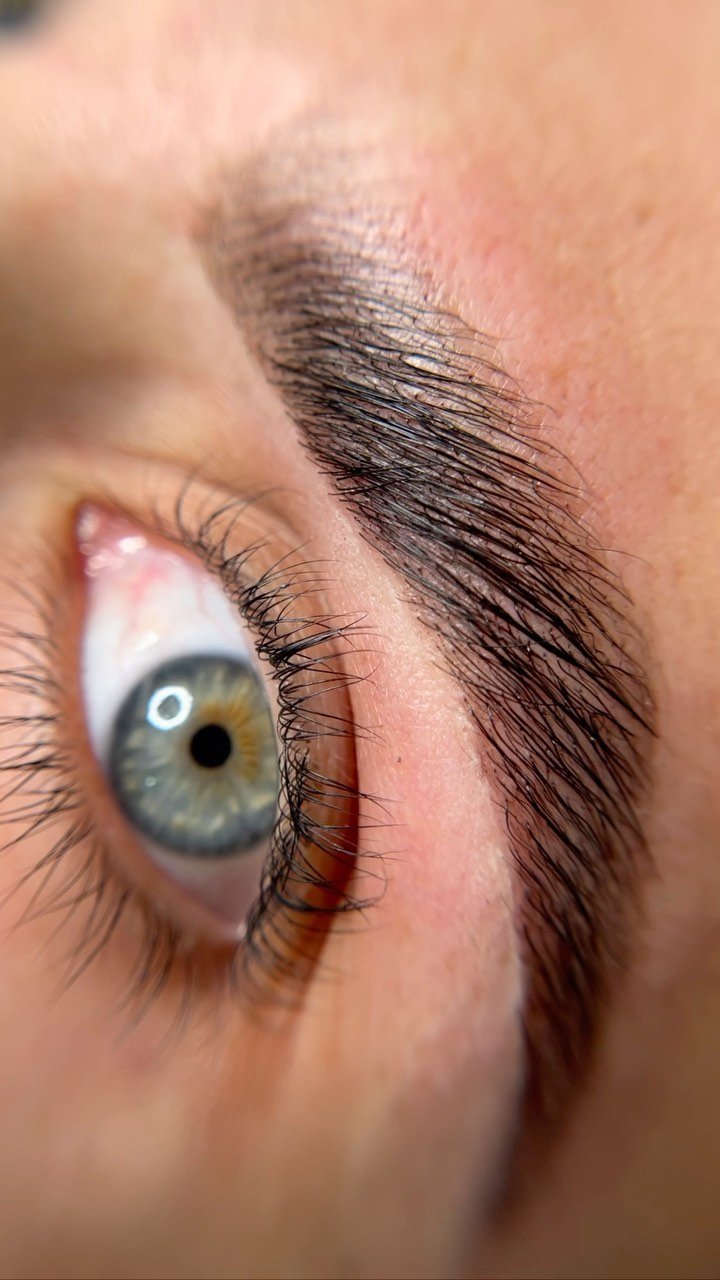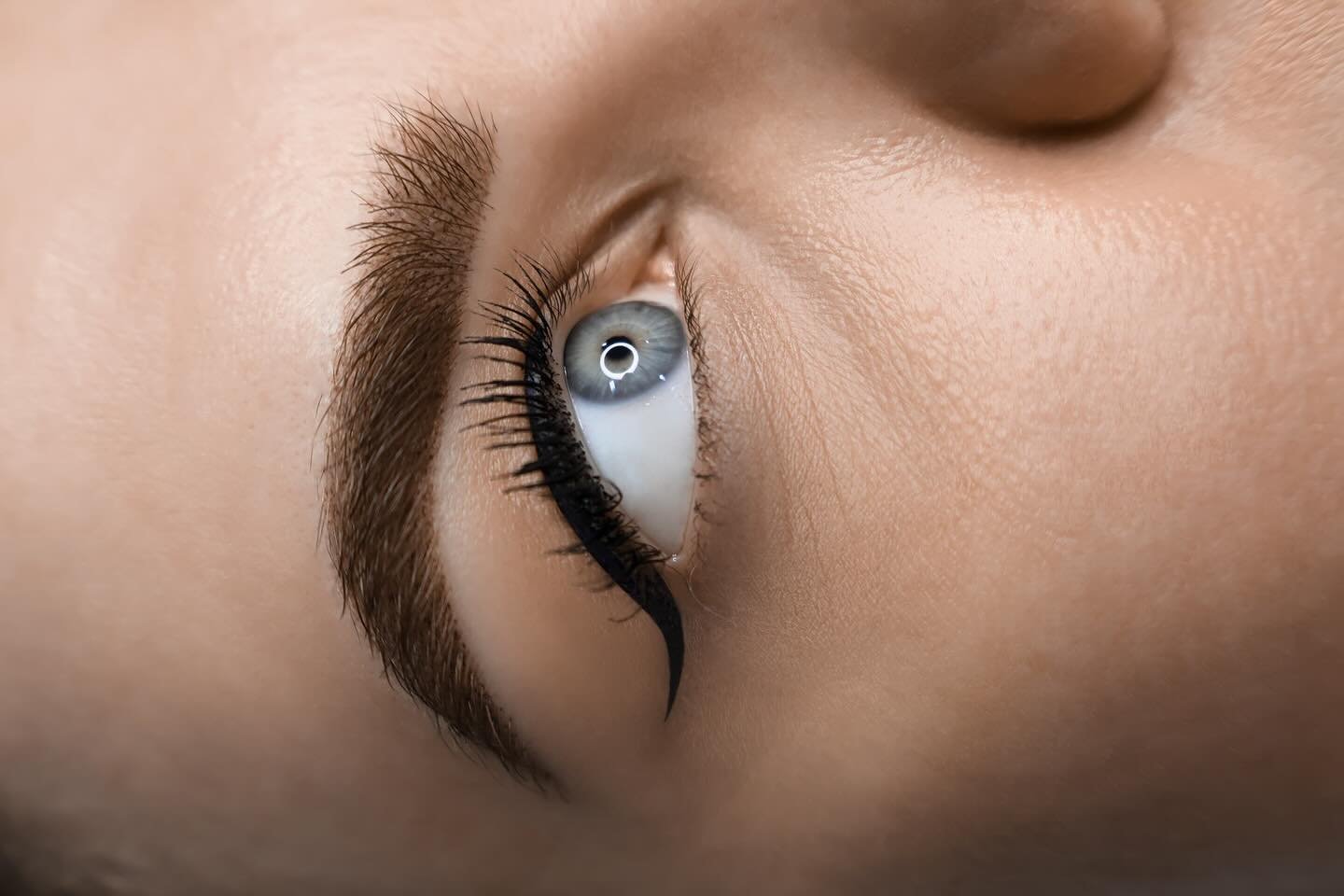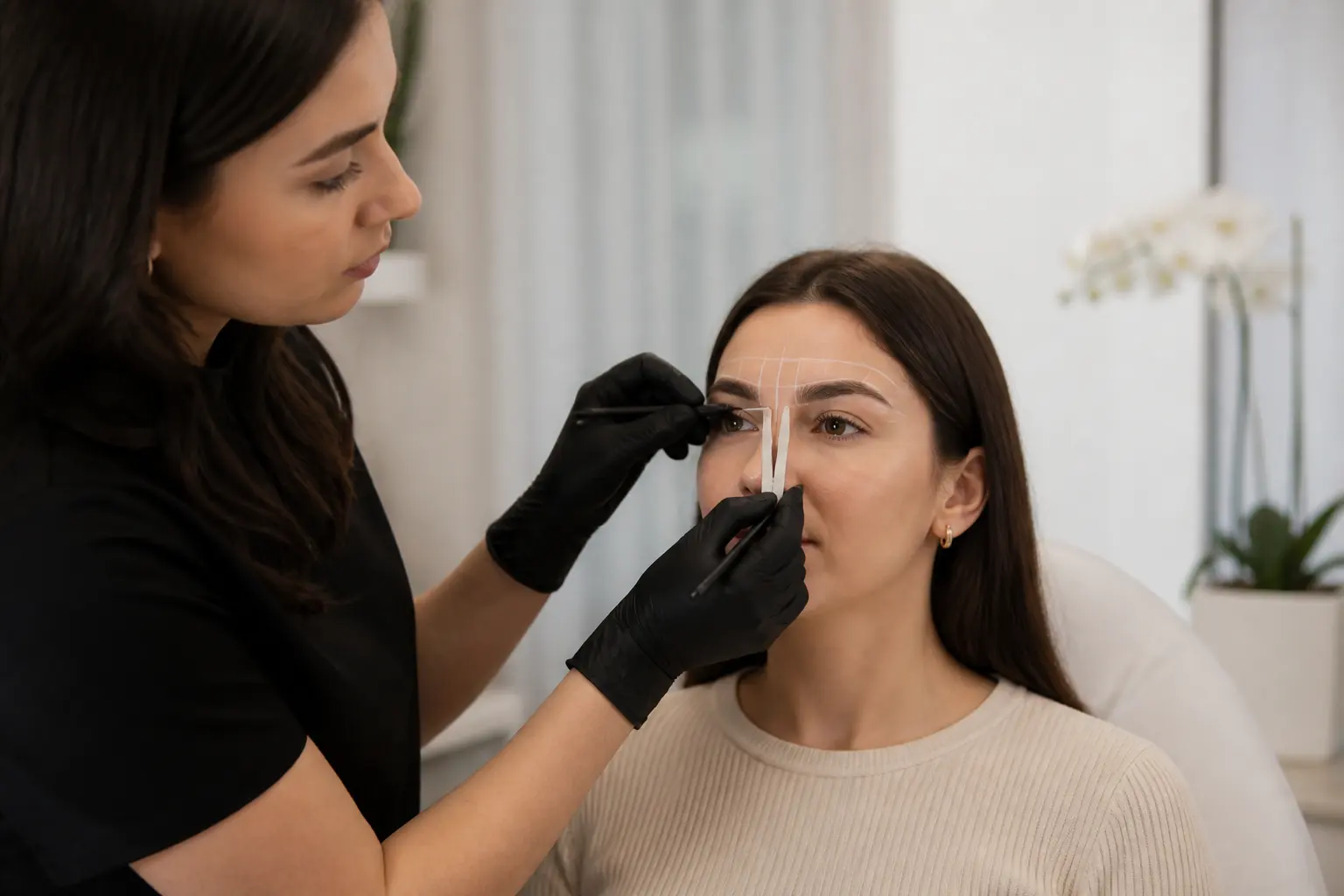
Brow mapping uses facial reference points to assess where each brow naturally begins, so the space between the brows is planned in context rather than to a fixed measurement. If brows look too close, threading can remove the central hairs gradually; if they look too far apart, removing more hair will only widen the gap, so the focus shifts to preserving the inner brow hairs.
The space between your eyebrows can have a noticeable effect on how balanced your brow area looks. Some people feel their brows appear too close together, while others feel there is a large gap at the centre of the face. Brow mapping can help guide this part of a design conversation, but it is not about making every face follow one fixed measurement.
A thoughtful brow mapping appointment considers your natural hair growth, facial proportions, brow density, preferred level of definition and everyday style. The centre space is one detail within that wider picture. During eyebrow threading and design, the aim is to create a clean, considered shape while respecting the brow hair you have and avoiding an unnecessarily dramatic change.
What is the space between the brows called?
The area between the eyebrows is often referred to as the glabella. In an eyebrow design conversation, it is simply the central area where one brow ends and the other begins.
This area matters because it helps define the starting point of each eyebrow. If the start of the brows is unclear, overgrown or uneven, the whole brow shape may look less structured. On the other hand, removing too much hair from this central area can make brows look farther apart than intended or leave the design feeling disconnected from the rest of the face.
Brow mapping gives the artist a practical way to assess where each brow may begin in relation to the face. It is a guide for making careful choices, not a formula that replaces individual judgement.
How does brow mapping approach the centre of the face?
Brow mapping is the process of using facial reference points to plan the beginning, arch and tail of the eyebrows. It helps create a design that works with the client’s own facial features rather than copying a trend or another person’s brow shape.
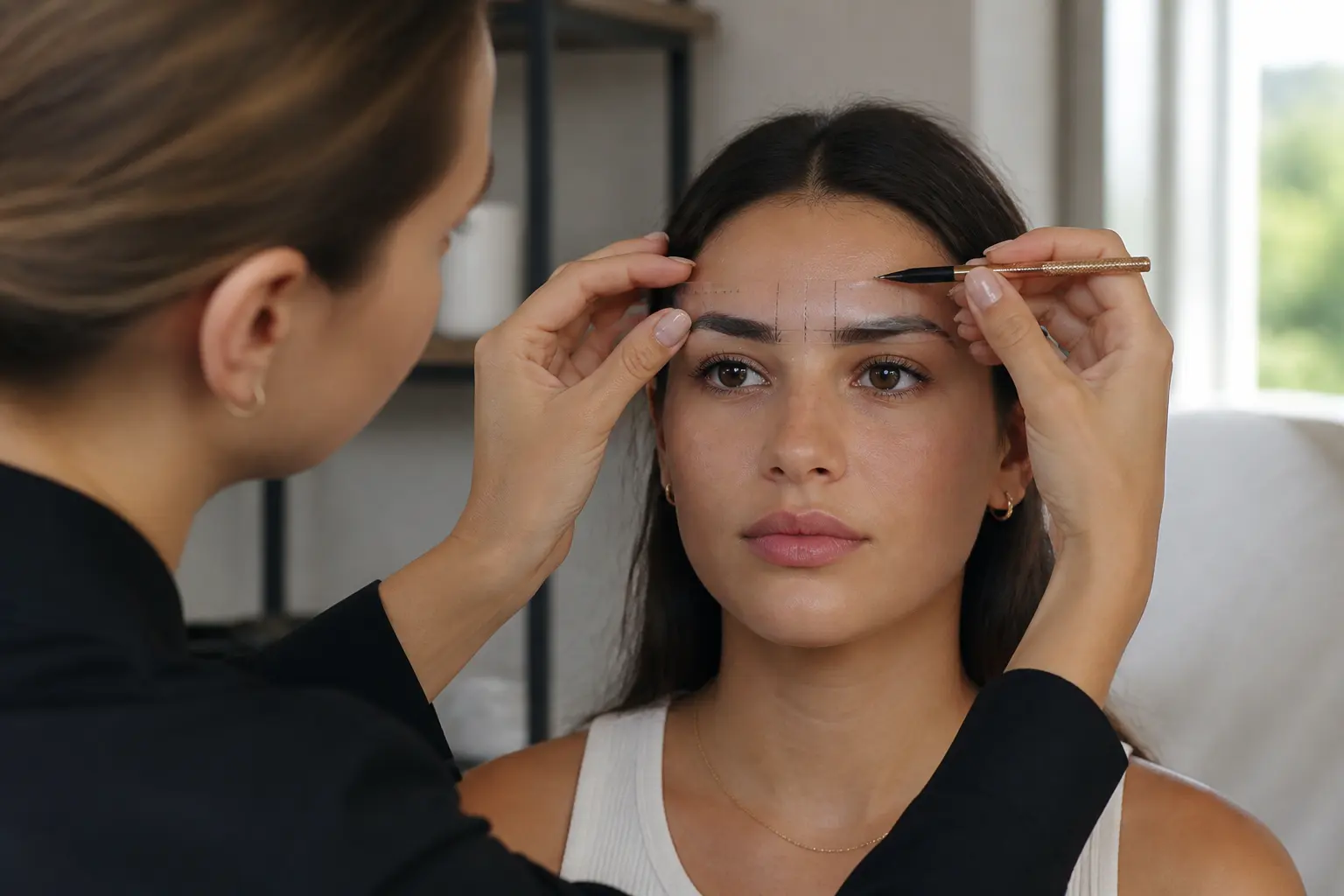
When considering the space between the brows, an artist may look at how the inner corners relate to the nose, eyes and natural brow roots. The purpose is to understand where the brows already begin, whether both sides have similar placement, and how much hair—if any—needs to be removed for a tidier result.
In a threading appointment, this assessment can be especially useful because threading allows precise removal of individual lines of unwanted hair. The hair in the centre can be refined gradually, which supports a measured approach rather than taking away more than necessary.
Natural growth comes first
The natural start of each brow is an important reference. Some people have strong, dense growth through the centre, while others naturally have a wider gap. Neither pattern is inherently wrong. It simply affects the design conversation.
If there is hair connecting or nearly connecting the brows, a client may want a clearer separation. If the brows are naturally far apart, the appointment may focus on shaping the existing brows rather than trying to create the illusion of a completely different starting point.
A personalised design does not need to erase natural character. It should clarify the brow shape in a way that feels comfortable for the person wearing it.
Symmetry is considered, not imposed
Human faces are naturally asymmetrical. One brow may begin slightly differently, grow more densely or sit at a subtly different height from the other. Brow mapping can reveal these differences before hair is removed.
That does not mean both brows should be made identical. Attempting to force identical brows can lead to over-removal, particularly at the inner starts. A more realistic goal is visual balance: brows that work together while still respecting the natural features and growth patterns on each side.
At BeCammo · Sliema · Swieqi
Eyebrow threading in Malta
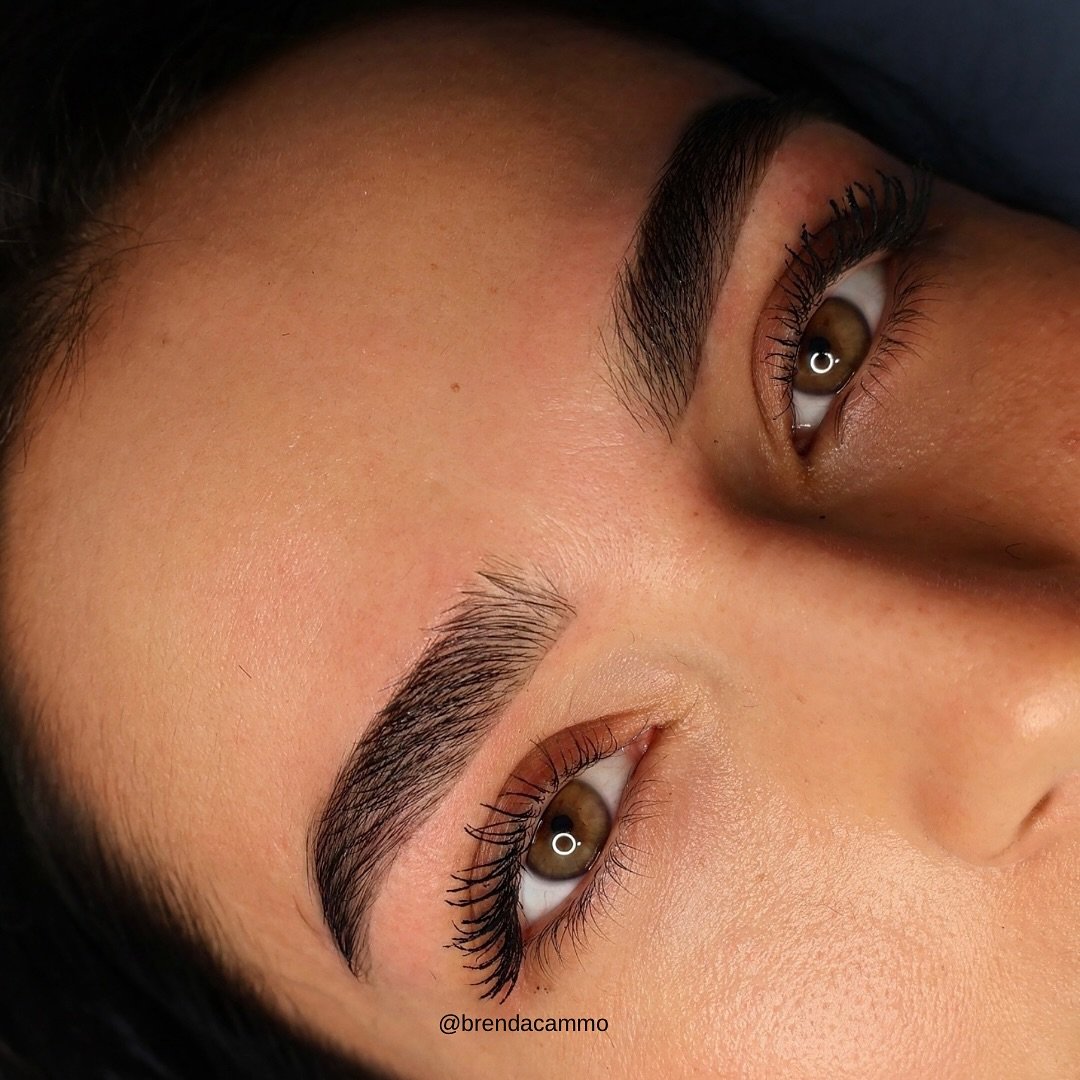
Same client, before and after threading.
Clean, natural brows shaped to your face, at our salons in Sliema and Swieqi. Threading is what BeCammo was built on.
- from €16price
- Sliema · Swieqiwhere
- ★ 5.0460+ Google reviews
Why does the gap look different from person to person?
The apparent distance between the brows is not determined by hair growth alone. Several features influence how this area is perceived.
- Eye placement: The relationship between the eyes and brow starts can make the central space appear narrower or wider.
- Nose bridge and facial proportions: These features provide useful context when an artist maps the brow area.
- Brow thickness: Full brows can visually occupy more space, while finer brows may make the centre look more open.
- Hair colour and skin contrast: Dark brow hair against lighter skin can make each line look more defined.
- Make-up habits: Concealer, brow pencil and highlighter can all change how the gap appears day to day.
- Previous shaping: Repeated over-plucking or inconsistent home maintenance may have altered the inner brow line.
This is why a single “correct” distance between brows is not a helpful target. A measurement that looks balanced on one face may not make sense for another. The most useful approach is to assess the whole brow area in context.
What happens if brows look too close together?
When brows appear close together, the main question is whether this is due to natural growth in the centre, the density of the inner brow hairs, a recent change in make-up, or simply the person’s facial proportions.
If unwanted hairs are growing between the brows, threading can remove them cleanly and define the start of each brow. The artist can work conservatively, checking the developing shape as the centre is refined. This is useful for clients who want a neater appearance but do not want a wide or sharply separated gap.
It can also be worth discussing how you normally fill in your brows. Extending brow pencil too far towards the centre may make the brows seem closer than they are. A small adjustment to application can sometimes change the overall impression without changing the brow shape dramatically.
A practical example
Imagine a client with naturally full brows and a few fine hairs between them. They may not need a major shape change. Removing only the visible stray hairs in the central area, then softly defining the lower and upper brow lines, may be enough to give the brows a more organised look.
By contrast, a client who has repeatedly removed hair from the inner brow area may have a wider gap already. In that case, a careful plan may focus on preserving existing hair and avoiding further removal at the brow starts while the overall shape is maintained.
What if your brows seem too far apart?
If you feel your brows are far apart, it is important to be cautious about trying to correct this through hair removal. Taking more hair from the centre will usually increase the gap, not reduce it.
A brow artist can assess whether the impression comes from the natural brow starts, sparse growth, a previous shaping pattern or the way you use make-up. Depending on your preferences, the conversation may include keeping the inner brow hairs as full as possible, avoiding unnecessary tidying in that area, or discussing a soft make-up approach that works with your natural shape.
For people considering a longer-lasting change to sparse brows, a consultation for semi-permanent brow options can be a separate discussion. It should not be treated as an automatic answer to a wider brow gap. Suitability, desired effect and individual expectations need to be considered carefully before any such appointment is booked.
Why is threading precise around the brow starts?
Threading uses a twisted thread to lift and remove hairs from the follicle. At BeCammo, cotton thread is the standard material, with polyester available for clients who have an allergy to cotton. The thread is single-use and discarded after each client.
For the space between the brows, threading can be useful because it allows the artist to work with detail. Rather than relying on a broad removal area, the central brow space can be cleaned gradually according to the mapped design and your natural growth.
Threading may involve brief discomfort, particularly in sensitive areas, and experiences vary from person to person. Let the artist know if you are using active skincare, have sensitivity in the area, or have any concern that may affect the appointment. A short conversation beforehand supports a more appropriate plan.
How should you prepare for a brow mapping conversation?
You do not need to arrive knowing the exact distance you want between your brows. In fact, describing your overall goal is often more useful than requesting a fixed measurement.
Before your appointment, consider these questions:
- Do you want a very clean, defined centre or a softer, more natural finish?
- Have you been growing out the inner parts of your brows?
- Do you usually fill in the front of your brows with make-up?
- Is there a side that you feel looks fuller, higher or more defined?
- Are you trying to maintain your usual shape, or are you ready for a gradual update?
- Have you recently used products that may make your skin more sensitive?
If you wear brow make-up most days, you may also find it helpful to explain your usual routine. Your artist can then understand whether you prefer a soft, natural start or a more polished outline that supports your make-up style.
How do you maintain the space between your brows at home?
Once your brows have been mapped and shaped, it can be tempting to remove every new hair as soon as it appears. However, frequent home tweezing around the brow starts can slowly change the balance of the design.
If maintaining a consistent shape is important to you, allow enough regrowth for your next threading appointment to be assessed properly. The suitable timing varies with your hair growth and the level of definition you prefer. The studio can help you decide on a maintenance rhythm that feels realistic for your routine.
Between appointments, avoid making large corrections to the inner brow area yourself. If a few hairs bother you, take note of them and discuss them at your next visit. This is particularly helpful if you are growing out sparse areas or trying to move away from an older brow shape.
Why is a personalised shape more useful than a trend?
Brow trends can make a narrow gap, a strong inner start or a fluffy, brushed-up look seem essential. But trends are temporary, and the brow design that feels most wearable is usually the one that works with your own face, hair growth and style.
The space between your brows is just one feature of that design. It should be considered alongside the thickness of the brows, the natural arch, the tail length, your facial expression and the amount of maintenance you are happy to do.
A careful mapping and threading appointment gives you the opportunity to discuss these details before shaping begins. Whether you would like a subtle tidy-up or a clearer new structure, the goal is a brow result that feels balanced, intentional and personal.
Conclusion
Brow mapping can help assess the space between your brows without treating every face as though it needs the same gap or identical brow starts. By looking at natural growth, proportions, symmetry and your preferred finish, a brow artist can create a design plan that is precise while still respecting individuality.
If you would like your brows shaped with this level of care, book an eyebrow threading and design appointment at the BeCammo location that suits you in Sliema or Swieqi. Bring your questions, explain what you notice about your brow space, and allow the design conversation to guide a result that works for you.
Frequently asked questions
Can brow mapping make my eyebrows closer together?
Brow mapping does not create new hair growth. It helps assess where your brows naturally begin and supports careful shaping. If your brows appear far apart, the focus may be on preserving the inner brow hairs rather than removing more from that area.
Should the space between my eyebrows match a specific measurement?
No single measurement suits everyone. Brow mapping uses facial reference points as a guide, while natural growth, facial proportions and personal preference remain important.
Can threading remove hair between my eyebrows?
Yes. Threading can be used to remove unwanted hair between the brows and define the starting point of each brow. The amount removed should be agreed as part of the design conversation.
What if one brow starts closer to my nose than the other?
Slight asymmetry is common. Mapping helps identify the difference before shaping. The aim is usually visual balance, rather than forcing both brows to be exactly identical.
Should I tweeze the centre of my brows between appointments?
Try to avoid major home shaping if you want to maintain a consistent brow design. Repeated tweezing can alter the inner brow line over time. Ask your threading artist for guidance based on your growth pattern and maintenance goals.