Blackheads on the Nose and Chin: A Professional Care Guide
Brenda Cammo Team
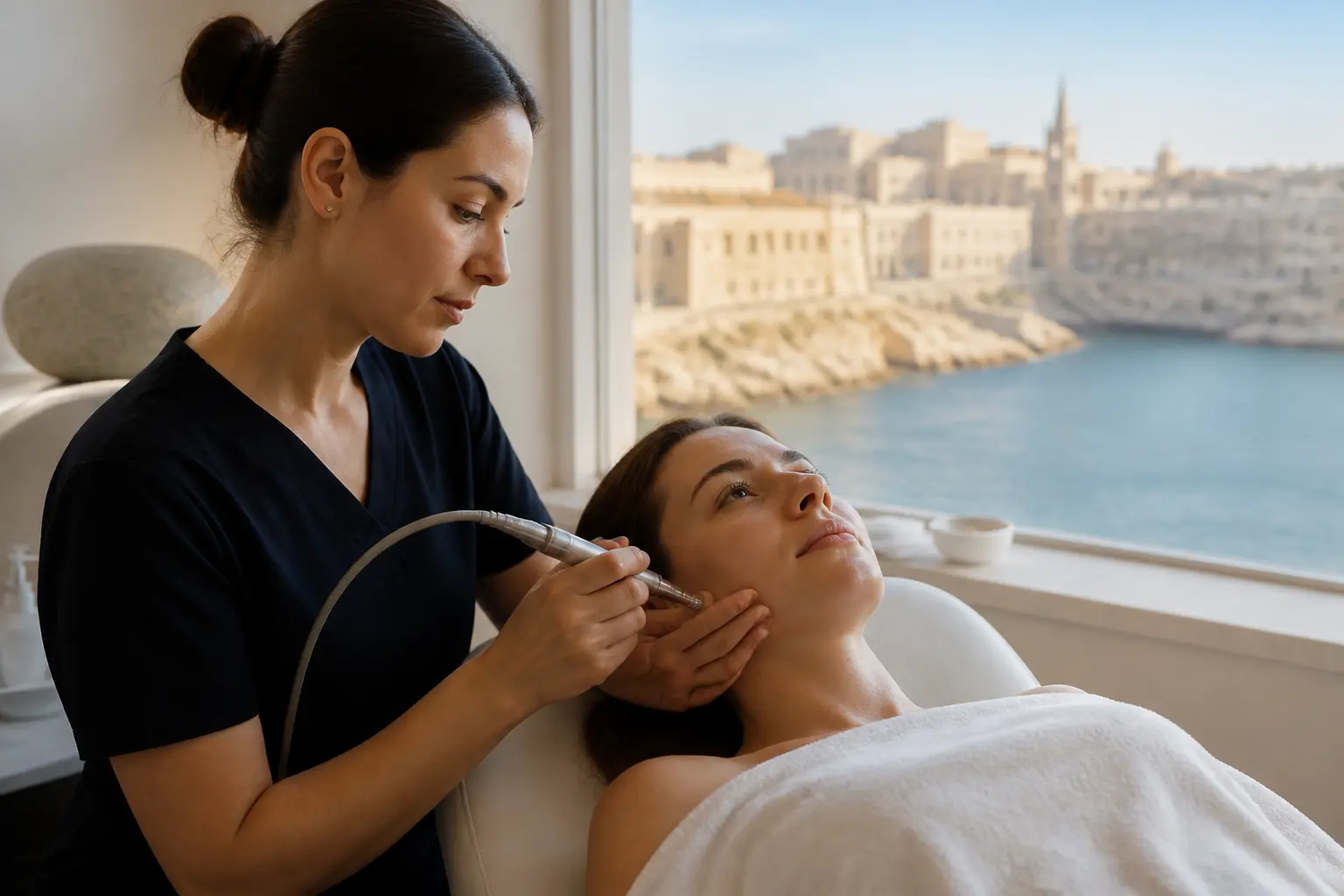
Blackheads on the nose and chin can feel especially stubborn. You may cleanse carefully, avoid touching your skin and still notice dark dots returning across the centre of your face. This is common, and it does not mean your skin is unclean.
These areas sit within the T-zone, where many people naturally experience more oil production. A professional blackhead treatment starts by looking beyond the visible dots. The aim is to understand your skin’s current condition, choose an appropriate facial approach and avoid the cycle of aggressive squeezing, over-scrubbing and irritation.
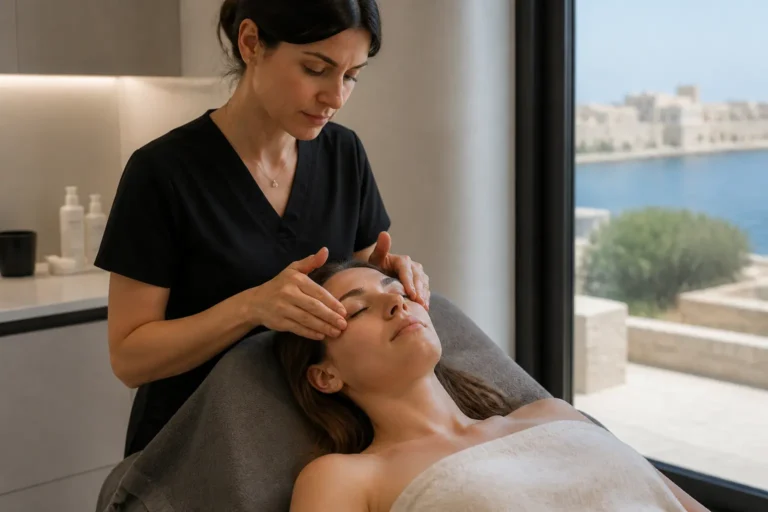
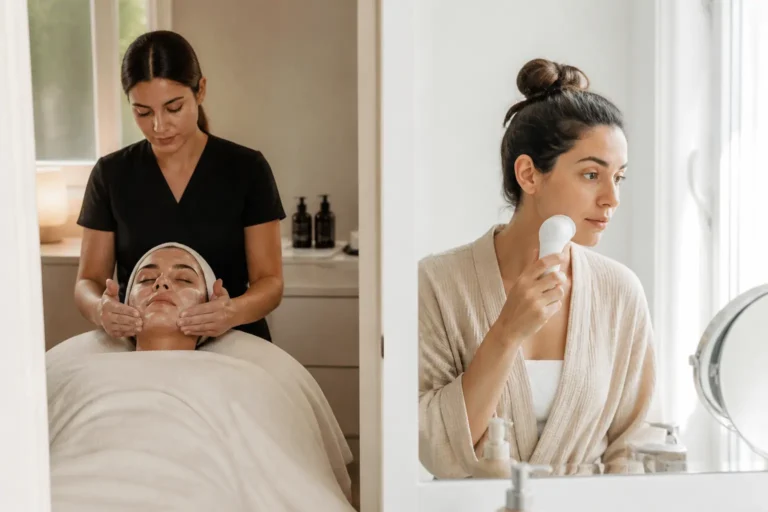
At a professional beauty studio, facial care should be personalised. Your skin can change with the weather, travel, stress, product use and your usual routine. A considered appointment helps you make choices that support comfort and clarity without treating every blackhead as something that must be forcefully removed.
What blackheads on the nose and chin actually are
A blackhead is an open comedone. It develops when oil and dead skin cells collect within a pore, while the opening remains exposed to air. The dark appearance is not dirt trapped in the skin. It comes from oxidation at the surface of the pore. The American Academy of Dermatology explains that this reaction is similar to the browning that happens when a cut apple meets oxygen.
This is why harsh cleansing rarely solves the issue. Scrubbing cannot simply wash blackheads away, and it can leave the surrounding skin feeling tight or sensitised. The NHS also advises against trying to clean out blackheads or squeezing spots, as this can make acne worse and may contribute to scarring.
The nose and chin are frequent areas because they contain many pores and are often more oily than the cheeks. You may also find that blackheads are more noticeable when you use products that are too rich for your skin, do not remove make-up thoroughly, touch your face often or introduce several strong active products at once.
Why a professional assessment matters
Not every dark mark on the nose or chin is a blackhead. Some are sebaceous filaments, which are natural structures within pores that can be more visible in oily areas. They often look like tiny grey, beige or darker dots, particularly on the nose, but they are not necessarily blocked pores in the same way as blackheads.
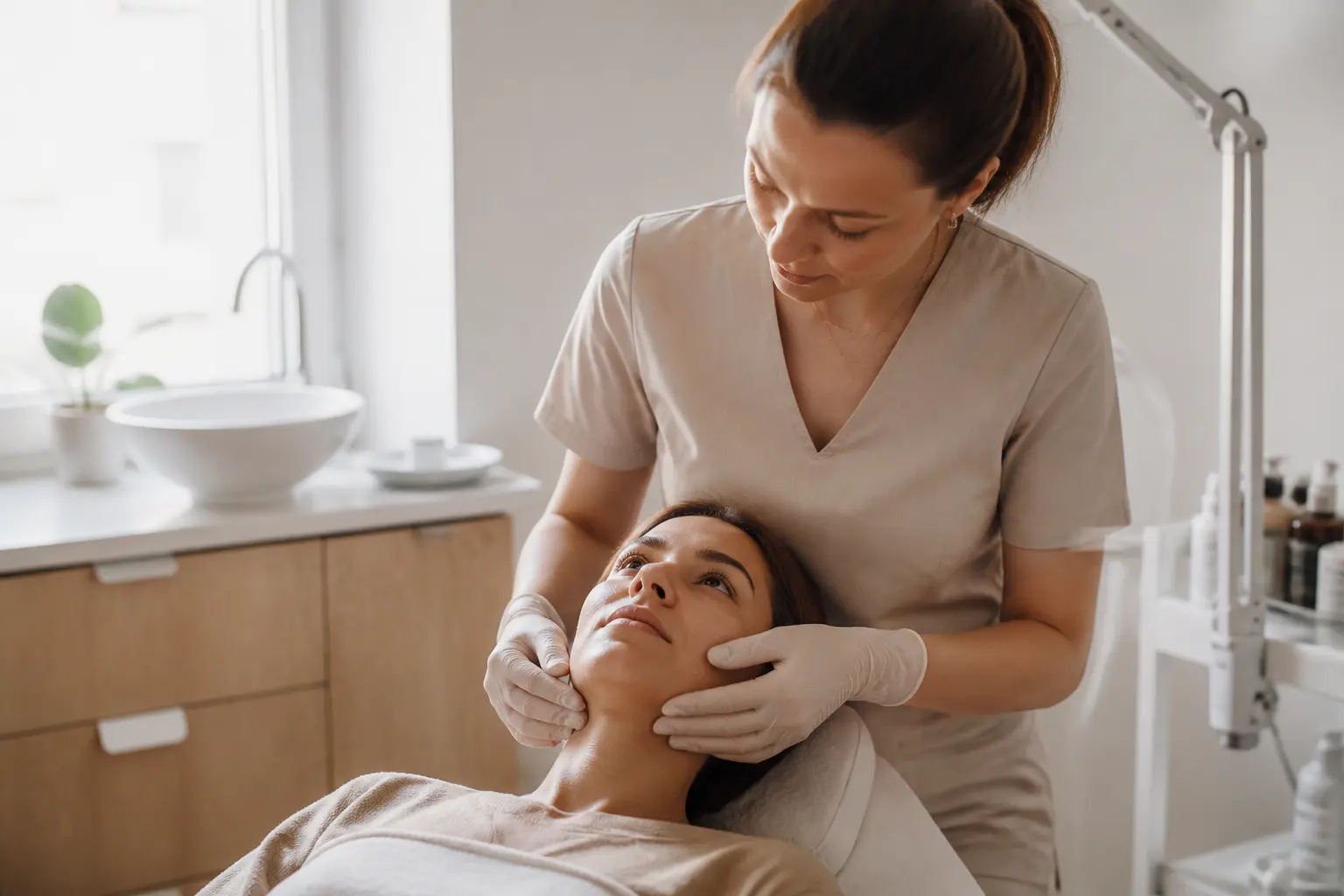
This distinction matters because trying to remove every visible pore can lead to unnecessary irritation. A professional facial begins with observing the skin rather than making assumptions from one concern alone. Your therapist can consider whether the area looks congested, dehydrated, reactive, oily or affected by a product routine that is not working well for you.
A good consultation should also include straightforward questions. Have you recently used exfoliating acids, retinoids or a new acne product? Have you had significant sun exposure? Is your skin currently sore, inflamed or peeling? Do you experience occasional congestion, or widespread and painful breakouts? These details help determine whether a calming facial, a cleansing-focused appointment or medical advice is more appropriate.
How professional treatments approach congestion
A studio facial is not a medical acne treatment, and it should not be presented as one. However, professional facial care can be a useful part of a consistent routine for people whose main concern is visible congestion, dullness or a build-up of surface impurities.
The exact steps vary according to the facial selected and your skin’s assessment. In a professional setting, the approach commonly focuses on careful cleansing, preparing the skin appropriately, choosing suitable exfoliation where indicated and supporting the skin afterwards with products selected for comfort. The goal is not to make the skin look aggressively stripped. It is to leave it feeling clean, balanced and respected.
1. Gentle cleansing comes first
Make-up, sunscreen, excess oil and daily pollution can sit on the surface of the skin. Thorough yet gentle cleansing gives the therapist a clearer view of your skin and creates a clean starting point for the rest of the facial.
For blackheads on the chin and nose, this step matters because piling stronger products on top of residue can increase discomfort without addressing what the skin needs. Cleansing should feel considered, not harsh or abrasive.
2. Exfoliation is selected with care
Exfoliation can help lift dead skin cells from the surface, but more is not automatically better. Over-exfoliating at home can leave the skin dry, tight and reactive, which may make it difficult to judge what is causing the congestion in the first place.
In a facial setting, the choice of exfoliation should reflect your current skin condition. Someone with resilient, oily skin may need a different approach from someone with dry, sensitised or recently sun-exposed skin. This is one reason a facial is more useful when it is tailored rather than chosen only because it sounds intense.
3. Extraction is never about force
When appropriate and within the practitioner’s professional scope, visible congestion may be approached with hygiene, careful technique and respect for the skin’s limits. It should never feel like a race to remove every single pore blockage.
Trying to squeeze blackheads at home can cause redness, broken skin and marks that last longer than the original blackhead. The American Academy of Dermatology notes that improper squeezing can lead to infection or permanent scarring. In a studio, the right decision may sometimes be to leave an area alone and focus on preparing the skin and improving the routine instead.
4. Recovery and skin comfort count
The end of a facial should support the skin barrier, not leave you feeling as though your face has been scrubbed raw. Hydrating and soothing steps can be particularly valuable after cleansing-focused care, especially if you have been using active products at home.
You may notice temporary redness after a facial, particularly if your skin is sensitive or if congestion has been addressed. This is one reason it is sensible to schedule a first facial ahead of an important event rather than immediately before it.
What to expect from a facial appointment for blackheads
If you book because of blackheads on your nose and chin, it helps to arrive with realistic expectations. A facial can support a clearer-looking, more comfortable complexion, but blackheads can return because pores continue to produce oil and shed skin cells. Long-term improvement usually comes from combining professional care with a manageable home routine.
At Becammo, a professional facial appointment should begin with a discussion of your current skin concerns and routine. Be open about any skincare products you use, including exfoliating acids, retinoids, benzoyl peroxide or prescription products. This helps the therapist avoid combining steps that may not suit your skin on that day.
During the appointment, communicate if anything feels too hot, uncomfortable or irritating. A facial should feel like care, not something you have to endure silently. Your therapist can also help you understand which habits may be contributing to recurring congestion around the nose and chin.
How to prepare before your appointment
- Avoid introducing a brand-new active skincare product in the days immediately before your facial.
- Let the studio know if you are using prescription skincare or have recently experienced irritation.
- Do not pick or squeeze blackheads beforehand, even if you are tempted to make them less visible.
- Avoid strong exfoliation just before your visit unless a qualified professional has advised it as part of your routine.
- Arrive without heavy make-up if practical, although professional cleansing is part of the service.
If you have fresh sunburn, broken skin, a rash, painful cystic spots or a significant flare-up, contact the studio before attending. A different approach, a postponed appointment or medical advice may be more suitable.
Simple habits that can help between facials
Home care does not need to be complicated to be consistent. The NHS recommends washing acne-prone skin no more than twice daily with a mild cleanser and lukewarm water, rather than repeatedly cleansing or scrubbing the area. It also advises choosing non-comedogenic products where possible and removing make-up before bed.
For blackheads, a practical routine might focus on a gentle cleanser, an appropriate moisturiser and daily sun protection that suits your skin. If you decide to use an active ingredient for congestion, introduce one product at a time and follow the product guidance. Dermatology organisations commonly identify ingredients such as salicylic acid and retinoids as options that may help unclog pores, but the right choice depends on your skin and any other products or medication you use. The NHS acne treatment guidance is a useful starting point for understanding when pharmacy advice may be appropriate.
Most importantly, do not chase a poreless appearance. Pores are a normal part of skin. The aim is healthier-looking, comfortable skin and a routine you can maintain, not perfection under magnification.
When a facial is not enough
A professional facial can complement a skincare routine, but persistent or severe acne needs proper medical assessment. Book an appointment with a GP, pharmacist or dermatologist if you have painful deep spots, nodules, cysts, scarring, widespread breakouts, sudden changes in your skin or acne that is affecting your confidence and wellbeing.
It is also worth seeking clinical advice if over-the-counter care has not helped after a reasonable period. The NHS notes that acne treatments can take time to show improvement, and more moderate or severe acne may need prescription treatment or referral to a dermatologist.
Choosing medical advice when needed is not a failure of your skincare routine. It is simply the appropriate next step for a skin concern that requires a different level of care.
Making professional care part of your routine
For many people, the most helpful approach to blackheads on the nose and chin is steady rather than extreme. A professional facial can give you a chance to reset, review your routine and receive personalised guidance based on how your skin looks now. Regularity should be based on your skin’s needs, sensitivity, goals and the advice you receive during your appointment.
If congestion is your main concern, book a facial consultation at Becammo in Sliema or Swieqi and explain what you are noticing around your nose and chin. Bringing a clear picture of your current routine helps the conversation stay practical. Together, you can decide on a suitable facial approach and the next sensible steps for your skin.
Frequently asked questions
Are blackheads on the nose caused by poor hygiene?
No. Blackheads are not simply dirt. They form when oil and dead skin cells collect in an open pore and oxidise at the surface. Cleansing gently and consistently is helpful, but harsh scrubbing can irritate the skin.
Can a professional facial remove every blackhead in one visit?
No responsible facial should promise this. Some congestion may be addressed where appropriate, but your skin’s comfort and condition must come first. Blackheads can also return over time, so ongoing home care matters.
Should I squeeze blackheads before a facial?
No. Squeezing can irritate the area, damage the skin and make a professional assessment more difficult. Leave the skin as calm as possible before your visit.
How do I know whether I have blackheads or sebaceous filaments?
Blackheads are open clogged pores and often look like distinct dark dots. Sebaceous filaments are a normal part of the pore and are especially common on the nose. A professional assessment can help you understand what you are seeing.
Can I have a facial if I use acne products at home?
Often, but you should tell the studio exactly what you use, including exfoliating acids, retinoids, benzoyl peroxide and prescriptions. Your appointment may need to be adapted to keep the skin comfortable.
When should I see a dermatologist instead of booking a facial?
Seek medical advice for deep or painful spots, cysts, nodules, scarring, widespread acne or breakouts that do not improve with suitable pharmacy or home care. A facial does not replace dermatological assessment.