Partial Tattoo Fading: Preparing Skin for New Artwork
Brenda Cammo Team
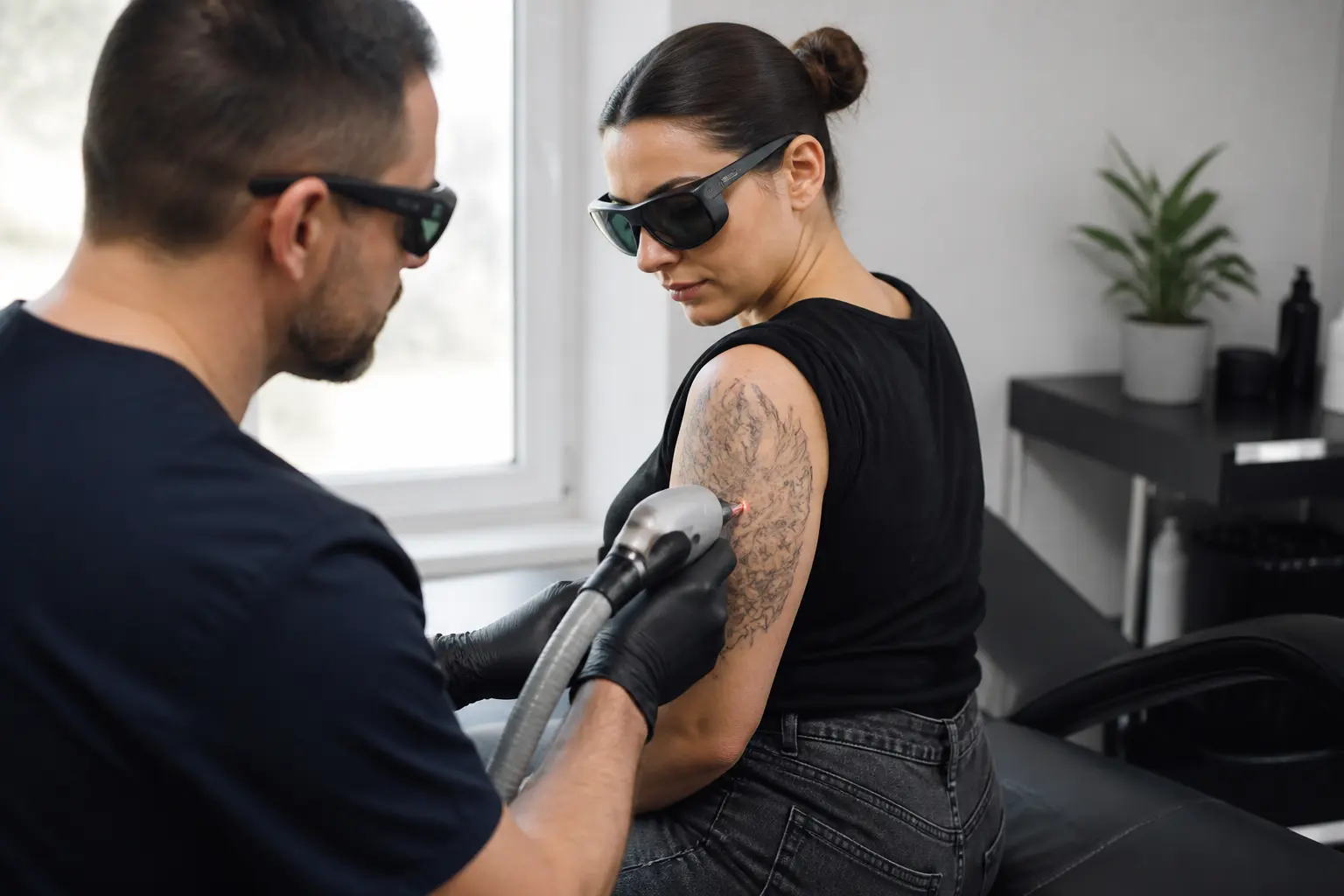
A tattoo does not always need to disappear completely before you choose new artwork. In many cases, the aim is more focused: to lighten selected areas so a tattoo artist has more freedom to create a cover-up, rework an existing design or build a fresh composition around it.
This is known as partial tattoo fading. It is a considered option for people who still like parts of their tattoo, want to retain its placement or simply prefer a new design over full removal. The process still requires patience and a realistic plan. Laser sessions work gradually, skin needs time to recover between appointments, and the final decision about what can be tattooed over the area belongs to the tattoo artist creating the new piece.
At a professional studio, the starting point is not a promise that every tattoo will fade to the same degree. It is an assessment of the tattoo, the ink, the skin and your goal. At Becammo, laser tattoo removal and fading are available at the Sliema studio, with a consultation helping you discuss whether partial fading is a sensible route for the artwork you have in mind.
What is partial tattoo fading?
Partial tattoo fading means using laser treatment to reduce the visual intensity of a tattoo rather than pursuing complete removal. The focus may be a dark background, a heavy outline, a small symbol, a name, a date or another element that limits the new artist’s design options.
The goal is not necessarily blank skin. Instead, it is to create enough space, contrast or lightness for a cover-up tattoo to sit more clearly over the existing ink. For example, a large dark shape may be softened before it is incorporated into a floral design. A small line of lettering might be lightened so it is less visible beneath a larger new motif. In another situation, a client may fade only the central part of an old tattoo while keeping an outer element that still feels meaningful.
Laser treatment breaks tattoo pigment into smaller particles, which the body then clears over time. Different inks react differently, and the pace of fading varies. The US Food and Drug Administration guidance on tattoo removal notes that colour, tattoo size and other individual factors affect the process, while multiple treatments separated by healing time are commonly needed.
Why fade a tattoo before getting a cover-up?
New ink cannot simply erase what is already underneath it. A cover-up artist works with the existing lines, colours and density of the old design. When the original tattoo is particularly dark or visually busy, the new tattoo may need to be larger, darker or more complex than you would ideally choose.
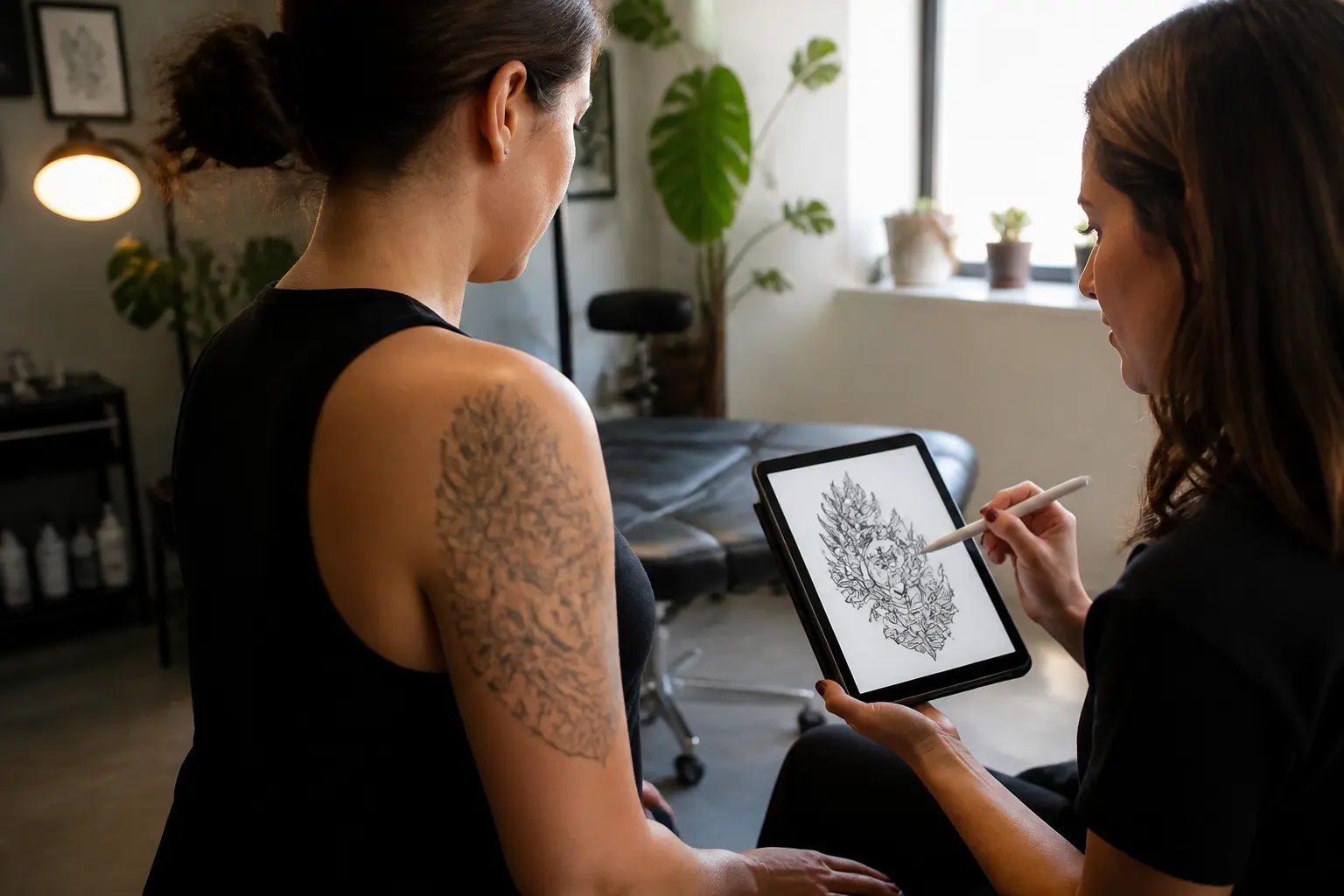
Partial fading can expand the creative brief. It may help the tattoo artist to:
- use a wider range of colours or lighter visual areas;
- place key details where old lines would otherwise show through;
- avoid making the cover-up unnecessarily large;
- work with more balanced shading and contrast;
- create a new design that feels intentional rather than purely concealing.
It is important to frame this correctly. Fading may give an artist more flexibility, but it does not guarantee a particular cover-up result. Every tattoo artist has their own style, preferred techniques and assessment of what is achievable on a specific area of skin. Bring the proposed new artwork into the conversation early, rather than waiting until you believe the tattoo has faded enough.
Partial fading versus complete tattoo removal
The two routes have different endpoints. Complete removal aims to reduce as much visible pigment as possible. Partial fading aims for a level of lightening that supports another creative decision. Neither route has a fixed number of sessions that applies to everyone.
| Approach | Main aim | What success may look like |
|---|---|---|
| Partial fading | Prepare selected ink for a cover-up or redesign | The old tattoo is lighter or less dominant, giving the tattoo artist more options |
| Complete removal | Reduce visible tattoo pigment as far as possible | The tattoo is substantially lightened or removed, although complete clearance cannot be assumed |
Choosing partial fading can be practical, but it should not be rushed because it sounds shorter. A new tattoo should only be applied when the skin is properly settled and the tattoo artist is satisfied with the canvas. The best plan is one that protects the condition of the skin as well as the look of the future artwork.
What affects how a tattoo may fade?
There is no reliable session count that can be given from a photo alone. A consultation helps set expectations because several details influence the response to laser treatment.
Ink colour and density
Dark inks are often approached differently from lighter or more complex colours. The FDA explains that colours such as green, red and yellow can be more difficult to remove than dark blue and black. Dense, heavily layered areas may also need a different level of patience from fine or already faded linework.
Age and history of the tattoo
An older tattoo may already appear lighter, but age alone does not determine how it will respond. It is useful to share whether the tattoo has been covered up before, retouched repeatedly or treated with laser in the past. These details create a more accurate starting point for the assessment.
Placement on the body
The body area matters for both the treatment plan and your everyday aftercare. Areas that experience friction from clothing, footwear, straps or regular movement may need extra consideration while the skin settles. Placement can also influence the cover-up artist’s design choices.
Your skin and healing pattern
Skin tone, sensitivity, previous scarring and your personal healing history all matter. Tell the professional carrying out the assessment if you have had unusual scarring, pigment changes or reactions to procedures in the past. This is not about ruling yourself in or out based on assumptions. It is about choosing a cautious plan that reflects your skin.
The new tattoo design
Partial fading is most effective when it has a clear design purpose. A tattoo artist may identify one specific section that needs lightening, while another artist may be comfortable working around it. If possible, ask your chosen tattoo artist for guidance on the areas they would like faded before you begin.
How to plan partial fading for new artwork
A thoughtful process is usually simpler than treating the whole tattoo without a destination in mind. Use the following steps to make the conversation more productive.
- Decide what you want to change. Is the aim to hide lettering, soften a black background, remove one symbolic detail or make room for a new image? Be as specific as you can.
- Speak with the artist who may create the cover-up. Ask what elements they need lightened and whether they have a preferred level of fading. A reference image can be helpful, but remember that skin, placement and old ink make every project individual.
- Book a professional laser consultation. Bring clear photos of the tattoo and any cover-up idea you have. Share relevant skin history, previous treatments and your intended timing.
- Allow for gradual sessions and healing intervals. Laser fading is a process, not a single appointment followed by immediate retattooing. The skin needs recovery time between treatments, and the pigment continues to change over time.
- Review progress before committing to the new tattoo. Reassess the area with your tattoo artist after the skin has recovered. You may find that enough fading has been achieved, or that a further session would offer more design freedom.
Preparing for a tattoo fading consultation
The consultation is where a vague idea becomes a workable plan. You do not need to arrive with every answer, but the more context you can provide, the more useful the discussion will be.
- Take photos in natural light, including a wider photo showing the tattoo’s placement.
- Bring any design sketch, inspiration or notes from your tattoo artist.
- Know roughly when the tattoo was done and whether it has been retouched or covered before.
- List the colours you can see, even if you are unsure of the original ink brand.
- Explain any previous reactions, scarring concerns or skin sensitivity.
- Be honest about upcoming holidays, sun exposure, swimming, sport or events that could affect your schedule.
In Malta, bright weather and outdoor plans can make timing especially important. Skin that has had significant sun exposure is not an ideal starting point for a laser appointment, and treated skin needs careful protection while it heals. Planning around beach days, boating, long walks and holidays can help you avoid putting unnecessary pressure on the process.
Skin care matters before and between sessions
Preparing skin for new artwork is not only about lightening pigment. It is also about giving the skin the best possible chance to settle well after each session. Follow the individual instructions given by the professional treating you, as recommendations can depend on the area and your skin’s response.
In general, avoid arriving with irritated, sun-exposed or damaged skin in the treatment area. Do not use at-home removal creams or harsh exfoliating products in an attempt to speed up fading. The FDA advises that tattoo removal creams and do-it-yourself kits have not been approved for tattoo removal and may lead to reactions, burns or scarring.
After a session, protect the area from friction and sun exposure, keep it clean according to your aftercare guidance, and resist picking or scratching as it heals. If you experience a reaction that concerns you, seek appropriate professional advice rather than trying to manage it with unverified home remedies.
The best canvas for new artwork is not simply lighter. It is healed, settled and planned with the next design in mind.
When is the skin ready for a new tattoo?
There is no universal calendar date for getting new ink after partial fading. The tattoo should not be scheduled just because the old one looks lighter. The treated area needs to be fully recovered, and the tattoo artist should assess whether the skin is ready for their work.
Look beyond surface appearance. Redness, tenderness, flaking, blisters, texture changes or lingering sensitivity are signs that the area needs more time and should be reviewed. The professional providing the laser treatment and the tattoo artist have different roles, but their advice should work together. One focuses on the fading and safe aftercare, while the other decides whether the skin can take new artwork well.
Giving the process enough time can feel difficult when you are excited about the next tattoo. However, patience now supports a more considered result later. Rushing into new ink over unsettled skin may complicate healing and reduce the flexibility you worked to create.
Questions to ask before you book
A good consultation should leave you clearer, not pressured. Consider asking:
- Which sections of my tattoo are realistic candidates for partial fading?
- What factors in my tattoo and skin may affect the plan?
- How will we monitor whether the area is light enough for my cover-up?
- What aftercare will I need between appointments?
- When should I return to my tattoo artist to review the design?
- What signs mean I should delay another laser session or new tattoo?
Partial tattoo fading is a practical middle ground for people who want a different story on their skin without aiming for complete removal. It works best when it is planned collaboratively, with a laser professional helping you understand the fading process and a tattoo artist shaping what comes next.
If you are considering a cover-up or new artwork, start by discussing your goal and the tattoo area in detail. Becammo offers laser tattoo removal and fading consultations in Sliema, so you can ask questions, understand the process and decide on a paced plan before your next tattoo appointment.
Frequently asked questions
Can I fade only part of a tattoo?
Yes. Partial fading can focus on particular elements, such as dark shading, lettering or a section that interferes with a planned cover-up. The suitability of the approach depends on the tattoo, its inks, your skin and the new design.
How many laser sessions will I need before a cover-up?
It varies. Tattoo colour, density, placement, treatment history, skin response and the cover-up artist’s requirements all influence the plan. A consultation is the appropriate place to discuss a realistic starting point.
Do I need to choose my new tattoo artist before fading begins?
It is strongly helpful. The future tattoo artist can identify which parts of the existing design are limiting the cover-up and what level of fading may give them more creative freedom.
Can I get a new tattoo as soon as the old one looks lighter?
Not necessarily. The skin must be fully settled after laser treatment, and the tattoo artist should assess its readiness before applying new ink. Visible lightening is only one part of the decision.
Will partial fading remove all traces of the old tattoo?
That is not the purpose of partial fading. The goal is to reduce selected pigment enough to support new artwork. Some original lines or colour may remain, and this should be part of the cover-up design discussion.
Where can I book partial tattoo fading in Malta?
Becammo provides laser tattoo removal and fading at its Sliema location. Book a consultation through the online booking system to discuss your tattoo, your skin and the artwork you hope to create next.