PDRN Facial After Dermaplaning: The Right Order and Timing
Brenda Cammo Team
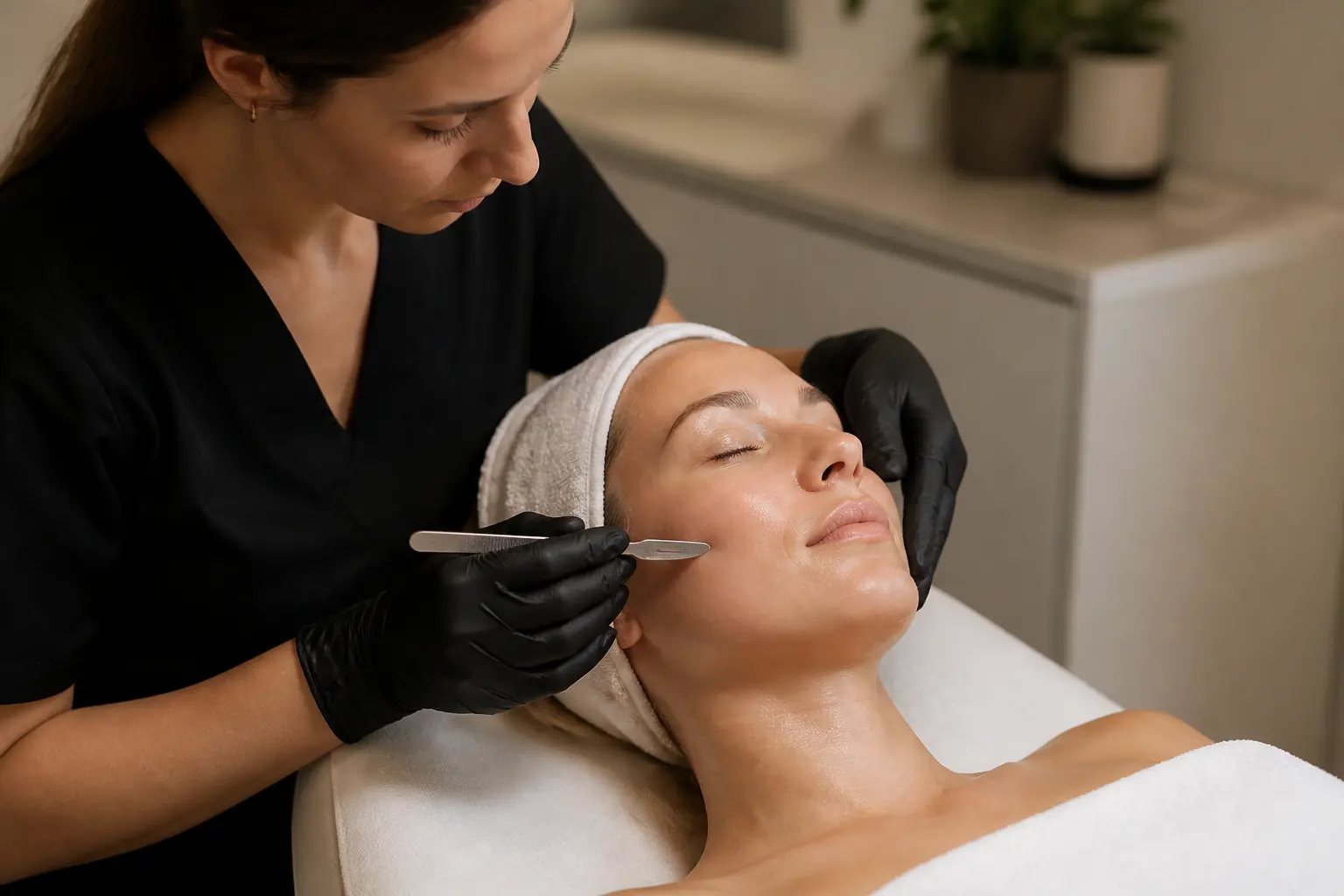
Dermaplaning and a PDRN facial can be a thoughtful pairing when the aim is a smooth, freshly prepared complexion followed by a comforting, hydration-focused facial experience. The important detail is not simply booking both treatments, but choosing the right order and allowing the skin’s condition to guide the timing.
For most suitable clients, the professional sequence is straightforward: dermaplaning comes first, then the PDRN facial. Dermaplaning removes surface debris and fine facial hair with a professional blade, so it makes practical sense to complete that exfoliating step before applying the products used during the facial. However, this is not a one-size-fits-all rule. Skin that is reactive, actively irritated or dealing with a breakout may need a gentler plan or separate appointments instead.
At a professional studio, the right plan begins with a conversation about your skin, your current routine and what you hope to get from the appointment. That is particularly useful if you are preparing for an event, returning from travel, adjusting to Malta’s sunny climate or simply want your complexion to feel more refined before makeup.
Can you have a PDRN facial after dermaplaning?
In many cases, yes. A non-invasive PDRN facial can follow dermaplaning in the same appointment when a professional has assessed that the skin is suitable. The treatments have different roles within the service: dermaplaning focuses on surface-level exfoliation and removal of peach fuzz, while the PDRN facial is the care-focused stage that follows.
This article refers to a facial service and topical professional products, not injectable PDRN procedures. The products, application method and suitability should always be explained by the practitioner before your session.
Dermaplaning is a cosmetic procedure that uses a blade to remove the outermost surface layer of dead skin cells and fine hair. Because this can leave the skin feeling temporarily more delicate, it is sensible to follow it with uncomplicated, supportive care rather than layering several strong products at once. The Cleveland Clinic’s dermaplaning guidance also notes that skin may feel irritated for a short period afterwards and highlights moisturising and sun protection as important aftercare priorities.
The usual order: dermaplaning first, PDRN second
When both services are performed during one professional appointment, this is generally the most logical sequence.
- Skin consultation and preparation. Your practitioner reviews your skin’s current condition, including signs of sensitivity, active blemishes, dryness or irritation. You should also mention recent professional treatments and the skincare products you use at home.
- Cleanse and assess again. Clean skin allows the practitioner to see texture, congestion and any areas that should be avoided.
- Dermaplaning. The professional blade is used carefully to exfoliate the surface and remove fine vellus hair. This stage should never be rushed, particularly around the contours of the face.
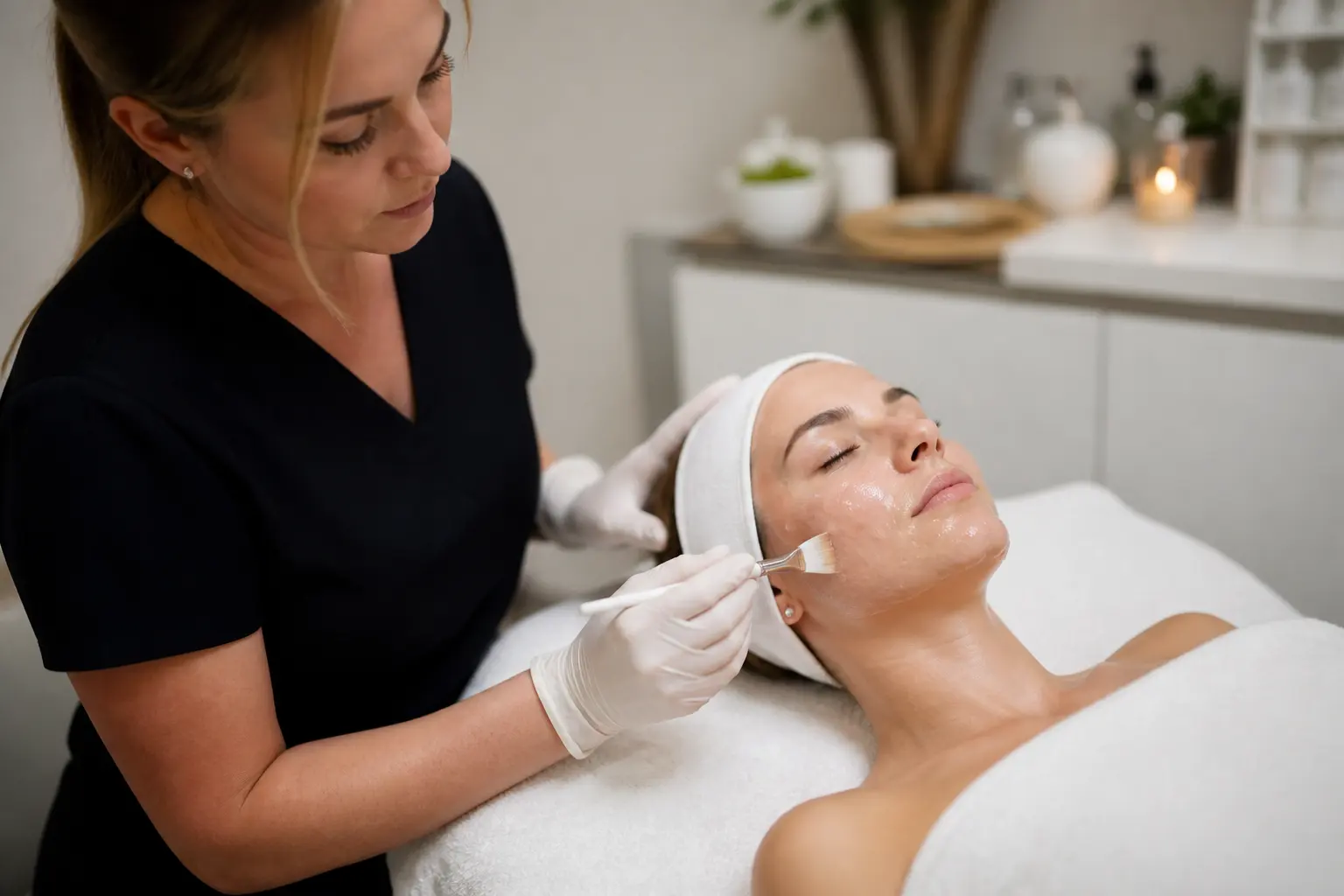
- PDRN facial care. Once dermaplaning is complete, the PDRN-focused products and facial steps can be selected according to the studio’s protocol and your skin’s needs.
- Finish with calm, protective care. The appointment should end with a considered approach to comfort and protection, rather than aggressive exfoliation or unnecessary active ingredients.
Putting dermaplaning first avoids applying a facial product and then immediately removing part of it with a blade. It also enables the practitioner to work with a freshly prepared surface for the following facial steps. That does not mean dermaplaning makes every product work better, or that it guarantees a particular outcome. It simply creates a sensible order for two services that have distinct purposes.
When should the treatments be booked separately?
A same-day combination is not always the best choice. A careful studio will recommend a separate appointment, a revised facial plan or postponement when that is more appropriate for your skin on the day.
When your skin is already irritated
Do not treat redness, stinging, flaking or a compromised-feeling complexion as something to push through for the sake of a glow. Dermaplaning adds exfoliation, so it may not be the right step when the skin is already uncomfortable. Active acne and flare-ups of skin conditions also deserve extra caution. The Cleveland Clinic advises avoiding dermaplaning during an active breakout or flare-up, as exfoliation can aggravate already vulnerable skin.
When you have recently used strong actives
Bring your current routine into the conversation. Retinoids, exfoliating acids and other potent products can affect how comfortable your skin feels around an exfoliating service. Do not stop prescribed products without medical advice, but do tell your practitioner exactly what you use and how recently you used it. A professional can then decide whether to change the timing or keep the appointment focused on gentler care.
When you are planning around a major event
If the appointment is for a wedding, holiday photos or an important evening out, avoid leaving it to the last minute. Even when a client’s skin usually tolerates dermaplaning well, temporary redness or sensitivity can happen. Booking in advance gives you room to observe how your skin responds and removes pressure from the day before your event.
When your skin needs a slower approach
Some clients prefer to book dermaplaning and PDRN on separate days, especially for a first experience. This can make it easier to understand how the skin responds to each service and keeps the appointment more focused. There is no prize for doing everything in one visit. A personalised plan is often the more polished choice.
How much time should you leave between appointments?
The ideal interval depends on your skin, the exact products used, how your complexion responds and whether you are new to professional facials. Rather than relying on a fixed online timetable, ask your practitioner to recommend the next step after seeing your skin in person.
A useful approach is to think in terms of three situations:
- Same appointment: suitable when the practitioner assesses calm, healthy-looking skin and both services are planned as one considered facial experience.
- Separate appointments close together: helpful when you want each service to feel more gradual, or when the practitioner wants to see how your skin settles after dermaplaning before adding another facial focus.
- Wait until the skin is settled: the sensible option if there is visible irritation, an active breakout, a reaction to recent skincare or any concern about skin comfort.
For repeat dermaplaning, your practitioner should advise according to your individual skin and hair growth, rather than encouraging frequent exfoliation simply because your skin felt smooth after the first session. The goal is a maintained, comfortable complexion, not an overworked one.
What to do before a combined appointment
A little preparation helps your practitioner make a better decision on the day. You do not need an elaborate routine, but you do need to be honest about what has been on your skin.
- Arrive with your skin as clean and calm as possible.
- Tell the studio about sensitivity, allergies, active blemishes, recent sun exposure and any skin concerns.
- Share the names of retinoids, acids, prescription creams or new skincare products you have used recently.
- Avoid trying several new at-home products in the days immediately before your appointment.
- If you are unsure whether your skin is suitable, ask before booking rather than guessing.
This is also the right moment to explain your goal. Do you want a smoother base for makeup? Are you hoping for a refreshing facial appointment after a busy period? Is peach fuzz your main concern, or is your skin feeling dull and dry? Clear answers help the practitioner choose the most appropriate service plan.
Aftercare: keep the routine simple
After dermaplaning and a PDRN facial, less is often more. The skin has had a professional service, so there is rarely a need to experiment with several additional actives at home that evening.
Prioritise sun protection
Dermaplaned skin should be protected from sun exposure. Use a suitable broad-spectrum sunscreen during the day and follow the aftercare instructions given at the studio. This matters in Malta, where everyday exposure can be easy to underestimate during walks, commuting and time near the coast.
Avoid further exfoliation for the moment
Skip scrubs, exfoliating acids and at-home facial tools until your practitioner says your normal routine can resume. The point of dermaplaning is not to keep exfoliating afterwards. Give your skin the chance to settle.
Be gentle with heat, friction and makeup
Use a gentle cleanse if needed, avoid rubbing your face with towels and keep your routine focused on comfort. If you are applying makeup for an event, use clean brushes and take a careful approach. Many clients enjoy the smoother makeup application that dermaplaning can offer, but skin comfort should always come first.
Pay attention to unusual reactions
Some temporary sensitivity can occur after exfoliation. If you develop persistent discomfort, swelling, a rash or signs that concern you, stop introducing new products and seek appropriate professional or medical advice. A beauty appointment is not a substitute for dermatological assessment where there is an ongoing skin problem.
Questions to ask before booking in Malta
The best combined facial appointments are built on good questions, not assumptions. Before booking PDRN and dermaplaning together, ask:
- Is my skin suitable for both services in one visit?
- Will the PDRN facial be performed after dermaplaning?
- Which parts of my face, if any, should be avoided during dermaplaning?
- What should I pause in my home routine beforehand?
- What aftercare will be appropriate for my skin?
- Would you recommend a combined appointment or two separate visits for my goals?
A professional answer should be personalised and realistic. The right recommendation may be a combined appointment, but it may also be a PDRN facial without dermaplaning, dermaplaning alone, or waiting until your skin is calmer. That flexibility is a sign of careful service, not an inconvenience.
Conclusion
For suitable skin, dermaplaning first and a PDRN facial afterwards is the order that usually makes the most practical sense. The blade-based exfoliation is completed before the facial care stage, allowing the appointment to finish with a more comfort-focused approach. Still, timing should never be treated as automatic. Your skin’s current condition, recent skincare use and personal goals matter more than a fixed formula.
If you are considering this combination in Malta, book a PDRN facial appointment at Becammo and let the team assess whether dermaplaning should be included in the same visit or planned separately. Choose the Sliema or Swieqi location that suits you, and ask any skin-preparation questions before your appointment.
Frequently asked questions
Should I have dermaplaning before or after a PDRN facial?
When both services are suitable for the same appointment, dermaplaning usually comes first. It completes the exfoliation step before the PDRN-focused facial care begins.
Can I book both treatments for my first facial appointment?
You can ask about a combined booking, but a first visit should begin with an assessment. If your skin is sensitive, reactive or unfamiliar with dermaplaning, the practitioner may suggest a more gradual plan.
Will dermaplaning make PDRN results stronger?
Dermaplaning can leave the surface feeling smoother and removes fine facial hair, but it does not guarantee a particular result from any facial product or treatment. The value of the pairing is in professional sequencing and personalised care.
Can I use retinol before dermaplaning and PDRN?
Tell your practitioner if you use retinol, retinoids or exfoliating acids. They can advise how to prepare based on your skin and routine. Do not change prescribed skincare without guidance from the clinician who prescribed it.
Is it normal for skin to look red after dermaplaning?
Mild, temporary redness or sensitivity can occur after dermaplaning. Follow the studio’s aftercare advice, protect your skin from the sun and contact an appropriate professional if symptoms are persistent or worrying.
Can I wear makeup after the appointment?
This depends on how your skin feels and the aftercare advice given during your visit. If makeup is needed for a special occasion, mention that before the appointment so your timing can be planned with care.