How to Build a Monthly Beauty Budget That Covers the Essentials
Brenda Cammo Team
A monthly beauty budget is not about making every appointment feel like a necessity, nor is it about cutting out the routines that help you feel put together. It is simply a way to decide where your money, time and attention go before last-minute bookings, product purchases or special events make the decision for you.
For many people, beauty spending feels unpredictable because it includes several different things at once: at-home products, regular grooming, occasional treatments, holidays, weddings and the small extras that arise when a diary gets busy. A clear plan helps you separate the true essentials from the nice-to-haves, while still leaving room for the rituals that make you feel confident.
If you live in Malta, work around Sliema, Swieqi or St Julian’s, or are simply building a routine around a busy social calendar, the most useful approach is usually a flexible one. Your budget should reflect your own priorities, natural features, skin needs and lifestyle, rather than somebody else’s idea of a complete beauty routine.
Start by defining what “essential” means to you
There is no universal list of beauty essentials. One person may consider regular eyebrow shaping their key appointment because it brings structure to their everyday look. Another may prioritise hair removal, nail care, facials or a simple home skincare routine. The important point is to identify what gives you the most consistent value between appointments.
Try dividing your routine into three groups:
- Core maintenance: the services or products you return to because they support your usual grooming routine.
- Seasonal or occasional care: appointments linked to holidays, weddings, warmer weather, special events or a change in routine.
- Optional extras: impulse purchases, trend-led treatments and appointments that are enjoyable but not currently a priority.
This is not a judgement about which category is more worthwhile. It is a planning tool. When finances or time are tight, your core maintenance category shows you what to protect first. When you have more flexibility, you can add occasional care or an extra appointment without feeling that your whole budget has gone off track.
Look at the last two or three months honestly
A useful monthly beauty budget begins with real habits, not an ideal routine. Look back at recent bank statements, booking confirmations and online orders. Include professional appointments, beauty products, replacement tools, travel-sized items, event preparation and any deposits you have paid for future services.
Then ask a few practical questions:
- Which purchases or appointments did I genuinely use and enjoy?
- Which ones did I forget about, leave unopened or book out of pressure?
- What do I spend repeatedly without planning for it?
- Which costs arrive less often but are easy to predict?
- Would I rather have fewer, well-planned appointments than frequent last-minute spending?
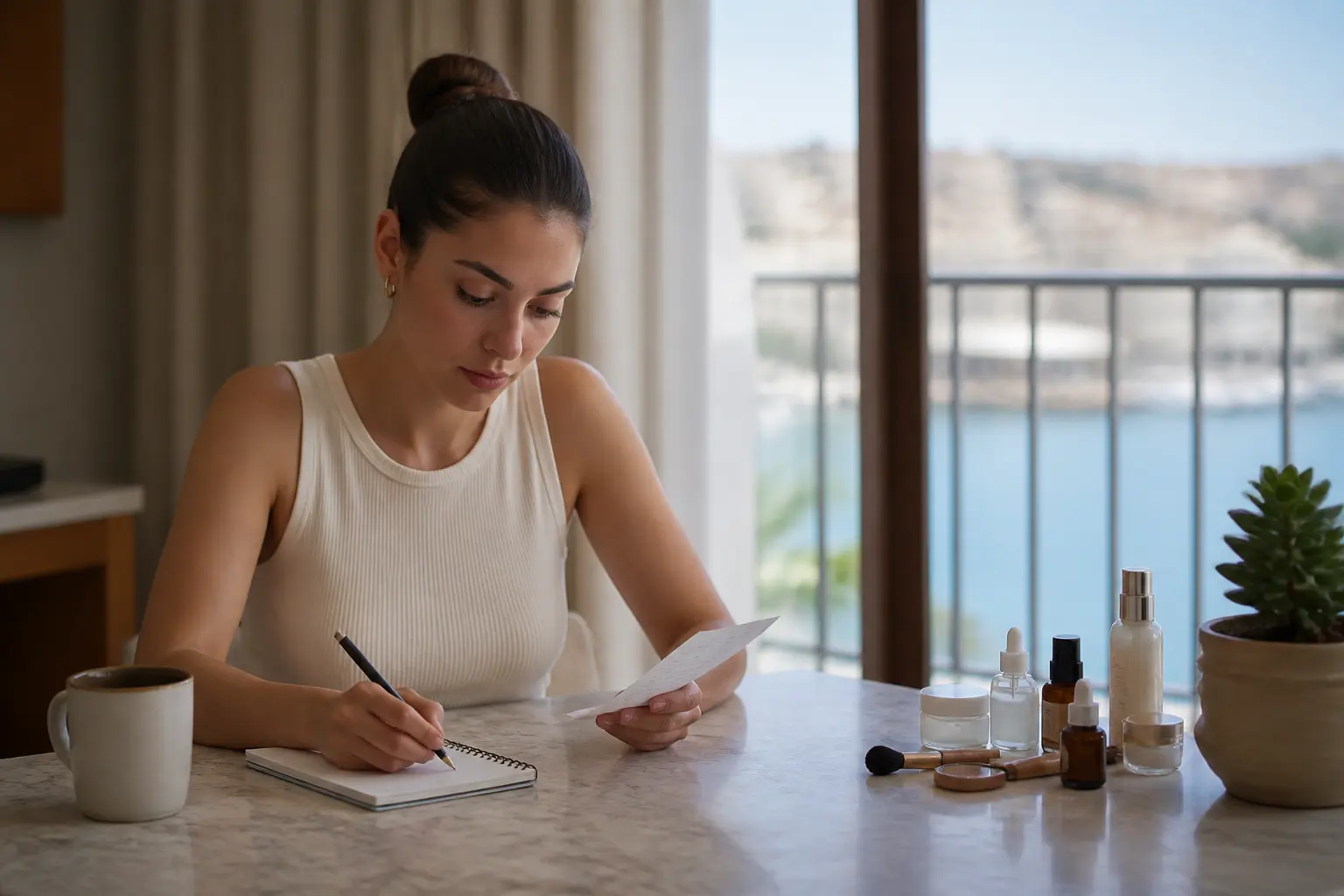
You do not need a perfect spreadsheet. A note on your phone is enough. The goal is to spot patterns. Perhaps you regularly spend on brow maintenance but never include it in your plan, so every booking feels unexpected. Or perhaps several small product orders add up to more than the professional service you actually value most.
Use a four-part monthly beauty budget
Once you know what you tend to spend, create a simple structure. Keeping each type of cost separate makes it easier to adjust your routine without abandoning it altogether.
1. Everyday products
This includes the items you use at home, such as cleanser, moisturiser, SPF, brow gel, makeup removers, shampoo or nail care products. Do not count every product at its full cost every month if it lasts longer than that. Instead, estimate how often you replace it and set aside a smaller monthly amount.
For example, if a product lasts several months, divide its price across the months you expect to use it. This gives a more realistic picture of your routine and stops replacement month from feeling unexpectedly expensive.
2. Regular professional maintenance
This category is for the appointments that help you maintain your preferred look. For some clients, eyebrows are the most reliable place to begin because shape can influence how polished the face looks even on minimal-makeup days.
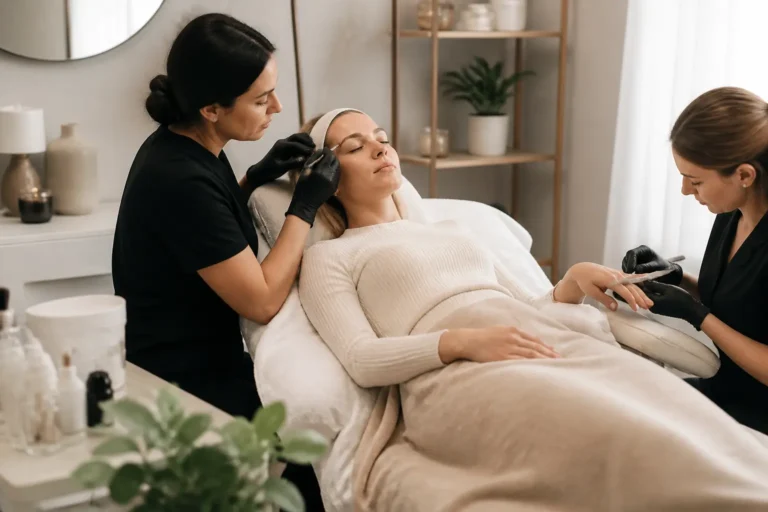
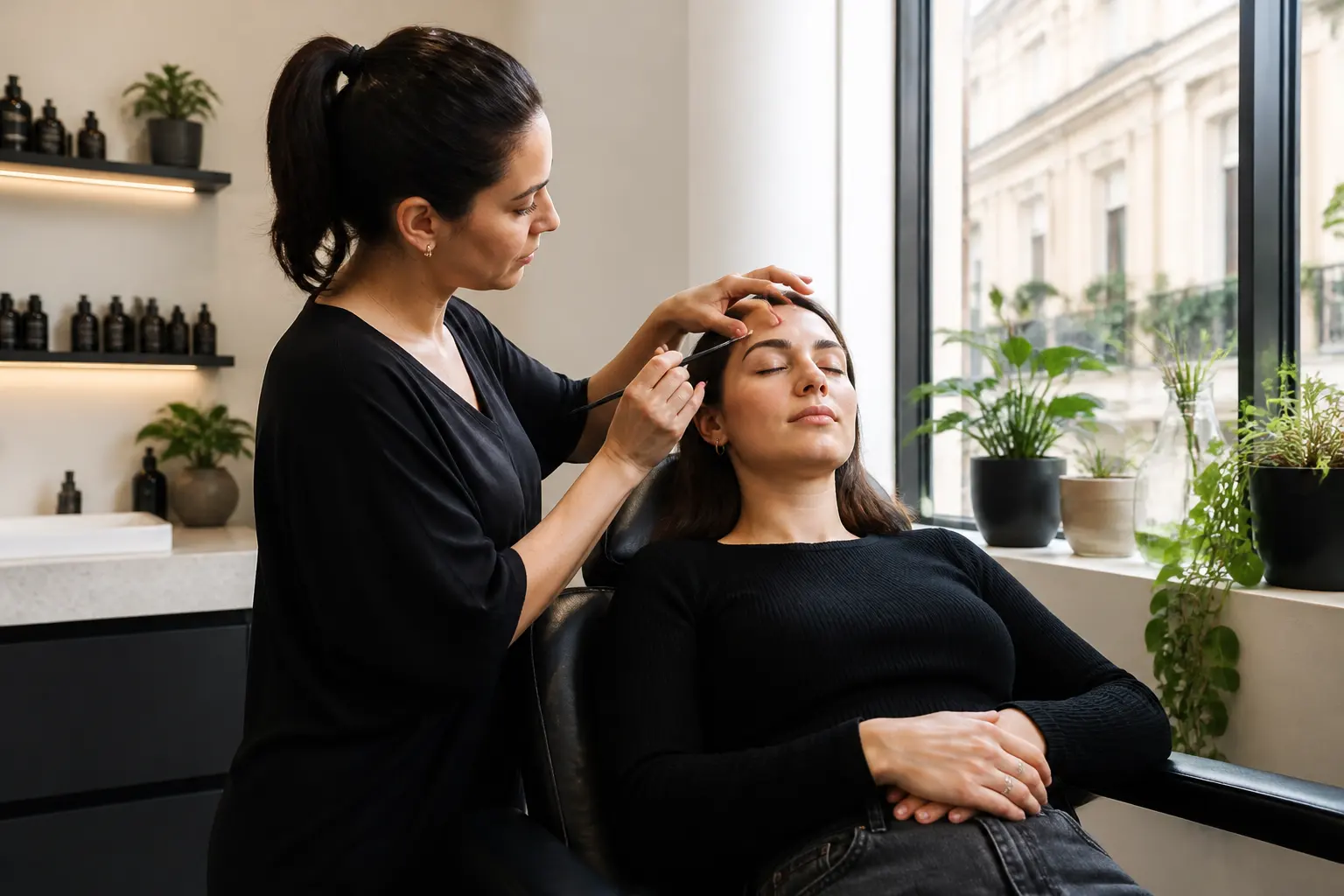
Threading and eyebrow design can be easier to budget for when you think about your normal regrowth pattern rather than booking only when your brows feel overdue. At a professional studio, the service is tailored to your natural brow growth, face balance and the finish you prefer. Some clients like a softly defined result, while others want a clearer outline that still feels natural.
A consistent maintenance routine does not mean booking more often than you need. It means recognising the interval that works for you and reserving space for it in your budget. If you are unsure, a brow specialist can help you understand what maintenance may suit your own brows without pushing you into a fixed schedule.
3. Future appointments fund
Some beauty services are not monthly, but they should still be planned for. Think about a holiday, a wedding, a birthday, a change of season, a semi-permanent consultation or an appointment you prefer to book before a particular occasion.
Set aside a small amount each month for these future needs. This is often more comfortable than trying to cover several appointments in one week. It also gives you time to make decisions carefully, especially for services that deserve a consultation or patch test first.
4. Flexibility fund
Leave a modest amount for the unexpected. You might run out of a favourite product, want an upper-lip threading appointment before an event, or decide to add a small grooming service when you already have time booked in your diary.
This category is what keeps a beauty budget realistic. A plan with no flexibility can be difficult to maintain, while a small buffer lets you enjoy your routine without constantly moving money from another priority.
Choose appointments by value, not by pressure
Beauty trends move quickly, but your budget does not need to follow every one. Before adding a new service or product, pause and consider what it would change in your actual routine.
Ask yourself:
- Will this reduce the time I spend getting ready?
- Will I need ongoing appointments or products to maintain it?
- Do I understand the aftercare and timing involved?
- Am I choosing it for myself, or because I feel behind on a trend?
- Would I still choose it if I had to remove another beauty expense this month?
These questions are particularly helpful when comparing a low-cost daily habit with a professional service that may last through several weeks of normal life. A brow routine is a good example. Daily filling, shaping and correcting can take time, while a well-considered threading appointment may make your usual makeup routine simpler. The right choice depends on your preferences, natural brows and spending priorities.
A sustainable routine is not the most elaborate one. It is the one that you can afford, maintain and enjoy without feeling pressured to copy somebody else’s schedule.
Plan your brow maintenance as part of your everyday look
Eyebrows are often a sensible category to place in the core maintenance section of a monthly beauty budget. They frame the eyes, help bring balance to the face and can make a simple routine feel more intentional. That does not mean every person needs a dramatic shape or a high-maintenance look.
At a dedicated threading studio, brow design should begin with observation rather than a one-shape-fits-all template. The natural density, direction of hair growth, facial features and your preferred level of definition all matter. This is especially valuable in an international setting like Malta, where clients have a wide range of brow types, skin tones and personal style preferences.
Threading uses a fine thread to remove unwanted hair with precision. At Becammo, disposable single-use thread is used for each client, with cotton as the usual material and polyester available for clients with relevant allergies. The appointment can be a practical way to refine shape without relying on isolated tweezing at home, which can sometimes lead to uneven removal or over-plucking.
When you add brow care to your budget, think beyond the appointment itself. Consider the time it saves in your day-to-day routine, the confidence you get from a shape that feels like you, and the convenience of booking at a location that suits your schedule in Sliema or Swieqi.
Make irregular costs feel manageable
Some of the biggest beauty budget surprises are predictable in hindsight. Summer holidays, festive events, wedding season and visiting friends or family can all create a rush of appointments and product purchases. The solution is not necessarily to spend less. It is to plan earlier.
Create a short list of the dates that matter to you in the next six months. Next to each one, note whether you may want any beauty preparation. Keep it broad at first. You may decide later that you only need a brow tidy-up, or that an at-home routine is enough.
If you do plan a professional appointment before an event, allow enough time to book at a convenient time and follow any relevant aftercare guidance. Avoid leaving every detail until the day before, particularly if you are trying a service for the first time.
Review your budget every month, without starting from zero
Your routine will change. Skin can feel different with the weather, work schedules become fuller, travel plans appear and your priorities shift. A monthly review lets you adjust without treating the original budget as a failure.
At the end of each month, check:
- Did I stay close to the amount I planned?
- Which category was most useful?
- What did I spend on that did not add much value?
- Do I need to set aside more for an upcoming event or replacement product?
- Would simplifying one part of my routine make next month easier?
You may find that one carefully chosen professional appointment has more impact on your confidence than several unplanned purchases. Or you may realise that your best investment is keeping your home routine simple and using appointments only when they fit your schedule. Both are valid outcomes.
A practical example of a balanced routine
Imagine that you have decided to set a personal monthly beauty allowance. Rather than spending it all in the first week, you could divide it into four portions: everyday product replacements, planned brow maintenance, savings for a future occasion and a small flexible amount.
During a quieter month, you might only use the core routine and carry the remaining money forward. Before a holiday or celebration, you can use the future appointments fund rather than relying on an unplanned expense. If you decide to try a different service, you can make room for it by reviewing the optional extras category first.
This approach does not require a complicated financial system. It simply gives each beauty decision a place. That makes it easier to choose services because they suit you, not because you feel rushed.
Conclusion
A monthly beauty budget works best when it supports your real life. Start with what you already use, protect the appointments and products that give you the greatest everyday value, and save gradually for occasional extras. There is no need for an all-or-nothing routine.
If eyebrow shaping is one of your essentials, planning it as regular maintenance can make your schedule and spending feel more organised. A professional threading appointment is also an opportunity to discuss the shape, finish and upkeep that suit your natural brows. When you are ready, choose the Becammo location that is most convenient for you in Sliema or Swieqi and book a brow service that fits your routine.
Frequently asked questions
How much should I put aside for a monthly beauty budget?
The right amount depends on your income, other commitments and the services or products you genuinely use. Start by reviewing recent spending, then choose an amount that feels comfortable rather than restrictive. A budget you can maintain is more useful than an ambitious figure you abandon after one month.
Should professional brow shaping be part of my monthly budget?
If brow maintenance is part of your usual routine, it can be helpful to include it as a core category. The timing varies according to hair growth and your preferred look, so it does not have to mean the exact same appointment every calendar month.
How can I stop buying beauty products I do not use?
Keep a short list of products you are replacing, wait before buying trend-led items and check what you already have at home. Consider buying a new product only when it fills a clear gap in your routine.
Is it better to book beauty appointments in advance?
Booking ahead can make your routine easier to plan, especially before holidays or events. It can also help you choose a time and location that fits your diary. At Becammo, appointments are booked through the online system with an advance deposit.
What is the simplest beauty routine to budget for?
A simple routine usually combines the home products you use consistently with one or two professional services that make the biggest difference to your everyday confidence. For many people, that may include personalised brow shaping, but the best routine is always individual.