Blonde and Grey Brows: Why Definition Matters Without Colour
Brenda Cammo Team
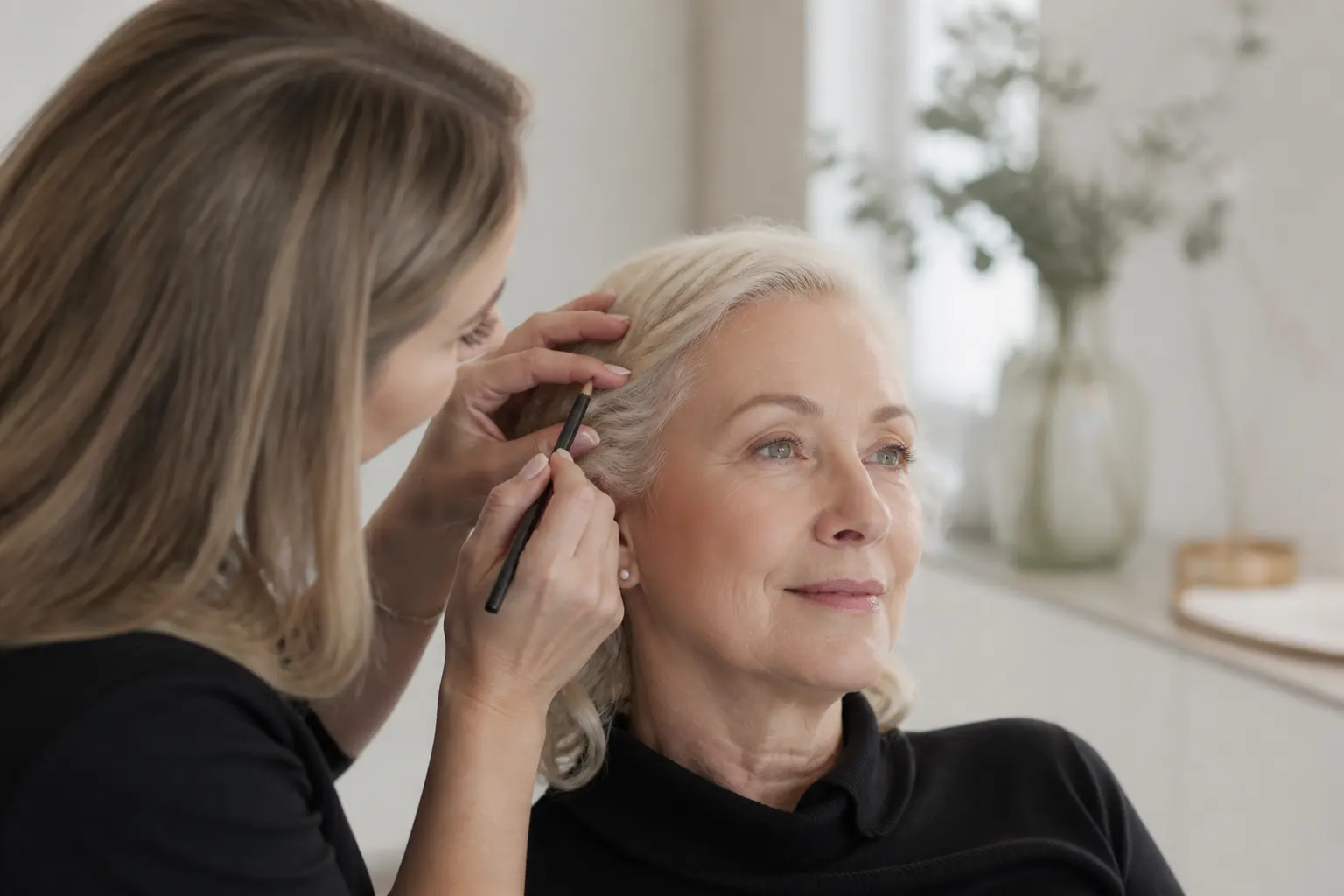
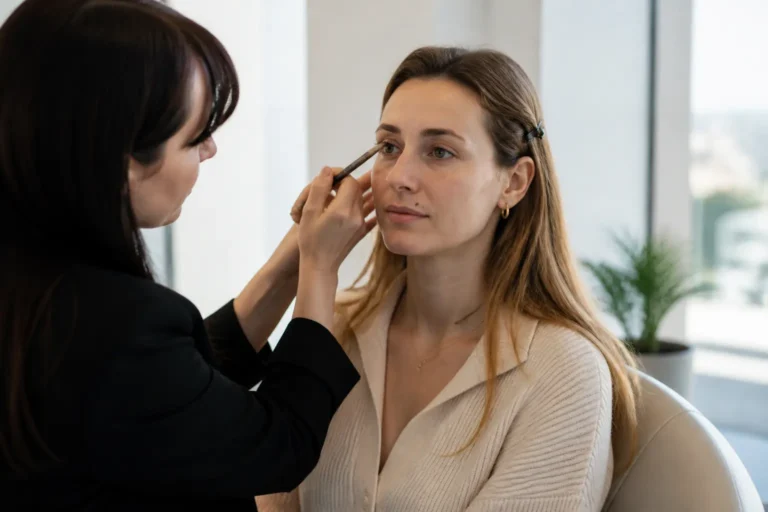
Blonde and grey eyebrow hairs can be easy to underestimate. When the colour is naturally soft, sparse-looking or mixed with lighter strands, it may seem as though tint is the only route to a more noticeable result. In practice, colour is only one part of eyebrow definition. A considered shape can make a meaningful difference even when every hair remains completely natural.
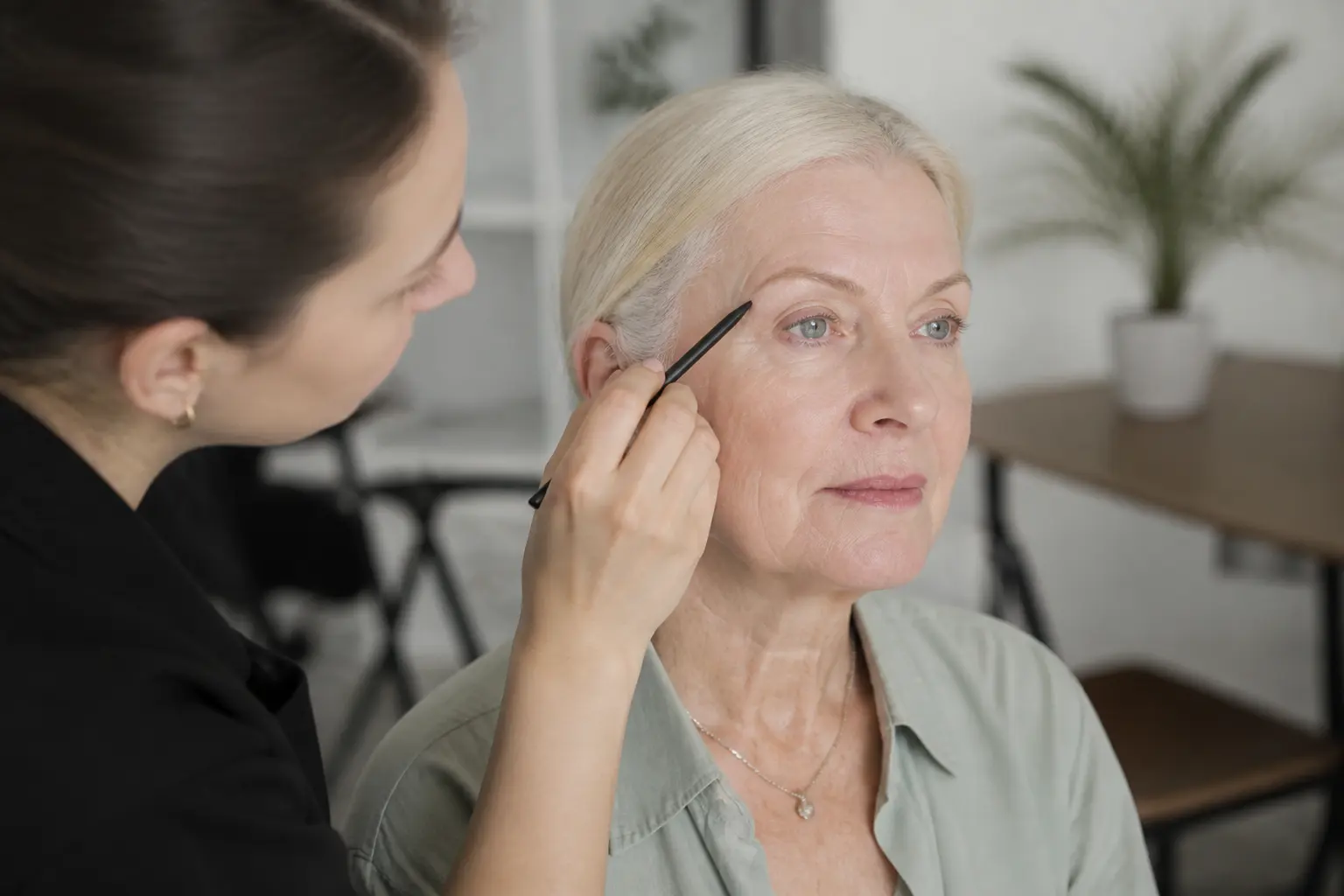
For many people, the goal is not darker brows. It is a cleaner outline, better balance between the two sides and a shape that helps the eyes look more open without appearing heavily styled. This is where professional eyebrow shaping for blonde and grey brows matters. At a dedicated studio, the focus is on reading the hairs that are there, mapping the face and removing only what distracts from the natural line.
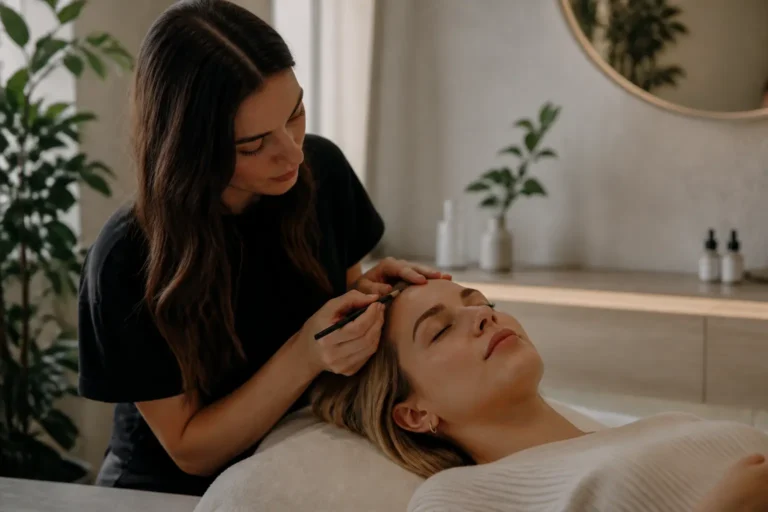
Threading can be particularly useful for this approach because it allows detailed work around the upper and lower edges of the brow. Rather than trying to create definition with colour alone, the appointment can refine the structure already present.
Why light-coloured brows can still have a strong shape
Definition does not have to mean intensity. It means that the brow has a recognisable beginning, body, arch and tail that work together with your facial features. On darker brows, contrast may make these elements easier to see from a distance. On blonde or grey brows, the same structure is often present, but it can be less obvious until surrounding stray hairs are removed.
Think of the brow as a frame made from fine individual hairs. If hairs extend too far above the intended line, sit beneath the lower edge or blur the tail, the frame becomes less clear. Carefully refining those areas can reveal a shape that was already there.
This is especially relevant when brows include several shades. Grey hairs may grow alongside darker or lighter hairs, while naturally blonde brows can vary from almost translucent at the front to more visible through the arch. A professional should not treat every hair as unwanted simply because it is pale. The aim is to understand the pattern of growth and preserve the hairs that support the overall design.
What definition means when you do not want colour
A natural, colour-free brow appointment is usually about proportion and neatness. It can include:
- identifying where each brow should begin in relation to the face;
- finding an arch position that follows your own bone structure and hair growth;
- refining the lower edge without making it too thin;
- softening or clarifying the tail according to the density available;
- reducing isolated hairs that make the brow look untidy between appointments;
- keeping the two brows balanced without forcing them to look identical.
Brows are sisters, not copies. Their density, direction and height can differ naturally, particularly as hair texture changes over time. Trying to make them perfectly matching can lead to over-removal. A better result is one that creates visual harmony while respecting the brow hairs you have.
For blonde and grey brows, a well-defined shape often looks fresher because it brings order to a softer colour palette. The result can remain understated in daylight and photographs, rather than looking like a dark outline drawn onto the face.
Why mapping is valuable for light and grey hairs
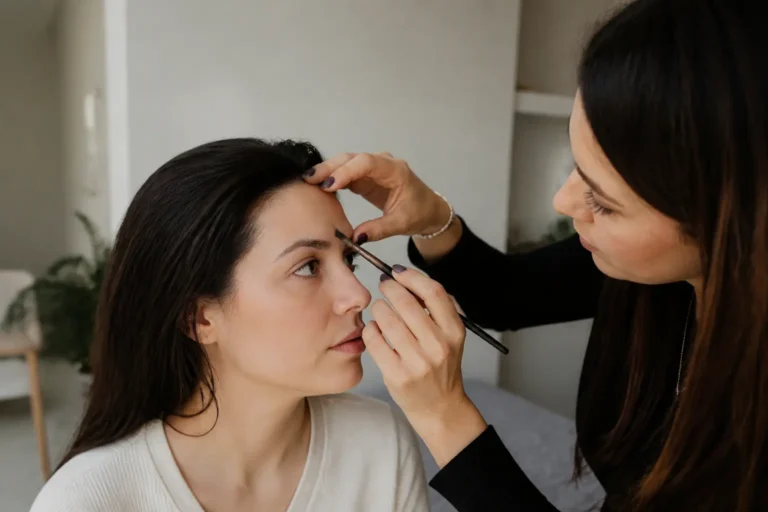
Professional brow mapping is the planning stage before hair removal. It helps the brow artist assess your natural starting point, highest point and tail, then consider the width and direction that suit your face. This is not about applying one fashionable brow shape to everyone. It is about creating a personalised guide.
With pale hairs, mapping is valuable because the natural borders may be harder to spot at first glance. Some hairs are fine, some may grow at different angles and some may appear only in certain lighting. Taking time to assess the brows before threading helps prevent a rushed clean-up from becoming an overly narrow shape.
At a professional studio, the brow artist can also consider how much definition is appropriate for your usual routine. Someone who wears little or no make-up may prefer a soft, tidy result that looks effortless. Another client may want a slightly cleaner arch because they use brow pencil or powder at home and want an easier base to work with. Both choices can be natural when they are planned around the individual.
How threading supports precise definition
Threading uses a twisted thread to remove unwanted hairs from the root. At Becammo, disposable single-use thread is used for each client. The technique is suited to detailed eyebrow work because it can target small rows of hair along the shape rather than relying on broad removal.
For blonde and grey brows, that level of control is helpful. The artist can clear fine hairs that soften the line while protecting hairs that contribute to density. The appointment should not be about making the brows dramatically slimmer or sharper than your natural features support. It should be about making the existing brow easier to see.
Some clients experience mild discomfort during threading, particularly in sensitive areas. This varies from person to person. A calm, well-paced appointment and clear communication make it easier to adjust the service around your comfort where possible.
When leaving the colour natural may be the right choice
There are many reasons to choose shaping without tint or henna. You may like the way your brows have naturally lightened over time. You may prefer a low-maintenance look, have sensitive-looking skin after hair removal, be trying a new shape first or simply want to see your natural brow pattern more clearly before considering any colour service.
Natural shaping can also make daily make-up more flexible. Once the outline is clean, you can leave the brows bare on quieter days, then add a light pencil, powder or tinted brow gel when you want more emphasis. The shape remains the foundation, while colour becomes optional.
Grey brow hairs can have a beautiful soft texture and character. They do not need to be hidden to look polished. In many cases, a clean outline and brushed-up finish are enough to make them look intentional.
Common mistakes to avoid with pale brows
Removing too much from underneath
It can be tempting to chase a very crisp lower line, especially when the hairs are light. But removing too much from the lower edge can reduce the brow’s natural fullness and make the eye area look less balanced. Careful shaping preserves the hairs that provide support and width.
Making the tail too thin
The tail is often naturally finer than the front and middle of the brow. If it is over-refined, it may become harder to see, particularly on blonde or grey hairs. A professional assessment can help decide whether the tail needs cleaning, softening or simply leaving alone.
Using a dark product to compensate for an unclear shape
Heavy make-up can make an untidy outline more noticeable rather than solving it. Start with shape, then choose a product that adds only the amount of definition you enjoy. Light strokes and soft shades usually work more naturally than a solid block of colour.
Trying to create identical brows at home
Close-up mirrors can encourage over-tweezing, particularly when you are correcting one small hair after another. If one brow seems different, step back and look at the whole face. Small differences are normal. Regular professional shaping can reduce the urge to keep correcting at home.
A practical routine between appointments
Definition is easier to maintain when you avoid changing the main shape yourself. If a few isolated hairs appear between appointments, it may be best to leave them until your next visit, especially if you are growing out areas that have previously been over-plucked.
At home, a simple routine can include brushing brows into their natural direction with a clean spoolie. This helps you see where the natural density sits and can make pale or grey hairs look more orderly without adding product. If you use make-up, choose it after brushing, not before, so you are enhancing the real shape rather than covering it.
How often you need shaping depends on your hair growth and the finish you prefer. Many clients choose a regular rhythm as hairs grow back, but there is no single schedule that suits everyone. Your brow artist can help you notice when the outline is beginning to lose clarity without encouraging unnecessary removal.
How to explain the look you want at your appointment
A clear conversation helps create a result that feels like you. You do not need technical language. Simple requests are useful, such as:
- “I want my brows tidy, but I do not want them darker.”
- “Please keep them soft and natural.”
- “I want to retain as much fullness as possible.”
- “My grey hairs are part of my natural look, so I only want the shape refined.”
- “I wear brow make-up sometimes, but I want the brows to look good without it too.”
You can also mention whether you are growing out a particular area, whether your skin is feeling sensitive or whether you have a preferred brow routine. These details allow the brow artist to adapt the session rather than following a generic template.
Colour and shape can be separate decisions
Choosing not to add colour today does not close the door on it later. Shape work gives you a chance to see your brows at their clearest in their natural state. From there, you can decide whether you enjoy them exactly as they are or would like to explore tint or henna in a future appointment.
The important point is that colour should not carry the whole result. When the underlying shape is balanced, any optional colour service has a clearer base. When the shape is already doing its job, you have more freedom to keep the finish soft, change your make-up or remain completely natural.
Conclusion
Blonde and grey eyebrow hairs deserve the same thoughtful approach as any other brow type. Definition comes from careful mapping, respect for natural density and precise removal of the hairs that blur the outline. It does not require a darker colour or a dramatic change.
If you would like your brows to look tidier, more balanced and still entirely like you, book an eyebrow shaping appointment at Becammo in Sliema or Swieqi. A professional assessment can help you find a shape that works with your natural colour, hair pattern and everyday routine.
Frequently asked questions
Can blonde eyebrows look defined without tint?
Yes. A clean, balanced shape can make blonde brows more noticeable without changing their colour. Mapping and precise removal help reveal the natural brow line while keeping the finish soft.
Should grey eyebrow hairs be removed?
Not simply because they are grey. Grey hairs can be part of a balanced natural brow. The focus should be on whether a hair supports the shape, rather than on its colour alone.
Will threading make light brows look too thin?
It should not when the service is tailored to your natural density and desired finish. Tell your brow artist that you want to preserve fullness, particularly if you are growing out previously over-plucked areas.
Can I wear brow make-up after an eyebrow shaping appointment?
Many clients do, but it is sensible to follow the aftercare guidance given during your appointment. If the skin feels sensitive immediately afterwards, keeping the area clean and avoiding unnecessary friction can be more comfortable.
How often should blonde or grey brows be shaped?
This depends on your individual growth pattern and how tidy you like the outline to look. A brow artist can help you find a maintenance rhythm that protects your preferred shape.