Facial Massage Benefits: Lymphatic Drainage and a Natural Lift
Brenda Cammo Team
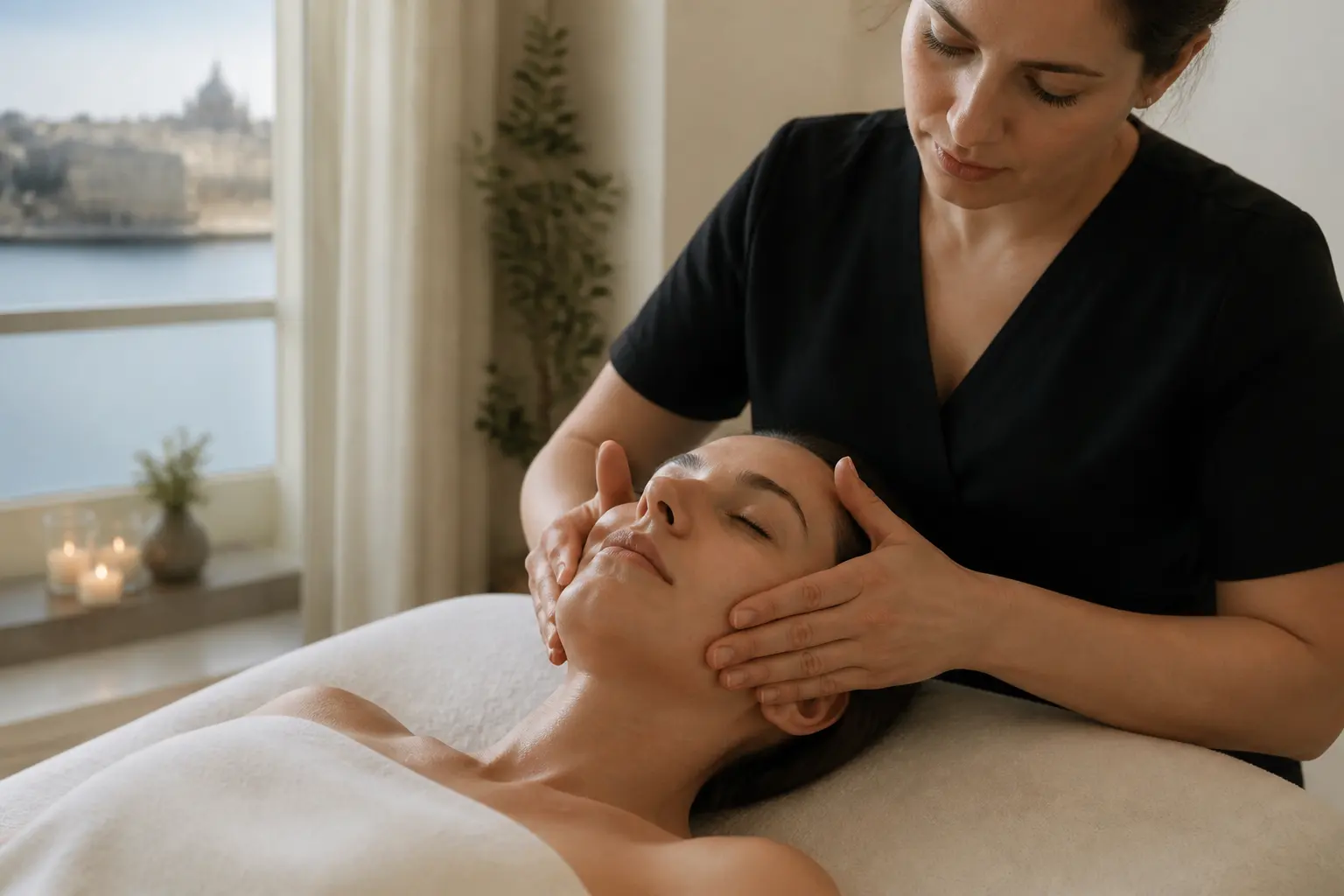
Facial massage can make a welcome difference when your face looks puffy, tense or simply in need of a pause. With light, intentional movements across the jaw, cheeks, forehead and neck, it can support a more relaxed expression and a temporarily fresher-looking complexion. That is why it is often associated with lymphatic drainage and a ‘natural lift’.
However, it is worth being clear about what those phrases mean. A professional facial massage cannot permanently lift facial tissues, change bone structure or replace medical care for swelling. What it can do is create a calm, cared-for feeling, encourage short-term circulation at the skin’s surface and help reduce the appearance of everyday puffiness for some people. The result is usually subtle and personal, rather than dramatic or identical for everyone.
If you are considering a facial massage in Malta, understanding the technique, realistic benefits and right time to book can help you choose a service that suits your routine.
What is facial massage?
Facial massage is a series of manual movements applied to the face, and often the neck and upper shoulders, using clean hands and an appropriate product to reduce friction. Depending on the aim of the session, these movements may include gentle gliding strokes, light pressure, small circles and carefully directed sweeps.
In a professional setting, the approach should be adapted to your skin comfort, facial sensitivity and the purpose of the appointment. A relaxing facial massage is not the same as a vigorous body massage. The face contains delicate areas, including around the eyes, and pressure should remain measured and comfortable.
When facial massage is described as lymphatic drainage, the focus is generally on very light, rhythmic movements. These are designed around the natural pathways through which fluid moves in the body. The word ‘drainage’ can sound intense, but the technique itself should not rely on force. If pressure feels sharp, painful or leaves you feeling bruised, it is not the calm, gentle experience most people expect from facial massage.
Facial massage benefits, with realistic expectations
A more relaxed facial expression
Many of us hold tension in the jaw, temples, forehead and between the brows, especially during busy weeks, screen-heavy days or periods of stress. Taking time for gentle massage can feel soothing because it creates a deliberate pause and brings attention to areas that may feel tight or overworked.
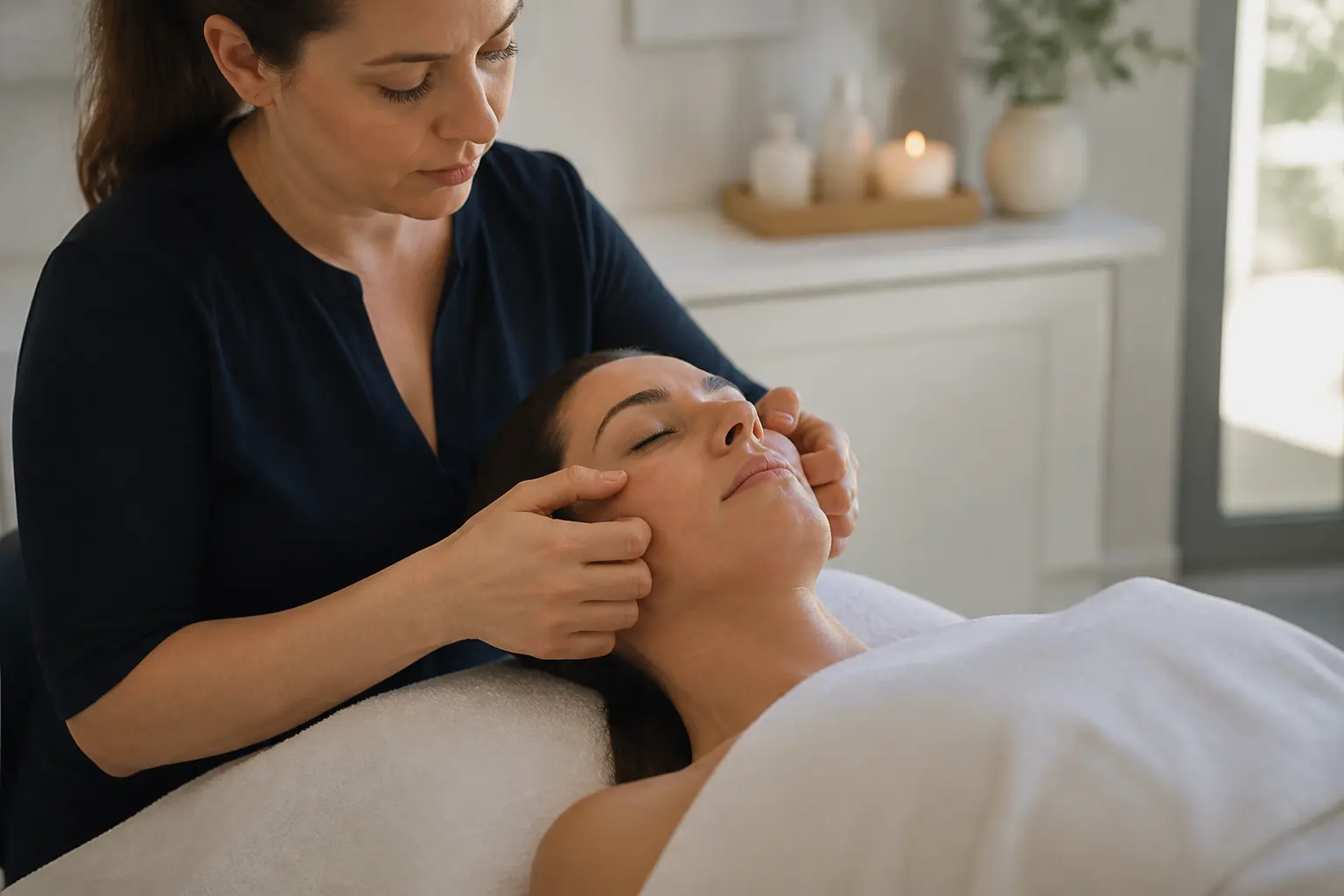
This is one reason people often describe their face as looking softer after a session. The effect is not a permanent reshaping of the face. Instead, it may reflect a more relaxed expression, a rested appearance and the simple benefit of taking time out for yourself.
Temporary help with everyday puffiness
It is common to wake with a slightly puffy-looking face after a short night’s sleep, salty food, travel, alcohol or seasonal discomfort. Gentle facial massage may help the face look less congested for a short period, particularly when paired with cooling, hydration and a gentle skincare routine.
Medical guidance on lymphatic drainage massage notes that facial drainage may reduce puffiness and give skin a temporary glow, while also making clear that lymphatic massage is not suitable for everyone. It should never be used as a substitute for assessment of new, severe or persistent swelling. You can read more in this overview from Cleveland Clinic.
For beauty purposes, think of facial massage as supportive care for ordinary, temporary puffiness, not as a solution for an unexplained health concern.
A short-term boost in surface circulation
Massage creates mechanical stimulation at the skin’s surface. Small studies have observed increased facial skin blood flow after massage with a facial roller, which may help explain why skin can look warmer or more radiant immediately afterwards. This is a short-term response, not proof that massage changes the skin permanently. The research is interesting, but limited, and results can differ from one person to another. See the study indexed by PubMed.
In practical terms, this is why a facial massage can be a lovely addition before an event, a holiday, photographs or a moment when you simply want to look rested. It is best approached as a temporary complexion boost rather than a promise of long-lasting transformation.
A mindful beauty ritual
There is also value in the ritual itself. A professional appointment offers uninterrupted time to slow down, breathe and step away from a rushed routine. Massage as a wider practice is often used to support wellbeing and relaxation, although the evidence for specific health claims varies by condition and technique. The National Center for Complementary and Integrative Health advises choosing a trained practitioner and discussing any health concerns with a healthcare provider rather than delaying medical advice.
For many clients, that balanced view is the most useful one. Facial massage is not about chasing an unrealistic version of your face. It is about taking a gentle, personalised approach to feeling refreshed in your own skin.
What does a ‘natural lift’ really mean?
The phrase ‘natural lift’ is widely used in beauty, but it needs context. A facial massage may create the appearance of more definition for a short time when puffiness settles and facial tension eases. Cheeks may look a little fresher, the jawline may appear less heavy and the eyes may look more awake.
That does not mean the face has been structurally lifted. Facial massage cannot tighten loose skin permanently, erase lines or deliver the same outcome as an invasive procedure. A professional should be honest about that distinction.
A more helpful way to think about a natural lift is as a refreshed visual effect. It may be especially noticeable when your face feels tired or puffy to begin with. It can also be less noticeable on another day. Sleep, hydration, stress, skin condition, allergies, travel and your individual facial anatomy all affect what you see in the mirror.
The best facial massage result is usually one that looks like you, only more rested and comfortable.
How lymphatic-style facial massage differs from deep pressure
More pressure is not better when the face is involved. Lymphatic-style movements are generally light and slow. They may begin around the neck before moving across the jaw and cheeks, then up towards the forehead, always respecting the delicate eye area.
Deep pressure has a place in some body massage techniques, but facial massage needs a different approach. Strong pulling, aggressive scraping or excessive pressure can leave sensitive skin uncomfortable and may not be appropriate for someone with active irritation or a compromised skin barrier.
At a professional studio, communication matters throughout the service. Tell your therapist if you have tenderness, recent sensitivity, a particular area you would prefer to avoid or a pressure preference. A good session should feel tailored, not one-size-fits-all.
Who may enjoy a facial massage?
Facial massage can be appealing if you:
- want a calming addition to a self-care day;
- occasionally notice mild, everyday facial puffiness;
- feel you hold tension around the jaw, brow or temples;
- are preparing for an occasion and want a rested-looking finish;
- prefer a gentle, hands-on beauty ritual;
- want to build more mindful skincare habits.
It can also work well alongside a facial chosen for your skin’s current needs. The key is personalisation. Dry, reactive, oily and combination skin do not all need the same amount of product, pressure or massage time.
When should you ask before booking?
It is sensible to ask questions before booking if you have active acne inflammation, a skin infection, open areas, a rash, recent facial procedures, unexplained swelling or any medical condition that affects fluid retention. If you have been advised to avoid massage, or you are unsure whether it is appropriate, speak to your healthcare professional first.
General lymphatic drainage guidance also lists conditions that need medical consideration, including fever, infection, blood clots, heart disease and kidney failure. These points are especially important when someone is seeking massage for a health concern rather than ordinary cosmetic puffiness. Do not use a beauty appointment to self-manage symptoms that are new, worsening or persistent.
For a professional studio, these conversations are part of responsible care. Sharing relevant information before your session helps the therapist adapt the experience or recommend that you postpone it when needed.
How to get the most from your appointment
Arrive with a simple, honest brief
You do not need to know the exact technique you want. Explaining your goal is enough. You might say that your main concern is puffiness after travel, a tense jaw after long workdays or a wish to look rested before an event. This gives your therapist a useful starting point.
Keep your skincare gentle around the session
Avoid introducing a strong new exfoliant or active product immediately before a facial massage, particularly if your skin is already reactive. On the day, clean skin and clear communication are more helpful than an elaborate routine.
Plan with your event in mind
If you are booking before a wedding, party or professional photographs, avoid leaving your first-ever facial experience to the final hour. Skin can react differently to products, touch and temperature. Booking ahead gives you more room to learn what feels comfortable for you.
Support the refreshed feeling at home
Afterwards, keep things simple. Drink water as part of your normal routine, avoid rubbing your face unnecessarily and use skincare that your skin already tolerates well. If you want to try facial massage at home, use a clean face, clean hands and very light pressure. Stop if your skin feels sore or irritated.
Facial massage at home versus a professional session
A short home massage can be a pleasant addition to your evening skincare routine. It costs nothing beyond the products you already use, and it can help you become more aware of areas where you hold tension. The trade-off is that it is easy to use too much pressure, pull the skin or follow online advice that does not suit your face.
A professional session offers a more considered environment. The therapist can assess comfort in real time, maintain hygienic practice and adapt the movements to the purpose of the appointment. It is also easier to truly relax when you are not trying to watch your technique in a mirror.
Neither option needs to be extreme. Consistency, comfort and realistic expectations matter far more than forceful movements or complicated tools.
Choosing massage and spa care in Malta
When you book massage or spa care, look for a studio that makes space for consultation and clear questions. You should feel comfortable mentioning skin sensitivity, recent treatments, pressure preferences and the result you hope to achieve. The goal is not to fit every client into one routine, but to make the experience appropriate for the individual.
At Becammo, a personalised approach is central to beauty care. If you are looking for a calming massage experience or want to discuss whether lymphatic drainage-style massage suits your current needs, booking with a professional gives you the opportunity to ask before the session begins.
Facial massage can be a gentle way to reset, especially when you want temporary de-puffing, a more relaxed expression and a little time for yourself. Choose it for the feeling of care and the subtle, refreshed effect it may bring, then let the final result remain uniquely yours. When you are ready, use the booking options to explore massage and spa services in Sliema or Swieqi.
Frequently asked questions
Does facial massage really lift your face?
It may create a temporary, more refreshed-looking effect by easing facial tension and reducing the appearance of everyday puffiness. It does not permanently lift facial tissues or change your facial structure.
Can facial massage reduce a puffy face?
Gentle massage may help some people with ordinary, temporary puffiness, such as after travel or a poor night’s sleep. New, painful, severe or persistent swelling should be assessed by a healthcare professional.
Should lymphatic drainage facial massage be painful?
No. Lymphatic-style facial massage is usually very light. Tell your therapist straight away if you feel pain, sharp discomfort or excessive pressure.
How often should I have a facial massage?
There is no single schedule that suits everyone. It depends on your goals, skin comfort, lifestyle and the type of service you choose. A professional can help you decide on a routine that feels realistic.
Can I have facial massage if I have sensitive skin?
Often, a gentle approach may be possible, but it depends on your skin’s condition that day. Tell the studio about sensitivity, redness, active irritation or products you are using before your appointment.