Oily Skin and Microblading: How Skin Type Shapes Results
Brenda Cammo Team
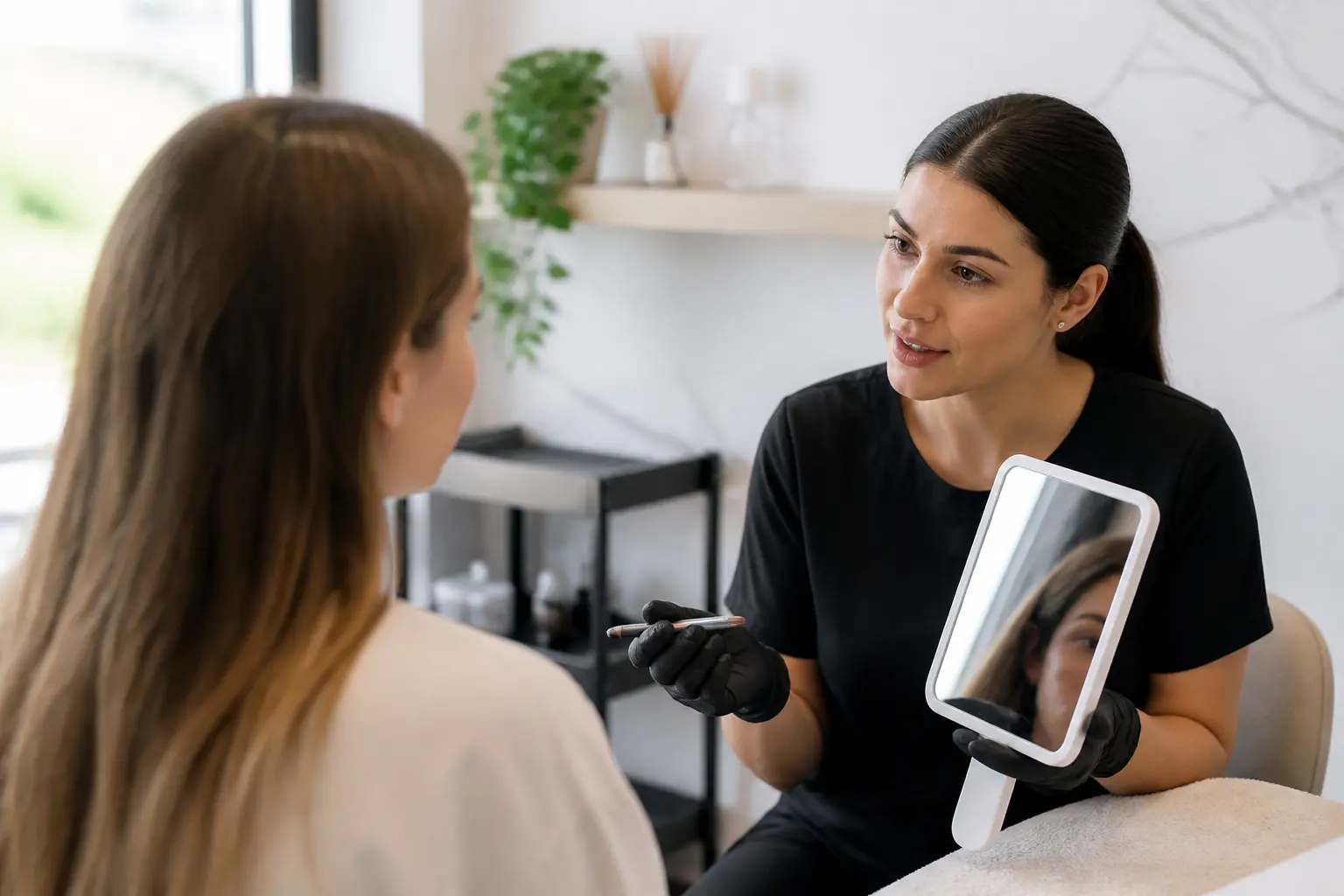
If you have oily skin, it is sensible to ask whether microblading will suit you before booking. The short answer is that oily skin does not automatically rule out semi-permanent brows. It can, however, influence how clearly fine hair strokes heal, how much pigment the skin retains and how quickly the result appears to soften over time.
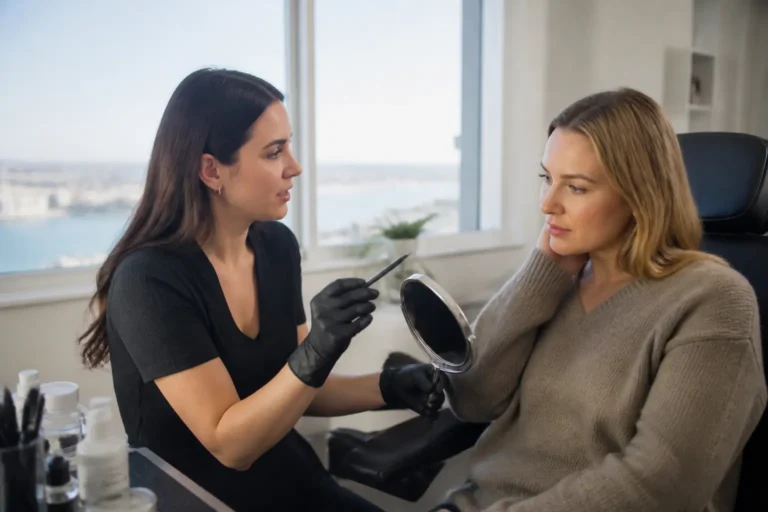
That is why a professional consultation should focus on more than your preferred brow shape. Your artist needs to consider the skin in the brow area, your everyday skincare routine, your lifestyle and the finish you want. The aim is not to force one technique onto every face. It is to choose a considered approach that respects your skin and gives you realistic expectations from the beginning.
At Becammo in Malta, this conversation is especially useful for clients whose forehead and T-zone become shiny through the day, who experience frequent congestion around the brows, or who are unsure whether their skin is oily, combination or simply temporarily dehydrated.
Why oily skin can affect microblading
Microblading is a form of semi-permanent make-up that uses a manual hand tool to place pigment in fine, hair-like strokes. Once the area heals, those strokes are intended to blend with your natural brow hair and create a fuller, more defined look.
Skin with higher oil production can make this process less predictable. Sebum, the skin’s natural oil, is important for supporting the skin barrier, but heavier activity in the brow area may affect the way delicate strokes settle and remain visible. Published clinical discussion of microblading notes that pigment retention can be weaker in people with high sebaceous gland activity, and that this should be discussed carefully before the procedure. A review of microblading practice and complications also highlights the importance of counselling clients about variable retention.
In practical terms, oily skin may mean:
- fine strokes can heal with softer edges rather than an especially crisp hair-like appearance;
- some areas may retain pigment differently from others;
- the healed colour may look lighter than the fresh result;
- maintenance needs can differ from one client to another.
These are possibilities, not promises of a particular outcome. Two people with oily skin can have very different results because skin behaviour is only one part of the picture. Technique, aftercare, sun exposure, skincare ingredients, sweating, existing brow work and the natural condition of the brow area all matter too.
Oily skin is not the same as combination skin
Many people describe their skin as oily when it is actually combination. Combination skin may feel comfortable or dry on the cheeks but become shiny across the forehead, nose and brows. Because the brow zone sits in the T-zone for many clients, it is this local skin behaviour that matters most during a semi-permanent brow assessment.
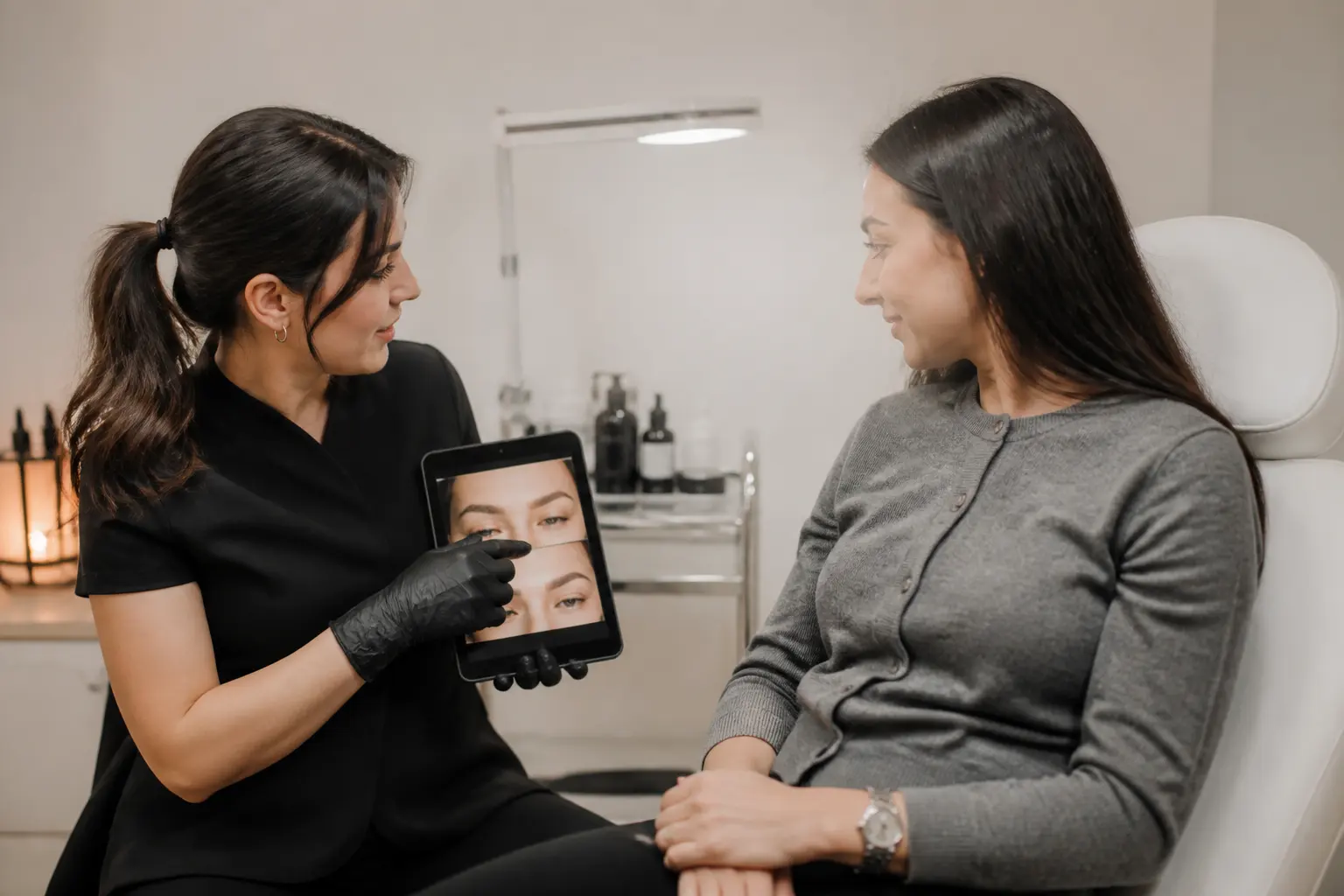
It is also possible for skin to look oily while feeling tight or uncomfortable. Over-cleansing, harsh exfoliation or unsuitable products can leave the surface unbalanced. Trying to diagnose your own skin type from one particularly warm day in Malta is not always helpful. Instead, notice patterns over several weeks. Does shine return quickly after cleansing? Do make-up products break apart around the brows? Are there recurring blocked pores or active breakouts nearby? Bring those observations to your appointment.
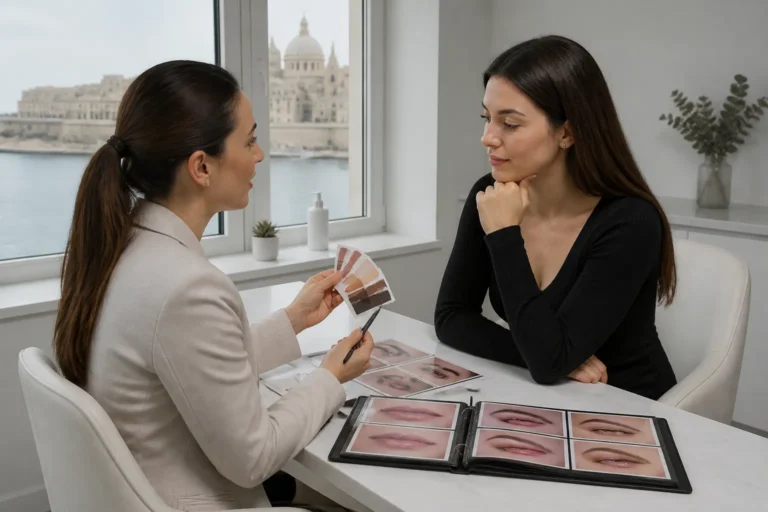
A consultation is the right place to share this information. It allows your artist to look at the brow area in person, ask about your routine and discuss whether microblading, microshading, nanoblading or another route is more appropriate for your goals.
What the final result may look like on oily skin
The fresh result immediately after a microblading appointment is not the final result. During the healing period, brows commonly look stronger at first, then may appear to fade before the healed colour settles. This can be unsettling if you are expecting the first-day appearance to remain unchanged.
On oily skin, the difference between fresh and healed brows can be more noticeable. Hair strokes may become softer as the skin heals, and some clients find that their result looks less sharply defined than they had imagined from photographs of freshly completed work. This does not mean the appointment was unsuccessful. It means the skin has its own role in the final appearance.
For this reason, it is important to choose a brow plan rather than chase a copied image. A photograph may show a client with different skin behaviour, brow density, colouring and healing response. Your own best result may involve a lighter, softer plan, a different stroke pattern or a technique that creates definition in another way.
Clarity, colour and longevity are separate questions
When deciding whether to book, it helps to separate three expectations that are often grouped together:
- Stroke clarity: how hair-like and defined individual strokes appear once healed.
- Colour retention: how much visible pigment remains after the initial healing period.
- Longevity: how the brows gradually fade and when you may want future maintenance.
Oily skin can influence all three, but not in exactly the same way. A client may retain colour reasonably well while finding that ultra-fine strokes soften sooner than expected. Another may need a more cautious approach because retention appears uneven. Honest planning is more valuable than making one fixed promise about how long any result will last.
Why the consultation matters before microblading
A semi-permanent make-up consultation is not simply an administrative step. It is an opportunity to decide whether the procedure and your expectations are well matched. In Malta, semi-permanent tattooing is subject to licensing requirements and hygiene standards, so choosing a properly regulated setting is an important part of responsible booking. The Malta Department for Health Regulation standards set out licensing, consent and safe practice expectations for semi-permanent tattooing services.
During a professional consultation, useful topics include:
- how oily your brow area becomes and whether it changes seasonally;
- your natural brow density, growth direction and any sparse sections;
- previous microblading, brow tattooing or pigment correction;
- the skincare, exfoliating products and active ingredients you use around the face;
- your usual exercise, swimming, sun exposure and work routine;
- the difference between a very crisp hair-stroke look and a softer, shaded effect;
- the healing process, aftercare and the role of a follow-up session where applicable.
This is also your chance to ask direct questions. For example: “How might my brow area heal?”, “What should I realistically expect from fine strokes?”, and “Is there another semi-permanent brow option that better fits my skin and desired finish?” Clear answers help you make an informed decision rather than booking based on a trend alone.
Technique choice should be personal, not automatic
Microblading is one option within semi-permanent brows, not a one-size-fits-all answer. Where skin is notably oily, an artist may discuss whether a different finish or technique could be worth considering. At Becammo, Brazilian Microblading, Brazilian Microshading and Brazilian Nanoblading are available semi-permanent brow services, and the most suitable choice should follow an individual assessment.
Microblading is often chosen for its manual hair-stroke effect. Microshading generally creates a soft, more diffused appearance, while nanoblading may be discussed when a finer technique is being considered. These labels do not guarantee a specific result, and no technique can remove the natural variability of healing. They are simply different ways to approach brow definition.
A skilled plan also considers what you already have. Someone with naturally full brows may only need subtle support through gaps and asymmetry. Someone with sparse brows may prefer a result that looks balanced without relying entirely on ultra-fine strokes. The best choice is the one that works with your natural features, daily routine and willingness to follow aftercare.
How to prepare if your brow area is oily
Preparation should be calm and consistent rather than extreme. Trying to dry out the brow area aggressively before an appointment can leave the skin uncomfortable and may complicate an accurate assessment. Follow the instructions provided by your studio and disclose the products you use honestly.
In the days before your consultation or procedure, avoid adding unfamiliar strong products to your routine just because you want to control shine. If you use exfoliating acids, retinoid products or other active skincare, mention them during your assessment. A clinical overview of microblading specifically identifies a history of exfoliating creams, sun exposure, sweating and related factors as relevant information to take before a procedure. This medical review of microblading explains why a detailed pre-procedure history is important.
On the day, arrive with clean skin and be ready to explain any recent changes in your brow area. If you have irritation, broken skin, active infection or a flare-up close to the intended area, contact the studio before travelling so the team can advise on whether the appointment should go ahead. Safety and skin readiness should always take priority over keeping to a date in the diary.
Aftercare has an important role, but it cannot override skin type
Careful aftercare supports the healing process, especially when you are keen to protect a new brow result. Follow the instructions given specifically for your appointment, including guidance on cleansing, moisture, make-up, exercise, heat and touching the area. Do not rely on generic social media advice, as protocols can differ according to the procedure and your individual circumstances.
It is equally important to keep expectations balanced. Aftercare can help you avoid unnecessary disruption during healing, but it cannot turn naturally oily skin into dry skin or guarantee a certain level of pigment retention. The right goal is to support your skin, allow it to heal without picking or over-managing it, and attend any advised follow-up appointment.
If you normally use blotting papers, rich facial oils or active skincare around the brows, ask when it is appropriate to reintroduce them. This small conversation can prevent guesswork and help you return to your regular routine more confidently.
A practical decision guide for oily skin
If you are considering microblading and have oily or combination skin, use these questions as a starting point:
- Do I understand that healed brows will look softer than the immediate result?
- Am I open to discussing a technique other than classic microblading if it better suits my brow area?
- Can I follow the studio’s preparation and aftercare instructions without adding unapproved products?
- Have I disclosed previous brow pigment, skincare actives and any concerns around the brow area?
- Am I comfortable with the fact that retention and future maintenance vary by person?
If the answer is yes, a consultation can give you the clarity to move forward thoughtfully. You do not need to decide everything before you arrive. You only need to be open about your skin, your habits and the result you hope to achieve.
Conclusion
Oily skin can shape a microblading result, particularly when it comes to the sharpness of fine strokes and the way pigment settles over time. It is not a reason to dismiss semi-permanent brows without a conversation. It is a reason to plan them properly.
For clients in Malta, a consultation at Becammo is the best first step for discussing your brow area, your skin behaviour and the finish that feels right for you. You can then make a considered choice between the available semi-permanent brow options, with realistic expectations and professional guidance.
Frequently asked questions
Can you have microblading if you have oily skin?
Yes, oily skin does not automatically prevent you from having microblading. However, it can affect pigment retention and the crispness of healed hair strokes. A consultation is important to assess the brow area and discuss suitable expectations.
Will microblading fade faster on oily skin?
It may fade or soften more quickly for some clients with oilier skin, but there is no fixed timetable that applies to everyone. Healing, skincare, sun exposure, natural skin behaviour and the chosen technique all contribute to how brows change over time.
Is microshading better than microblading for oily skin?
It can be worth discussing because microshading creates a different type of finish from individual hair strokes. Whether it is the better option depends on your skin, existing brow hair and the look you want. An in-person assessment is the right way to decide.
Should I use oil-control products before microblading?
Do not introduce strong or unfamiliar products just before an appointment. Tell your artist about the products you already use, especially exfoliating or active skincare, and follow the preparation guidance supplied by the studio.
Can I wear make-up on oily skin after microblading?
Ask your artist for procedure-specific aftercare instructions. The timing for returning to make-up and your usual skincare should be based on the healing guidance given for your appointment, rather than a general rule found online.